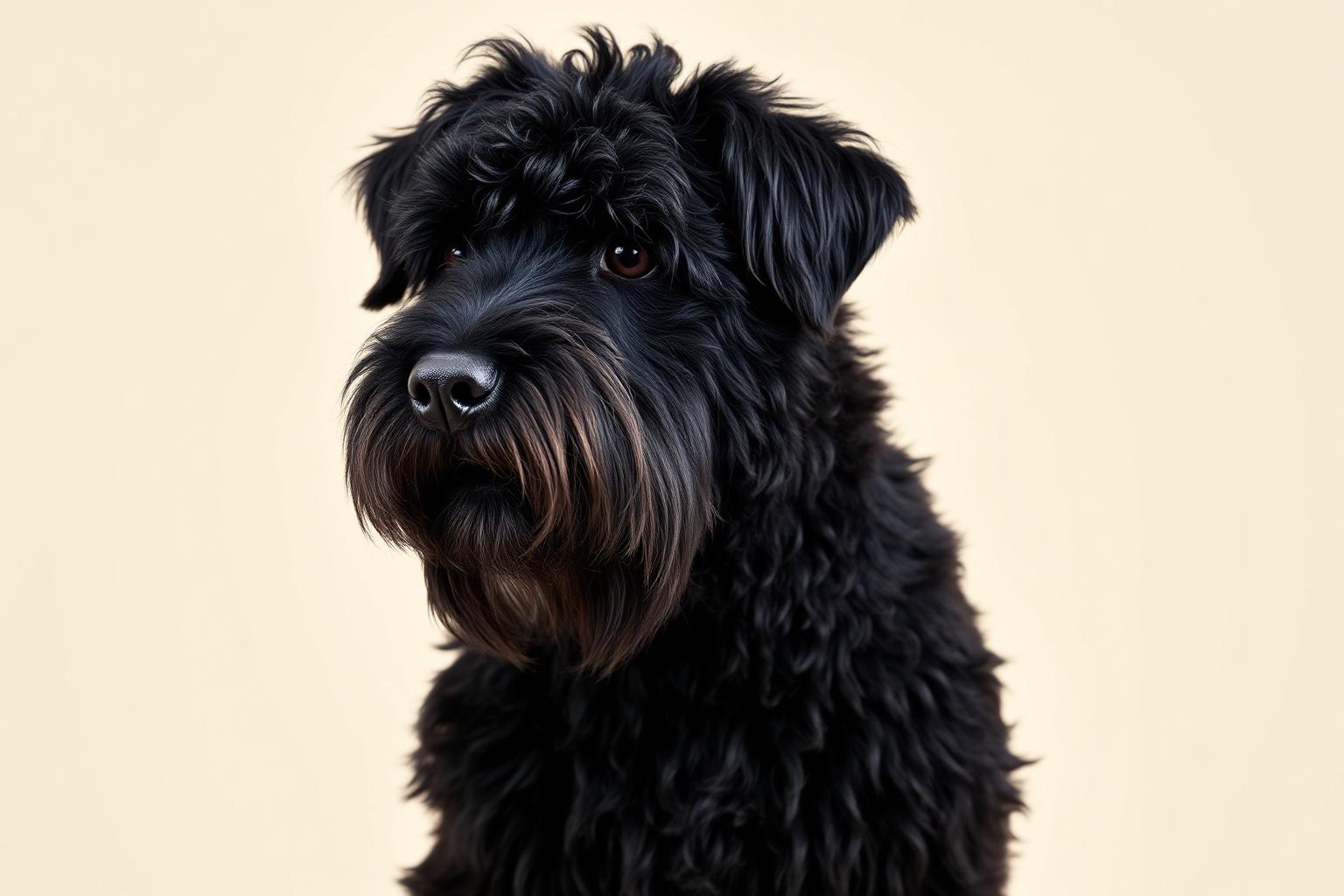
Bouvier des Flandres
"Intrepid guardian, loyal companion, with the spirit of Flanders."
Overview
El Boyero de Flandes es una raza de perro grande y robusta, originaria de las regiones pantanosas de Bélgica y Francia. Conocido por su lealtad inquebrantable y su carácter protector, este perro de trabajo se ha convertido en un excelente compañero familiar, siempre que se le proporcione la socialización y el adiestramiento adecuados. Su fuerte personalidad requiere un dueño con experiencia en perros grandes y con la capacidad de establecer un liderazgo firme pero justo utilizando refuerzo positivo. Los cachorros de Boyero de Flandes necesitan una socialización temprana intensiva para asegurar que crezcan equilibrados y tolerantes con extraños y otras mascotas.
En cuanto a su mantenimiento, el Boyero de Flandes tiene un pelaje áspero y denso que, aunque se considera hipoalergénico, requiere peluquería profesional regular (deslanado o stripping cada 6-8 semanas) y cepillados frecuentes para evitar enredos y mantener su higiene. Es una raza con un nivel de energía considerable, por lo que necesita mucho ejercicio diario (al menos 60-90 minutos de actividad vigorosa), incluyendo paseos largos, juegos y, si es posible, participación en deportes caninos como el agility u obediencia avanzada. La falta de estimulación física y mental puede llevar a problemas de comportamiento y destructividad. Una dieta de calidad para razas grandes es esencial para su salud y bienestar, prestando atención a prevenir la torsión gástrica y la displasia de cadera y codo, afecciones comunes en la raza.
Para las familias con niños, el Boyero de Flandes puede ser un compañero protector y paciente, pero siempre se recomienda supervisión, especialmente con los más pequeños, debido a su tamaño. No es una raza ideal para dueños primerizos ni para aquellos con un estilo de vida sedentario. Un Boyero de Flandes sano y feliz es el resultado de una inversión constante en su adiestramiento, ejercicio, nutrición y cuidados veterinarios adecuados. Su esperanza de vida ronda los 10-12 años, ofreciendo años de compañía leal a la familia adecuada que pueda satisfacer sus necesidades específicas.
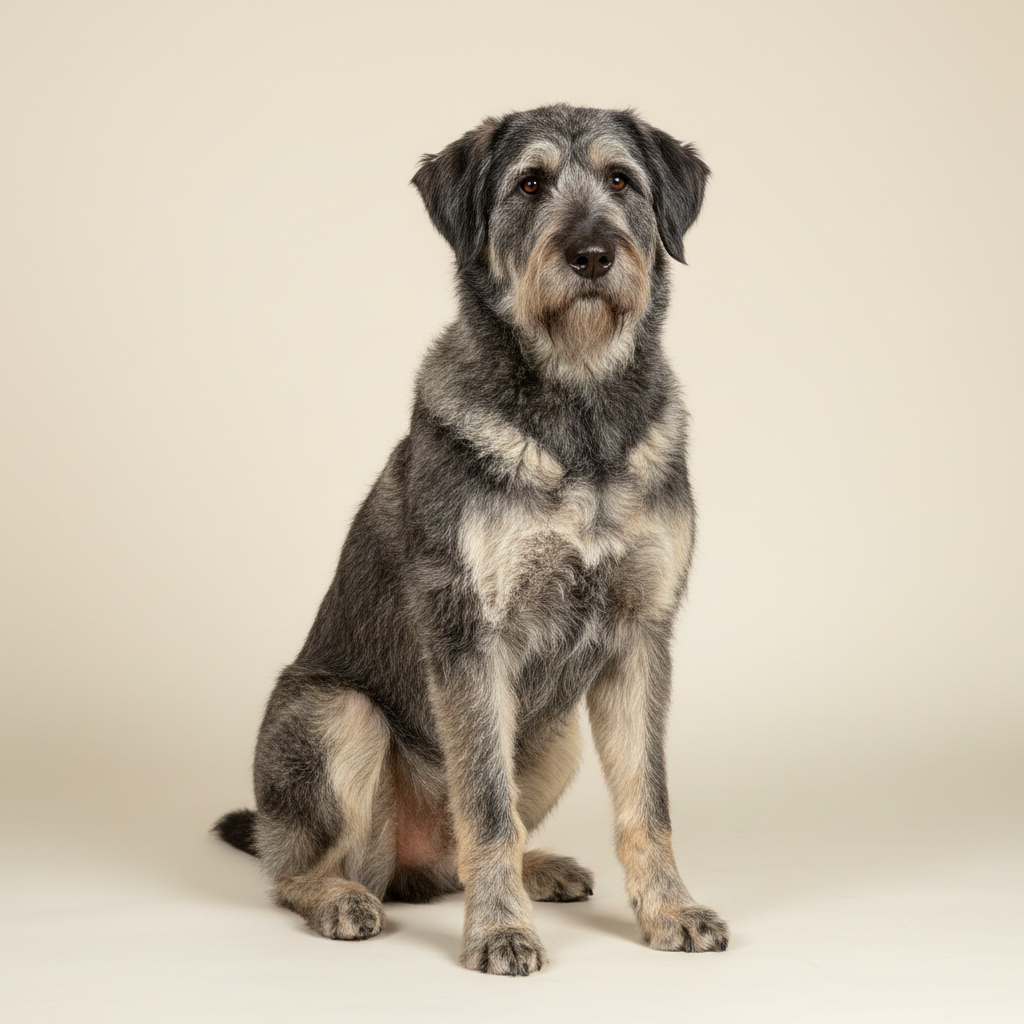
Key facts
- Size
- Large
- Weight
- 27–40 kg
- Life expectancy
- 10–12 years
- Daily exercise
- 75 min/day
- Estimated total
- 220€/month
- Country
- Bélgica / Francia
Character & temperament
The Bouvier des Flandres is a strong-willed, intelligent, and protective dog, making it an exceptional guardian for its home and family. It possesses an unwavering loyalty to its own, often showing great devotion and affection, though not in the most effusive or clingy manner. Its nature is noble and calm indoors, but it is always alert to its surroundings. It's not a hyperactive dog, but it does have considerable energy that needs to be channeled through exercise and mental stimulation. Early and thorough socialization is crucial for this breed; from puppyhood, it should be exposed to different people, places, sounds, and situations to develop a balanced temperament and avoid excessive distrust of strangers. Without proper socialization, they can become reserved or even overly protective. They are independent by nature, meaning training must be consistent and patient, using positive reinforcement methods. They do not respond well to harshness or punishment, as their sensitivity could lead them to become stubborn or withdrawn. They show a great capacity for learning and enjoy working, excelling in activities such as obedience, agility, tracking, or even as therapy dogs. Their intelligence and eagerness to please their owner, combined with firm but affectionate handling, ensure a well-behaved and balanced companion.
Living with children
The cohabitation of a Bouvier des Flandres with children can be very rewarding if solid foundations are laid from the start. They are naturally patient and protective dogs, making them devoted guardians of the youngest family members. However, due to their large size and strength, it is crucial to always supervise interactions with small children to prevent accidental falls or pushes. It is essential to teach both the dog and the children how to interact respectfully. Children must learn not to bother the dog while it eats or sleeps, and to treat it with kindness. For its part, the Bouvier, especially if socialized from puppyhood with children, is usually tolerant and affectionate. They enjoy active games with older children who understand how to interact with a large dog. It is important that the dog has its own 'safe' space where it can retreat if it feels overwhelmed. Given their herding instincts, they may occasionally try to 'herd' children by moving them, which must be consistently corrected from an early age. With proper socialization, correct training, and responsible supervision, a Bouvier des Flandres can be a loyal friend, a tireless playmate, and an unconditional protector for a family with children.
With other pets
The Bouvier des Flandres' relationship with other pets largely depends on its early socialization. If raised with other dogs or cats from puppyhood, it will generally adapt well and accept them as part of its 'pack.' However, its protective instinct may make it cautious with strange animals. With other dogs, if not properly socialized, it may show dominance, especially intact males. It is crucial to introduce new pets gradually and under supervision. With cats, coexistence is usually more peaceful if they have grown up together. In general, with early and continuous socialization, and firm training, the Bouvier can coexist harmoniously with most family pets.
Health & prevention
The Bouvier des Flandres is generally a robust breed, but like many large dogs, it is prone to certain hereditary health conditions. Hip dysplasia and elbow dysplasia are significant concerns, so it is vital to acquire puppies from responsible breeders who screen their breeding stock for these conditions. It can also be susceptible to gastric torsion (bloat or gastric dilatation-volvulus), an acute and potentially fatal condition, so it is recommended to divide its food into several daily meals and avoid vigorous exercise after eating. Other conditions that can affect the breed include hypothyroidism, eye problems such as cataracts, and dilated cardiomyopathy. Some individuals may develop cancer, with lymphosarcoma and hemangiosarcoma being among the most common. Regular veterinary check-ups and vigilance for any changes in the dog's behavior or health are essential. A balanced diet, adequate exercise, and periodic examinations can contribute to a long and healthy life for a Bouvier des Flandres, whose life expectancy typically ranges from 10 to 12 years.
Health risks
- •Hip dysplasia
- •Gastric torsion
- •Glaucoma
Care
Nutrition
The Bouvier des Flandres' diet should be high-quality, formulated for large breeds, and with adequate protein levels to maintain its musculature and energy. During puppyhood, it is crucial to monitor its growth to prevent overly rapid development that could exacerbate dysplasia problems. A diet for large and giant breeds that supports slow bone growth is recommended. Once adult, the amount of food will depend on its activity level, but generally, it will benefit from two or three small meals a day rather than one large one to reduce the risk of gastric torsion. It is important to avoid low-quality grains and fillers, opting for nutritious and highly digestible ingredients. Consulting with a veterinarian to establish an individualized nutritional plan is ideal, adjusting the diet to its age, weight, activity level, and health status.
Grooming & hygiene
The Bouvier des Flandres' harsh, dense coat requires regular maintenance to prevent tangles and keep it in optimal condition. Although it doesn't shed much thanks to its double coat, it needs intensive brushing at least 2-3 times a week with a metal pin brush to remove dead hair and dirt, especially during shedding seasons. Every 6-8 weeks, or even sooner if necessary, its coat should be stripped or hand-plucked, or trimmed by a professional groomer to maintain its texture and protect its skin. Occasional baths are sufficient, using dog-specific shampoo. It is important to check and clean its ears regularly to prevent infections, and trim its nails every 3-4 weeks. Daily or regular dental care is also essential for its overall health. Good grooming not only keeps the Bouvier looking good but is also an opportunity to strengthen the bond with its owner and detect health problems early.
Exercise & training
Exercise plan
The Bouvier des Flandres is a working dog with considerable energy that needs to be released daily to maintain its physical and mental well-being. It requires a minimum of 60-90 minutes of vigorous exercise each day, ideally distributed over several sessions. This can include long, brisk walks, jogging, playing fetch in a secure space, or participating in canine sports. They greatly enjoy activities like agility, advanced obedience, tracking, or simulated herding. Lack of exercise can lead to behavioral problems such as destructiveness, anxiety, or excessive barking. In addition to physical exercise, mental stimulation is equally important; interactive toys, food puzzles, and training sessions are excellent for keeping their mind occupied. A bored Bouvier is an unhappy and potentially problematic Bouvier. A large fenced yard is beneficial but does not replace walks or active interaction with its owner.
Training
Bouvier des Flandres training is essential from an early age and must be consistent, firm, and based on positive reinforcement. They are intelligent dogs with a great capacity for learning, but their independence and sometimes their stubbornness require a patient and experienced owner. Early socialization is paramount for them to accept strangers and other pets without problems. Puppy obedience classes and, subsequently, advanced ones, are highly recommended. They respond best to reward-based methods, praise, and toys, avoiding punishments that can make them withdraw or become resentful. Given their strong personality and size, it is crucial to establish clear boundaries and a hierarchy from the start. Training should be fun and varied to maintain their interest, as they get bored with monotonous repetition. Investing time in their education not only ensures a well-behaved dog but also strengthens the bond between the owner and their Bouvier.
Monthly cost
Costs are based on a large, hypoallergenic dog requiring professional grooming every 6-8 weeks and high-quality food.
Estimate for Spain, healthy adult dog. Varies by region and provider.
Pros & cons
Pros
- ✓Extremely loyal and protective of its family.
- ✓Intelligent and highly trainable for various tasks.
- ✓Generally calm and balanced indoors if adequately exercised.
- ✓Hypoallergenic coat, suitable for some allergy sufferers.
- ✓Versatile, enjoys canine sports and working activities.
Cons
- !Requires intensive and consistent socialization and training from puppyhood.
- !Its large size and strength can be challenging for novice owners to manage.
- !Needs a lot of daily physical and mental exercise to prevent boredom and destructiveness.
- !High maintenance cost due to its size, food, and professional grooming.
- !Can be distrustful of strangers if not properly socialized.
Ideal for
- • Active families experienced in handling large dogs.
- • Individuals seeking a loyal and protective guardian.
- • Owners willing to invest time in training and socialization.
- • Lovers of canine sports and outdoor activities.
Not recommended for
- • First-time owners or those without experience with strong-willed breeds.
- • Sedentary individuals or those with little time for daily exercise.
- • Families unable to commit to its costly professional grooming.
- • Small homes without outdoor space for it to move around.
How it fits each scenario
Can adapt to apartment living if the owner is extremely diligent with daily exercise (long, frequent walks) and mental stimulation. Without enough activity, it can become destructive.
Ideal for houses with a large, securely fenced garden. Outdoor space allows it to burn energy, although it still needs walks and active family participation.
Not ideal for very hot climates due to its dense coat. Needs constant access to shade, fresh water, and activities during cooler parts of the day to avoid heatstroke.
Adapts excellently to cold and temperate climates. Its harsh double coat effectively protects it from low temperatures, allowing it to enjoy the outdoors even in winter.
Requires a lot of supervision due to its size and strength, as it could accidentally knock over a small child. Early socialization and teaching children to respect the dog are crucial.
Are usually patient and protective with school-aged children. They enjoy active play under supervision and can be wonderful companions if children understand how to interact with a large dog.
Not recommended for first-time owners. Its strong character and need for firm, consistent training require experience and knowledge in canine behavior.
An excellent companion for experienced owners who understand the dedication this breed requires in terms of training, socialization, and exercise, rewarding with loyalty and protection.
Perfect for active families who enjoy outdoor activities like hiking, jogging, or canine sports. It needs a companion that can match its energy and desire to participate.
Not the ideal choice for busy families, as it requires considerable investment in daily exercise and training sessions to be a balanced and happy dog.
Considered hypoallergenic due to its double coat that sheds minimally. However, no dog is 100% hypoallergenic, so it's advisable to spend time with one before adopting.
Not suitable for low budgets. Its costs for large dog food, regular professional grooming, and potential vet expenses make it an expensive breed to maintain.
Origin & history
The Bouvier des Flandres has its roots in the monasteries and farms of the swampy regions of Flanders, where monks and farmers developed an all-purpose herding and working dog. Originally known for its ability to drive cattle, pull carts, and protect property, the Bouvier demonstrated exceptional resilience to harsh weather and working conditions. The breed was fundamentally shaped by the agricultural needs of the time. However, it was on the verge of extinction during World War I, as much of its original habitat was devastated, and many specimens were used on the front lines, serving as messenger and rescue dogs, or simply lost. Fortunately, some enthusiasts managed to preserve the bloodline, and the breed was rebuilt and standardized, though without a clear definition of a single 'father' or genetic line, given its practical evolution. Today, it stands as a testament to resilience and adaptability.
During World War I, the Bouvier des Flandres was actively used as an ambulance and messenger dog on the front lines, saving countless lives and demonstrating its courage and resilience in the worst conditions.
Frequently asked questions
Is it truly a hypoallergenic dog?▾
The Bouvier des Flandres is considered a hypoallergenic breed due to its harsh, dense coat that sheds less hair and dander than other breeds. This makes it more suitable for people with mild to moderate allergies. However, no dog is 100% hypoallergenic, as allergies can be triggered by saliva or urine, not just hair. It is crucial for allergy sufferers to spend time with a Bouvier des Flandres before deciding to adopt one to ensure they do not experience adverse reactions.
Is the Bouvier des Flandres good with children?▾
Yes, the Bouvier des Flandres can be excellent with children if properly socialized from puppyhood and if children are taught to respect the dog. They are inherently protective dogs and tend to be patient. However, given their large size and strength, it is vital to supervise interactions with very young children to prevent accidental nudges. They prefer playing with older children who understand how to interact safely with a large dog.
How much exercise does a Bouvier des Flandres need daily?▾
An adult Bouvier des Flandres needs a minimum of 60-90 minutes of vigorous exercise daily. This should include long walks, jogging, active games, and time to run in a secure area. They are dogs with a strong working drive and need both physical and mental stimulation to prevent boredom and destructive behaviors. Lack of exercise is one of the main causes of behavioral problems in this breed.
Does this breed require a lot of training?▾
Absolutely. The Bouvier des Flandres is an intelligent dog with a strong character and an independent nature. It requires early, consistent, firm, and positive reinforcement-based training from puppyhood. Thorough socialization is equally crucial. Without proper training and clear leadership from its owner, they can become stubborn and difficult to manage. They are very capable and respond well to work, enjoying activities that challenge their minds.
How much does it cost to keep a Bouvier des Flandres per month?▾
The monthly cost of keeping a Bouvier des Flandres is estimated at around €220 on average. This calculation includes approximately €75 for high-quality large breed food, €40 for preventive veterinary visits, €60 for professional grooming (needed every 6-8 weeks), €25 for pet insurance, and about €20 for other expenses such as toys, treats, or accessories. It is a breed with a considerable maintenance cost due to its size and grooming requirements.
Do they adapt to living in a hot climate?▾
Due to their dense, harsh double coat, Bouvier des Flandres are not ideally suited for very hot climates. They tend to overheat easily. If you live in a hot climate, it is crucial to provide constant access to shade, fresh water, avoid exercise during the hottest hours, and, if possible, offer an air-conditioned environment. Trimming their coat can help, but it doesn't completely solve the issue.
What health problems are common in the Bouvier des Flandres?▾
Like many large breeds, the Bouvier des Flandres is prone to hip and elbow dysplasia. They are also susceptible to gastric torsion (bloat), hypothyroidism, eye problems such as cataracts, and certain forms of cancer. It is important to acquire puppies from responsible breeders who conduct health screenings, maintain a proper diet, regular exercise, and preventive veterinary visits to monitor these conditions.
Can they travel well in cars or transport?▾
Yes, with early socialization and positive experiences, many Bouviers des Flandres can travel very well by car. It's important to accustom them from puppies, offering short and pleasant trips. Due to their size, they will need a well-ventilated space in the trunk (with an appropriate secure travel crate) or a specific large dog safety harness in the back seat for their comfort and safety. Some may get motion sickness, but this usually improves with habit.
Similar family-friendly breeds
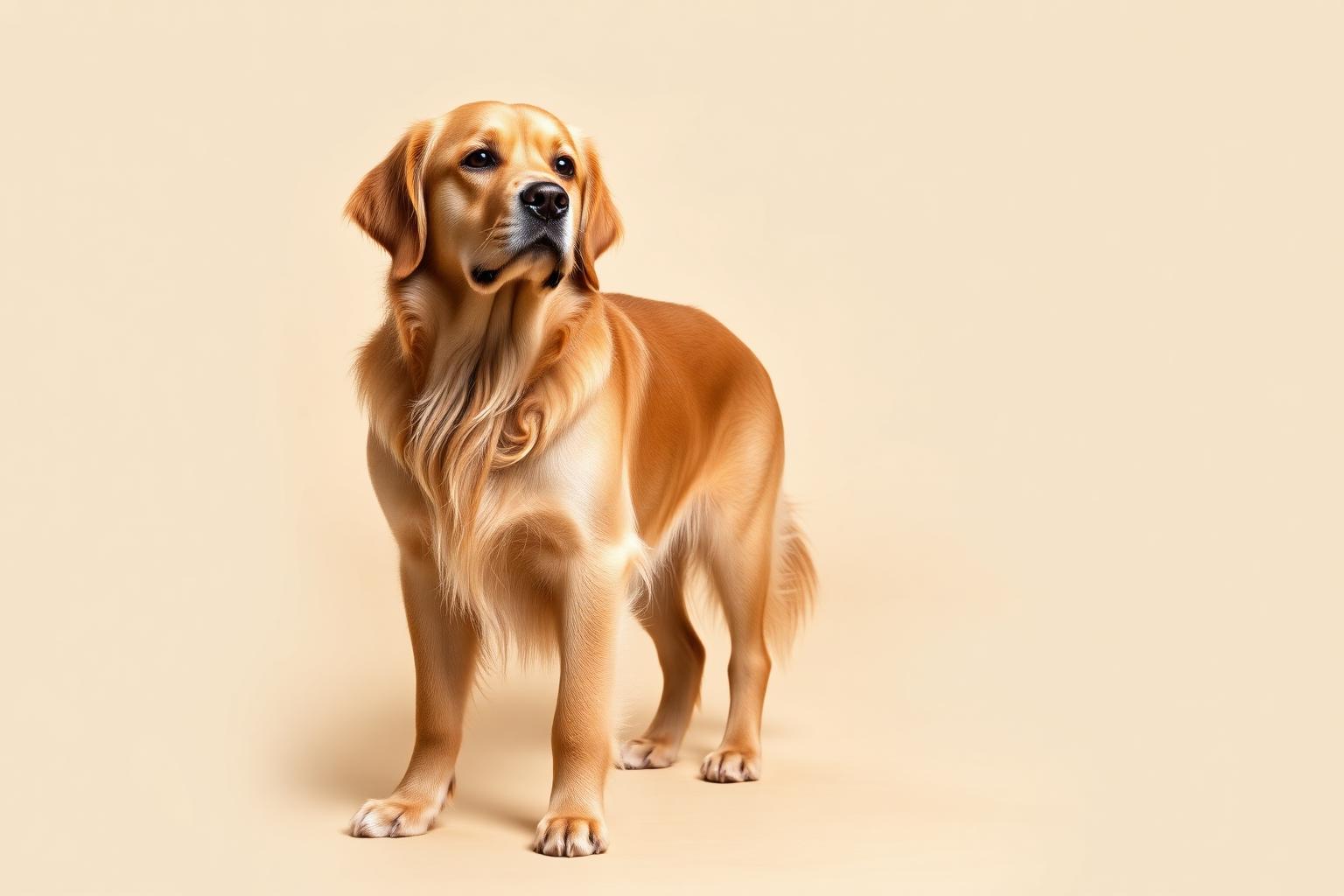
Golden Retriever
9.8The quintessential family companion: patient, sociable, and always up for play. Excellent with children and easy to train.
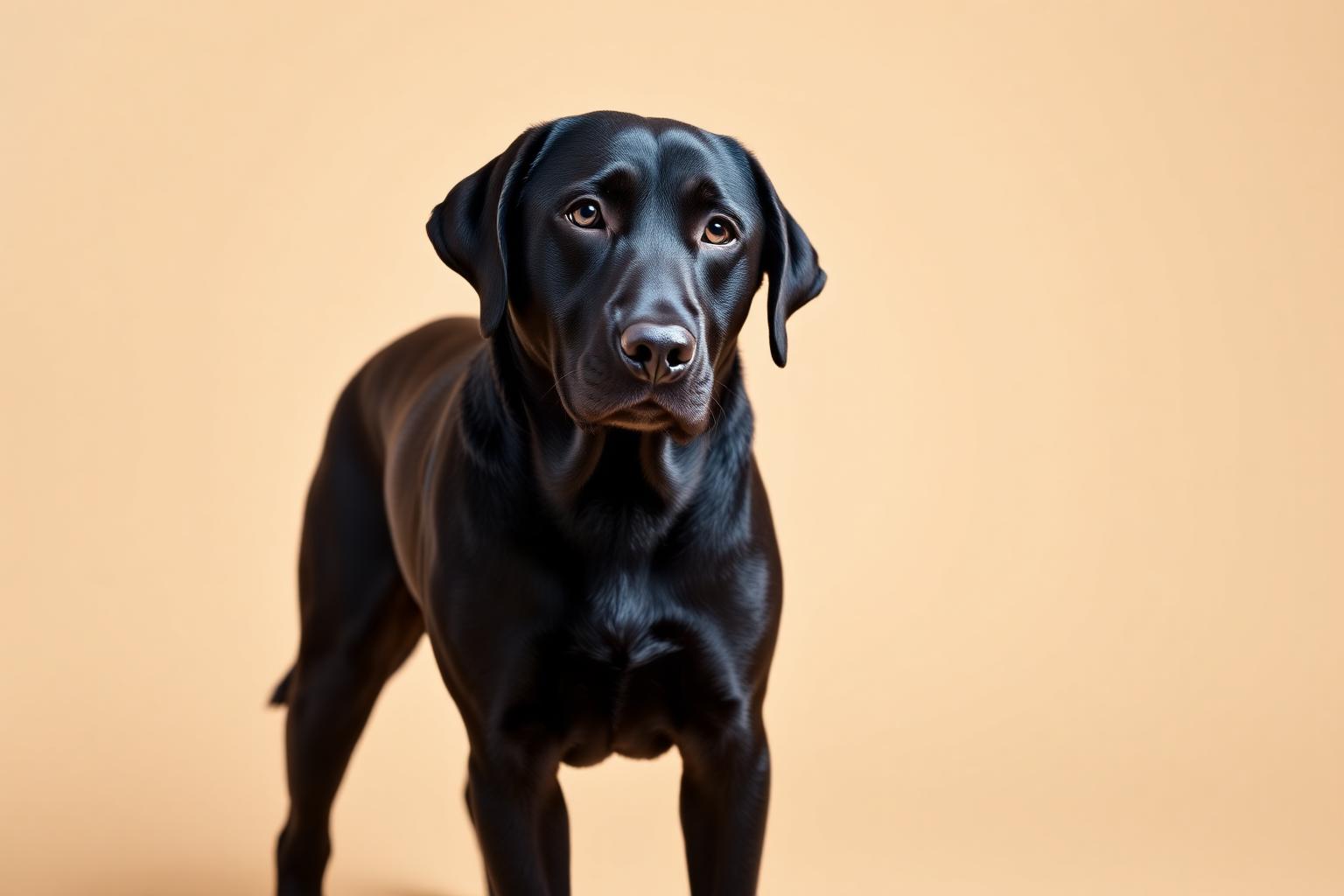
Labrador Retriever
9.7Athletic, playful and loyal. Tolerates children and other animals well. Needs plenty of daily exercise to stay balanced.
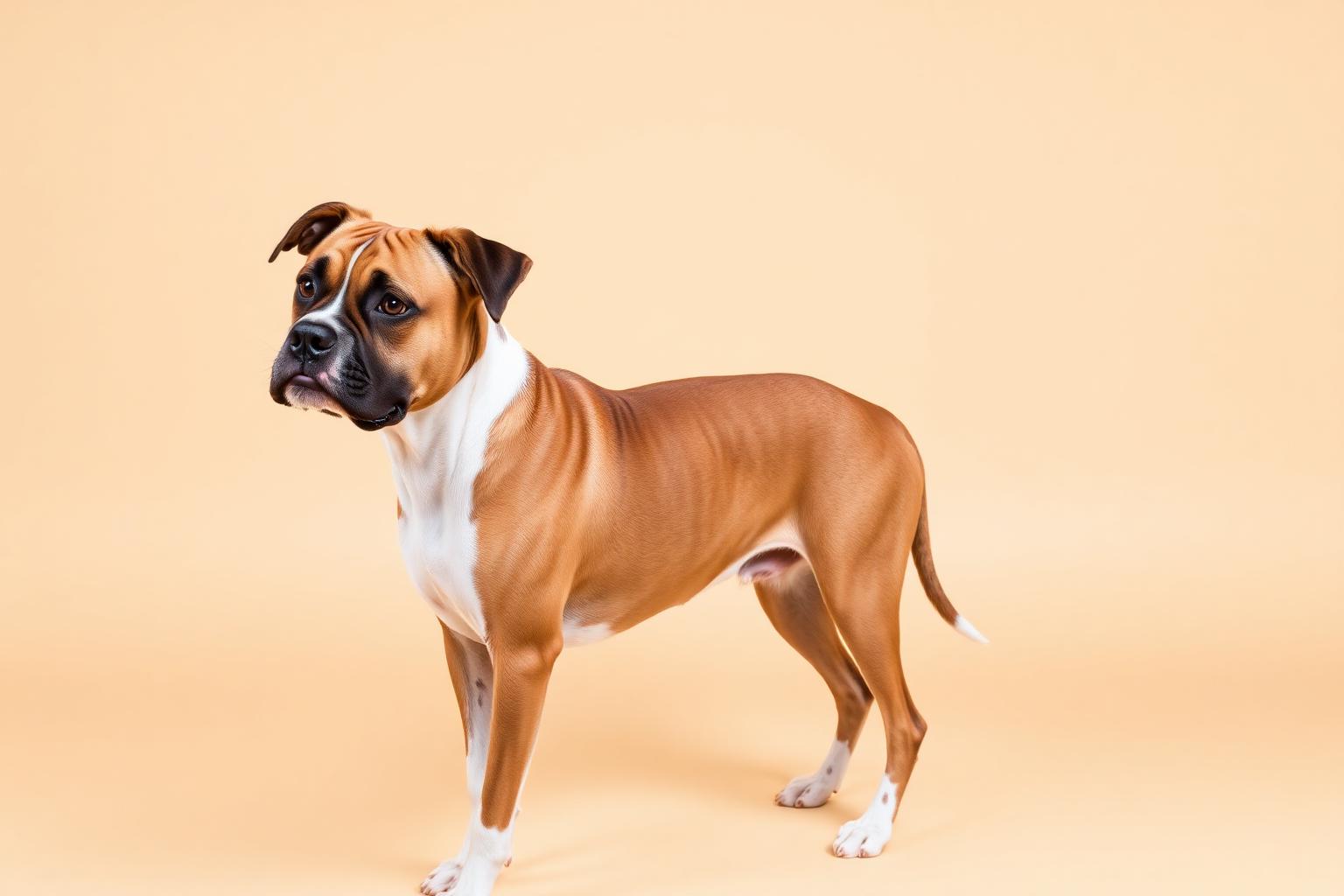
Boxer
8.9Athletic and patient with children. Known as a nanny dog. Needs intense exercise and early socialization.