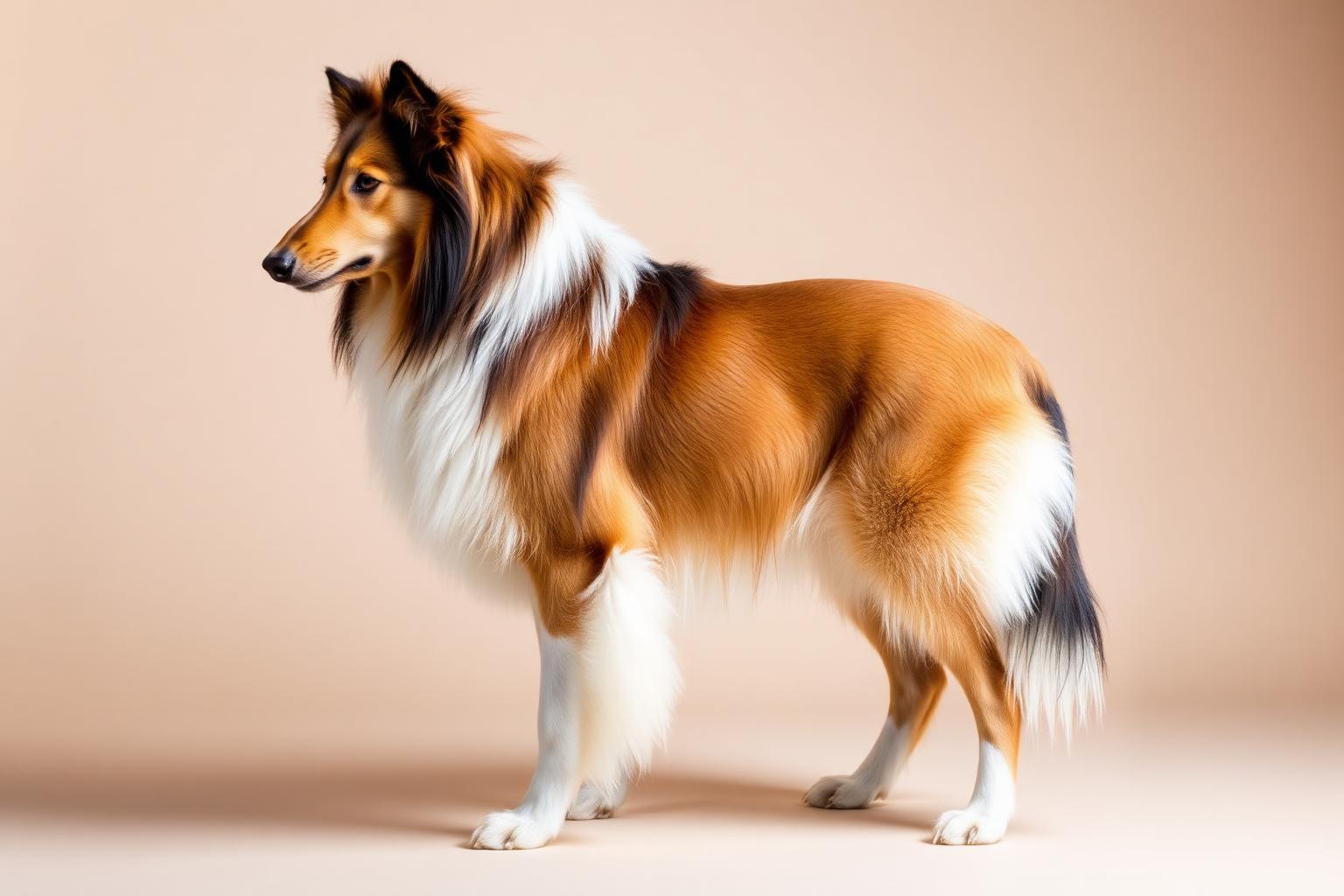
Collie
"More than a TV star: a devoted guardian with a golden heart."
Overview
The Collie is famously known as a loyal, intuitive companion, making this large dog breed one of the best options for families. Weighing up to 34 kg, they form a profound bond with their owners. While they thrive in a house with a garden, their polite indoor temperament means they adapt surprisingly well to apartment living if their outdoor needs are met.
This breed is excellent with small children, acting as a remarkably gentle guardian for babies and toddlers. Parents should note their natural herding instinct, which may lead them to gently nip at running heels to round kids up. Fortunately, they are highly trainable and this behavior is easily redirected with play. Because of their sensitive nature, they do best in a calm home environment rather than a chaotic or loud one.
Keeping your dog happy requires some commitment, specifically about 75 minutes of daily exercise to prevent boredom and anxious barking. They are definitely not hypoallergenic, and families must be prepared to manage a heavy shedder with regular, thorough brushing to prevent matting.
While they love cold weather, their thick double coat causes noticeable heat sensitivity during summer months. Factoring in food and grooming, families should budget roughly 185 euros per month. For those ready to invest time in walks and brushing, the reward is an unparalleled, devoted best friend.
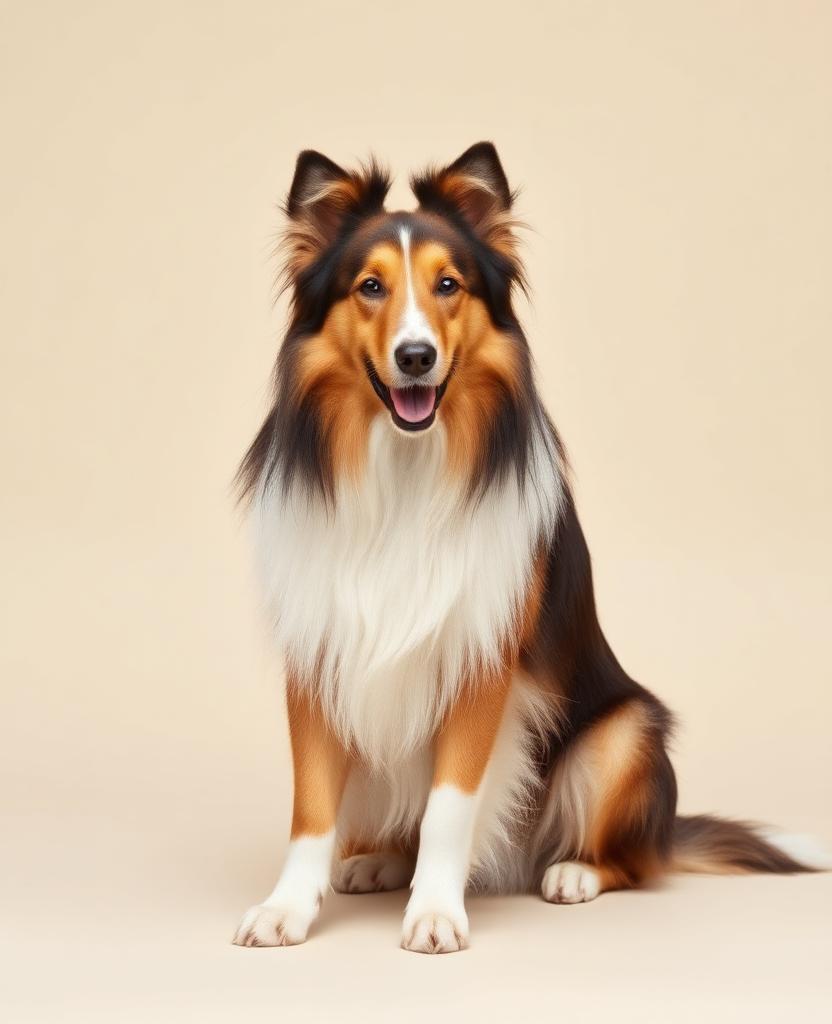
Key facts
- Size
- Large
- Weight
- 22–34 kg
- Life expectancy
- 12–14 years
- Daily exercise
- 75 min/day
- Estimated total
- 185€/month
- Country
- Scotland / United Kingdom
Character & temperament
The Collie is defined by an extraordinary sensitivity and a desire to please. They are not 'independent' dogs; they want to be where people are. In the house, they are calm, observant, and exceptionally polite. They are known for their 'soft' temperament, meaning they respond to subtle cues from their owners and can be hurt by harsh words or a tense atmosphere. This makes them wonderful companions for calm households.
With strangers, Collies are generally friendly but may be slightly reserved at first. They are not aggressive by nature, but they will bark to alert the family of anyone approaching their territory. Once they see that you have accepted a visitor, they usually welcome them with a gentle sniff or a wag of the tail. They lack the intense suspiciousness of some other guard breeds, preferring to watch and report rather than act.
With their primary owners, the bond is profound. A Collie will follow you from room to room, acting as a constant shadow. They are incredibly expressive, often 'talking' with mumbles and groans to share their feelings. Their intelligence is high, often rating near the top of smartest breeds, but unlike some high-drive working dogs, they have an 'off-switch'—they are happy to cuddle on the sofa after their needs are met.
Their signature trait
Living with children
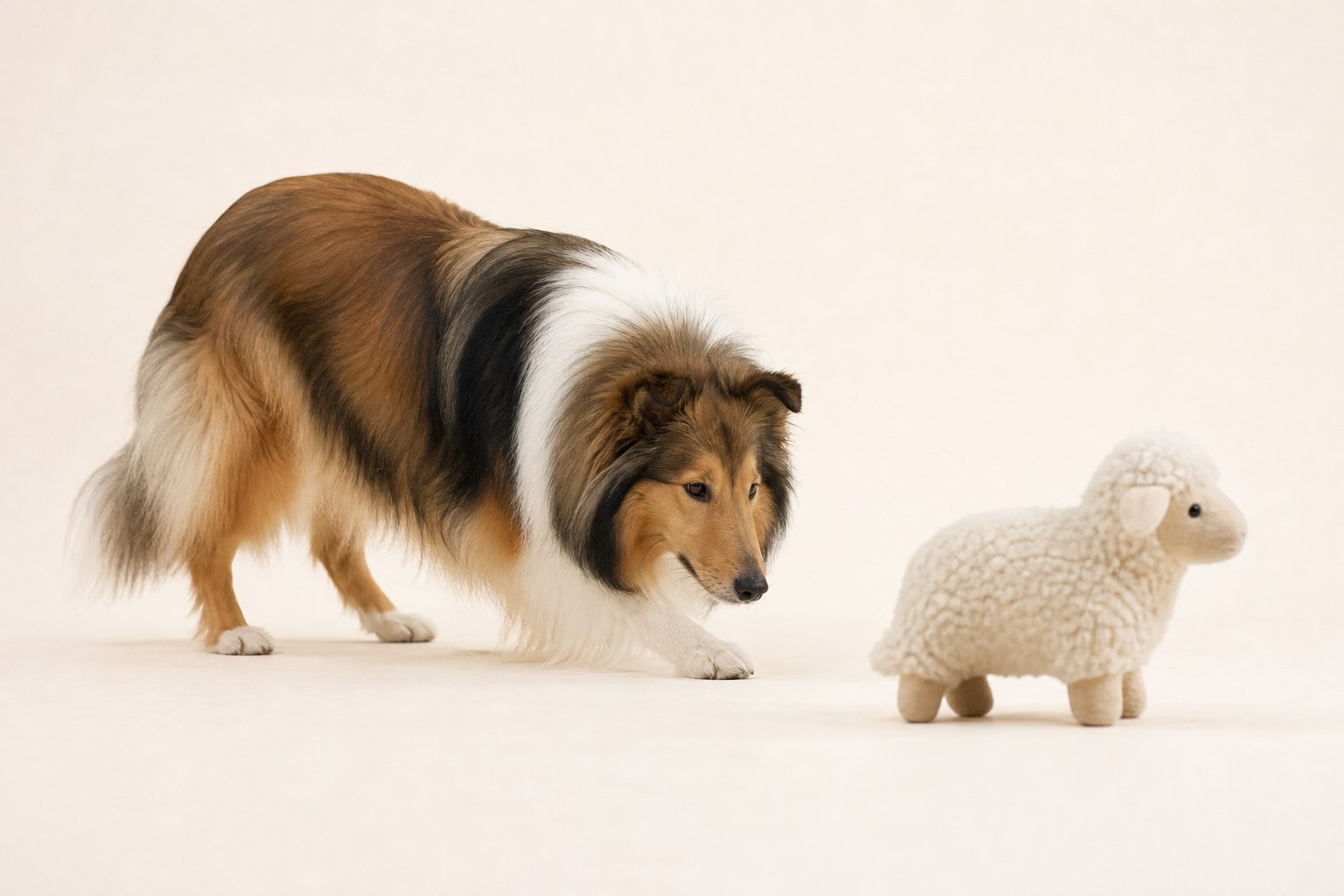
Collies are arguably the best breed for families with children. With infants and toddlers, they are remarkably gentle, often acting as a silent guardian who stays close to the crib or playpen. However, their herding instinct can sometimes surface; they may gently 'nip' at a toddler's heels or circle them to keep them in a specific area. This isn't aggression, but part of their DNA that needs redirection through play. They are patient enough to handle the clumsy movements of young children without reacting negatively.
For school-aged children and teenagers, the Collie becomes an active playmate. They excel at games like fetch, hide-and-seek, or even helping 'herd' children back home during walks. They are sensitive enough to match the energy of an older child, acting as a confidant and emotional support during the moody teenage years. Because they are protective without being aggressive, they provide a sense of security for parents and children alike. Always supervise the interactions with very young children to ensure the dog isn't overstimulated by loud noises.
With other pets
Collies generally get along famously with other animals. They are social by nature and usually accept other dogs without any display of dominance or aggression. Around cats, they are typically respectful, though they might occasionally try to 'herd' them to one corner of the room. Their low prey drive compared to terriers or hounds makes them safe even around smaller pets like rabbits, provided they are introduced properly. They enjoy having a companion, and the presence of another dog can often help reduce the separation anxiety they sometimes feel.
Health & prevention
Collies are generally hardy, but as a veterinarian, I stress the importance of genetic screening. Two specific conditions define the breed. The first is Collie Eye Anomaly (CEA), an inherited condition that can range from mild vision impairment to blindness. Responsible breeders screen puppies at 6-8 weeks. The second, and perhaps most critical for daily care, is the MDR1 gene mutation. This makes the dog dangerously sensitive to many common medications, including some flea treatments and sedatives. A simple DNA test will tell you if your dog is affected, which is vital information for any vet visit.
Additionally, like many deep-chested breeds, they can be prone to Gastric Torsion (bloat), so feeding smaller meals and avoiding exercise after eating is wise. Other potential issues include hip dysplasia and dermatomyositis, an inherited skin condition. Regular cardiovascular checks are recommended as they age. Despite these risks, with a proactive approach to genetic testing and maintaining a lean body weight, a Collie can enjoy a very high quality of life. Regular vet check-ups every six months are the best way to catch any age-related issues early.
Health risks
- •Collie eye anomaly
- •MDR1 mutation
Care
Nutrition
A Collie needs high-quality protein to maintain its coat and energy levels. For an adult weighing 25-30 kg, approximately 350-450 grams of premium dry food daily, divided into two meals, is standard. Look for kibble rich in Omega-3 and Omega-6 fatty acids to support skin health and coat shine. Be cautious with treats; Collies can be prone to weight gain, which puts unnecessary stress on their joints. Always ensure fresh water is available, especially if they are active outdoors, and avoid 'exercise-induced' feeding to prevent bloat.
Grooming & hygiene
The Collie's majestic coat is a commitment. You should brush them thoroughly at least three times a week, paying special attention to the soft hair behind the ears and on the 'trousers' (back legs), where mats form easily. Professional grooming every 2-3 months is recommended for a deep bath and deshedding. In Spain, this service costs around 50-70€. Never shave a Collie; their double coat protects them from both cold and sun. Occasional nail trimming and teeth cleaning are essential for their overall hygiene.
Exercise & training
Exercise plan
A weekly plan for a Collie involves 75 minutes of daily activity. Monday to Friday: Two 30-minute walks with 15 minutes of interactive play like 'find the toy' to satisfy their brain. Saturday: A long 2-hour hike in nature or forest trails to explore scents. Sunday: Agility training or frisbee in a park for 1 hour. Collies don't just need physical steps; they need mental jobs. Without a 'mission,' they may develop obsessive barking or digging. Mix obedience drills with your walks to keep their focus on you.
Training
Training a Collie is generally a joy because of their high intelligence and 'biddability'. They focus intently on their owner and pick up new commands in just a few repetitions. However, the challenge lies in their sensitivity; use only positive reinforcement. A harsh correction can shut a Collie down, making them fearful or unwilling to work. Training sessions should be 15 minutes a day, broken into short segments. They excel in obedience, agility, and rally. Be prepared to address barking early on, as they are vocal by nature. Teaching a 'quiet' command is essential during the first year of life. Consistency and kindness are the two pillars of a well-behaved Collie.
Monthly cost
Estimates reflect a healthy adult. Initial DNA screening (MDR1/CEA) is a one-time cost of approx €150. Grooming assumes professional help every 8 weeks.
Estimate for Spain, healthy adult dog. Varies by region and provider.
Pros & cons
Pros
- ✓Incredibly loyal and intuitive with family emotions.
- ✓One of the safest breeds to have around children of all ages.
- ✓Highly trainable and eager to please even novice owners.
- ✓Elegant appearance that draws admiration wherever they go.
- ✓Naturally clean and lacking a strong 'doggy smell'.
Cons
- !Extensive shedding means constant vacuuming and hair on your clothes.
- !Strong herding instinct may lead to 'nipping' at children's heels.
- !High sensitivity to medications (MDR1) requires expensive genetic testing.
- !Can be vocal and bark excessively if left alone or bored.
- !Significant grooming time is required to prevent painful mats.
Ideal for
- • Families with children looking for a gentle and protective guardian.
- • Active people who enjoy long nature walks and hiking.
- • First-time owners who are willing to commit to grooming and training.
- • Owners who work from home and can spend most of the day with them.
Not recommended for
- • Families who are away from home for more than 5-6 hours daily.
- • Owners who want a 'low-maintenance' dog regarding hair and cleaning.
- • People living in extremely hot climates without climate-controlled housing.
How it fits each scenario
Possible if exercised well, but their size and tendency to bark at hallway noises can be tricky.
Ideal, provided the garden is a place for play, not a place to be exiled alone.
Difficult; they overheat easily and need AC and restricted exercise during peak sun hours.
They thrive in the cold; their double coat is built for harsh Scottish winters.
Excellent, but watch for herding: they might try to circle or nip toddlers to keep them 'in line'.
The golden standard; they are patient, protective, and excel at playing tag or fetch.
Highly recommended due to their eagerness to please and natural trainability.
They appreciate a handler who understands how to manage their sensitivity without harshness.
Perfect match; they will happily join you for miles and then relax quietly at your feet.
Not recommended; they are 'velcro dogs' that suffer deeply from separation anxiety and lack of attention.
Not suitable at all; they are heavy shedders and will trigger reactions quickly.
Mid-to-high cost; grooming and specific health screenings add up over the years.
Origin & history
The Collie's ancestors were tireless herding dogs from the Scottish Highlands, bred to manage large flocks of sheep in challenging weather. In the 1800s, the breed split into the Rough (long-haired) and Smooth (short-haired) varieties. Their popularity sky-rocketed when Queen Victoria encountered them at Balmoral Castle and added them to her royal kennels. Since then, they moved from the rugged hills to the show ring and eventually into the hearts of families worldwide. Selective breeding focused on their intelligence and gentle temperament, transforming a rugged worker into the sophisticated, sensitive companion we recognize today as the ultimate 'nanny dog'.
The Rough Collie became a global icon thanks to 'Lassie', but before that, Queen Victoria was the one who boosted the breed's popularity in England.
Frequently asked questions
How much does a Collie puppy cost?▾
Prices in Spain range from €800 to €1,500. Always ensure the breeder provides genetic clearances for CEA and MDR1; otherwise, you might face heavy vet bills later.
Do Collies shed much hair?▾
They shed a lot year-round, with two massive 'blow outs' per year. Expect to vacuum daily if you want a clean home. Frequent brushing helps manage the mess.
Are Collies very noisy dogs?▾
Yes, they are medium-to-high barkers. They use their voice to alert or express boredom. Training and mental stimulation are key to keeping them quiet.
Is it a good dog for children?▾
Absolutely. They are legendary family dogs known for their patience and 'nanny' instinct. They are far gentler than many other working breeds.
What is their life expectancy?▾
Most live between 12 and 14 years. With good genetics and weight control, some can reach 15, which is impressive for a large breed.
Are they easy to train for a first-time owner?▾
They are among the easiest breeds to train. They learn commands quickly but are sensitive, so they respond best to positive reinforcement, not shouting.
What is the most important health issue?▾
The MDR1 mutation makes them sensitive to certain common drugs (like Ivermectin) that can be fatal. All owners must test their dogs and inform their vet.
Are they very hyperactive indoors?▾
While they need 75 minutes of daily exercise, Collies have an 'off switch'. Inside the house, they are typically calm and enjoy lounging near their owners.
Similar family-friendly breeds

Golden Retriever
9.8The quintessential family companion: patient, sociable, and always up for play. Excellent with children and easy to train.
Golden Retriever
9.8The quintessential family companion: patient, sociable, and always up for play. Excellent with children and easy to train.

Labrador Retriever
9.7Athletic, playful and loyal. Tolerates children and other animals well. Needs plenty of daily exercise to stay balanced.