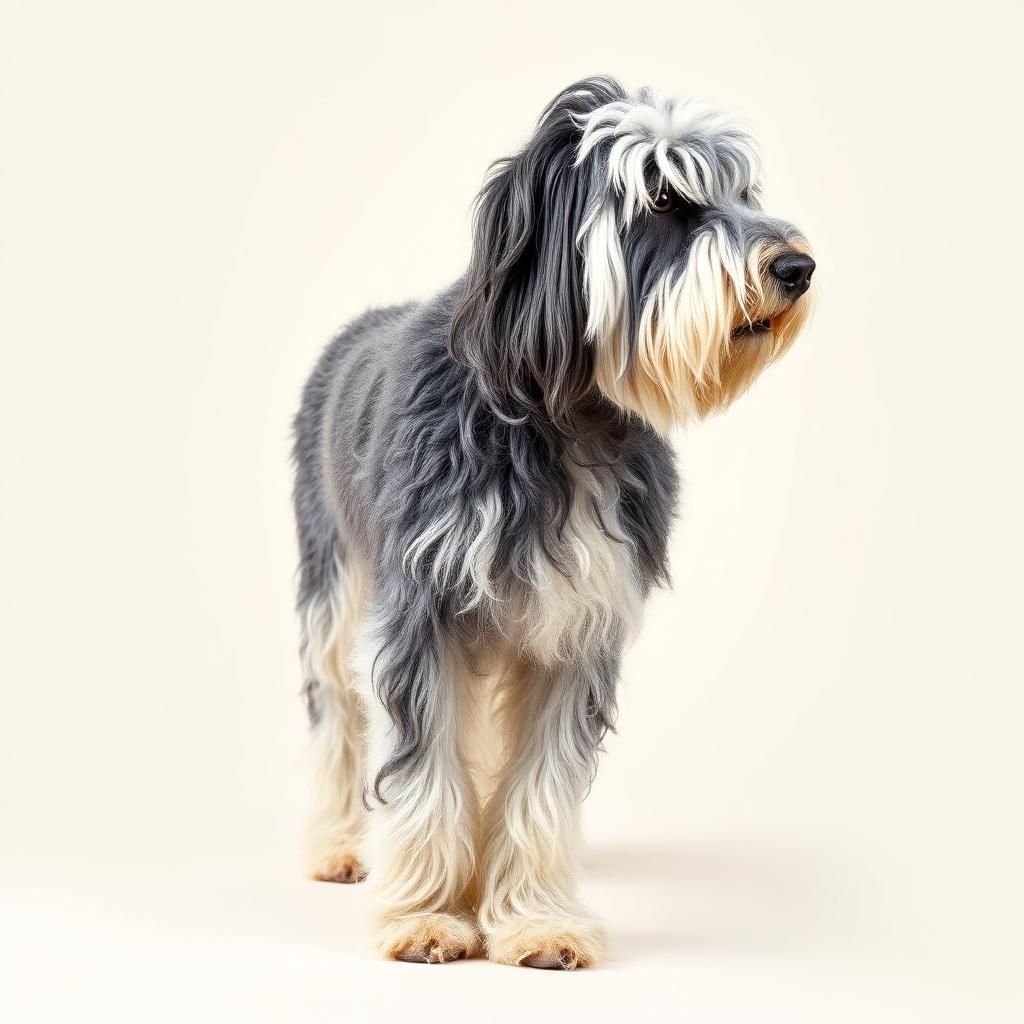
Old English Sheepdog
"A gentle giant, noble guardian and lovable family companion."
Overview
The Old English Sheepdog, affectionately known as the Bobtail, is one of the most iconic dog breeds, famous for its distinctive long, shaggy coat. Originating in England, this herding dog has transitioned from an tireless worker in the fields to a lovable family companion. Its large size and gentle nature make it a gentle giant that gets along exceptionally well with children and other pets if properly socialized from an early age.
Its loyal and protective character makes the Bobtail an excellent guardian, always attentive to its family. They are intelligent dogs who enjoy companionship and interaction, though they can display an independent streak that requires consistent, positive reinforcement training. Despite their 'teddy bear' appearance, they need a moderate amount of daily exercise, at least an hour, to stay healthy and mentally stimulated. This includes long walks and playtime. The health of the Old English Sheepdog is generally robust, but they are prone to conditions like hip and elbow dysplasia, eye problems, and the risk of gastric torsion, underscoring the importance of choosing a reputable breeder and regular veterinary check-ups.
One of the most demanding aspects of owning a Bobtail is coat care. Their dense coat requires daily and thorough grooming to prevent tangles and mats, which can lead to serious skin problems. The cost of ownership is significant, especially if professional grooming is included. Still, for families willing to invest time and resources in their needs, the Old English Sheepdog offers unconditional love, joy, and incomparable companionship, adapting well to homes with space and an active lifestyle. They are not for people with allergies due to their constant shedding.
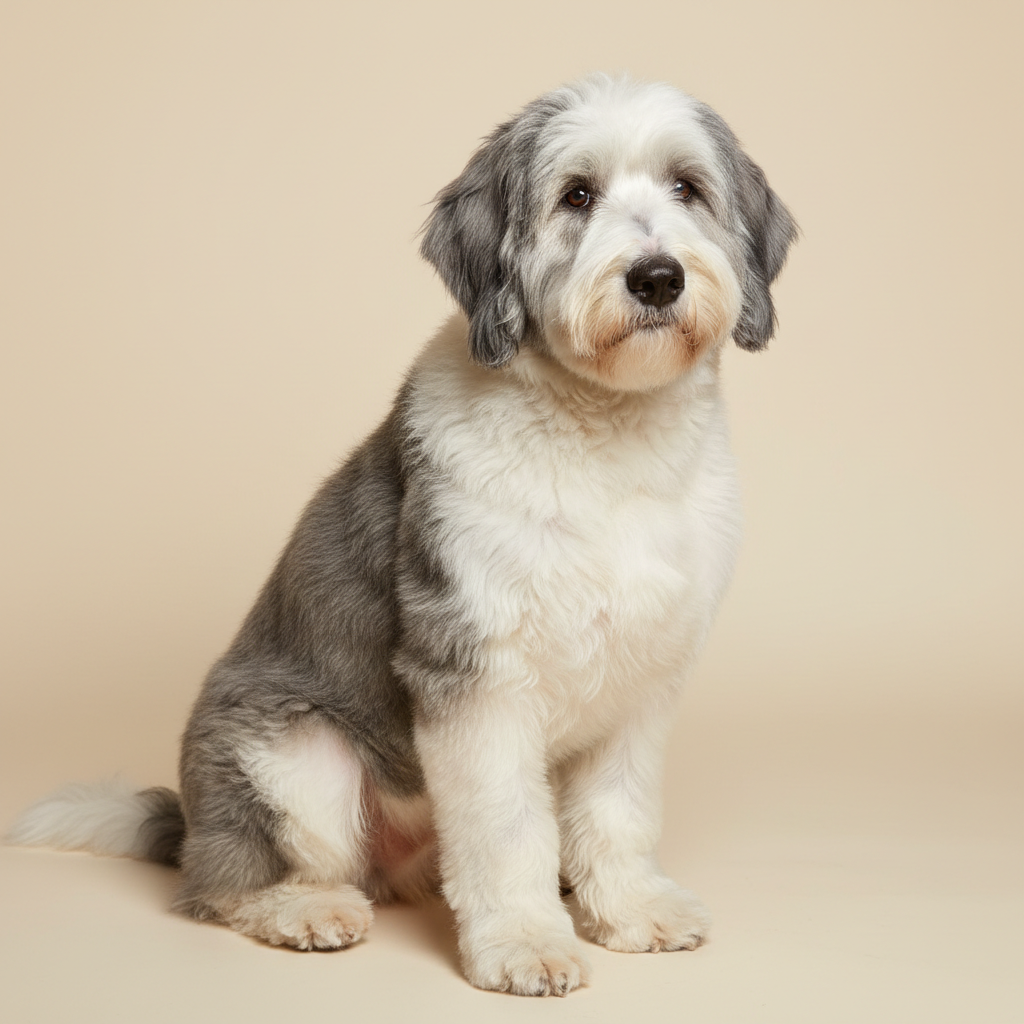
Key facts
- Size
- Large
- Weight
- 27–45 kg
- Life expectancy
- 10–12 years
- Daily exercise
- 75 min/day
- Estimated total
- 240€/month
- Country
- Reino Unido / United Kingdom
Character & temperament
The Old English Sheepdog is known for its amiable nature and balanced temperament. They are very intelligent dogs, though they can sometimes exhibit a certain stubbornness, a legacy of their herding past, which requires patience and consistency in their training. They are incredibly loyal and protective of their family, making them good watchdogs, alerting with deep barks to the presence of strangers. However, once they accept someone, they are usually very friendly and sociable. They tend to be calm and serene at home, enjoying the company of their humans and quiet moments, but they also possess a playful energy that makes them enjoy games and outdoor activities. Early socialization is fundamental for a Bobtail, as it ensures they develop a balanced personality and feel comfortable in various situations and with different people and animals. They tend not to be aggressive, preferring companionship and positive interaction. They are known for their "sense of humor" and for being a bit clownish, which can be very entertaining for their families. Their attachment to the family is very strong, sometimes to the point of following their owners around the house; they do not like prolonged solitude and can suffer from separation anxiety if left alone for too long. They are sensitive to their owners' moods, making them empathetic and comforting companions.
Living with children
Old English Sheepdogs are generally excellent companions for children. Their patient and kind nature makes them gentle protectors and willing playmates, often leading to a strong and beautiful friendship. They are robust enough to withstand energetic play from small children without being fazed, and without reacting abruptly. However, due to their considerable size, adult supervision is always recommended when they interact with very young children, especially to prevent accidental tumbles if the dog moves playfully or to avoid children (unintentionally) hurting them, which could provoke an unexpected reaction in any dog. It is crucial to teach children how to interact respectfully with the dog, explaining boundaries and the proper way to pet and play with them. Bobtails have a herding instinct that can sometimes manifest by trying to 'herd' children with gentle nudges or by circling them. This is not aggression, but an instinctive behavior that should be managed with early training and redirection to help the dog understand that children are not livestock. A well-socialized and trained Bobtail will be a loving and tolerant family member, enjoying the company of children as if they were part of their own flock, offering them a furry friend to grow and play with.
With other pets
The coexistence of Old English Sheepdogs with other pets can be very successful, especially if **early and adequate socialization** is carried out. Bobtails are generally friendly and tolerant, particularly if they grow up alongside other pets. With cats or other small animals, their herding instinct might initially be triggered, but if taught to coexist from puppyhood, they can learn to respect them and even form friendly relationships. It is important to introduce new pets gradually and under supervision. With other dogs, they are usually **sociable and enjoy company**, although it is essential that the initial meeting is positive. Being large dogs, it is always necessary to ensure that interactions are balanced and that the Bobtail does not accidentally intimidate smaller animals. Their protective behavior extends to the entire family unit, including other pets.
Health & prevention
The Old English Sheepdog is generally a robust breed, with a life expectancy of 10 to 12 years. However, like many large breeds, they are susceptible to certain genetic conditions and health issues. The most common include hip and elbow dysplasia, making it crucial for breeders to screen parent dogs. They can also suffer from gastric dilatation-volvulus (bloat), a serious medical emergency requiring immediate veterinary attention, so it's important to divide their meals into several servings and avoid intense exercise after eating. Other concerns include eye diseases such as progressive retinal atrophy and cataracts, as well as congenital deafness. Due to their abundant coat, they are prone to skin problems if not properly cared for, such as dermatitis or hot spots, especially in humid or warm climates. Maintaining their ideal weight is essential to prevent joint problems and extend their quality of life. Regular veterinary check-ups, a balanced diet, and consistent grooming are key to a Bobtail's lasting health.
Health risks
- •Hip dysplasia
- •Cataracts
- •Hypothyroidism
Care
Nutrition
The **Old English Sheepdog's diet** should be high-quality and formulated for large breeds, paying close attention to their activity levels and life stage. A Bobtail puppy requires different food than an adult or senior, with a proper balance of protein for muscle growth and calcium for bone development, but without excesses that could accelerate growth and contribute to joint problems. For adults, the goal is to maintain a healthy weight to **prevent hip or elbow dysplasia**. It is advisable to divide the daily portion into **two or three meals** to reduce the risk of gastric torsion, a serious problem in large breeds. Monitor their weight and adjust portions as needed. Consider joint health supplements like glucosamine and chondroitin, especially as they age. Hydration is key, so ensure they always have access to fresh, clean water.
Grooming & hygiene
The **impressive coat of the Old English Sheepdog** is one of its most distinctive features, but it also requires a considerable commitment to grooming. Its dense, shaggy double coat tangles easily and needs **daily or every-other-day brushing** to prevent matting, which can cause skin problems and pain. This brushing must be thorough, reaching down to the skin. It is recommended to accustom them from puppyhood. Bathing should be done every few weeks or when necessary, using specific shampoos and conditioners for long-haired dogs, and always **drying them completely** to prevent skin moisture. Additionally, they need **regular trims** around the eyes to maintain clear vision and prevent irritation, as well as on the paws and under the tail for hygiene. Regular ear cleaning is crucial to avoid infections. Many owners opt to take them to a professional groomer every 6-8 weeks or learn home grooming techniques to keep the coat manageable. This grooming commitment is unavoidable for the Bobtail's health and comfort.
Exercise & training
Exercise plan
Despite their 'teddy bear' appearance, the Old English Sheepdog is a large, energetic dog that requires a moderate amount of exercise to stay healthy and happy. They need at least **one hour of daily physical activity**, which can be divided into two or three energetic walks and play sessions. They enjoy long hikes, mountain excursions, and playing in a fenced yard. Their herding instinct makes them **enjoy activities that involve moving and 'rounds'**, so fetch games or other 'work' activities can be very stimulating for them. In addition to physical exercise, **mental stimulation** is crucial for this intelligent breed. Puzzle games, interactive toys, or short training sessions can help keep their minds active and prevent boredom. Insufficient exercise can lead to destructive behaviors or weight gain, which puts additional strain on their joints. Water activities can also be very enjoyable for them, always with supervision.
Training
The Old English Sheepdog is an **intelligent yet sometimes somewhat independent or stubborn dog**, which means training requires patience and consistency. **Basic obedience training** should start from puppyhood, using positive reinforcement methods. They respond very well to rewards, praise, and play. Their intelligence allows them to learn quickly, but their herding side can sometimes make them question commands that don't seem logical, so sessions should be short, fun, and varied to keep their interest. **Early socialization** is crucial, exposing them to different people, places, sounds, and other pets from a young age to ensure they develop into well-adjusted and confident dogs. Training a Bobtail not only strengthens the bond between dog and owner but is also crucial for managing their large size and herding instinct, especially with small children. Avoid punishment-based training methods, as they can become withdrawn or stubborn. A well-behaved Bobtail is a joy to have at home and an exemplary family member.
Monthly cost
Dog grooming expenses are considerably high and represent an unavoidable fixed cost unless the owner learns exhaustive grooming techniques at home.
Estimate for Spain, healthy adult dog. Varies by region and provider.
Pros & cons
Pros
- ✓Extremely loyal and protective towards their family.
- ✓Gentle and patient, excellent with children if well-socialized.
- ✓Intelligent and adaptable, they enjoy company and activity.
- ✓Balanced and calm temperament at home.
- ✓Their unique appearance is a distinctive and adorable trait.
Cons
- !Requires a very high grooming commitment to prevent mats and skin problems.
- !Can be stubborn in training due to their independence.
- !Do not tolerate prolonged solitude well, potentially developing separation anxiety.
- !Large size requires space and can be a risk for very young children if unsupervised.
- !Prone to health issues such as hip dysplasia and gastric torsion.
Ideal for
- • Active families with children looking for a loyal and playful companion.
- • Owners willing to commit to thorough daily grooming.
- • People who can offer plenty of companionship and won't leave the dog alone for long periods.
- • Homes with sufficient space and a fenced yard.
Not recommended for
- • People with severe dog hair allergies.
- • Owners who cannot dedicate time to brushing and coat care.
- • Homes where the dog will spend many hours alone.
- • Families looking for a low-maintenance dog or on a tight budget for grooming.
How it fits each scenario
An Old English Sheepdog can adapt to apartment living if they receive enough daily exercise and stimulation. However, their large size and need for movement make a larger space preferable. They can be noisy with their barking if bored.
A home with a fenced garden is ideal for a Bobtail, as it provides them with a safe space to play and explore. They enjoy the outdoors, but the garden does not replace walks; it complements their activity and fun.
**They are not suitable for strenuous hot climates** due to their dense double coat. In warm areas, they need shade, air conditioning, and constant access to water, and exercise should be scheduled for the coolest parts of the day to prevent heatstroke.
The Old English Sheepdog is **well adapted to cold climates** thanks to its abundant and insulating coat. They enjoy snow and low temperatures, as long as their activity is adjusted to the conditions and they are not exposed to extreme humidity for too long.
They are generally patient, but their large size can be an issue with very small children. Constant supervision is crucial, and children should be taught to interact respectfully to avoid unintentional accidents.
They are fantastic companions for school-aged children. They will enjoy games and interaction, and their protective nature will foster a strong bond. Children's energy can be well channeled into games that benefit the dog.
An Old English Sheepdog can be challenging for first-time owners due to their intense grooming needs and potential stubbornness in training. They require commitment and time to learn how to manage them properly.
Experienced owners will appreciate the Bobtail's intelligence and loyalty. Their knowledge of training and grooming will allow them to fully enjoy the company of this breed and approach their specific needs with confidence.
An active family is ideal for the Old English Sheepdog. They will enjoy walks, hikes, and outdoor games, which will help keep them physically and mentally stimulated, preventing boredom and a sedentary lifestyle.
**Not the best choice for very busy families** who cannot dedicate time to daily grooming and providing extensive companionship. Prolonged solitude can lead to behavioral issues and separation anxiety in this very attached breed.
Despite their 'hypoallergenic' reputation due to their hair type, Old English Sheepdogs are **not truly hypoallergenic and tend to shed a lot**, especially during shedding seasons. They are not suitable for people with allergies.
The costs associated with a Bobtail (large dog food, professional grooming, potential veterinary treatments for their predisposition to certain diseases) can be high. **They do not fit well with a limited budget**.
Origin & history
Originating in the west of England, this breed was developed as a drover's dog to drive cattle and sheep to markets. Their tails were historically docked, earning them the nickname 'Bobtail'. Today, they stand out globally as an excellent family companion.
The Old English Sheepdog is famous for being the mascot of the 'Dulux' paint brand for decades. Its image has been so iconic that the term 'Dulux dog' is synonymous with the breed in many parts of the world.
Frequently asked questions
How often should I brush my Old English Sheepdog's coat and why is it so important?▾
You should brush your Old English Sheepdog's coat **daily or at least every other day**, thoroughly, reaching down to the skin. It's crucial because their dense, shaggy double coat tangles easily, forming knots and mats that are not only painful for the dog but can also cause skin irritations, infections, and even hide parasites. Regular brushing prevents these problems, distributes natural skin oils, and strengthens the bond between you and your pet. It's a fundamental time investment for their health and well-being.
Can Old English Sheepdogs live well in an urban apartment?▾
While they prefer houses with gardens, an Old English Sheepdog **can adapt to urban apartment living** as long as their owners commit to providing them with sufficient physical exercise and mental stimulation. This means at least an hour of energetic walking per day, along with games and quality time with the family. Without proper exercise and attention, they can become destructive or develop separation anxiety. Their large size can be a disadvantage in small spaces, and their deep bark might bother neighbors. The owner's commitment is key.
How good are Old English Sheepdogs with small children?▾
Old English Sheepdogs are generally **very good with children**, known for their patience and protective nature. They can be gentle and loyal playmates. However, due to their large size and herding instinct (they might try to gently 'herd' children), **adult supervision is always recommended** with very young children to prevent accidental tumbles. It is essential to teach both the dog and children how to interact safely and respectfully to ensure a harmonious and happy coexistence for everyone.
Are Old English Sheepdogs 'hypoallergenic' dogs?▾
Despite their coat type, which some might mistake for hypoallergenic, Old English Sheepdogs are **not a hypoallergenic breed**. They produce dander and yes, they **shed quite a bit**, especially during shedding seasons. People with dog allergies will likely experience reactions with a Bobtail. If hypoallergenicity is an important factor, this breed is likely not the most suitable choice.
What health problems are common in Old English Sheepdogs?▾
Old English Sheepdogs are prone to several conditions, including **hip and elbow dysplasia**, so it's essential to get puppies from breeders who conduct health screenings. They are also at risk for **gastric dilatation-volvulus (bloat)**, a medical emergency. Other concerns include eye problems like progressive retinal atrophy and cataracts, as well as otitis (ear infections) due to their floppy, hairy ears, and certain thyroid issues. Regular, preventative veterinary care is crucial.
How much exercise does an Old English Sheepdog need daily?▾
An adult Old English Sheepdog needs **at least one hour of moderate to vigorous exercise** every day. This can include long walks, play in a fenced yard, or energetic play sessions. They are herding dogs and enjoy activities that involve movement and 'work'. In addition to physical exercise, mental stimulation through puzzle games or training is crucial to keep them balanced and prevent boredom and potential destructive behaviors.
What's the best way to train an Old English Sheepdog?▾
Bobtail training should be **positive, consistent, and patient**. They are intelligent but can be stubborn, so positive reinforcement methods (rewards, praise) are the most effective. Start obedience training and socialization from puppyhood to establish good habits. Sessions should be short and fun to maintain their interest. Early and extensive socialization with different people, places, and other animals is key for a balanced temperament.
Approximately how much does it cost to keep an Old English Sheepdog per month?▾
The monthly cost of keeping an Old English Sheepdog can range around **240 euros per month**, including quality food for large breeds (around 70€), basic and preventive vet visits (45€), insurance (35€), and other expenses. The biggest recurring expense, and a key factor to consider, is grooming. If you don't do it yourself, professional grooming can cost around **65 euros per month or more** (if the cost of each visit is divided). This expense can be considerable and should be seriously budgeted.
Similar family-friendly breeds
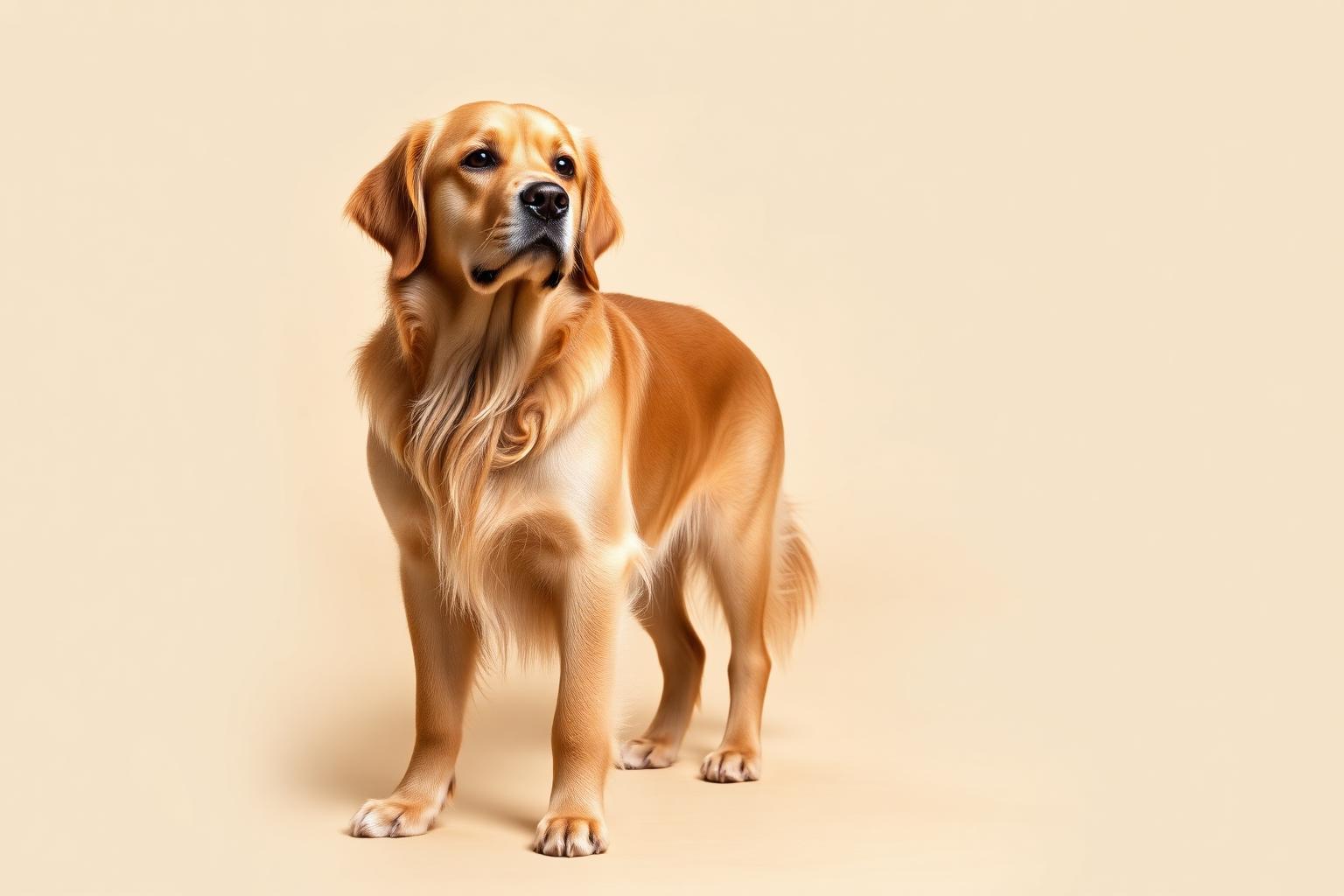
Golden Retriever
9.8The quintessential family companion: patient, sociable, and always up for play. Excellent with children and easy to train.
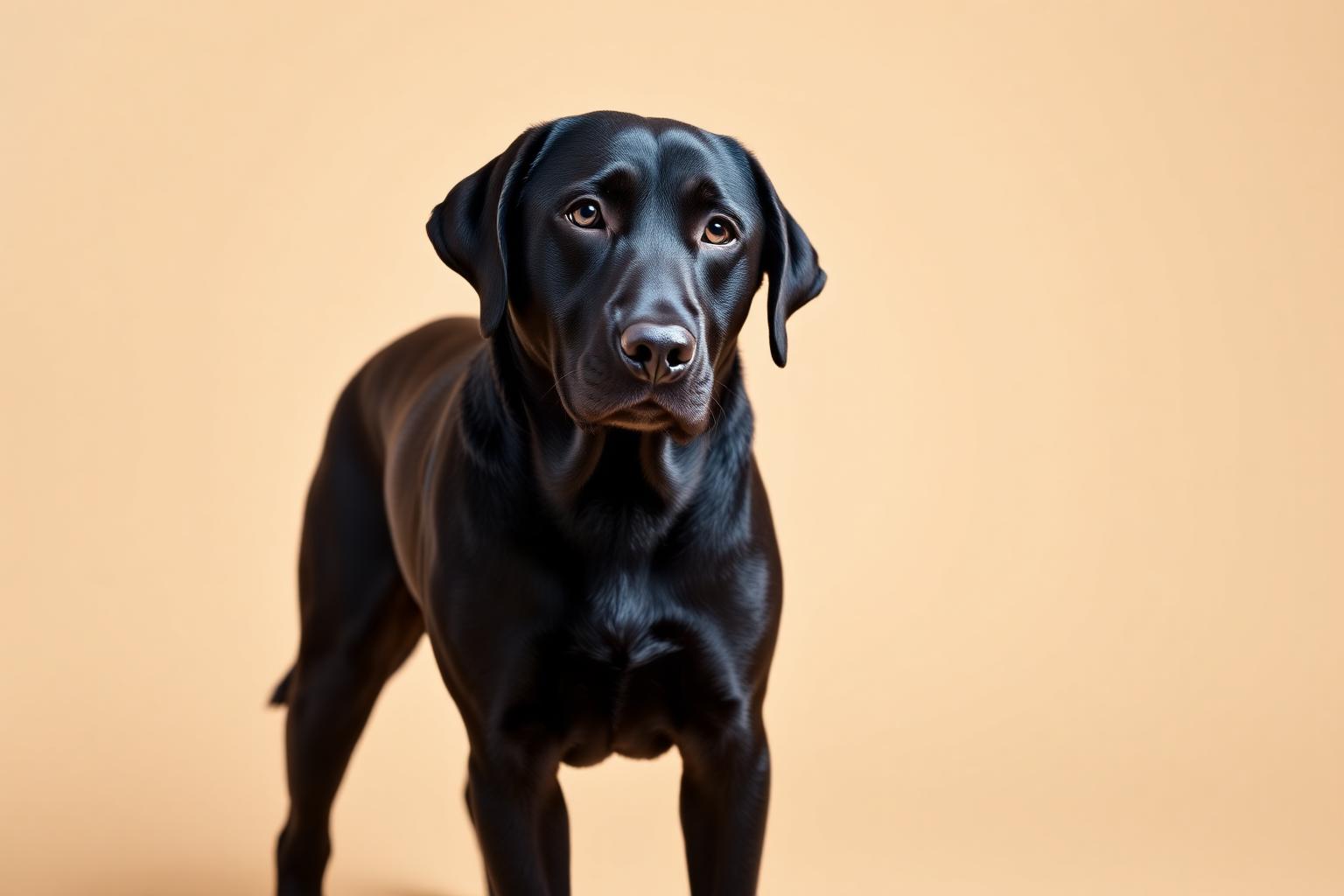
Labrador Retriever
9.7Athletic, playful and loyal. Tolerates children and other animals well. Needs plenty of daily exercise to stay balanced.
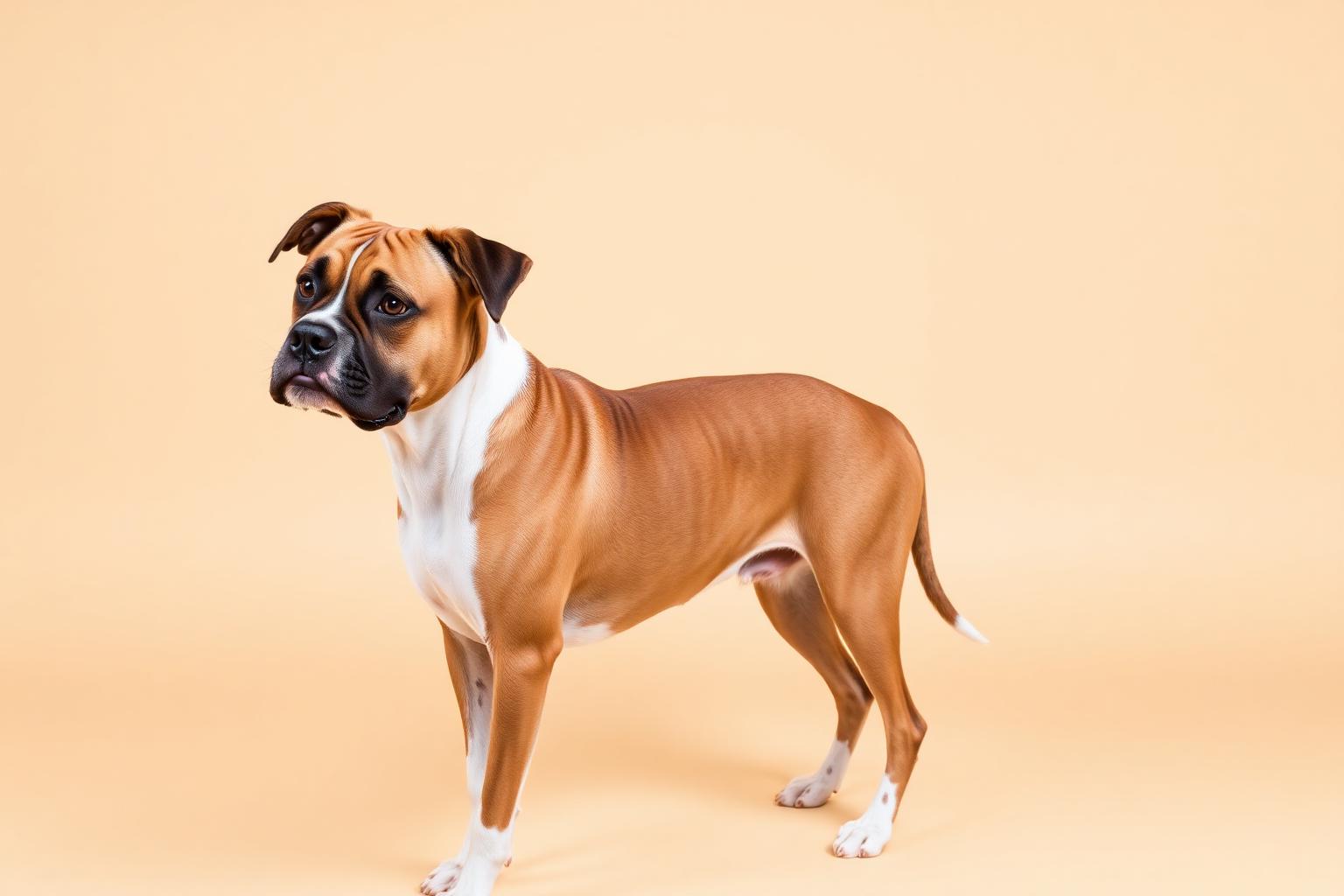
Boxer
8.9Athletic and patient with children. Known as a nanny dog. Needs intense exercise and early socialization.