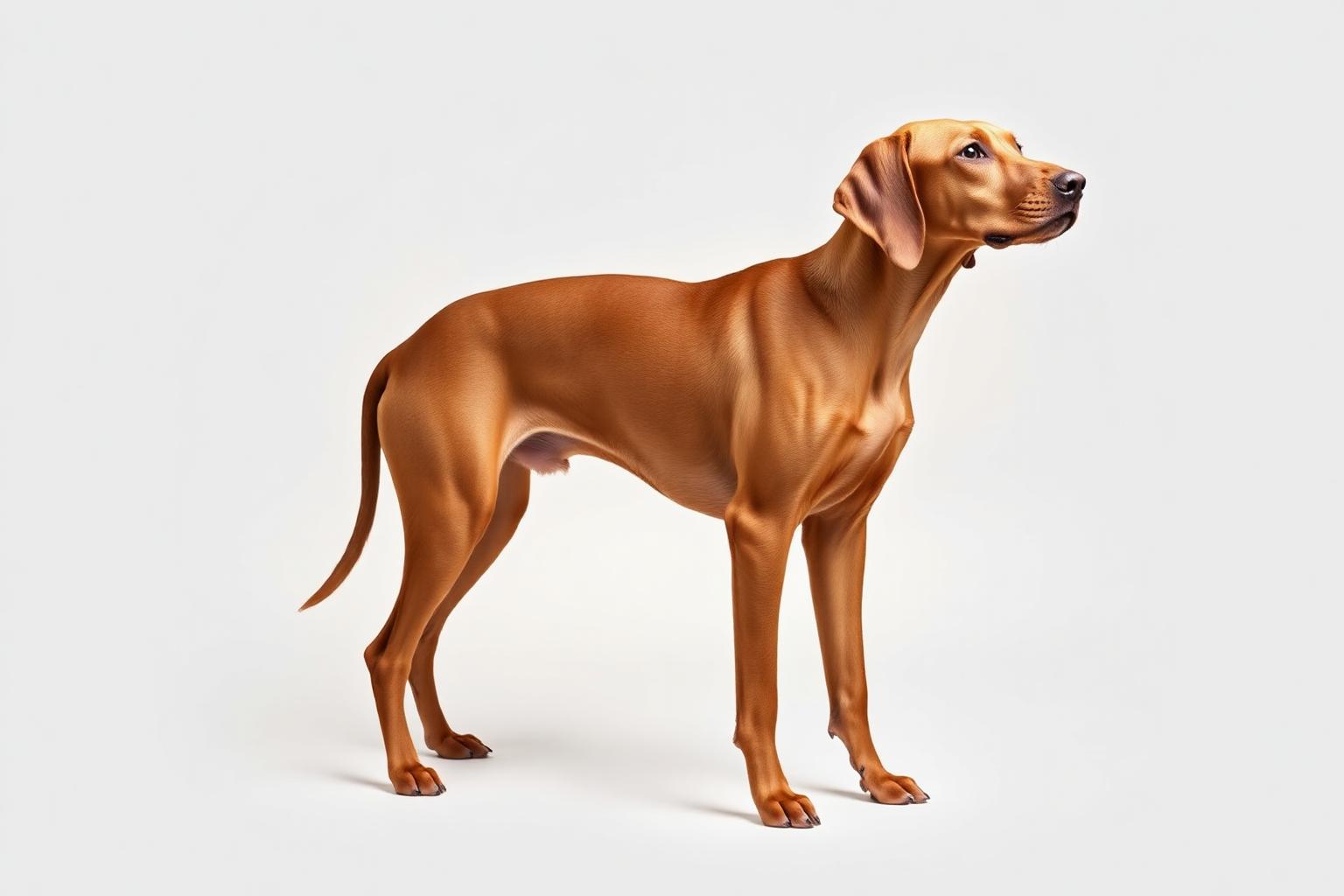
Vizsla
"The elegant 'Velcro dog'—an elite athlete with a heart of pure gold."
Overview
The Vizsla is the ultimate companion for active families who view personal space as a negotiable concept. Known as the "Velcro dog," this Hungarian athlete thrives on constant human contact and will literally follow you from room to room. While their elegant, golden-rust appearance is striking, it’s their sensitive soul that truly defines them. They are not typical backyard dogs; a Vizsla left alone for long periods will likely develop separation anxiety and destructive habits. For a family that spends most of its time at home or outdoors, they offer a level of loyalty and emotional intuition that is almost human.
In a home with children, the Vizsla is a tireless and gentle playmate, though their high-octane energy requires supervision around toddlers. They tend to be "spring-loaded," often jumping in excitement, which can easily knock over a small child. For school-aged kids and teenagers, however, they are a dream come true, always ready for fetch or a long run. Prospective owners must be honest about their lifestyle: this breed needs at least 60 to 90 minutes of vigorous exercise daily. Without a physical and mental outlet, their intelligence turns toward "redesigning" your furniture out of sheer boredom.
From a health and maintenance perspective, the Vizsla is relatively low-maintenance in grooming but demands a quality budget for nutrition and healthcare. Their short, single coat lacks an undercoat, meaning they stay very clean and lack that "doggy smell," but they suffer in cold climates and require winter gear. Families should be aware of breed-specific risks like hip dysplasia and idiopathic epilepsy, which can mean long-term veterinary costs. If you are an active, present owner who can provide firm but gentle leadership, you will gain a shadow that loves you unconditionally for 12 to 14 years.

Key facts
- Size
- Large
- Weight
- 20–30 kg
- Life expectancy
- 10–14 years
- Daily exercise
- 120 min/day
- Estimated total
- 140€/month
- Country
- Hungary
Character & temperament
The Vizsla is the definition of a sensitive soul. Their temperament is characterized by a deep-seated need for companionship and a remarkably gentle disposition. They do not tolerate being ignored; a Vizsla left alone will express its sadness through whining or, more likely, destructive behavior. They are lively and affectionate, often showing their love by 'nuzzling' or leaning their entire weight against your legs. This is a breed that feels emotions deeply and mirrors the mood of its owner with uncanny accuracy.
Toward strangers, the Vizsla is typically polite but observant. They are not naturally aggressive and will usually wait for a cue from their owner before approaching someone new. Once they realize a visitor is a friend, they often offer a wiggly, full-body wag that can be quite enthusiastic. However, they are alert and possess a keen sense of hearing, making them excellent natural watchdogs who will give several sharp barks to announce an arrival without being 'yappy' or territorial.
With their primary owner, the relationship is intense. The Vizsla doesn't just want to be your dog; they want to be your partner. They excel at communicative eye contact, watching your every move for a sign of what happens next. This 'shadowing' behavior is charming to some and exhausting to others. They are highly intuitive and respond best to soft voices and positive reinforcement. If you are looking for a dog that is an independent thinker who stays in another room, the Vizsla is definitely not the right Choice.
Their signature trait

Living with children
Vizslas and children can be a match made in heaven, provided the family dynamic is active. For school-aged children (6-12) and teenagers, the Vizsla is a tireless playmate, always ready for a game of fetch or a run in the backyard. They are remarkably patient and rarely show aggression, even when play gets a bit rowdy. Their 'soft' mouth—bred for retrieving birds without damaging them—means they are generally very careful with their mouths during play. For teens, a Vizsla can be a great emotional support dog due to their high empathy.
However, caution is needed with babies and toddlers (under 5). It's not that the Vizsla is mean; it's that they are 'spring-loaded.' Their greet-with-a-jump energy and tendency to zoom around the house can accidentally knock a toddler flat. Also, Vizsla puppies are notorious for being 'land sharks'—they explore everything with their teeth, and their sharp puppy milk teeth can easily nip sensitive skin. Supervision is non-negotiable. As long as children are taught to respect the dog's space and the dog is given enough exercise to keep its energy manageable, they are one of the best family dogs in existence.
With other pets
Generally, Vizslas are very social and get along famously with other dogs. Since they thrive on companionship, having another high-energy canine friend can help keep them occupied. With cats, the story depends on early socialization; they have a high prey drive and may be tempted to chase a running cat, though they usually learn to live peacefully with 'their' household cat. However, small pets like hamsters, rabbits, or birds are a different story. The Vizsla is a hunting dog at heart, and these small animals will always be seen as prey. It is never recommended to leave them unsupervised with small pocket pets.
Health & prevention
The Vizsla is generally a robust athlete, but they are genetically predisposed to certain conditions. Hip dysplasia is a primary concern; always demand X-ray clearances from parents to ensure your dog won't suffer from early-onset lameness. Perhaps more stressing for families is idiopathic epilepsy, which can appear between ages 2 and 5. This requires lifelong medication and regular blood work. They also have a higher incidence of certain cancers (like hemangiosarcoma) and sebaceous adenitis, a skin condition that affects oil glands.
Preventive care must focus on their high activity level. They have very little body fat and thin skin, making them prone to scrapes, tears, and hypothermia in cold water. Regular vet visits should include cardiac screenings and eye exams (PRA). Despite these risks, with a lean diet, joint supplements started in adulthood, and adequate mental care, most Vizslas live a vibrant, active life well into their 12th or 13th year. Always look for breeders who prioritize health over 'show' looks to avoid temperament issues.
Health risks
- •Hip dysplasia
- •Epilepsy
Care
Nutrition
The Vizsla is a high-performance engine that requires premium fuel. A high-protein, moderate-fat diet is essential to maintain their lean muscle mass and fuel their explosive energy. For an adult weighing 25kg, expect to feed about 350-400g of high-quality dry kibble daily, ideally split into two meals to prevent bloat (GDV), a risk in deep-chested breeds. Avoid fillers like corn or soy; they need real meat sources. Monitor their weight closely—you should be able to feel their ribs but not see them prominently. Adjust portions based on daily activity; a hunting day requires 30% more calories.
Grooming & hygiene
Grooming a Vizsla is as easy as it gets. They lack an undercoat, which means they don't have that typical 'doggy odor.' A weekly brush with a rubber mitt is enough to remove dead hair. They are self-cleaning dogs; mud often falls off once dry. Bathe them once every two months or only when they roll in something smelly. However, their fast-growing nails need monthly clipping, and since they have floppy ears, weekly cleaning is essential to prevent infections caused by moisture or wax buildup. Low maintenance, high reward.
Exercise & training
Exercise plan
A Vizsla requires a strategic weekly plan, not just walks. Monday-Friday: 60 mins of off-leash running/hiking plus 30 mins of scent work or fetch. Weekends: Intense activity like 90-120 min trail runs, swimming, or agility training. Mental stimulation is non-negotiable; they need a 'job' like finding hidden toys or advanced obedience daily to prevent destructive chewing. A bored Vizsla will redesign your sofa. They are built for endurance, so a 20-minute stroll around the block is merely a warm-up for them. Daily physical exertion must be vigorous enough to reach a state of calm at home.
Training
Training a Vizsla is a joy if you use the right approach. They are consistently ranked among the top breeds for intelligence and desire to please. However, their sensitivity is their 'Achilles heel'. If you use harsh corrections or a booming voice, they will shut down, tuck their tail, and stop learning. Consistency is key; start puppy socialization early to prevent shyness. Focus on 'nothing in life is free' (NILIF) methods where they earn treats or pets by sitting calmly. Expect to spend 20 minutes a day on formal training for at least the first two years. They have a high prey drive, so a rock-solid recall is the most important skill to master if you want them off-leash.
Monthly cost
Costs reflect a high-quality protein diet for an active athlete (roughly 14kg of kibble monthly), basic insurance for hip dysplasia coverage, and minimal grooming costs. Routine vet checks for epilepsy monitoring are recommended.
Estimate for Spain, healthy adult dog. Varies by region and provider.
Pros & cons
Pros
- ✓Virtually odorless and very clean indoors.
- ✓Incredibly loyal and forms an unbreakable bond with family.
- ✓Highly trainable and excels in advanced obedience and sports.
- ✓Athletic endurance that makes them elite outdoor companions.
- ✓Generally healthy and long-lived for a large breed dog.
Cons
- !Constant need for physical touch can be overwhelming (Velcro dog).
- !Prone to severe separation anxiety if left alone too long.
- !Extremely high energy requirements that most urban families struggle to meet.
- !Can be 'mouthy' and jumpy when overexcited, which may scare small kids.
- !Low tolerance for cold temperatures due to their thin single coat.
Ideal for
- • Active runners or hikers looking for a four-legged training partner.
- • Families who work from home and can provide constant companionship.
- • Owners interested in dog sports like agility, tracking, or canicross.
- • Experienced owners who appreciate a sensitive, intelligent, and communicative dog.
Not recommended for
- • People living a sedentary lifestyle or those who hate outdoor activities.
- • Families where the house is empty for more than 4-5 hours a day.
- • Owners who prefer an independent dog that doesn't need constant physical touch.
How it fits each scenario
Possible only if the owner is a high-level athlete; otherwise, the lack of space will lead to destructive anxiety.
Highly recommended, provided the yard is secure and they are not 'relegated' to it away from the family.
They handle heat better than cold, but avoid peak sun hours due to their short, thin coat.
They struggle; they have no undercoat and will need high-quality coats for winter walks.
risky; their 'bouncy' nature and tendency to lean can easily knock over a small child.
Excellent; they become tireless playmates for active children who respect dogs.
A massive challenge; their sensitivity and extreme energy often overwhelm those without previous dog experience.
Ideal; they appreciate their intelligence but know how to set firm, gentle boundaries for this sensitive breed.
Perfect match; this dog will be your shadow on every mountain trail and marathon training session.
A recipe for disaster; a Vizsla left alone 8-10 hours a day will develop severe behavioral issues.
Not hypoallergenic; they shed fine, needle-like hairs that stick to everything and can trigger reactions.
Moderate; grooming is cheap, but high-quality food for an athlete and potential joint issues can be costly.
Origin & history
The Vizsla's history is intertwined with the Magyar tribes of Hungary, who used these agile dogs for falconry and hunting as far back as the 10th century. Over hundreds of years, they were refined by the Hungarian aristocracy to be the 'all-purpose' gundog: capable of pointing, retrieving, and tracking. Their survival is a miracle; the breed was nearly decimated during the World Wars and the Soviet occupation of Hungary. Dedicated enthusiasts smuggled dogs out of the country to preserve the lineage. Today, they retain that aristocratic versatile nature, being as happy on a hunt as they are snuggled under a duvet.
The Vizsla was nearly wiped out after World War II; it is estimated that only about a dozen purebred individuals remained in Hungary to rebuild the entire breed.
Frequently asked questions
How much does a Vizsla puppy cost in Spain?▾
Expect to pay between €1,200 and €1,800 in Spain for a puppy from a reputable breeder with health clearances for hips and eyes. Puppies without documentation or from 'backyard breeders' are cheaper but carry high risks of epilepsy and behavioral issues.
Do they really need to be with people all the time?▾
The Vizsla is known as the 'Velcro dog' for a reason. They don't just want to be in the same room; they want to be touching you. If you value personal space or leave home for long hours, this is not the breed for you.
How much exercise does a Vizsla actually need?▾
Highly energetic. We are talking about 2 hours of active, heart-pumping exercise daily. A walk on a leash is not enough. Without this, they become destructive, anxious, and will bark at everything.
Are Vizslas good with small children?▾
They are fantastic with older children, but very 'mouthy' and jumpy as puppies. They often knock toddlers over by accident. Supervision is vital because a Vizsla's excitement level can be overwhelming for small kids.
What are the main health problems in the breed?▾
The biggest risks are Hip Dysplasia and idiopathic epilepsy. It is crucial to ask the breeder for certifications and a family history free of seizures. They also have very 'thin skin' and get cuts easily in the brush.
Are they easy to train?▾
They are smart and want to please, but they are also sensitive. Harsh corrections will 'break' their spirit. They need positive reinforcement and a firm but gentle hand. They remain 'puppy-like' until age 3 or 4.
Is the Vizsla hypoallergenic?▾
No. They have a single coat and no undercoat. They produce dander just like other breeds and shed fine hairs. If someone in the house has dog allergies, a Vizsla will likely cause a reaction.
What is their life expectancy?▾
They usually live between 12 and 14 years. Keeping them lean and fit is key, as extra weight puts a massive strain on their joints. Their golden years are usually very sweet but require joint supplements early on.
Similar family-friendly breeds
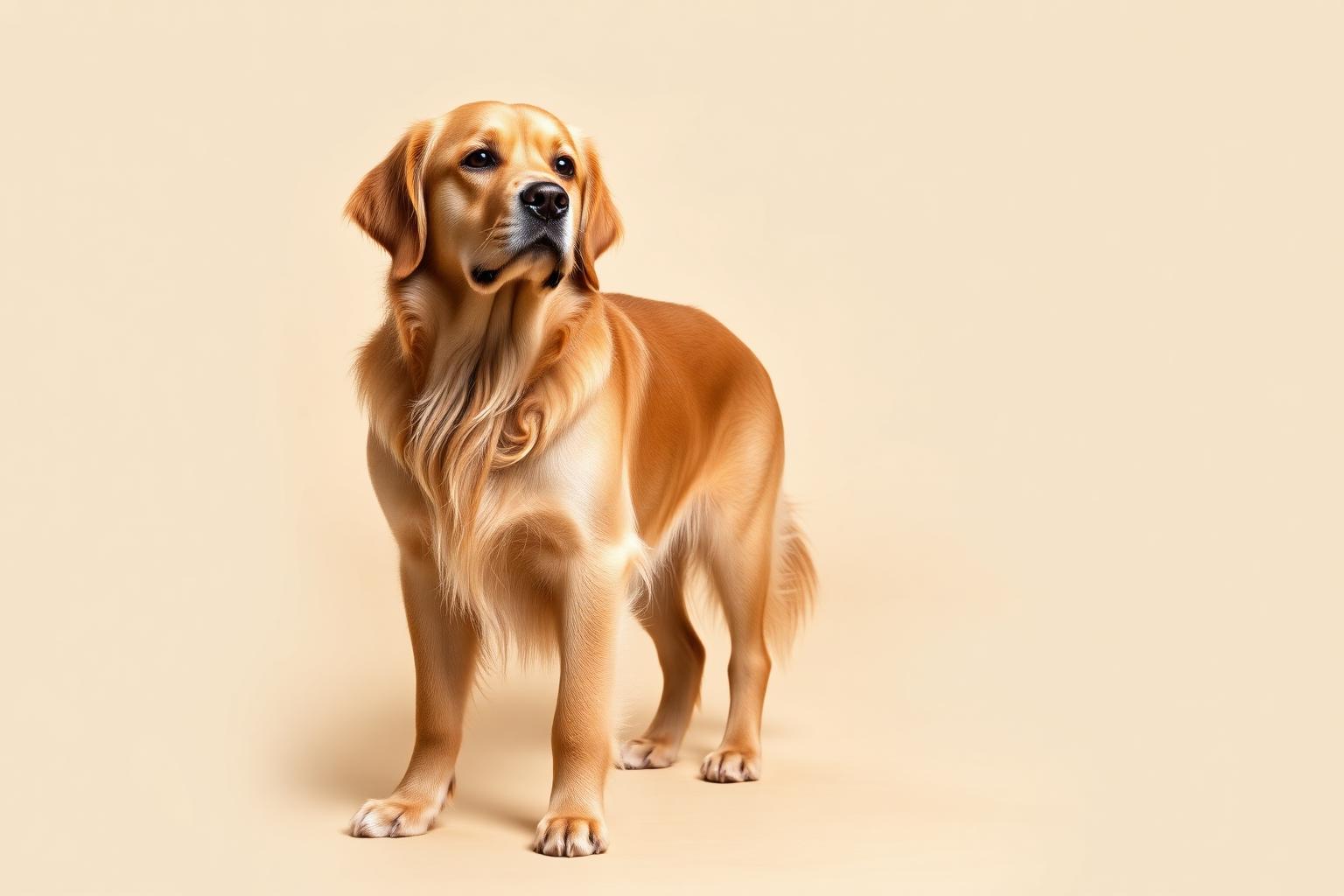
Golden Retriever
9.8The quintessential family companion: patient, sociable, and always up for play. Excellent with children and easy to train.
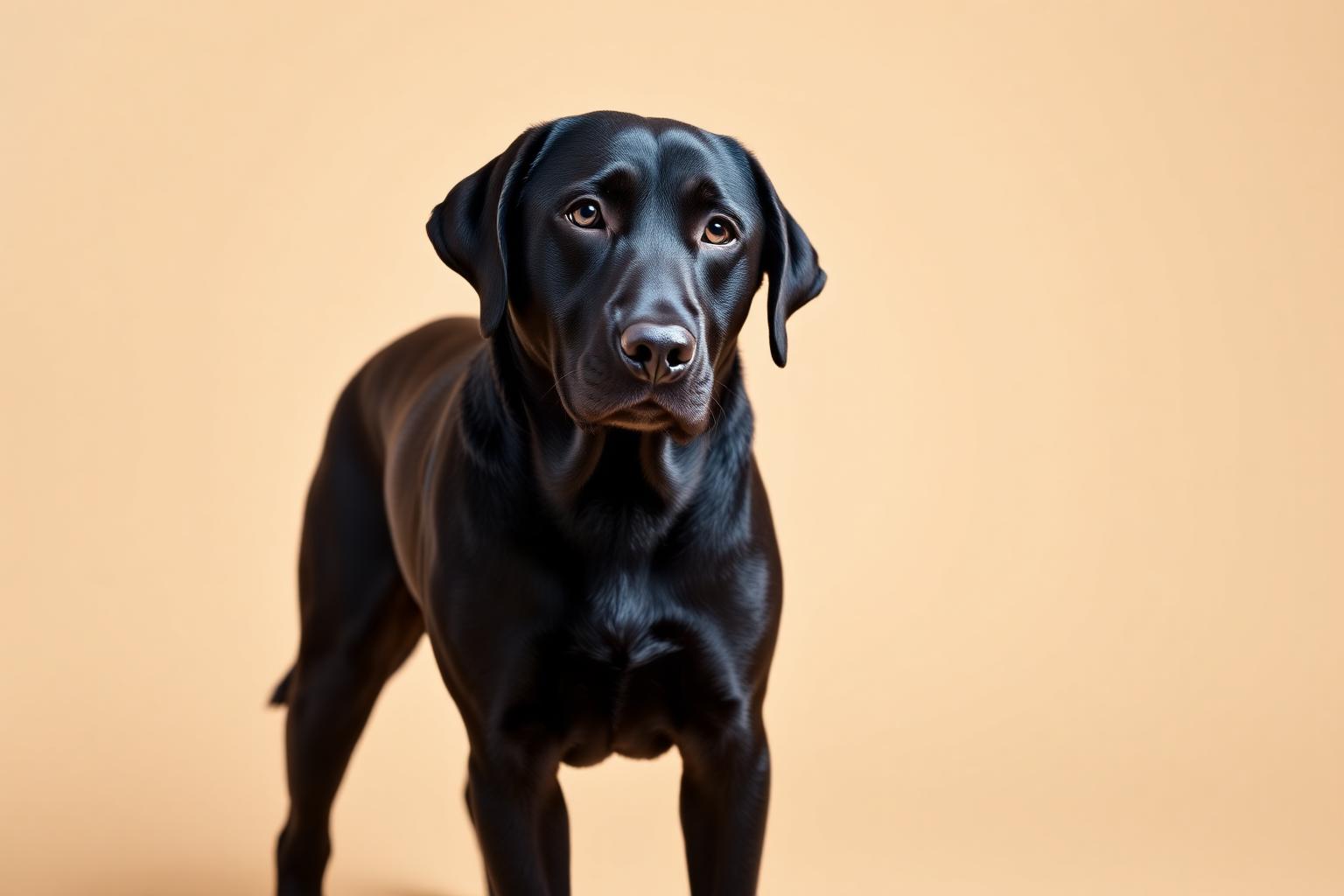
Labrador Retriever
9.7Athletic, playful and loyal. Tolerates children and other animals well. Needs plenty of daily exercise to stay balanced.
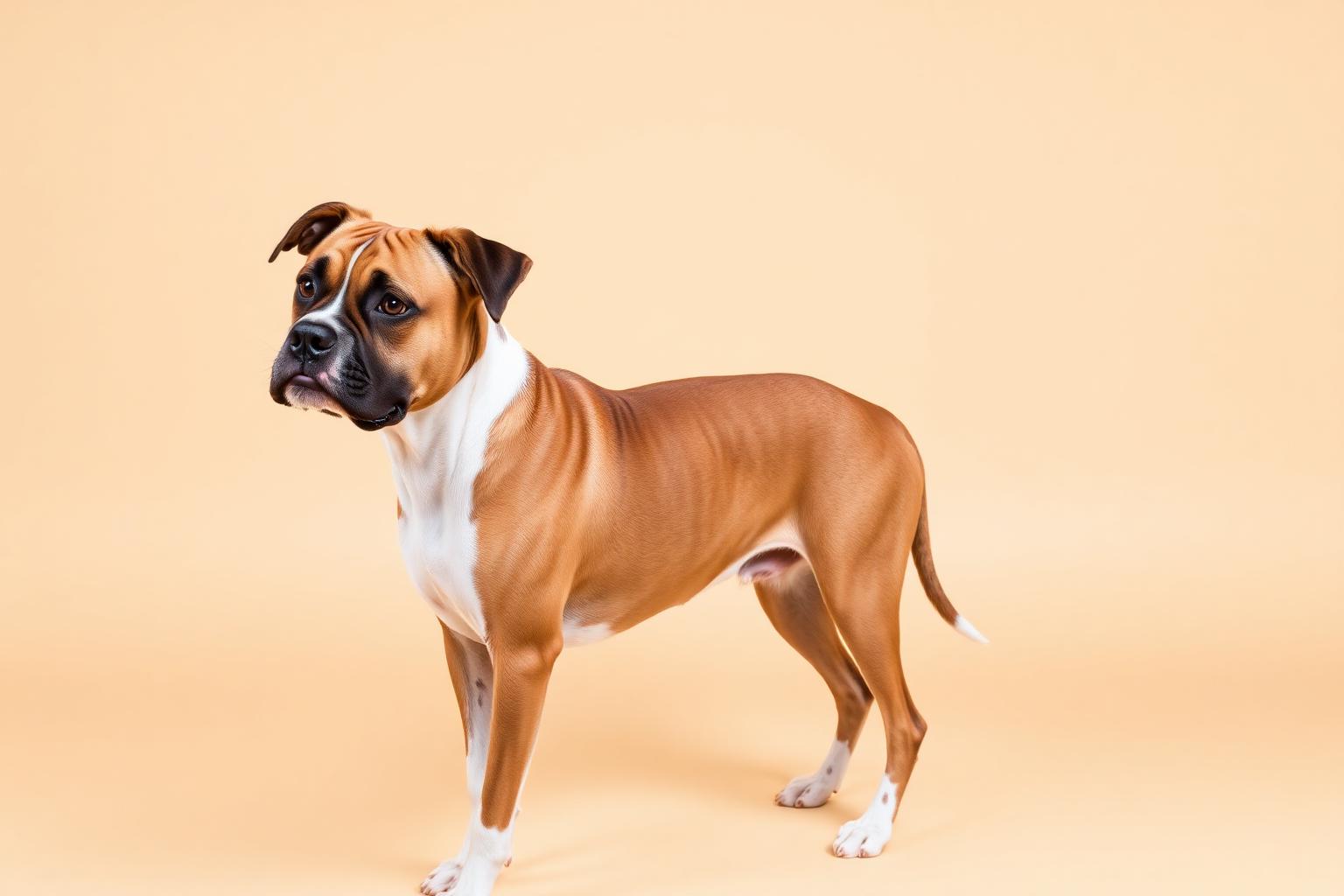
Boxer
8.9Athletic and patient with children. Known as a nanny dog. Needs intense exercise and early socialization.