
Bracco Italiano
"Noble, athletic, and loyal: the versatile hunter with a gentle soul."
Overview
The Bracco Italiano is a large, athletic dog breed with an ancient pedigree, originating from Italy. Known for its elegant bearing and melancholic gaze, this pointing dog is not only an excellent hunting companion but also an extraordinarily loyal and affectionate family member. Its sweet and patient temperament makes it ideal for living with children, always under supervision given its size. They are very intelligent and docile dogs, which makes their training easier with positive reinforcement methods, although they can show an independent streak due to their hunting instinct. Early socialization is key to developing their already innate tolerance towards other people and animals. Their short coat is easy to maintain, requiring minimal weekly grooming. However, their long ears need regular cleaning to prevent ear infections, one of the few specific health concerns of the breed along with hip and elbow dysplasia, common in large breeds. The life expectancy of a Bracco Italiano is typically 10 to 14 years.
This robust and energetic dog requires a significant amount of daily exercise, ideally 1-2 hours of intense activity. Active families who enjoy outdoor activities such as hiking, running, or tracking trials will find an tireless companion in the Bracco Italiano. It is not a suitable breed for a sedentary lifestyle or for living in small apartments if it is not provided with a constant outlet for its energy. Its diet should be high-quality, adapted for large, active breeds, divided into several meals to minimize the risk of gastric torsion. The monthly maintenance costs for a Bracco Italiano are around 190 euros, including food, vet care, grooming, and insurance, although veterinary costs can fluctuate if specific health problems arise. Its need for companionship and tendency towards separation anxiety mean it is not suitable for homes where it will spend a lot of time alone.
In summary, the Bracco Italiano is a noble dog that offers unconditional love and exceptional companionship to families who can meet its needs for exercise, socialization, and affection. It is a magnificent choice for those who value the connection with their dogs and enjoy an active outdoor life. Consider a Bracco Italiano if you are looking for a versatile hunting dog and a gentle family companion.

Key facts
- Size
- Large
- Weight
- 25–40 kg
- Life expectancy
- 12–14 years
- Daily exercise
- 90 min/day
- Estimated total
- 190€/month
- Country
- Italia / Italy
Character & temperament
The Bracco Italiano is known for its balanced temperament and exceptional patience, making it a wonderful family companion. They are incredibly affectionate and loyal dogs, developing a strong bond with their owners and constantly seeking their company. They dislike being alone for extended periods and can suffer from separation anxiety if not accustomed from puppyhood or if their social needs are not met. Their nature is gentle and docile, which facilitates their training and cohabitation. They are intelligent and eager to please, making them responsive to positive reinforcement-based education. Although they possess a strong hunting instinct and an extraordinary sense of smell that makes them excellent pointing dogs, at home they are surprisingly calm and relaxed, as long as their exercise needs are met. They are not noisy dogs and will rarely bark without apparent reason, which makes them good neighbors. However, their curiosity can lead them to explore their surroundings with their nose, so a well-fenced yard is essential. They are sensitive dogs and respond poorly to harsh or punitive training methods; patience, consistency, and rewards are key to bringing out the best in them. Their patience extends to children, with whom they are usually extremely tolerant, although supervision is always necessary, especially with very young children. In summary, the Bracco Italiano is a dual-purpose dog: a tireless worker in the field and a tender, devoted companion at home, ideal for active families who can offer them the socialization, exercise, and love they need.
Living with children
The Bracco Italiano stands out for its exceptional patience and gentle nature, characteristics that make it a formidable companion for children. They are tolerant dogs and usually establish a very special bond with the younger members of the family, considering them part of their pack to protect and care for. Their large size, however, requires that interaction with small children always be supervised to avoid accidental knock-downs during play, not out of aggression but pure enthusiasm. It is essential to teach both children and the dog basic rules of mutual respect: children must learn to treat the dog with kindness and to respect its space, especially when eating or sleeping, while the Bracco, thanks to its docility, adapts very well to noisy family life and the hustle and bustle of the little ones. Their natural desire to please and lack of aggressiveness make it rare to see a Bracco showing ill temper towards a child. In fact, they usually enjoy the company of children, participating in games of fetch or simply resting by their side. They are robust dogs that can withstand energetic play without being fazed. However, to ensure harmonious coexistence from the beginning, it is crucial to socialize the Bracco Italiano puppy with children of different ages from an early stage. This will help it develop its already innate tolerance and better understand children's body language. In summary, a well-socialized and educated Bracco, in a home where children are also educated in animal respect, will be a loyal friend, a gentle protector, and a tireless playmate for the whole family.
With other pets
Due to their strong hunting instinct, living with smaller pets like cats or companion animals requires early and careful socialization for the Bracco Italiano. If raised together from puppies, they are very likely to accept these pets as part of their family. However, their natural chase drive can be activated by unfamiliar animals outdoors. With other dogs, they generally get along well, showing a friendly and playful nature. It's important to remember they are pack dogs by origin, so they appreciate canine companionship if well-socialized. Generally, they are very sociable and enjoy interacting with other dogs in parks or during walks, provided such interaction is supervised and controlled.
Health & prevention
Generally, the Bracco Italiano is a robust breed with a life expectancy of 10 to 14 years. However, like many large breeds, they are predisposed to certain health conditions that prospective owners should be aware of. Hip dysplasia and elbow dysplasia are common orthopedic concerns, so it is vital to acquire puppies from breeders who conduct health screenings on the parents. Another point to consider is ear infections; due to their long, dropped ears, which often 'trap' moisture and dirt, they require regular cleaning to prevent otitis. They may also be prone to ectropion and entropion, eye conditions where the eyelid rolls outward or inward, respectively, which may require surgical intervention. Hypothyroidism is another condition that can occur, affecting the dog's metabolism. Also, though less common, they can be susceptible to gastric dilatation-volvulus (GDV) or bloat, a serious condition requiring emergency veterinary attention. Maintaining a healthy weight and avoiding intense exercise right after eating can help reduce the risk. Regular veterinary check-ups, an appropriate diet, and controlled exercise are essential to keep the Bracco Italiano healthy and happy throughout its life.
Health risks
- •Hip dysplasia
- •Entropion
- •Gastric torsion
Care
Nutrition
The **nutrition** of the Bracco Italiano is crucial for its health and well-being, given its active nature and size. They require a high-quality diet, formulated for large breeds and with moderate to high energy levels. Opt for kibble rich in animal-based proteins, to support their muscle mass, and with healthy fats (like omega-3 and omega-6) to maintain their shiny coat and healthy skin. It is important to **carefully portion meals** to avoid overweight, which can exacerbate joint problems. Instead of one large meal a day, it is advisable to divide the daily portion into two or three meals to reduce the risk of gastric torsion, especially in athletic dogs. As they grow, their nutritional needs change, so puppies, adults, and senior dogs should receive life-stage specific diets. Always consult your vet for a personalized nutritional plan, adjusted to their activity level and health status. Chondroprotective supplements can be beneficial for the joints of large breeds.
Grooming & hygiene
The Bracco Italiano has a short, dense coat that is relatively **easy to maintain**, making it a low-maintenance breed in terms of grooming. Weekly brushing with a rubber glove or a soft-bristle brush will suffice to remove loose hair, dirt, and distribute natural skin oils, keeping their coat shiny. During shedding seasons, more frequent brushing may be necessary. Baths should only be given when necessary, using a dog-specific shampoo, to avoid drying out their skin. Their long, dropped ears are a key grooming point, as they are prone to infections. It is essential to **check and clean their ears weekly** with a veterinarian-recommended solution to prevent moisture and wax buildup. Their nails should also be trimmed regularly; if you hear a 'click' when they walk, they are too long. Finally, frequent teeth brushing is important to prevent periodontal diseases.
Exercise & training
Exercise plan
The Bracco Italiano is an athletic and energetic breed that **requires a considerable amount of daily exercise** to stay physically and mentally balanced. It is not a dog for sedentary owners. It needs at least 1-2 hours of vigorous activity per day, which can include long brisk walks, runs, or play sessions in a safe, fenced area. They hugely enjoy activities that stimulate their searching and scenting instincts, such as tracking or 'hide and seek' games. The opportunity to run freely in a safe environment is vital, but their strong hunting instinct must always be taken into account; a Bracco loose in an area with wildlife may follow a trail and ignore calls. Swimming is also an excellent form of exercise that they love and is gentle on their joints. A Bracco lacking exercise can become anxious, destructive, or develop other unwanted behaviors. Ensuring it receives adequate outlet for its energy is key to having a happy and well-adjusted companion.
Training
The Bracco Italiano is **intelligent and eager to please**, making it receptive to training, but it can also be a bit independent. It requires a **positive, consistent, and patient approach**, based on rewards. Harsh or punitive methods are ineffective with this sensitive breed and can damage its confidence. **Early socialization** is crucial, exposing it to different people, places, sounds, and other dogs from puppyhood to foster a balanced and confident temperament. Basic obedience training should start early, teaching commands such as "sit," "stay," and "come." Given its strong inclination for tracking and hunting, recall training in a safe environment is of utmost importance. Consider enrolling it in puppy classes and, later, in dog sports such as obedience or tracking to keep its mind active and its body exercised. Its intelligence also means it gets bored easily, so training sessions should be short, fun, and varied to maintain its interest. Consistency at home from all family members will reinforce desired behaviors.
Monthly cost
Veterinary costs may increase due to the need for hip and ear check-ups.
Estimate for Spain, healthy adult dog. Varies by region and provider.
Pros & cons
Pros
- ✓Extremely loyal and affectionate with its family.
- ✓Excellent with children, showing patience and docility.
- ✓Intelligent and obedient, easy to train with positive methods.
- ✓Robust and generally healthy if cared for properly.
- ✓Relatively easy to maintain in terms of coat and grooming.
Cons
- !Requires a very high amount of daily exercise.
- !Can suffer from separation anxiety if left alone for too long.
- !Strong prey drive, requires supervision with small animals.
- !Need for early and constant socialization.
- !Prone to ear infections due to long ears.
Ideal for
- • Active families and outdoor enthusiasts.
- • People experienced with hunting dogs or athletic breeds.
- • Homes with a secure yard where they can run and play.
- • Owners seeking a loyal and affectionate companion.
Not recommended for
- • Sedentary people or those with little time for daily exercise.
- • Small apartments without access to large open spaces.
- • First-time owners without training experience.
- • Households where the dog will spend many hours alone.
How it fits each scenario
Not an ideal breed for an apartment. It needs a lot of space to move around and a considerable daily energy outlet. It could adapt if provided with several hours of intense exercise outdoors.
An excellent choice for a house with a garden. The Bracco will enjoy the outdoor space, as long as the garden is well-fenced and it still gets its daily walks and activities.
Can adapt to hot climates, but caution is needed to avoid overheating. Provide shade, fresh water, and limit exercise to the coolest parts of the day.
Tolerates cold well thanks to its dense coat, but should not live outdoors. It will enjoy outdoor activities even in winter, always with adequate protection.
It is patient and gentle, but its size and enthusiasm can cause accidental knock-downs. Strict supervision is needed to ensure the safety of both and teach mutual respect.
Ideal companion for school-aged children. It will enjoy the games and energy of older children, forming a strong and protective bond. Initial supervision is still required.
Can be challenging for first-time owners due to its exercise needs and consistent training. Requires commitment and willingness to learn about the breed.
An excellent companion for experienced owners who understand the needs of an active hunting breed and can provide the physical and mental stimulation it requires.
Perfect for active families who enjoy outdoor activities like hiking, running, or camping. It will be a tireless and happy companion on any adventure.
Not suitable for families with little time at home. The Bracco needs a lot of company and interaction, and prolonged loneliness can lead to behavioral issues.
The Bracco Italiano is not a hypoallergenic breed. Although it sheds little hair, it still produces allergens that can affect sensitive individuals, so it is not recommended.
Not a low-budget option. Its needs for quality food, potential veterinary costs (especially joint and ear-related), and insurance require a considerable financial investment.
Origin & history
Originally from Italy, it is believed to be an ancient cross between the Segugio Italiano and the Asiatic Mastiff. During the Renaissance, it was the favorite dog of the aristocracy, including the Medici and Gonzaga families.
The Bracco Italiano is one of Italy's oldest dog breeds, with depictions in 4th-century BC frescoes, making it a true witness to history!
Frequently asked questions
Is the Bracco Italiano a good guard or protective dog for the family?▾
While the Bracco Italiano is very loyal and protective of its family, it is not considered a guard dog in the traditional sense. They are alert and may bark at the presence of strangers, but their temperament is generally too friendly and gentle to be an effective deterrent. While their size can be intimidating, they are more likely to offer a cordial greeting once they realize there's no danger. Their instinct leads them to protect their own, but more on a basis of companionship and alertness rather than aggressive home defense. If you're looking for a fierce guardian, this breed is not the most suitable.
How much does a Bracco Italiano typically bark?▾
The Bracco Italiano is not known for being an excessive barker. Generally, they will bark to alert their family to the presence of strangers or something unusual in their environment, but they are not usually prone to barking without reason. However, as with any breed, a bored, anxious, or underexercised Bracco can develop excessive barking. Proper socialization from puppyhood and sufficient physical and mental stimulation will help keep barking under control. They are more likely to make sounds like friendly grunts or whines to communicate with their owners than to bark constantly.
Can Bracco Italianos travel well in cars or with the family?▾
With early socialization and positive experiences, Bracco Italianos generally travel very well. They are dogs that enjoy their family's company, and if accustomed to car rides from puppies, they are usually calm passengers. It's important to ensure their safety with a safety harness or a crate appropriate for their size. Their adaptable nature and desire to please make them good travel companions, as long as the duration is reasonable and frequent stops are made for stretching and potty breaks. They enjoy exploring new places with you.
Is the Bracco Italiano suitable for dog sports?▾
Absolutely! The Bracco Italiano, with its intelligence, athleticism, and desire to work, excels in various dog sports. They are especially suited for **field trials and tracking** due to their exceptional sense of smell and hunting instinct. They can also excel in obedience, rally, and even agility, although their size and body structure may make them less fast than smaller breeds. Participating in these sports not only provides the physical and mental exercise they need but also strengthens the bond with their owner and prevents boredom, which is key for a happy and balanced Bracco.
Do Bracco Italianos require an owner with hunting experience?▾
Not necessarily, but an owner with experience in working or hunting breeds will have an advantage. Although they are born pointing dogs, they can adapt to being solely family companions if their exercise and mental stimulation needs are adequately met. However, their powerful hunting instinct means any owner must be prepared to manage that drive, either through specialized training (e.g., retrieving or tracking) or by ensuring their environment is safe if allowed to run loose. If you've never owned a dog with such a marked hunting instinct, it's crucial to educate yourself and seek guidance from an experienced trainer.
Are Bracco Italianos suitable for people with allergies?▾
The Bracco Italiano is not considered a hypoallergenic breed. Although they have a short coat and shed a moderate amount of hair compared to other breeds, they still produce dander and saliva, which are the main triggers for allergies. People with severe allergies will likely experience symptoms if they live with a Bracco Italiano. If you have allergies and are considering this breed, it would be crucial to spend time with adult Braccos before making a decision to assess your personal allergic reaction.
How do Bracco Italianos adapt to other dogs in the home?▾
Generally, Bracco Italianos are social dogs that get along well with other dogs, especially if they have been properly socialized from an early age. Their origin as hunting dogs that worked in teams gives them a friendly nature towards other canines. They can greatly enjoy the company of another dog, as long as both have compatible temperaments. Introduction should be gradual and supervised, but once hierarchy and mutual respect are established, they usually coexist harmoniously. They are less likely to show aggression towards other dogs in their own home.
What kind of games do Bracco Italianos prefer?▾
Bracco Italianos love games that stimulate their mind and body, especially those involving their exceptional sense of smell. They greatly enjoy **fetch** games, whether it's a ball or a scented toy. **Tracking** or 'nose work' games are fantastic for them, where they have to find hidden treats or toys. They also like interactive toys that dispense food or that they can chew on. Free play in a safe space with other dogs of compatible temperament is also a great activity. Any game that allows them to use their energy, intelligence, and sense of smell will be a hit.
Similar family-friendly breeds
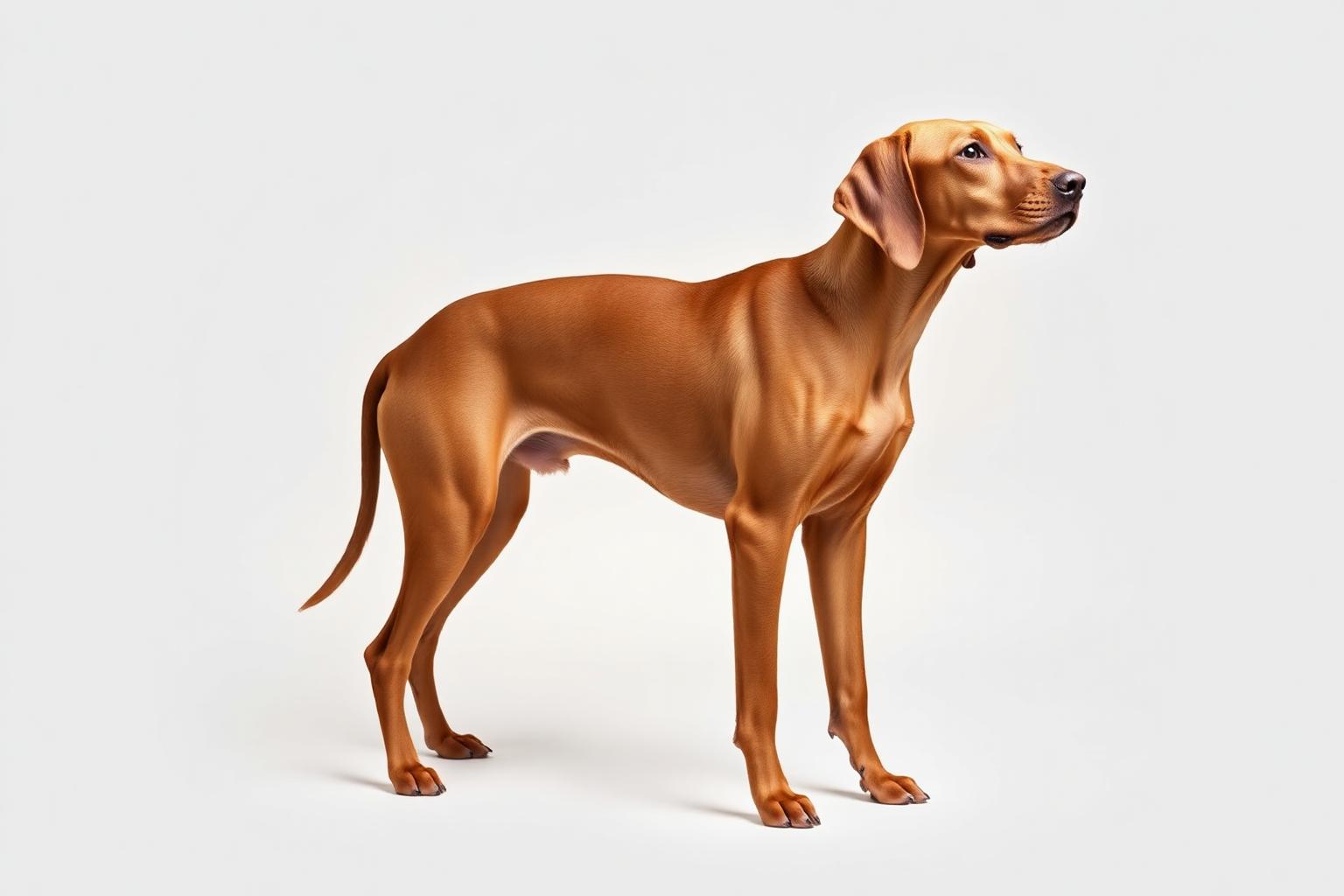
Vizsla
8.0Athletic, affectionate and very attached. Only for active families: needs 2 hours of daily exercise.
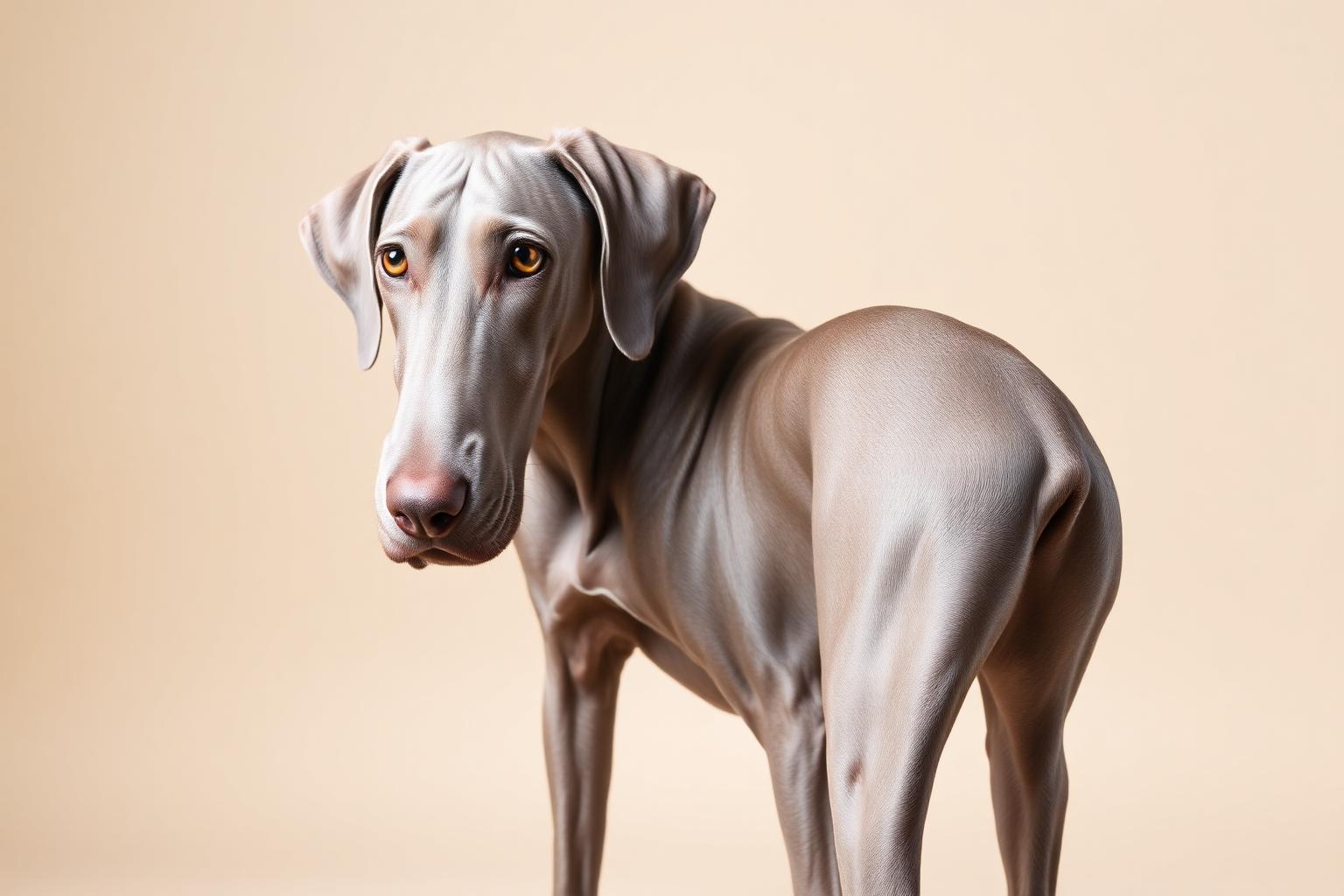
Weimaraner
6.3Tireless blue-eyed hunter. Only for very active families with time to spare.

Golden Retriever
9.8The quintessential family companion: patient, sociable, and always up for play. Excellent with children and easy to train.