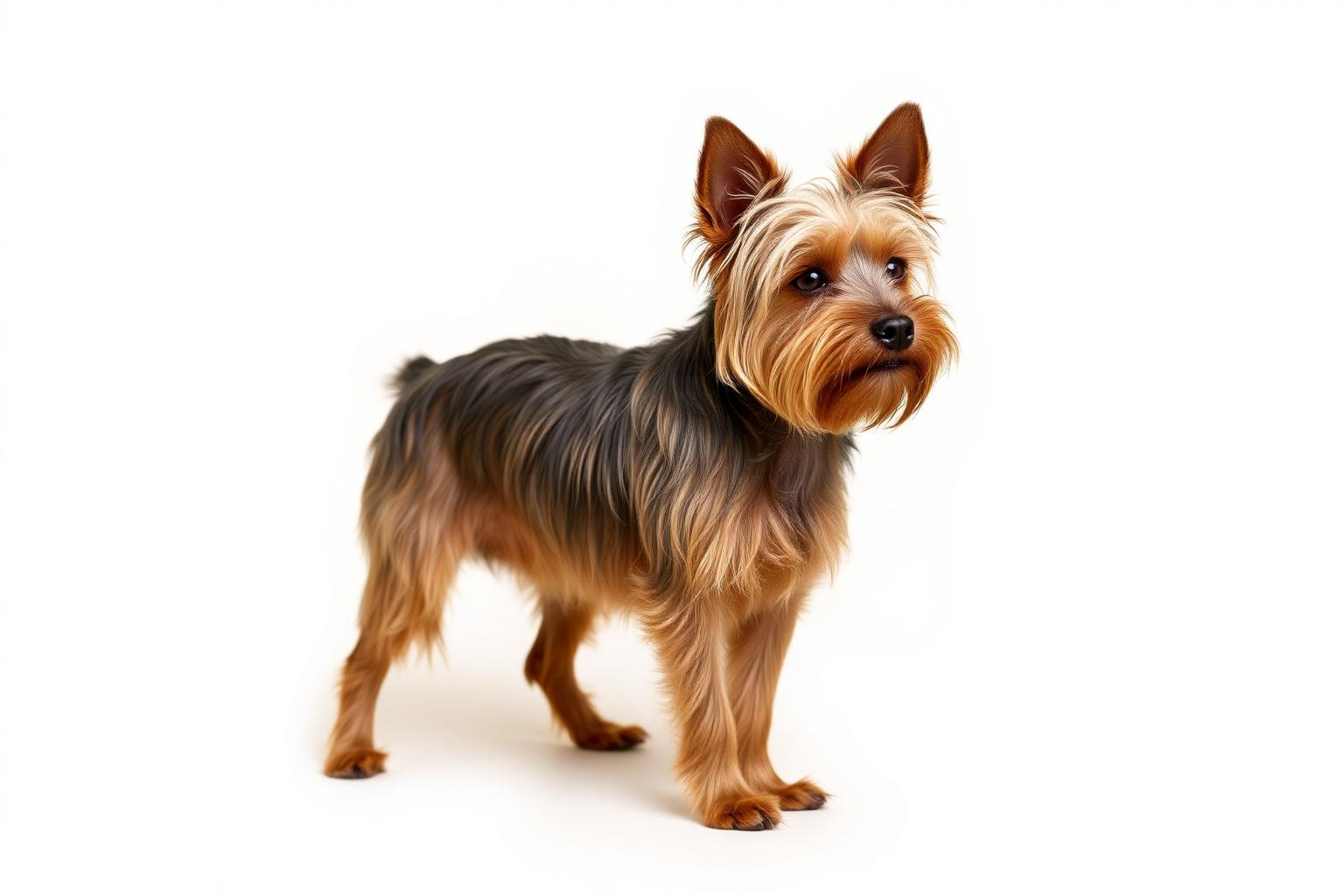
Cairn Terrier
"Cairn Terrier: small in size, giant in personality and affection."
Overview
The Cairn Terrier is a small Scottish breed, known for its brave and affectionate character. Originating from the Highlands, this working dog was bred to hunt vermin in stone mounds (cairns), hence its name. Its small size makes it adaptable to various environments, from city apartments to houses with gardens, provided it receives enough daily exercise and mental stimulation. Despite its size, the Cairn possesses considerable energy and enjoys active walks and interactive games. One of its most distinctive features is its weather-resistant double coat, which requires moderate care, including occasional professional stripping to maintain its texture.
En cuanto a su temperamento, el Cairn Terrier es inteligente, curioso y leal. Son excelentes compañeros familiares y suelen llevarse bien con niños si se les socializa adecuadamente y se les enseña a interactuar con respeto. Sin embargo, su instinto de presa es fuerte, lo que puede requerir precaución con otras mascotas pequeñas. El adiestramiento de un Cairn Terrier debe ser consistente y basado en el refuerzo positivo, ya que pueden ser algo testarudos. Su tendencia a ladrar los convierte en buenos perros guardianes, alertando sobre la presencia de extraños.
La salud del Cairn Terrier es generalmente robusta, con una esperanza de vida de 12 a 15 años. Sin embargo, como todas las razas, pueden ser propensos a ciertas condiciones como la luxación rotuliana, la enfermedad de Legg-Calvé-Perthes y problemas oculares. Una dieta balanceada, ejercicio regular y chequeos veterinarios son fundamentales para garantizar su bienestar. Considerar un Cairn Terrier significa abrir la puerta a un compañero lleno de vida, con una personalidad vibrante y una lealtad inquebrantable, ideal para dueños que buscan un perro activo y participativo en sus vidas.
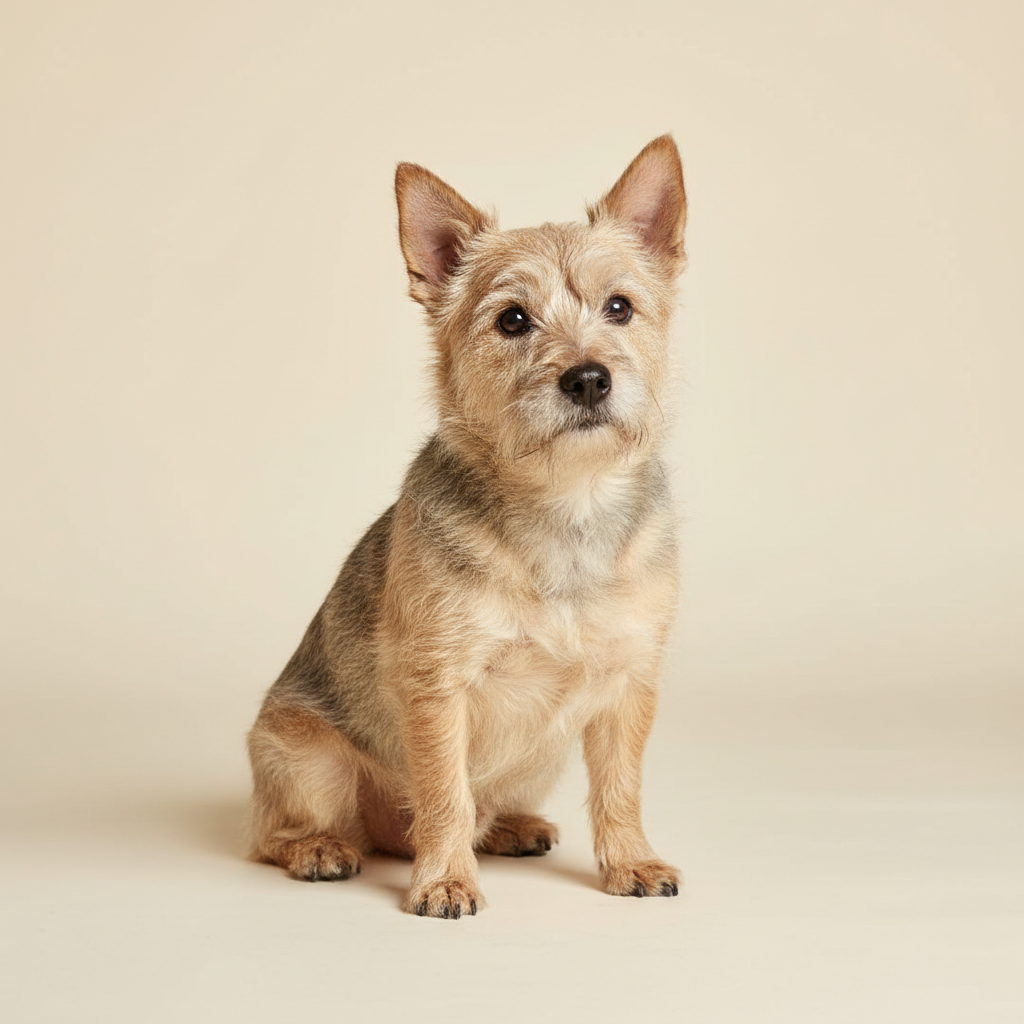
Key facts
- Size
- Small
- Weight
- 6–8 kg
- Life expectancy
- 12–15 years
- Daily exercise
- 45 min/day
- Estimated total
- 95€/month
- Country
- Reino Unido (Escocia)
Character & temperament
The Cairn Terrier is a dog full of personality and charisma, known for being cheerful, curious, and brave. Their nature is fearless and they are not afraid of the unknown, which can sometimes lead them into minor trouble if not well-supervised. They are very intelligent dogs and learn quickly, but like good terriers, they can be a bit stubborn. They require firm, consistent training based on positive reinforcement from an early age to channel their energy and ensure good socialization. They enjoy their family's company and are very loyal and affectionate, seeking contact and participating in household activities. They often exhibit a strong prey drive, meaning they love to chase and dig. They are quite active and need daily exercise to stay balanced and prevent destructive behaviors stemming from boredom. They are rarely shy; in fact, they tend to be quite confident and may bark at strangers or unusual noises, making them good little watchdogs. Their playful disposition and intelligent expression make them irresistible to many.
Living with children
The Cairn Terrier can be an excellent companion for children, as long as both the dog and the children are educated on how to interact safely and respectfully. They are energetic and playful dogs, which makes them compatible with children who enjoy outdoor activities and interactive games. However, due to their small size, it's crucial that children learn to handle them gently to avoid accidental injuries. Cairn Terriers have a reasonable patience threshold, but like any dog, they should not be pestered or treated roughly. It's advisable for socialization to begin from puppyhood, exposing them to different experiences and people, including children. Due to their prey drive, they may enjoy chase games, but these should be supervised to prevent them from becoming over-excited. With older, respectful children, they usually form strong bonds and become loyal companions for their adventures. For very young children, adult supervision is always recommended, as both dog and child are learning to navigate the world. In general, a well-socialized Cairn integrated into a family with children, where clear boundaries are set for everyone, can be an inexhaustible source of fun and affection.
With other pets
Cairn Terriers can coexist with other dogs, especially if they have been socialized since puppyhood. They generally enjoy the company of other dogs, but their dominant terrier nature may occasionally emerge. Regarding cats and other small pets (rodents, birds), their strong prey drive can be a challenge. If raised together from a young age, they may learn to coexist with cats, but supervision is essential. With very small animals, it is preferable not to take risks.
Health & prevention
Cairn Terriers are generally a sturdy and healthy breed, with a life expectancy of 12 to 15 years or more. However, like all breeds, they are prone to certain genetic conditions. The most common health concerns include patellar luxation, where the kneecap slips out of place, and Legg-Calvé-Perthes disease, a condition of the femoral head that primarily affects small breeds. They can also be prone to eye problems such as cataracts or progressive retinal atrophy, and certain skin conditions, like skin allergies. Craniomandibular osteopathy, also known as Westie jaw, is another rare but possible condition affecting the jaw bones. It is crucial to get a puppy from a responsible breeder who performs health tests on the parents to minimize the risk of these diseases. A balanced diet, regular exercise, and periodic veterinary visits are essential to keeping a Cairn Terrier happy and healthy throughout its life.
Health risks
- •Patellar luxation
- •Cataracts
Care
Nutrition
The Cairn Terrier's diet should be based on high-quality dry food formulated for small, active breeds. Their diet should be rich in protein to maintain their musculature and energy, and contain healthy fats for their coat and skin. Given their tendency to gain weight if not controlled, it's crucial to adjust food portions according to their activity level and metabolism. Dividing the daily ration into two meals helps keep their metabolism active and prevents indigestion. Avoid processed human foods and an excess of high-calorie treats. Fresh, clean water should always be available. Consult with your veterinarian for a personalized nutritional plan, especially if they have specific sensitivities or health conditions.
Grooming & hygiene
The Cairn Terrier has a characteristic double coat, with a harsh, wiry outer layer and a soft, dense undercoat. This coat requires **regular but not excessive care**. Ideally, **stripping (manual plucking)** should be done every 4-6 months to maintain the proper texture and color of their coat, a process that also helps minimize shedding. If stripping is not done, the coat can become soft and lose its protective properties. Brushing 2-3 times a week will help remove dead hair, prevent tangles, and maintain healthy skin. Baths are only necessary when truly dirty, using a dog-specific shampoo. It's also important to check and clean their ears regularly, trim their nails every few weeks, and maintain good dental hygiene with frequent brushings.
Exercise & training
Exercise plan
Despite their small size, the Cairn Terrier is an **active and energetic breed** that needs daily exercise to stay happy and balanced. At least **30-60 minutes of moderate-intensity activity** per day, distributed over several outings, is recommended. They enjoy brisk walks but also appreciate playtime in a secure garden or park. Their terrier instincts make them excellent companions for activities that stimulate their mind and body, such as fetching toys or participating in dog sports like agility. A bored or under-exercised Cairn can become destructive or develop unwanted behaviors, such as excessive barking or digging up the garden. Leashed walks are essential, as their strong prey drive can lead them to chase small animals or explore unchecked if given the opportunity.
Training
Cairn Terriers are intelligent and learn quickly, but their **stubborn terrier nature** means training requires **patience, consistency, and a positive approach**. Start obedience training and socialization from puppyhood. Positive reinforcement with treats and praise works best, as they respond poorly to harsh training methods. Their prey drive is strong, so solid training in 'recall' and 'stay' commands is vital, especially if they are allowed off-leash in secure areas. Socialization with other dogs, people, and different environments is crucial for developing a confident and well-mannered dog. It's also important to teach them not to bark excessively, although their role as small watchdogs means they will never be completely silent. Involving them in obedience classes or dog sports can be very beneficial for their mental stimulation.
Monthly cost
Moderate costs as a small breed; professional stripping is the main grooming expense.
Estimate for Spain, healthy adult dog. Varies by region and provider.
Pros & cons
Pros
- ✓Loyal and affectionate companions who enjoy family interaction.
- ✓Manageable size for living in various environments, from apartments to houses.
- ✓Intelligent and eager to learn with proper training.
- ✓Playful and energetic, ideal for active families.
- ✓Weather-resistant coat that requires moderate maintenance.
Cons
- !Can be stubborn and require consistent, patient training.
- !Strong prey drive, which can complicate coexistence with small pets.
- !May bark excessively if not properly trained or socialized.
- !Need regular exercise and mental stimulation to prevent boredom and destructiveness.
- !Professional coat stripping is necessary to maintain its proper texture.
Ideal for
- • Active families who enjoy walks and outdoor games.
- • Individuals looking for a loyal and personality-filled companion.
- • Owners willing to commit to positive training and socialization.
- • Those who appreciate a small but sturdy dog with a terrier spirit.
Not recommended for
- • People looking for a low-maintenance dog regarding exercise and training.
- • Homes with very sensitive small pets due to their prey drive.
- • Owners who prefer a silent dog, as they tend to bark.
- • Families unable to dedicate time to brushing and occasional stripping.
How it fits each scenario
Yes, they can adapt well to apartment living if they receive enough daily exercise and mental stimulation, although a safe balcony or terrace is always welcome.
Ideal, as long as the garden is securely fenced to prevent escapes due to their exploration and digging instincts. A garden provides extra space to burn energy.
They can tolerate hot climates, but require precautions such as walks during cooler hours and constant access to water and shade to prevent heatstroke due to their double coat.
Their double coat makes them quite resistant to cold, allowing them to enjoy outdoor activities even in low temperatures without problems.
They require a lot of supervision and education for both the dog and the child. A well-socialized Cairn can be good, but their small size makes them vulnerable to rough handling.
They can be excellent companions. Their playful and energetic nature is often a good match for school-aged children who know how to interact respectfully and participate in active games.
They can be a good option if the first-time owner is willing to be firm, consistent, and patient with training, and to invest time in socialization and and exercise.
An experienced owner will appreciate the Cairn Terrier's character and know how to handle their terrier stubbornness, providing the necessary training and stimulation.
They are ideal for an active family. They enjoy walks, games, and outdoor activities, making them perfect companions for a dynamic lifestyle.
They are not the best option for very busy families who cannot dedicate daily time to their exercise, training, and affection. They require attention and stimulation.
They are not hypoallergenic. Although they shed less hair than some other breeds, they still produce dander and oils that can trigger allergies, especially loose hair after stripping.
Moderate maintenance cost, but professional stripping can be an extra to consider. They are generally healthy dogs, which reduces long-term veterinary expenses.
Origin & history
One of Scotland's earliest working dogs, the Cairn Terrier was named for the stone mounds (cairns) where it hunted vermin. It is believed to share ancestors with the Westie and Scottie, being considered a type of Highland terrier before being recognized as a separate breed. Its primary function was to unearth and chase foxes, badgers, and rats from their dens. This heritage has shaped its brave and tenacious temperament.
The most famous Cairn Terrier in history is, without a doubt, **Toto**, Dorothy's loyal companion in the movie 'The Wizard of Oz'. Although the book doesn't specify the breed, Carol Ann, the little dog who played Toto in the 1939 film, was a Cairn Terrier, bringing worldwide fame to the breed.
Frequently asked questions
Is the Cairn Terrier a good apartment dog?▾
Yes, the Cairn Terrier can adapt perfectly to apartment life, as long as they receive adequate daily exercise and mental stimulation. Although small, they are energetic and need regular walks, playtime sessions, and activities that challenge their intelligence, such as scent games or obedience training. If they get bored or don't burn off energy, they can become noisy or destructive. A secure balcony where they can watch the world can also be a plus. The crucial thing is that their family dedicates quality time to meet their physical and mental needs.
Do Cairn Terriers shed a lot? Are they hypoallergenic?▾
Cairn Terriers have a double coat that does shed hair, though not in large quantities like some other breeds. They shed moderately, but shed less if they are regularly stripped, which is the recommended maintenance technique. They are NOT considered hypoallergenic, as they produce dander and skin oils that are the main triggers of allergies, in addition to shedding hair. People with severe allergies should spend time with a Cairn Terrier before adopting one to assess their reaction.
How difficult are they to train? Are they stubborn?▾
Cairn Terriers are intelligent and respond well to training, but like many terriers, they can be quite **stubborn and independent**. They require consistent, patient training based on **positive reinforcement** from an early age. They do not respond well to harsh methods or physical correction. Their main motivation will be treats, play, and praise. The key is to make training fun and vary sessions to keep their interest. Good socialization is also vital for them to become balanced and well-behaved dogs.
Do Cairn Terriers get along well with other pets, especially cats?▾
With other dogs, Cairn Terriers usually get along well, especially if socialized from puppyhood. However, their **strong prey drive** can be a challenge with cats and other small pets like rodents or birds. If raised with a cat from puppyhood, they may come to coexist peacefully under supervision. But if an adult cat is introduced into a home with an established Cairn, or vice versa, integration can be very difficult and require careful and constant management. With very small pets, the risk is high and supervision is unavoidable.
How much physical activity do Cairn Terriers need per day?▾
Despite their size, Cairn Terriers are **active dogs and need a considerable amount of daily exercise**. At least 30-60 minutes of moderate-intensity activity, distributed over several outings, is recommended. This can include brisk walks, playtime in the garden (always securely fenced), or visits to dog parks. They also enjoy interactive games and activities that stimulate their minds. Lack of exercise can lead to boredom, excessive barking, and destructive behaviors, such as digging in the garden. They are small, but not lap dogs who are content to be inactive all day.
What are the most common health problems in Cairn Terriers?▾
Although generally healthy, Cairn Terriers can be prone to certain genetic conditions. The most common include **patellar luxation** (loose kneecap), **Legg-Calvé-Perthes disease** (affects the hip joint), and **craniomandibular osteopathy** (or Westie jaw). They can also suffer from **eye problems** like cataracts and progressive retinal atrophy, and some **skin allergies**. It is fundamental to choose a responsible breeder who performs genetic tests on the parents to reduce the risk of these diseases. Regular veterinary visits and a balanced diet are key to their well-being.
How is the Cairn Terrier with young children?▾
Cairn Terriers can be good with young children, but always under **adult supervision**. Their lively and playful nature can be a good fit, but their small size makes them vulnerable to rough handling by children, and they, in turn, may react if they feel overwhelmed or bothered. It is essential to teach children to interact respectfully and gently, and the dog to tolerate the peculiarities of young ones. Early and gradual socialization from puppyhood is crucial for them to get used to children's voices, movements, and energies.
What is the approximate monthly cost of a Cairn Terrier?▾
The monthly cost of a Cairn Terrier is relatively moderate, around **95 euros/month**. This includes approximately 25€ for quality small-breed food, 25€ for preventive vet visits (prorated), 20€ for grooming (considering professional stripping every few months), 15€ for health insurance, and about 10€ for toys, treats, and accessories. These are averages and can vary depending on the food brand, frequency of vet visits, whether other grooming services are chosen, and the insurance premium. Younger years are more expensive due to vaccinations and sterilization.
Similar family-friendly breeds
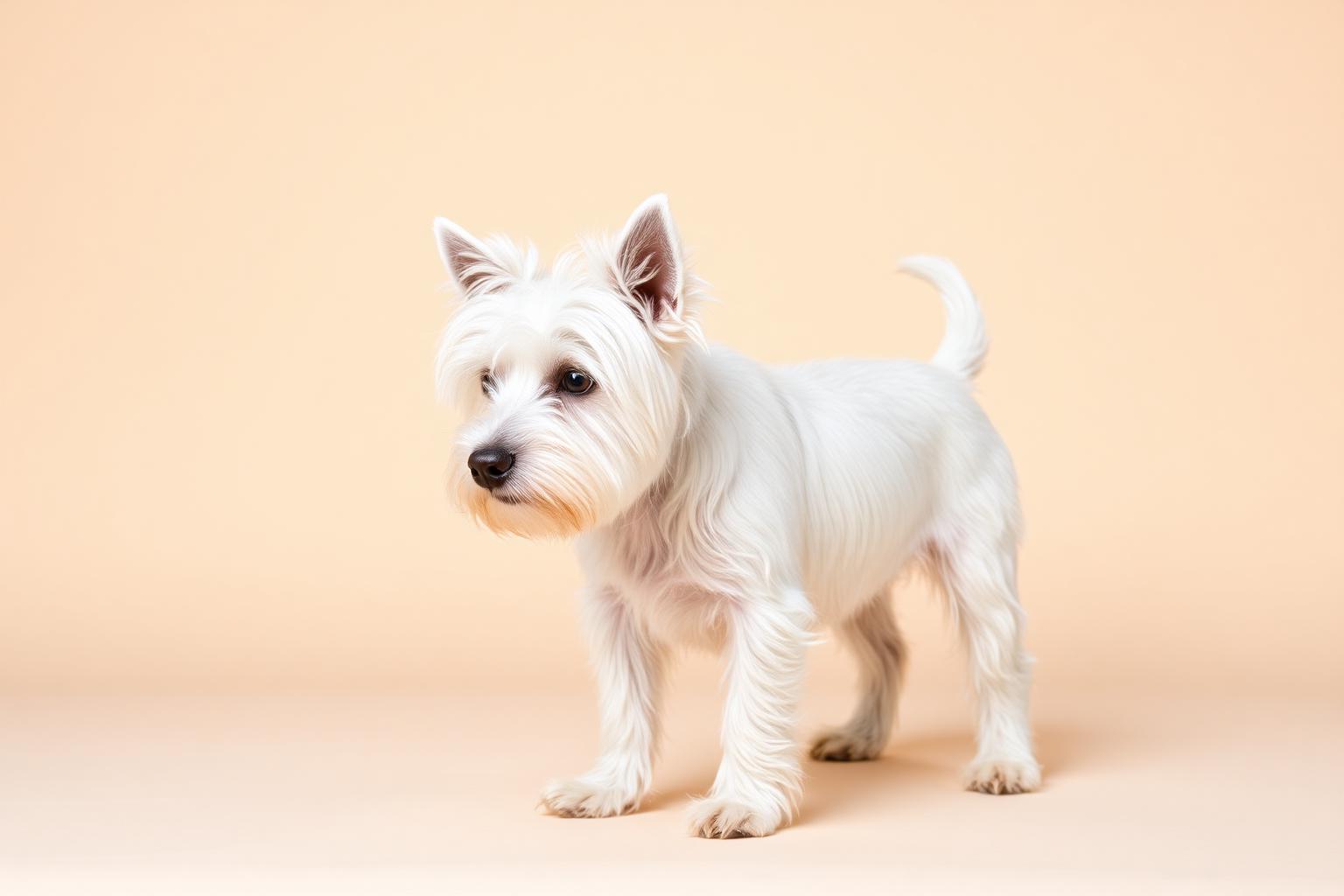
West Highland White Terrier
6.6Lively, independent white terrier. Classic terrier: barks and chases anything that moves.
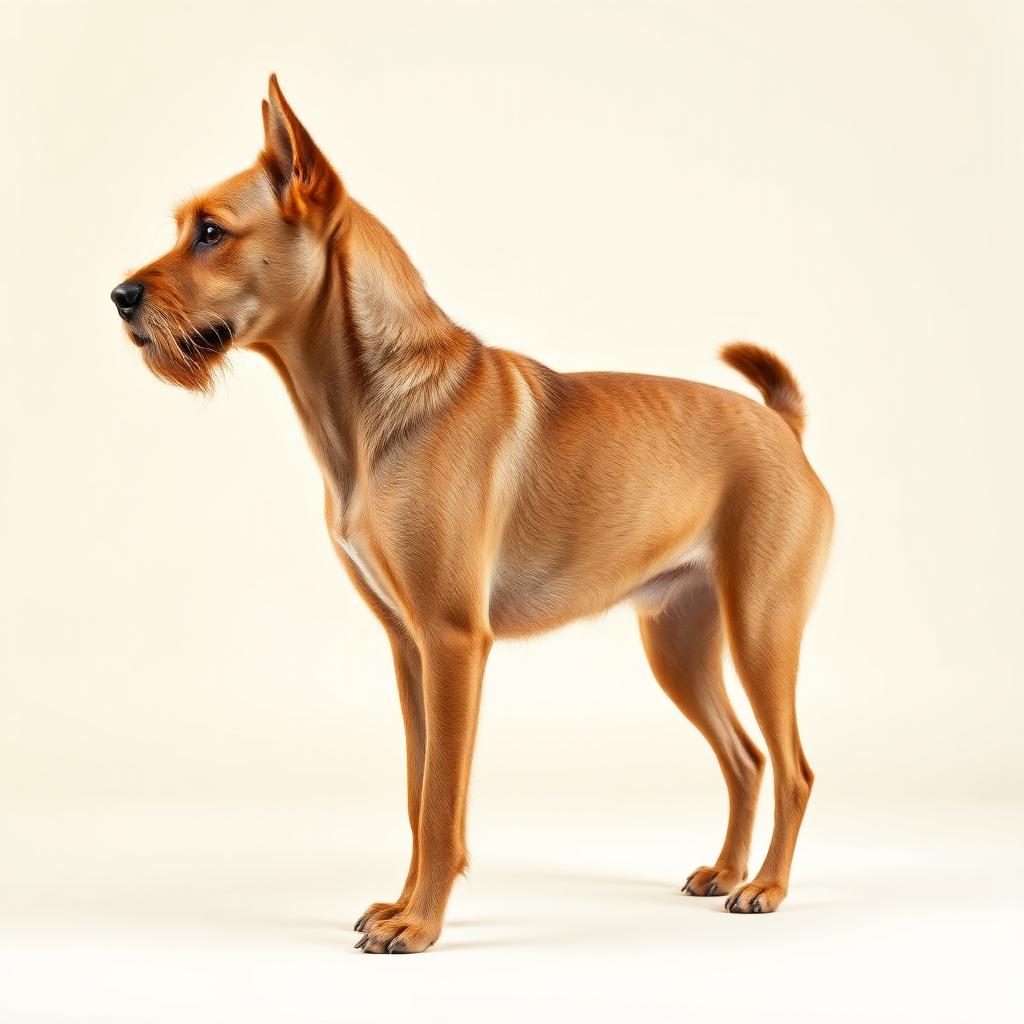
Border Terrier
6.9Small, rustic and friendly terrier. Great temperament for active families.

Cavalier King Charles Spaniel
9.3Affectionate, sociable and perfect for small apartments. Adapts to the household's rhythm and loves company.