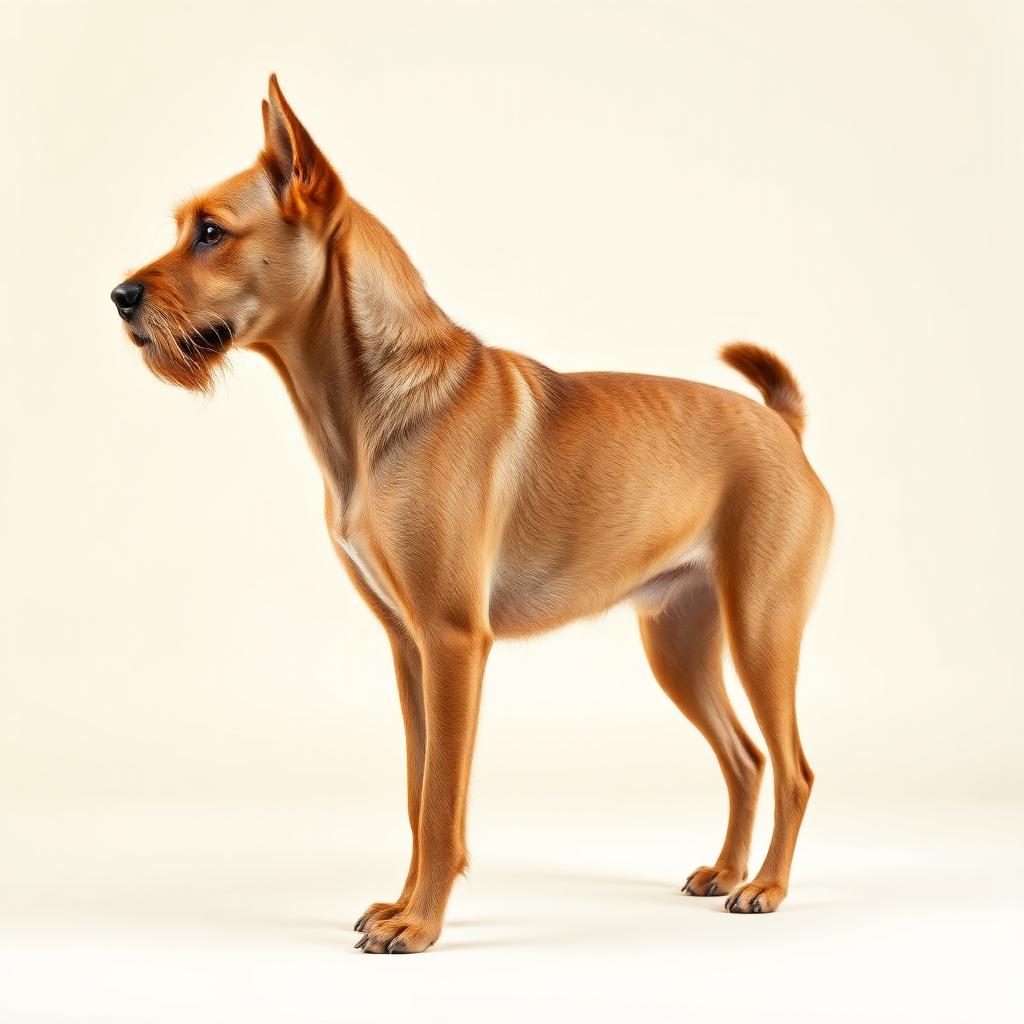
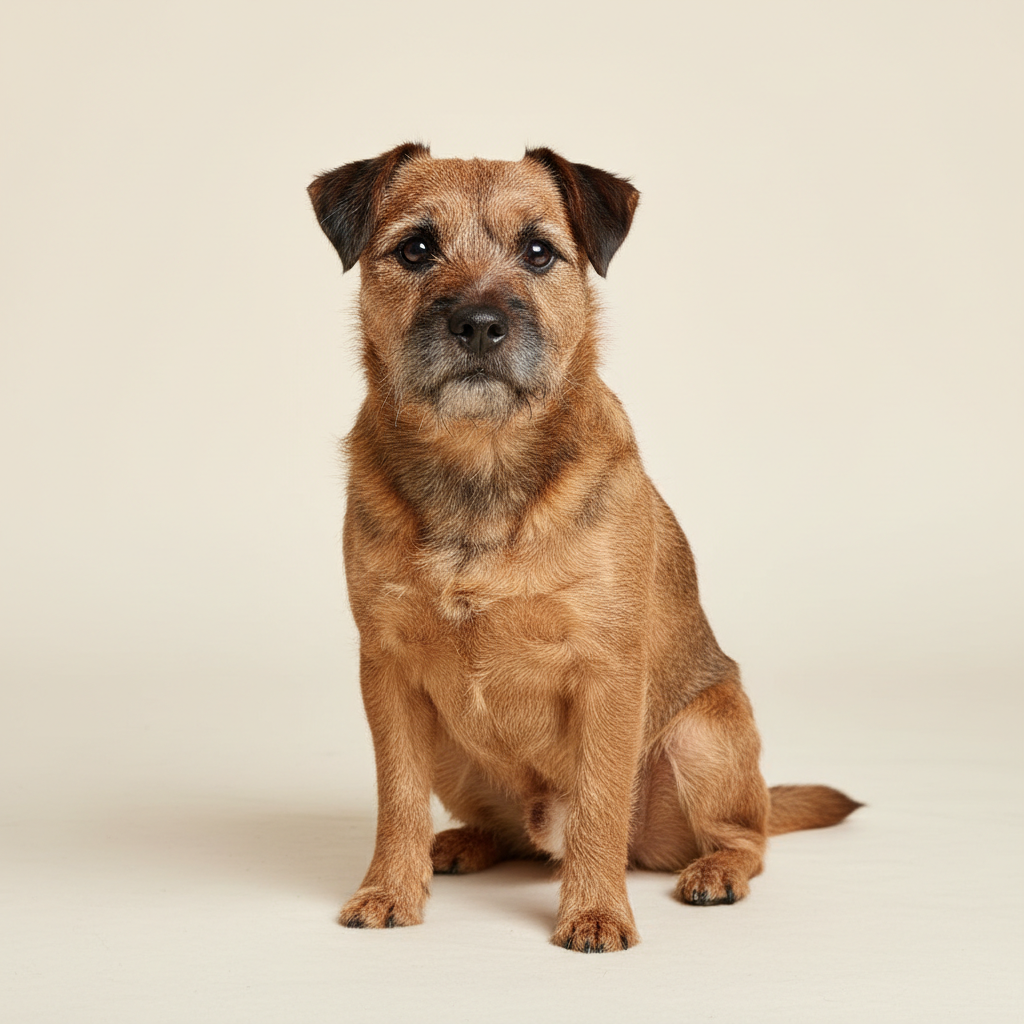
Border Terrier
"Small, brave, affectionate: the terrier with an adventurous soul."
Overview
The Border Terrier is a small, sturdy dog breed originating from the border region between Scotland and England, where it was bred as a tireless working dog for fox hunting. With its distinctive otter-like head and wiry, protective coat, this terrier is much more than just a pretty face; it's a brave, energetic, and affectionate companion for the right family. Its compact size makes it adaptable to various environments, from urban apartments to houses with gardens, provided it receives the appropriate amount of daily exercise and mental stimulation.
With a vibrant character, the Border Terrier is intelligent and loyal, but also possesses the typical terrier tenacity. This means training must be consistent and based on positive reinforcement from puppyhood, with a particular emphasis on early socialization to ensure harmonious coexistence with children and other pets. Its strong prey drive is an important consideration, as they will often chase small animals, requiring them to be kept on a leash in unfenced environments. Despite their bravery in pursuit of foxes, they are surprisingly sweet and affectionate indoors, enjoying their family's company and a good cuddle on the sofa after a day of adventure.
Regarding health, the Border Terrier is generally a robust breed with a life expectancy of 12 to 15 years. However, it can be prone to certain conditions such as "Spike" syndrome (seizure-like episodes) and some eye conditions. Proper grooming of its coat using the 'hand-stripping' technique is essential to maintain its protective texture and reduce shedding, which also influences maintenance costs. For first-time owners who are willing to invest time in its education and exercise, this dog offers a great reward in the form of loyal companionship and inexhaustible joy, although the Border Terrier is best suited for active individuals or families who can meet its physical and mental stimulation needs.
Key facts
- Size
- Small
- Weight
- 5–7 kg
- Life expectancy
- 12–15 years
- Daily exercise
- 60 min/day
- Estimated total
- 125€/month
- Country
- Reino Unido / United Kingdom
Character & temperament
The Border Terrier boasts a complex and fascinating personality, combining the determination and bravery of a working terrier with the sweetness and affection of a family companion. They are intelligent and alert dogs, always observing their surroundings with curiosity and a somewhat cunning air. Their hunting instinct is very pronounced; they view rabbits, squirrels, or any small animal as an invitation to chase, which requires early socialization and good training to control them, especially in open environments. Despite this tenacity, they are incredibly loyal and affectionate with their human family. They enjoy company and can be lapdogs if allowed, seeking closeness and affection. They are known for their adaptability and willingness to participate in any family activity, from mountain hikes to quiet evenings on the sofa. However, their origin as a working dog means they have considerable energy and need regular mental and physical stimulation to prevent boredom, which can lead to destructive behaviors. They are brave and self-confident dogs, sometimes with a touch of typical terrier stubbornness. They are good watchdogs, barking at strangers or unusual noises, making them good deterrents without being excessive. Early and continuous socialization is key to ensuring they develop into balanced and friendly adults with other people and animals.
Living with children
The Border Terrier can be a wonderful companion for children, especially if raised with them from puppyhood and taught to interact with respect and appropriately. They are playful and energetic dogs, making them excellent companions for active children who enjoy outdoor games and adventures. Their compact size makes them less intimidating for small children than larger breeds, and their sturdiness allows them to withstand the hustle and bustle of family life. However, it is crucial to always supervise interactions between children and any dog, including Border Terriers. While generally tolerant, like any terrier, they can have a limit and may not always appreciate being handled roughly or disrespectfully. Children should learn not to pull ears or tails, not to interrupt them while eating or sleeping, and to read the dog's signs of discomfort. The Border Terrier's brave and independent nature means they are not easily intimidated dogs. They prefer active play and participation in family activities. For families with very young children, it is essential to teach both the dog and the child boundaries and the correct way to interact to ensure harmonious and safe coexistence. If properly introduced and given continuous socialization, the Border Terrier can develop strong bonds of affection with children, becoming a loyal protector and tireless playmate. Their joy and enthusiasm are contagious and can teach children about responsibility and animal care.
With other pets
Due to their strong prey drive, Border Terriers can be challenging to live with small pets such as cats, hamsters, or rabbits, unless they are socialized with them from a very young age and under strict supervision. With other dogs, they generally get along well, especially if properly socialized as puppies. They can be somewhat dominant with same-sex dogs, but these tensions usually resolve with good management and training. Early socialization and constant supervision are key to ensuring positive interactions.
Health & prevention
Border Terriers are generally a robust and healthy breed with a life expectancy of 12 to 15 years. However, like all breeds, they are prone to certain health conditions. One of the most significant concerns is "Spike" syndrome or Paroxysmal Cramping and Seizure-Like Episodes (CECS), a neurological condition that can resemble epilepsy but is actually a movement disorder. Other conditions observed in the breed include Border Terrier Cerebellar Ataxia (CECS), Hip Dysplasia, and Patellar Luxation, although these are less common than in larger breeds. Ocular problems such as Progressive Retinal Atrophy may also occur. It is crucial for breeders to perform health screenings on breeding stock to minimize the incidence of these genetic diseases. A balanced diet, regular exercise, and periodic veterinary check-ups are key to keeping a Border Terrier in optimal shape. Daily dental care is also important to prevent periodontal diseases, common in small breeds. Being attentive to any changes in your dog's behavior or health and promptly consulting the vet is essential for early intervention.
Health risks
- •Canine epileptoid cramping
- •Patellar luxation
Care
Nutrition
Border Terrier nutrition should be **high-quality and appropriate for their activity level** and life stage. Given their energetic nature, they can benefit from a protein-rich diet. Portion control is crucial to prevent overweight, as they are prone to obesity if overindulged. A premium quality dry kibble, formulated for small to medium breeds, is an excellent option. It can be supplemented with wet food or lean cooked proteins occasionally, always in moderation. Ensure they always have access to fresh water. Consulting with a veterinarian to adjust their diet to specific needs, especially if they have any health conditions or allergies, is highly recommended. Treats should be rewards and not a fundamental part of their diet.
Grooming & hygiene
The Border Terrier's coat is its distinctive feature and requires specific maintenance. Their **wiry, harsh coat** should not be clipped or shaved, as this could ruin its texture and protective capabilities. Instead, a process called **hand-stripping** is needed, which involves pulling out dead hair by hand. This is done every 4-6 months, or more frequently, to maintain the coat's health and proper texture. If hand-stripping is not done, the coat will become soft, lose its weather-resistance, and shed excessively. In addition to stripping, they need **weekly brushing** to remove dirt and loose hair. Baths are only necessary when they are very dirty to avoid stripping natural oils from their coat. It's also important to check and clean their ears regularly, trim their nails every 3-4 weeks, and brush their teeth daily to prevent dental problems.
Exercise & training
Exercise plan
Despite their size, Border Terriers are **energetic and active** dogs that require a significant amount of daily exercise to remain physically and mentally balanced. They are not happy being couch potatoes all day. They need at least 45-60 minutes of vigorous exercise spread over two or more walks a day, ideally with opportunities to run and explore safely. They enjoy activities such as hiking, fetch games, agility, or any dog sport that tests their agility and intelligence. Their strong prey drive means they should be on a leash in unsafe open spaces to prevent them from chasing small animals. A fenced yard is beneficial but does not replace daily walks and interaction. Lack of exercise can lead to boredom, frustration, and destructive behaviors.
Training
The Border Terrier is an **intelligent and eager-to-please** dog, but also possesses the characteristic **stubbornness** of terriers. Training should be **firm, consistent, and start from puppyhood**, using positive reinforcement methods. They are very sensitive to criticism and respond best to rewards and praise. Early socialization is vital for them to learn to interact correctly with other dogs, people, and different environments. Given their intelligence, they bore easily with repetition; training sessions should be short, fun, and varied. Basic obedience training is essential, especially for recall and leash control, due to their strong prey drive. They also excel in dog sports like agility or tracking, which provide them with the mental stimulation they need and strengthen the bond with their owner.
Monthly cost
Grooming costs (hand-stripping) may increase overall if a professional is hired several times a year rather than doing it at home.
Estimate for Spain, healthy adult dog. Varies by region and provider.
Pros & cons
Pros
- ✓Robust and generally healthy dog.
- ✓Affectionate and loyal with its family.
- ✓Compact and manageable size.
- ✓Intelligent and relatively easy to train with the right approach.
- ✓Adapts well to different environments if exercise needs are met.
Cons
- !Strong prey drive, requires leash in open spaces.
- !Needs a lot of physical and mental stimulation to prevent boredom.
- !Specific coat maintenance (hand-stripping).
- !Can be stubborn, requires consistency in training.
- !May not be ideal with small pets in the home.
Ideal for
- • Active families who enjoy the outdoors.
- • Owners with experience with terriers or working dogs.
- • People looking for a loyal and energetic daily companion.
- • Homes that can provide early socialization.
Not recommended for
- • Sedentary people or those with little time for daily exercise.
- • Homes with small pets (hamsters, rabbits) without intense supervision.
- • Owners looking for a low-maintenance dog regarding exercise and training.
- • Those who prefer a quiet dog, as they can be barkers.
How it fits each scenario
A Border Terrier can live in an apartment if it receives sufficient daily exercise and mental stimulation. Long, active walks are crucial to compensate for the lack of space.
A fenced garden is ideal for a Border Terrier, allowing it to explore and let off steam, but it does not replace daily walks and interactions with its family.
Their harsh coat offers some protection, but in hot climates, they should be protected from excessive sun and heat, ensuring access to shade and fresh water, and avoiding exercise during peak hours.
A Border Terrier's coat is well-adapted to cold and damp climates, like those of its origin, but extreme cold may require additional protection with a coat for very long walks.
With toddlers, constant supervision and teaching both to ensure respectful interactions are required, due to the terrier's active and sometimes stubborn nature.
They are excellent companions for school-aged children who enjoy active play and can participate in their care and training under supervision, strengthening the bond.
A first-time owner can manage a Border Terrier if willing to invest time in consistent training and socialization from the start and understand its terrier nature.
Experienced owners, especially with terriers, will appreciate their intelligence and bravery, and will know how to manage their prey drive and potential stubbornness with patience and firmness.
Perfect for active families who enjoy outdoor activities, hiking, and games, as the Border Terrier is a tireless adventure companion.
Not ideal for very busy families who cannot dedicate daily time to exercise, training, and mental stimulation; it could develop behavioral problems.
They are not hypoallergenic. Although they shed less than other breeds, their coat can still trigger allergic reactions, especially if hand-stripping is not done regularly.
Costs are not excessively high, but professional hand-stripping can be a significant expense to consider, in addition to regular food and veterinary care.
Origin & history
Hailing from the rugged border region between Scotland and England, they were bred to hunt foxes and protect farms. Their small size allowed them to bolt foxes from dens, while their relatively long legs gave them the speed to keep up with horses.
The Border Terrier has a distinctive head often described as otter-like, a trait valued for its original function of bolting foxes from their dens.
Frequently asked questions
Is the Border Terrier a good family dog for children?▾
Yes, the Border Terrier can be an excellent family dog for children. They are playful, energetic, and quite robust, ideal for active children. However, it is crucial that interactions are supervised, especially with small children, and that both the dog and children learn to respect each other. Their terrier nature means they may have a patience limit if handled roughly. With proper socialization from puppies, they will develop strong bonds and be loyal and protective companions.
How much exercise does a Border Terrier need daily?▾
Despite their size, Border Terriers are very active dogs and need at least 45 to 60 minutes of vigorous exercise each day, spread over two or more walks. They greatly enjoy running, exploring, and playing, so it's important to offer them opportunities to let off steam safely. Lack of exercise can lead to destructive behaviors or anxiety problems. Yard games do not replace the walks and mental stimulation they get from exploring new environments. They are perfect for active families.
Does the Border Terrier coat require special care?▾
Yes, the Border Terrier's harsh coat requires very specific care known as 'hand-stripping' or 'trimming'. This involves pulling out dead hair by hand, usually every 4 to 6 months, rather than clipping or shaving it. If stripping is not done, the coat will lose its protective texture, become soft, and shed excessively. Additionally, they need weekly brushing to remove dirt and loose hair. Baths should only be given when strictly necessary to avoid damaging their water and weather-resistant coat condition.
Are Border Terriers good with other pets, especially cats?▾
Due to their strong prey drive, Border Terriers may have difficulty coexisting with cats and other small pets (rodents, rabbits) if not socialized with them from puppyhood and under strict supervision. There is always a risk that their hunting instinct will prevail. With other dogs, they generally get along well if well socialized, although they can be somewhat dominant or territorial with same-sex dogs. The key is an early and carefully managed introduction. In general, with cats it is high risk.
Can Border Terriers adapt to apartment living?▾
Yes, a Border Terrier can adapt to apartment living as long as their owners are committed to providing the right amount of physical and mental exercise daily. They are not dogs that can stay home alone all day without activity. This means several vigorous walks a day, interactive games indoors, and possible obedience classes or dog sports. A bored or overenergetic Border Terrier in a small space can become destructive or vocal. The key is the balance between activity and rest.
What is the life expectancy and common diseases of the Border Terrier?▾
Border Terriers are generally a robust breed with a life expectancy of 12 to 15 years. Although they enjoy good health, they are susceptible to some genetic conditions. The most well-known is 'Spike Syndrome' or Paroxysmal Cramping and Seizure-Like Episodes (CECS). They can also be affected by Hip Dysplasia, Patellar Luxation, and some ocular conditions such as Progressive Retinal Atrophy, although these are less frequent. A responsible breeder will perform health screenings on the parents to minimize these risks. Regular veterinary check-ups are important for early detection.
Are Border Terriers easy to train?▾
Border Terriers are intelligent and respond well to positive reinforcement training, but they can also be somewhat stubborn, like many terriers. They require a consistent, patient owner who uses fun and varied training methods to keep their interest. Basic obedience and early socialization are crucial. Their strong prey drive means good recall control and leash training are vital. They bore easily with repetition, so short, stimulating sessions work best.
Do Border Terriers cause allergies?▾
They are not considered a hypoallergenic breed. While they shed less than many other breeds thanks to their wiry coat that is 'stripped' rather than shed, they do not completely eliminate dander, which is the main cause of allergies. People with severe allergies might still react. If there is concern about allergies, it is recommended to spend time with a Border Terrier before adopting to see how one reacts, and to maintain a regular grooming schedule that includes stripping to minimize dander.
Similar family-friendly breeds
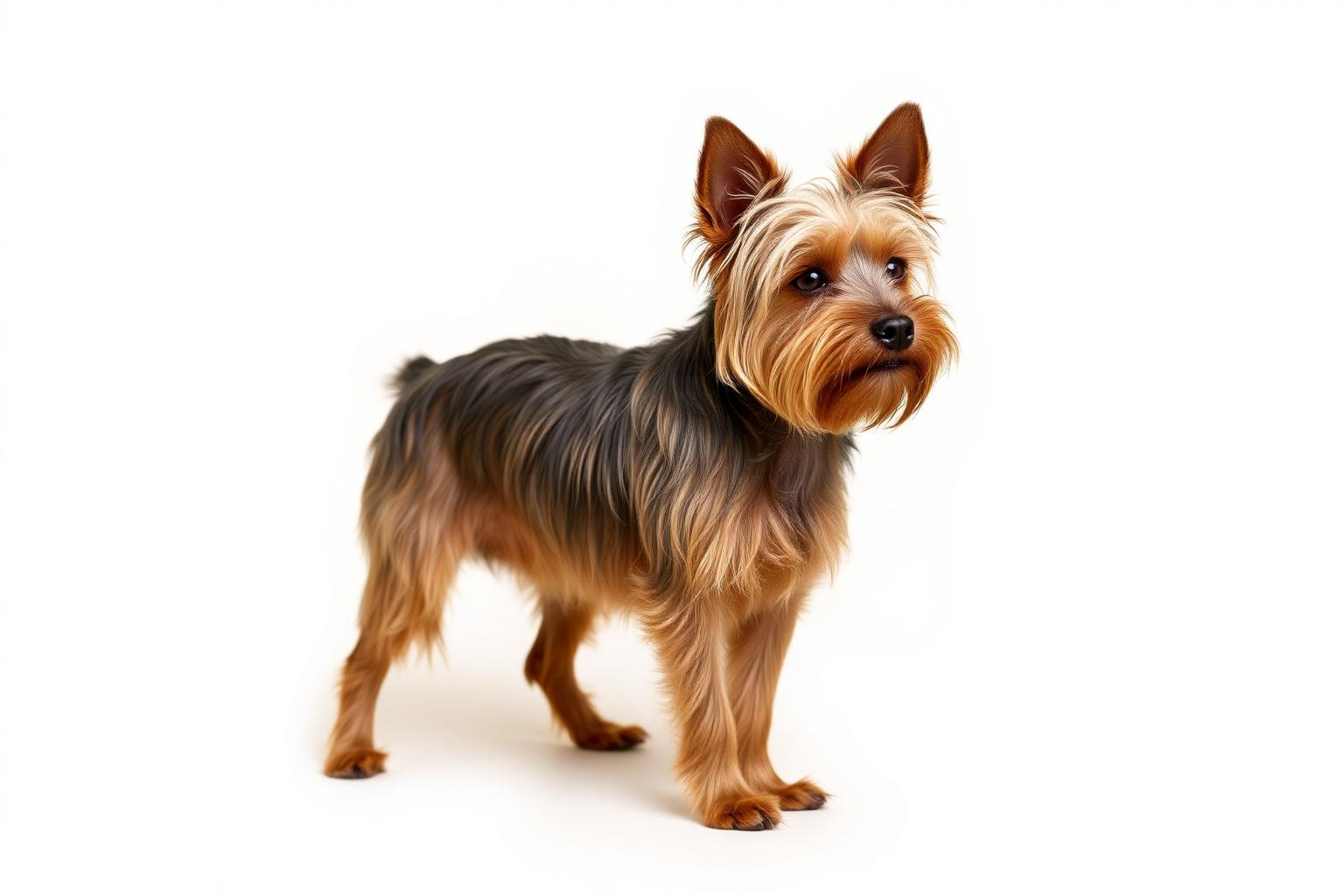
Cairn Terrier
6.7Toto from The Wizard of Oz. Lively, brave and a relentless digger.
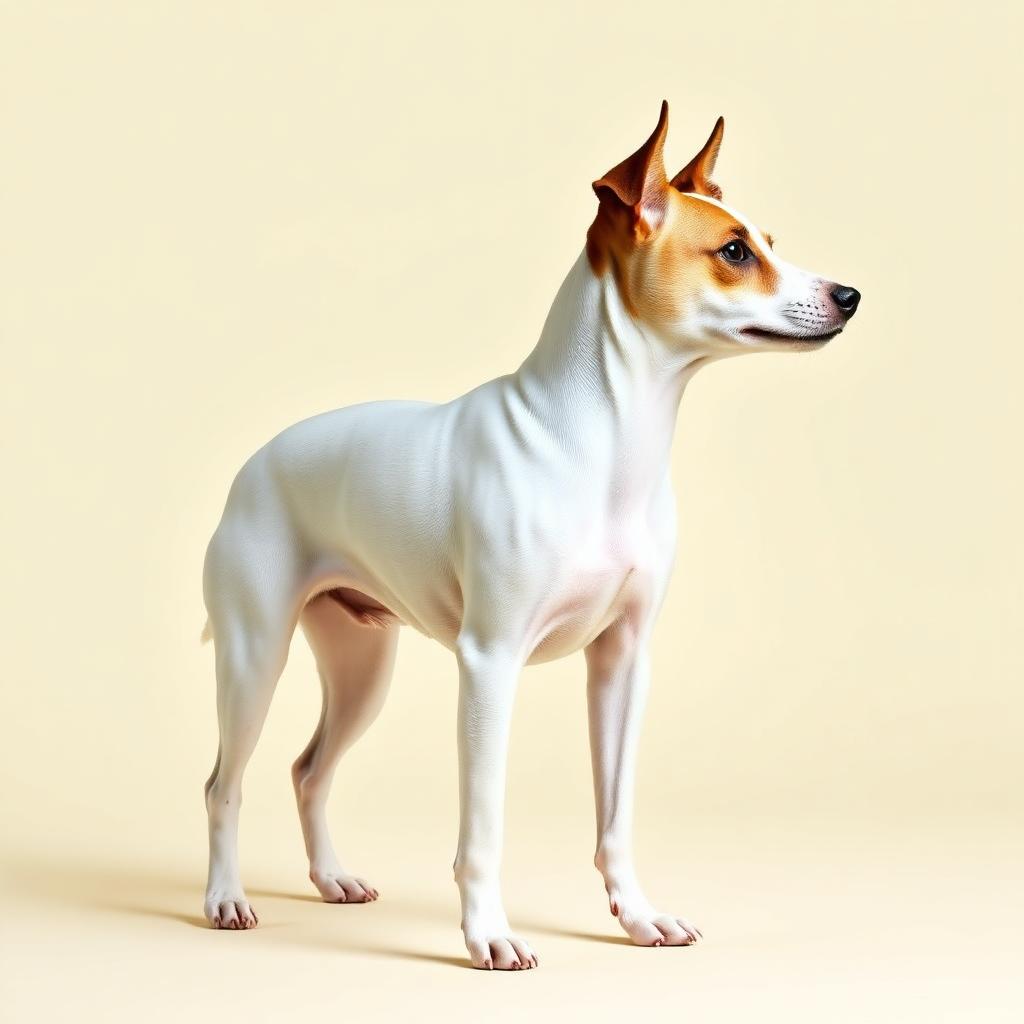
Jack Russell Terrier
5.9Milo from The Mask and Eddie from Frasier. Tiny rocket: needs serious exercise.

Cavalier King Charles Spaniel
9.3Affectionate, sociable and perfect for small apartments. Adapts to the household's rhythm and loves company.