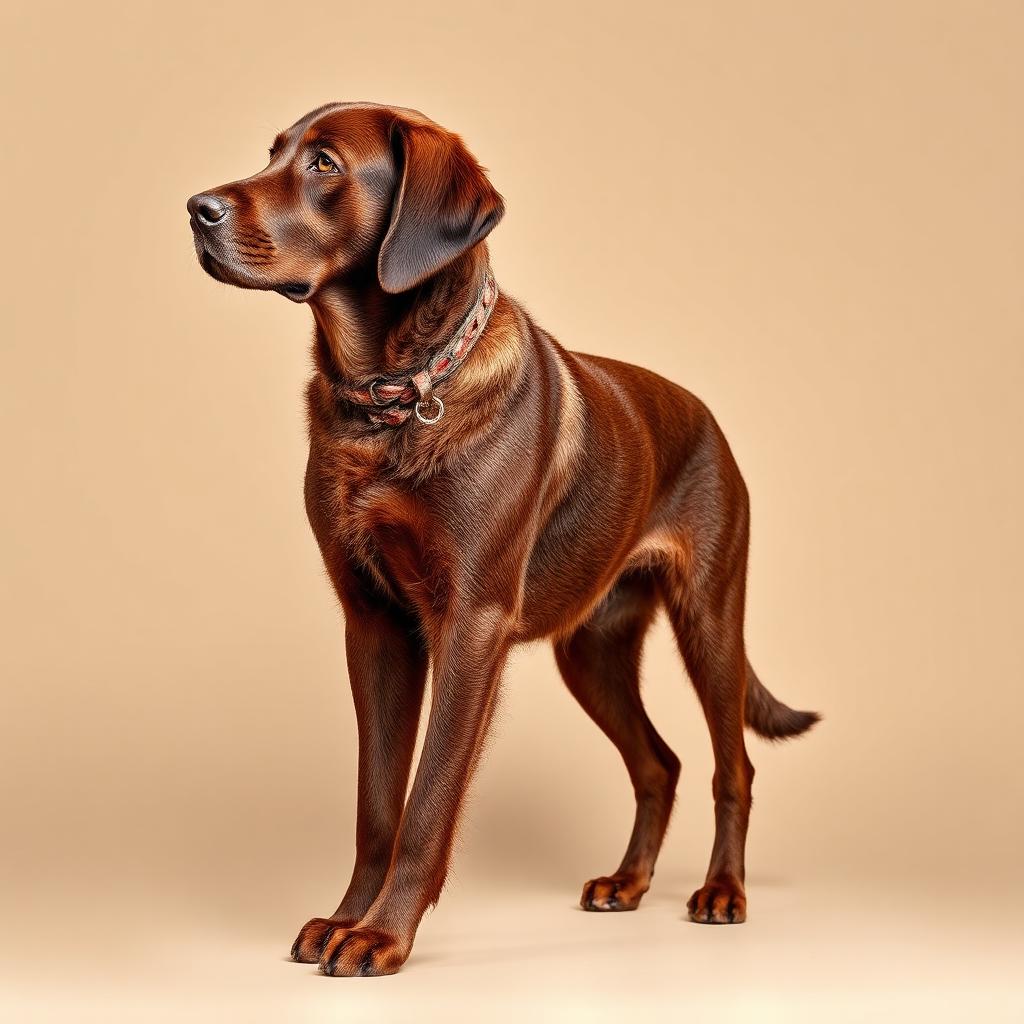
Chesapeake Bay Retriever
"The intrepid retriever: strong, loyal, and a tireless swimmer."
Overview
El Chesapeake Bay Retriever, o simplemente 'Chessie', es una raza de perro originaria de Estados Unidos, reconocida por su robustez, lealtad y su excepcional capacidad para el cobro en el agua. Este perro de tamaño grande destaca por su doble capa de pelo aceitosa e impermeable, que le permite trabajar incansablemente en las aguas más frías sin inmutarse.
En cuanto a su carácter, el Chessie es un perro inteligente, valiente y con una voluntad fuerte. Es extremadamente leal y protector con su familia, lo que le convierte en un excelente perro guardián. Sin embargo, puede mostrarse reservado con los extraños y posee una naturaleza algo independiente y testaruda, por lo que no es la opción ideal para dueños de perros primerizos. Requiere un adiestramiento consistente y una socialización temprana y continua para convertirse en un compañero equilibrado y bien adaptado. Su elevada energía y su instinto de presa implican que no es la mascota adecuada para hogares con otras mascotas pequeñas sin una introducción muy cuidadosa y desde edad temprana. La convivencia con niños puede ser buena si se le socializa correctamente, pero su tamaño y energía exigen supervisión, especialmente con los más pequeños, y es más adecuado para familias activas que le incluyan en sus juegos al aire libre.
En lo referente a la salud del Chesapeake Bay Retriever, es una raza generalmente sana con una esperanza de vida de 10 a 13 años. No obstante, como muchas razas grandes, son susceptibles a la displasia de cadera y codo, así como a algunas enfermedades oculares y la temida torsión gástrica. Por ello, es vital una alimentación adecuada, ejercicio regular y visitas veterinarias periódicas. Un ejercicio de al menos 1-2 horas diarias de actividad vigorosa, incluyendo natación, correr o largas caminatas, es fundamental para su bienestar, tanto físico como mental. Sin esta estimulación, el Chessie puede desarrollar comportamientos destructivos. Su aseo es relativamente sencillo; un cepillado semanal es suficiente para mantener su pelaje en óptimas condiciones, el cual requiere baños poco frecuentes para preservar sus aceites naturales. Criado para ser un compañero intrépido en la caza, el Chessie es un can excepcional para familias muy activas y experimentadas que buscan un perro dedicado y con un espíritu inquebrantable para compartir innumerables aventuras al aire libre.
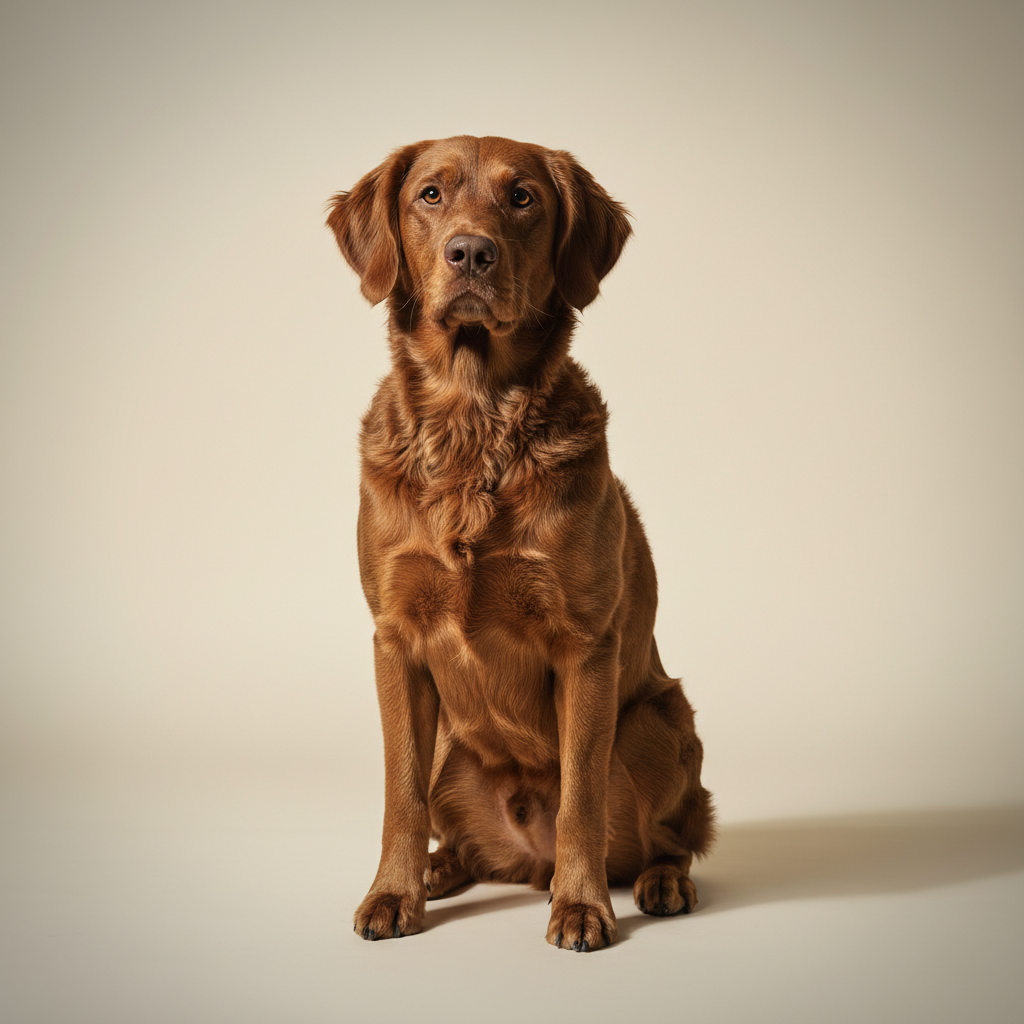
Key facts
- Size
- Large
- Weight
- 25–36 kg
- Life expectancy
- 10–13 years
- Daily exercise
- 120 min/day
- Estimated total
- 160€/month
- Country
- Estados Unidos / United States
Character & temperament
The Chesapeake Bay Retriever is known for its strong and determined nature. It is a very intelligent and loyal dog to its family, but can be somewhat independent and stubborn, requiring an experienced and patient owner. Its protective instinct is high, making it a good watchdog, although it may appear aloof or reserved with strangers. It is not a dog that constantly seeks effusive affection like other retriever breeds, preferring instead to establish a working and companionship relationship in which it feels valued and has a purpose. It possesses great stamina and inexhaustible energy, making it ideal for very active people. Bored or without enough exercise, it can develop destructive behaviors. Early and extensive socialization is fundamental to ensure the Chessie becomes a well-adjusted and confident adult, especially in new situations or with unfamiliar people. Its concentration ability and memory are excellent, skills inherited from its use as a hunting dog. Its balanced character, when well-socialized and educated, makes it an exceptional companion for those seeking a dog with true dedication and a vigorous spirit.
Living with children
The relationship between a Chesapeake Bay Retriever and children can be very positive, provided certain conditions are met. Chessies are robust and tolerant dogs that, with early and proper socialization, can form strong bonds with family children, being protective and patient. However, their size and energy can be a factor to consider with very young children, as they could inadvertently knock them over during play. It is crucial to teach both the dog and the children to interact safely and respectfully. Chessies appreciate having a 'job' and participating in family activities, so playing fetch or other interactive games with older children can be an excellent way to burn energy and strengthen the bond. They are not the most suitable breed for families looking for a lapdog, but rather a companion who shares outdoor adventures. Supervision is always recommended, especially with visitors or children not used to large and energetic dogs. A well-trained Chessie considers the children of its family as part of its 'pack' and will care for them with devotion.
With other pets
With early and consistent socialization, the Chesapeake Bay Retriever can coexist with other dogs, but its strong prey drive can make it difficult to live with smaller pets like cats or rabbits, unless they grow up together. They are naturally dominant dogs, so introductions to other dogs should be done cautiously and under supervision. They tend to establish a hierarchy. It is always preferable to introduce them as puppies to other pets. Not recommended for homes with small non-canine pets if the Chessie has not been socialized with them from a very young age.
Health & prevention
The Chesapeake Bay Retriever is generally a robust breed, known for its stamina and longevity, often living between 10 and 13 years. However, like many large breeds, they are prone to certain hereditary health conditions. It is crucial to obtain a puppy from responsible breeders who screen their breeding stock for health issues. Major concerns include hip and elbow dysplasia, which can cause pain and arthritis. They are also susceptible to certain eye diseases, such as progressive retinal atrophy, which can lead to blindness. Heart diseases, such as subaortic stenosis, can also occur. Another specific concern is degenerative myelopathy, a progressive spinal cord disease. Gastric torsion or gastric dilatation-volvulus (GDV) is a serious medical emergency in deep-chested dogs. Maintaining a healthy weight, a balanced diet, and regular exercise are crucial for prevention. Regular veterinary check-ups will help detect and manage any health problems in a timely manner.
Health risks
- •Hip dysplasia
- •Retinal atrophy
- •Gastric torsion
Care
Nutrition
The **Chesapeake Bay Retriever's diet** must be high-quality, formulated for large, high-energy breeds. Given their active nature and efficient metabolism, they require a diet rich in protein and healthy fats to maintain their musculature and energy levels. The amount will vary according to age, activity level, and individual metabolism. It is vital to divide the daily ration into at least two meals to reduce the risk of gastric torsion, a concern in deep-chested breeds. Puppies need specific food for large breed puppies that controls growth rate. Always consult your veterinarian for a tailored nutritional plan, especially if the dog has allergies or sensitivities. Avoid overfeeding, as obesity can worsen joint problems.
Grooming & hygiene
Grooming the Chesapeake Bay Retriever is relatively simple thanks to its unique coat. Its **double, short, dense coat** with an oily texture not only repels water but also minimizes the need for frequent brushing. Weekly brushing with a rubber brush or grooming mitt is sufficient to remove loose hair and distribute natural oils, keeping the coat healthy and shiny. They should not be bathed too frequently, as this can strip protective oils. When bathing is necessary, use a mild, dog-specific shampoo. It's important to check and clean their ears regularly to prevent infections, especially if the dog swims often. Nail trimming and dental brushing are also essential parts of routine maintenance.
Exercise & training
Exercise plan
The Chesapeake Bay Retriever is an **extremely active breed** that requires a significant and consistent amount of daily exercise to stay happy and balanced. It is not a dog for a sedentary lifestyle. They need at least **1-2 hours of vigorous physical activity per day**, which includes running, swimming (their favorite activity), playing fetch, or participating in canine sports like agility or flyball. Long walks or hiking are also good options. Lack of exercise will result in a bored and potentially destructive or anxious Chessie. They enjoy mental challenges as much as physical ones, so training sessions and intelligence games are also crucial to keep their minds occupied. A home with access to large open spaces or the possibility of regular swimming is ideal for this breed.
Training
Training the Chesapeake Bay Retriever requires **consistency, patience, and a positive reinforcement approach**. They are very intelligent dogs and learn quickly, but they can also be stubborn and show an independent will. Firm yet fair leadership is essential to establish respect and trust. **Early socialization** from puppyhood is crucial for them to become well-adjusted adults, exposing them to various people, places, sounds, and other dogs. Obedience training should start early and continue throughout their lives, including basic commands like sit, stay, and come. Given their strength and energy, teaching them to walk on a leash without pulling is very important. They can excel in canine sports such as obedience, agility, tracking, and, of course, field trials. For best results, the owner must be the pack leader, using kind but resolute methods.
Monthly cost
The primary expense lies in massive amounts of high-quality feed fulfilling their colossal calorie burn, plus robust health coverage for gastric emergencies.
Estimate for Spain, healthy adult dog. Varies by region and provider.
Pros & cons
Pros
- ✓Extremely loyal and protective of its family.
- ✓Hardy and with great stamina, ideal for outdoor activities.
- ✓Excellent watchdog due to its protective and reserved nature.
- ✓Intelligent and highly trainable in experienced hands.
- ✓Low-maintenance coat, repels water and dirt.
Cons
- !Requires a massive amount of daily exercise and mental stimulation.
- !Can be stubborn and challenging for novice owners.
- !May be reserved or wary of strangers if not well-socialized.
- !Strong prey drive, difficult to live with small pets without socialization.
- !Prone to specific large breed health issues (dysplasia, gastric torsion).
Ideal for
- • Very active families who enjoy hiking, swimming, and outdoor sports.
- • Experienced owners seeking a loyal and protective companion.
- • People willing to invest time in consistent training and socialization.
- • Homes with access to large open spaces or swimming areas.
Not recommended for
- • Sedentary families or people who cannot provide at least 1-2 hours of daily exercise.
- • First-time dog owners without experience with strong, high-energy breeds.
- • Small homes or apartments without access to a large yard or extensive walking areas.
- • People looking for a lapdog or a dog with constant need for cuddles.
How it fits each scenario
Not the most suitable breed for apartment living. It needs space to move and requires at least 1-2 hours of vigorous daily exercise outside the home to prevent boredom and destructiveness.
A home with a **large, well-fenced garden** is ideal for the Chessie, providing space to play and burn energy. Even so, exercise outside the garden is essential.
Due to their double coat, Chessies can suffer in very hot climates. It's crucial to provide shade, fresh water, and **avoid intense exercise during the hottest hours**.
Designed for the icy waters of Chesapeake Bay, the Chessie **tolerates cold temperatures very well**. Its waterproof coat effectively protects it from cold and damp.
Can be too energetic and large for toddlers. **Constant supervision** and teaching both to interact is crucial to prevent accidental bumps during play.
With proper socialization, it can be a playmate and adventure companion for school-aged children. It will enjoy outdoor activities and ball games with them.
Not recommended for first-time owners. Its strong personality, exercise needs, and consistent training require **experience and dedication to manage them correctly**.
Ideal for owners experienced with working dogs or dominant breeds. An owner with authority and patience will be able to bring out the best in this loyal and intelligent breed.
A family with a very active lifestyle is perfect. It will enjoy accompanying them on hikes, runs, swims, and any activity that allows it to burn its immense energy.
A family with little time for extensive exercise and daily training is not suitable. A bored Chessie can develop destructive behaviors.
Not a hypoallergenic breed. It sheds a moderate amount of hair, and its oily coat can release more allergens. Not the ideal choice for people with severe allergies.
Costs associated with a Chessie are moderate-to-high. Its high-quality food is expensive, and having insurance for risks like gastric torsion is advisable.
Origin & history
The breed originated on the shores of the freezing Chesapeake Bay from two puppies rescued from a British shipwreck in 1807. They were crossed with hounds and other local water dogs to create the ultimate duck hunter capable of enduring the harshest weather conditions.
The Chesapeake Bay Retriever has a unique 'oily' coat that allows it to repel water and ice. This coat not only keeps it dry but also provides exceptional thermal insulation, even in the iciest waters!
Frequently asked questions
Does the Chesapeake Bay Retriever really need that much exercise?▾
Yes, absolutely. The Chesapeake Bay Retriever was bred to work intensely for hours in harsh conditions. It needs at least 1-2 hours of vigorous and stimulating physical activity daily, such as running, deep swimming, or retrieving exercises. Without this level of exercise, a Chessie can become anxious, destructive, or develop behavioral issues. It is not a dog for someone looking for a passive companion pet; its mental and physical well-being depend directly on adequate energy release.
Is the Chesapeake Bay Retriever a good dog for first-time owners?▾
Generally, no. The Chessie is a dog with a strong will, intelligence, and can be stubborn. It requires an experienced owner who understands the needs of a working breed, capable of offering firm and consistent leadership, and committed to early and continuous training and socialization. Novice owners might feel overwhelmed by its energy and determined personality, which could lead to behavioral problems if not managed properly.
How does the Chessie get along with children?▾
With early and proper socialization, the Chesapeake Bay Retriever can be a loyal and protective companion for family children. However, due to their size and energy, supervision is always recommended, especially with very young children, as they could inadvertently knock them over. They are better suited for families looking for a companion for outdoor adventures and interactive games, rather than a lapdog. It's important to teach children how to interact respectfully with the dog.
Is the Chesapeake Bay Retriever's coat really oily?▾
Yes, the Chessie's characteristic double coat is naturally oily to the touch, especially the outer coat. This oil, combined with the density and texture of the hair, acts as a **natural waterproofing** that allows it to withstand cold water and harsh weather. It's crucial not to bathe a Chessie too frequently or use harsh shampoos that could strip these protective oils, as this would compromise its skin health and coat properties.
What are the most common health concerns for Chessies?▾
Like many large breeds, Chesapeake Bay Retrievers are prone to **hip and elbow dysplasia**, as well as certain **eye diseases** such as progressive retinal atrophy. They can also be susceptible to gastric torsion, which is a serious medical emergency, and degenerative myelopathy. It is vital to seek responsible breeders who perform health screenings on their breeding stock and maintain regular veterinary check-ups to detect any issues early.
Is the Chesapeake Bay Retriever considered a suitable breed for people with allergies?▾
No, the Chesapeake Bay Retriever is not a hypoallergenic breed. Although it sheds a moderate amount of hair, its oily coat can shed dander and allergens more efficiently. People with severe allergies will likely react to a Chessie. If you have allergies, it's advisable to spend time with a dog of this breed before deciding, or consider breeds with a more hypoallergenic profile.
Can Chessies live with other small pets?▾
With very early socialization as a puppy, it's possible for a Chessie to learn to coexist with other dogs and, in some cases, with cats or other small pets. However, they possess a strong prey drive, which can make living with smaller animals challenging and require constant supervision. Generally, it's safer to introduce them from a very young age.
How much does it cost to keep a Chesapeake Bay Retriever per month?▾
The monthly cost of keeping a Chesapeake Bay Retriever can range from 150 to 250 euros. This includes high-quality food (which is a significant expense due to their size and energy), basic vet check-ups, deworming, and some grooming. Additionally, dog health insurance is strongly recommended, given the breed's predisposition to certain medical conditions, which adds an extra but very necessary cost to protect your finances in case of emergencies.
Similar family-friendly breeds
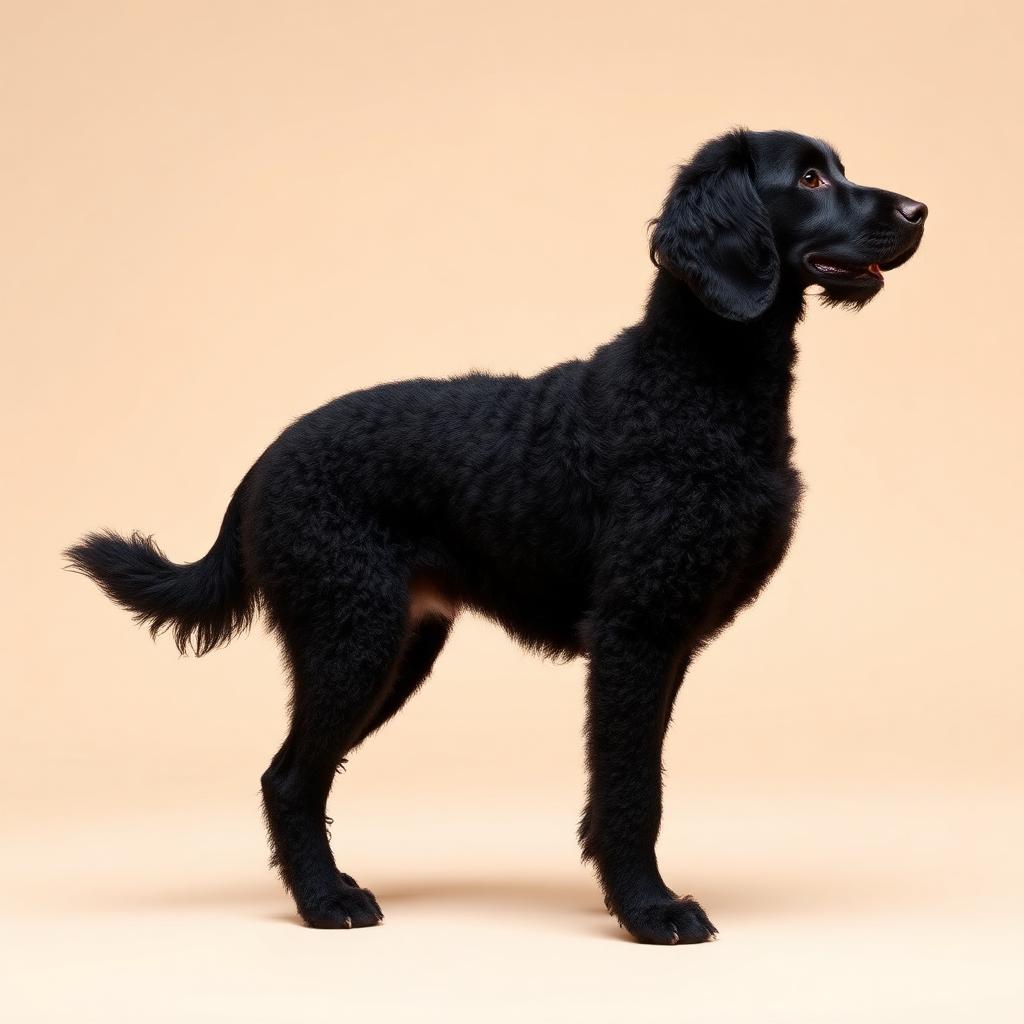
Curly Coated Retriever
6.9Athletic curly-coated retriever. More independent than the Labrador.
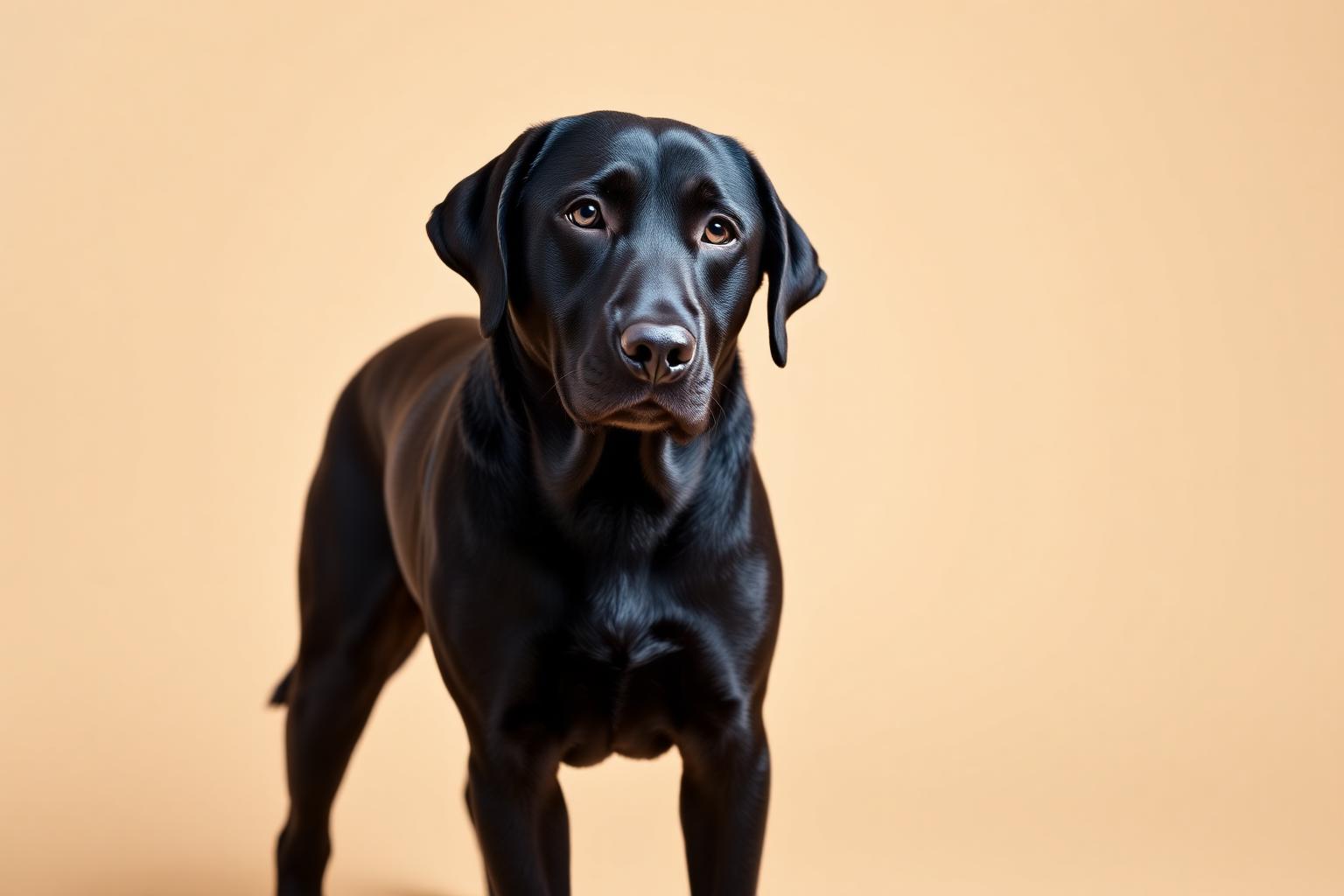
Labrador Retriever
9.7Athletic, playful and loyal. Tolerates children and other animals well. Needs plenty of daily exercise to stay balanced.

Golden Retriever
9.8The quintessential family companion: patient, sociable, and always up for play. Excellent with children and easy to train.