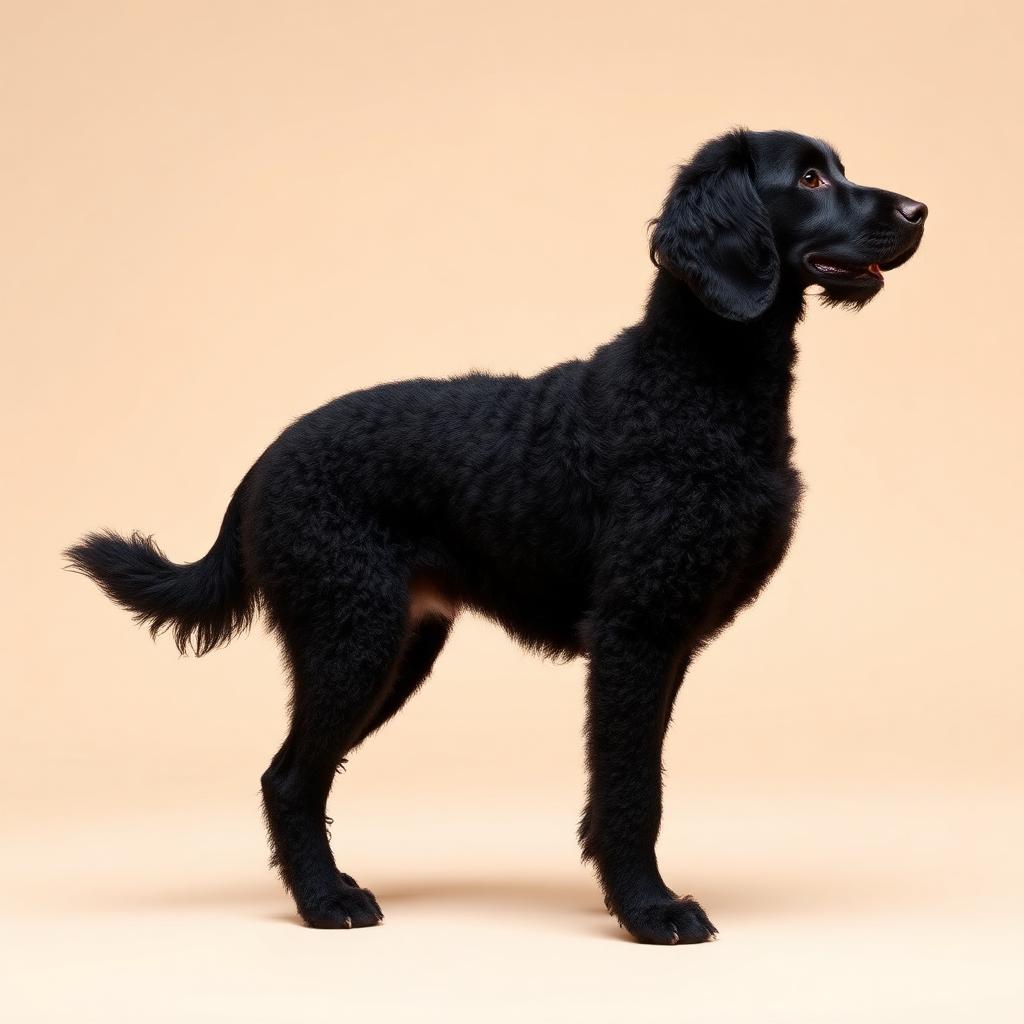
Curly Coated Retriever
"The Curly Coated Retriever: elegance, intelligence, and a heart of gold."
Overview
The Curly Coated Retriever (CCR), often nicknamed 'Curly', is one of Great Britain's oldest and most distinctive retriever breeds. Recognizable by its tight, curly, waterproof coat, this breed was developed to be a highly efficient retrieving dog, especially in aquatic work and challenging terrain. Its unique coat is not just aesthetic; it provides essential protection against cold and wet conditions, highlighting its heritage as a robust and adaptable hunter.
Regarding their temperament, the Curly is an intelligent, loyal, and sensitive dog. With their family, they are affectionate and attached companions, but they tend to be more reserved and cautious with strangers than other retriever breeds. This independence and thoughtful nature mean that training a Curly Coated Retriever requires patience, consistency, and positive reinforcement. They do not respond well to harsh methods. Early socialization is crucial for them to develop into well-balanced and confident adults.
The Curly's exercise needs are high. They are very active dogs that require at least an hour and a half of vigorous physical activity daily, in addition to mental stimulation. Without sufficient exercise, they can become bored, destructive, or develop anxiety. They are excellent for active families who enjoy outdoor activities such as hiking, swimming, or canine sports (agility, obedience, tracking). In terms of health, the Curly Coated Retriever is generally a robust and long-lived breed (10-14 years). However, they are prone to hip and elbow dysplasia, eye problems such as PRA and cataracts, and follicular dysplasia. It is vital to seek a responsible breeder who performs health tests on their breeding stock. Coat care is relatively low; it does not require frequent brushing to maintain its curls. With children, they can be good companions for older children who know how to respect them, but they require supervision with young children due to their size and energy. They are not the best choice for first-time owners or people with a sedentary lifestyle. The Curly Coated Retriever is a fascinating breed for the right family, offering loyalty, intelligence, and a distinctive presence.
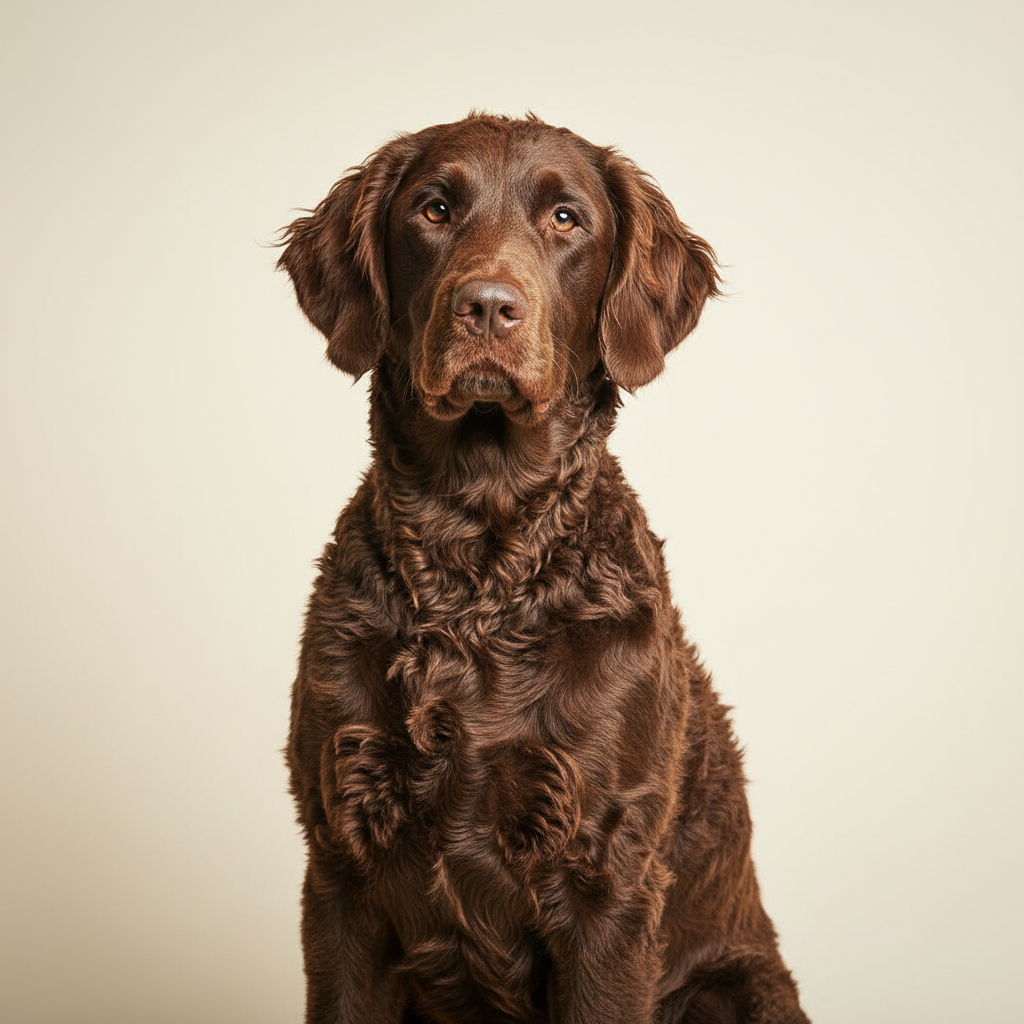
Key facts
- Size
- Large
- Weight
- 25–36 kg
- Life expectancy
- 10–12 years
- Daily exercise
- 90 min/day
- Estimated total
- 180€/month
- Country
- Reino Unido / United Kingdom
Character & temperament
The Curly Coated Retriever possesses a complex and fascinating temperament that sets it apart from other retrievers. They are intelligent and sensitive dogs, but often more reserved and independent than their Labrador or Golden cousins. This means they won't rush to greet every stranger with the same effusiveness. They need time to assess new people and situations, and once they decide you are worthy of their trust, they are incredibly loyal and affectionate with their family. Indoors, they are calm and serene, enjoying the company of their loved ones. Outdoors, however, they transform into active and energetic dogs, with a strong retrieving instinct and a passion for water. Their intelligence allows them to learn quickly, but their independence can sometimes be interpreted as stubbornness. They require consistent and patient training, based on positive reinforcement, as they are sensitive to harsh methods. Early and continuous socialization is crucial for them to develop into well-balanced dogs. A bored or insufficiently exercised Curly can become destructive or develop excessive barking. They are thinkers, capable of problem-solving, making them excellent companions for activities that challenge their mind and body. They are not for everyone, but for those who appreciate their unique character and are willing to meet their needs, the Curly is an exceptional companion offering unwavering loyalty and much joy.
Living with children
Living with a Curly Coated Retriever and children can be very successful, provided boundaries are established and interactions are supervised, especially with toddlers. They are generally patient and tolerant dogs, especially with children in their own family whom they have known since puppyhood. Their playful and energetic nature makes them good playmates for older children who understand how to interact with a medium-large dog. However, their energy level and robustness can accidentally knock over small children during play, so adult supervision is crucial. It is vital to teach children to respect the dog, not to pull its ears or tail, and to allow it to have its resting space undisturbed. The Curly will appreciate a quiet corner to retreat to if feeling overwhelmed. Furthermore, their slightly more reserved nature means they might not be as effusive with children outside the immediate family. Early socialization of the Curly puppy with children of different ages, in a controlled and positive environment, is essential to foster good behavior. If introduced properly and both dog and children are educated, a Curly can be a loyal and protective family friend, fully enjoying family activities.
With other pets
Curly Coated Retrievers can get along well with other dogs if properly socialized from puppyhood. Their sometimes reserved nature means they don't always seek to play with every dog they encounter, but they are generally friendly. Regarding cats and other small animals, their prey drive can be strong, so introductions should be gradual and supervised, ideally from an early age. With proper socialization, they can coexist peacefully, but always with caution, especially with rodents or birds.
Health & prevention
The Curly Coated Retriever is generally a robust and long-lived breed, with a lifespan of 10 to 14 years. However, like all breeds, they are prone to certain genetic health conditions that responsible breeders try to minimize through testing. Primary concerns include hip and elbow dysplasia, which can lead to arthritis and pain in adulthood. They can also be susceptible to eye problems, such as progressive retinal atrophy (PRA) and cataracts, making regular ophthalmological exams advisable. A breed-specific condition is Follicular Dysplasia (FD), a genetic disease affecting the coat and skin, causing hair loss and skin problems, especially noticeable in black "Curlys". Other less common issues include epilepsy, hypothyroidism, and, in some cases, cancer. It is crucial to choose a breeder who performs health testing on their breeding stock and can provide certificates for freedom from dysplasia and eye diseases. A quality diet, adequate exercise, and regular veterinary visits will significantly contribute to keeping a Curly healthy and happy throughout its life.
Health risks
- •Hip dysplasia
- •Retinal atrophy
- •Epilepsy
Care
Nutrition
A Curly Coated Retriever's nutrition should be high-quality, formulated for active medium to large-sized dogs. A good quality, balanced dry kibble, rich in protein, is essential to maintain their musculature and energy. The daily amount will depend on their age, activity level, and metabolic state, but it is generally recommended to divide it into two meals. During breeding season or periods of high physical activity, they may require an increase in calories. Glucosamine and chondroitin supplements can be beneficial for protecting their joints. It is important to monitor their weight to prevent joint and heart problems. Avoid overfeeding and excessive treats, and ensure they always have access to fresh, clean water.
Grooming & hygiene
Grooming for the Curly Coated Retriever is relatively low maintenance thanks to its unique coat texture. Frequent brushing is not necessary and can actually damage the curls and weaken the protective layer. A light brush once a week or every two weeks with a soft bristle brush or rubber glove to remove dead hair is sufficient. During shedding season, a little more frequency might be required. Bathe only when necessary, using a mild, dog-specific shampoo. It is important to dry their coat thoroughly to prevent skin irritations. Attention should be paid to cleaning their ears to prevent infections, and nails should be trimmed regularly. It is also advisable to check their teeth to maintain good oral hygiene.
Exercise & training
Exercise plan
The Curly Coated Retriever is an **active and energetic** dog that requires a significant amount of daily exercise to stay physically and mentally balanced. They need at least 60-90 minutes of vigorous activity per day, which can include running, long walks, swimming, retrieving games, or canine sports like agility. They make excellent companions for running, hiking, or cycling. In addition to physical exercise, their intelligence demands constant **mental stimulation** to prevent boredom, which can lead to destructive behaviors. Scent games, interactive toys, and short, fun training sessions are essential. If not provided with an adequate outlet for their energy, a Curly can become nervous or hyperactive at home. A securely fenced yard where they can run freely is a plus, but it does not replace structured walks and interaction with their owner.
Training
The Curly Coated Retriever is an **intelligent dog capable of learning quickly**, but its independence and sensitivity require a specific training approach. They do not respond well to harsh or punitive training methods; **positive reinforcement** is the key to success. Training should be consistent, patient, and fun, with short sessions to maintain their interest. **Early and continuous socialization** is crucial for the Curly to develop a balanced character and adapt well to different situations, people, and other animals. Basic obedience is a good starting point, but given their intelligence and working heritage, they will greatly benefit from activities such as tracking, agility, retrieving, or advanced obedience. Do not let their independent nature turn into stubbornness; establish clear rules and remain firm but kind. A well-trained Curly is a joy, but one without boundaries can be a challenge.
Monthly cost
Costs may increase if specific genetic tests are performed or if the dog participates in sporting activities.
Estimate for Spain, healthy adult dog. Varies by region and provider.
Pros & cons
Pros
- ✓Low maintenance coat (infrequent brushing).
- ✓Loyal and protective family dog.
- ✓Intelligent and highly trainable.
- ✓Excellent companion for outdoor activities and canine sports.
- ✓Unique and distinctive appearance.
Cons
- !Requires a lot of physical exercise and mental stimulation.
- !Can be reserved or aloof with strangers.
- !Tends to be stubborn if training is not consistent.
- !Not suitable for first-time owners or sedentary families.
- !May have a high prey drive with small animals.
Ideal for
- • Active families who enjoy the outdoors.
- • People with experience in dog training.
- • Hunters or enthusiasts of canine water sports.
- • Households with time to dedicate to daily exercise and mental stimulation.
Not recommended for
- • First-time or inexperienced owners.
- • People with sedentary lifestyles.
- • Households in small apartments without access to large spaces.
- • Families looking for a low-maintenance dog or one that is very sociable with every stranger.
How it fits each scenario
A Curly can live in an apartment if they receive intense and regular exercise outside the home. They are not dogs that can be content with a short walk; they need to blow off steam thoroughly.
Ideal for a house with a large, secure garden, where the Curly can run and play. Even so, they will need their walks and activities with the family.
Their dense curly coat is not ideal for very hot climates. They need shade, fresh water, and to avoid intense exercise during the hottest hours.
They are suitable for cold climates thanks to their waterproof and protective coat, developed for working in cold water. They will enjoy winter activities.
Not recommended due to their size, energy, and tendency to be somewhat clumsy when playing. Constant supervision and early education for both parties are essential.
They can be good playmates for older children who respect their boundaries and participate in activities. Always with adult education and supervision.
They are not the best option for first-time owners due to their independence, need for exercise, and consistent training requirements. They require experience.
A Curly is ideal for an experienced owner who understands the mind of a working dog, enjoys training, and can meet their high activity needs.
Perfect for very active families who enjoy outdoor activities, hiking, swimming, or dog sports, integrating the dog into all of them.
Avoid if the family has little time; a Curly neglected in its exercise and mental needs can become problematic and frustrated.
The Curly is not hypoallergenic. Although they shed less than some other breeds, they still shed hair and dander, which can trigger allergies in sensitive individuals.
They are not the most economical choice. In addition to quality food and veterinary care, their exercise needs may involve costs in activities and training.
Origin & history
The Curly Coated Retriever is one of England's oldest retriever breeds, with records dating back to the 19th century. It is believed to be descended from the extinct English Water Spaniel and the St. John's Dog of Newfoundland, with possible contributions from the Poodle for its distinctive curly coat. It was developed by hunters and gamekeepers who needed a hardy, intelligent dog with a waterproof coat for retrieving waterfowl in marshy and cold terrains. Its robust constitution and ability to work in adverse conditions made it highly valued in its time.
The Curly Coated Retriever is one of the oldest retriever breeds and one of the only ones without a soft undercoat, relying on its curls for insulation.
Frequently asked questions
Is the Curly Coated Retriever a good family dog for young children?▾
The Curly Coated Retriever can be a loyal family dog, but their energy and size make them better suited for families with older, respectful children. While patient, their enthusiasm can lead to accidentally knocking over smaller children. It's crucial that both the dog and children are educated on how to interact, always supervising their playtime to prevent mishaps. Early socialization of the puppy with children is key, but caution and supervision are recommended with toddlers until both have learned to coexist safely and respectfully.
How much exercise does a Curly Coated Retriever need daily?▾
Curly Coated Retrievers are very active and athletic dogs that require a significant amount of daily exercise to stay physically and mentally healthy. They need at least 60 to 90 minutes of vigorous activity, which can include long brisk walks, running sessions, swimming, intense retrieving games, or participation in canine sports like agility or obedience. In addition to physical exercise, mental stimulation is crucial; intelligence games and training sessions are very important to prevent boredom and destructive behaviors. A Curly that doesn't receive enough exercise is prone to anxiety and hyperactivity.
What is the grooming routine like for this breed's curly coat?▾
Despite its distinctive appearance, the Curly Coated Retriever's coat is surprisingly low maintenance. It does not require frequent brushing; in fact, over-brushing can damage the curly texture and its waterproof layer. A light brush every one to two weeks with a rubber brush or grooming mitt is sufficient to remove loose, dead hair. Baths should only be given when necessary, using a mild, dog-specific shampoo. It's important to dry the coat thoroughly to prevent skin issues. Additionally, ears should be checked and cleaned regularly, and nails trimmed as needed.
Are Curly Coated Retrievers easy to train?▾
Curly Coated Retrievers are very intelligent and capable dogs, allowing them to learn quickly. However, they are also known for their independent and sometimes slightly stubborn nature. They respond best to training methods based on positive reinforcement, patience, and fun. Harsh or punitive methods will be counterproductive as they are sensitive. Early and consistent socialization is crucial for developing a balanced dog. With an experienced and consistent trainer, and a positive approach, a Curly can excel in obedience and other canine sports, showing a great willingness to please.
Is the Curly Coated Retriever suitable for people with allergies?▾
No, the Curly Coated Retriever is not considered a hypoallergenic breed. Although they shed less than some other breeds due to the structure of their curly coat, they still release hair and dander, which are the main causes of allergic reactions. People with severe allergies would likely experience symptoms if living with a Curly. If you have allergies, it's always advisable to spend time with the breed before acquiring one to assess your reaction, but generally, they are not recommended for homes with allergy sufferers.
How does a Curly Coated Retriever behave with other household pets?▾
With early and proper socialization, Curly Coated Retrievers can generally coexist well with other dogs. However, their sometimes reserved nature may mean they aren't instant friends with every dog they meet, preferring the company of their family's pets. Regarding cats and other small animals, their strong prey drive can be a challenge. It's crucial to introduce them gradually and under supervision from puppyhood. If raised together, they can learn to coexist, but supervision is always advisable, especially with smaller prey animals like rodents or birds.
What are the most common health problems in Curly Coated Retrievers?▾
Curly Coated Retrievers are generally healthy, but they are susceptible to some genetic conditions. Primary concerns include hip and elbow dysplasia, eye problems such as progressive retinal atrophy (PRA) and cataracts, and follicular dysplasia of the hair (FD), a breed-specific skin condition. Cases of epilepsy and hypothyroidism can also occur. Responsible breeders perform health screenings on their breeding stock to minimize the transmission of these diseases. Good regular veterinary care, an appropriate diet, and exercise contribute to a long and healthy life.
How can I identify a responsible Curly Coated Retriever breeder?▾
To identify a responsible breeder, look for one who prioritizes the health and temperament of the puppies. They should be registered with breed clubs, perform health screenings on the parents (hip/elbow dysplasia, eye tests, genetic tests for FD and other diseases), be transparent with results, and offer health guarantees. A good breeder will ask you many questions to ensure you are the right home, allow you to meet the parents and see the conditions in which the puppies are raised. They will provide documentation, a contract, and ongoing support. Avoid breeders who do not test their dogs or seem to sell puppies without interest in their future.
Similar family-friendly breeds
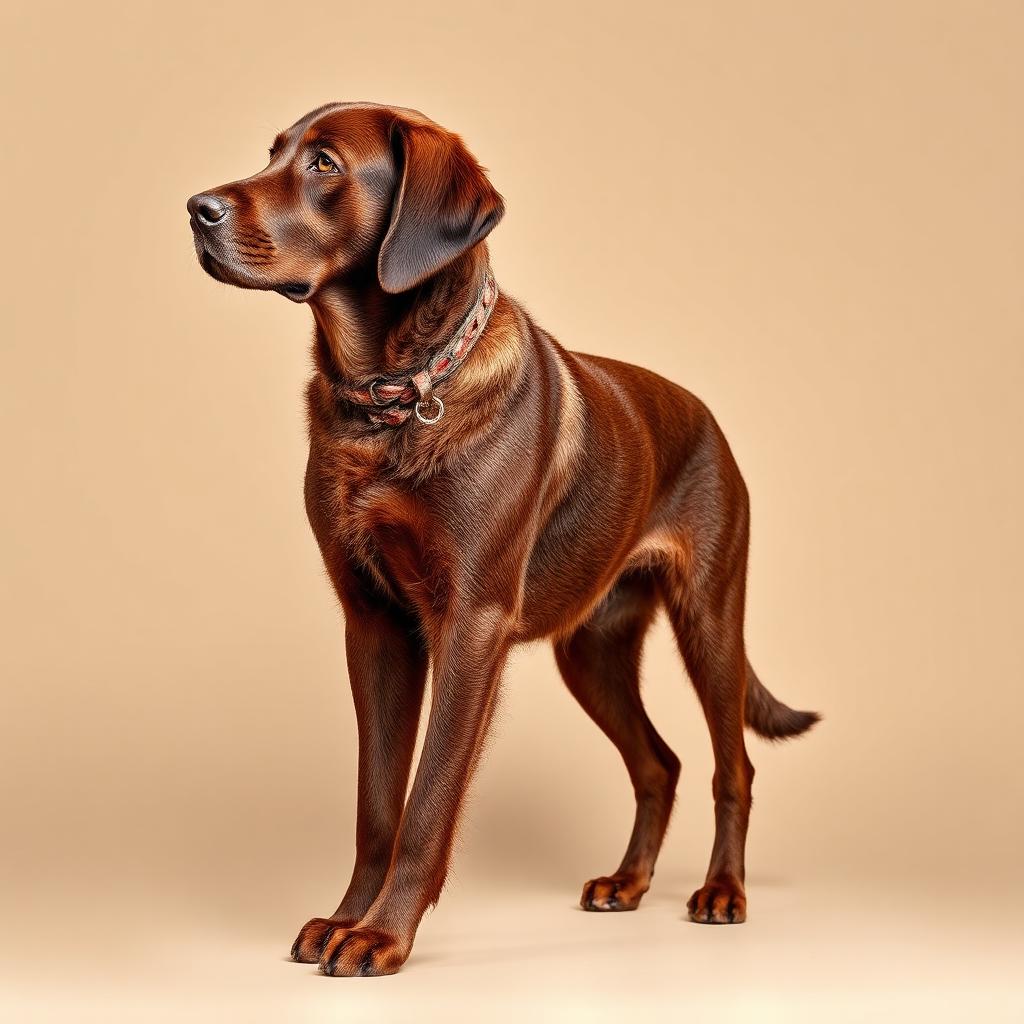
Chesapeake Bay Retriever
6.7American retriever resistant to cold water. More serious and protective than a Lab.

Labrador Retriever
9.7Athletic, playful and loyal. Tolerates children and other animals well. Needs plenty of daily exercise to stay balanced.
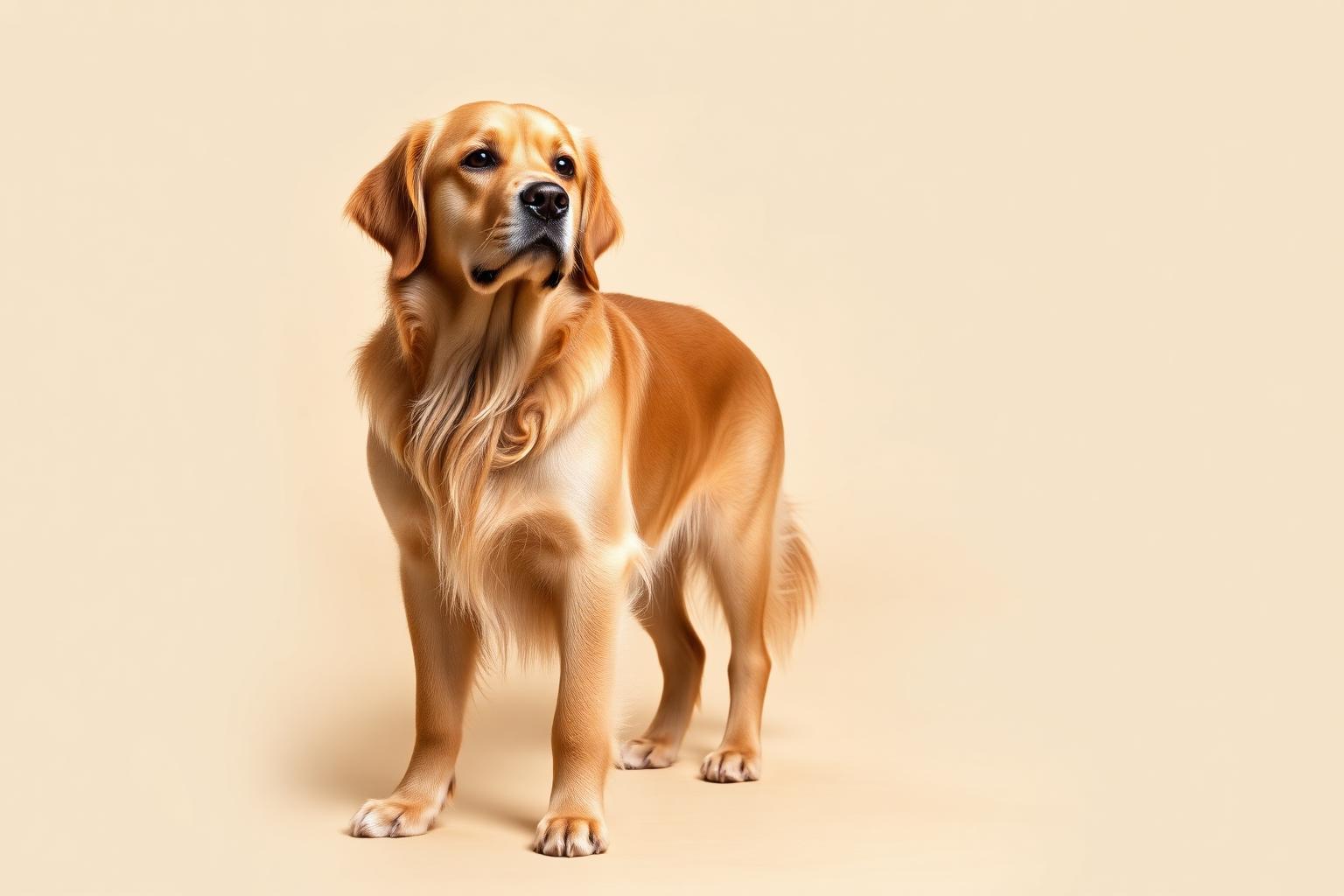
Golden Retriever
9.8The quintessential family companion: patient, sociable, and always up for play. Excellent with children and easy to train.