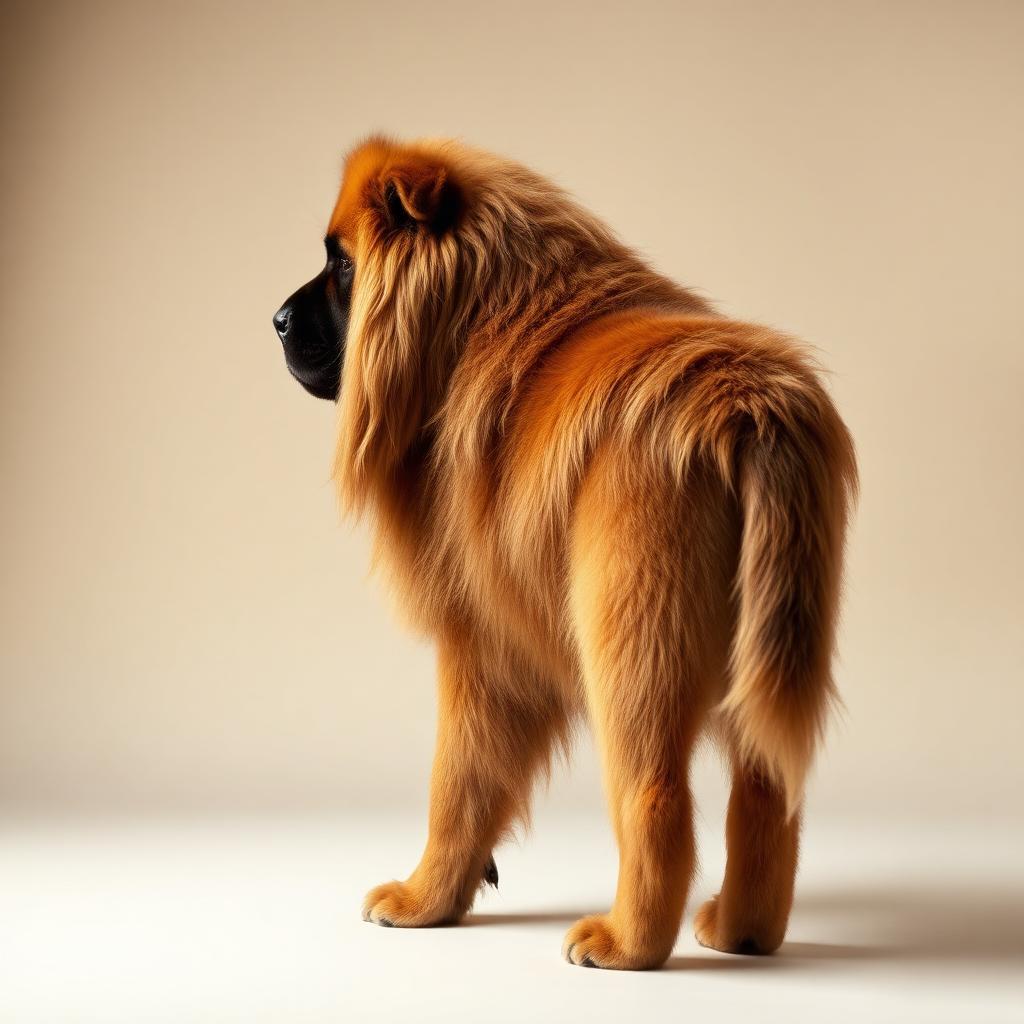
Leonberger
"Noble, gentle, powerful: the lion of your home."
Overview
The Leonberger is a majestic and gentle dog breed, originating from Germany, known for its giant size and lion-like coat. This "gentle giant" is an exceptional family companion, but adopting one requires significant commitment and a deep understanding of its needs. Leonbergers are very affectionate and devoted to their families, craving human companionship and actively participating in household life. Their balanced and patient temperament makes them ideal for living with children, always under supervision due to their large size, which could cause accidental tumbles. They also get along well with other pets if properly socialized from puppyhood.
Regarding their care, the Leonberger needs daily brushing to keep its dense, long double coat free of tangles and to reduce shedding. Despite their size, their exercise requirements are moderate, between 60 and 90 minutes of daily activity, such as long walks and playtime, avoiding strenuous exercise in puppies to protect their joints. They are intelligent and easy to train with positive reinforcement methods, with early socialization being crucial to ensure a confident and well-adjusted adult. Their diet must be high-quality, formulated for large breeds, distributed over several meals a day to prevent bloat (gastric torsion), a serious medical emergency they are prone to.
Leonberger health is an important consideration. Like many giant breeds, they have a shorter lifespan (8-10 years) and are susceptible to conditions such as hip and elbow dysplasia, various types of cancer, and heart problems. The maintenance costs of a Leonberger are high, from specific large-breed food to veterinary care and insurance, which is highly recommended due to the incidence of serious diseases. It is not a suitable breed for small apartments or for families who cannot dedicate time and attention to it. The Leonberger is a noble dog that will reward its family with unconditional love and an imposing, comforting presence, but it demands a responsible, informed owner committed to its specific needs.
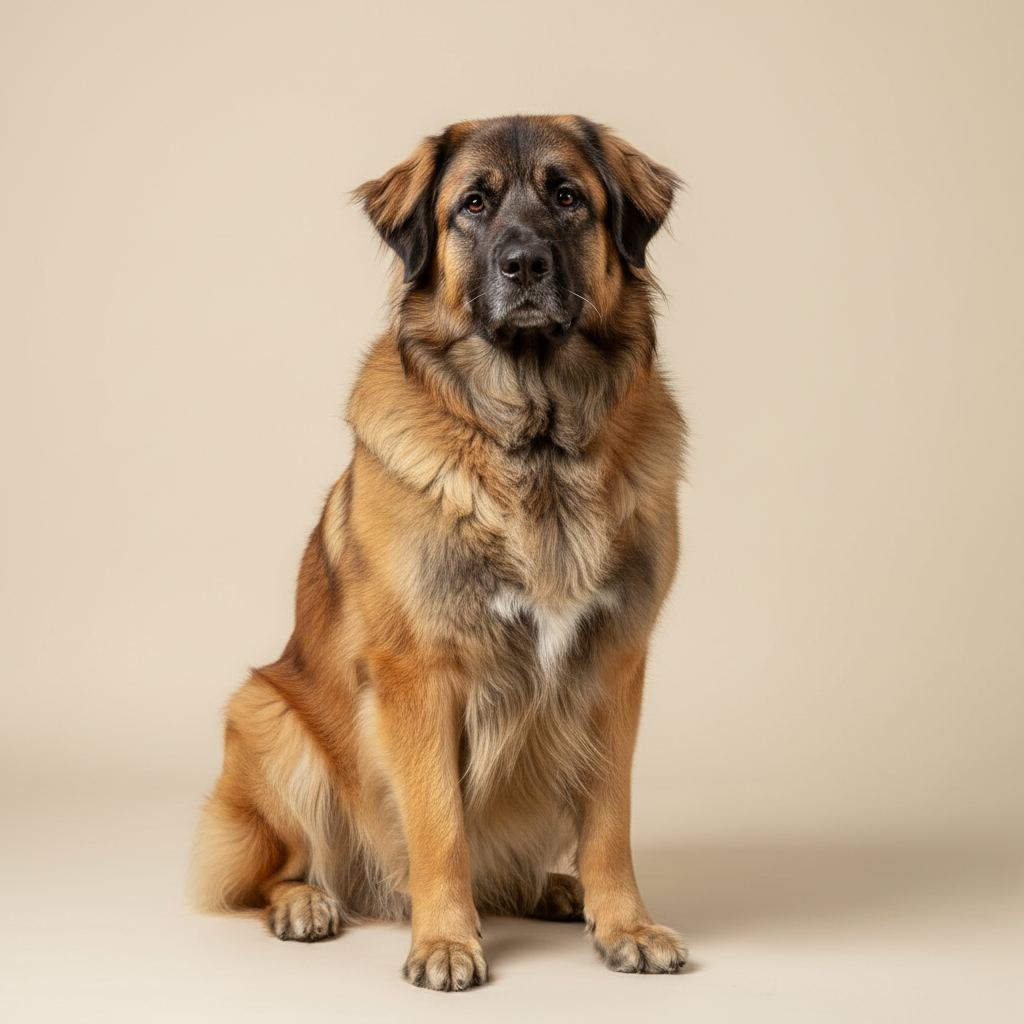
Key facts
- Size
- Giant
- Weight
- 40–75 kg
- Life expectancy
- 8–10 years
- Daily exercise
- 75 min/day
- Estimated total
- 300€/month
- Country
- Alemania / Germany
Character & temperament
The Leonberger is known as the "gentle giant" for a reason: its temperament is as grand as its size. They are extraordinarily calm, patient, and balanced dogs, making them ideal companions for family life. Their main characteristic is their unconditional devotion to their loved ones; they crave human companionship and enjoy participating in all household activities. They do not like to be left alone for long periods, which can lead to separation anxiety. They possess remarkable intelligence and a great capacity for learning, which facilitates their training, provided it is done with positive and consistent methods. Although they are protective of their family and home, they rarely show aggression. Their guarding instinct is more often manifested through their imposing presence and a deep, deterrent bark. They are *dignified and majestic* dogs, but also playful and somewhat clownish in the intimacy of their home, especially when young. Early socialization is crucial to ensure their friendly nature extends to strangers and other animals. A well-socialized Leonberger is a self-assured, calm, and reliable dog that adapts well to different situations and environments, as long as it feels its family's closeness.
Living with children
The Leonberger is, without a doubt, an excellent companion for families with children, provided taught and socialized correctly from puppyhood. Their gentle, patient, and tolerant nature makes them ideal dogs for living with the youngest members of the family. They are known for their infinite patience and are often seen enduring children's mischief with admirable calm. However, due to their large size and strength, it is essential to always supervise interactions between the dog and children, especially with toddlers. A playful Leonberger could accidentally knock over a child without intending to cause harm. It is important to teach children how to interact respectfully with the dog, avoiding pulling its fur or ears, and respecting its resting times. Likewise, the dog must learn to differentiate games with adults from interactions with children, where gentleness is paramount. A Leonberger well-socialized from a young age, who has been positively exposed to children, will develop a protective and affectionate bond with them, becoming not only a playmate but also a silent guardian who will watch over their safety. Their presence in the home can teach children values such as responsibility, empathy, and respect for animals.
With other pets
With early and proper socialization, Leonbergers generally get along well with **other dogs and pets** in the home. Their **gentle and tolerant nature** allows them to live peacefully, even with cats or other small pets, as long as they have been introduced correctly from puppyhood. They are dogs that seek harmony and avoid conflict, which is an advantage in multi-pet environments. However, initial supervision is always advisable to ensure good integration and establish clear hierarchies. Their herding instinct can make them protective of smaller family pets.
Health & prevention
Like many giant breeds, Leonbergers are prone to certain specific health conditions. Hip and elbow dysplasia are common concerns, making it vital to choose a puppy from responsible breeders who screen parent dogs. Bloat or Gastric Dilatation-Volvulus (GDV) is a severe and potentially fatal medical emergency; feeding them several small meals a day, avoiding intense exercise before and after eating, and considering preventive gastropexy are important measures. They also have a predisposition to certain types of cancer, such as osteosarcoma and lymphoma, which shortens their average lifespan to 8-10 years. Other issues include degenerative heart diseases (like dilated cardiomyopathy), eye problems (entropion and ectropion), and hypothyroidism. Genetic testing and regular veterinary check-ups are crucial for early diagnosis and management. Maintaining a healthy weight and providing balanced nutrition helps mitigate risks and improve their quality of life.
Health risks
- •Hip dysplasia
- •Osteosarcoma
- •Heart disease
Care
Nutrition
A Leonberger's nutrition must be carefully adapted to its **large size and rapid growth**, especially during puppyhood. It is essential to choose a **high-quality food** formulated for large or giant breeds, containing appropriate levels of protein, fat, and, crucially, calcium and phosphorus to support bone development without excesses that could promote growth problems like dysplasia. Puppies should be fed specific large-breed kibble, distributed into 3-4 meals daily to avoid overloading their digestive system. In adulthood, 2-3 meals a day are recommended to prevent bloat, avoiding intense exercise right before or after eating. Portion control is vital to maintain a healthy weight and prevent obesity, which puts additional strain on their joints. Needs may vary depending on activity level and age, so regular consultation with a veterinarian is essential to adjust their diet.
Grooming & hygiene
The Leonberger possesses a **dense, long double coat** that requires regular maintenance to stay healthy and knot-free. **Brushing daily or every other day** is essential, especially during shedding seasons (twice a year, generally in spring and autumn), when they shed a considerable amount of hair. A rake brush and a pin brush will be very helpful for removing dead hair and preventing matting. Baths should not be too frequent, only when necessary, using a suitable dog shampoo. It is important to ensure the coat is thoroughly dried, especially the undercoat, to avoid skin problems. Additionally, their **ears should be checked and cleaned** weekly to prevent infections, **nails trimmed** regularly (every 3-4 weeks) to prevent them from growing too long and causing discomfort, and attention paid to their dental hygiene with frequent brushing. Investment in quality grooming tools and a consistent care routine are essential for the health and comfort of their coat.
Exercise & training
Exercise plan
Despite their large size, Leonbergers do not require extremely high levels of exercise. They are dogs that enjoy moderate and regular physical activity to stay fit and mentally stimulated. **At least 60-90 minutes of daily exercise** are recommended, divided into several outings. This can include long, brisk walks, playtime in a secure yard or park (always on a leash in public areas), or swimming, an activity many Leonbergers love due to their Newfoundland heritage. They are not marathon runners but enjoy hikes in the countryside or mountains. It is crucial to avoid excessive and high-impact exercise, especially in puppies, to protect their growing joints and prevent issues like dysplasia. Mental activities, such as scent games or training, are also important to keep them engaged and prevent boredom. A Leonberger that does not receive enough exercise can become lethargic or develop destructive behaviors.
Training
Training a Leonberger should begin the moment they arrive home. They are **intelligent dogs eager to please**, which makes them receptive to training, but they can also be stubborn due to their size. **Positive reinforcement** is key; rewarding good behaviors with treats, praise, and petting is far more effective than coercive methods. **Early socialization** is absolutely vital: exposing the puppy to diverse people, places, sounds, and other animals in a positive way will help them become a confident and well-adjusted adult. Due to their large size and strength, it is essential to teach them to walk on a leash without pulling and basic obedience commands such as 'sit', 'stay', and 'come'. Puppy classes and, later, advanced classes are highly recommended. Consistent and patient training from a calm and firm owner will ensure a well-behaved dog and harmonious coexistence. They should never be trained harshly, as they are sensitive and can become withdrawn.
Monthly cost
Their size directly multiplies all expenses. Pet insurance is vital due to the high incidence of cancer and bloat, whose treatments are very expensive. Preventatives and all medications are dosed by weight.
Estimate for Spain, healthy adult dog. Varies by region and provider.
Pros & cons
Pros
- ✓*Extremely gentle, patient, and tolerant* temperament
- ✓Excellent family companion, very devoted and affectionate
- ✓High intelligence and easy to train with positive reinforcement
- ✓Natural protective instinct without being aggressive
- ✓Gets along well with children and other pets with socialization
Cons
- !High space and time requirements due to their giant size
- !Needs a lot of human companionship; dislikes being left alone
- !Prone to serious health issues like dysplasia, bloat, and cancer
- !Very high maintenance costs (food, vet, accessories)
- !Heavy shedding that requires daily brushing
Ideal for
- • Active families with ample space (large garden or land)
- • Experienced owners, patient and consistent in training
- • People who can dedicate daily time to companionship and care
- • Homes looking for a large, affectionate dog
Not recommended for
- • Sedentary people or those with little time for exercise and play
- • Small apartments or without access to large outdoor spaces
- • First-time owners without much experience with large breeds
- • Tight budgets, due to high maintenance and health costs
How it fits each scenario
Not the best choice for apartment living due to its large size and need for space to move. Requires regular activity outside the home.
Ideal for a house with a large, secure garden. It will need outdoor access and space to roam, although it should not live outdoors permanently.
Its dense coat is not suitable for hot climates. It will need shade, plenty of fresh water, and limited exercise during the hottest hours.
Very well adapted to cold climates thanks to its double coat. It will enjoy low temperatures and winter outdoor activities.
Excellent with toddlers due to its infinite patience, but always under adult supervision as its size and strength can cause accidental knocks.
A wonderful companion for school-aged children. It will enjoy games and become a loyal friend and protector, sharing calm activities.
Can be challenging for first-time owners due to its size, training needs, and potential health issues. Requires research and preparation.
An experienced owner of large breeds will better manage its training, socialization, and specific health care needs.
Perfect for active families who enjoy long nature walks, moderate hiking, and outdoor games. Needs constant companionship.
Not suitable for very busy families. The Leonberger needs a lot of interaction and companionship; prolonged solitude causes anxiety.
Not a hypoallergenic breed. It sheds a lot, especially during shedding seasons, so it is not suitable for people with allergies.
A Leonberger is not for low budgets. The costs associated with its size for food, vet care, and insurance are significantly high.
Origin & history
The breed was created in the 1840s by Heinrich Essig, a town councilor of Leonberg, Germany, with the intention of developing a dog that resembled the lion on the town crest. To achieve this majestic look, he selectively crossed giant breeds like Newfoundlands, St. Bernards, and Great Pyrenees.
It is said that the Leonberger was created to resemble the lion on the coat of arms of the city of Leonberg, Germany, combining the majesty of three giant breeds to achieve that regal appearance.
Frequently asked questions
Can I have a Leonberger if I live in a large apartment?▾
Although the Leonberger is an adaptable and calm dog indoors, its **giant size** and need for space make it less suitable for apartment living, even in a large one. It requires regular access to a **secure garden or spacious areas** to stretch its legs, although it is not a dog that needs to run long distances. Most importantly, it needs to be able to move freely and have at least **60-90 minutes of daily exercise** outside the apartment, in addition to plenty of family interaction. A lack of space and stimulation can lead to frustration and destructive behavior. Its own garden would be ideal for this majestic breed.
How long does a Leonberger live and what are its most common health issues?▾
Leonbergers, like many giant breeds, have a relatively short lifespan, between **8 and 10 years**. They are prone to several **health conditions** that owners should be aware of. The most common include **hip and elbow dysplasia**, **cancer** (especially osteosarcoma and lymphoma), and **bloat (gastric dilatation-volvulus)**, a severe medical emergency. They can also suffer from heart disease, eye problems, and thyroid issues. It is crucial to acquire puppies from responsible breeders who perform comprehensive health screenings on the parents and to have regular veterinary check-ups throughout the dog's life.
How should I brush my Leonberger and how often?▾
The Leonberger has a **dense double coat that sheds profusely**, so it requires regular grooming. To keep its coat healthy and prevent mats, you should brush it **daily or at least every other day**. During shedding seasons (spring and autumn), brushing should be daily and more intensive. Use a rake brush to remove dead undercoat and a pin brush to detangle and smooth the outer coat. Pay special attention to the areas behind the ears, on the legs, and the tail, where mats are more likely to form. Consistent brushing minimizes the amount of hair in the house and promotes skin health.
Is the Leonberger a suitable dog for first-time owners?▾
Generally, the Leonberger **is not considered the best choice for first-time owners**, unless they are very well informed and prepared for the challenges that come with a giant breed. While they are sweet and intelligent, their **large size and strength** require consistent handling and thorough early socialization. They need an owner who can set clear boundaries calmly and firmly, and who can invest time and money in their training, specific health care, and diet. An owner experienced with large breeds will be better equipped to meet their needs.
How does the Leonberger interact with children and what should I consider?▾
Leonbergers are known for their **exceptionally gentle and patient nature** with children, earning them the nickname "nanny dog." They are protective without being aggressive and enjoy family companionship. However, due to their **enormous size and weight**, there is a risk of them accidentally knocking over a small child during play without intending harm. Therefore, **constant supervision of interactions** is crucial, especially with infants and very young children, and it is essential to teach both the dog and children to interact respectfully for a safe and harmonious coexistence.
How much exercise does a Leonberger need daily?▾
Despite its large size, the Leonberger is not a hyperactive breed. It requires a moderate amount of regular exercise to stay physically and mentally healthy. **Between 60 and 90 minutes of daily activity** are recommended, divided into several sessions. A couple of long, brisk walks, combined with playtime in a secure garden, are ideal. They enjoy activities like swimming or gentle hiking. It is important to **avoid strenuous exercise** in warm climates and in puppies, to protect their growing joints. Consistency is key to prevent them from becoming lazy or developing anxiety.
Are Leonbergers prone to separation anxiety?▾
Yes, Leonbergers are dogs **very attached to their family** and demand a lot of human companionship. They do not like being left alone for prolonged periods and can be prone to developing **separation anxiety** if they are regularly left without company. Manifestations of this anxiety can include excessive barking, destructive behaviors, compulsive licking, or house soiling. It is essential that they are an active part of family life and are trained from puppyhood to tolerate short periods of solitude, gradually increasing the time. If you work long hours away from home, this might not be the most suitable breed for you.
How should I train a Leonberger puppy?▾
Training a Leonberger puppy should be **positive, consistent, and early**. They are very intelligent and eager to please, which facilitates the process. Start with **socialization from puppyhood**, exposing them to different people, places, sounds, and other dogs in controlled, positive environments. Use **positive reinforcement** (treats, praise) to reward good behaviors. Puppy obedience classes are very beneficial. Given their future strength, it's crucial to teach them to **walk on a leash without pulling** and basic commands like 'sit', 'stay', and 'come'. Patience and firmness are essential; avoid harsh training methods that can make them shut down.
Similar family-friendly breeds
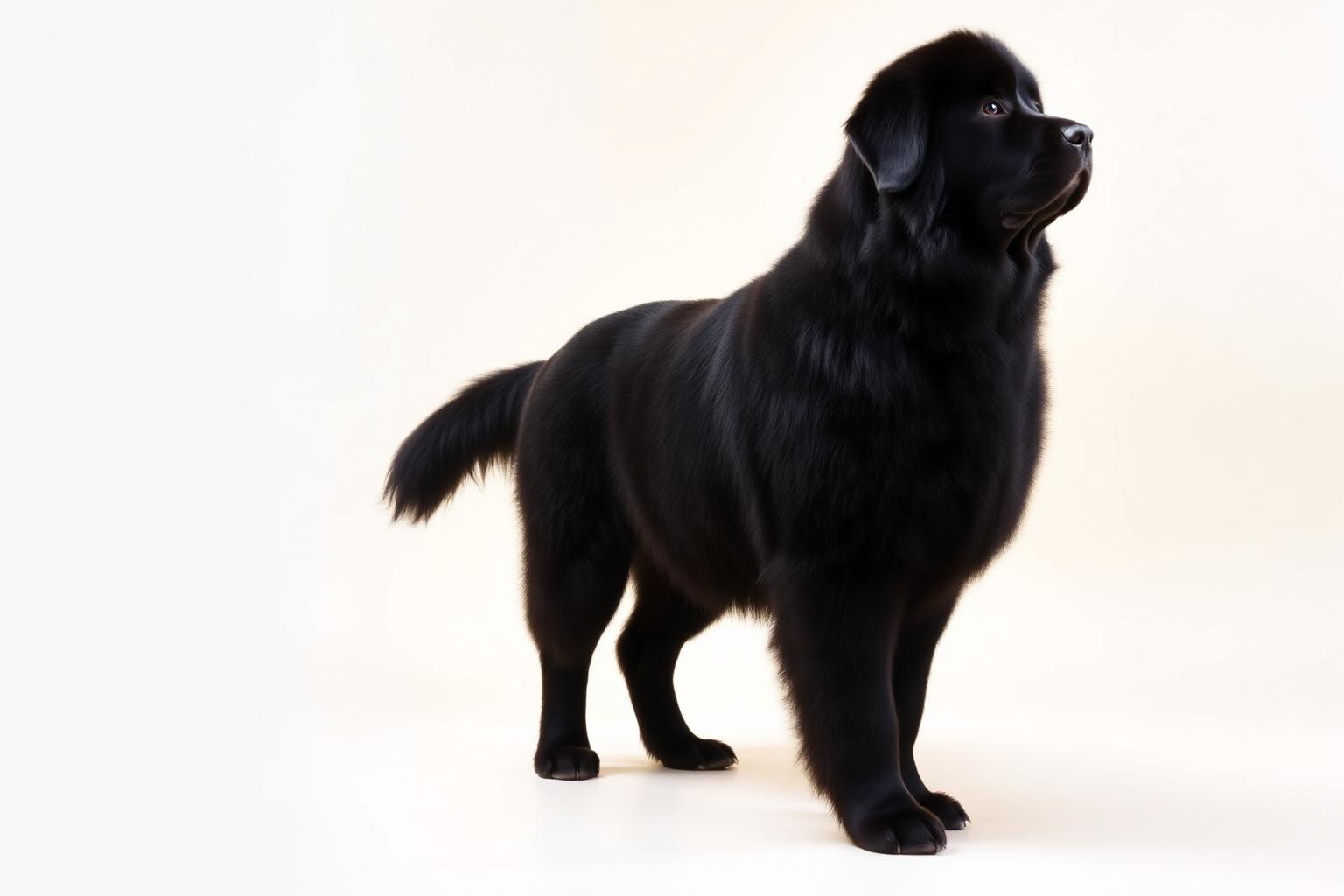
Newfoundland
8.7Gentle giant, patient and protective. Excellent with children. Needs space and hates heat.
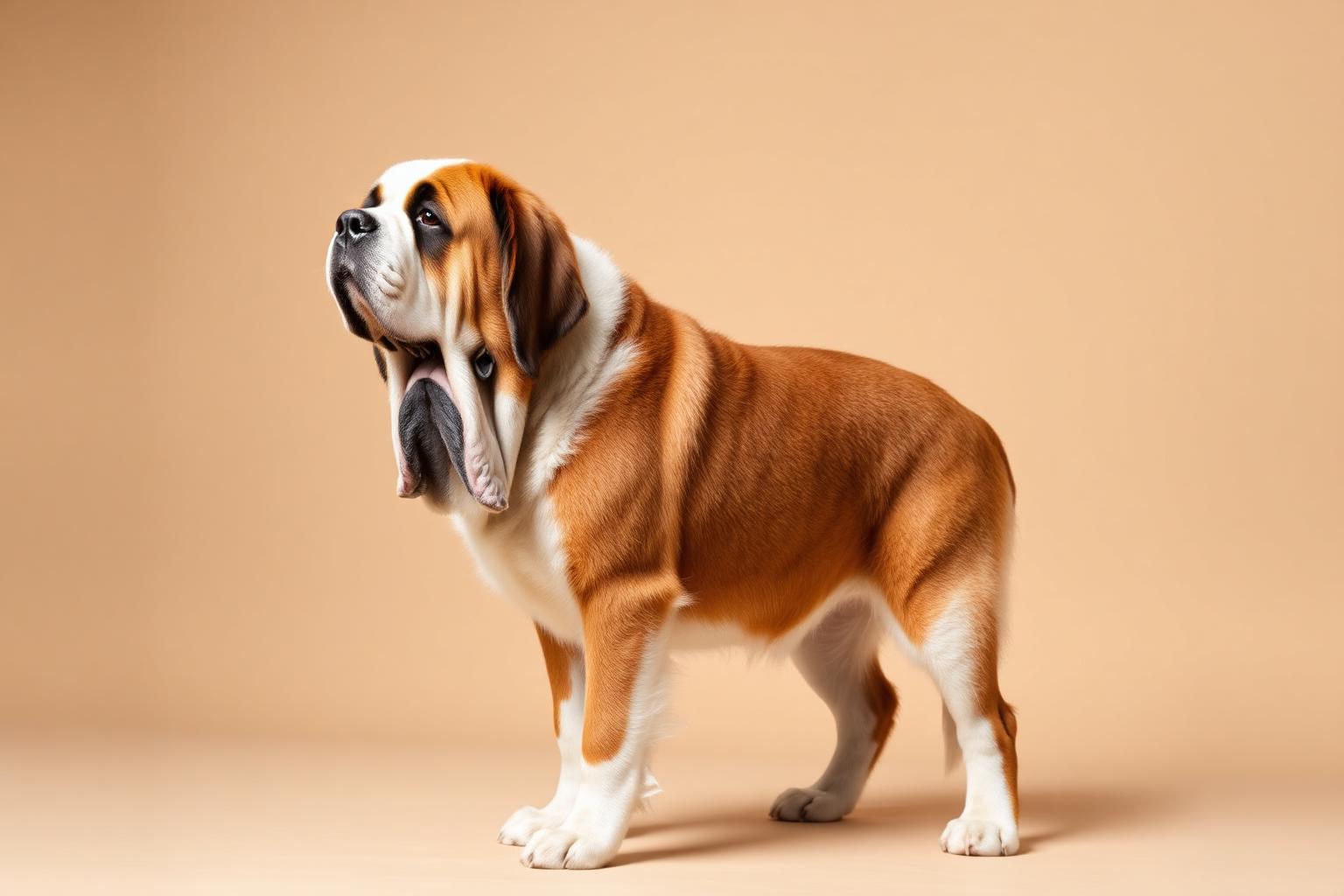
Saint Bernard
7.2Gentle mountain giant. Drools enthusiastically and melts in summer: cool climate only.
Newfoundland
8.7Gentle giant, patient and protective. Excellent with children. Needs space and hates heat.