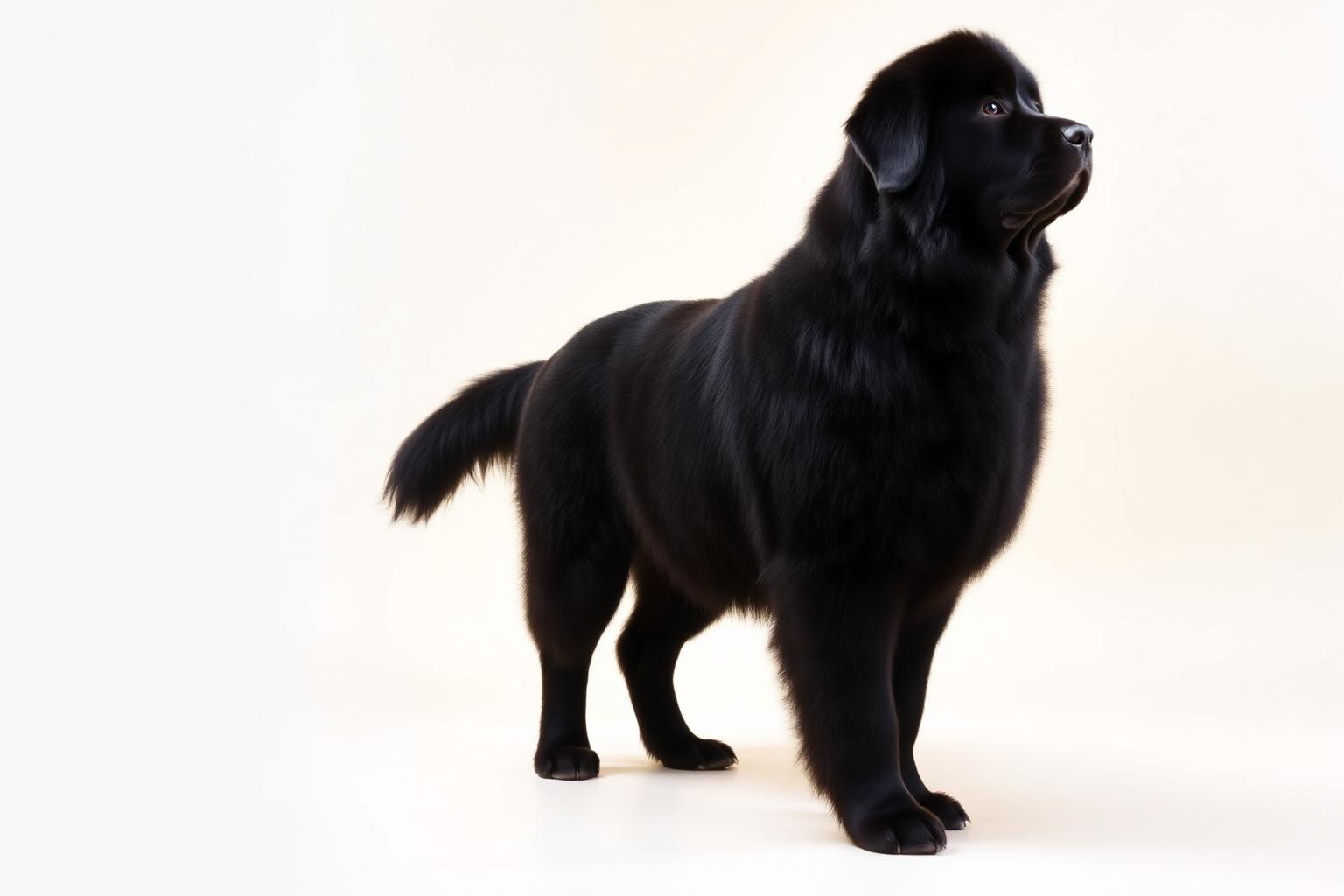
Newfoundland
"The nanny-giant: immense in size, even larger in heart and devotion."
Overview
The Newfoundland is widely celebrated as the "nanny dog," a giant of immense patience and protective instinct. This breed is the definition of a gentle giant, possessing a unique emotional intelligence that allows them to interact with children with surprising delicacy. Despite their 70kg frame, they are world-renowned for their calm demeanor and maritime rescue heritage. They aren't aggressive protectors; instead, they act as a serene barrier between their loved ones and any perceived threat, making them one of the most reliable large breeds for big families.
However, living with a Newfie means embracing a certain degree of chaos and high maintenance costs. These dogs are legendary droolers, and their dense, water-resistant coat sheds heavily, meaning your home will never be perfectly clean again. Their massive size also makes them unsuitable for small apartments or homes with many fragile ornaments. They are sensitive to heat and can suffer terribly in hot climates, requiring climate-controlled spaces during the summer. Financially, they are a major commitment: food, medication, and professional grooming costs are all significantly higher than for an average-sized dog.
Health and longevity are the most sobering aspects of owning this noble breed. Their lifespan is shorter, often reaching only 8 to 10 years, and they are prone to serious issues like hip dysplasia and heart conditions. Joint support and strict weight management are essential from puppyhood to prevent premature pain. If you have the physical space, a generous budget, and don't mind a bit of mud and drool, the Newfoundland will reward you with a benevolent, soul-stirring companionship that leaves a permanent mark on any home lucky enough to host one.
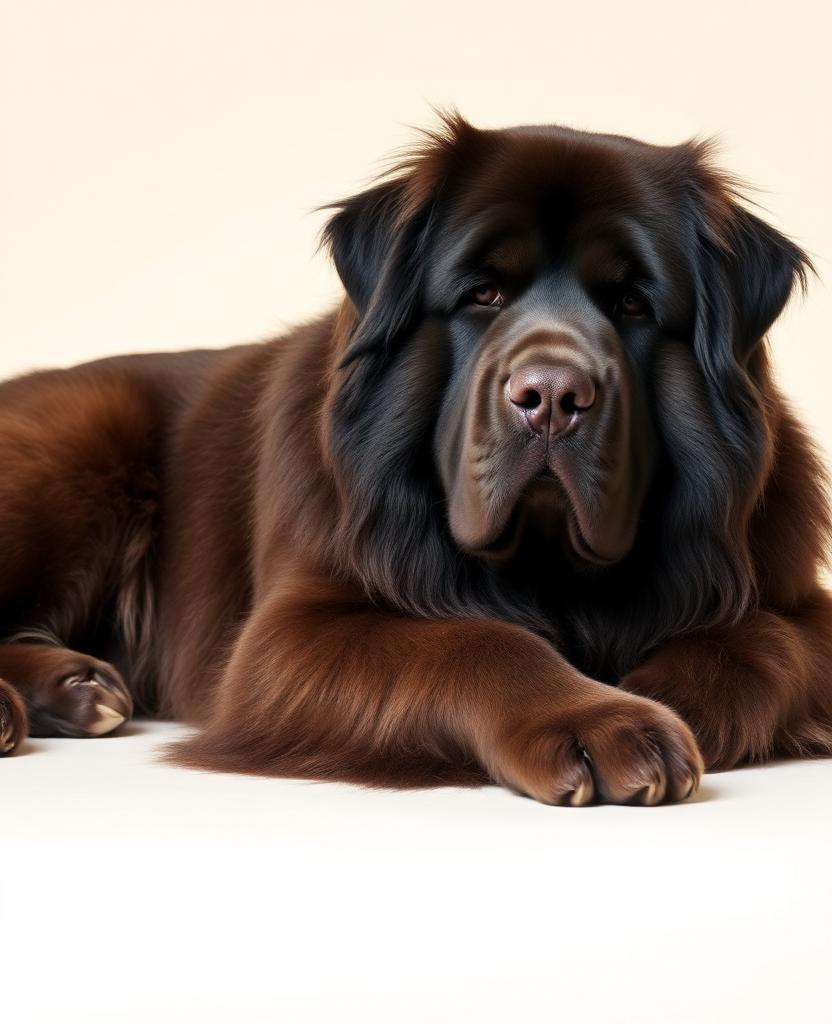
Key facts
- Size
- Giant
- Weight
- 50–70 kg
- Life expectancy
- 8–10 years
- Daily exercise
- 60 min/day
- Estimated total
- 335€/month
- Country
- Canada (Newfoundland)
Character & temperament
The Newfoundland's temperament is best described as 'benevolent.' They possess an incredible emotional intelligence and a calm demeanor that makes them seem almost human. Unlike other large breeds that can be wary, the Newfie is naturally outgoing and trusting. They are known for their profound 'softness'—they are highly sensitive to their owner's moods and will often place a heavy head in your lap if they sense you are upset. They are not 'barkers' by nature, usually only vocalizing when there is a real reason to alert the house.
Around strangers, they are generally polite and welcoming, though their sheer size acts as a natural deterrent to intruders. They don't typically jump on people—they prefer to lean their massive weight against your legs as a sign of affection, which can catch the unwary off guard. They are not prone to aggression, but they are protective; they tend to place themselves physically between their family and a perceived threat rather than growling or biting. Socialization is still important to ensure this massive dog remains confident in various environments.
With their owners, they are shadows. Despite their size, they often believe they are lap dogs and will try to squeeze into small spaces to be near you. They are extremely loyal and can suffer from separation anxiety if left alone for very long periods, as they crave human companionship. Training is a joy because they are eager to please, though they can have a 'slow' pace to their work—they aren't lazy, they just move with a deliberate, unhurried dignity that characterizes everything they do.
Their signature trait
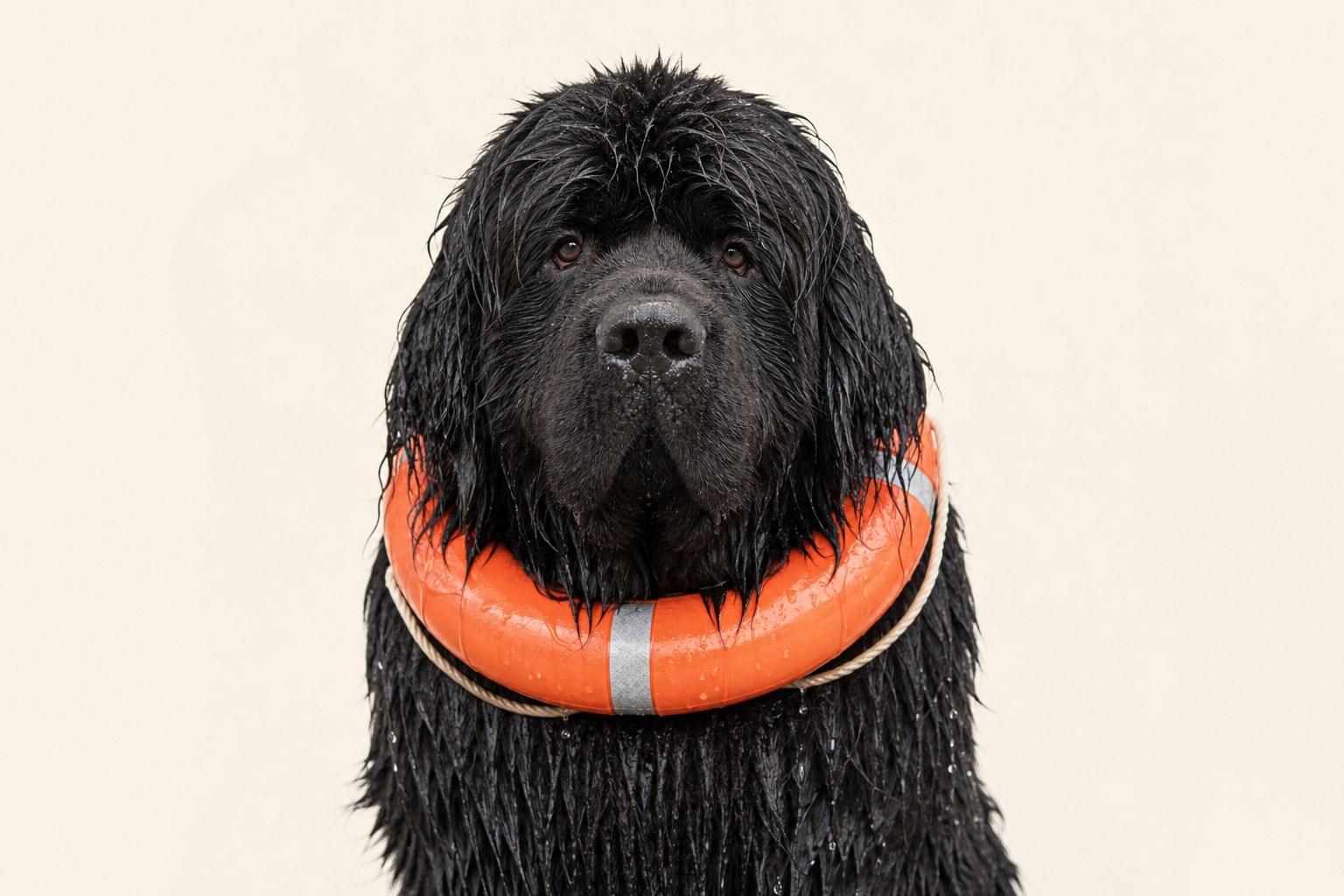
Living with children
The Newfoundland is legendary for its relationship with children, often referred to as the 'nanny dog' of the canine world. With toddlers and babies, they exhibit a level of awareness and tenderness that is move-to-tears beautiful; they will often allow a baby to crawl over them with infinite patience. However, parents must be vigilant because of the 'wagging tail' factor—a Newf's tail is at toddler-eye level and can easily knock a small child down accidentally. They are also 'leaners', and if they lean their 60kg against a 3-year-old, the child is going down.
For school-aged children and adolescents, the Newfoundland is the ultimate confidante and protector. They are robust enough to handle the clumsy play of 7-year-olds and provide a calming presence for teenagers. Their protective instinct is passive; they don't attack, but they will position themselves between a child and a stranger they don't trust. It is crucial to teach children to respect the dog's space, particularly when it is sleeping, as giant breeds can develop joint pain that makes them sensitive to being suddenly bumped. Overall, they are perhaps the most reliable large breed for a child-heavy household.
With other pets
Newfoundlands are typically very 'safe' with other pets. Their low prey drive means they usually coexist peacefully with cats, often letting them curl up in their thick fur for warmth. With other dogs, they are rarely the aggressors; they prefer to be the calm mediators of a group. However, because of their size, they can accidentally hurt a very small dog (like a Chihuahua) during play, so supervision is always needed. If socialized early, they are among the most trustworthy breeds for households with varied animal species.
Health & prevention
The Newfoundland's massive frame brings specific health challenges. Hip and elbow dysplasia are common, making it crucial to buy from breeders who provide OFA or PennHIP certifications. A devastating heart condition called Subvalvular Aortic Stenosis (SAS) is hereditary in the breed; puppies must be cleared by a veterinary cardiologist via echocardiogram before purchase. Gastric Torsion (bloat) is a top killer; this life-threatening stomach twisting requires emergency surgery. Many owners opt for a preventive gastropexy (stomach tacking) during spaying/neutering. Other issues include cystinuria (kidney stones) and eyelid problems like ectropion. Regular vet visits for giant breeds are essential, and medication costs are triple that of small dogs because dosages are weight-dependent. Weight management is the best way to extend their life.
Health risks
- •Hip dysplasia
- •Aortic stenosis
- •Gastric torsion
Care
Nutrition
Nutrition for a giant breed like the Newfoundland is a delicate balance. They require a high-quality large-breed specific formula to prevent them from growing too quickly as puppies, which can cause skeletal deformities. An adult weighing 70kg will consume between 600g and 900g of dry food per day, divided into two or three meals to reduce the risk of bloat (GDV). It is essential to include joint supplements like glucosamine and chondroitin from a young age. Avoid overfeeding at all costs; even a few extra kilos can put devastating pressure on their heart and joints.
Grooming & hygiene
Grooming a Newfoundland is a part-time job. Their thick, water-resistant double coat requires thorough brushing at least three times a week to prevent painful mats and hotspots. Professional grooming every 8-10 weeks is recommended to manage the bulk and trim the 'feathers' on the legs and tail. Hygiene is further complicated by their tendency to drool; many owners keep 'bibs' or towels in every room. Bathing is a major task that requires industrial-strength dryers, as a damp coat can lead to fungal infections. Expect high costs at the groomer due to the hours of labor involved.
Exercise & training
Exercise plan
A weekly plan for a Newfoundland focuses on low-impact steady movement. Monday to Wednesday: 45-60 minutes of slow leash walking in the cool morning or late evening. Thursday: A 30-minute swim session (their favorite low-impact cardio). Friday: Gentle nose-work games in the garden for 30 minutes to tire the mind. Weekends: Longer 90-minute hikes on flat, soft terrain (forest or sand), avoiding steep hills or jumping. Always avoid exercise above 20°C (68°F) to prevent heatstroke. Puppies need even stricter limits: stick to 5 minutes of formal exercise per month of age to protect developing cartilage. Mental stimulation through food puzzles is essential to keep them calm indoors.
Training
Training a Newfoundland is generally a positive experience due to their 'soft' temperament and desire to please. They respond best to positive reinforcement and clear, calm instructions—harsh corrections will only cause them to shut down emotionally. The biggest challenge is their physical power; you must teach them to walk on a loose lead starting at 8 weeks old, because by 6 months, they will be strong enough to pull an adult off their feet. Obedience training should focus on 'settle' commands and controlled greetings to prevent them from leaning on or knocking over guests. Socialization is vital to ensure they are comfortable around other dogs, as their size can sometimes intimidate others even if the Newfie is being friendly.
Monthly cost
Monthly costs are high primarily due to dietary volume and veterinary doses. Prevention for giant breeds (joint supplements, gastropexy) adds to the budget. Grooming is expensive as it requires specialized equipment and 3-4 hours of work.
Estimate for Spain, healthy adult dog. Varies by region and provider.
Pros & cons
Pros
- ✓Exceptional patience and safety record with children of all ages.
- ✓Low tendency to bark or exhibit nervous behavior indoors.
- ✓Naturally social and usually gets along with all other animals.
- ✓Impressive intelligence and eagerness to learn during training.
- ✓Incredible swimming and water rescue instincts for boat-owning families.
Cons
- !Massive size makes them 'bulls in a china shop' in small homes.
- !Extensive drooling and heavy seasonal shedding require constant cleaning.
- !Short lifespan compared to smaller breeds, often only 8-10 years.
- !High maintenance costs for food, medication, and professional grooming.
- !Low heat tolerance makes summer months challenging and risky.
Ideal for
- • Families with large homes and a garden in cool or temperate climates.
- • People who spend weekends near lakes or beaches (swimming enthusiasts).
- • Owners who don't mind a messy house (hair, mud, and drool).
- • Multi-pet households looking for a gentle, non-aggressive giant companion.
Not recommended for
- • Apartment dwellers or those living in very hot, tropical climates.
- • Neat freaks or people who cannot tolerate drool and dog hair everywhere.
- • Families on a tight budget due to astronomical vet and food costs.
How it fits each scenario
Not recommended; they need a lot of floor space just to turn around without knocking things over.
Ideal, especially with a fenced yard where they can nap in the shade.
Dangerous; they can suffer heatstroke easily and need 24/7 air conditioning in summer.
Pure heaven; they thrive in snow and cold temperatures where they feel most energetic.
Gentle giants who tolerate much, but their swinging tail can easily knock a toddler over.
The perfect age; kids can participate in grooming and enjoy a calm, watchful companion.
Possible due to their sweet nature, provided the owner is financially prepared for the costs.
Helpful for managing their massive size and health needs, but they are generally easy to train.
Great for hikers who enjoy slow treks, but they cannot keep up with runners or cyclists.
They can be left alone, but their hygiene needs and potential health issues require a dedicated owner.
A nightmare for allergy sufferers due to heavy dander and constant shedding.
Avoid this breed; food, vet bills, and grooming for a 70kg dog are astronomical.
Origin & history
The Newfoundland originated on the island of the same name in Canada. Emerging in the 1700s, they are descendants of dogs brought by European fishermen, likely crossed with local indigenous dogs. Unlike many working breeds used for herding or hunting, the Newfie was bred as a multipurpose 'water dog.' They hauled heavy fishing nets, carried lifelines to shipwrecked sailors, and even pulled carts as draft animals. Their thick, oily double coat and webbed feet make them elite swimmers. Their reputation as 'life-savers' is legendary, with historical accounts of individual dogs saving dozens of people from drowning in the stormy North Atlantic waters.
A Newfoundland named 'Seaman' accompanied Lewis and Clark on their entire 3-year expedition across the Pacific Northwest, surviving grizzly bear encounters and buffalo hunts.
Frequently asked questions
Are they expensive to maintain? / How much do they cost?▾
Standard puppies usually cost between €1,200 and €2,000. However, the purchase price is the smallest expense; you will spend that much every 6 months on food and basic care for a giant breed. Always buy from breeders who test for heart and hip issues.
Are they good with small children?▾
They are arguably the best breed for kids. Known as 'nanny dogs', they have an innate instinct to protect and be patient. However, their size is a risk; they can accidentally step on or lean against a small child, causing a fall.
Can they live in hot climates?▾
Absolutely not. They have a double coat designed for freezing water and a thick layer of fat. In temperatures over 25°C, they suffer immensely. If you live in a very hot area, you must have air conditioning and limit walks to nighttime.
Do they drool a lot?▾
Yes, Newfoundlands are notorious droolers. They have loose flews (lips) that collect saliva, which they then fling onto walls and clothes when they shake their heads. You must carry a 'slobber cloth' at all times. This is not the breed for clean-freaks.
What is their average lifespan?▾
Unfortunately, giant breeds have short lives. The average is 8 to 10 years. Some may reach 12 with excellent genetics and weight management, but you must be emotionally prepared for a shorter journey compared to a small dog.
Do they need a lot of exercise?▾
Newfies are moderate in energy. They need about 60 minutes of low-intensity exercise daily. They aren't 'hyper', but if they don't get out, they can become lazily obese, which is devastating for their joints. Swimming is their best form of exercise.
How much do they shed?▾
They shed year-round, but twice a year they 'blow' their undercoat, resulting in massive amounts of hair. You need to brush them at least 3 times a week to prevent matting, which can cause skin infections under that thick fur.
Is it a good first dog?▾
Yes, for a family that understands the costs and the mess. They are easy to train and very forgiving of mistakes. However, you must be physically able to handle a 70kg dog if it decides to pull towards a puddle or a lake.
Similar family-friendly breeds
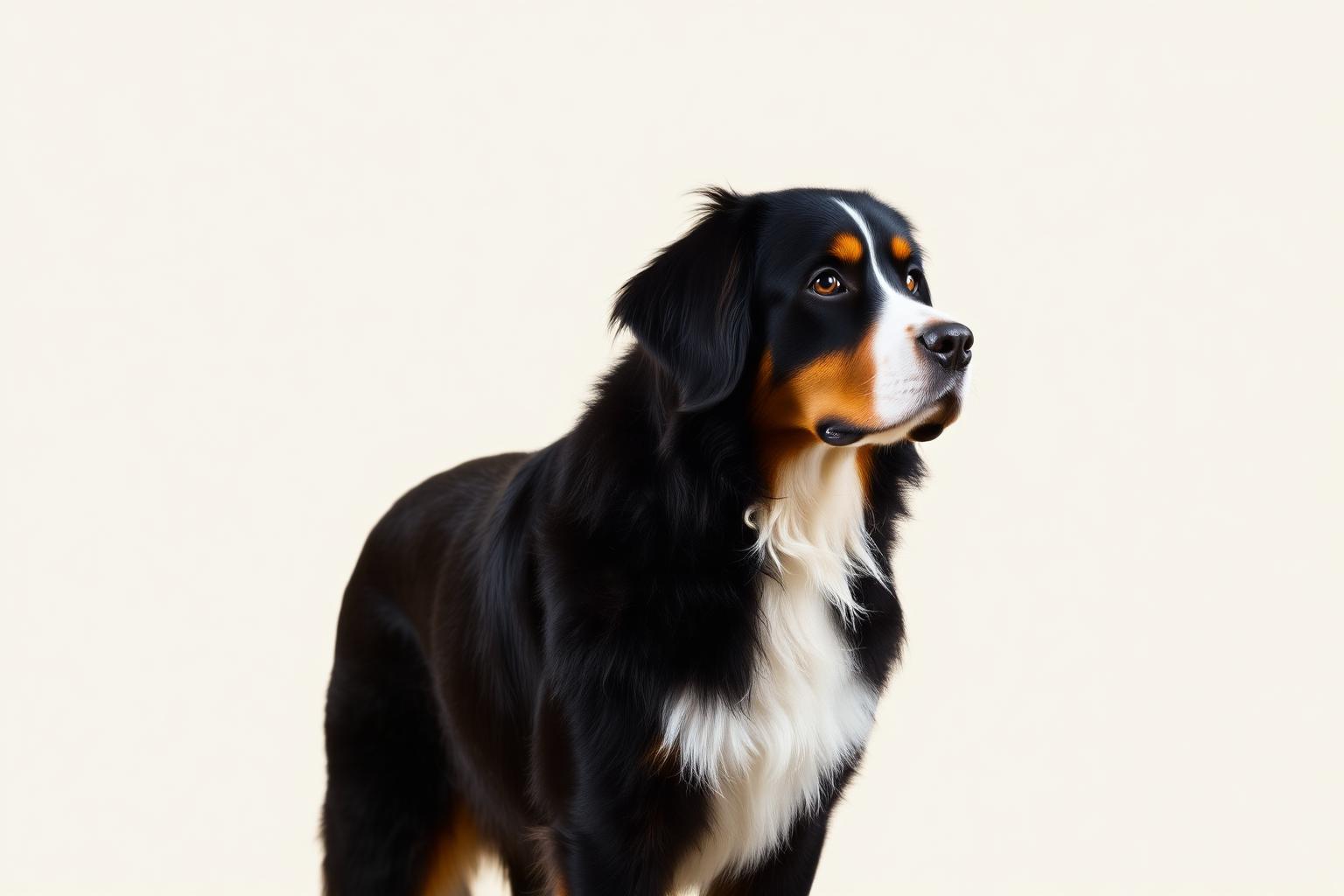
Bernese Mountain Dog
8.5Calm, affectionate and protective. Loves mountains and cold. Sadly, has a short life expectancy.
Newfoundland
8.7Gentle giant, patient and protective. Excellent with children. Needs space and hates heat.
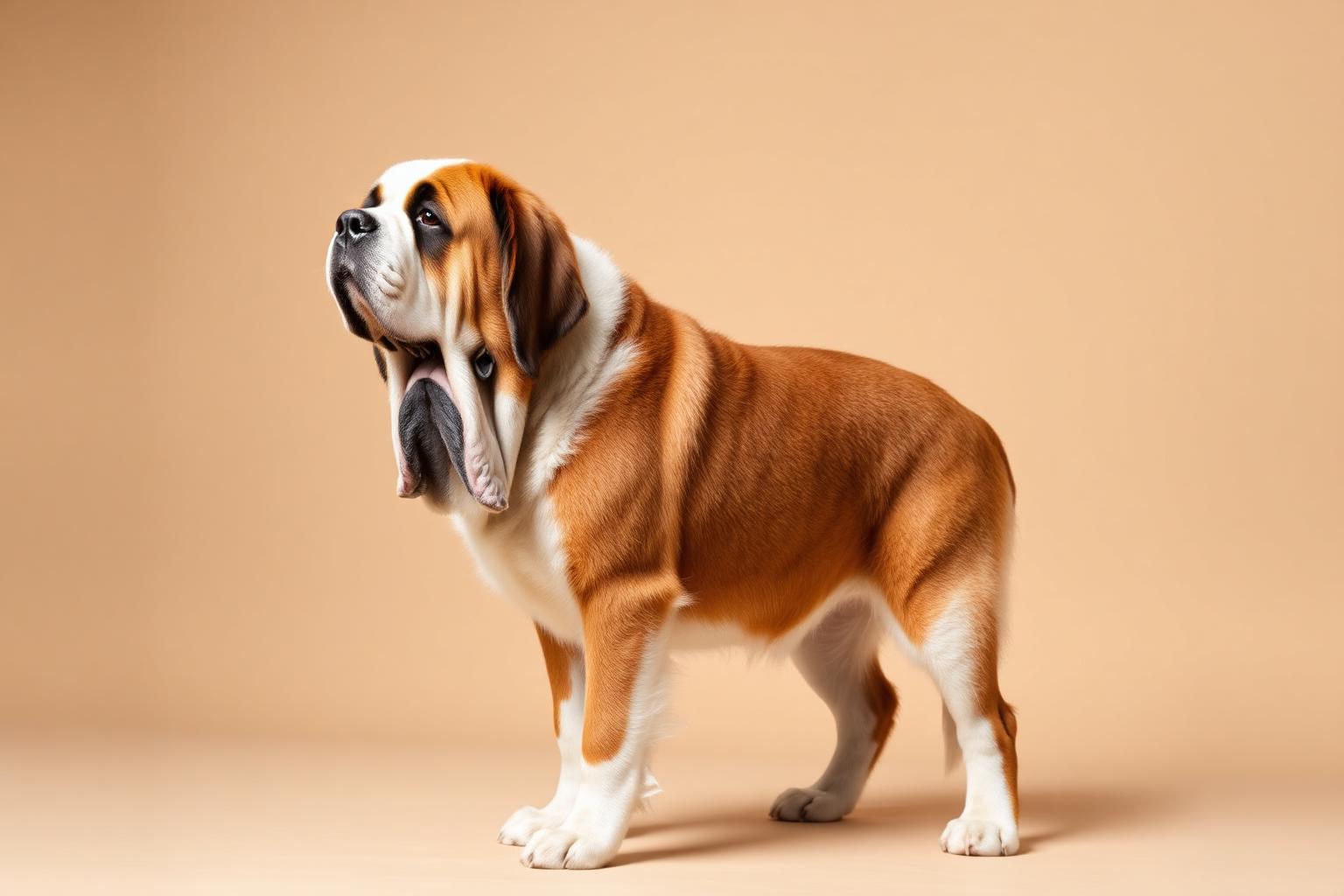
Saint Bernard
7.2Gentle mountain giant. Drools enthusiastically and melts in summer: cool climate only.