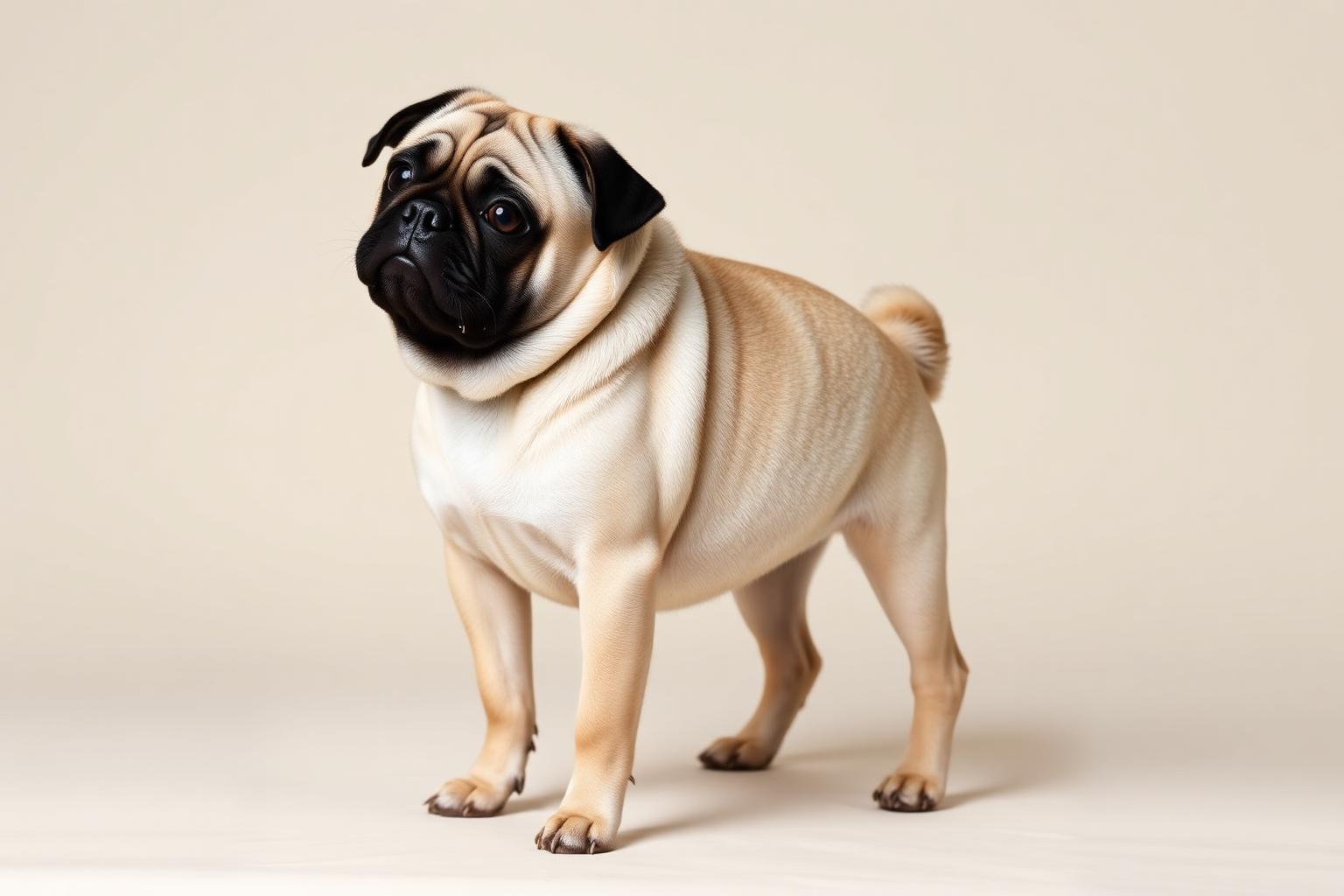
Pug
"A charming, snoring shadow that turns every house into a home."
Overview
The Pug is a wonderfully affectionate, small breed that fits perfectly into modern family life. Weighing just 6 to 8 kg, these sturdy little companions are just as happy thriving in an apartment or house, provided they are snoring right next to you on the sofa. Their incredible loyalty and comical personality easily turn any house into a warmer home.
When it comes to family life, they are renowned for being excellent with small children. Unlike more fragile breeds, their robust build allows them to handle gentle play comfortably, although parents must always supervise to protect their prominent, easily injured eyes. They rarely show aggression and often become a child's most devoted, patient confidant.
As a low-energy companion, this breed only requires about 30 minutes of daily exercise. A short, leisurely stroll is plenty to keep them content. However, because they are a brachycephalic breed, they have severe weather vulnerabilities. They possess an incredibly low tolerance to heat and cold, meaning outdoor play must strictly happen during the cooler times of the day to avoid serious respiratory distress.
Prospective owners should also be prepared for a few practical realities. Despite their short coat, they are known for heavy shedding and are absolutely not hypoallergenic. Training requires a bit of patience due to their slightly stubborn, food-motivated nature. Furthermore, routine vet care for their unique anatomy and a roughly monthly cost of €195 means they are quite a high-maintenance financial commitment for the family.

Key facts
- Size
- Small
- Weight
- 6–8 kg
- Life expectancy
- 12–15 years
- Daily exercise
- 30 min/day
- Estimated total
- 195€/month
- Country
- China
Character & temperament
The Pug's temperament is best described as charming and mischievous. They are "people dogs" through and through, thriving on human interaction and often suffering if left alone for long periods. They don't have a mean bone in their body and are generally happy to adapt to their owner's energy level, as long as it involves plenty of cuddles on the sofa.
With strangers, Pugs are usually welcoming and social. They lack the suspicion of many small breeds and will likely greet a visitor with a wagging tail and a series of snorts. They aren't typical watchdogs, though they might bark once to alert you to a knock at the door; they are far more likely to try and lick an intruder's hand than to defend the property.
To their owners, they are incredibly loyal and sensitive. They have an uncanny ability to read human emotions and will often try to "comfort" their person if they sense sadness. They are stubborn at times, especially if they think they can get a treat out of it, but their desire to be near you usually wins. They are true companion dogs that view themselves as equal members of the family.
Their signature trait

Living with children
Pugs are legendary for their patience with children. Their sturdy, square build makes them "bomb-proof" compared to fragile Chihuahuas, allowing them to handle the unintentional rough play of toddlers and young children better than most small breeds. They aren't prone to nipping and will usually just walk away if they've had enough. For school-aged kids and adolescents, they are fantastic companions for movie nights and gentle play, often becoming the child's most devoted confidant.
However, parents must be vigilant about the Pug's unique vulnerabilities. Their eyes are prominent and easily injured; a toddler with a toy or a sharp fingernail can cause serious damage in a split second. Also, children must be taught that Pugs cannot run outside on hot days, as they can suffer a heatstroke very quickly. As long as children are taught to respect the dog's physical limits and stay away from their face, the Pug is arguably the best small breed for a family.
With other pets
Pugs are generally the "peacekeepers" of the pet world. They tend to get along famously with other dogs, regardless of breed or size, provided they aren't bullied by more aggressive personalities. They lack a strong prey drive, making them excellent companions for cats; many Pugs and cats become best friends, often found napping together. They are usually indifferent to small pets like hamsters or birds, though supervision is always recommended. Their social nature means they usually prefer living with another dog rather than being an "only child."
Health & prevention
Pugs are a brachycephalic (flat-faced) breed, which dictates much of their health profile. Brachycephalic Obstructive Airway Syndrome (BOAS) is common, often requiring surgery to widen nostrils or shorten the soft palate to help them breathe. Their prominent eyes are highly vulnerable to corneal ulcers and proptosis (pop-out); even a brush against a bush can cause an emergency. Hemivertebrae (spinal malformation) and Pug Dog Encephalitis (PDE) are also specific concerns.
Regular vet visits are non-negotiable. Keeping them lean is the single best way to prolong their life (12-15 years), as obesity drastically worsens their breathing. Owners should prioritize reputable breeders who screen parents for BOAS and PDE. Expect higher-than-average veterinary costs and always maintain comprehensive pet insurance to cover potential surgeries.
Health risks
- •Brachycephalic syndrome
- •Corneal ulcers
Care
Nutrition
Pugs are notorious "foodies" and will eat until they pop. To prevent obesity, which is life-threatening for this breed, stick to high-quality dry kibble specifically formulated for small breeds or weight management. An average 7kg adult needs about 120-150g of food daily, split into two meals. Use low-calorie treats like green beans or carrots for training. Avoid table scraps at all costs; their metabolism is slow, and even a small piece of cheese can contribute to unhealthy weight gain rapidly.
Grooming & hygiene
Grooming a Pug is more about daily hygiene than styling. They shed tremendously, so daily brushing with a rubber mitt or deshedding tool is essential to keep hair levels down. The most critical task is cleaning their facial skin folds with a damp cloth or unscented pet wipe every day to prevent fungal infections and odors. Their ears need weekly checks, and nails should be trimmed monthly as they don't wear them down naturally. Expect to spend around €20/month on wipes and tools, plus occasional professional baths.
Exercise & training
Exercise plan
Lunes to Sunday: Two 15-minute walks in the early morning and late evening to avoid heat. Mental stimulation is key: 10 minutes of indoor hide-and-seek or food puzzles. Avoid any intense midday activity. Total daily exercise: Max 30-40 minutes of low-impact walking. Indoors, they love gentle play with plush toys. In summer, substitute one walk for indoor scent games to prevent respiratory distress.
Training
Training a Pug requires a mix of extreme patience and a pocket full of treats. They are intelligent but possess a "what's in it for me?" attitude. Positive reinforcement is the only way forward; harsh corrections will cause them to shut down. Housebreaking is notoriously slow—sometimes taking up to 6 months—because they dislike cold or wet grass. Keep sessions short (5-10 minutes) to match their attention span and respiratory limits. Focus early on the "leave it" command to prevent them from eating things they shouldn't, and socialize them early to make the most of their naturally friendly disposition. Expect about 15 minutes of daily consistency for the first year.
Monthly cost
Costs are driven primarily by health insurance and specialized vet care. Budget for daily eye cleaning and mandatory cooling solutions in summer.
Estimate for Spain, healthy adult dog. Varies by region and provider.
Pros & cons
Pros
- ✓Extremely affectionate and loyal personality.
- ✓Low exercise requirements, perfect for relaxed lifestyles.
- ✓Excellent and patient with children of all ages.
- ✓Compact size makes them ideal for small city apartments.
- ✓Generally social and friendly with other pets.
Cons
- !High shedding year-round despite short coat.
- !Severe intolerance to heat and humidity (risk of heatstroke).
- !Prone to multiple health issues and high vet bills.
- !Frequent snoring and snorting sounds.
- !Can be very stubborn during housebreaking training.
Ideal for
- • Apartment dwellers seeking a low-energy companion.
- • Families with gentle school-aged children.
- • Seniors looking for a devoted lap dog.
- • First-time owners who spend much time at home.
Not recommended for
- • Extremely active families expecting a running partner.
- • People living in tropical climates without air conditioning.
- • Households where someone has severe dog allergies.
How it fits each scenario
Excellent apartment dwellers due to low activity levels and minimal barking. Best for city life.
Fine, but never leave them alone outside; they overheat in minutes even in the shade.
Dangerous. Without 24/7 air conditioning in summer, this breed faces life-threatening risks.
Low tolerance; they need sweaters in winter as their thin coat offers zero protection.
Very patient and sturdy for their size, but keep an eye on those protruding eyes near toddlers' fingers.
Perfect companions; sturdy enough for supervised play and always ready for a nap together.
Great choice for beginners who want a shadow-dog that doesn't require professional training skills.
Easier than average, but you must know how to manage their delicate health and weight.
Not for hikers; they will collapse during a long summer trail. Better for gentle park strolls.
Tolerant, but they suffer from separation anxiety and need grooming attention you might forget.
Absolutely not hypoallergenic. They produce significant dander and shed small, prickly hairs constantly.
A risky gamble. Their lifelong medical expenses often exceed those of much larger breeds.
Origin & history
The Pug is one of the world's oldest breeds, originating in China during the Han dynasty (206 BC to AD 200). They were bred to be the lap dogs of emperors and were often guarded by soldiers in luxurious surroundings. Dutch traders brought them to Europe in the 16th century, where they became the favorites of royalty, including Mary II of England and Marie Antoinette. Their name likely comes from the "Pug" monkeys that were popular pets at the time, or the Latin "pugnus" (fist), referring to their facial shape. Throughout history, they have remained strictly companion animals, never bred for hunting or work.
Pugs were the official dogs of the House of Orange in the Netherlands after one saved the life of Prince William by barking to warn him of assassins.
Frequently asked questions
Do Pugs shed a lot of hair?▾
Pugs are extreme shedders. They have a double coat that drops short hairs year-round. You will find hair on your clothes, sofa, and floor every single day. Brush daily to manage it, but expect hair to be a permanent part of your home décor.
What are the typical health problems of a Pug?▾
The most common issues are breathing difficulties (BOAS), eye ulcers due to their shape, and skin infections in their face folds. They are also prone to obesity and hip dysplasia. Investing in health insurance from day one is essential for any Pug owner.
Do Pugs bark a lot?▾
Generally, no. They are quiet dogs that prefer to snore or grunt rather than bark. They might bark at the doorbell, but they aren't 'yappy' like many other small breeds, making them ideal for apartment living near neighbors.
Is a Pug a good dog for a family with kids?▾
Pugs are famous for being gentle with children. They aren't easily offended and love the attention. However, because of their protruding eyes, children must be taught not to poke their faces, as a small scratch can lead to a serious ulcer.
Are Pugs easy to train?▾
They can be stubborn. They respond well to treats (they are very food-motivated) but might ignore commands if they don't see the benefit. Housebreaking usually takes longer than with other breeds, requiring patience and consistency for several months.
How much does a Pug puppy cost?▾
A Pug from a reputable breeder in Spain usually costs between €1,200 and €1,800. Buying from 'puppy farms' or cheap sources often leads to thousands in vet bills later due to genetic respiratory or skin issues. Always check health certificates of the parents.
Is the Pug hypoallergenic?▾
Absolutely not. Between their constant shedding and the dander they produce, they are one of the worst breeds for allergy sufferers. If someone in your house has asthma or dog allergies, a Pug will likely cause a reaction.
Do they need much exercise?▾
They need very little exercise, typically 30 minutes of gentle walking divided into two sessions. What they do need is companionship and temperature control. They are "low-maintenance" in activity but "high-maintenance" in health and hygiene care.
Similar family-friendly breeds
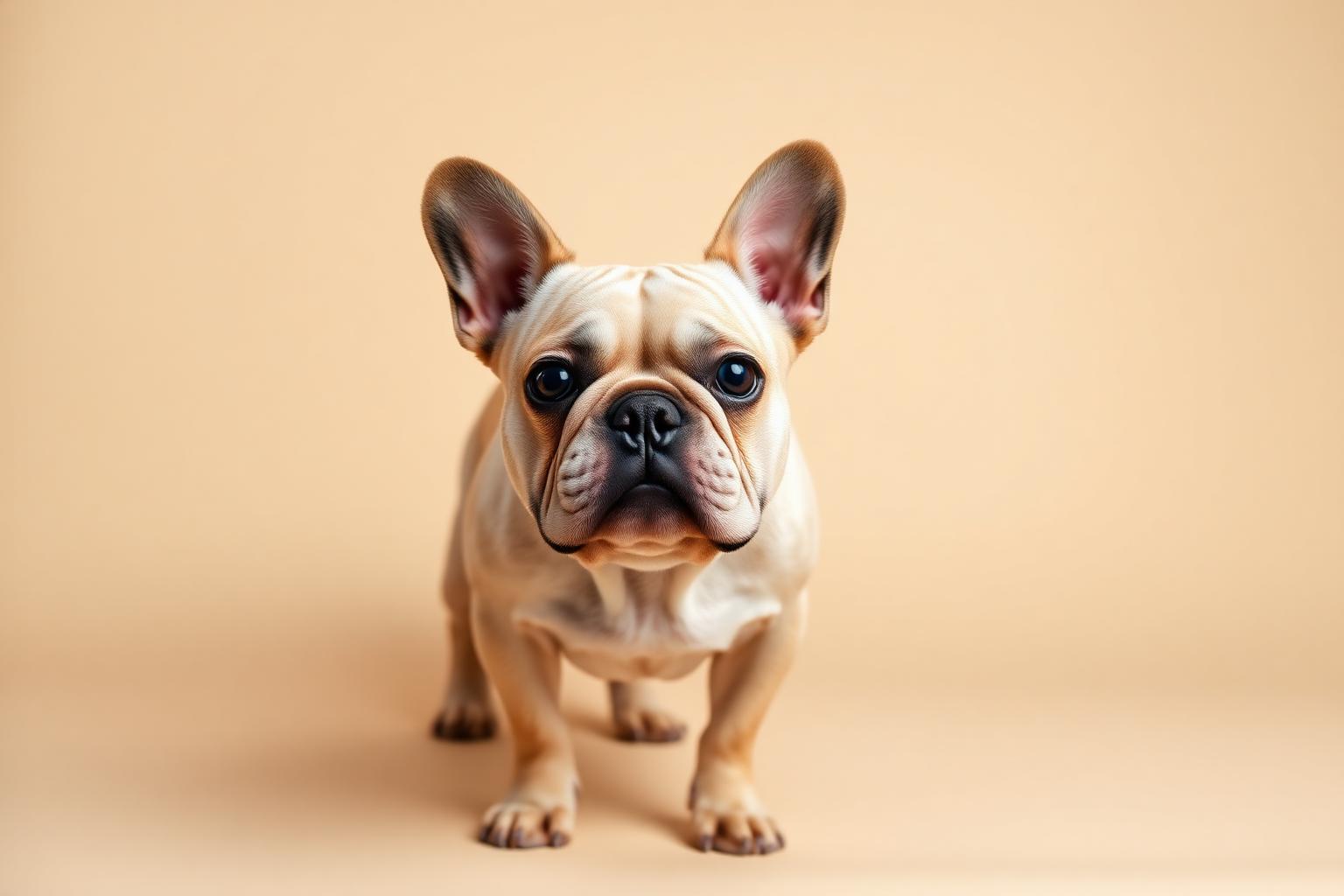
French Bulldog
7.8Affectionate, calm and perfect for apartments. Suffers with heat and cold. High vet costs.
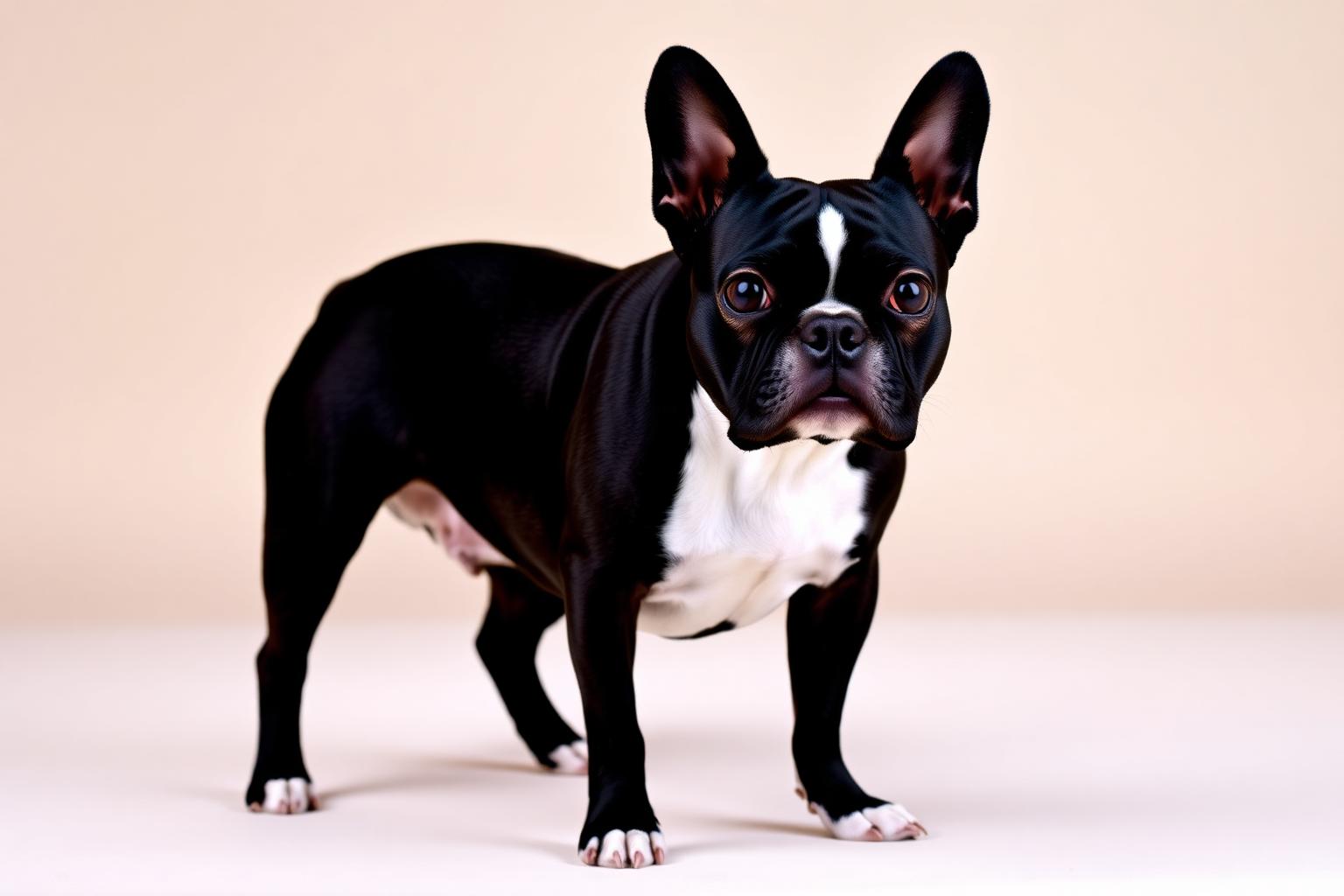
Boston Terrier
8.3Clean, compact and not very barky. Ideal for apartments. Flat muzzle makes him heat-sensitive.
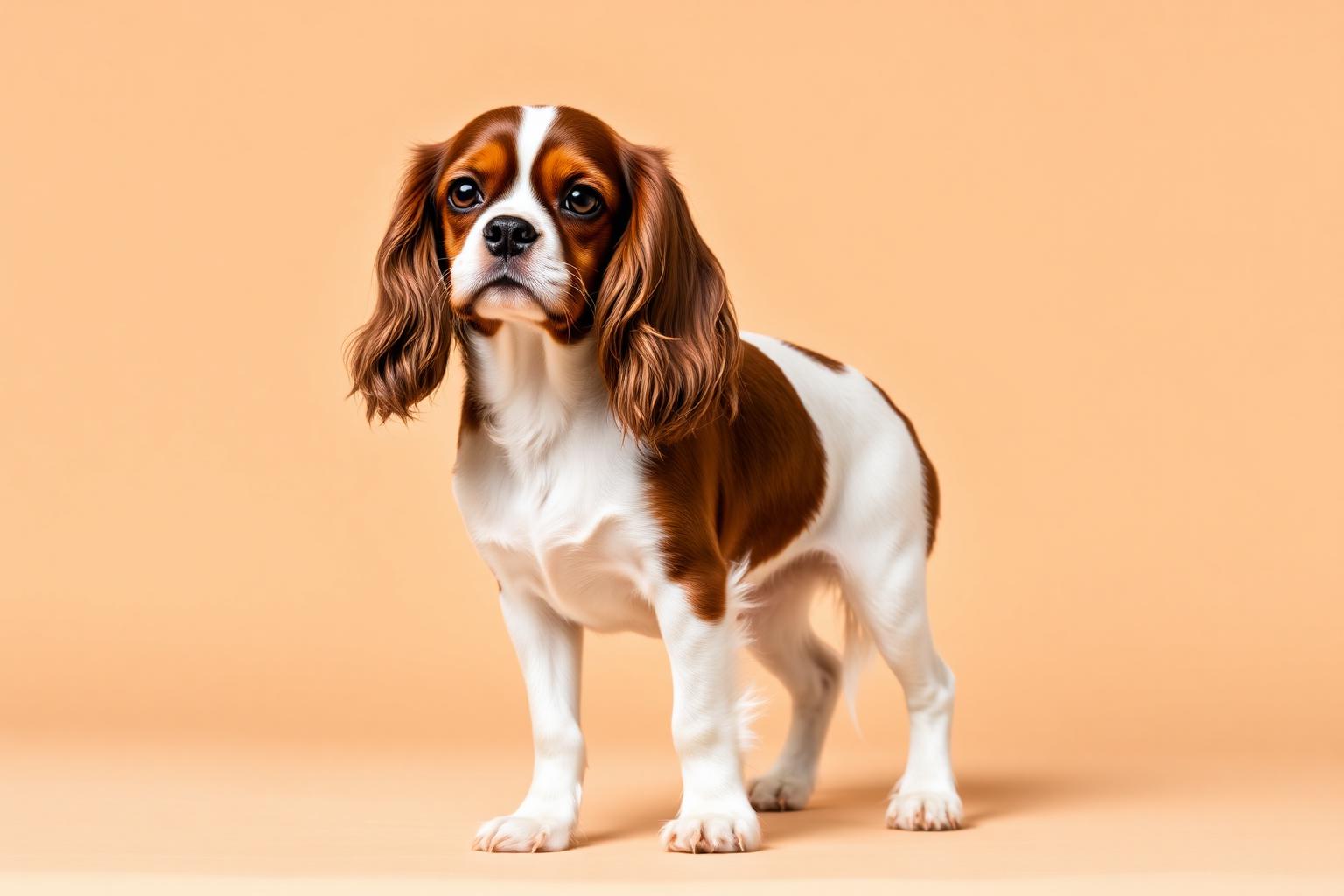
Cavalier King Charles Spaniel
9.3Affectionate, sociable and perfect for small apartments. Adapts to the household's rhythm and loves company.