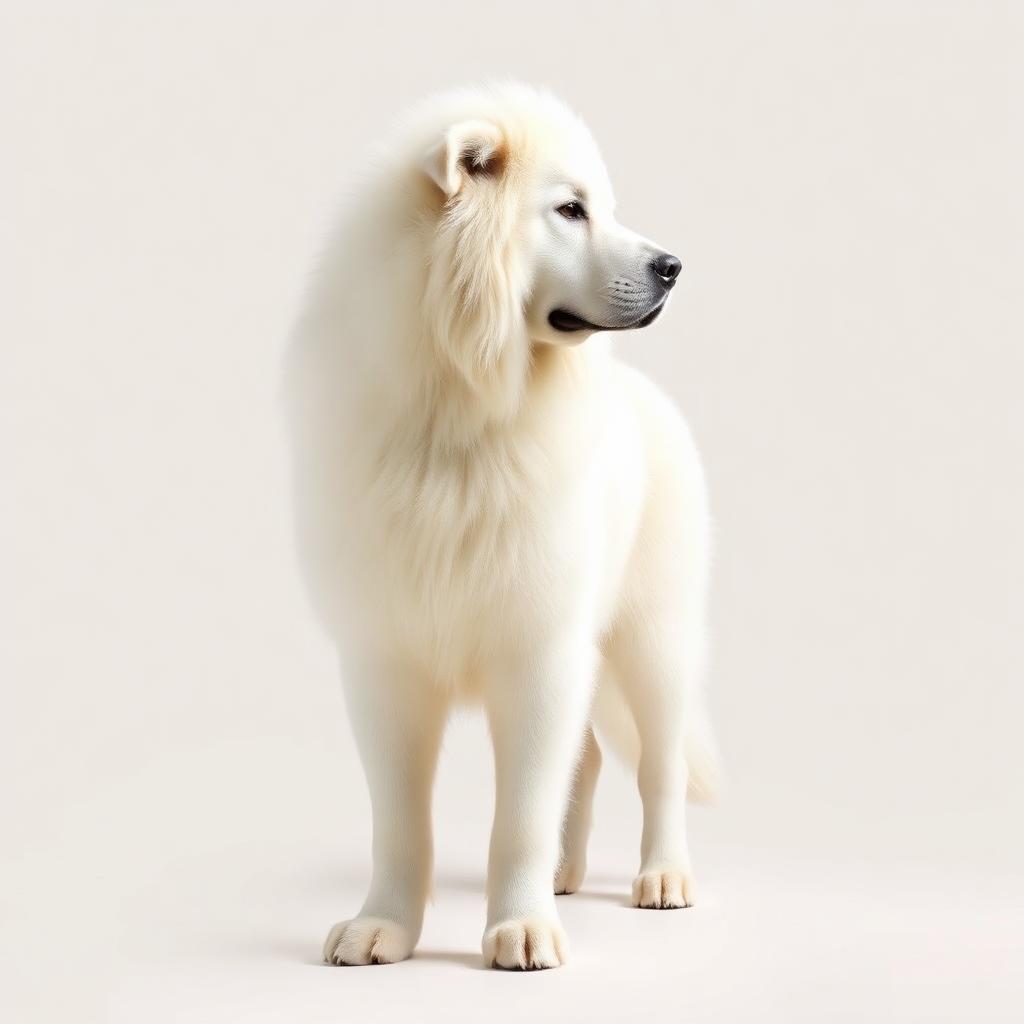
Pyrenean Shepherd
"Lively, skillful, protective: the tireless companion from the Pyrenees."
Overview
The Pyrenean Shepherd is a fascinating dog breed, known for its formidable intelligence and energetic character. Originating from the majestic mountains dividing France and Spain, this medium-sized, dense-coated herding dog has historically been an indispensable companion for shepherds, helping them move and protect their flocks with impressive agility and tenacity. Its loyal and protective temperament makes it an excellent family dog for the right owners, though its reserved nature with strangers calls for early and continuous socialization for balanced development. These dogs form a strong bond with their family, showing great affection and unwavering devotion.
To ensure the health and well-being of the Pyrenean Shepherd, it is crucial to provide an active lifestyle. This breed requires a significant amount of daily exercise, with at least 1-2 hours of intense activity, such as long walks, runs, cycling, or participating in dog sports like agility, herding, or flyball. In addition to physical exercise, its keen intelligence demands constant mental stimulation through puzzle games and varied training sessions. Nutrition should be high-quality, adapted to its high energy level, and regular grooming is necessary to keep its beautiful coat in optimal condition and prevent tangles. Regarding health, they are generally robust dogs but can be prone to hip or elbow dysplasia and eye problems, making it essential to choose a responsible breeder who performs health screenings on the parents. Their life expectancy is typically between 10 and 13 years with proper care.
In summary, the Pyrenean Shepherd is a breed that thrives in active, committed homes. Its affection and loyalty to the family combine with an alert vigilance that makes it a good guard dog. However, it is not a dog for first-time owners or sedentary families. It requires an experienced owner who understands its training, socialization, and exercise needs to channel its herding instinct. If provided with the right environment, plenty of activity and affection, this intelligent and energetic companion will become an irreplaceable and loving family member, filling the home with life and joy.
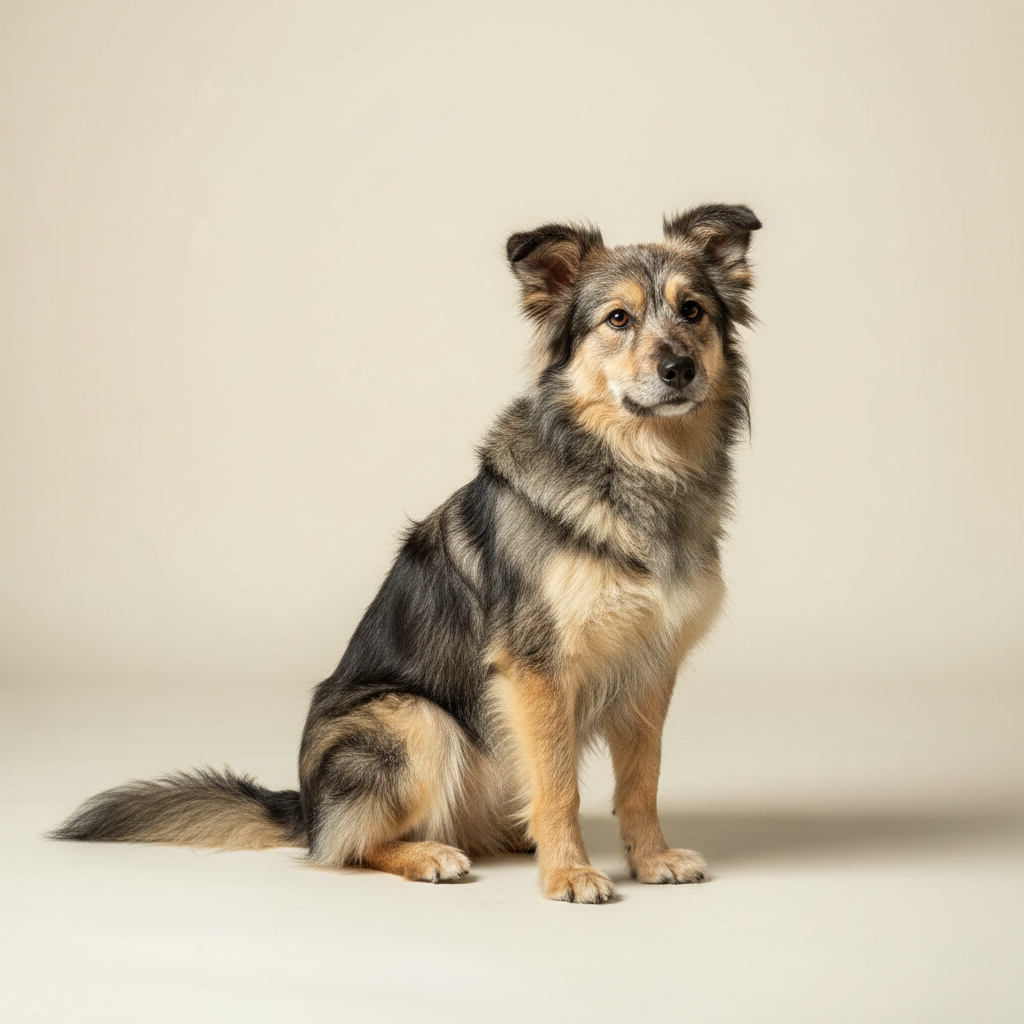
Key facts
- Size
- Small
- Weight
- 7–15 kg
- Life expectancy
- 14–17 years
- Daily exercise
- 90 min/day
- Estimated total
- 135€/month
- Country
- Francia-España / France-Spain
Character & temperament
The Pyrenean Shepherd is a dog of exceptional intelligence, lively, and with an indefatigable spirit. Its personality is shaped by its origins as a herding dog, making it an observant, astute, and highly self-starting animal. They are very loyal and affectionate with their family circle, with whom they develop a deep and protective bond. However, their nature leads them to be cautious and reserved with strangers; they are not dogs that make friends instantly, which makes them excellent guardians, alerting to any unusual presence. They may appear somewhat distant or even distrustful at first, but once they accept a person, their loyalty is unwavering. Their high intelligence brings with it a constant need for mental and physical stimulation. A bored or under-stimulated Pyrenean Shepherd can develop unwanted behaviors, such as excessive barking, attempting to herd family members, or even becoming destructive. They are extremely sensitive to their owners' moods and respond very well to positive reinforcement. These are not dogs for sedentary people, as they require intense and regular exercise, combined with activities that challenge their ingenuity. Their pastoral instinct is very strong, and they will often try to 'herd' the family or other pets, which can be amusing but also requires good management. They need firm but fair leadership, with early and continuous socialization so they learn to navigate different situations and with various people. They are dogs that enjoy learning and excel in canine sports like agility, obedience, or flyball, where they can exploit their agility, speed, and working capacity. They are quite active indoors, not couch potatoes, although they do enjoy quiet moments with their family. In short, the Pyrenean Shepherd is an exciting companion for experienced owners who understand its energetic and mental needs.
Living with children
Coexistence between a Pyrenean Shepherd and children can be very rewarding, provided clear boundaries are established and proper socialization is conducted from puppyhood. By nature, they are very loyal and protective of their 'flock,' which includes the children of the family. However, their herding instinct is strong and they may try to herd small children, manifesting as gentle nudges with their nose, playful nips at heels, or circling. It is crucial to teach children how to interact with the dog respectfully and safely, and always supervise interactions, especially with infants or very young children. The Pyrenean Shepherd is not a passive nanny; it needs consistent education to understand that children are not sheep. Early socialization with children of different ages is fundamental to accustom them to their noise, unpredictable movements, and games. Due to their energy and need for activity, older, more active children who enjoy playing and exploring outdoors will be ideal companions for a Pyrenean Shepherd, as they can participate in its play and exercise sessions. It is important for the dog to have a safe place to retreat if it needs quiet time. Families with young children must be prepared to invest time in training and supervision to ensure harmonious and safe coexistence for everyone. A well-socialized and educated Pyrenean Shepherd can be a loyal, fun, and protective friend for children, actively participating in family life.
With other pets
With early and proper socialization, the Pyrenean Shepherd can coexist peacefully with other dogs and pets. Its strong herding instinct might lead it to try to control or 'herd' smaller pets, so initial supervision is key. With cats, introductions should be gradual and controlled. They tend to establish a hierarchy, but once established with respect, they can be good companions, especially if raised together. However, their reserved nature towards strangers extends to unknown dogs, so interactions in dog parks must be managed carefully. They require owners who understand their need for structure and boundaries.
Health & prevention
Generally, the Pyrenean Shepherd is a robust and long-lived breed, with a life expectancy ranging from 10 to 13 years. Its origin in a harsh mountainous environment has endowed it with considerable resilience. However, like many breeds, they are predisposed to certain health issues. Among the most common concerns are hip and elbow dysplasia, hereditary joint diseases that can cause pain and lameness. Therefore, it is crucial for responsible breeders to conduct health screenings on breeding parents. They may also experience eye problems, such as progressive retinal atrophy (PRA) or cataracts, which can affect vision. Allergies, both food and environmental, are not uncommon and can manifest with itching, skin irritations, or digestive issues. Idiopathic epilepsy is another condition that, although less common, can affect some individuals. Hypothyroidism, a thyroid gland condition, can also occur. Maintaining a healthy weight, providing a balanced diet, and regular exercise are fundamental for their well-being. Regular veterinary check-ups, including dental cleanings and deworming, are essential to detect and treat any problems early and ensure a full and healthy life for this energetic companion.
Health risks
- •Hip dysplasia
- •Epilepsy
Care
Nutrition
The Pyrenean Shepherd's nutrition must be high-quality, adapted to its activity level and life stage. A premium kibble formulated for active, medium-sized breeds will be the ideal base. Given their remarkable energy, they need adequate animal protein intake to maintain lean muscle mass and replenish expended energy. Healthy fats are also important for their skin and coat health, and as a concentrated energy source. It is recommended to divide the daily ration into two meals to facilitate digestion and prevent gastric torsion, especially in active dogs. Overfeeding should be avoided, as they are prone to weight gain if their diet is not controlled, which would add unnecessary pressure to their joints. Fresh, clean water should always be available. Occasionally, they can be supplemented with cooked vegetables or small amounts of lean meat as treats or to enrich their diet, always in moderation and with veterinary consultation. Their needs may vary, so it is advisable to adjust the food quantity according to their exercise level, individual metabolism, and veterinary recommendations.
Grooming & hygiene
The Pyrenean Shepherd, in both its long-haired and smooth-faced varieties, requires regular coat maintenance, although the frequency and type of care vary slightly. The long-haired variety needs more frequent brushing, ideally two or three times a week, to prevent tangles and matting, especially behind the ears, on the tail, and on the legs. The Pyrenean Shepherd's coat rarely mats if given regular attention. The smooth-faced variety requires weekly brushing to remove dead hair and maintain shine. For both varieties, bathing should only be done when necessary, using a specific dog shampoo, to avoid stripping the natural oils that protect their skin and coat. Excessive bathing can dry out their skin. In addition to coat care, it is crucial to care for their teeth with regular brushing to prevent tartar buildup and periodontal disease. Their ears should also be checked and cleaned weekly to prevent infections, and their nails trimmed every 3-4 weeks if they don't wear down naturally with exercise. Proper grooming not only keeps the dog clean and comfortable but also allows for early detection of potential skin problems, parasites, or injuries.
Exercise & training
Exercise plan
The Pyrenean Shepherd is a highly energetic breed that demands a significant amount of daily exercise to stay happy and balanced. They are not dogs that can be content with a couple of short walks a day; they require at least 1-2 hours of intense physical activity. This can include long walks or jogs, vigorous play sessions in a secure space, or participating in dog sports such as agility, flyball, herding, or canicross. They are natural runners and enjoy exploring new environments. In addition to physical exercise, it is crucial to provide them with mental stimulation, as their intelligence is very high. Scent games, dog puzzles, and training sessions are excellent for keeping their minds active. A Pyrenean Shepherd that does not receive enough exercise and stimulation can become destructive, noisy, or develop anxiety. A large, fenced yard is ideal for them, where they can run freely, but it does not replace structured walks and interaction with their owners. For active families, this dog will be a tireless companion in their outdoor adventures.
Training
The Pyrenean Shepherd is extremely intelligent and learns quickly, but can also be independent and stubborn, requiring consistent, patient, positive reinforcement training from an early age. They are very sensitive and do not respond well to harsh training methods. Positive reinforcement, based on rewards, praise, and toys, works best to motivate them. Socialization is fundamental from puppyhood, exposing them to different people, dogs, places, and sounds to develop a balanced personality and reduce their natural caution towards strangers. Given their intelligence, basic obedience training is essential and should continue throughout their lives to keep their minds active. They greatly enjoy mental challenges, so incorporating tricks and intelligence games into training is very beneficial. Due to their herding instinct, they may try to herd people or other pets, so it's important to teach them what is acceptable behavior and what is not. Structured and fun training is key to developing a strong bond and ensuring this energetic dog becomes a well-behaved and happy family member.
Monthly cost
Moderate cost due to small size, though expenses in dog sports can increase the budget.
Estimate for Spain, healthy adult dog. Varies by region and provider.
Pros & cons
Pros
- ✓Extremely intelligent and easy to train with positive methods.
- ✓Loyal and affectionate companion with its family.
- ✓High energy, ideal for active people and dog sports.
- ✓Excellent watchdog, alerts to strangers.
- ✓Robust health and long life expectancy.
Cons
- !Requires a lot of physical and mental stimulation to be happy.
- !Can be reserved or distrustful of strangers, needs socialization.
- !Strong herding instinct, may try to 'herd' the family.
- !Vocal, can bark excessively if bored or untrained.
- !Not suitable for first-time or sedentary owners.
Ideal for
- • Active families who enjoy outdoor activities.
- • Individuals experienced in dog training.
- • Households seeking an alert and protective watchdog.
- • Participants in dog sports like agility or herding.
Not recommended for
- • Sedentary individuals or those with little time for exercise.
- • First-time owners without experience with working dogs.
- • Small apartments without access to large spaces for running.
- • Families looking for a passive companion dog.
How it fits each scenario
Can adapt to apartment living if its exercise and mental stimulation needs are strictly met. Long daily walks and park playtime are mandatory to prevent anxiety and destructive behavior.
Perfect for a house with a securely fenced garden, where it can run and play freely. The garden does not replace walks but provides additional space to burn off energy.
Its double coat can make adaptation to very hot climates difficult. It will need shade, plenty of fresh water, and exercise during the coolest parts of the day to prevent overheating.
Bred in the Pyrenees, it is very well adapted to cold and mountainous climates. Its dense coat provides excellent protection, allowing it to enjoy outdoor activities even in low temperatures.
Requires very careful socialization and training, plus constant supervision. Its herding instinct can be overwhelming for toddlers, as it might try to 'herd' them roughly.
Excellent companion for older, more active children who can participate in its games and exercise sessions. Supervision remains important to guide interactions and reinforce boundaries.
Not the best choice for first-time owners. Its intelligence, energy, and need for consistent training demand experience and time, which can be overwhelming for someone unprepared.
An ideal companion for owners with experience with working dogs or herding breeds. They will appreciate its intelligence, know how to channel its energy, and provide appropriate training and stimulation.
Fits perfectly into an active family that enjoys hiking, cycling, or outdoor sports. It will be a tireless companion that will love sharing these adventures, strengthening your bond.
Not suitable for families with very busy lifestyles and little time. It requires a significant time investment in daily exercise, training, and socialization, which a busy family might not consistently provide.
Not a hypoallergenic breed. It sheds hair, especially during seasonal changes, so it is not a good option for people with moderate to severe allergies. Regular brushing can help minimize loose hair dispersion.
While direct costs are moderate, the cost of veterinary care, quality food, and potential expenses for sports or advanced training can be significant. It is not the ideal option if you have a very tight pet budget.
Origin & history
Hailing from the French and Spanish valleys of the Pyrenees, where it assisted larger mastiffs in moving and protecting livestock. Its history dates back centuries, as a rustic and functional breed, fundamental to pastoral life in the region. Its official recognition by the FCI came in the 20th century.
Despite their relatively small size for a herding dog, it is said that the Pyrenean Shepherd possesses the speed of a horse and the tenacity of a devil when working livestock.
Frequently asked questions
Is the Pyrenean Shepherd suitable for apartment living?▾
Yes, a Pyrenean Shepherd can adapt to apartment living, but with very specific conditions. It's not the ideal situation for such an active breed. It will need a minimum of two hours of vigorous exercise daily, including long walks, runs, intense games, and training sessions or dog sports. Furthermore, mental stimulation is crucial to prevent boredom and destructive behaviors. An apartment owner must commit to a consistent exercise and socialization routine for the dog to feel happy and balanced in a small space.
How does the Pyrenean Shepherd behave with children and other pets?▾
With early and proper socialization, the Pyrenean Shepherd can be a loyal and protective companion to family children, although its herding instinct might lead it to try to 'gather' them gently. Supervision is recommended, especially with young children. With other pets, if raised together, they usually coexist well, but their herding instinct can emerge. Introductions to new animals should be gradual and supervised. They are intelligent dogs that learn to live together if taught correctly from a young age, with clear boundaries.
Does this dog need special training due to its intelligence?▾
Yes, the Pyrenean Shepherd's sharp intelligence means it needs consistent, challenging, and positive reinforcement-based training. They are quick learners but can also be stubborn if bored or if they don't see a purpose. Incorporating training into their daily routine and participating in dog sports that stimulate their minds (such as agility or advanced obedience) is fundamental. Poor training or lack of mental stimulation can lead to unwanted behaviors, like excessive barking or destructiveness. They are sensitive, and harsh methods are counterproductive.
What common health problems does the Pyrenean Shepherd have?▾
Although generally a robust breed, the Pyrenean Shepherd can be prone to certain conditions. The most prominent include hip and elbow dysplasia, eye problems such as progressive retinal atrophy, and less frequently, allergies or epilepsy. It is vital to choose a puppy from a responsible breeder who performs health tests on the parents. Regular veterinary care, a balanced diet, and appropriate weight control are essential to prevent and manage these issues, thus ensuring a long and healthy life for your companion.
How much food does a Pyrenean Shepherd need and what would be its monthly cost?▾
An active adult Pyrenean Shepherd needs between 250 and 350 grams of high-quality kibble daily, depending on its size, activity level, and metabolism. This translates to a monthly consumption of approximately 7.5 to 10.5 kg. If you opt for premium food, the monthly cost for food usually ranges from 35-50 Euros. It is essential to consult the food manufacturer's recommendations and adjust them to your dog's ideal weight, dividing the ration into two daily meals for better digestion. Fresh water should always be available.
Is the Pyrenean Shepherd a suitable breed for people with allergies?▾
No, the Pyrenean Shepherd is not considered a hypoallergenic breed. It sheds hair, and although the amount can vary between the long-haired and smooth-faced varieties, both shed hair and dander which are the main allergy triggers. If you have allergies, this breed is likely not the most suitable. It's crucial to spend time with the breed before making a decision to see how your allergy reacts, but generally, if you are looking for a hypoallergenic dog, this is not the ideal option.
How much daily exercise does a Pyrenean Shepherd need?▾
The Pyrenean Shepherd is a very active breed that requires at least 1 to 2 hours of vigorous exercise daily. This doesn't just mean walks, but activities that allow them to run, jump, and use their intelligence, such as hiking, jogging, accompanying cyclists, intense play sessions, or dog sports like agility, flyball, or herding. Without sufficient physical and mental exercise, they can become bored, anxious, or destructive. It is a breed for individuals or families who enjoy a very active outdoor lifestyle.
Can the Pyrenean Shepherd travel well?▾
The Pyrenean Shepherd can travel well if accustomed from puppyhood and feeling secure in its mode of transport. They are intelligent dogs that adapt to new situations, but their somewhat reserved nature with strangers and unfamiliar places means good socialization is key. Car travel is generally fine if they are progressively accustomed and provided with a comfortable and secure space. For longer trips or air travel, it's important to consider their anxiety level and consult with the vet, as their energy might make them restless in confined spaces for too long.
Similar family-friendly breeds
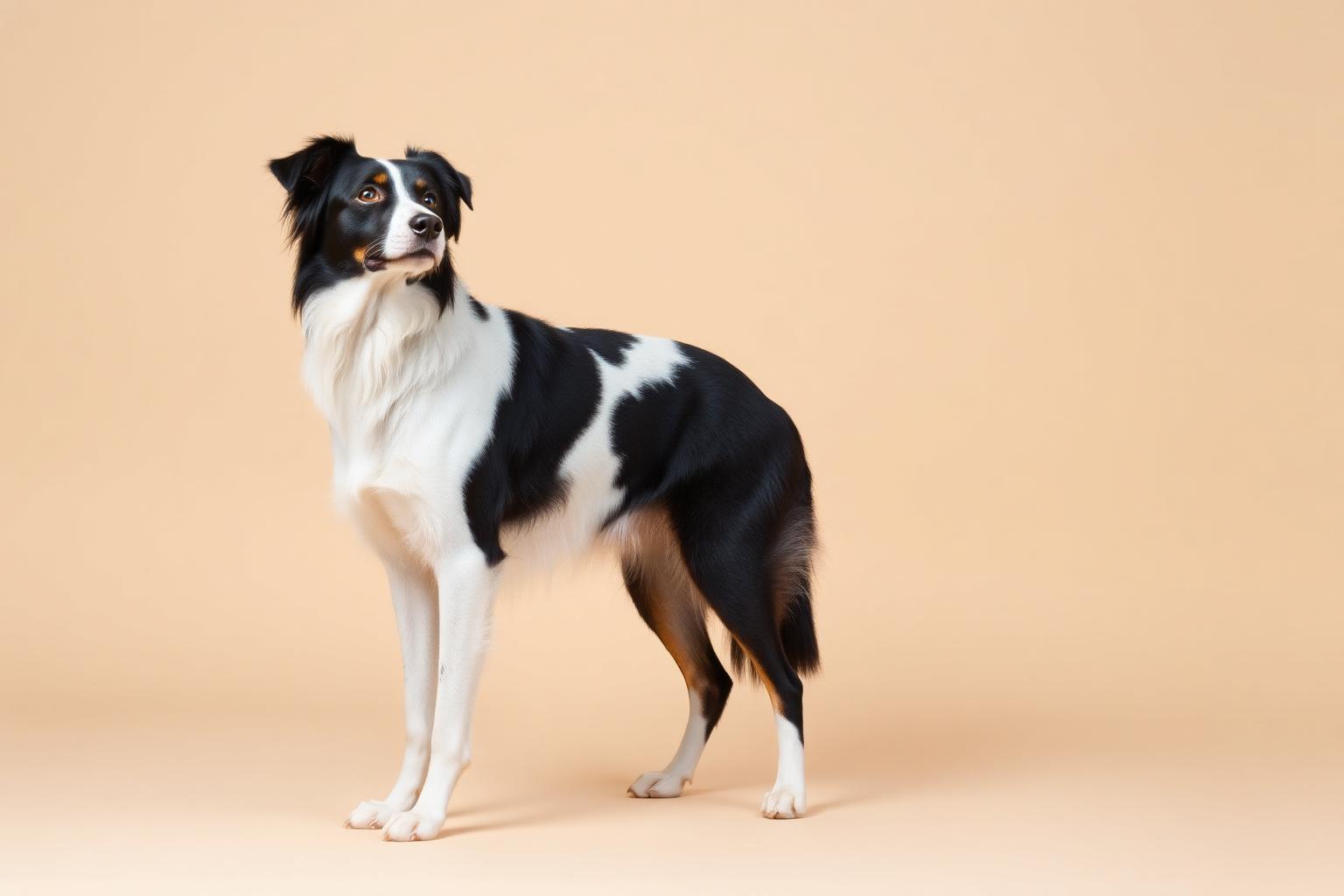
Border Collie
7.5The smartest of them all. Only for very active, experienced families. Without a job, becomes destructive and frustrated.

Cavalier King Charles Spaniel
9.3Affectionate, sociable and perfect for small apartments. Adapts to the household's rhythm and loves company.
 Hypoallergenic
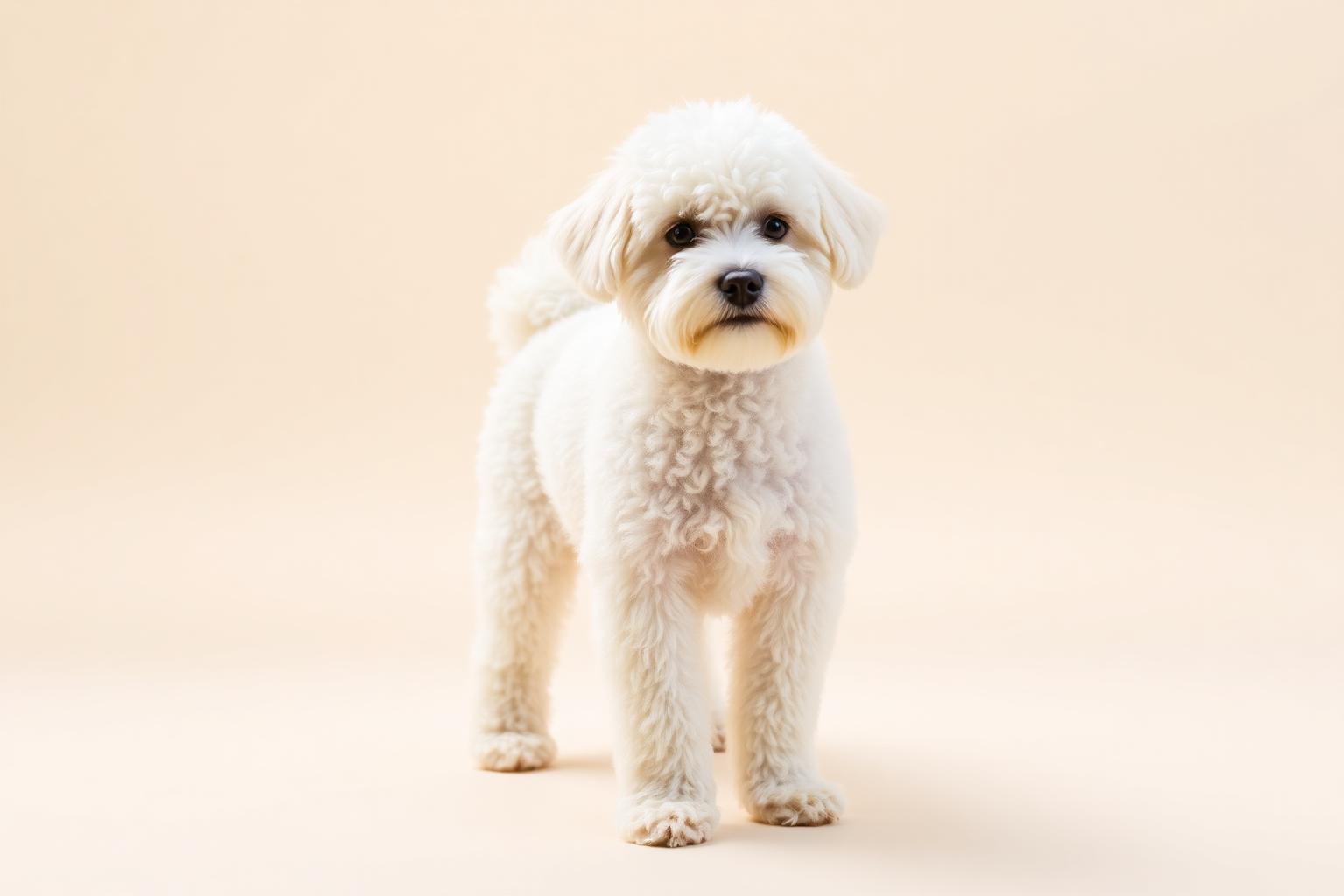
Bichon Frise
8.8Small, cheerful and practically non-shedding. Requires frequent grooming. Ideal for apartments and allergy sufferers.