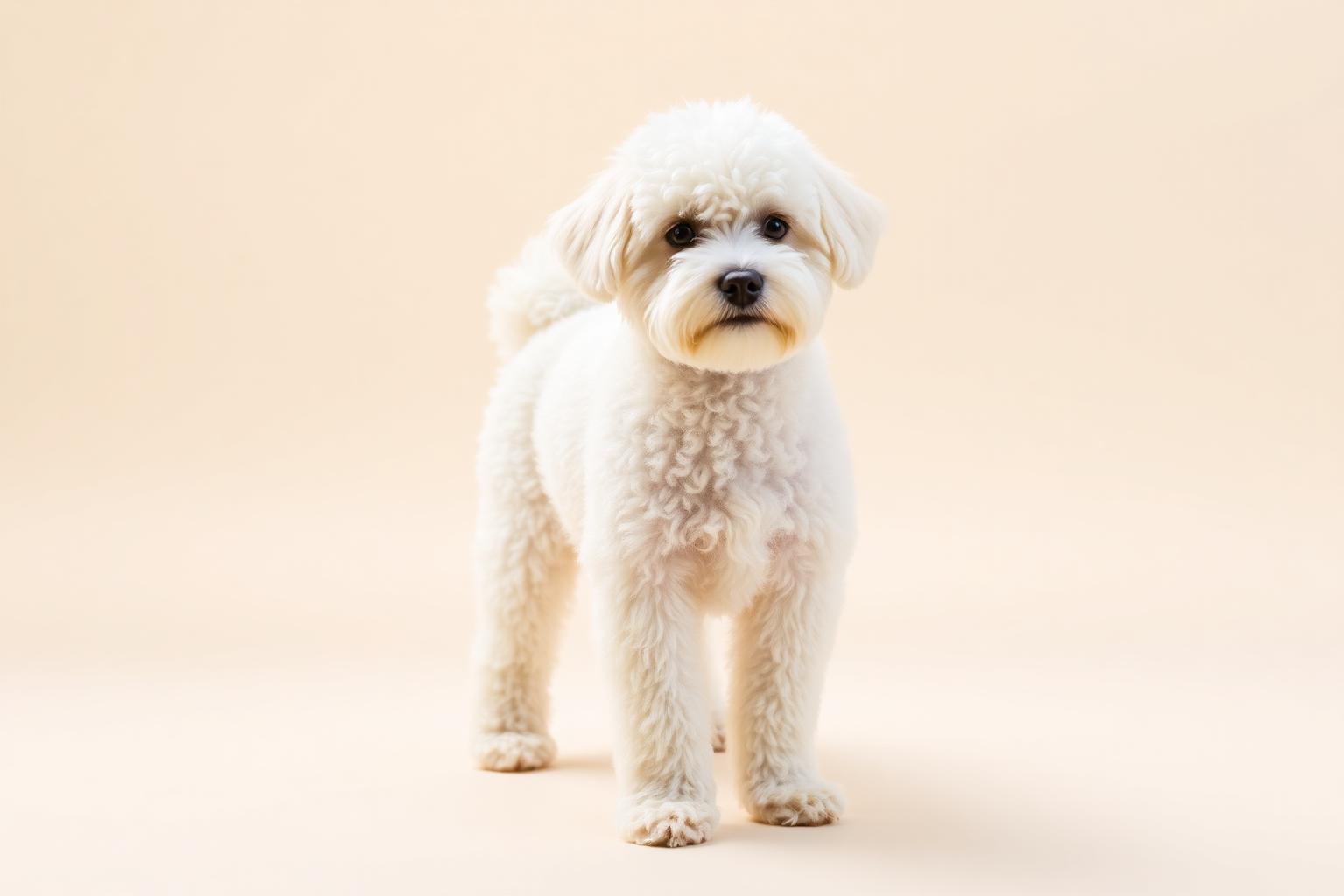
Bichon Frise
"A cloud of joy that fills your home with love, not hair."
Overview
The Bichon Frise is much more than a lapdog; it is a small burst of optimism that brightens any home. This breed stands out as one of the best options for families with children and allergy sufferers, as its curly coat barely sheds. Unlike some other toy dogs, the Bichon is surprisingly sturdy and brave, enjoying active play just as much as snuggling on the sofa. Its extroverted character makes it everyone's friend, eliminating territorial aggression issues, though its emotional dependency requires someone to be home often to provide company.
A critical factor to consider is that the Bichon Frise is a high-maintenance dog in terms of aesthetics. Its cotton-white coat requires professional grooming every 6 to 8 weeks and daily brushing to prevent painful mats. Additionally, like many small breeds, it can be a challenge regarding housebreaking, requiring patience and consistency during the first few months. However, its intelligence and eagerness to please facilitate learning tricks and household rules, making it a star pupil if positive reinforcement is used.
Regarding health, it is vital to monitor their canine dental health and potential skin allergies. Tartar buildup is frequent, so dental cleaning must be part of their routine. Although monthly costs are higher due to grooming expenses, their long life expectancy and cheerful nature compensate for the investment. It is the ideal dog for city and apartment living, provided it receives the mental stimulation and affection this little 'powder puff' needs to avoid developing separation anxiety.
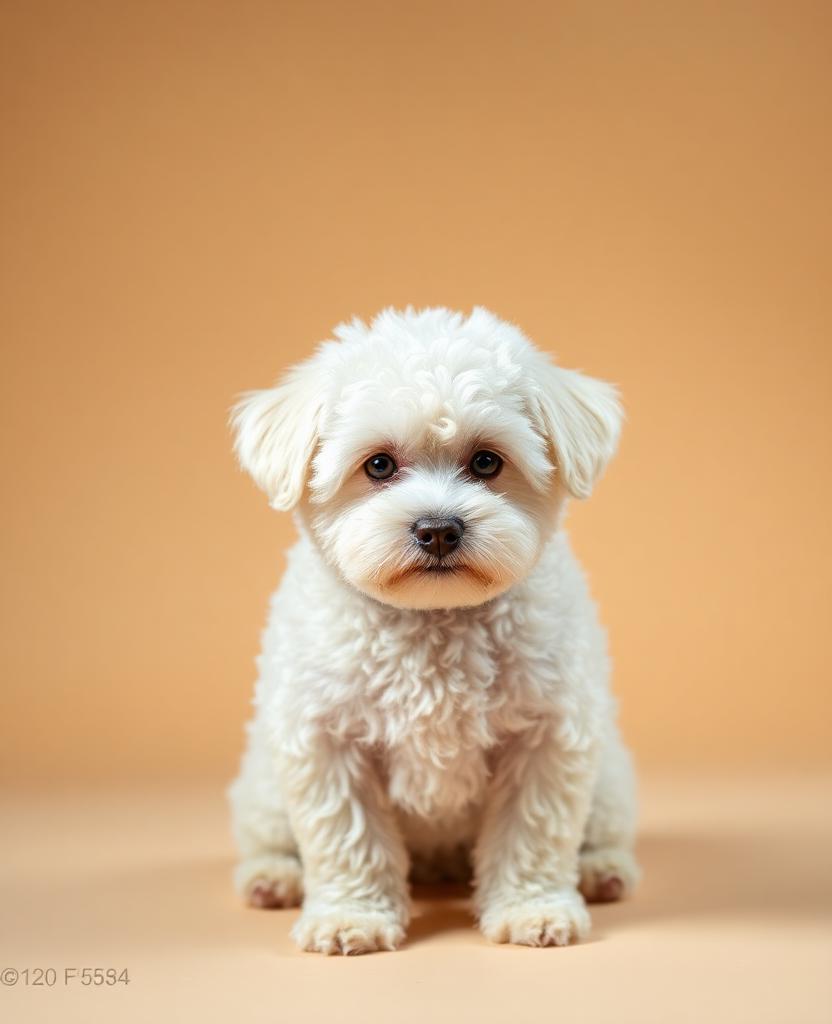
Key facts
- Size
- Small
- Weight
- 5–8 kg
- Life expectancy
- 12–15 years
- Daily exercise
- 45 min/day
- Estimated total
- 165€/month
- Country
- Mediterranean / France
Character & temperament
The Bichon Frise is the ultimate extrovert of the dog world. Their general temperament is one of unbridled joy and curiosity. They are not typically shy or aggressive; instead, they approach life with a "everyone is my best friend" attitude. They are highly intelligent but use that brain power more for play and charm than for strict obedience, though they are very capable of learning complex tricks.
With strangers, the Bichon is usually welcoming and polite. They might bark to alert you that someone is at the door, but once the guest enters, they are likely to offer a toy or ask for a belly rub. They lack the intense territorial drive of other breeds, making them excellent companions for families who entertain frequently or live in busy neighborhoods.
To their owners, they are "Velcro dogs" in the best sense. They want to be involved in every aspect of your life, from watching TV on your lap to helping you fold laundry. This deep bond means they are very sensitive to their owner's moods. However, this also means they do not tolerate being ignored or left alone for long periods, which can lead to distress and unwanted barking.
Their signature trait
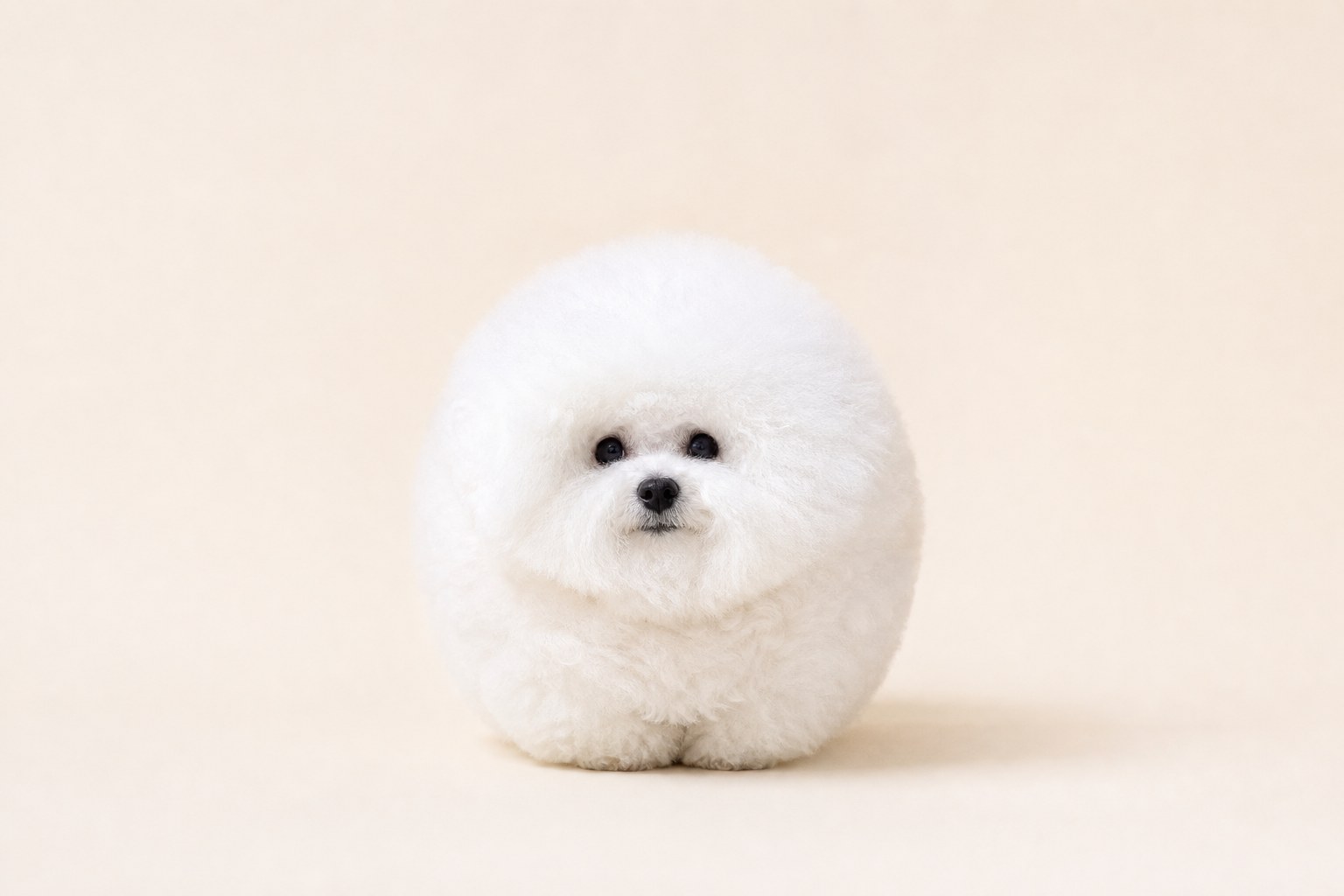
Living with children
Bichons are famous for being one of the best small breeds for families with children. With school-aged children (6-12) and teenagers, they are fantastic playmates; they are sturdy enough to handle moderate play and have an endless supply of energy for games of fetch or hide-and-seek. Their cheerful nature means they rarely lose patience, making them safe companions during the energetic years of childhood. They truly enjoy the hustle and bustle of a busy household.
When it comes to toddlers and babies, the Bichon is gentle but requires supervision. While they aren't "snappy," they are small enough to be accidentally injured if a toddler falls on them or pulls their hair too hard. Parents should teach children from a young age how to respect the dog's space and handle them gently. For families with very young children, the Bichon’s main risk is being stepped on, not their temperament, which remains exceptionally sweet across all ages.
With other pets
The Bichon Frise is a social butterfly and usually gets along famously with other pets. They enjoy the company of other dogs and are rarely alpha-driven or aggressive. If introduced properly, they coexist peacefully with cats, often becoming nap partners. Because they lack a high prey drive, they are also safer than many terriers around smaller pets like rabbits or hamsters, although interactions should always be supervised. They simply want everyone to be part of the "pack."
Health & prevention
Bichons are generally sturdy but face specific genetic predispositions. Patellar luxation (dislocated kneecaps) is common, so keeping them at a healthy weight is vital to reduce joint stress. They are also highly prone to skin allergies, often triggered by diet or environmental factors like grass or dust mites. This can lead to "hot spots" and chronic ear infections that require veterinary management. Regular check-ups should focus on heart health and liver function, particularly looking for portosystemic shunts in younger dogs.
Another critical area is dental health. Like many small breeds, they accumulate tartar quickly, which can lead to early tooth loss and systemic infections. Daily tooth brushing and professional scaling every 1-2 years are recommended. Eye issues such as cataracts and blocked tear ducts are also noted in the breed. Overall, with proactive care and avoiding obesity, a Bichon can enjoy a long, vibrant life well into its mid-teens. Focus on keeping their environment as allergen-free as possible to avoid chronic scratching.
Health risks
- •Skin allergies
- •Patellar luxation
Care
Nutrition
A Bichon Frise needs high-quality small-breed kibble to prevent obesity and support their skin health. Adult Bichons (5-8 kg) typically consume between 120g and 150g of dry food per day, divided into two meals. Because they are prone to bladder stones, ensuring they stay hydrated is vital; some owners mix a bit of wet food with their kibble. Avoid table scraps, as this breed has a sensitive stomach and is prone to pancreatitis. Look for formulas rich in Omega-3 and Omega-6 fatty acids to nourish their thick coat and sensitive skin.
Grooming & hygiene
Grooming is the most demanding part of owning a Bichon. They have a double coat that grows constantly and does not shed, trapping loose hair which leads to severe matting if not brushed daily. A professional haircut (the classic "powder puff" or a more manageable "puppy cut") is required every 6 weeks. You also need to clean their tear stains daily with a damp cloth and pay close attention to ear hygiene, as they are prone to infections due to hair growth inside the canals. Professional sessions in Spain cost between €45 and €70.
Exercise & training
Exercise plan
The Bichon Frise needs about 45-60 minutes of daily activity. Monday-Friday: Two 20-minute brisk walks focusing on sniffing and socialization, plus 10 minutes of indoor play. Saturday: A longer 45-minute outing to a park or a new environment to stimulate their senses. Sunday: Focus on mental stimulation with hide-and-seek games or learning a new trick for 30 minutes, combined with short relief walks. Despite their fluffy appearance, they are athletic and enjoy agility or obedience trials.
Training
Training a Bichon Frise is generally a positive experience because they love attention and praise. They are highly motivated by treats and "happy talk." However, they can be surprisingly independent and may choose to ignore a command if something more interesting is happening. The biggest challenge is housebreaking; due to their small size and Mediterranean heritage, they can be slow to master potty training, sometimes taking months to be 100% reliable. Consistency is key. Short 10-15 minute sessions daily work best. Socialization should start early to manage their alert-barking, ensuring they don't become reactive to every sound in the hallway or street.
Monthly cost
Monthly costs are dominated by professional grooming, which is non-negotiable every 6-8 weeks. Medical insurance is recommended for patellar issues.
Estimate for Spain, healthy adult dog. Varies by region and provider.
Pros & cons
Pros
- ✓Truly hypoallergenic and does not shed hair around the house.
- ✓Extremely social and gets along with almost everyone and everything.
- ✓Sturdy and resilient compared to other fragile tiny dog breeds.
- ✓Compact size makes them perfect for apartments and easy travel.
- ✓Long lifespan, often remaining playful well into their senior years.
Cons
- !Extremely high maintenance grooming requirements and associated costs.
- !Prone to separation anxiety; cannot be left alone for long hours.
- !Difficult to housebreak; may take much longer than other small breeds.
- !Small size makes them vulnerable to injury from rough play or larger dogs.
- !Frequent dental issues require daily care and regular professional cleaning.
Ideal for
- • Apartment dwellers looking for a cheerful but manageable indoor companion.
- • Families with children who want a small dog with a sturdy, gentle temperament.
- • People with mild dander allergies who are committed to a strict grooming routine.
- • Retirees or home-based workers who can provide constant companionship.
Not recommended for
- • Owners who are away from home for more than 4-5 hours a day.
- • People looking for a low-cost, low-maintenance "easy" dog.
- • Families who prefer a very quiet house; they will alert-bark at noises.
How it fits each scenario
Perfect for city living due to their size, provided you manage their tendency to alert-bark at hallway noises.
They enjoy a yard but are "velcro dogs" who will want to be inside with you most of the time.
They overheat easily under that "cloud" of hair; keep them clipped shorter and exercise them during the cooler hours.
Their thick double coat provides some insulation, but they lack body fat; a sweater is a must in freezing temperatures.
Generally safe due to their gentle nature, but they can be easily stepped on or injured by clumsy toddlers. Supervise closely.
A match made in heaven; they are sturdy enough for games and love the constant attention of older children.
Excellent for beginners due to their size and trainability, as long as you are prepared for the grooming bills.
They allow for more advanced training and grooming experimentation, but even a novice can handle them with patience.
They will happily follow you on walks, though they aren't marathon runners. Expect a cheerful companion for daily outings.
Not a great fit; they crave human company and can become destructive or neurotic if left alone for 8 hours daily.
One of the best breeds for allergy sufferers as they don't shed, but saliva and dander still exist. Regular baths are essential to keep allergens low.
Avoid this breed; the professional grooming costs alone are a significant monthly commitment.
Origin & history
The Bichon Frise originated in the Mediterranean, descending from the Barbet (a water spaniel). They were divided into four categories: the Bichon Maltais, Bolognaise, Havanese, and Teneriffe. The modern Bichon Frise stems from the Teneriffe breed, brought to Europe by sailors. They became favorites of the French and Italian nobility during the Renaissance, often seen in royal courts and painted by artists like Goya. However, during the 19th century, they lost their royal status and became street performers and circus dogs, which is where they developed their cleverness and resilience. It wasn't until the 1930s that the breed was standardized and gained modern popularity across the globe.
During the French Revolution, many Bichons were abandoned when their aristocratic owners were imprisoned, leading them to become clever street dogs and eventually circus performers!
Frequently asked questions
How much does a Bichon Frise puppy cost?▾
Expect to pay between €1,200 and €2,000 in Spain for a puppy from a reputable breeder. This ensures health screenings for the parents (eyes and knees) and a sound temperament. Never buy from pet stores or puppy mills, as health issues in this breed can be costly.
Is it really safe for people with allergies?▾
The Bichon is considered "hypoallergenic" because it has hair, not fur, and doesn't shed into the environment. However, no dog is 100% allergy-free. Most people with mild allergies do very well with them, provided the dog is bathed frequently.
Is it true they are hard to potty train?▾
They are notorious for being stubborn about potty training. Their small bladders and independent streak mean it can take 6-10 months of consistent positive reinforcement to fully housebreak them. Crate training is highly recommended for success.
Do they bark a lot?▾
They are alert barkers, meaning they will tell you if someone is at the door or if they hear a strange noise in the hallway. They aren't "yappy" like some terriers, but they aren't silent dogs either. Training can help curb excessive noise.
Is it a good breed for families with children?▾
The Bichon Frise is exceptionally social and gentle, making them one of the best small breeds for families. They lack the "snappiness" of other toy breeds, but their small size means they need protection from very rough play with toddlers.
Can I leave my Bichon alone while I work?▾
Not recommended. They are prone to separation anxiety and need to be with people. If left alone for long periods, they may bark excessively or become destructive. If you work from home or have someone constantly in the house, they are ideal.
How long do they usually live?▾
With proper care, a Bichon lives 12-15 years. It's common to see them active and playful even at 13. Regular dental cleanings and managing their weight are key to ensuring they reach their maximum life expectancy in good health.
How much maintenance does their hair need?▾
They need a professional groomer every 6 to 8 weeks and daily brushing at home. Without this, their hair creates painful mats close to the skin. Expect to spend a significant amount of money and time on their coat care.
Similar family-friendly breeds
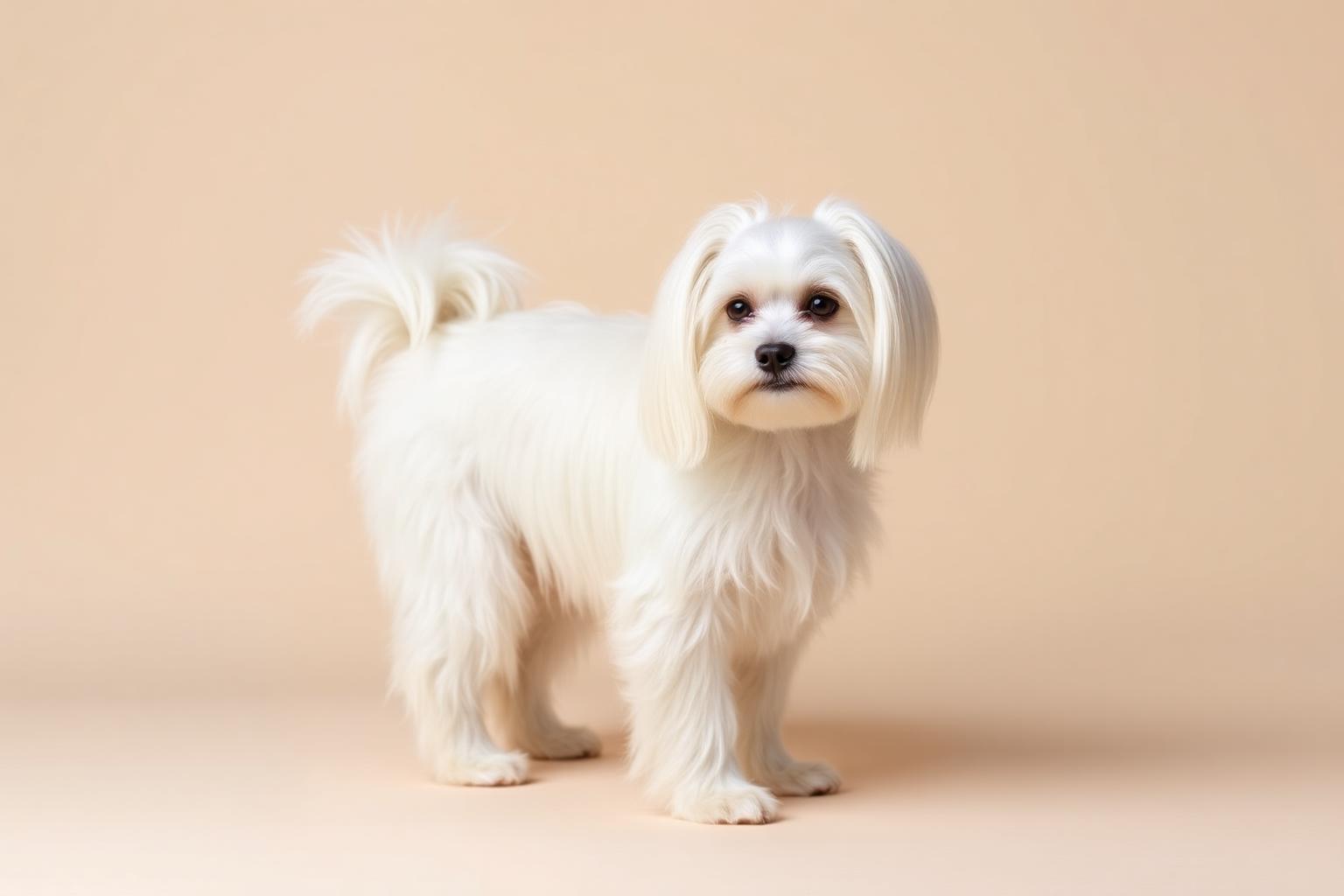 Hypoallergenic
Maltese
8.2Tiny and elegant, barely sheds. Fragile around small children. Needs frequent grooming.
 Hypoallergenic
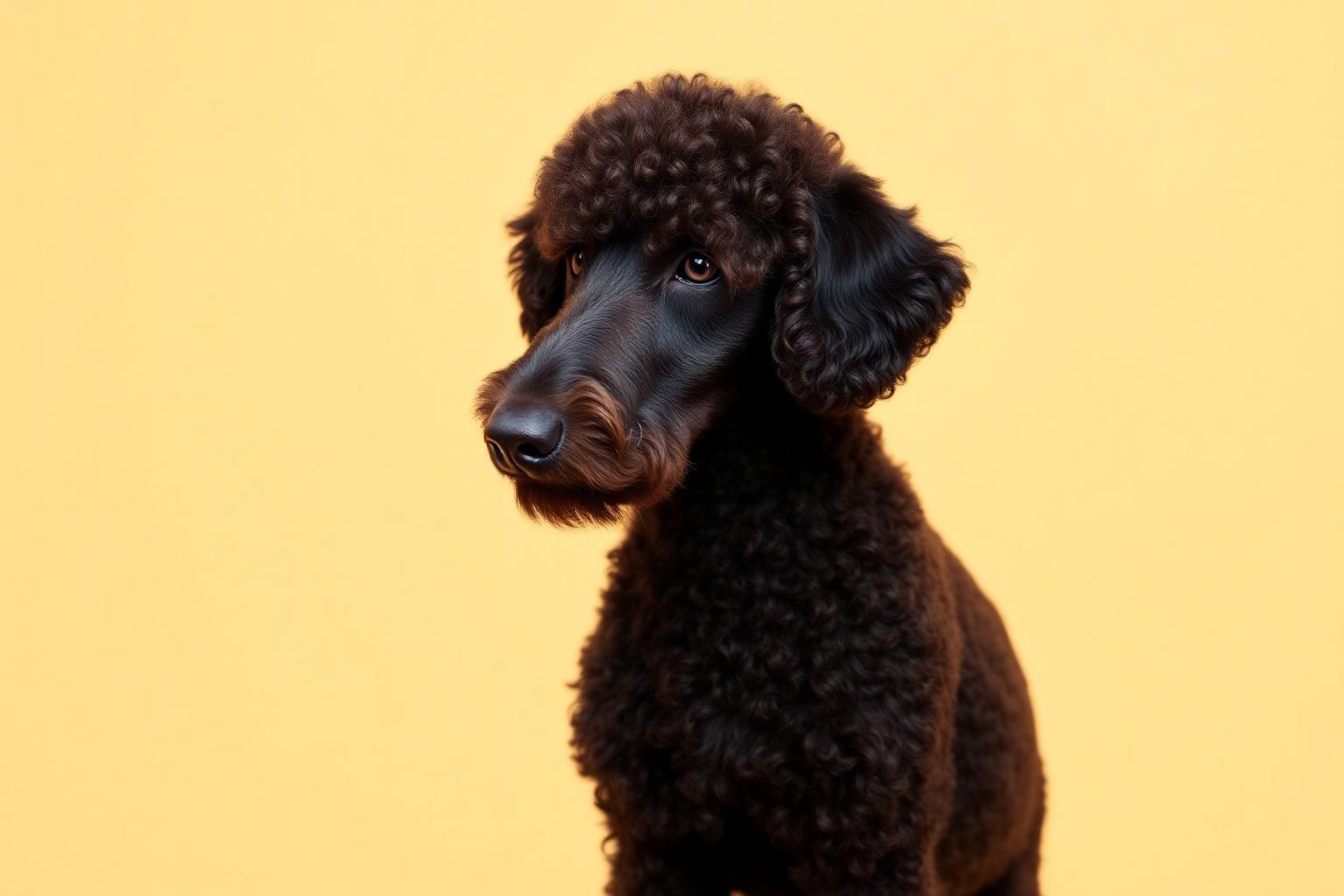
Poodle
9.5Intelligent, elegant and hypoallergenic. Available in several sizes to suit any home. Requires regular grooming.
 Hypoallergenic
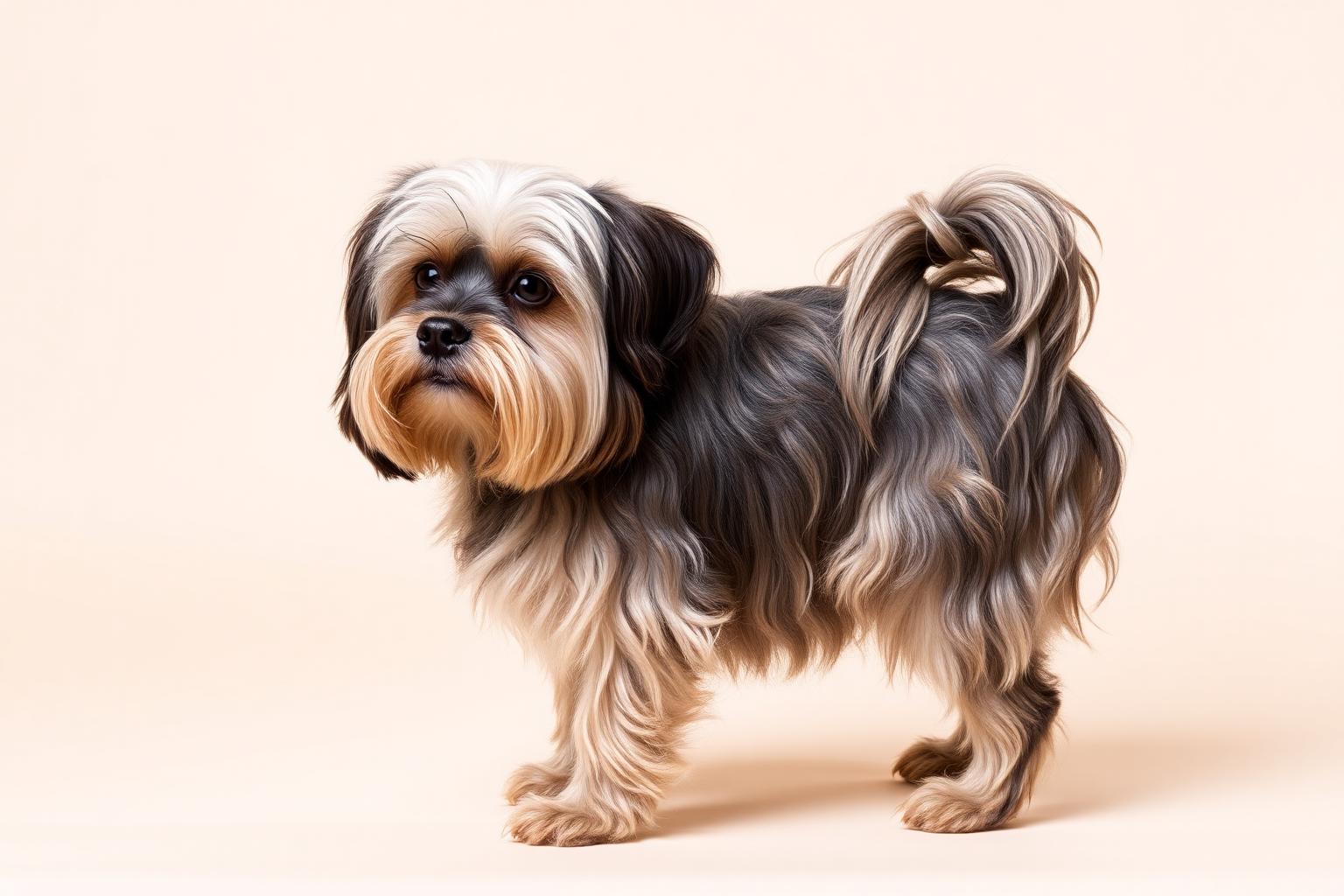
Havanese
7.5Small hypoallergenic, affectionate and adaptable. Excellent for apartment families.