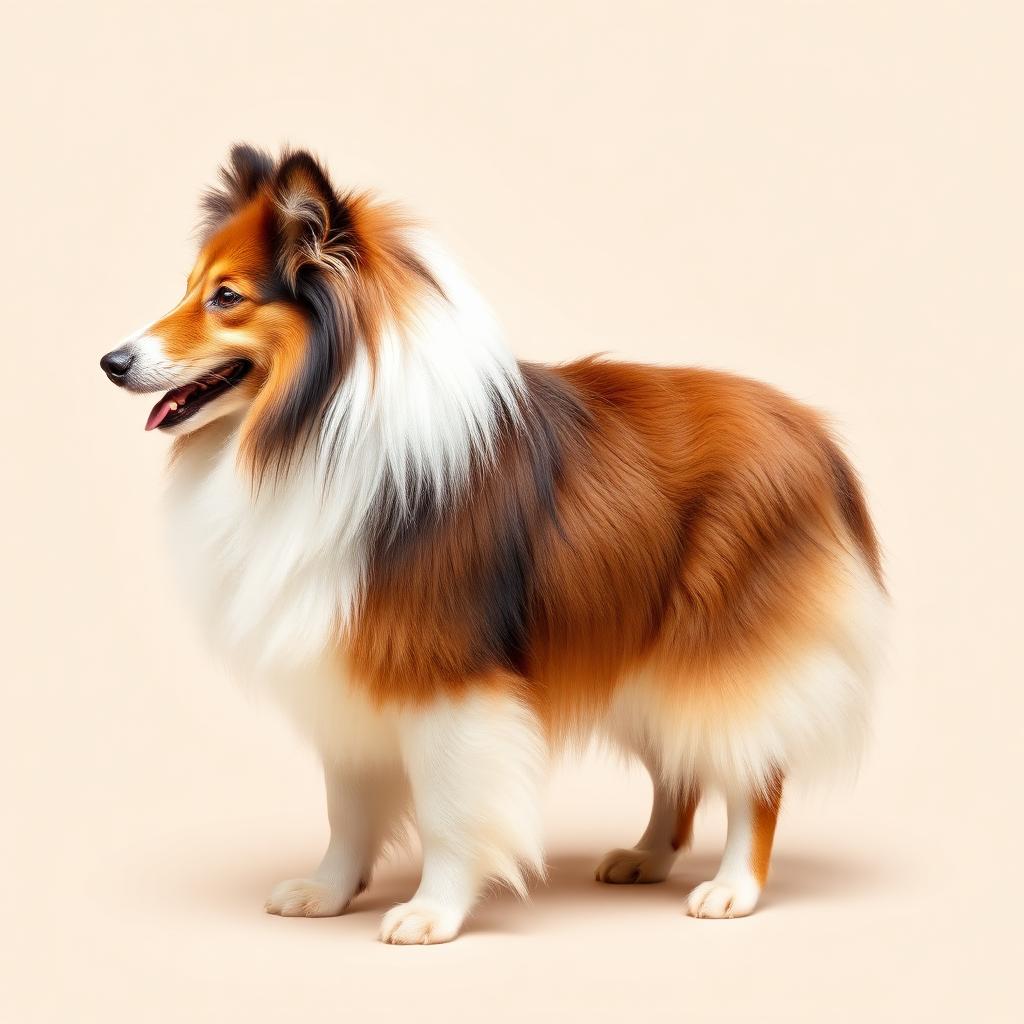
Shetland Sheepdog
"A lively spirit in small body, the ideal companion."
Overview
The Shetland Sheepdog, affectionately known as the Sheltie, is a fascinating dog breed that combines elegant beauty with outstanding intelligence and an affectionate temperament. Originating from the Shetland Islands of Scotland, this medium-small sized dog was originally bred for herding, which explains its wit, agility, and desire to work.
Its exquisite appearance, with a dense double coat and an alert expression, often leads to it being mistaken for a miniature version of the Collie. However, the Sheltie is distinguished by its unique personality. They are extremely loyal and devoted dogs to their family, forming deep bonds. Their sweet temperament generally makes them excellent with children and other pets, provided socialization is adequate from puppyhood. Nevertheless, their herding instinct may lead them to 'herd' smaller family members, which requires supervision. They are very sensitive dogs that respond best to positive training and a calm, consistent home environment.
Regarding their needs, the Shetland Sheepdog requires daily exercise to maintain its physical and mental balance. At least an hour of activity, including energetic walks and structured games, is essential. Their intelligence makes them greatly enjoy activities that challenge their minds, such as advanced training or canine sports like agility. A bored Sheltie can develop unwanted behaviors, such as excessive barking, which is a well-known characteristic of the breed and requires good training to manage. Coat care is also an important consideration; their dense double coat needs regular brushing (several times a week) to prevent tangles and maintain its splendor. Potential owners should be prepared for this grooming commitment.
The Shetland Sheepdog's health is generally good, with a lifespan of 12 to 14 years, but the breed is prone to certain genetic conditions such as Collie Eye Anomaly (CEA) and sensitivity to certain medications (MDR1). It is crucial to acquire puppies from responsible breeders who perform health tests on their breeding stock. For those seeking an intelligent, affectionate, and active companion, willing to invest time in their training, exercise, and care, the Sheltie is a wonderful choice that will enrich their lives with joy and unconditional loyalty. It is a dog that, though small in size, is giant in spirit and capability.
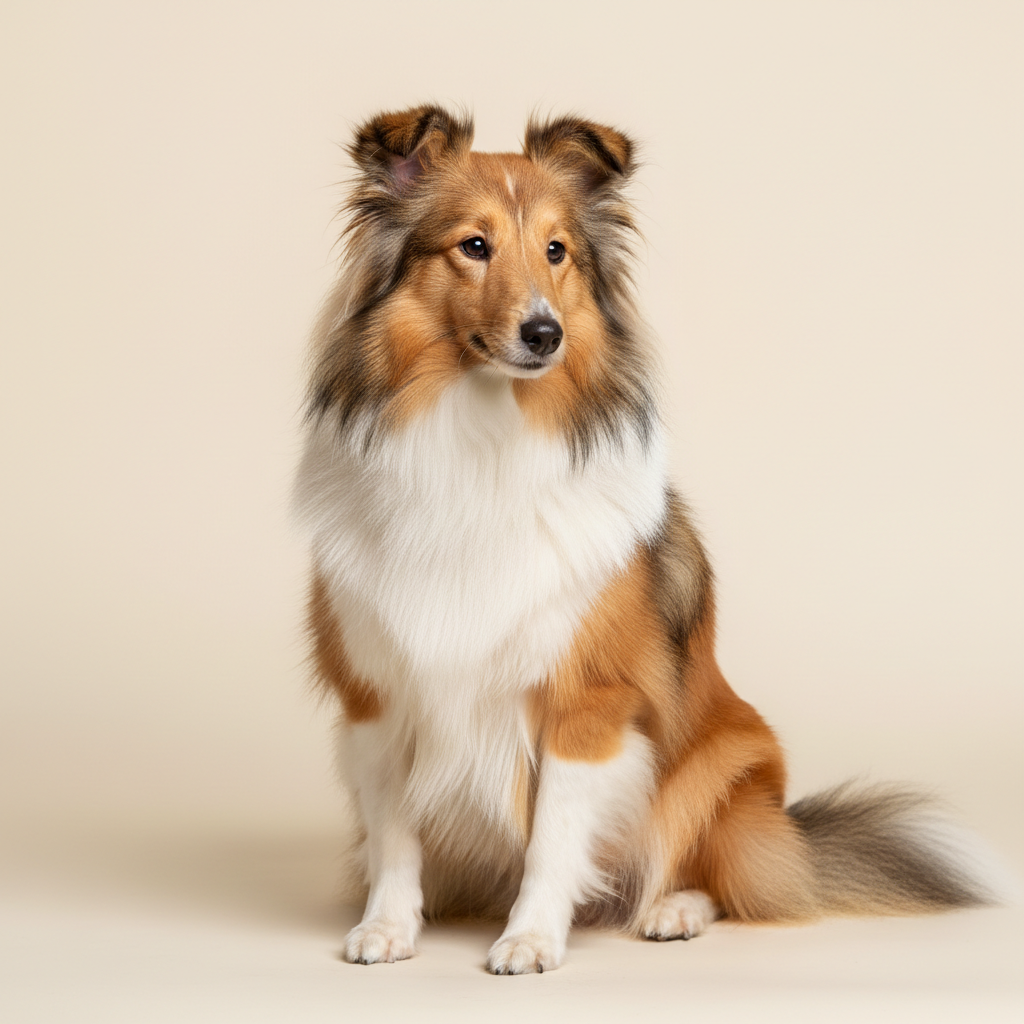
Key facts
- Size
- Small
- Weight
- 7–11 kg
- Life expectancy
- 12–14 years
- Daily exercise
- 75 min/day
- Estimated total
- 180€/month
- Country
- Reino Unido / United Kingdom
Character & temperament
The Shetland Sheepdog possesses an exceptionally sweet and affectionate temperament, making it an ideal companion for families or single individuals. They are renowned for their profound loyalty and devotion to their owners, often forming a very close bond with one particular person, though they are affectionate with the entire family. Their intelligence is outstanding, which greatly facilitates their training; they learn quickly and enjoy mental challenges. However, this intelligence also means they require constant stimulation to avoid boredom and the development of unwanted behaviors. They are alert and watchful, making them excellent guard dogs, always ready to announce any novelty with their characteristic bark. Although they may be reserved with strangers at first, once comfortable, they are usually friendly. They are not aggressive by nature, but their protective instinct can manifest. Their herding heritage endows them with high energy and a need for regular activity. They are not dogs that will spend the day lounging on the couch; they need walks, games, and opportunities to run and explore. A bored Sheltie can become destructive or develop excessive barking. They are sensitive to voice tones and the family environment, which means they respond best to positive and gentle training methods based on positive reinforcement. Harsh punishments or abruptness can damage their trust and spirit. In summary, they are extremely rewarding dogs for those who can dedicate time and love to them, offering unconditional friendship and a protective spirit.
Living with children
The Shetland Sheepdog is generally excellent with children, provided they are properly socialized as puppies and children are taught to interact with them respectfully. Their sweet and patient nature makes them tolerant and affectionate playmates. However, their herding instinct may occasionally manifest by trying to 'herd' younger children through gentle nudges or nips, especially if they are running or shouting. It is crucial to supervise initial interactions and teach children not to run in front of them or make sudden movements that might trigger this instinct. They are sensitive dogs, so they do not tolerate overly rough play or ear and tail pulling. Older, responsible children who understand how to treat a dog will find in the Sheltie a loyal friend and a tireless adventure companion. They enjoy participating in games of fetch, backyard agility, or simply snuggling for petting. Due to their size, they are less prone to accidentally knocking over a small child than larger breeds. Teaching children to be gentle and providing the dog with a safe space (like its bed or a quiet area) is essential. With proper guidance, the relationship between a Sheltie and the family's children can be one of the most rewarding and loving, marked by loyalty and mutual affection. They are a wonderful addition to an active family that can meet their exercise and mental stimulation needs.
With other pets
Shetland Sheepdogs generally get along well with other dogs and pets, especially if they have been socialized since puppyhood. Their sociable nature allows them to easily adapt to life in a household with multiple animals. With cats, coexistence is possible if introduced correctly and taught to respect each other, although their herding instinct might prompt them to try to 'herd' the cat initially. Supervision is required at the beginning. With small animals like rodents or birds, more caution is needed due to their prey drive, though it's not as pronounced as in other breeds. Overall, the Sheltie is an adaptable and good-natured companion that can integrate harmoniously into a multi-species home.
Health & prevention
The Shetland Sheepdog is generally a robust breed, with a life expectancy of 12 to 14 years. However, like many purebreds, they are predisposed to certain genetic conditions. One of the most well-known is Collie Eye Anomaly (CEA), a congenital eye disorder that can vary in severity from very mild to causing blindness. They are also prone to Progressive Retinal Atrophy (PRA) and other eye diseases. Hip and elbow dysplasia are not as common as in larger breeds, but can still occur. Skin conditions, such as skin allergies, are relatively frequent, often manifesting as itching or infections. Another important condition to be aware of is Multidrug Resistance 1 (MDR1) mutation, a genetic mutation that makes Shelties sensitive to certain medications, including some antiparasitics and anesthetics. It is vital for breeders to genetically test parent dogs to minimize the incidence of these conditions. A plan of regular veterinary check-ups, a balanced diet, and an active lifestyle are essential to keep the Sheltie in optimal health. With proper preventive care, this dog can enjoy a long and happy life.
Health risks
- •MDR1 mutation
- •Collie eye anomaly
- •Hypothyroidism
Care
Nutrition
The **Shetland Sheepdog's** diet should be high-quality, formulated for medium-sized breeds with moderate to high activity levels. It's crucial to choose kibble that lists animal protein as the first ingredient and includes healthy fats to help maintain skin health and the luster of its splendid coat. Portions should be adjusted to their age, weight, activity level, and individual metabolism to prevent overweight, which can lead to joint problems and health issues. Dividing the daily ration into two meals, morning and evening, helps prevent gastric torsion, although it is rare in breeds of this size. Always ensure fresh water is available. Occasionally, supplements for coat or joints can be offered, but always under veterinary supervision.
Grooming & hygiene
The **Shetland Sheepdog's** spectacular double coat requires **regular and thorough brushing** to keep it healthy and free of tangles and mats. Brushing 2-3 times a week is the minimum to prevent matting, especially behind the ears, on the tail, and on the 'trousers' of the hind legs. During shedding seasons, typically twice a year, brushing should be daily to remove dead undercoat and prevent accumulation. Use a pin brush and an undercoat rake. Baths should be given only when necessary, approximately every 2-3 months, using a dog-specific shampoo. Excessive bathing can dry out their skin and coat. Pay special attention to cleaning their ears and trimming their nails every 3-4 weeks. Although it's work, maintaining their coat is essential for their health and beauty.
Exercise & training
Exercise plan
Despite their size, the **Shetland Sheepdog** is an **energetic and active** breed that requires daily exercise to remain physically and mentally balanced. Ideally, they need at least **60 minutes of activity per day**, distributed among brisk walks, play sessions in the garden or park, and activities that stimulate their mind. They thoroughly enjoy fetch games, frisbee or ball tossing, and running in safe spaces. They are excellent candidates for canine sports such as **agility, flyball, or advanced obedience**, where they excel due to their intelligence and agility. A Sheltie that doesn't receive enough stimulation can become bored, develop destructive behaviors, or bark excessively. Walks in different environments are also beneficial for their socialization and to keep their minds active. Consistency and variety are key to keeping them happy and healthy.
Training
The **Shetland Sheepdog** is a **highly intelligent and eager-to-please** breed, which makes them relatively easy to train, even for first-time owners with proper guidance. They respond exceptionally well to **positive reinforcement-based training**, using treats, praise, and toys. They are sensitive to voice tones, meaning harsh methods or punishment are counterproductive and can cause them to withdraw. **Early socialization** is crucial to ensure they are well-adjusted and confident dogs with new people, places, and animals. Puppy classes are highly recommended. Given their intelligence, Shelties thrive on **continuous training and mental challenges**. Beyond basic obedience, they enjoy activities like agility, advanced obedience, or tricks. Keeping training sessions short, fun, and varied is key to maintaining their interest. Their herding instinct may manifest, so it's important to teach a solid recall and boundaries with children or pets they might try to 'herd'.
Monthly cost
Their maintenance is moderate, requiring quality nutrition for their coat and potential investment in professional grooming if at-home brushing isn't mastered.
Estimate for Spain, healthy adult dog. Varies by region and provider.
Pros & cons
Pros
- ✓Extremely intelligent, easy to train, and learns quickly.
- ✓Very loyal and affectionate with its family, forms strong bonds.
- ✓Excellent watchdog, alert and protective without being aggressive.
- ✓Manageable size, suitable for various types of homes.
- ✓Great companionship and willingness to participate in family activities.
Cons
- !Needs a lot of mental and physical stimulation to avoid boredom.
- !Tendency to bark excessively if not trained or bored.
- !Requires regular and thorough brushing due to its double coat.
- !Can be reserved with strangers if not well socialized.
- !Its herding instinct may manifest by chasing or 'herding' children or pets.
Ideal for
- • Active families with older, responsible children.
- • People who enjoy training and canine sports.
- • Households looking for a watchdog that is also an affectionate companion.
- • Owners willing to commit to regular coat brushing.
Not recommended for
- • Sedentary people or those with little time for daily exercise.
- • Families who cannot tolerate barking or are unwilling to train to control it.
- • Those looking for a "low-maintenance" dog in terms of coat care.
- • Households where the dog will spend many hours alone without stimulation.
How it fits each scenario
Yes, the Sheltie can live in an apartment if provided with sufficient daily exercise and mental stimulation. A secure balcony and regular walks are key.
A home with a fenced garden is ideal for the Sheltie, allowing them to burn energy. However, they should not live solely in the garden; they need companionship.
Their double coat makes them unsuitable for very hot climates. They will need access to air conditioning, shade, and avoidance of exercise during the hottest hours.
The Sheltie is well-suited to cold climates thanks to its dense double coat. They enjoy the outdoors but should always have a warm shelter.
Coexistence can be challenging due to their herding instinct and sensitivity. It requires constant supervision and education for both the dog and the child.
They are excellent companions for school-aged children who understand how to interact respectfully with a dog. They enjoy games and interaction.
Yes, with a firm commitment to positive training and socialization, a first-time owner can successfully manage a Sheltie.
Experienced owners will appreciate their intelligence and versatility in canine sports and advanced training. They can maximize their potential.
Absolutely ideal. The Sheltie thrives in an active family that provides plenty of exercise, adventure, and mental stimulation.
Not the best option. A very busy family won't be able to dedicate the necessary time for exercise, training, and grooming, which can lead to problems.
The Sheltie sheds quite a bit, especially during shedding season, and is not considered a hypoallergenic breed. It is not suitable for people with allergies.
This is a moderate-cost breed. The main expenses will be quality food, grooming, and potential veterinary treatments for genetic conditions.
Origin & history
Hailing from the rugged Shetland Islands in Scotland, this dog was bred to herd sheep, ponies, and poultry. Their reduced size was the result of food scarcity in a harsh climate, favoring small but tireless dogs. In the late 19th and early 20th centuries, breeders began refining the breed, crossing them with Rough Collies to establish aesthetic and temperamental characteristics. It was officially recognized as a breed in 1914, solidifying its place as an exceptionally intelligent herding and companion dog.
The Shetland Sheepdog is so intelligent that it's one of the top-performing breeds in canine sports like agility and obedience, proving that intelligence doesn't depend on size!
Frequently asked questions
Do Shetland Sheepdogs bark a lot?▾
Yes, Shetland Sheepdogs are known for being **quite vocal dogs**. Their herding and watchdog instincts make them alert to any novelty or stranger, and they can also bark out of boredom, loneliness, or to seek attention. Good education from puppyhood is crucial to manage this behavior. With positive training and sufficient exercise and mental stimulation, their barking can be controlled, but they will never completely lose some propensity for it.
Are Shetland Sheepdogs good for apartment living?▾
Yes, Shelties can adapt well to apartment living, as long as their exercise and stimulation needs are rigorously met. They are not dogs that require a huge garden, but they do need **several energetic daily walks and play sessions** to burn off their energy. Additionally, their intelligence demands **mental games and regular training**. If their needs are ignored, they can develop destructive behaviors or excessive barking, which is not ideal in an apartment setting.
Do Shetland Sheepdogs need a lot of exercise?▾
Although small, Shetland Sheepdogs are **active and athletic dogs** with a herding heritage, so yes, they need a considerable amount of exercise. At least **60 minutes of daily physical activity** are recommended, which can include brisk walks, park play, and structured game sessions. They also greatly enjoy mental activities like agility or obedience. Exercise for this intelligent breed is not only physical but also mental.
Are Shetland Sheepdogs good for first-time owners?▾
Yes, Shetland Sheepdogs can be an excellent choice for first-time owners, provided they are willing to commit to their training, socialization, and coat care needs. They are **very intelligent and eager to please**, which facilitates the training process. Their affectionate and loyal nature makes them rewarding companions. However, their **tendency to bark and their need for stimulation** must be considered by an inexperienced owner.
Do Shetland Sheepdogs require a lot of coat maintenance?▾
Yes, the **Shetland Sheepdog has a dense, long double coat** that requires regular maintenance. **Brushing 2 to 3 times a week** is necessary to prevent tangles, mats, and maintain skin health. During shedding season, this brushing should be daily. Without proper care, their coat can become matted and cause skin problems, so it's an important consideration before getting one.
Are Shetland Sheepdogs hypoallergenic?▾
No, Shetland Sheepdogs are **not considered a hypoallergenic breed**. Although it's not the fur itself that causes allergies, but rather dead skin cells (dander) and proteins in saliva and urine, Shelties have a double coat that sheds quite a bit, especially during shedding seasons. This can release a greater amount of allergens into the environment. People with severe allergies should consider other breeds.
How often should a Sheltie visit the vet?▾
A Shetland Sheepdog puppy will need several visits for its initial vaccinations and deworming. Once adult, an **annual veterinary check-up** is recommended to keep vaccinations up-to-date, monitor weight, perform deworming, and general health checks. From 7-8 years of age, biennial or annual check-ups with blood tests can help detect age-related health issues early. Prevention is key for a long and healthy life.
What is the main difference between a Sheltie and a Rough Collie?▾
The main difference between a Sheltie and a Rough Collie lies in their **size and weight**. The **Sheltie is notably smaller**, often described as a "miniature Collie," though they are distinct breeds. Shelties typically weigh between 6 and 12 kg, while Rough Collies can weigh between 18 and 34 kg. While they share similarities in appearance and some temperament traits, their original purposes and size clearly distinguish them.
Similar family-friendly breeds
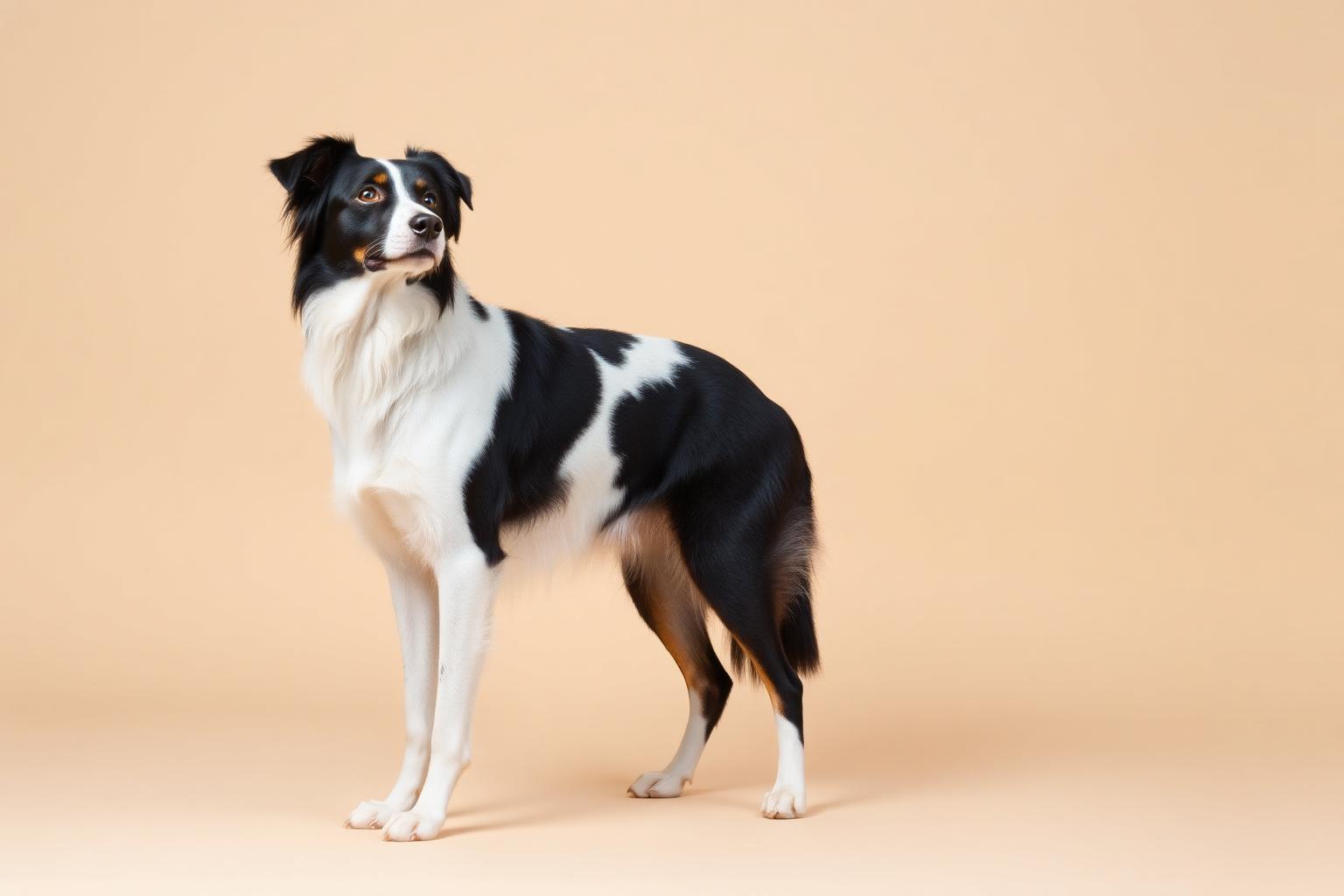
Border Collie
7.5The smartest of them all. Only for very active, experienced families. Without a job, becomes destructive and frustrated.
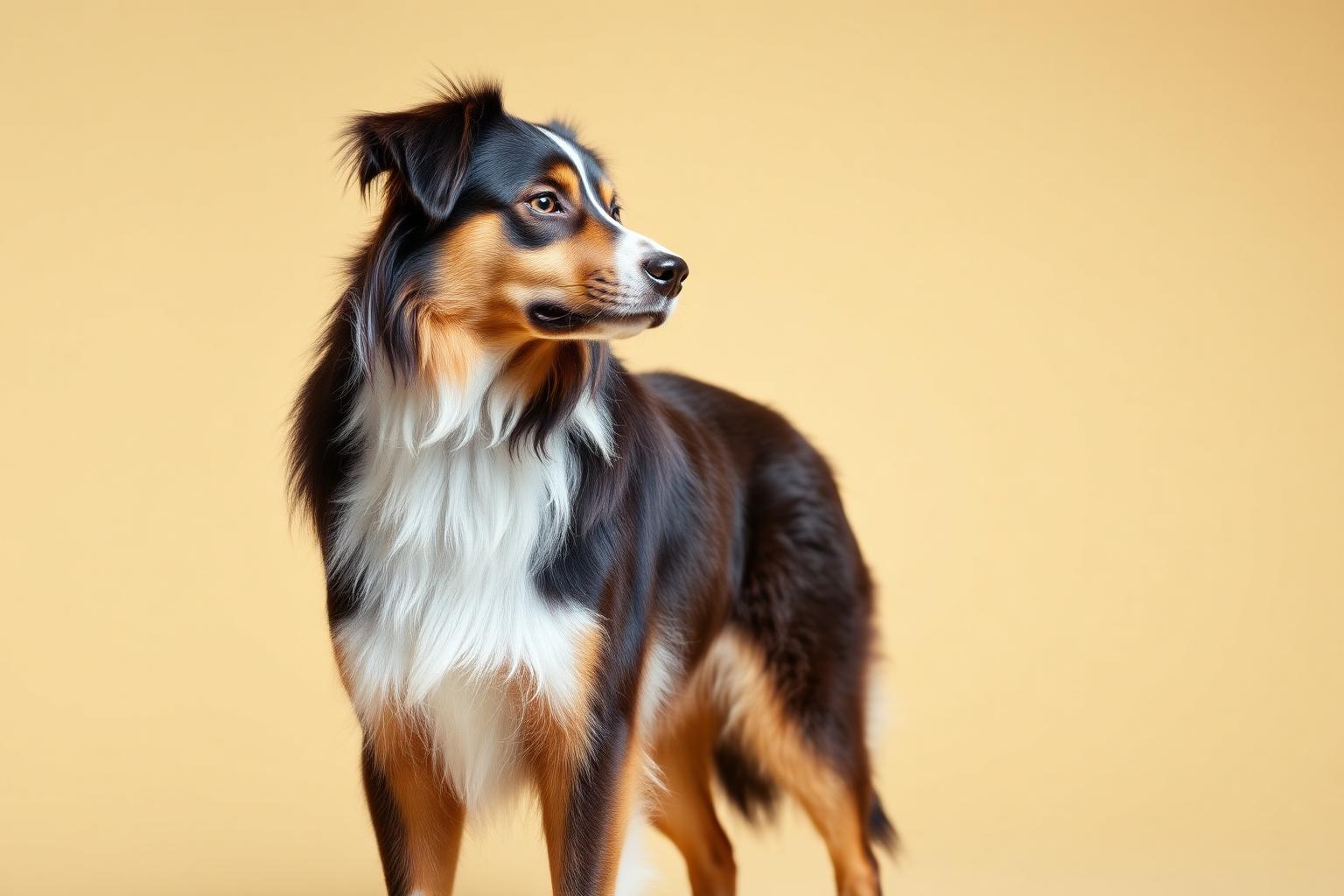
Australian Shepherd
6.8Brilliant and affectionate. Needs a job or a dog sport — gets bored and destructive without one.

Cavalier King Charles Spaniel
9.3Affectionate, sociable and perfect for small apartments. Adapts to the household's rhythm and loves company.