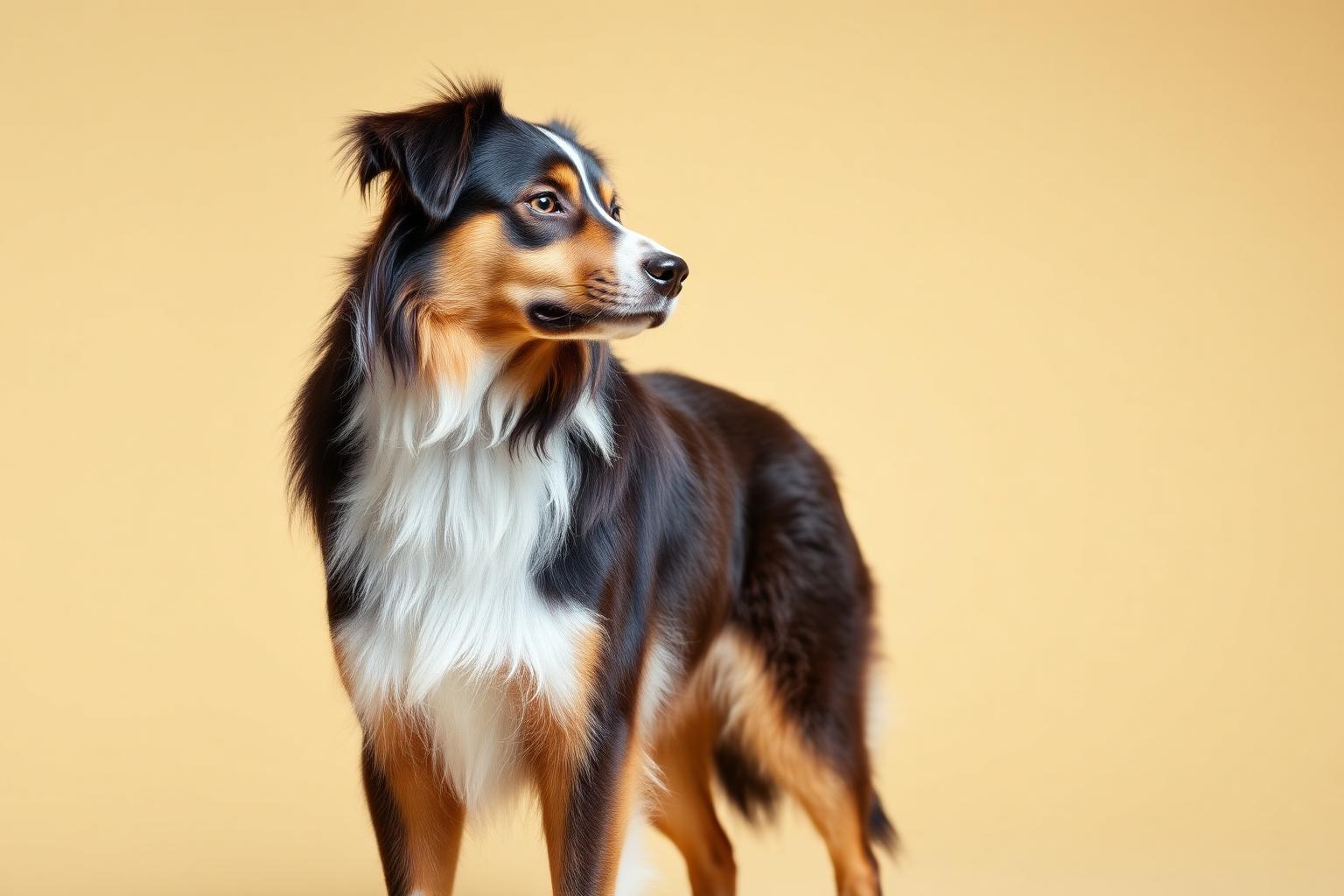
Australian Shepherd
"A brilliant workaholic shadow that thrives on adventure and family loyalty."
Overview
The Australian Shepherd is a high-performance athlete wrapped in a stunning, multicolored coat. Far from being a quiet pet, this breed is a true "workaholic" that requires a clear mission to remain balanced within the home. Known as "velcro dogs," they form intense bonds with their owners and will follow you from room to room. However, this loyalty comes with a price: the Aussie cannot handle isolation or a sedentary lifestyle. Without daily mental stimulation and vigorous exercise, they can become anxious and develop destructive behaviors.
For families with children, their heritage as herding dogs brings a specific challenge. While they are protective and playful, their instinct to control movement often leads them to "herd" running children by nipping at their heels. This is especially prevalent with toddlers; therefore, supervision is mandatory. They excel with older children who can participate in their training or dog sports like agility. Their intelligence is legendary, often outsmarting novice owners, so they require a consistent leader who sets clear boundaries.
Maintenance and health are significant factors for this breed. Their thick double coat needs frequent brushing to manage the constant shedding and prevent painful mats. A critical concern is the MDR1 gene mutation, which can make them hypersensitive to common medications; always ensure your breeder provides health clearances. While they are robust, potential costs for high-quality nutrition and preventive care for hip dysplasia make them a mid-to-high investment. If you have an active lifestyle and plenty of time, this shepherd will be your most devoted partner.
Key facts
- Size
- Large
- Weight
- 16–32 kg
- Life expectancy
- 12–15 years
- Daily exercise
- 120 min/day
- Estimated total
- 190€/month
- Country
- USA / Spain / Australia
Character & temperament
The Australian Shepherd is defined by its 'workaholic' nature. They are exceptionally smart and possess an intense drive to please their owners, but they are not mindless followers. An Aussie thinks for itself and will often find the most efficient (or mischievous) way to complete a task. In the home, they are affectionate and deeply attached, earning their reputation as 'velcro dogs.' They don't just want to be near you; they want to be involved in whatever you are doing.
With strangers, they tend to be reserved and observant. They are not the type of dog to run up and lick every newcomer; they prefer to sit back and assess the situation before offering their friendship. This makes them excellent watchdogs, as they are naturally protective of their territory and family. However, without proper socialization as puppies, this natural caution can turn into shyness or over-reactivity, so exposing them to different people and environments early on is non-negotiable.
Towards their primary owner, the Aussie is intensely loyal. They form a profound bond and are highly sensitive to their owner's moods and tone of voice. This sensitivity makes them a dream to train but also means they can become stressed in high-conflict households. They crave direction and leadership; if you don't provide it, they will happily take charge of the household themselves. Living with an Aussie is a true partnership that requires mutual respect and a constant engagement of their formidable brain.
Living with children
The Australian Shepherd is a devoted family protector, but their relationship with children depends heavily on the child's age and the dog's training. With school-aged children (6-12) and teenagers, they are spectacular companions. They will play fetch for hours, participate in backyard games, and act as a watchful guardian. Their high energy matches that of active kids, and they can even learn to walk nicely on a leash with an older child who understands the rules. They thrive when they feel like part of the 'kids' pack.'
However, with toddlers and very small children (under 5), caution is required. The Aussie’s heritage as a herding dog means they are hardwired to control movement. If a toddler runs, screams, or moves erratically, the Aussie may instinctively try to 'herd' them by nipping at their heels or bumping into them. This isn't aggression, but it can be frightening and cause falls. Parents must be diligent in teaching the dog that 'children are not sheep' and ensuring the kids respect the dog's space. Supervision is mandatory to manage these natural instincts.
With other pets
Generally, Aussies coexist well with other dogs, especially if they share a similar energy level. They usually establish a clear hierarchy quickly. Regarding cats, they can live peacefully together if socialized early, though the 'herding' instinct may occasionally result in the dog trying to boss the cat around. With smaller pets like rabbits or hamsters, their prey drive is relatively low compared to terriers, but their desire to control movement can still cause stress to the small animal. Always supervise initial introductions and provide the cat with high perches to escape the dog's 'supervision.'
Health & prevention
The Australian Shepherd is a robust working breed, but they carry specific genetic risks that every owner must know. The most critical is the MDR1 (Multi-Drug Resistance) gene mutation. Dogs with this mutation can have fatal reactions to common veterinary medicines, including some dewormers and anesthetics. Always ask your breeder for MDR1 test results. Additionally, hip and elbow dysplasia are prevalent, so maintaining a lean weight and avoiding high-impact jumping during puppyhood is vital for joint health.
Ocular issues are also a concern, including Hereditary Cataracts and Collie Eye Anomaly (CEA). 'Merle-to-merle' breeding is a strict 'no-go' as it often results in 'Double Merle' puppies who are frequently blind or deaf. Regular annual eye exams by a specialist and staying up-to-date on cardiac screenings will ensure your Aussie stays in peak condition for their 12-15 year lifespan. Prevention through genetic screening is much cheaper and more humane than treating these conditions later.
Health risks
- •MDR1 mutation
- •Hip dysplasia
- •Retinal atrophy
Care
Nutrition
An active Aussie needs high-quality fuel. For a 25kg adult, expect to feed 300-400g of premium dry kibble daily, split into two meals. Look for recipes high in animal protein and healthy fats (Omega-3 and 6) to support their intense energy levels and maintain that iconic coat shine. Because they are prone to hip issues, avoid overfeeding; you should always be able to feel their ribs. If your dog is a 'working' dog or doing agility, they may require a specific performance formula with higher caloric density to prevent muscle wasting.
Grooming & hygiene
The Australian Shepherd has a weather-resistant double coat that requires brushing at least 2-3 times a week to manage shedding and prevent mats. During shedding season (spring and fall), daily brushing is mandatory. They do not require frequent baths—only when truly dirty—and their hair should never be shaved as it protects them from both heat and cold. Professional grooming every 8-12 weeks for a 'neat up' of the paws, ears, and sanitary areas is recommended. Expect a lot of hair in your home; a high-quality vacuum is a necessary investment.
Exercise & training
Exercise plan
Weekly Plan: Mon-Fri: 45 min morning run + 30 min 'mental work' (nose work or trick training) + 45 min evening hike. Weekend: High-intensity hiking, Agility training sessions, or Herding trials (3+ hours/day). This dog needs a 'job' like fetching the mail or cleaning up toys to feel tired. Walking on a leash around the block is not enough; they need off-leash running and cognitive challenges to prevent anxiety and neurosis.
Training
Aussies are among the most trainable dogs in the world, often learning new commands in fewer than five repetitions. They respond best to positive reinforcement and 'clicker training.' However, the challenge isn't making them understand—it's keeping them interested. Repeating the same 'sit' ten times will bore them; they need complex multi-step tasks, agility courses, or scent work. Be aware of their 'independent streak'; they may ignore a command if they think they have a better idea. Spend 20 minutes daily on 'brain games' to keep them balanced. Without training, their herding instinct will take over, leading them to chase cars, bikes, or running children.
Monthly cost
Estimate for a healthy 25kg adult. Costs include high-quality performance kibble, professional grooming every 8 weeks, and basic health insurance for working breeds.
Estimate for Spain, healthy adult dog. Varies by region and provider.
Pros & cons
Pros
- ✓Highly intelligent and incredibly easy to train for complex tasks.
- ✓Deeply loyal 'velcro dog' that forms a strong family bond.
- ✓Versatile athlete capable of excelling in any outdoor activity.
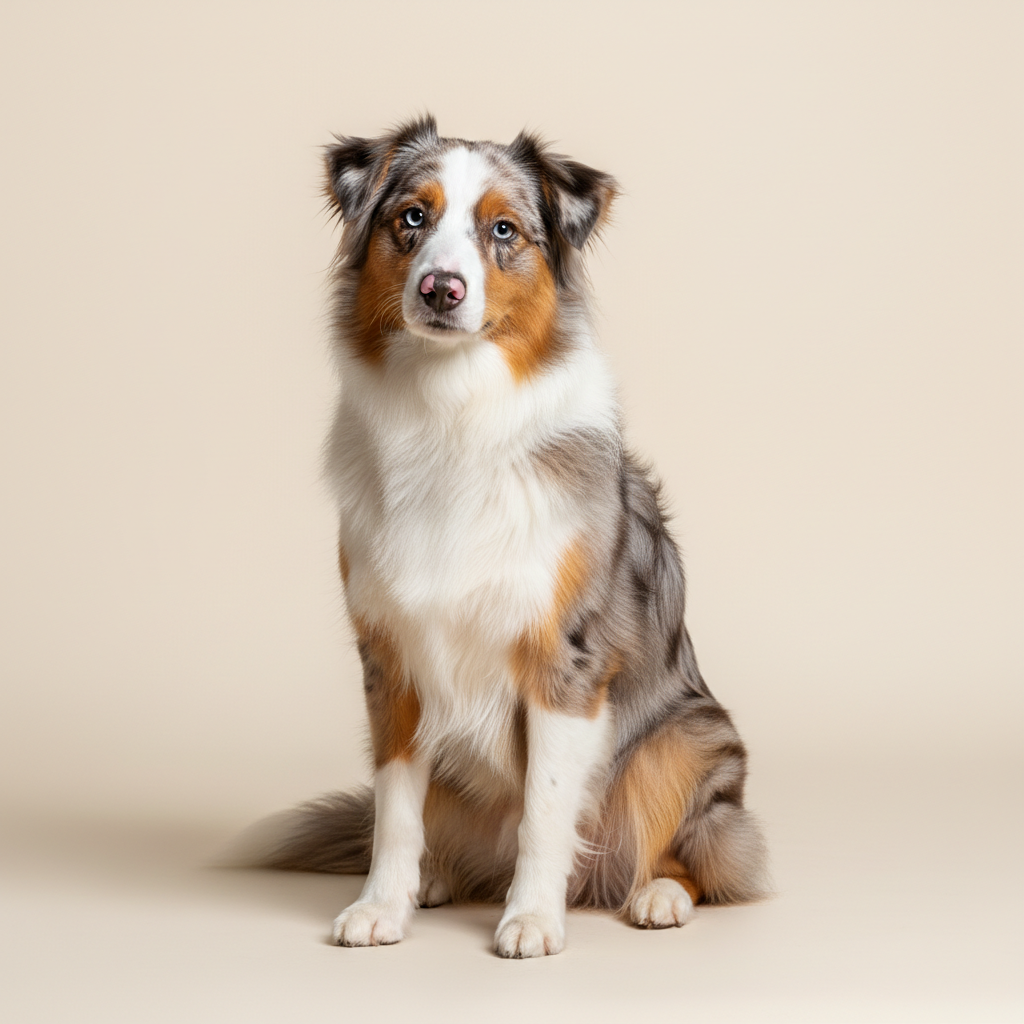
- ✓Distinctive, beautiful appearance with unique coat patterns and eye colors.
- ✓Natural protective instinct makes them excellent home guardians.
Cons
- !Requires intense physical and mental stimulation daily or becomes destructive.
- !High shedding, especially during seasonal changes, requiring frequent vacuuming.
- !Strong herding instinct may lead to nipping at the heels of children or guests.
- !Prone to separation anxiety if left alone for long workdays.
- !Potential for serious drug sensitivities due to the MDR1 gene mutation.
Ideal for
- • Marathon runners or hikers looking for a tireless partner.
- • Families with school-aged children interested in dog sports.
- • People living in rural areas with plenty of open space.
- • Owners dedicated to daily advanced obedience or agility training.
Not recommended for
- • Sedentary people or those living in small apartments without outdoor time.
- • Families who are away from home for more than 5-6 hours a day.
- • First-time owners who are not prepared for a 'pushy' and smart dog.
How it fits each scenario
Possible only with 2-3 hours of outdoor activity daily, otherwise, they will 'redecorate' your sofa.
Ideal, provided the garden is a place for play and not just a 'prison' for them to bark at fences.
Manageable, but they struggle in high humidity and midday heat; exercise during cool hours.
Excellent; their thick double coat protects them perfectly in snow and mountain cold.
Caution needed; their instinct to 'heel-nip' can frighten small children who run and scream.
Fantastic playmates who will keep up with every game, though they might try to 'herd' the group.
A risky choice; their intelligence allows them to outsmart and manipulate novice owners easily.
Highly recommended; you will appreciate their intellect and push their potential to the limit.
The perfect partner for mountain bikers or marathon runners who want a shadow.
Not recommended; a bored Aussie is a destructive and loud Aussie.
A nightmare for allergy sufferers; they shed double-layered clouds of fur constantly.
Mid-to-high cost due to food intake, grooming needs, and potential genetic health testing.
Origin & history
Despite its misleading name, the Australian Shepherd as we know it today was developed in the United States. Its ancestors were likely herding dogs from the Basque region of Spain. These shepherds traveled to Australia with their flocks and then eventually to California in the 1800s. American ranchers were impressed by the versatile, hardworking dogs that accompanied them and refined the breed to handle the rugged conditions of the American West. They became cultural icons through their appearances in rodeos and films, proving their incredible trainability. Today, while still used for livestock, they are world-class competitors in dog sports.
Despite the name, the breed was perfected in the United States to work on ranches. Their 'Australian' name likely comes from the Basque shepherds who traveled from Australia to America with their dogs.
Frequently asked questions
How much does an Australian Shepherd puppy cost in Spain?▾
In Spain, expect to pay between €1,200 and €2,000 for a puppy from a reputable breeder who performs genetic testing (MDR1, Hips, Eyes). Avoid 'cheap' puppies, as the medical costs of poor breeding will triple that price quickly.
Is the Australian Shepherd hypoallergenic?▾
Absolutely not. Aussies are heavy shedders with a thick undercoat. They produce plenty of dander and will leave hair on every surface of your home, making them unsuitable for allergy sufferers.
Is it a good dog for first-time owners?▾
While highly intelligent, they are not 'easy' for beginners. They require consistent leadership and constant mental stimulation. A novice owner may find themselves overwhelmed by the dog's energy and manipulative intelligence.
How much exercise do they really need?▾
Ideally, an Aussie needs at least 2 hours of active exercise daily. This must include 'brain games.' If they don't have a job, they will find one—usually involving chewing your furniture or barking at shadows.
Do Australian Shepherds bark a lot?▾
They can be vocal. They often bark to alert you of strangers or out of excitement during play. Proper training from puppyhood is essential to prevent them from becoming nuisance barkers.
What are the main health problems?▾
They are generally healthy but MUST be tested for the MDR1 gene mutation, which makes certain drugs (like some flea meds) toxic. Hip dysplasia and hereditary eye issues are also common in the breed.
What is their life expectancy?▾
With proper care, a high-quality diet, and regular exercise, they typically live between 12 and 15 years. Keeping them lean and mentally engaged is key to a long, healthy life.
Are they safe with small children?▾
They are great with kids but have a 'herding' instinct. They may nip at heels to move children around. They are best for active children over 6 who can participate in their training.
Similar family-friendly breeds
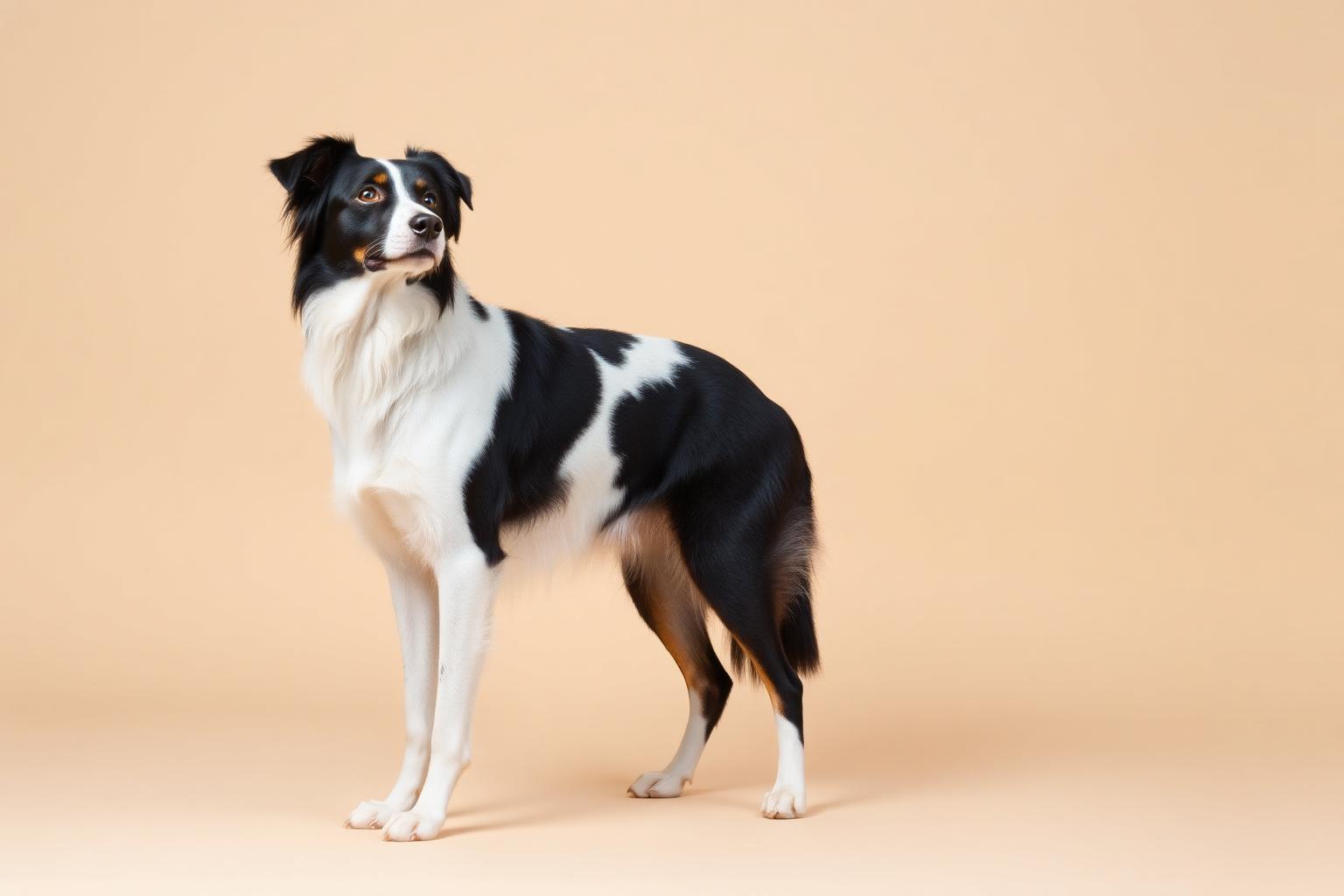
Border Collie
7.5The smartest of them all. Only for very active, experienced families. Without a job, becomes destructive and frustrated.
Australian Shepherd
6.8Brilliant and affectionate. Needs a job or a dog sport — gets bored and destructive without one.
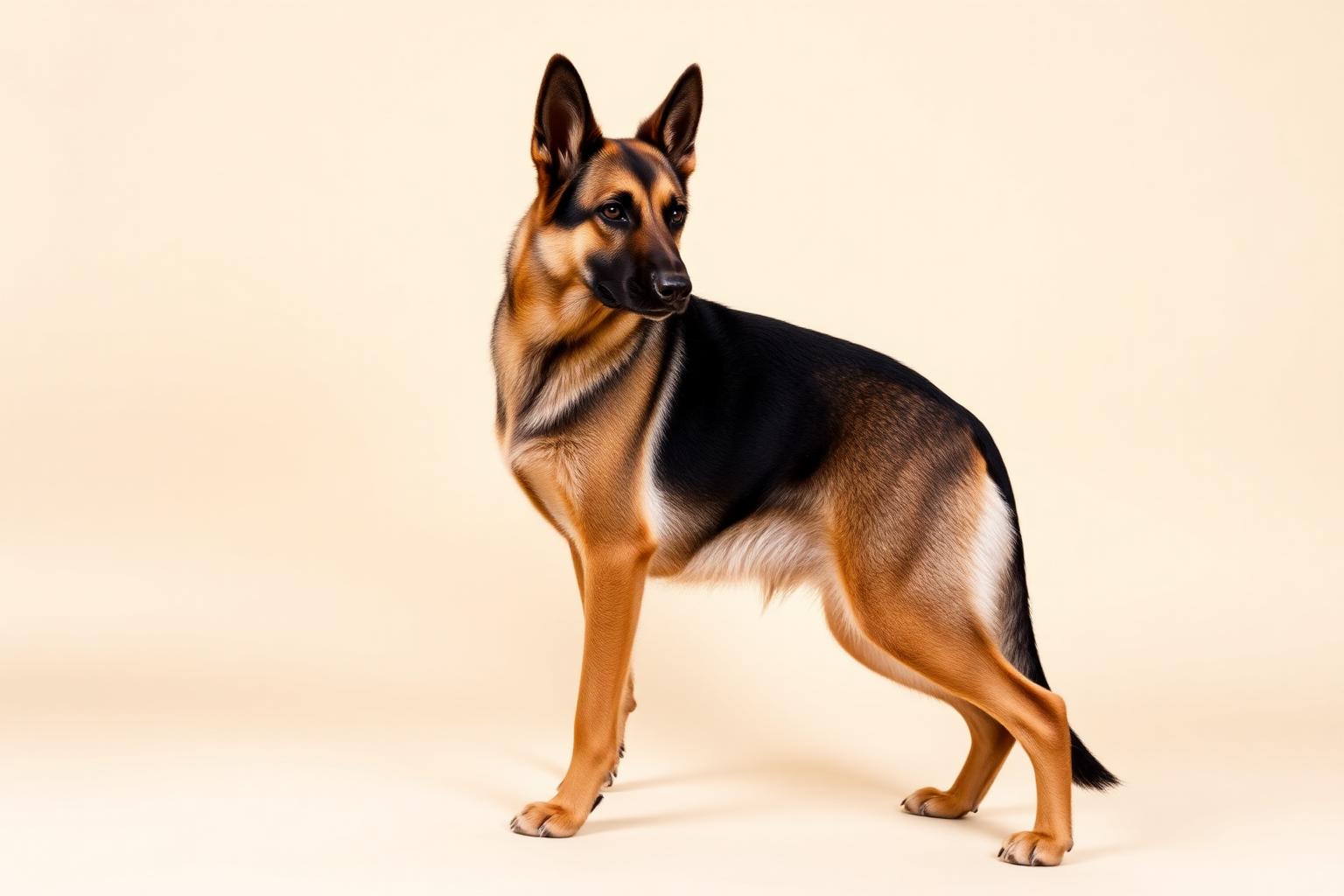
German Shepherd
6.9Intelligent and protective. Needs early socialization and constant mental work.