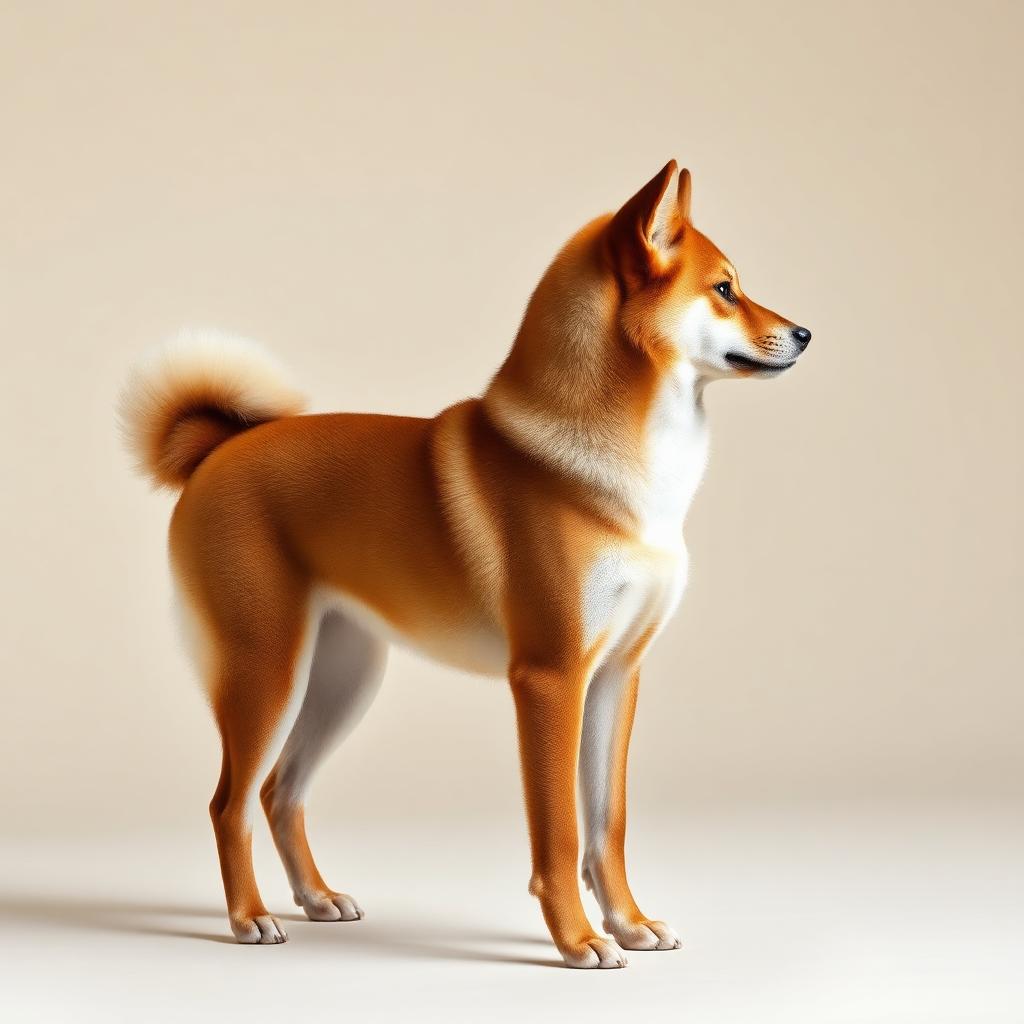
Shiba Inu
"Independent, loyal, strong-willed: the Shiba Inu is unique."
Overview
The Shiba Inu is a small to medium-sized Japanese breed, known for its distinctive appearance and unique character. Originally bred for small game hunting, this dog possesses an independent and cunning personality, making it a fascinating companion for the right owners. Shiba Inus are intelligent but also stubborn, requiring patient, consistent, and positive reinforcement-based training. Early socialization is crucial to ensure they grow into well-adjusted dogs with strangers and other pets, although their strong prey drive means they should always be leashed in open or uncontrolled spaces. Their cat-like cleanliness and charming double coat are appreciated traits, but their seasonal shedding is intense and requires frequent brushing.
Regarding Shiba Inu health, they are generally robust and can live up to 15 years. However, they are predisposed to skin allergies, patellar luxation, and occasionally hip dysplasia or eye problems. High-quality nutrition and regular vet visits are essential for their well-being. Daily exercise is fundamental for this energetic breed, with at least two vigorous walks and time for interactive games. A bored Shiba Inu can become destructive. Coexistence with children must be managed carefully; they are more suitable for families with older, respectful children who understand their boundaries and need for space, with constant supervision of interactions always being preferable. Shiba Inus are not for first-time owners but for those with experience who can understand and guide their complex yet loyal personality.
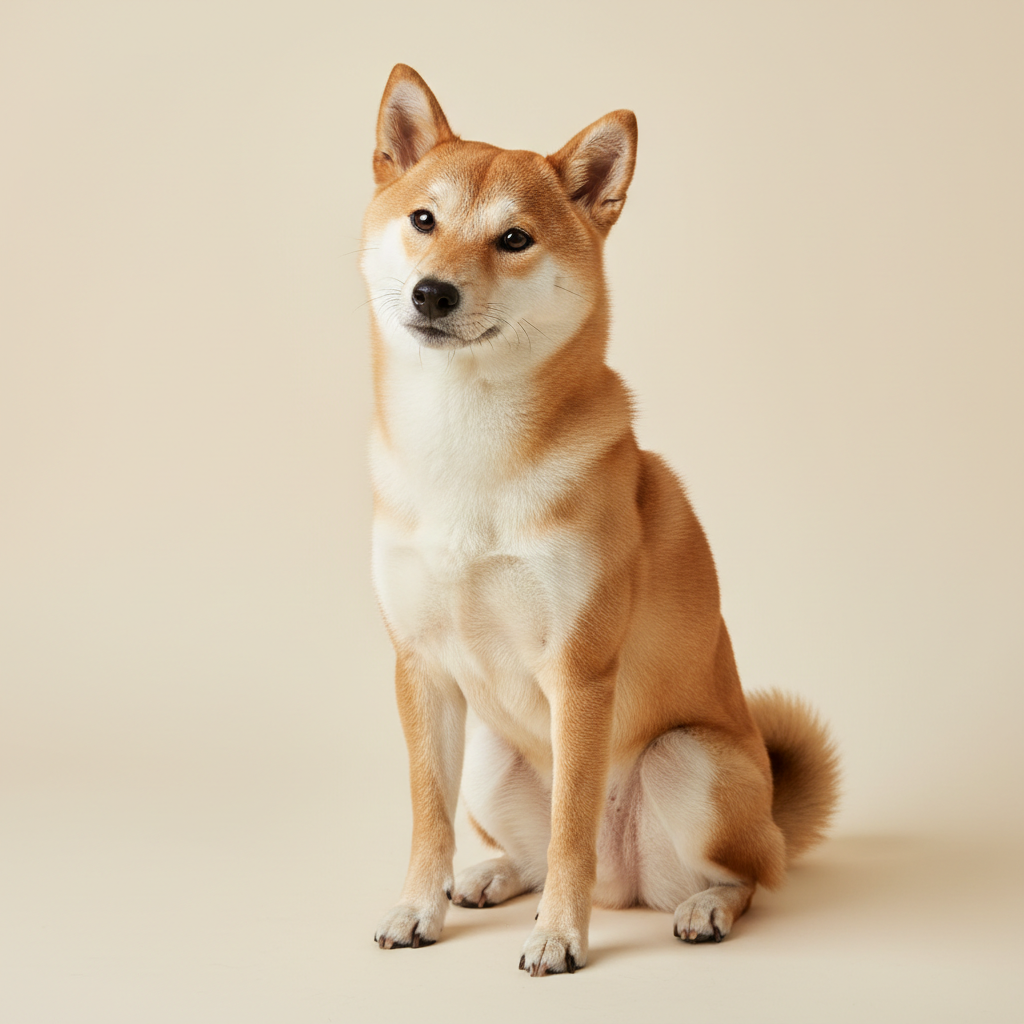
Key facts
- Size
- Small
- Weight
- 8–11 kg
- Life expectancy
- 12–15 years
- Daily exercise
- 60 min/day
- Estimated total
- 125€/month
- Country
- Japón / Japan
Character & temperament
The Shiba Inu's personality is, without a doubt, its most distinctive trait and often the one that determines if it's the right dog for a family. They are dogs with high intelligence and cunning, which allows them to learn quickly, but also means they can be stubborn if they don't see a clear benefit in obeying. Their independence is notable; they often behave like cats, enjoying their own space and deciding when they want affection. Don't expect a lap dog that constantly seeks petting. However, they are extremely loyal to their family, whom they will bravely protect if they perceive a threat. They can be somewhat aloof with strangers, observing them cautiously before accepting them. They have a strong prey drive, so small moving objects (like rodents, cats, or even bicycles) can trigger an impulsive chase. This characteristic makes it imperative to always walk them on a leash and have a very secure yard. They are clean and fastidious dogs, often grooming themselves like cats. They are also known for vocalizing: the famous 'Shiba scream' is memorable, although they can also growl, whine, and 'talk' to express their displeasure or joy. They are energetic dogs that need daily mental and physical stimulation to prevent boredom, which often translates into destructive behaviors. A bored Shiba is a mischievous Shiba.
Living with children
The coexistence of a Shiba Inu with children is a topic that requires special attention and a good deal of preparation. While not inherently aggressive, their independent nature and their tolerance threshold for handling can be low, especially with young children who have not yet learned to interact respectfully with a dog. A Shiba often prefers its personal space and may react if it feels harassed or if a child abruptly invades its comfort zone. It is crucial to teach children from a very young age how to approach, touch, and play with the Shiba appropriately, always under adult supervision. The dog should also have been properly socialized with children since puppyhood to accustom it to their presence and noises. With older, respectful children, a well-trained and socialized Shiba can be a playful and loyal companion. They enjoy interactive games and can be very protective of 'their' children. However, interaction between a Shiba and children should always be supervised, and educating both the children and the dog about boundaries and mutual respect is essential to ensure a harmonious and safe coexistence for all. A Shiba Inu is not recommended for homes with very young children without considerable experience with independent breeds and a willingness to constant training and supervision.
With other pets
A **Shiba Inu's** relationship with other pets is often complicated due to their **strong prey drive**. They tend to view smaller animals, such as cats, rodents, or birds, as potential prey. If raised together from puppyhood, coexistence with cats might be possible, but always with caution and supervision. With other dogs, Shiba Inus can be selective and sometimes territorial, especially unneutered males. Early and gradual socialization with dogs of different breeds and sizes is vital to foster acceptance. They tend to get along better with dogs of similar temperament and size, or with dogs that are not overtly dominant.
Health & prevention
In general, the Shiba Inu is a robust breed with a life expectancy of 12 to 15 years. However, like all breeds, they are prone to certain health conditions. The most common include allergies, which can manifest as skin problems, excessive itching, and ear infections. Hip and elbow dysplasia, though less common than in larger breeds, can occur, and it's important to screen the parents. They can also suffer from patellar luxation, a condition where the kneecap dislocates, causing pain and lameness. Hereditary eye diseases, such as progressive retinal atrophy and cataract problems, are also observed in the breed. It is crucial to acquire puppies from responsible breeders who perform genetic and health screenings on their breeding stock. A balanced diet, regular exercise, and periodic veterinary visits will help keep your Shiba healthy and happy, detecting problems early for a better prognosis.
Health risks
- •Allergies
- •Patellar luxation
- •Glaucoma
Care
Nutrition
Proper nutrition for the **Shiba Inu** is key to maintaining their energy and distinctive coat. They benefit from a high-quality diet, rich in animal proteins (chicken, lamb, fish) and healthy fats (omega-3 and omega-6) to promote healthy skin and a shiny coat. Since they are prone to skin allergies, choosing a limited-ingredient food or one formulated for sensitivities can be beneficial. Portion control is important to prevent overweight, as obesity can exacerbate joint problems. Dividing their daily ration into two meals, morning and evening, is recommended. Consider joint health supplements if necessary and always consult your veterinarian for a nutritional plan tailored to your Shiba's age, activity level, and health status.
Grooming & hygiene
The **Shiba Inu** has a dense double coat that requires regular grooming. They are known for their cat-like cleanliness, which reduces the need for frequent baths. However, they **shed heavily seasonally**, especially twice a year during shedding periods. During these times, daily brushing with a slicker brush and an undercoat rake is essential to remove dead hair and prevent matting. Outside of shedding season, weekly brushing is usually sufficient. Baths are only needed when they are genuinely dirty, using a dog-specific shampoo that won't dry out their skin. It's also crucial to check and clean their ears regularly, trim their nails monthly, and maintain good dental hygiene with frequent brushings.
Exercise & training
Exercise plan
Despite their medium size, the **Shiba Inu** is an energetic dog that requires regular exercise to stay physically and mentally balanced. They need a minimum of **two daily walks of 30-45 minutes**, preferably with opportunities to explore and sniff. In addition to walks, they enjoy interactive play sessions in the yard, such as fetch, or activities that stimulate their minds, like scent games or puzzle toys. It is crucial to remember their strong prey drive: they must always be **on a leash in unsecured areas**. A bored Shiba or one with pent-up energy can become destructive, vocal, or attempt to escape. Adequate exercise not only maintains their weight but also prevents behavioral problems and strengthens the bond with their owner.
Training
Training a **Shiba Inu** can be a rewarding challenge. They are intelligent, but also **independent and stubborn**, meaning training must be consistent, patient, and based on **positive reinforcement**. Coercive or punishment-based methods are counterproductive and can cause the Shiba to shut down. It is vital to start **socialization and obedience training at an early age**. Puppy classes are an excellent option to expose them to different people, dogs, and environments. Training should be fun and varied to keep their interest, as they get bored easily with repetition. Recall is particularly difficult to establish due to their prey drive; never trust them off-leash in unfenced areas. Consistency and building a bond of trust are paramount to having a well-behaved Shiba Inu.
Monthly cost
The monthly cost is moderate for a small dog, but dermatological treatments for frequent allergies or the ongoing replacement of busted harnesses due to their escape artistry can significantly increase vet and supplementary expenses.
Estimate for Spain, healthy adult dog. Varies by region and provider.
Pros & cons
Pros
- ✓Extremely clean (groom themselves like cats).
- ✓Loyal and protective of their family.
- ✓Intelligent and quick learners (when they want to be).
- ✓Manageable size for indoor living.
- ✓Distinctive and charming appearance.
Cons
- !Stubborn and independent, challenging for novice owners.
- !Strong prey drive, unreliable off-leash in unsecured areas.
- !Can be vocally noisy (the "Shiba scream").
- !Heavy seasonal shedding.
- !Require extensive early and ongoing socialization.
Ideal for
- • Experienced owners who understand independent spitz breeds.
- • Active families willing to provide exercise and mental stimulation.
- • Homes that value cleanliness and don't mind frequent brushing.
- • Individuals looking for a loyal and vigilant companion.
Not recommended for
- • First-time owners without time for research and dedicated training.
- • Homes with very young children or small pets without constant supervision.
- • People seeking an overly affectionate lap dog.
- • Those who cannot guarantee leash walks or a very secure yard.
How it fits each scenario
A Shiba Inu can live in an apartment if given sufficient daily exercise and mental stimulation. They are clean dogs, but their energy and need for exploration must be met outside the home to prevent frustration and destructive behavior.
A securely fenced garden is ideal for a Shiba, allowing them space to burn energy. Make sure the fence is high and escape-proof, as they are expert escapists and climbers if bored or something catches their attention on the other side.
Shiba Inus have a dense double coat, so they do not tolerate very hot climates well. It's crucial to protect them from overheating, providing shade, fresh water, and limiting exercise to the cooler parts of the day.
Thanks to their double coat, the Shiba Inu is well-suited to cold climates and enjoys low temperatures. They can play in the snow, and cold is usually not an issue for them, though they should always have a warm shelter available.
Coexistence with toddlers is delicate. Their independence and low tolerance for handling mean constant supervision is needed, and children must be taught to be respectful and gentle, to avoid unexpected reactions from the dog.
With older children who understand how to interact with a dog, a Shiba can be a playful and loyal companion. Encouraging structured games and teaching children the dog's boundaries will foster a positive and safe relationship for both.
They are not the easiest breed for first-time owners. Their strong personality and independence require an experienced, patient, and consistent owner with training and socialization from day one.
Experienced owners familiar with spitz-type breeds or independent dogs will enjoy the challenge and reward of owning a Shiba. Understanding their unique mind is key to building a strong bond and successful coexistence.
An active family is perfect for a Shiba, as they need daily exercise and mental stimulation. They enjoy long walks, hiking, and games, providing an excellent way to burn off their energy and prevent boredom.
A family with a very busy schedule might find it challenging to meet a Shiba's needs. They require attention, consistent training, and daily exercise; a lack thereof can lead to behavioral issues and canine frustration.
Shiba Inus are not hypoallergenic and tend to shed quite a bit, especially during shedding seasons. They are not a good choice for individuals with severe dog hair or dander allergies, as symptoms are likely to be exacerbated.
While their size might suggest otherwise, Shiba Inus can incur considerable expenses, especially for professional training if needed, and treatments for their predispositions to allergies. The budget should be flexible.
Origin & history
Shiba Inus have a millenary history in Japan, where they were primarily used for hunting small game in mountainous regions. Their name, 'Shiba Inu,' means 'brushwood dog' in Japanese, referring both to the environment they hunted in and their reddish coat and small size. Throughout history, the breed came close to extinction on several occasions, especially after World War II, but thanks to conservation efforts, it was successfully revived. Today, it is one of the most popular breeds in Japan and is gaining immense popularity worldwide for its uniqueness and appeal.
The Shiba Inu is famous for the 'Shiba Scream,' a high-pitched vocalization emitted when they are extremely happy, angry, or refusing to do something (like go to the vet).
Frequently asked questions
Is the Shiba Inu really as stubborn as they say?▾
Yes, stubbornness is a hallmark trait of the Shiba Inu. They are highly intelligent and thoughtful dogs, but also very independent. This means if they don't see a clear purpose in a command, they may choose to ignore it. They require a patient, consistent, and creative owner who uses positive reinforcement and understands that Shibas work for motivation, not blind obedience. They are not dogs that obey unconditionally, but rather choose to cooperate if presented with a good incentive and a logical reason to do so. This makes them a rewarding challenge for the experienced owner.
Can I own a Shiba Inu if I have a cat?▾
Coexistence between a Shiba Inu and a cat can be challenging due to the Shiba's strong prey drive. If raised together from puppyhood, there's a higher chance they'll accept each other, but supervision is always required, especially initially. It's essential to introduce the Shiba to the cat gradually and under control, and never leave them alone until you are completely confident there's no risk. Provide the cat with escape routes and elevated places where it feels safe. Some Shibas can learn to coexist peacefully, but in other cases, differences in temperament and instincts will make cohabitation impossible or stressful for both animals.
How much exercise does a Shiba Inu need daily?▾
A Shiba Inu needs a significant amount of daily exercise to stay physically and mentally healthy. Ideally, this means at least two vigorous walks of 30 to 45 minutes each, with opportunities to explore and use their sense of smell. Additionally, they benefit from play sessions in a secure area or activities that stimulate their minds, such as puzzle toys or scent games. Without enough exercise, a Shiba can become bored and develop destructive behaviors, excessive barking, or escape attempts. It's vital to remember that, due to their prey drive, they should always be on a leash or in a securely fenced area.
Are Shiba Inus suitable for families with young children?▾
Shiba Inus are generally not the best choice for families with young children, unless intensive and very early socialization is performed, and interaction is constantly supervised. Their independent nature and aversion to rough handling can lead to negative reactions if a child bothers them. They tend to prefer their space and may not tolerate the unpredictable energy of young children well. With older, respectful children, a well-trained Shiba can be a loyal companion, but supervision is always key, and mutual education between dog and child is essential for a happy and safe coexistence.
What is the 'Shiba scream' and how often does it occur?▾
The 'Shiba scream' is a high-pitched, distinctive vocalization that Shibas emit, similar to a sharp squeal or howl. It generally occurs when they are extremely excited, frightened, protesting something they dislike (like a bath or nail trim), or expressing extreme joy at seeing their owner. It's not something that happens constantly, but when it does, it's unmistakable and can be quite loud. Some Shibas are more vocal than others, but it's a well-known characteristic of the breed and part of their peculiar charm for many owners. Understanding the context in which they emit it helps to understand their mood.
How much does a Shiba Inu shed, and are they hypoallergenic?▾
Shiba Inus are not a hypoallergenic breed. In fact, they **shed a considerable amount of hair**, especially during two intense shedding periods each year, which can last several weeks each, usually in spring and autumn. During these times, daily brushing is essential to help remove dead hair. Outside of seasonal shedding, they shed moderately. Their dense double coat is effective for protecting them from the weather, but it produces a lot of dander and hair that can cause allergies in sensitive individuals. They are not a good choice for those seeking a non-shedding or allergy-friendly dog.
What are the most common health problems in Shiba Inus?▾
While generally a healthy breed, Shiba Inus are prone to certain health conditions. The most common issues include **allergies**, often manifesting in the skin and ears. They can also suffer from **patellar luxation**, hip and elbow dysplasia (though less common than in other breeds), and some hereditary eye diseases like cataracts or progressive retinal atrophy. It is crucial to acquire puppies from responsible breeders who perform health screenings on their breeding stock to reduce the risk of these genetic conditions. Regular vet visits and an appropriate diet are key to a long and healthy life.
Do I need a garden to own a Shiba Inu?▾
While a securely fenced garden is a big plus for a Shiba Inu, it's not strictly indispensable if their exercise and stimulation needs are met adequately. They can live in an apartment, but they will require multiple daily walks and playtime. If you have a garden, make sure it is extremely well-fenced, with a high and possibly underground fence, as Shibas are master escapists and can jump or dig. A garden does not replace walks or social interaction but provides additional space to release energy under supervision, always secured to prevent escapes.
Similar family-friendly breeds
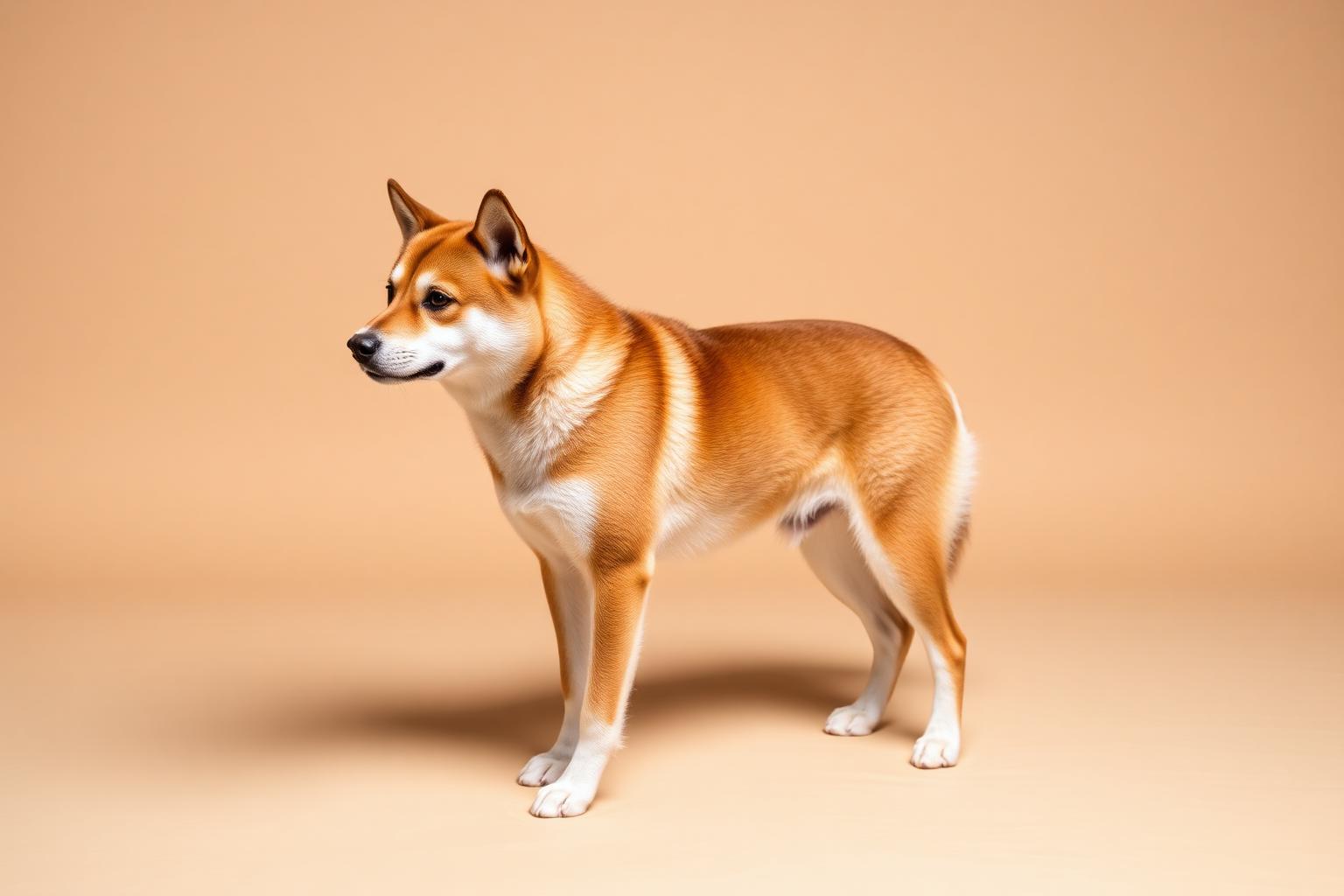
Akita Inu
5.8Loyal and reserved, dominant with other dogs. Experienced, firm owners only.
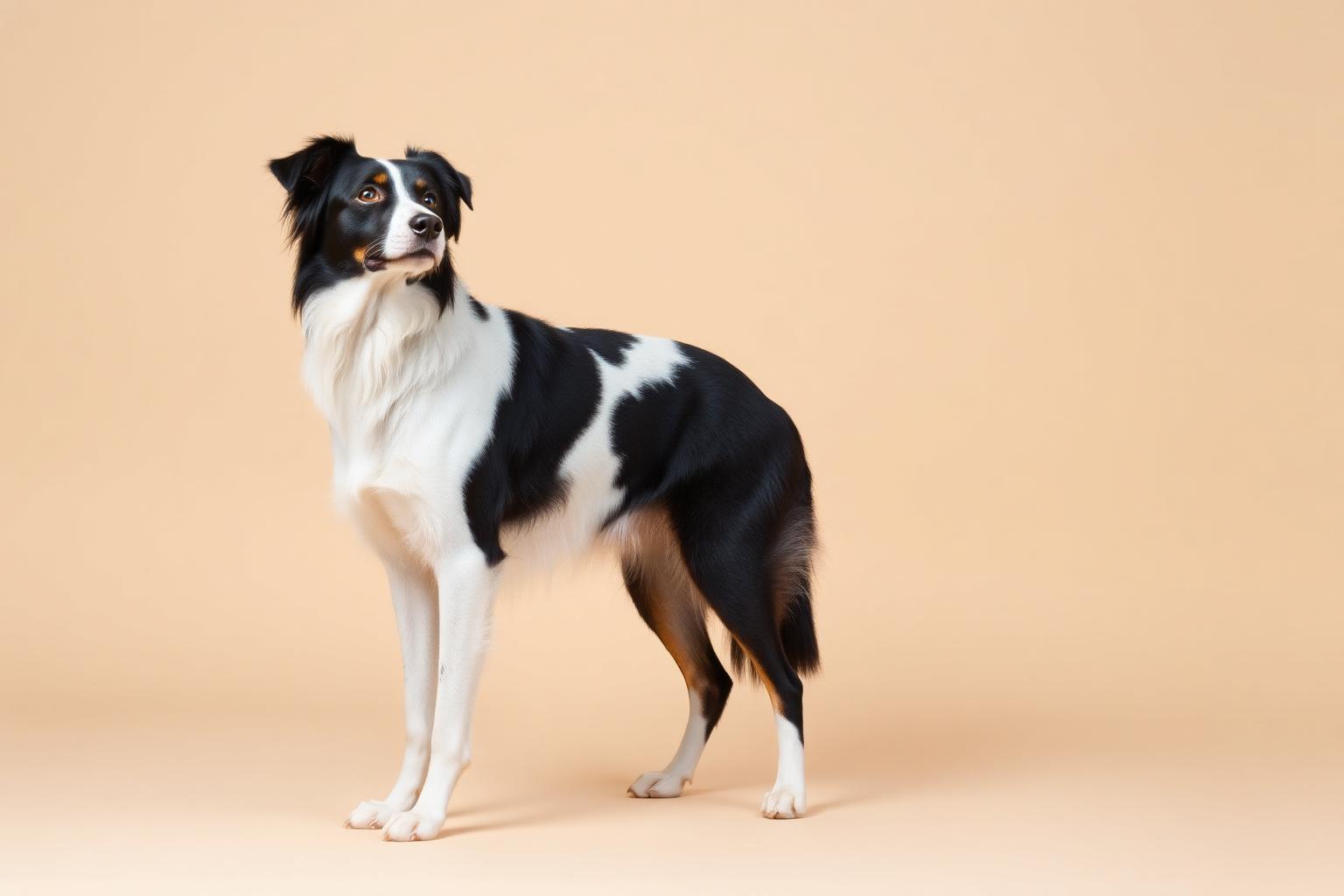
Border Collie
7.5The smartest of them all. Only for very active, experienced families. Without a job, becomes destructive and frustrated.
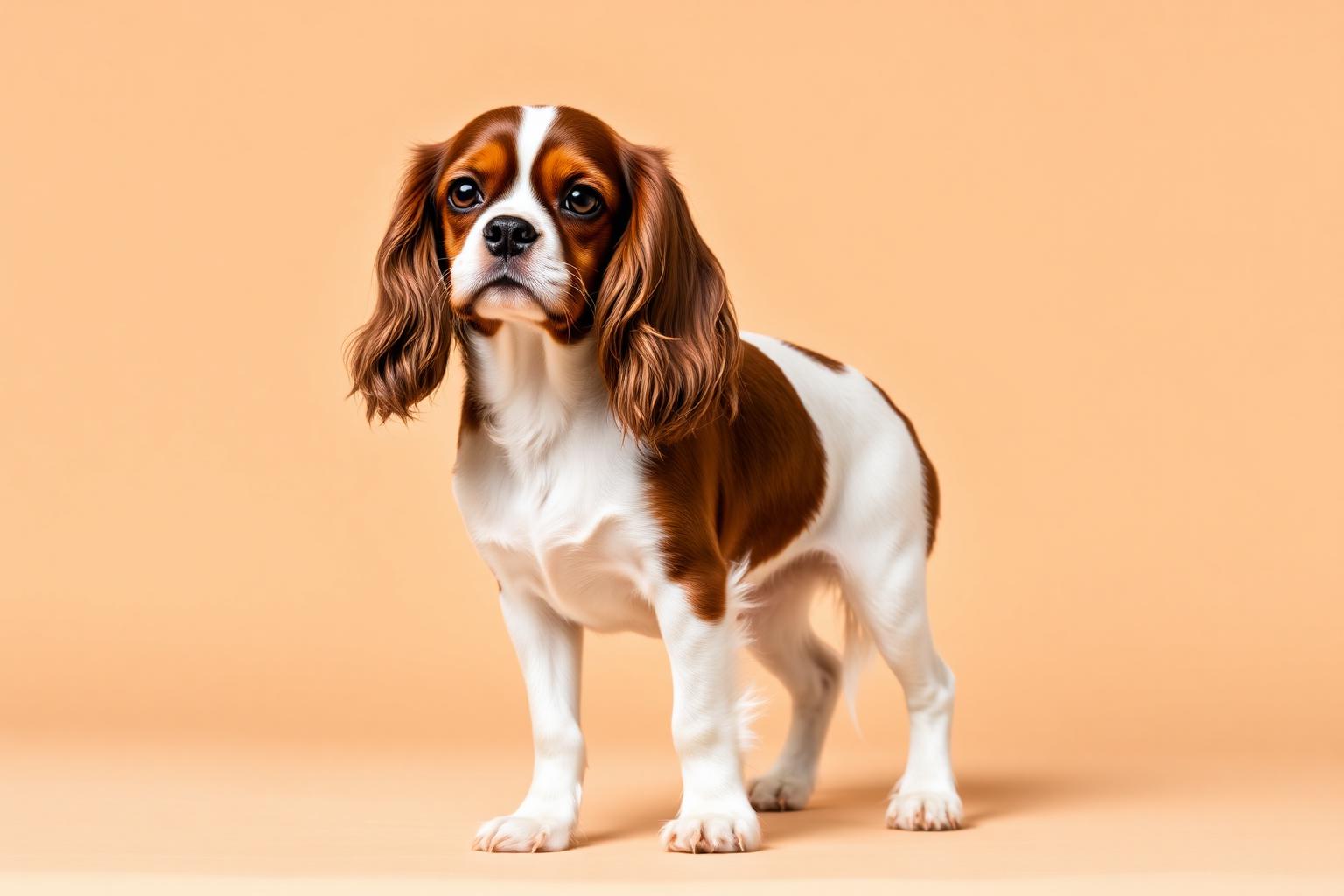
Cavalier King Charles Spaniel
9.3Affectionate, sociable and perfect for small apartments. Adapts to the household's rhythm and loves company.