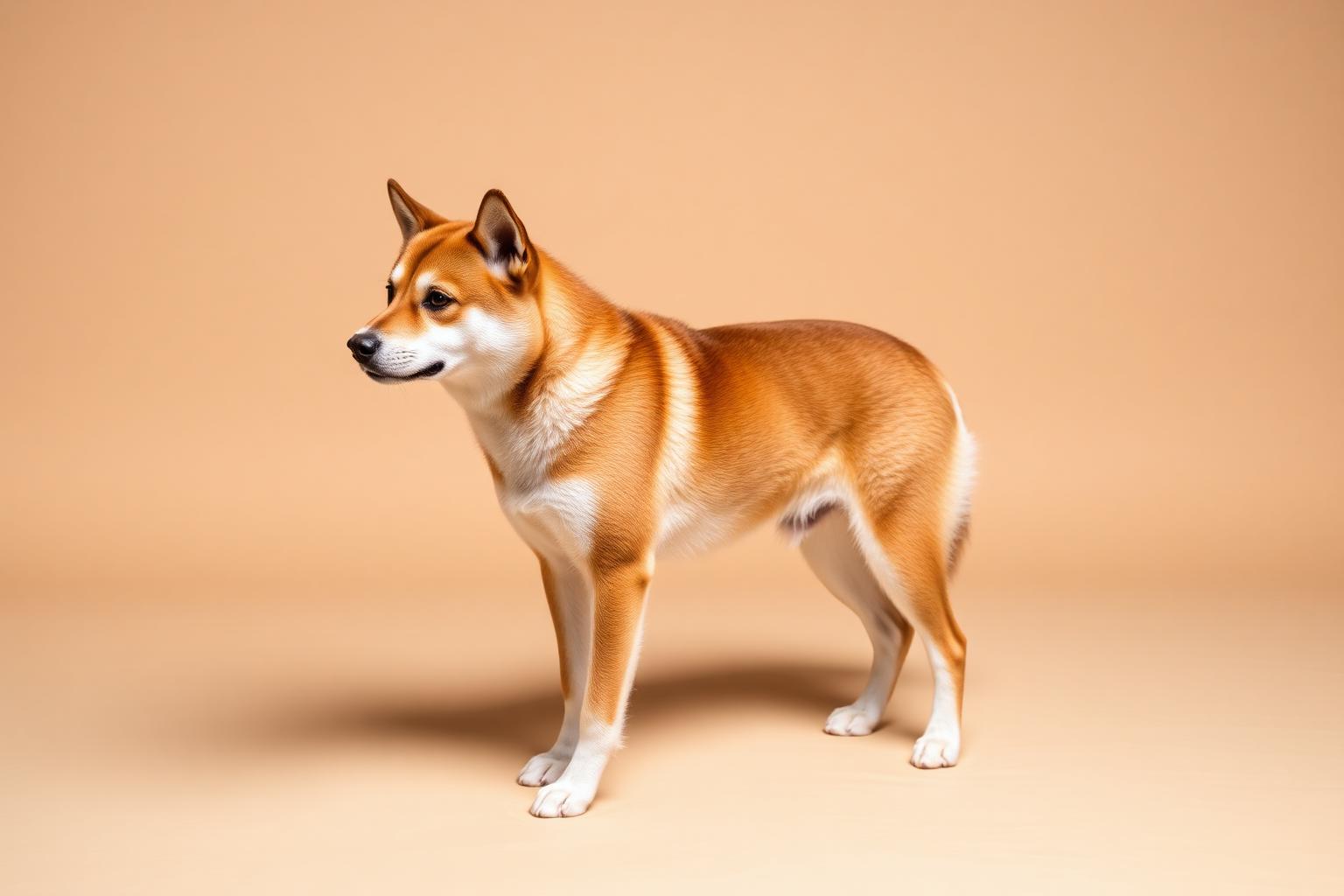
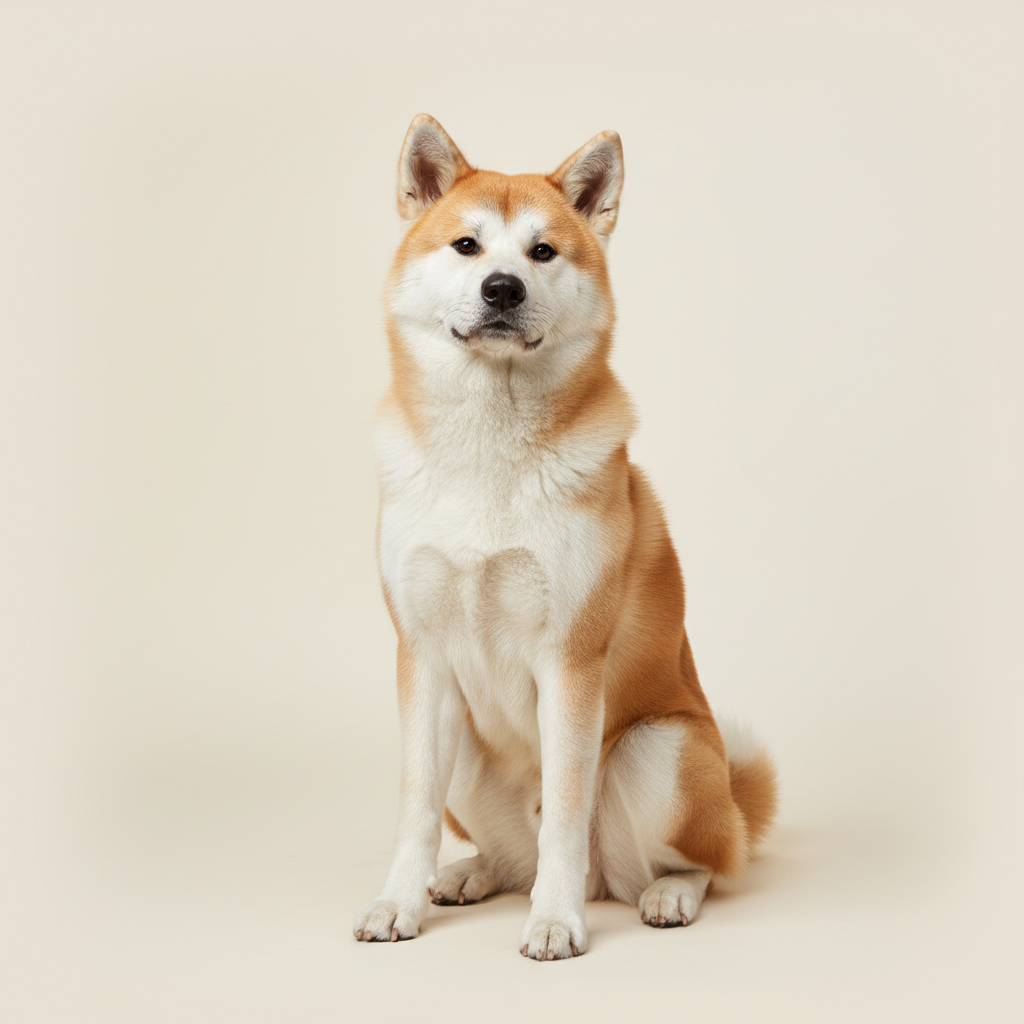
Akita Inu
"A majestic, silent guardian whose loyalty is as deep as it is exclusive."
Overview
The Akita is the epitome of solemnity and silent devotion, a breed for families seeking a serious guardian rather than a playful clown. Originating from Japan, its majestic presence and reserved character make it a loyal companion to its inner circle but notably suspicious toward strangers. This is not your typical dog park breed that greets everyone; its nature is territorial and demands owners with prior experience managing large, strong-willed breeds. For a family, this means a companion that will watch over the home with unwavering vigilance, provided they are given clear, consistent leadership from day one.
When living with children, the Akita shines with teenagers who understand respect for personal space, acting as a watchful 'nanny.' However, with small children, extreme caution is necessary: their great strength and low tolerance for erratic play or hair-pulling can create tense situations. They are not a breed that 'warns' loudly before setting a boundary, so adult supervision is non-negotiable. Furthermore, their high prey drive and dominance toward other dogs of the same sex typically suggest they should be the only pet in the household to avoid serious territorial conflicts.
Maintaining an Akita involves a genuine commitment to its hereditary health and hygiene. It is vital to monitor for dysplasia and gastric bloat, as well as being alert to autoimmune skin issues that can increase veterinary bills. Their dense double coat sheds 'tumbleweeds' of fur twice a year, requiring intense daily brushing during shedding seasons. They are an expensive breed to maintain due to premium nutrition and liability insurance, but for those who value nobility, household tranquility, and natural protection, the Akita offers a legendary bond of loyalty that is hard to match.
Key facts
- Size
- Large
- Weight
- 32–59 kg
- Life expectancy
- 10–13 years
- Daily exercise
- 75 min/day
- Estimated total
- 225€/month
- Country
- Japan
Character & temperament
The Akita is a study in contradictions: calm and composed yet capable of explosive power. They are naturally aloof with strangers and will not seek affection from those outside their 'inner circle.' This is not unfriendliness, but rather a profound discernment. They observe everything with an analytical gaze, often deciding for themselves who is a threat and who is not, which makes early and ongoing socialization mandatory. \n\nAround other dogs, the Akita is notoriously dominant. They do not tolerate challenges or rude behavior from other canines, especially those of the same sex. This often means they are 'solitary' walkers rather than dog park enthusiasts. They have a high prey drive and will likely view cats or small animals as something to hunt. Their instinct to lead is very strong, requiring a human leader who is consistent and confident. \n\nWith their family, however, the Akita transformation is remarkable. They are devoted, 'velcro' dogs in a quiet way, often following their owner from room to room just to be in their presence. They are intensely protective without being frantic. An Akita doesn't need to bark to show it's guarding; its mere presence and stance are often enough to deter any intruder. They are dignified companions who value tranquility and household routine.
Living with children
Akitas can be wonderful with children in their own family, often acting as a self-appointed 'nanny' that watches over them. However, their size and power are significant. With teenagers (12+), they are excellent companions. With school-aged children (6-12), they are stable provided the children are taught to never disturb the dog while eating or sleeping. Their mouthy play style can be intimidating, so boundaries are essential. \n\nWith toddlers and babies, extreme caution is required. An Akita values its personal space and may find the unpredictable shrieks and movements of a small child stressful. They are not dogs that tolerate having their tail pulled or being climbed upon. Because Akitas are silent about their discomfort, a toddler might miss the subtle warnings before the dog snaps. They should never be left unsupervised with young children, and visits from 'friends' children' require strict management, as the dog may interpret rough play as a threat to 'their' child.
With other pets
Coexistence with other pets is the Akita's greatest challenge. They are often aggressively territorial and dominant toward other dogs, especially of the same sex. Keeping two male Akitas is usually a recipe for disaster. While they can sometimes live with a dog of the opposite sex if raised together, they will usually want to be the 'alpha.' Due to their high prey drive, cats and small pets (rabbits, hamsters) are generally viewed as prey and are at high risk. It is safer to keep an Akita as the only pet in the household.
Health & prevention
Akitas are generally robust but face specific hereditary challenges. Hip and elbow dysplasia are common in large breeds, so buying from breeders who provide certified X-rays is non-negotiable. They are also prone to Gastric Dilatation-Volvulus (bloat), a life-threatening emergency where the stomach twists. Preventing this involves using slow feeders and avoiding exercise before or after meals. \n\nMore unique to the breed are autoimmune conditions like Sebaceous Adenitis (SA) and Vogt-Koyanagi-Harada (VKH) syndrome, which affect the skin and eyes. Regular thyroid checks are essential, as hypothyroidism is frequent and can cause behavioral shifts. Always prioritize a breeder who screens for these conditions. Expected lifespan is 10 to 13 years with proactive veterinary care and a controlled weight.
Health risks
- •Hip dysplasia
- •Hypothyroidism
- •Autoimmune diseases
Care
Nutrition
Akitas require a high-quality diet formulated for large breeds, ideally with a focus on skin and coat health due to their susceptibility to autoimmune skin issues. An adult weighing 45kg typically needs 400-500g of dry food per day, split into two meals to reduce the risk of bloat. It is vital to monitor their calorie intake; an overweight Akita will suffer greatly from joint stress. Some owners prefer a raw (BARF) diet, which can be excellent for their digestion, but it must be nutritionally balanced by a professional. Avoid soy and excessive grain fillers.
Grooming & hygiene
Grooming an Akita is a commitment to managing fur. They have a dense double coat that requires daily brushing during the two major shedding seasons (spring and autumn) to prevent 'tumbleweeds' in your home. Outside of shedding season, a thorough weekly brush suffices. They are naturally clean dogs with little 'doggie odor' and often groom themselves like cats. Professional grooming every few months for a deep deshedding and nail trim is recommended. Never shave an Akita, as their coat protects them from both heat and cold; shaving can cause permanent skin damage.
Exercise & training
Exercise plan
A weekly plan for an Akita focuses on mental stimulation and controlled physical exertion. Monday to Friday: 45 minutes of brisk walking in the morning and 30 minutes of scent work or obedience training in the backyard to satisfy their mind. Avoid high-energy dog parks where tension is likely. Weekends: Long 90-minute hikes on lead in quiet areas. Despite their size, they are not marathon runners; they prefer patrolling and exploring at a steady pace rather than frantic play. Include heavy-duty puzzle toys on rainy days to prevent boredom-driven destruction. Maintenance of a calm, steady routine is key to their emotional stability.
Training
Training an Akita is a marathon of consistency. They are highly intelligent but incredibly stubborn and independent. They will not follow a command just to please you; they need to respect your leadership. Harsh methods backfire, creating a resentful or dangerous dog, while purely permissive methods lead to a dog that treats you like a servant. Use positive reinforcement with high-value rewards, but maintain firm boundaries. Training sessions should be short (15 minutes) and varied to avoid boredom. Focus heavily on 'leave it' and 'settle' commands. Socialization must be a daily priority for the first two years of their life to curb their natural aggression toward other animals.
Monthly cost
Monthly costs for a healthy adult include premium large-breed kibble, high-liability insurance (often required for Akitas), and professional deshedding twice a year. Expenses can spike due to autoimmune treatments.
Estimate for Spain, healthy adult dog. Varies by region and provider.
Pros & cons
Pros
- ✓Extremely loyal and devoted to their immediate family.
- ✓Naturally clean, often grooming themselves and easy to housebreak.
- ✓Quiet and calm indoors; they rarely bark without a valid reason.
- ✓Stupendous natural guardian that doesn't require specialized training.
- ✓Very hardy and excels in cold climates and outdoor activities.
Cons
- !Very high aggression potential toward other dogs of the same sex.
- !Heavy seasonal shedding ('blowing coat') creates a mess at home.
- !Naturally suspicious of strangers, requiring constant management.
- !Strong prey drive makes them unsafe around small pets or cats.
- !Possessive nature over food and toys can lead to guarding issues.
Ideal for
- • Experienced owners who enjoy a calm, dignified companion.
- • Families with older children who respect a dog's boundaries.
- • People living in colder climates with plenty of hiking trails.
- • Individuals seeking a natural, quiet guardian for their home.
Not recommended for
- • First-time owners who lack experience in dominant breed management.
- • Families with multiple dogs of the same sex or small pets.
- • People living in small apartments in hot, urban environments.
How it fits each scenario
Possible due to their low barking, but their size and need for personal space make it challenging.
Ideal, provided the fence is high and secure; they are territorial and will guard their perimeter.
High risk of overheating; they need constant air conditioning and minimal midday activity.
Excellent; their thick double coat is designed for harsh snowy winters and outdoor patrols.
Risky; Akitas value their personal space and may not tolerate the unpredictable movements of toddlers.
Acceptable if the dog is raised with them, but adult supervision is mandatory due to their size.
Absolutely not recommended; their complex hierarchy needs and power are too much for a novice.
Essential; an Akita will dominate a hesitant owner, leading to dangerous behavioral issues.
Good for hikers, but not for those who want a dog to play fetch with strangers' dogs.
They tolerate solitude well, but won't forgive a lack of leadership or neglected training.
Not suitable; they produce significant dander and shed excessive amounts of double-layer fur.
Expensive to maintain; food, insurance, and potential specialized vet care for auto-immune issues add up.
Origin & history
The Akita Inu originated in the Akita prefecture of Japan during the 1600s. Originally bred as versatile hunters of large game like wild boar, deer, and Yezo bears, they were also used as guardians for Japanese royalty and samurai. Over centuries, the breed's role shifted from hunting to status symbol, and later into dog fighting before that was outlawed. During World War II, the breed nearly went extinct, but dedicated breeders saved three distinct lines. This history of hunting and guarding created the courageous, independent, and fiercely territorial dog we know today. In Japan, the Akita is considered a 'National Natural Monument' and a symbol of good health and long life.
Hachiko, the most famous Akita in history, waited for his deceased owner at a Tokyo train station for nine years, becoming a global symbol of loyalty.
Frequently asked questions
Is an Akita a good choice for a first-time dog owner?▾
Generally, no. Their dominant nature, high strength, and protective instincts require a deep understanding of canine body language. A novice owner will likely struggle with their 'silent' aggression cues and stubbornness.
Do Akitas bark a lot?▾
Akitas are notably quiet indoors, rarely barking without a serious reason. However, they make 'mumble' noises or 'woo-woos' to communicate with their owners, which can be quite charming but distinct.
How much does an Akita puppy cost in Spain?▾
Buying a puppy from a reputable breeder can cost between €1,200 and €2,500. Beyond the price, remember that insurance and high-quality food for a 50kg dog are significant ongoing expenses.
Are Akitas safe with children?▾
They can be devoted protectors, but they don't tolerate ear-pulling or rough play from children well. They aren't 'nanny dogs' and need a home where children are taught to respect their boundaries strictly.
Are Akitas hypoallergenic?▾
No. They have a thick double coat that sheds heavily twice a year. If anyone in your family has allergies, an Akita will likely trigger a reaction due to the sheer volume of dander.
Can they live with other pets?▾
They are often intolerant of other dogs, especially of the same sex. They possess a high prey drive, meaning they are generally not safe to leave alone with cats or small pets.
What is the life expectancy of an Akita?▾
A healthy Akita usually lives between 10 and 13 years. Their lifespan is often limited by joint issues and potential bloat, so keeping them at a lean weight is crucial for longevity.
How much exercise does an Akita need?▾
They require moderate but consistent exercise—about 75 minutes daily. They prefer structured walks to playing fetch. Mental stimulation through training is just as important to prevent them from becoming bored and destructive.
Similar family-friendly breeds
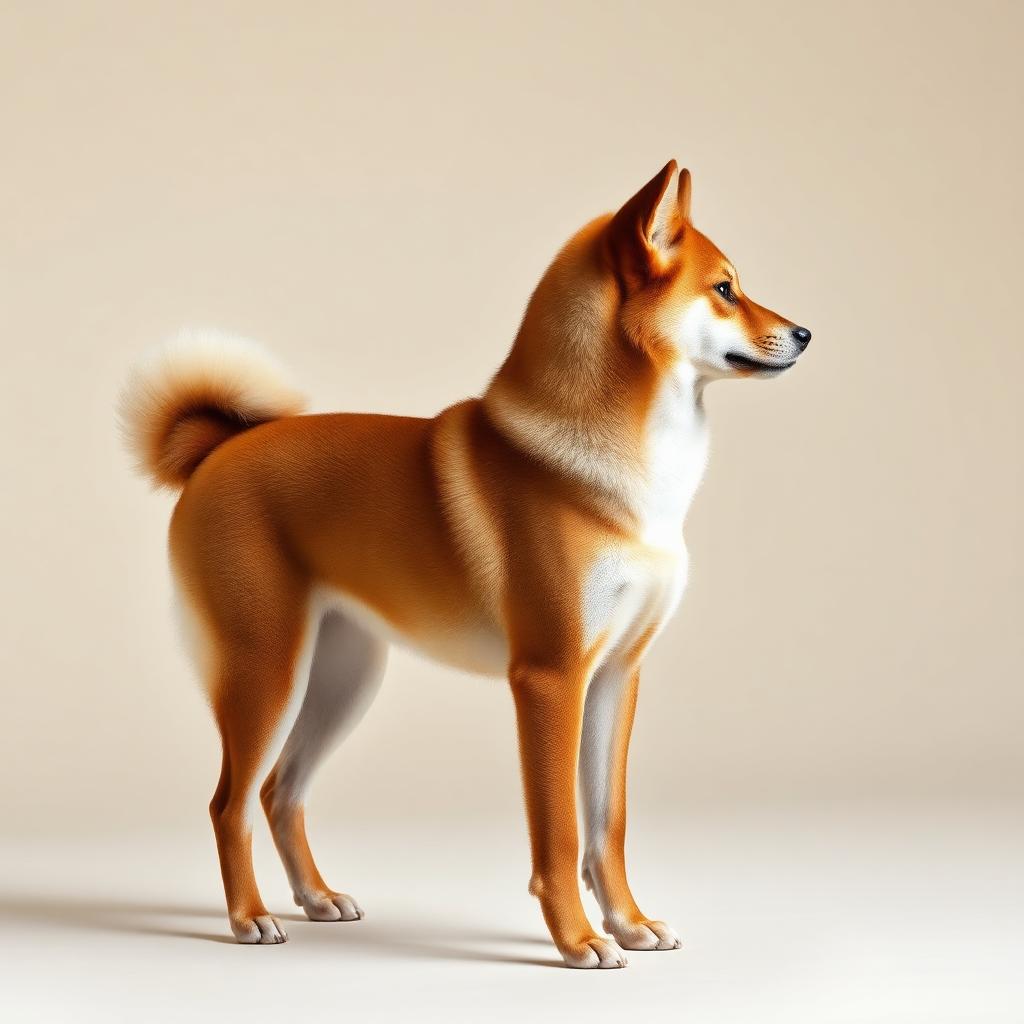
Shiba Inu
5.8The 'doge' meme dog. Independent, cat-like, escape artist; very hard to train.

Rottweiler
6.4Strong, loyal and territorial. Restricted breed in Spain: requires licence, insurance and expert handling.
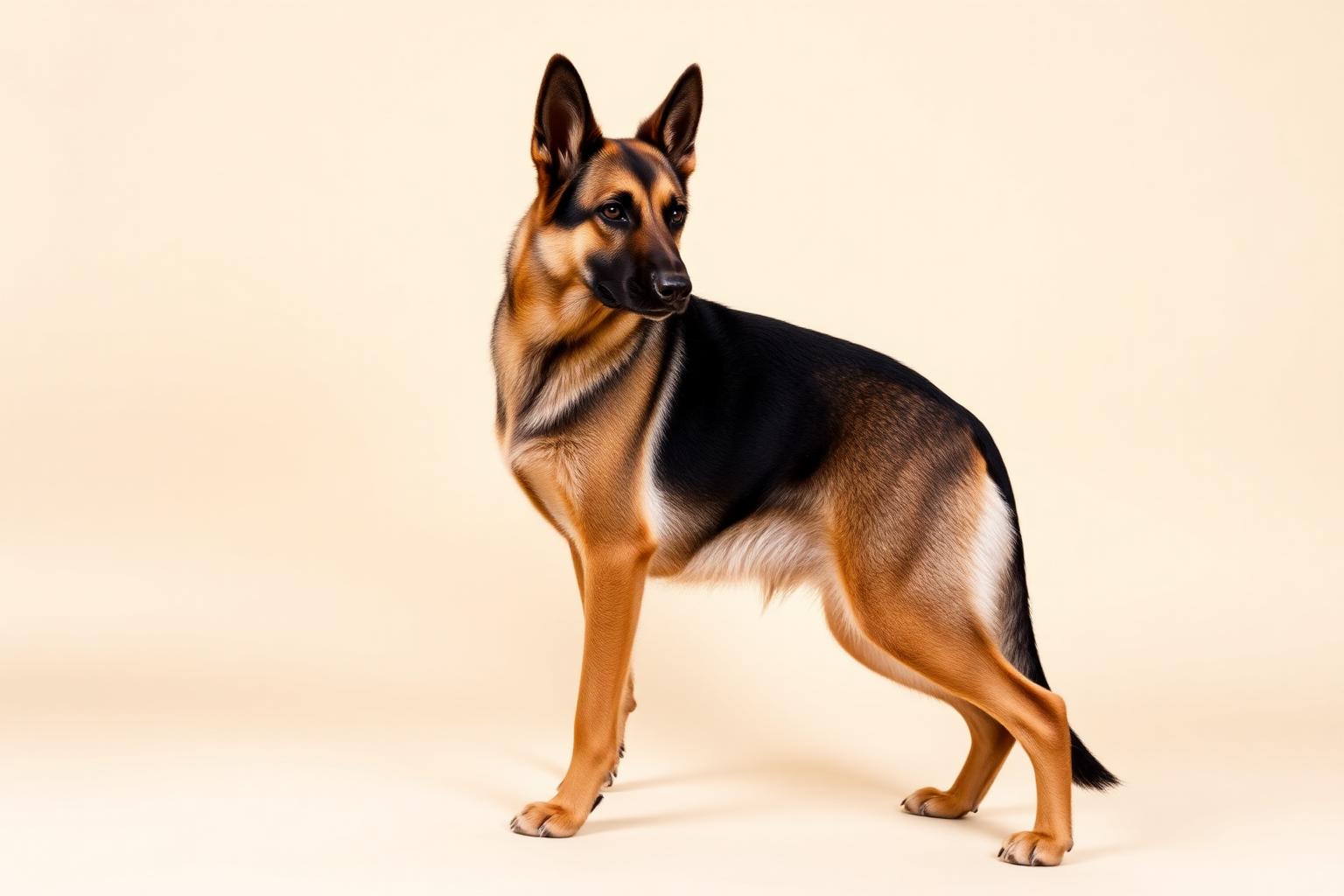
German Shepherd
6.9Intelligent and protective. Needs early socialization and constant mental work.