Impulse control
The invisible muscle that makes any dog trainable.
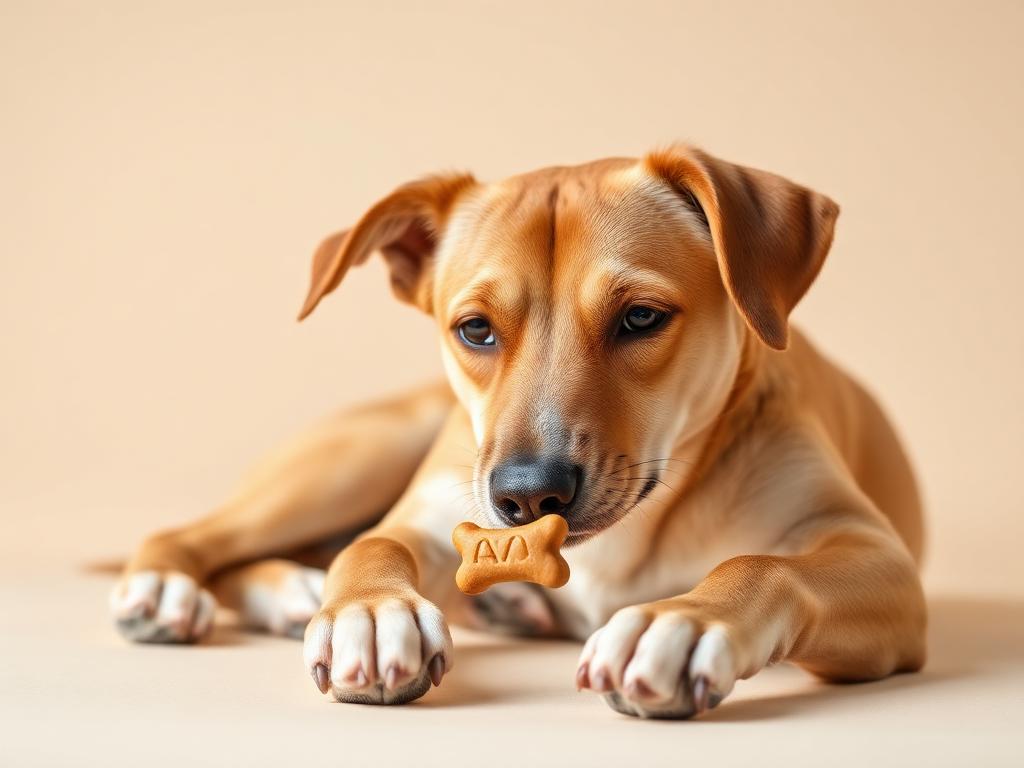
Impulse control is the dog's ability to NOT do what he automatically wants to. Without that muscle, no other cue is truly reliable. It's trained with concrete exercises that teach the dog that patience always pays.
What you get
- Reduces reactivity to stimuli
- Improves every existing cue
- Eases life with children and other dogs
It's the difference between a dog that "knows" and one that "truly obeys".
Before you start
- · Sit
- · Basic stay
Materials
- · Treats
- · Favourite toy
- · Food bowl
Step by step
- 1
Treat in open hand
Put a treat in open palm in front of him. If he goes for it, close the hand. Only open when he looks away from the treat. Instant reward.
- 2
Bowl with wait
Put his food bowl on the floor with your hand over it. If he lunges, you lift it. He only eats when he sits and waits 2 seconds. Build to 5, 10, 20 seconds.
- 3
Play with pauses
Play tug. Every 30 seconds ask "drop-sit". If he does, game continues. If not, game over for 1 minute.
- 4
Wait for the other dog
At the park, if he sees another dog and tenses up, ask "sit" and wait. You only approach when he calms. If he doesn't, you walk away.
- 5
Progressively stronger stimuli
Work with: ball thrown + stay, squirrel passing, child running. Each success builds the muscle.
Common mistakes
- Expecting too much the first day
- Rewarding before he actually calms
If something isn't working
Loses it with other dogs
→ Increase distance. Impulse control is only trained under the reactivity threshold.
Pro tips
- Impulse control is like gym: small daily sessions for months. No shortcuts.
- Working breeds (Border Collie, Australian Shepherd, Malinois) need it more than any other.
Deep dive
Impulse control is the exercise that transforms a trainable dog into a trained dog. Without this layer, every learned cue collapses the moment a strong distraction appears. Especially critical in working breeds and shelter-adopted dogs with no socialization history.