
American Akita
"American Akita: Loyalty, courage, and majesty in a furry giant."
Overview
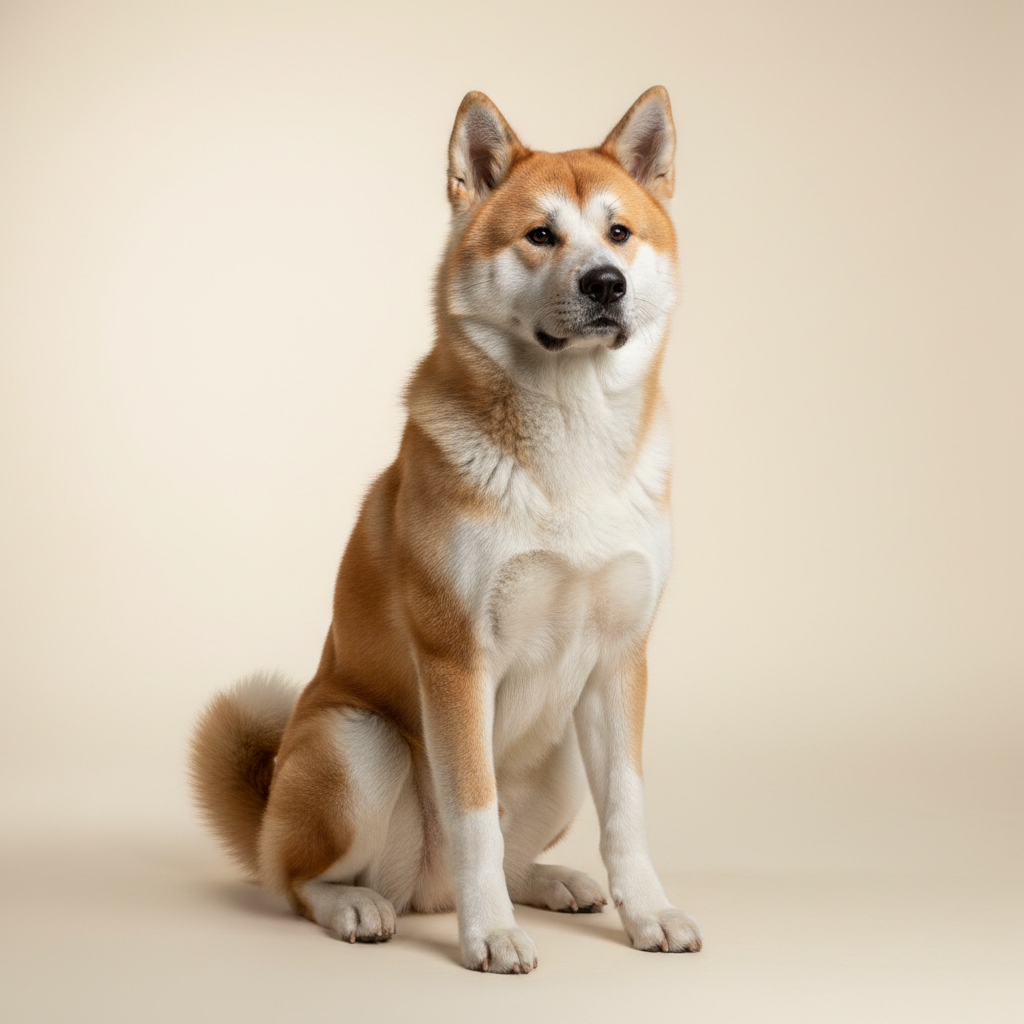
El Akita Americano es una raza canina imponente y majestuosa, descendiente de los Akita japoneses pero desarrollado en Estados Unidos para alcanzar un tamaño más grande y una constitución más robusta. Este perro de gran tamaño se distingue por su inquebrantable lealtad hacia su familia, lo que lo convierte en un excelente perro guardián y protector. A menudo, se le describe como digno y reservado, mostrando una notable independencia y desconfianza natural hacia los extraños. Su carácter fuerte y su inteligencia requieren un propietario con experiencia en perros que pueda proporcionar un liderazgo firme y consistente, así como una socialización temprana y continua desde la etapa de cachorro. Sin una socialización adecuada, el Akita Americano puede mostrarse dominante o agresivo con otros perros y mascotas, especialmente los del mismo sexo, debido a su marcado instinto de presa.
En cuanto a su convivencia, las interacciones entre el Akita Americano y los niños deben ser siempre supervisadas, especialmente con los más pequeños. Su fuerza y tamaño pueden causar accidentes involuntarios, y su paciencia puede ser limitada con los juegos ruidosos o bruscos. Es una raza que se beneficia de un hogar con jardín seguro para poder explorar y jugar, aunque también puede adaptarse a la vida en apartamento si se le proporciona suficiente ejercicio diario (al menos 45-60 minutos) y estimulación mental para prevenir el aburrimiento y comportamientos destructivos. Su distintivo pelo doble y grueso requiere un cuidado del pelaje regular, con cepillados frecuentes, especialmente durante sus intensas mudas estacionales. Dada su resistencia al calor, prefieren los climas fríos y necesitan sombra y agua en abundancia en épocas calurosas.
Respecto a la salud del Akita Americano, son generalmente robustos, con una vida útil de 10-12 años, pero son propensos a displasia de cadera y codo, enfermedades autoinmunes como hipotiroidismo y adenitis sebácea, y problemas oculares. Una dieta de alta calidad específica para razas grandes es esencial, dividida en varias tomas para evitar la torsión gástrica, un riesgo común. Los costes de mantenimiento son elevados debido a su tamaño y necesidades. En resumen, el Akita Americano es una raza formidable que, en las manos adecuadas, ofrece una compañía leal y una protección inigualable, siendo un orgulloso y majestuoso miembro de la familia, pero que exige compromiso, conocimiento y dedicación.
Key facts
- Size
- Large
- Weight
- 32–59 kg
- Life expectancy
- 10–13 years
- Daily exercise
- 75 min/day
- Estimated total
- 220€/month
- Country
- Japón y Estados Unidos
Character & temperament
The American Akita is a dog with a strong, noble, and reserved character. Its personality is often described as 'dignified' or 'regal.' They are incredibly loyal to their family, forming deep bonds but displaying remarkable independence. This is not the typical dog that seeks constant approval; on the contrary, they often observe and think for themselves. This independence can be mistaken for stubbornness, but it is rather a sign of their intelligence and self-sufficient nature. They are highly protective dogs of their home and loved ones, making them excellent guardians. Their natural distrust of strangers is a distinctive characteristic; they are rarely overtly friendly with people they don't know, preferring to maintain their distance. When properly socialized from puppyhood, they can learn to accept the presence of visitors, but effusive warmth is not their style. With family members, however, the American Akita shows an affectionate and playful side, albeit in its own way. They enjoy family company and being part of household activities, but also value their personal space. It is crucial to understand their prey drive, as they can be a challenge with smaller animals. A well-balanced American Akita is a proud and devoted delight, but requires an owner who understands and respects its complex personality, offering consistent leadership and continuous socialization.
Living with children
Living with an American Akita and children is a topic that requires special attention and planning. While a well-socialized and educated American Akita can be a loyal and protective companion for the family's children, their interaction should always be supervised, especially with toddlers and small children. Due to their size and strength, rough or excited play could result in an unintentional accident. It is fundamental to teach children how to interact respectfully with the dog, avoiding pulling ears or tails, interruptions while eating or sleeping, and any kind of provocation. For its part, the Akita must be socialized with children from puppyhood so that they accept them as part of their "pack." Their protective instinct is strong, and they can sometimes misinterpret noisy play from unfamiliar children as a threat, so interactions with non-family children should be even more closely monitored. It is not the most patient or tolerant breed with continuous childish mischief. For families with young children, it is crucial to consider whether they are willing to dedicate the necessary time and effort to the socialization and education of both the dog and the children. With proper management and clear boundaries, an American Akita can be incredibly devoted and patient, becoming a silent guardian of the little ones in the house, but always under the watchful eye of a responsible adult.
With other pets
The **American Akita** has a strong prey drive and a dominant character, which can make living with other domestic animals challenging. Early and thorough socialization is vital, especially if introduced into a home with other dogs or animals. They tend not to tolerate dogs of the same sex and can be aggressive if not properly trained. With cats or other small pets, their hunting instinct is a constant concern, and it is not recommended unless they have grown up together from puppyhood under strict supervision. In general, the American Akita thrives best as a **single pet** or in a home with another dog of the opposite sex, who is submissive and of similar size, introduced with great care.
Health & prevention
The American Akita is generally a robust breed, with a life expectancy of 10 to 12 years. However, like many large breeds, they are prone to certain health conditions. The most common include hip and elbow dysplasia, making it essential for breeders to screen parent dogs. They are also susceptible to various autoimmune diseases, such as hypothyroidism, sebaceous adenitis (a skin condition), and pemphigus. Eye problems like progressive retinal atrophy and entropion (eyelids folding inward) can also occur. Gastric dilatation-volvulus (bloat) is a serious risk in Akitas, so it is recommended to divide meals into smaller portions and avoid vigorous exercise after eating. Regular veterinary check-ups and a balanced diet are key to maintaining the health of these majestic dogs. Owners should be well-informed about these conditions to recognize symptoms early and seek treatment, contributing to a long and healthy life for their Akita.
Health risks
- •Hip dysplasia
- •Hypothyroidism
- •Autoimmune diseases
Care
Nutrition
The nutrition of the **American Akita** is crucial due to its size and growth rate. They require a high-quality diet, formulated for large breeds, that supports bone and muscle development without overloading their joints. During the puppy stage, it is vital to control growth to prevent orthopedic problems, choosing feeds with moderate levels of calcium and phosphorus. An adult should be fed two or three small meals a day to reduce the risk of gastric torsion, rather than a single large meal. The diet should be rich in quality proteins and healthy fats, with an adequate balance of vitamins and minerals. Consider consulting your veterinarian for a specific nutritional plan that fits your Akita's age, activity level, and health status. Avoiding overweight is fundamental for their general well-being and joint health.
Grooming & hygiene
The **American Akita** has an impressive double coat that requires regular maintenance. It sheds seasonally, twice a year, with a considerable loss of hair. During these times, daily brushing with a slicker brush or a de-shedding tool is indispensable to remove dead hair and prevent tangles, which can cause skin problems. Outside of shedding seasons, brushing two or three times a week is usually sufficient. Baths should be occasional, only when necessary, to avoid removing the natural oils from their coat. It is important to check and clean their ears regularly, as well as trim their nails frequently. Also, dental care with regular brushing helps prevent periodontal disease. Their grooming, while not overly complex, requires consistency and patience.
Exercise & training
Exercise plan
Despite its size, the **American Akita** does not require exorbitant levels of exercise, but it does need regular physical activity to stay healthy and balanced. About 45 to 60 minutes of daily exercise, distributed in two or three walks, is usually sufficient. They enjoy brisk walks, but they are not dogs for long-distance running. They should be kept on a leash at all times in public places due to their strong prey drive and territoriality. They also appreciate controlled play in a securely fenced yard. Mental exercise is as important as physical; intelligence games, obedience training, and dog puzzles will keep them stimulated. Avoid strenuous exercise in warm weather due to their thick coat, which makes them prone to overheating. Boredom and lack of exercise can lead to destructive behaviors, so make sure to meet their needs.
Training
Training an **American Akita** requires patience, consistency, and a firm but fair hand. They are intelligent dogs but with a strong will and independence, which means the trainer must establish themselves as the pack leader from day one. **Positive reinforcement techniques** are the most effective, rewarding good behaviors with treats, praise, and play. Early socialization is absolutely critical; from puppyhood, the Akita must be exposed to a variety of people, places, sounds, and other pets in a controlled manner to develop a balanced and less distrustful temperament. Puppy obedience classes are highly recommended. It is essential to teach impeccable leash control, as a pulling adult Akita can be uncontrollable. Given their tendency towards aggression towards other dogs, especially of the same sex, it is crucial to work on calmness in the presence of other canines. Training must be consistent throughout their life, keeping their mind active and reinforcing boundaries.
Monthly cost
Costs are high due to their sheer size: they consume large volumes of food, veterinary medications are dosed by heavy weights, and professional grooming during shedding seasons can be quite expensive.
Estimate for Spain, healthy adult dog. Varies by region and provider.
Pros & cons
Pros
- ✓Extremely loyal and protective of its family.
- ✓Excellent guard dog, commands respect.
- ✓Relatively clean and quiet indoors.
- ✓Can be affectionate in its own way with its loved ones.
- ✓Majestic presence and impressive appearance.
Cons
- !Requires an experienced and firm owner.
- !Can be aggressive with other dogs and pets.
- !Strong prey drive, requires constant socialization.
- !Sheds heavily, especially seasonally.
- !Not suitable for first-time or indecisive owners.
Ideal for
- • Families with previous experience with large, dominant breeds.
- • Homes looking for a loyal guard and protective dog.
- • Owners who value independence and dignity in a dog.
- • People willing to dedicate time to constant socialization and training.
Not recommended for
- • First-time or indecisive owners.
- • Homes with very young children or small pets without prior experience.
- • People looking for a submissive or eager-to-please dog.
- • Those unable to provide firm and consistent socialization and training.
How it fits each scenario
An American Akita can live in an apartment if provided with sufficient daily exercise and mental stimulation. However, its large size and need for space make it better suited for houses with a garden.
This is the ideal environment. A house with a large, securely fenced garden or yard where it can explore and play under supervision will allow it to burn energy and feel comfortable, though daily walks will still be essential.
Due to its thick double coat, the American Akita does not tolerate hot climates well. It is crucial to provide shade, plenty of fresh water, and limit exercise to the coolest parts of the day to prevent overheating.
Its robust coat makes it perfectly suited for cold climates. In fact, it enjoys snow and low temperatures, as long as it is provided with adequate shelter to protect itself from extreme wind and ice.
Not recommended without constant supervision and thorough socialization from puppyhood. Their size and strength can lead to unintentional accidents, and their patience may be limited with very young children.
With proper socialization from puppyhood and children who understand how to interact respectfully, the Akita can be a loyal and protective companion, though always under adult supervision.
Not a suitable breed for first-time owners. It requires solid experience in training and a deep understanding of canine ethology to manage its strong and dominant personality.
An American Akita is an excellent choice for experienced owners looking for a loyal, protective, and majestic dog, who are prepared to invest in its constant socialization and training.
While it enjoys activity, it is not a dog for extremely active families who engage in intense sports. It prefers regular walks and garden play, not high-intensity running or hiking.
The American Akita does not tolerate prolonged solitude well and can develop anxiety or destructive behaviors. It requires the companionship and attention of its family, so it is not suitable for very busy families.
Not a hypoallergenic breed. Its abundant double coat causes considerable shedding, especially seasonally. It is not a good choice for people with dog allergies.
The costs associated with an American Akita are high. From food to veterinary care (medications dosed by weight) and grooming, it is not a breed for a tight budget.
Origin & history
The origins of the Akita trace back to Japan, where it was used for big game hunting and defense. After World War II, returning American soldiers brought Akitas to the United States. There, breeders began selecting dogs for larger size and heavier bone structure than the original Japanese lineage. This divergent selection led to what is now known as the American Akita, clearly distinguishing it from the Japanese Akita Inu, which maintained characteristics more faithful to its ancestral lineage. This split was officially recognized by the FCI in 1999, acknowledging both breeds separately.
The American Akita is known for its "Akita smile," a peculiar trait where it appears to lift the corners of its mouth in a gesture resembling a human smile.
Frequently asked questions
Is the American Akita easy to train?▾
The American Akita is intelligent but also independent and stubborn. It is not "easy" to train in the traditional sense. It requires firm, consistent, and positive reinforcement-based training from puppyhood. An inexperienced owner may find it difficult to manage, as it will try to assert its will. The key is to establish clear leadership and offer thorough, early socialization to channel its protective nature and prey drive positively.
Can I have an American Akita if I live in an apartment?▾
Although it would prefer a house with a garden, an American Akita can live in an apartment if its exercise and mental stimulation needs are met daily. This means at least 2-3 long, quality walks, plus play and training sessions at home. However, its imposing size can make indoor space feel cramped. Lack of space or exercise will result in boredom and destructive behaviors.
Does the American Akita get along with other dogs?▾
Generally, the American Akita is not the most sociable breed with other dogs, especially those of the same sex. Its strong territorial and dominant character can lead to conflicts. If you are going to have another dog, it is ideal that they are of the opposite sex and meet as puppies. Early and constant socialization is crucial to mitigate this tendency, but even so, caution is recommended in environments with other dogs.
How much does an American Akita shed?▾
The American Akita sheds considerably and constantly throughout the year, and massively twice a year (in spring and autumn), when it sheds its thick undercoat. During these seasons, you can expect to find hair all over the house. Daily brushing with specialized tools is indispensable to maintain a healthy coat and reduce the amount of loose hair in the home.
Does an American Akita need a lot of exercise?▾
They don't require an extreme level of exercise, but they do need daily and regular physical activity. Approximately 45-60 minutes of brisk walking or interactive play a day is sufficient. More important than the amount is the quality of the exercise: include exploratory walks and games that allow it to use its mind. Boredom is the enemy of this breed and can lead to behavioral problems.
What are the most common health problems of the American Akita?▾
American Akitas are generally healthy, but can be prone to hip and elbow dysplasia, autoimmune diseases such as hypothyroidism and sebaceous adenitis, and eye problems like entropion or progressive retinal atrophy. Additionally, due to their size, they are susceptible to gastric torsion, which requires considering feeding in small portions and avoiding exercise after eating. Genetic testing from breeders is essential.
Is the American Akita a good choice for families with small children?▾
Generally, it is not the most recommended breed for families with very young children. Their protective nature can combine with limited patience and a lack of tolerance for rough play or children's antics. While a well-socialized Akita can coexist, adult supervision will always be required. It is preferable for homes with older children who understand how to respect the dog's boundaries and interact with it.
How is the American Akita with strangers?▾
The American Akita is naturally reserved and wary of strangers. It is not a dog that greets visitors with joy. They will show caution and observe newcomers, keeping their distance. While early socialization can help them accept the presence of non-family members, do not expect an effusive welcome. Their guardian instinct will always be present, and they will alert if they sense a threat.
Similar family-friendly breeds

Cane Corso
6.4Elegant, athletic Italian molosser. Experienced owners only.

Rottweiler
6.4Strong, loyal and territorial. Restricted breed in Spain: requires licence, insurance and expert handling.

Golden Retriever
9.8The quintessential family companion: patient, sociable, and always up for play. Excellent with children and easy to train.