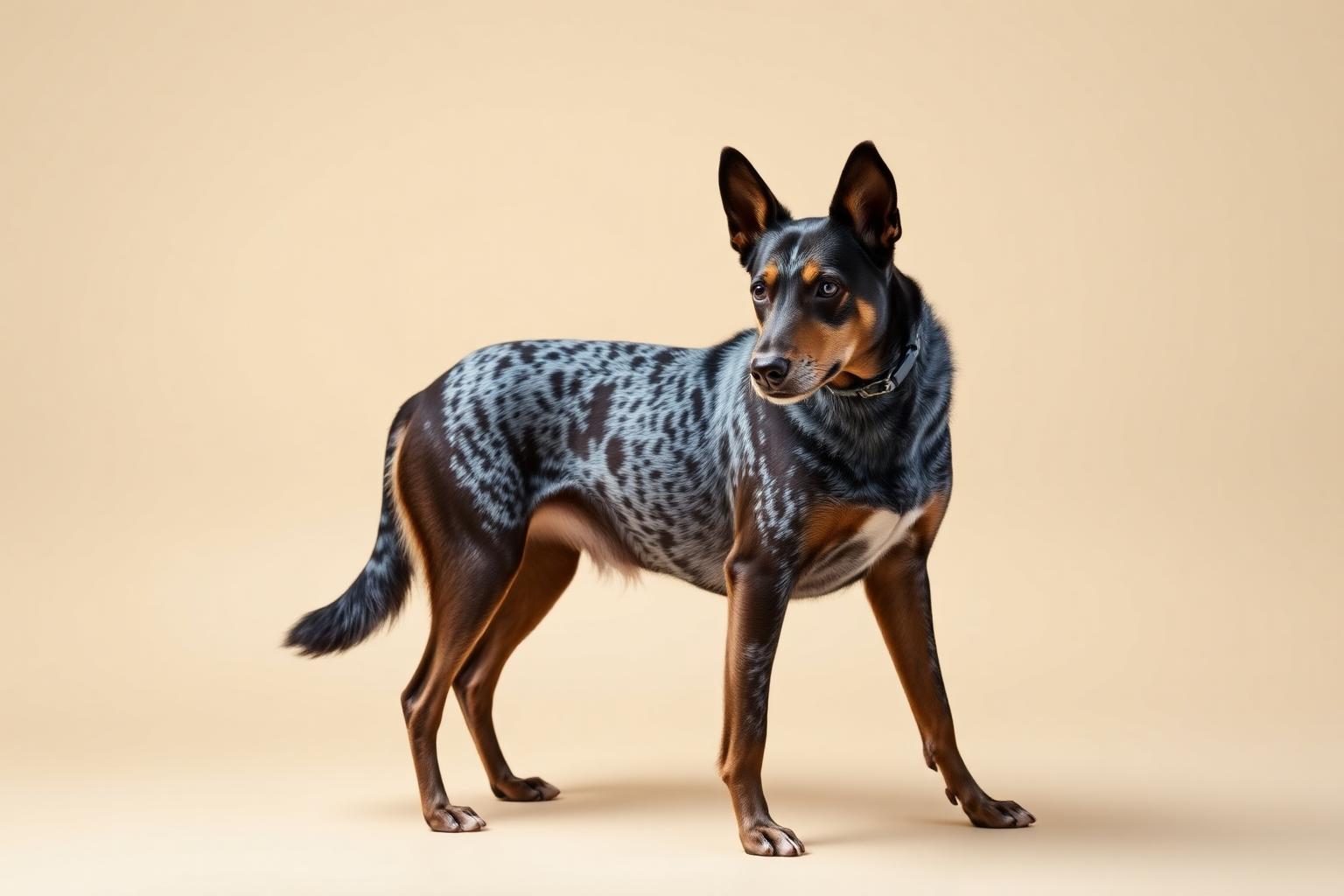
Australian Cattle Dog
"An untamed spirit, loyal Australian drover in your home."
Overview
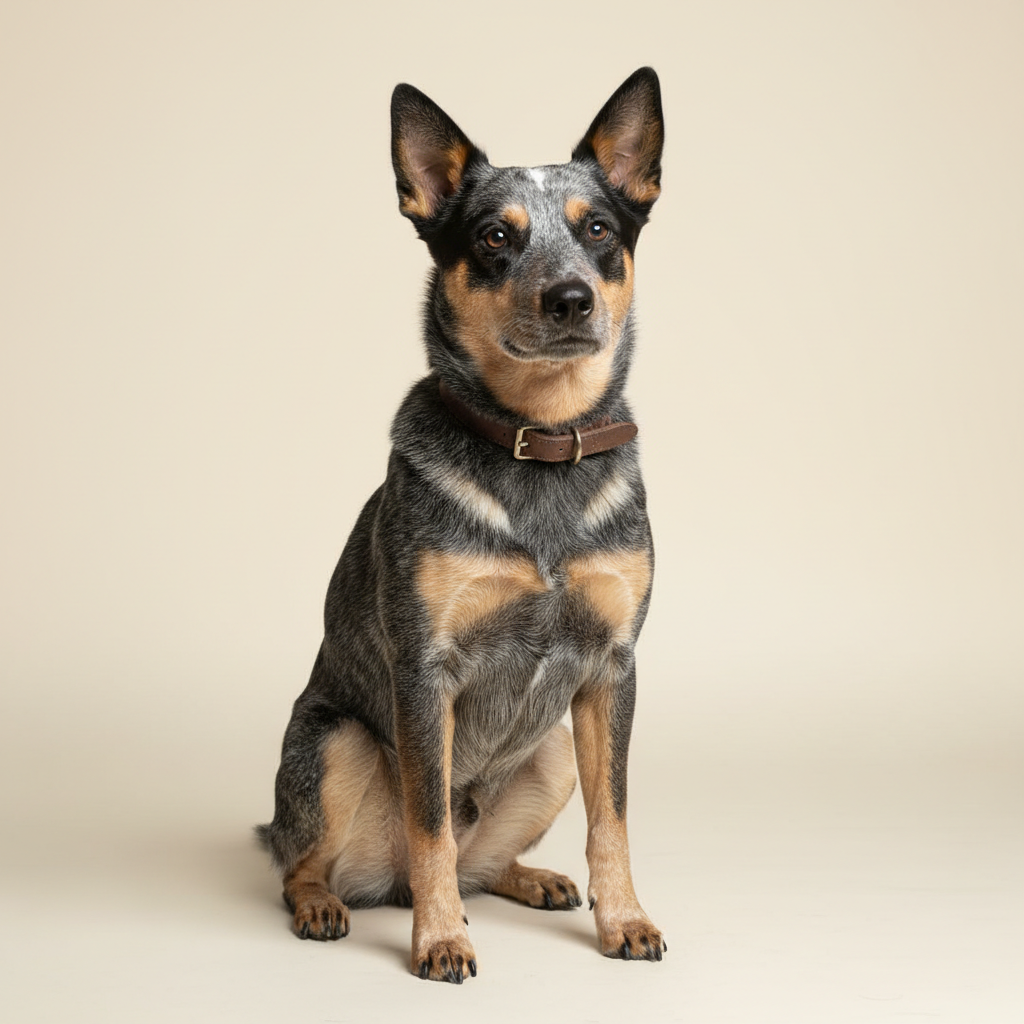
The Australian Cattle Dog is a medium-sized, robust, and exceptionally intelligent dog breed, known for its distinctive mottled blue or red coat. Originating from Australia, it was developed to herd cattle in the harsh conditions of the Outback, which gives it inexhaustible energy and great stamina. Its temperament is loyal and protective of its family, yet also independent and reserved with strangers, making it an excellent watchdog. However, this loyalty comes with an imperative need for intense physical and mental exercise. It is not a dog for passive owners; it requires at least 1-2 hours of daily intense activity such as running, hiking, or dog sports (agility, flyball). Lack of stimulation can lead to destructive behaviors or excessive barking. They are highly intelligent dogs that learn quickly, but can also be stubborn, so they require consistent, firm training with positive reinforcement from puppyhood. Early socialization is crucial to manage their herding instinct and ensure harmonious coexistence with children and other pets. Interactions with youngsters should always be supervised due to their tendency to “herd” by nipping at heels, albeit without malice. Regarding the health of the Australian Cattle Dog, it is generally a robust and long-lived breed (12-15 years), although they are prone to certain genetic conditions such as Progressive Retinal Atrophy and hereditary deafness, as well as hip and elbow dysplasia. It is vital to choose a responsible breeder who performs relevant health screenings. Their grooming is low to moderate, requiring weekly brushing and daily brushing during shedding seasons. Their diet should be high-quality, matched to their activity level. In summary, the Australian Cattle Dog is a brave, intelligent, and dedicated companion for active, experienced families who can meet its high needs for exercise and stimulation.
Key facts
- Size
- Medium
- Weight
- 15–22 kg
- Life expectancy
- 12–16 years
- Daily exercise
- 120 min/day
- Estimated total
- 140€/month
- Country
- Australia
Character & temperament
The Australian Cattle Dog has a strong character, with remarkable intelligence and a great need for activity. They are incredibly loyal and protective of their family, often showing a natural reserve towards strangers. They are not the type of dog to greet everyone with enthusiasm, which makes them excellent guard dogs but also means that early socialization is crucial to prevent reserve from becoming shyness or aggression. Their drive and determination, traits inherited from their past as cattle herders, require an experienced owner who knows how to set clear and consistent boundaries. They are tireless workers and become easily frustrated if they don't get enough physical and mental exercise. This can manifest in destructive behaviors, excessive barking, or attempts to herd people or other animals. They enjoy challenges and excel in dog sports such as agility, obedience, and flyball. While they can appear serious, they also have a playful side and enjoy playtime with their family. However, their prey drive can be strong, especially towards small moving animals, so constant supervision outside a secure environment is essential. In summary, the Australian Cattle Dog is an intelligent, energetic, and protective companion that thrives with firm direction, consistent training, and an active, purposeful lifestyle.
Living with children
The coexistence of an Australian Cattle Dog with children requires careful consideration and preparation from parents. Given their herding nature, it's common for them to try to “herd” small children, which can manifest as gentle nips at the heels or nudges. While not malicious, this can startle or even knock over a young child. Therefore, it is essential to teach the dog from puppyhood that this behavior is unacceptable and, at the same time, educate children on how to interact respectfully with the dog. Australian Cattle Dogs tend to be very protective of their human youngsters, viewing them as part of their “pack.” This protection can be positive, but it can also lead to over-protectiveness or tension if the dog perceives a stranger as threatening a child. Early socialization with a variety of people and situations is key for the dog to learn to distinguish between a real threat and normal interaction. With older, well-behaved children who understand the dog's boundaries and how to play appropriately, the Australian Cattle Dog can be a tireless playmate. They enjoy outdoor activities and games involving running and fetching. However, constant supervision of dog-child interactions is always necessary, regardless of the breed. An Australian Cattle Dog should never be left alone with small children. For families with children who are willing to invest time in training and socialization, this breed can be an exceptionally loyal and devoted family member.
With other pets
The coexistence of an Australian Cattle Dog with other pets can be challenging due to their strong prey drive and herding instinct. If raised with other animals from puppyhood and properly socialized, they can learn to coexist. However, they may try to herd cats or smaller animals, which might not be well-received. The introduction to smaller pets, such as rabbits or guinea pigs, must be done with extreme caution and constant supervision. With other dogs, especially of the same sex, conflicts may arise if a clear hierarchy is not established. It is advisable that the introduction of any new pet be done gradually and always under supervision.
Health & prevention
The Australian Cattle Dog is generally a robust and long-lived breed, with a life expectancy of 12 to 15 years. However, like many purebreds, they are susceptible to certain genetic health conditions. The most common include Progressive Retinal Atrophy (PRA) and hereditary deafness, making it crucial to choose responsible breeders who screen parent dogs. They are also prone to hip and elbow dysplasia, though less so than some larger breeds. Bone and joint diseases, including osteochondrosis, can occur. Due to their activity, they can suffer musculoskeletal injuries. Additionally, some individuals may develop Neuronal Ceroid Lipofuscinosis (NCL), a progressive neurological disease. It is essential to maintain a healthy weight and provide regular exercise, but without over-stressing the growing puppy's joints. Annual veterinary check-ups and a balanced diet are essential to maintain their good health. Prevention and awareness of these conditions will help ensure a long and healthy life for your Australian Cattle Dog.
Health risks
- •Congenital deafness
- •Retinal atrophy
- •Hip dysplasia
Care
Nutrition
The **nutrition of the Australian Cattle Dog** must be high-quality and adapted to their considerable activity level. As working dogs, they require a diet rich in protein and healthy fats to maintain their energy and muscle mass. High-end feeds formulated for **active or working breeds** are the best option. Rations should be adjusted according to age, weight, and individual exercise level to prevent overweight, which can exacerbate joint problems. For puppies, it is important to ensure slow and steady growth to prevent bone development issues. Joint health supplements, such as glucosamine and chondroitin, can also be considered under veterinary supervision. Dividing meals into two daily servings can help prevent gastric torsion, although it is less common in this breed. Constant access to fresh water is imperative.
Grooming & hygiene
The Australian Cattle Dog has a **short, dense double coat**, which is relatively easy to care for. Its outer coat is water-resistant, and its thick undercoat provides insulation. **Weekly brushing** is sufficient to keep the coat in good condition, removing dead hair and distributing natural oils. However, during shedding seasons (usually twice a year), brushing should be daily to manage the large amount of hair they shed. Baths are only necessary when the dog is genuinely dirty, as excessive bathing can strip the natural protective oils from their skin and coat. The use of specific dog shampoos is recommended. Other care includes **regular ear checking and cleaning** to prevent infections, **nail trimming** every few weeks (or as needed), and good dental hygiene through brushing or dental treats. Their maintenance is generally low, but requires consistency.
Exercise & training
Exercise plan
The Australian Cattle Dog is a **high-energy breed** that requires a significant amount of daily exercise to stay healthy and balanced. They are not couch potatoes. They need at least **1-2 hours of intense physical activity daily**, which can include running, swimming, long hikes, or vigorous play sessions. Short leash walks are not enough; they need the opportunity to run freely in a safe space and engage in activities that stimulate their mind, such as fetch games or agility training. Lack of exercise can lead to behavioral problems, such as destructiveness, excessive barking, and hyperactivity indoors. They are excellent companions for active people who enjoy hiking, cycling, or jogging. They also excel in dog sports like agility, herding, or flyball, which provide both physical and mental stimulation. A well-exercised Cattle Dog is a calm and happy companion at home.
Training
The Australian Cattle Dog is an **intelligent and eager-to-please dog**, but also notoriously **stubborn and independent**. This means that **training must start early**, be consistent, and use positive reinforcement methods. Their high intelligence means they learn quickly, but it also means they can get bored with repetition. Training sessions should be short, varied, and fun. Puppy socialization is absolutely crucial for them to adapt well to different people, places, and other pets. Without adequate socialization, they can become overly reserved or even reactive. Their herding instinct is strong, so impulse control training and a **solid recall** are vital, especially in environments where there may be children or other animals. A good trainer who understands the peculiarities of herding breeds can be very helpful, especially for first-time owners of this breed. The key is firm but fair leadership, combining patience with persistence.
Monthly cost
Costs focus on high-quality working dog nutrition and liability insurance, which is mandatory in Spain. grooming is mainly DIY but includes occasional baths.
Estimate for Spain, healthy adult dog. Varies by region and provider.
Pros & cons
Pros
- ✓Extremely loyal and protective of its family.
- ✓Highly intelligent, quick learner and excels in dog sports.
- ✓Robust and healthy, with a long life expectancy.
- ✓Low maintenance in terms of grooming, except during shedding seasons.
- ✓Tireless companion for active and outdoor lifestyles.
Cons
- !Requires a huge amount of physical and mental exercise.
- !Can be stubborn and independent, needs an experienced owner.
- !Strong herding instinct, may chase or nip at heels.
- !Can be reserved or suspicious of strangers if not well socialized.
- !Tends to bark excessively if bored or not exercised enough.
Ideal for
- • Active families with experience owning working dogs.
- • Owners who enjoy dog sports and outdoor activities.
- • Individuals willing to invest time in training and socialization.
- • Homes with a large yard or access to spaces where it can run.
Not recommended for
- • First-time owners or passive individuals.
- • Small apartments or urban environments without access to large spaces.
- • Families who lack time for intense daily exercise.
- • People looking for a lap dog or an overly docile companion.
How it fits each scenario
Living in an apartment is very difficult for an Australian Cattle Dog. Their extreme need for exercise and mental stimulation makes them unsuitable for small spaces. It could only be considered if a minimum of 2-3 hours of intense and structured daily activity outside the home is guaranteed.
A home with a **large, securely fenced yard** is ideal for an Australian Cattle Dog, as it allows them to expend their energy. However, it doesn't replace structured daily exercise. The yard should be large enough to run and play, and the fence must be secure and high to prevent escapes driven by their exploring instinct.
Originating from Australia, the Cattle Dog is well adapted to **hot climates**, thanks to its heat-resistant coat and ability to work in extreme conditions. However, it's crucial to provide abundant shade and constant access to fresh water, especially during the hottest hours to prevent overheating.
The Australian Cattle Dog has a **dense double coat** that provides good protection against moderate cold. In more severe climates, they will need shelter and possibly additional protection, such as a coat, if they are going to spend a lot of time outdoors, especially when not in motion.
Coexistence with toddlers or babies requires extreme supervision and very thorough training. Their herding instinct, which involves nipping at heels, can be dangerous or stressful for small children. It's not the most recommended breed for homes with very young children, unless parents are very experienced and committed to intensive training and constant supervision.
With well-behaved school-aged children who understand how to interact respectfully with a dog, the Australian Cattle Dog can be a **wonderful and energetic playmate**. They enjoy outdoor activities and games involving running and fetching. Supervision remains important, but interactions are generally more positive.
Not an ideal breed for first-time owners. Their strong personality, high energy, and need for firm, consistent training can be overwhelming. They require an experienced owner with a deep understanding of canine behavior to ensure balanced development.
Absolutely ideal for experienced owners who understand the needs of a working dog. They will enjoy its intelligence, loyalty, and the opportunity to participate in challenging sports and activities. An experienced owner will know how to handle its stubbornness and channel its energy positively.
The Australian Cattle Dog is the perfect choice for an **active and adventurous family**. If you enjoy hiking, cycling, running, or any outdoor activity, this dog will be your tireless companion. It requires a family that can match its energy level and provide constant stimulation.
Not suitable for families with overly busy lifestyles who cannot dedicate the necessary time for intensive exercise and training. A bored or over-energetic Cattle Dog can become destructive or develop significant behavioral problems. They need constant attention and activity.
The Australian Cattle Dog is not a hypoallergenic breed. They shed a moderate amount of hair throughout the year and a lot during shedding seasons. People with dog allergies will likely experience symptoms, so it's not a good choice if there are allergens in the home.
While grooming is not expensive, the cost of high-quality food for such an active dog, as well as potential professional training expenses to manage its temperament, make it not an ideal option for a very tight budget. They require a significant investment in time and resources.
Origin & history
The breed was created by crossing Smithfield sheepdogs with native Dingoes, and later adding Blue Merle Collies and Dalmatians. The goal was a silent, hardy herder capable of handling wild cattle in extreme heat. These dogs were indispensable for Australian cattlemen, who needed a breed that could withstand long working hours, difficult terrain, and severe climates. The Dalmatians contributed stamina for long distances, and the Collies their intelligent herding ability, resulting in a formidable and versatile dog.
An Australian Cattle Dog named Bluey holds the Guinness World Record for the oldest dog, living for 29 years and 5 months. He worked herding cattle for almost 20 years of his life!
Frequently asked questions
Is the Australian Cattle Dog suitable for living in my apartment, even if I provide a lot of exercise?▾
While an Australian Cattle Dog might receive plenty of outdoor exercise, their intense nature and need for mental engagement make an apartment a very challenging environment for them. Physical exercise alone is often not enough; they need space and a job to do. They can become bored and develop destructive behaviors (chewing furniture, excessive barking) if they don't have enough stimulation. It's generally not recommended for long-term apartment living; they thrive best in homes with a yard or, ideally, a large property.
How can I manage the Australian Cattle Dog's herding instinct with my children?▾
To manage the herding instinct with children, it's crucial to start with early training and intensive socialization. Teach your dog infallible 'leave it' and 'stay' commands. Always supervise interactions and redirect herding attempts (heel nipping, nudging) towards appropriate toys or activities. Educating children on how to move calmly and not run or scream in the dog's presence is also fundamental. Never leave the dog unsupervised with young children, and consider consulting a professional trainer specializing in working breeds.
What kind of mental exercise does an Australian Cattle Dog need?▾
In addition to physical exercise, Australian Cattle Dogs need constant mental stimulation. This includes short but frequent training sessions, puzzle toys (food puzzles, interactive toys), advanced obedience training, engaging in dog sports like agility or flyball, and teaching them new tricks. Allowing them to explore new environments safely also provides mental enrichment. A mentally stimulated dog is less prone to developing destructive behaviors out of boredom.
Are Australian Cattle Dogs suitable for people with allergies?▾
No, the Australian Cattle Dog is not a hypoallergenic breed. They have a double coat and shed significantly, especially twice a year. Although their fur is short, they release a considerable amount of dander and allergens. People with dog allergies will likely experience symptoms if they live with an Australian Cattle Dog, making them not a good choice for allergy-prone households.
Are Australian Cattle Dogs difficult to train?▾
They are very intelligent dogs and learn quickly, which can make them seem easy to train. However, their inherent independence and stubbornness require an experienced, consistent, and patient trainer. They may try to take control if clear boundaries are not set. Using positive reinforcement and variety in training sessions is key to keeping them engaged and motivated.
How often should I brush my Australian Cattle Dog?▾
Outside of shedding seasons, weekly brushing with a firm bristle brush or a rubber mitt is generally sufficient to remove loose hair and keep their coat in good condition. During shedding seasons, which occur twice a year, brushing should be daily. This will help control the amount of hair in your home and prevent mats in their thick undercoat.
Can Australian Cattle Dogs travel well?▾
Australian Cattle Dogs can be excellent travel companions if they have been socialized and exposed to different environments since puppyhood. They enjoy adventure and the company of their family. It's important to accustom them to the car or crate gradually. Their high energy means you'll need to plan frequent stops for exercise and mental outlets on long journeys. For flights, always check airline regulations in advance.
What is the life expectancy of an Australian Cattle Dog?▾
The Australian Cattle Dog is known for being a robust breed with a generally long life expectancy. On average, they can live between 12 and 15 years, and some even exceed this age. A balanced diet, regular exercise, preventative veterinary care, and a stimulating environment contribute significantly to them having a long and healthy life.
Similar family-friendly breeds
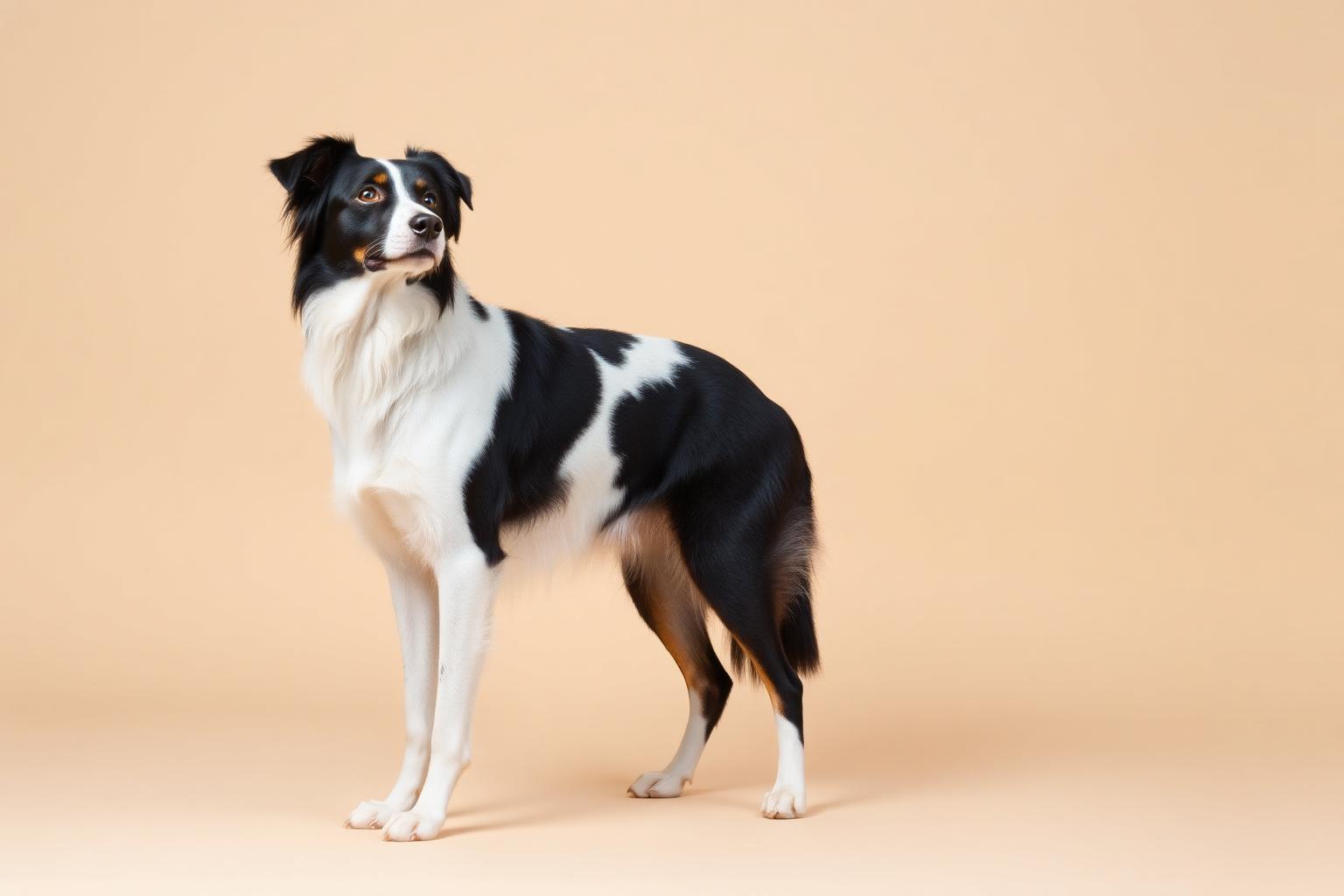
Border Collie
7.5The smartest of them all. Only for very active, experienced families. Without a job, becomes destructive and frustrated.
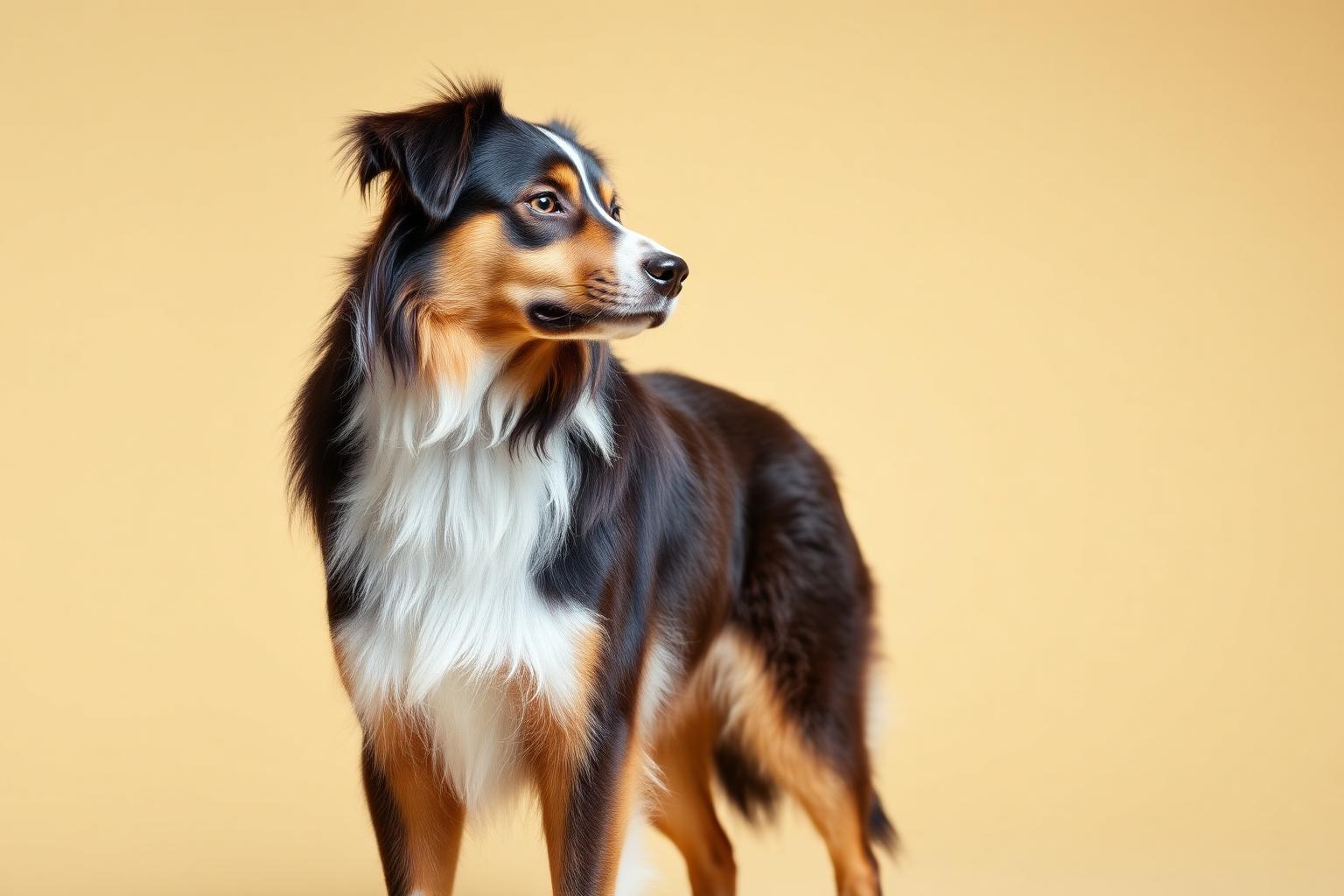
Australian Shepherd
6.8Brilliant and affectionate. Needs a job or a dog sport — gets bored and destructive without one.
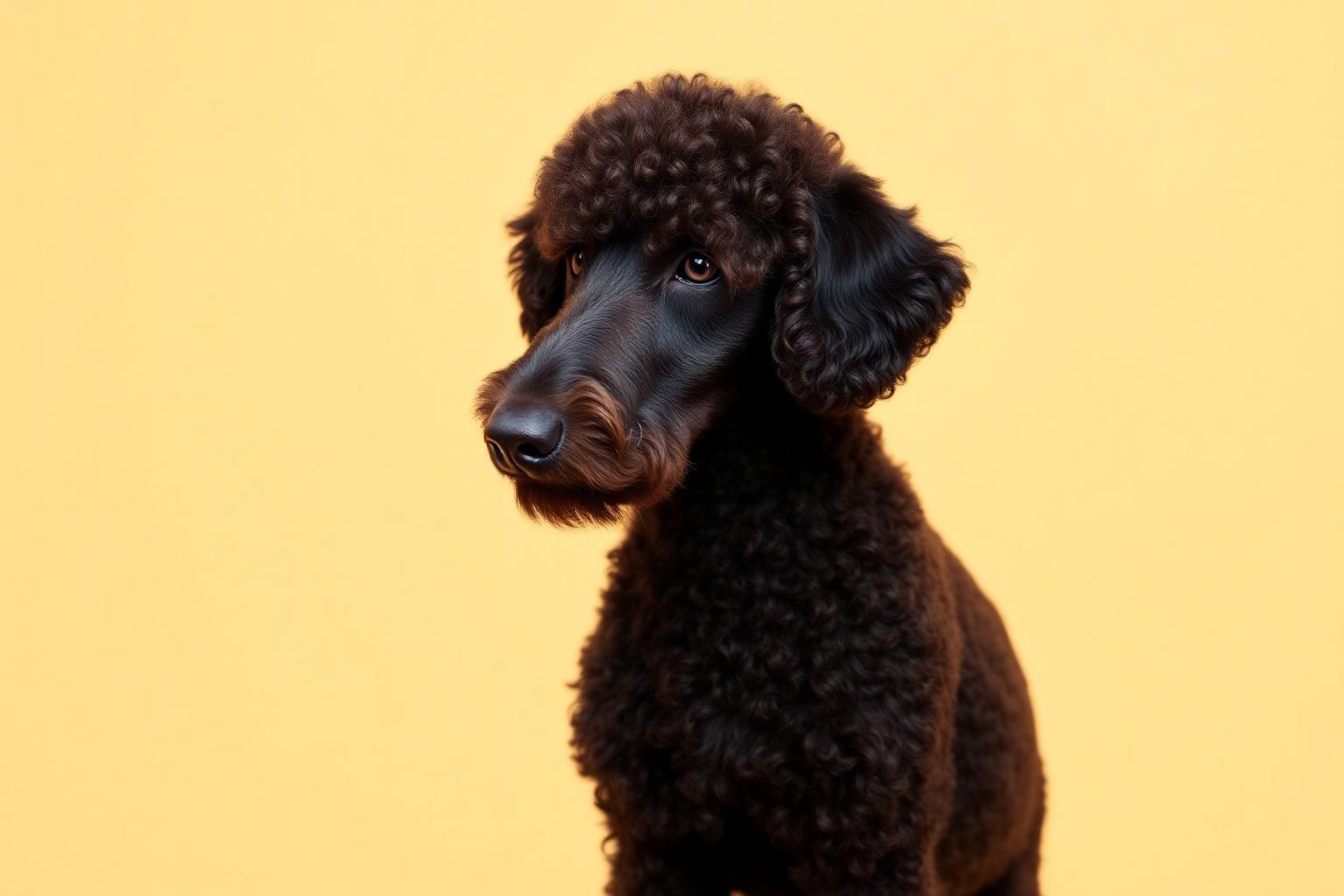 Hypoallergenic
Poodle
9.5Intelligent, elegant and hypoallergenic. Available in several sizes to suit any home. Requires regular grooming.