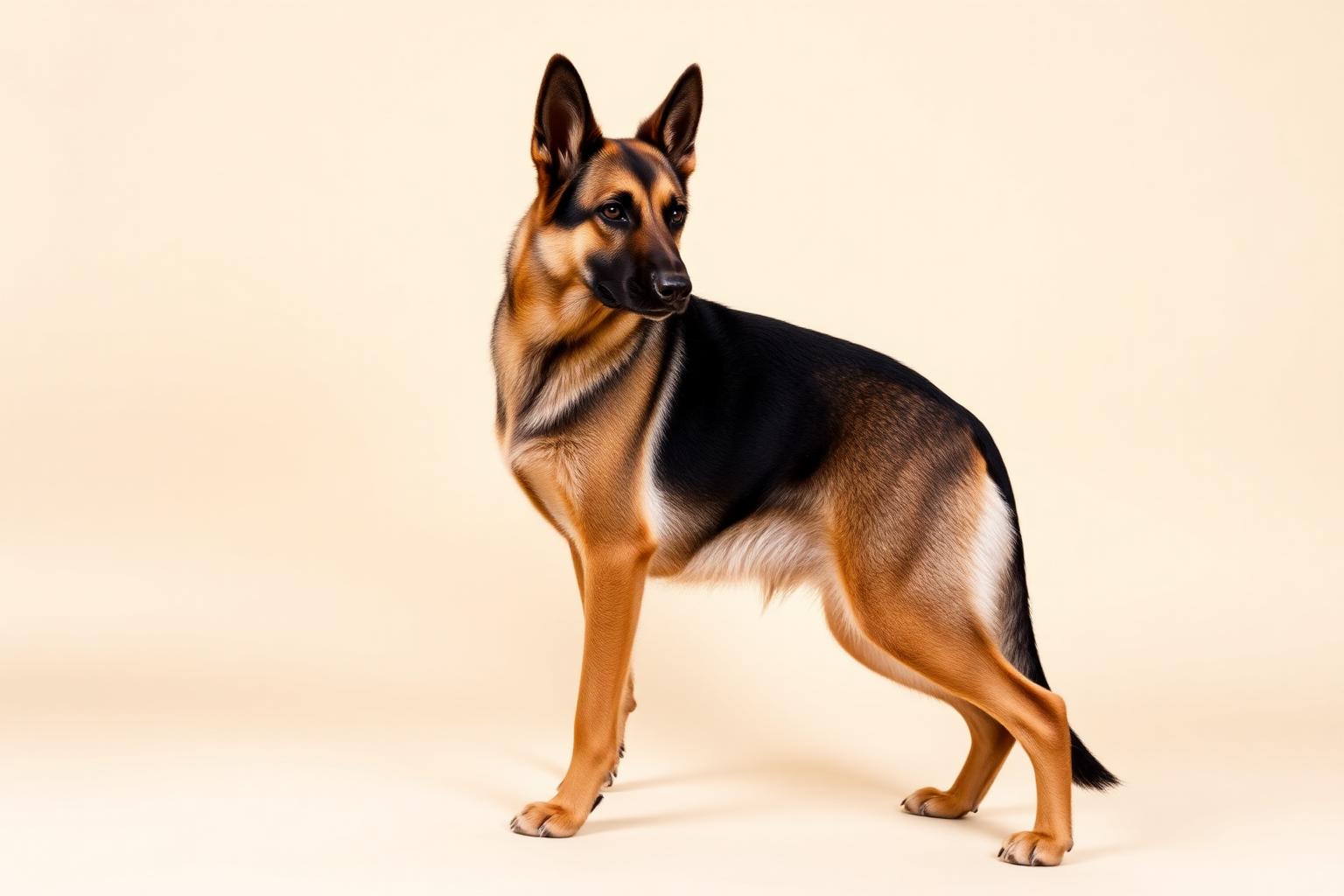
German Shepherd
"A loyal guardian, a brilliant student, and a devoted family partner."
Overview
Originating in 19th-century Germany, the German Shepherd is deeply loyal and intelligent. Known as a devoted protector, this large dog breed thrives when it has a clear purpose within your household. They are famously affectionate with their owners, calmly acting like your family’s observant second shadow.
When it comes to family life, their behaviour with children is often legendary. They make brilliant playmates for older kids and teenagers, naturally taking on a gentle nanny role. However, parents should strictly supervise them around toddlers. Their sheer size and natural instinct to herd can lead to accidental bumps or heel-nipping during energetic play.
Because of their high energy levels, they are much better suited to a spacious house with a garden rather than a small apartment. They require rigorous daily exercise and mental stimulation to stop boredom from turning into destructive habits. Their thick double coat also means they are prone to heavy shedding throughout the year and need plenty of shade to cope with intense summer heat.
Raising this magnificent dog is a significant commitment. Families should budget for a high monthly maintenance cost of around €220 to cover quality food, veterinary care, and insurance. Furthermore, consistent early socialisation and training are absolutely essential to properly manage their protective nature, ensuring they mature into a well-balanced, confident companion.
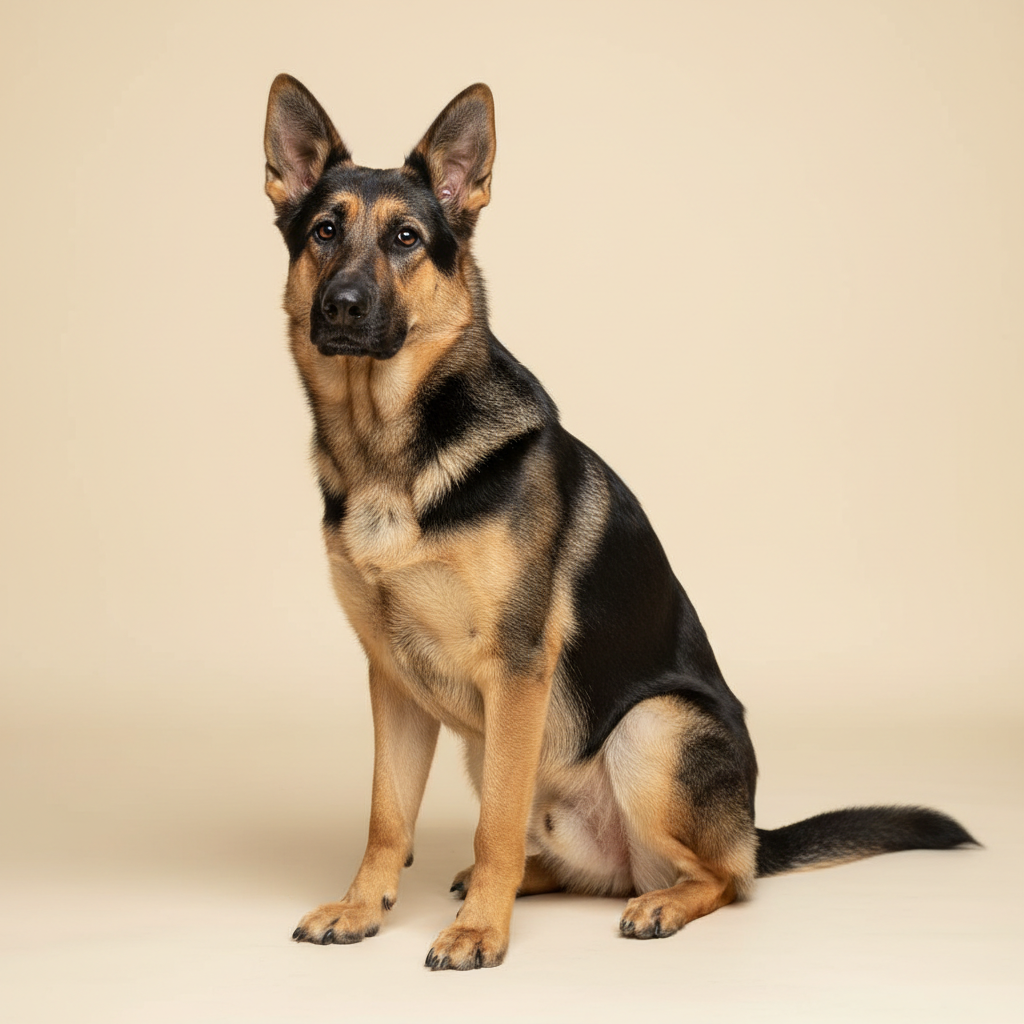
Key facts
- Size
- Large
- Weight
- 22–40 kg
- Life expectancy
- 9–13 years
- Daily exercise
- 90 min/day
- Estimated total
- 220€/month
- Country
- Germany
Character & temperament
The German Shepherd's temperament is defined by a unique combination of confidence and poise. They are not 'needy' or overly fawning dogs; they possess a natural self-assurance that can make them appear aloof to those they don't know. Once they accept you, however, they are incredibly approachable and affectionate. They aren't usually the type of dog to run up to every stranger at the park with a wagging tail; they prefer to observe first and ensure everything is safe before engaging.
With their owners, they are famously known as 'Velcro dogs'. They thrive on human companionship and will likely follow you from room to room. Their intelligence means they are constantly 'scanning' their owners for cues on what to do next. This makes them highly biddable but also means they pick up on your stress or anxiety. They need a calm, confident leader who provides clear boundaries and consistent communication. Without this, their natural protective instinct can turn into bossiness or unnecessary reactivity.
In social situations, a well-socialized GSD is a model of controlled power. They should be neutral to other dogs and people unless there is a clear threat. They are highly adaptable and can transition from a quiet nap at your feet to a high-energy game of fetch in seconds. Their 'on-off' switch is excellent, provided they've had their daily exercise. The typical German Shepherd wants nothing more than to be part of the family activities, feeling like they have a role and a purpose within the 'pack'.
Living with children
German Shepherds and children can be a legendary match. For school-aged kids (6-12) and teenagers, they are the ultimate playmates—energetic enough for football in the garden and patient enough to handle clumsy affection. They often take on a 'nanny' role, keeping a watchful eye on their little humans. For toddlers and babies, their size and exuberance are the main risks; a happy tail can easily knock over a small child, and their instinct to herd might lead to nipping at moving heels.
It is crucial to teach children to respect the dog's space, especially during meal times. While the GSD is famously tolerant, no dog should be climbed on or treated like a toy. For families with very young children, consistent supervision is required to ensure the dog's 'working' intensity doesn't overwhelm the kids. When properly introduced and managed, the Shepherd becomes a primary source of security and companionship that children will cherish and remember for their entire lives.
With other pets
They generally coexist well with other pets if introduced early. With other dogs, they can be dominant, so early socialization is key to prevent bossy behavior. They can live harmoniously with cats if they grow up together, though their prey drive might cause them to chase a running cat outside. They are not naturally 'pack-oriented' with strange dogs and often prefer their human family over dog-park social circles. Constant supervision during the introduction phase to smaller pets (rabbits, birds) is mandatory due to their hunting heritage.
Health & prevention
The German Shepherd is a magnificent dog, but genetically, they carry a heavy burden. Hip and Elbow Dysplasia are the most common concerns; these are inherited malformations of the joints that can lead to painful arthritis. It is non-negotiable to ask for OFA or equivalent certifications from parents. Another serious condition is Degenerative Myelopathy (DM), a neurological disease similar to ALS in humans, which causes progressive paralysis. Breeders must test for the DM gene.
Additionally, like many deep-chested breeds, they are at high risk for Gastric Torsion (Bloat), which is a life-threatening emergency where the stomach twists. Preventing this involves feeding smaller meals and avoiding vigorous exercise right after eating. Eye issues like Pannus and skin allergies are also seen. Despite these risks, a well-bred GSD kept at a healthy weight—ideally slightly lean—can live a vibrant life into their early teens. Regular vet check-ups focusing on mobility are essential as they age.
Health risks
- •Hip & elbow dysplasia
- •Degenerative myelopathy
- •Gastric torsion
Care
Nutrition
A German Shepherd's diet must support their bone health and large muscle mass. Feed a high-quality large-breed formula, ideally with added glucosamine and chondroitin for joint support. An adult weighing 35kg needs about 350-450g of dry food daily, split into two meals to prevent bloat. Avoid cheap fillers (corn/wheat) which can lead to skin issues. It is vital to keep them lean; you should be able to feel their ribs easily. Excess weight is the fastest way to trigger hip dysplasia symptoms and shorten their active life.
Grooming & hygiene
Known as 'German Shedders' for a reason, they have a thick double coat that requires brushing at least 3 times a week, and daily during spring and autumn sheds. They don't need frequent professional grooming or haircuts—in fact, you should never shave them as it ruins their temperature regulation. Expect to bathe them every 2-3 months. Their nails grow fast and need monthly trimming. The main 'grooming' task is managing the constant snowstorm of fur in your home, so a high-quality vacuum is an essential part of their care kit.
Exercise & training
Exercise plan
Monday-Friday: 45 min brisk walk morning, 45 min structured play/fetch evening, plus 15 min mental work. Saturday: 2-hour hiking or trail run. Sunday: 1-hour socialization at a park and basic agility training. Mental stimulation like scent work or 'find it' games is mandatory daily to prevent destructive chewing. Without this 90-minute daily minimum, your Shepherd will find its own 'jobs'—like redesigning your sofa.
Training
Training a German Shepherd is a joy due to their focus, but it requires a structured approach. They are 'one-trial learners'—they can pick up commands in minutes, both good and bad! Use positive reinforcement (toys and treats work wonders) but maintain firm boundaries. They can be 'mouthy' as puppies, so bite inhibition training is priority one. Focus heavily on socialization during the first 16 weeks to prevent their natural aloofness from becoming fear or aggression. Without 15-20 minutes of brain games daily, they will become bored. Training should be a lifelong conversation, not just a puppy class.
Monthly cost
Costs reflect a high-quality joint-support diet and specialized health insurance, which is crucial for GSDs. Professional grooming is occasional, but vacuum bags will be a frequent expense!
Estimate for Spain, healthy adult dog. Varies by region and provider.
Pros & cons
Pros
- ✓Extremely intelligent and easy to train for various tasks.
- ✓Unwavering loyalty and devotion to their family pack.
- ✓Natural protective instinct providing a sense of security.
- ✓Highly versatile—thrives in dog sports, hiking, or working.
- ✓Patient and watchful guardians for children they know.
Cons
- !Intense shedding twice a year requires daily vacuuming.
- !High risk of costly genetic health issues like hip dysplasia.
- !Can become overly reactive or anxious without mental stimulation.
- !Requires significant time commitment for training and exercise.
- !Can be wary or aloof with strangers if not socialized.
Ideal for
- • Active hikers and runners looking for a loyal companion.
- • Families with school-aged children who want a guardian.
- • People interested in dog sports like agility or nose work.
- • Homeowners with a large secure garden and plenty of time.
Not recommended for
- • Apartment dwellers who are away from home 8+ hours.
- • People who take pride in a hair-free, pristine home.
- • First-time owners who are uncomfortable with firm discipline.
How it fits each scenario
Possible only with 3+ long outings; otherwise, they become restless and vocal.
Ideal, but don't leave them alone outside; they need to be with 'their' pack.
Challenging; they overheat easily and need shade and early-morning walks.
Very comfortable; their double coat provides excellent insulation.
Great, but their size and 'herding' nips can accidentally knock over small children.
Perfect; they are protective, patient, and love having a playmate.
Risky; their intelligence and power can easily overwhelm a novice handler.
The perfect owner who can provide the firm, fair leadership they crave.
Excellent match; they need a family that moves as much as they do.
Not recommended; a bored GSD is a destructive and unhappy GSD.
Nightmare for allergy sufferers; they produce dander and lose hair constantly.
Risky due to potentially high veterinary bills for orthopedic issues later on.
Origin & history
The breed was standardized in the late 1890s by Captain Max von Stephanitz, who aimed to create the ultimate German herding dog based on utility and intelligence. He famously stated, 'Utility is the true criterion of beauty.' Following the decline of sheep herding, von Stephanitz successfully promoted the breed for police and military work. Their bravery during World War I and II gained them international fame, leading to their global popularity today. Despite various 'styles' appearing today (working vs. show lines), the core of the breed remains a versatile worker designed for endurance and focus.
Rin Tin Tin, the famous movie star GSD, was a real rescue dog found in a bombed-out kennel in France during WWI.
Frequently asked questions
How much does a German Shepherd cost to buy and keep?▾
A German Shepherd from a reputable breeder typically costs between €1,200 and €2,500. Avoid 'bargains' as they often come with severe hip issues. Monthly upkeep for a healthy adult is around €200, covering quality food, insurance, and routine vet care. You must budget for potential orthopedic costs.
Are German Shepherds hypoallergenic?▾
No. They are professional shedders, often nicknamed 'German Shedders'. They produce significant dander and lose hair year-round, with two massive 'blowouts' annually. If someone in your house has asthma or dog allergies, this is definitely not the right breed for your family.
Are they aggressive toward strangers?▾
They are naturally protective but should not be aggressive. A well-bred Shepherd is observant and aloof with strangers but calm. Aggression usually stems from poor breeding, lack of socialization, or fear. Early training is essential to ensure their protective instinct remains a positive trait rather than a liability.
Is a German Shepherd good for a family with small kids?▾
German Shepherds are exceptional with children when raised with them. They are patient and often act as 'guardians'. However, their herding instinct can lead them to nip at heels or knock toddlers over during play. Supervision is always required, especially with visiting children they don't know well.
How much exercise do they really need?▾
They require at least 90 minutes of vigorous activity daily. This isn't just walking; it must include running, training, or mental games. A bored Shepherd becomes vocal, anxious, and can destroy doors or furniture. If you can't commit to this daily, please consider a lower-energy breed.
What is their life expectancy and how to improve it?▾
The average lifespan is 9 to 13 years. To maximize this, keep them lean (obesity is a killer for their joints) and choose a breeder who tests for DM and hip/elbow dysplasia. Preventive care and a high-quality diet are the best investments for a long life together.
Do they bark a lot?▾
They are highly vocal. They don't just bark; they 'talk', whine, and grumble to communicate. They will bark at the doorbell or strangers approaching the house. While they aren't 'nuisance barkers' if exercised, they are definitely not a quiet breed. If you hate barking, look elsewhere.
Is it a good breed for a first-time owner?▾
I generally advise against it unless you are very active and committed to professional training. Because they are so smart, they can easily learn to manipulate an owner who doesn't know how to set boundaries. They are 'too much dog' for many people who aren't prepared for the work.
Similar family-friendly breeds
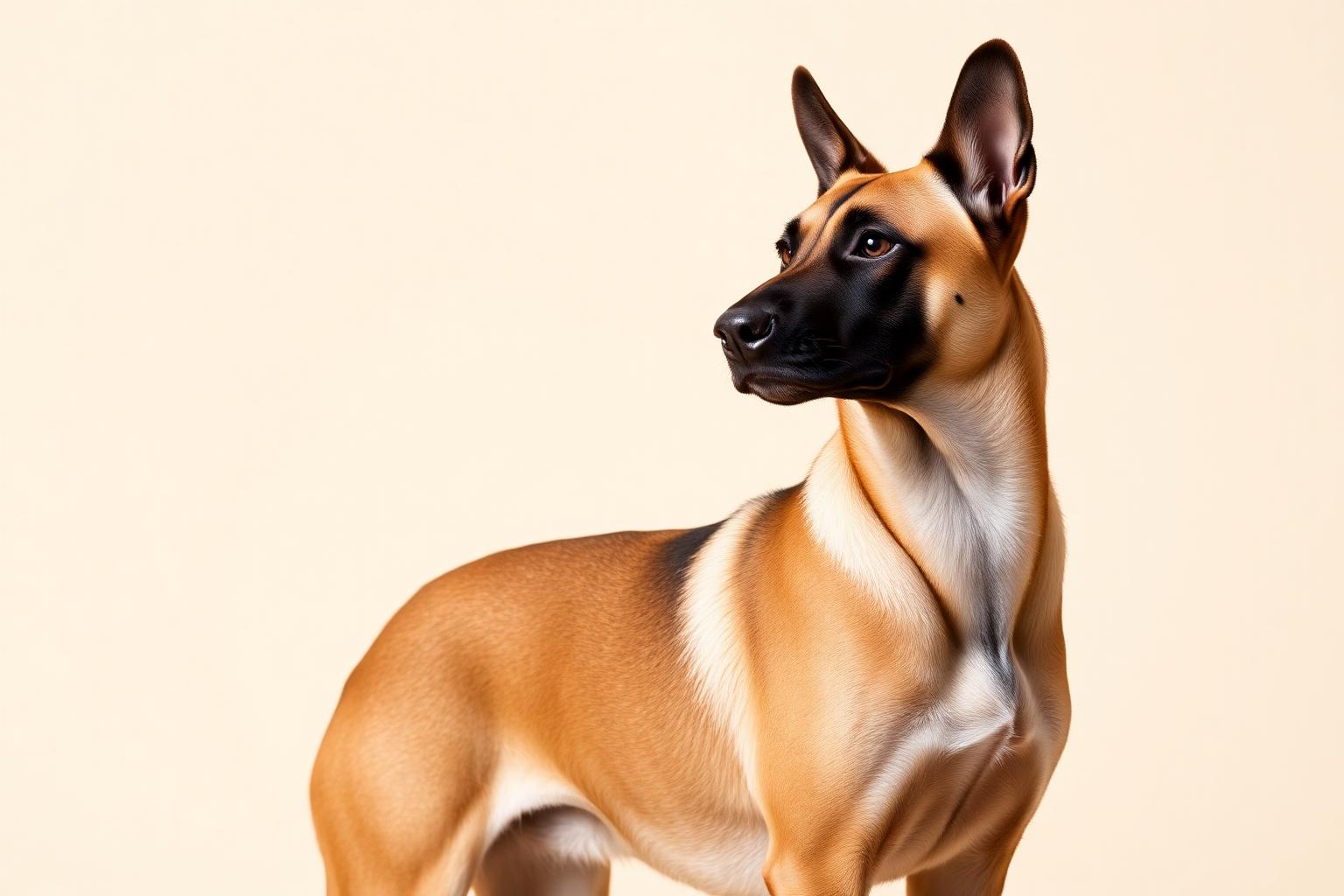
Belgian Malinois
5.9Police and military working dog. Not a normal family dog: demands serious work.
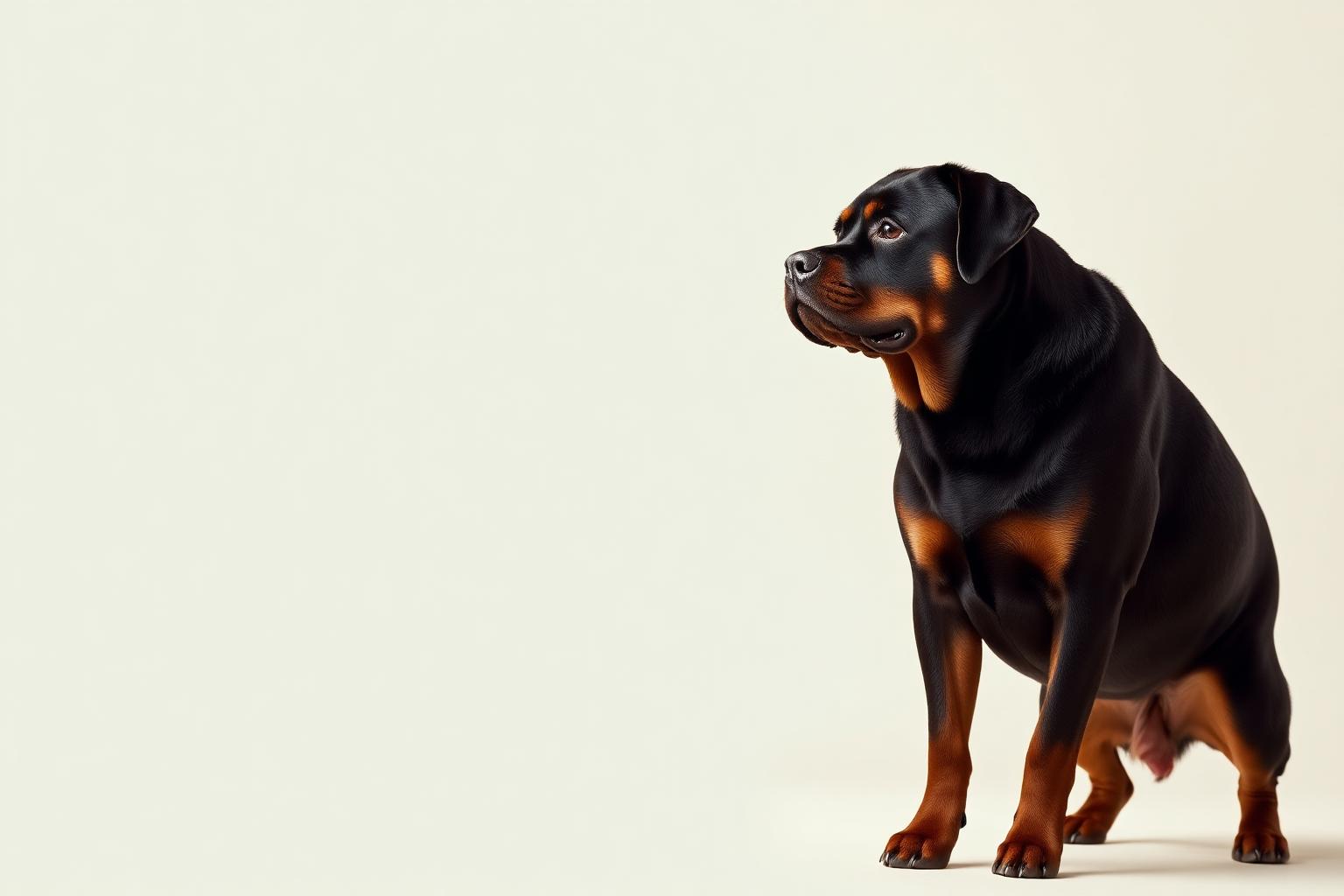
Rottweiler
6.4Strong, loyal and territorial. Restricted breed in Spain: requires licence, insurance and expert handling.
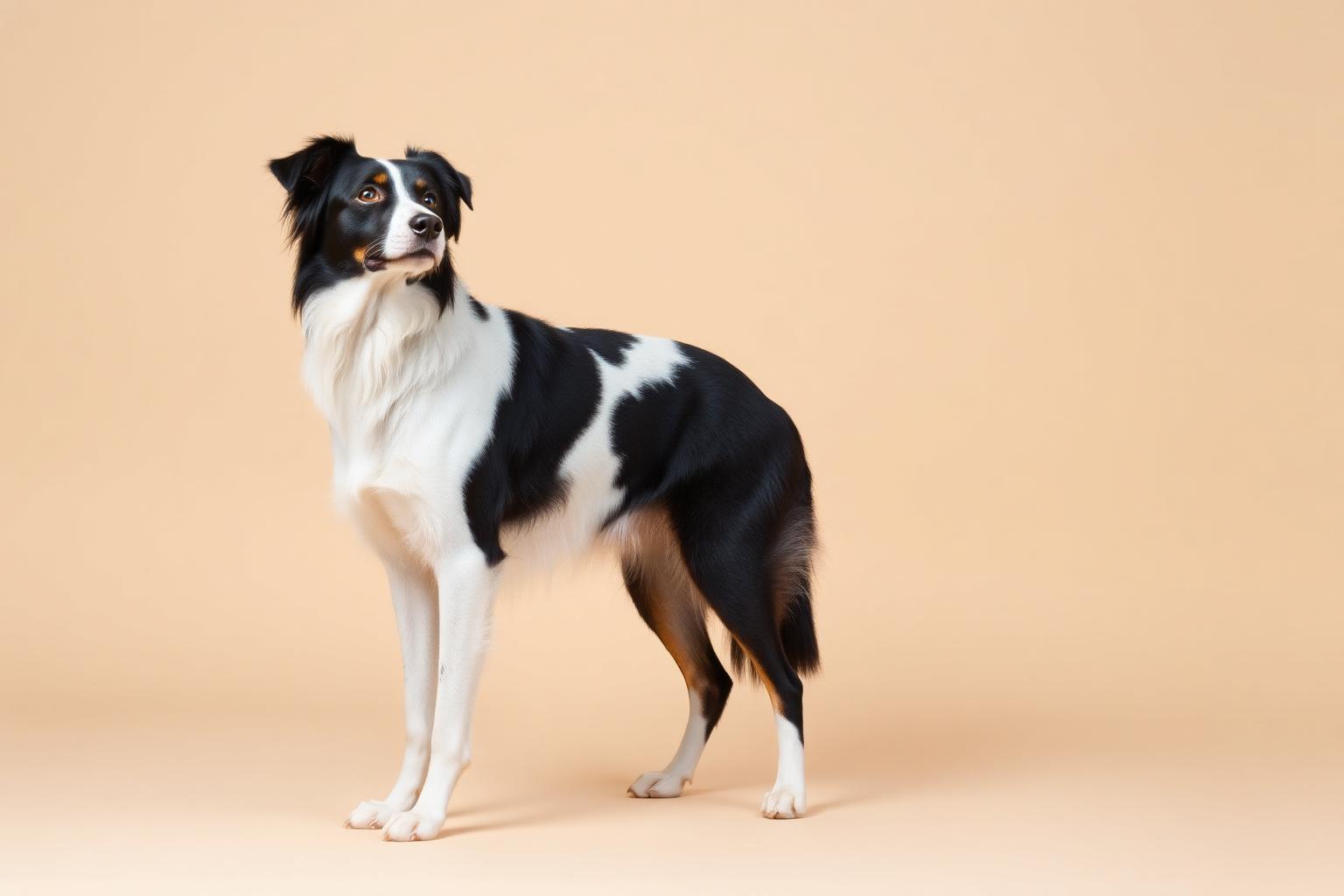
Border Collie
7.5The smartest of them all. Only for very active, experienced families. Without a job, becomes destructive and frustrated.