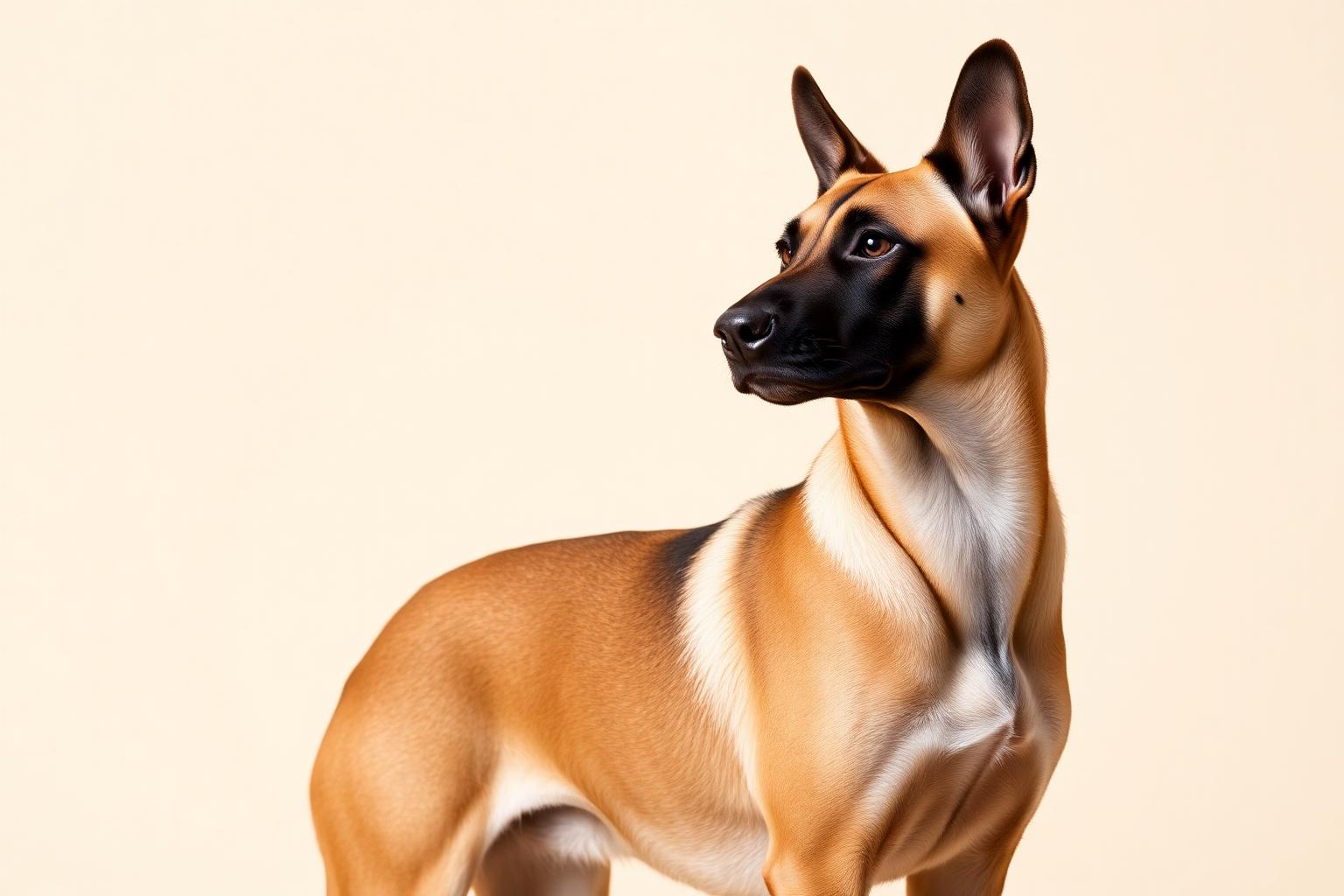
Belgian Malinois
"Intelligence, loyalty, and energy in a four-legged friend."
Overview
The Belgian Shepherd is an exceptional canine breed, renowned for its superior intelligence, unwavering loyalty, and high energy. There are four distinct varieties: Groenendael, Malinois, Tervueren, and Laekenois, each with unique coat and temperament characteristics. These dogs are ideal for active individuals and families who seek a versatile companion capable of excelling in various canine sports such as agility, obedience, or protection work.
For a healthy and balanced Belgian Shepherd, it is vital to provide early socialization and consistent positive reinforcement training from puppyhood. Their high need for exercise (at least 1-2 hours of intense activity daily) and mental stimulation is crucial; otherwise, they may develop destructive behaviors. Regarding their health, they are generally robust but can be prone to hip and elbow dysplasia and some eye problems, which emphasizes the importance of choosing responsible breeders who perform genetic tests on the parents. Their life expectancy is typically 10-14 years if they are given the necessary care, including a high-quality diet rich in protein.
Living with children is possible and usually very positive with proper introduction and supervision, as the Belgian Shepherd is naturally protective. However, their herding instinct may require correction. For grooming, the long-haired varieties need frequent brushing, while the Malinois requires less maintenance. They are not suitable for first-time owners or sedentary families, but for those with experience and an active lifestyle, the Belgian Shepherd can be a loyal and enriching companion, offering unconditional love and unparalleled protective vigilance.
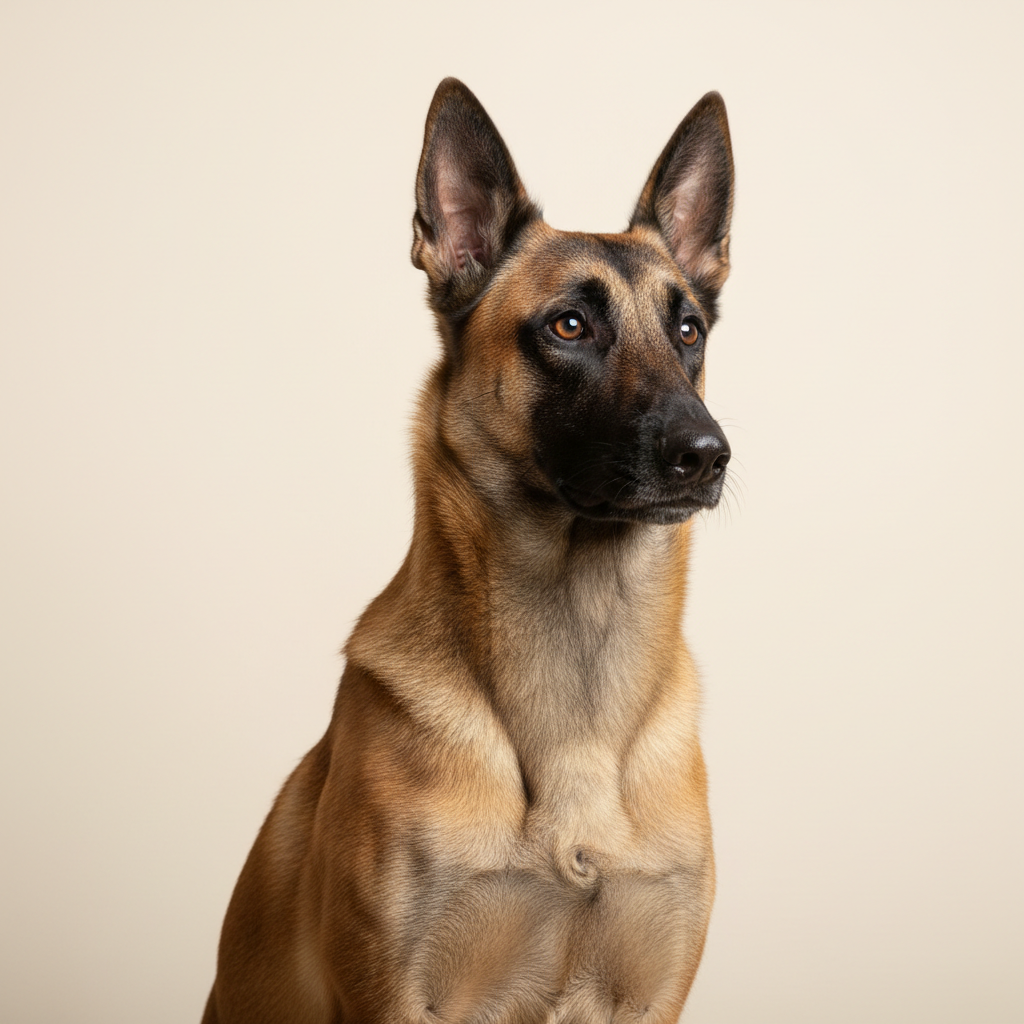
Key facts
- Size
- Large
- Weight
- 20–30 kg
- Life expectancy
- 12–14 years
- Daily exercise
- 120 min/day
- Estimated total
- 190€/month
- Country
- Bélgica / Belgium
Character & temperament
The Belgian Shepherd is known for its exceptional intelligence, making them highly trainable and eager to please dogs. However, this intelligence comes with a great need for mental and physical stimulation. They are naturally guard and protective dogs, with a strong territorial instinct and deep attachment to their family. Their loyalty is unwavering, but they can be reserved or distrustful of strangers until their family indicates everything is alright. This reserve should not be confused with shyness or aggression if they have been properly socialized. They are high-energy dogs that need intense daily exercise to stay balanced and avoid destructive behaviors resulting from boredom or frustration. A Belgian Shepherd without enough activity can become anxious or destructive. They are very sensitive to their owners' voices and moods, responding best to positive, firm, and consistent training. They do not tolerate prolonged solitude well and are happy when involved in family activities. Malinois and Groenendael varieties are usually the most energetic and work-oriented, while Tervueren and Laekenois can be somewhat calmer, but all require a dedicated and experienced owner.
Living with children
The coexistence of the Belgian Shepherd with children largely depends on early and appropriate socialization, as well as the age and temperament of the little ones. Due to their protective and herding nature, they can be excellent playmates and loyal guardians for the family's children. However, their high energy and herding instinct can manifest in attempts to 'herd' smaller children by nudging or soft nipping, which must be corrected from puppyhood. It is crucial to educate both the dog and the children on how to interact safely and respectfully. Children should learn to respect the dog's space, not bother it while eating or sleeping, and understand that not all dogs enjoy rough play. For the Belgian Shepherd, early familiarization with children is essential for them to see them as part of their 'pack.' Always supervise interactions, especially with very young children, to prevent accidents. With correct education, the Belgian Shepherd can form an unbreakable and protective bond with children, becoming a loyal friend for life and a valuable family member.
With other pets
The interaction of the Belgian Shepherd with other pets can be successful if **early and consistent socialization** is carried out. Their **strong prey and herding instinct** can lead them to chase smaller animals, such as cats or rabbits, if they have not been raised alongside them or taught to coexist from puppyhood. With other dogs, especially of the opposite sex, they tend to be more tolerant, but they may show a dominant or territorial attitude if they are not well socialized or if they detect a threat. A gradual and supervised introduction is recommended. A well-socialized Belgian Shepherd can coexist peacefully, but always with initial supervision.
Health & prevention
Belgian Shepherds are generally a robust and healthy breed with a life expectancy of 10 to 14 years, but, like many large breeds, they are prone to certain genetic conditions. Hip and elbow dysplasia are common concerns, so it is essential to acquire puppies from responsible breeders who perform health screenings on breeding stock. They may also present hereditary eye problems such as progressive retinal atrophy. Some individuals may develop epilepsy. Thyroid problems are less common but should be considered. Furthermore, due to their high activity level, they are susceptible to muscle or joint injuries if exercise is excessive or inappropriate, especially during growth. A balanced diet and regular veterinary check-ups are crucial for early detection of any abnormalities. Weight monitoring is important to avoid overloading their joints. With proper care, they can lead a full and active life, although an annual veterinary check-up, including blood and urine tests, is advisable.
Health risks
- •Hip dysplasia
- •Epilepsy
- •Work-driven anxiety
Care
Nutrition
The Belgian Shepherd's diet should be of **high quality and balanced**, specifically formulated for **large, active breeds**. Due to their **high energy and musculature**, they need a feed rich in quality protein to maintain muscle mass and provide the necessary energy for their daily activities. Puppies require a diet that promotes slow and steady bone and joint growth to prevent problems such as dysplasia. It is advisable to divide the daily ration into two meals to avoid gastric torsion, a risk in large breeds. The amount of food should be carefully controlled to maintain an ideal weight and avoid obesity, which can exacerbate joint problems. Consult with the veterinarian to choose the best brand and amount of feed, and consider supplements such as chondroprotectors if specific needs or risk of joint problems are detected.
Grooming & hygiene
Grooming for the Belgian Shepherd varies depending on the variety: the long-haired Groenendael and Tervueren require **frequent brushing (2-3 times a week)** to prevent tangles and remove dead hair, especially during shedding seasons. The short-haired Malinois needs weekly brushing to keep its coat healthy and shiny. The rough-haired Laekenois requires **occasional stripping** to maintain the coat's proper texture. All varieties shed, requiring more attention during these periods. Baths should be infrequent, only when necessary, to avoid disturbing the natural oils of their skin. In addition to coat care, **regular dental care** (daily or several times a week brushing), **monthly nail trimming**, and ear cleaning are crucial to prevent infections. Their coat, though dense, is not very prone to tangling if brushed regularly.
Exercise & training
Exercise plan
The Belgian Shepherd is a breed with a **very high energy level** and an imperative need for exercise. They are not content with short walks; they require **intense and challenging physical activity** daily. This includes at least **1-2 hours of vigorous exercise** distributed over several sessions, which can be running, long brisk walks, fetch games, or agility sessions. **Mental stimulation** is as important as physical; intelligence games, advanced obedience training, or participation in canine sports like frisbee or scent work are excellent for channeling their intelligence and preventing boredom. A Belgian Shepherd that does not receive enough exercise can develop **behavioral problems** such as destructiveness, excessive barking, or anxiety. They are ideal companions for active people who enjoy outdoor activities and want to involve their dog in them.
Training
Belgian Shepherd training is **essential and must begin from puppyhood** due to their intelligence and energy. They are incredibly **intelligent and eager to please**, making them very receptive to positive and consistent training. It is crucial to use **positive reinforcement methods**, avoiding punishment, which can damage their confidence and sensitive temperament. **Early and continuous socialization** is fundamental for them to become familiar with different people, places, noises, and other animals, which helps prevent shyness or aggression. The Belgian Shepherd benefits greatly from **advanced obedience training** and participation in canine sports, which provide them with the much-needed mental and physical stimulation. A firm but fair owner, who sets clear boundaries and is consistent, is key to developing a well-behaved and balanced Belgian Shepherd. Puppy classes and basic obedience are an excellent starting point, and many owners continue with more advanced disciplines to keep their minds occupied.
Monthly cost
Costs prioritize high-quality protein for muscle maintenance and liability insurance for high-energy breeds.
Estimate for Spain, healthy adult dog. Varies by region and provider.
Pros & cons
Pros
- ✓Extremely intelligent and easy to train.
- ✓Loyal and protective of their family.
- ✓Excellent companion for sports and outdoor activities.
- ✓Versatile, excelling in multiple canine disciplines.
- ✓Good general health and life expectancy if well cared for.
Cons
- !Very high need for physical and mental exercise.
- !Can become destructive without adequate stimulation.
- !Require constant socialization and training.
- !Not suitable for first-time owners or sedentary individuals.
- !May be reserved or distrustful of strangers.
Ideal for
- • Active families with dog experience.
- • Owners who enjoy canine sports and outdoor activities.
- • People willing to invest time in their training and stimulation.
- • Homes looking for a guardian and protective dog.
Not recommended for
- • First-time owners or those without experience with working breeds.
- • Sedentary people or those lacking time for daily exercise.
- • Homes that cannot offer constant mental stimulation.
- • Families seeking a low-maintenance dog.
How it fits each scenario
Living in an apartment with a Belgian Shepherd is a challenge; they require space and a yard to release energy. Only suitable if the owner is extremely active and can provide multiple hours of intense exercise outside the home daily.
A home with a spacious garden is ideal for the Belgian Shepherd. The garden provides a safe place to play and explore, but it does not replace exercise and walks outside the home.
In hot climates, caution must be exercised when exercising a Belgian Shepherd. Their double coats make them prone to overheating. Avoiding midday hours and ensuring plenty of fresh water is crucial.
The Belgian Shepherd adapts well to cold climates thanks to its double coat. They enjoy outdoor activities even in low temperatures, but always with rest periods indoors.
With toddlers, supervision is essential. Their herding instinct can lead them to 'herd' the infants. Proper socialization and education on how to interact is vital.
With school-aged children, they can be wonderful playmates and an excellent incentive for physical activity. Clear interaction rules must be established for both.
They are not recommended for first-time owners. Their high energy and need for firm, consistent training require experience and knowledge of the breed to avoid behavioral problems.
Ideal for owners with experience in working breeds or with a deep understanding of an active dog's needs. They will appreciate their intelligence, loyalty, and working ability.
Perfect for very active families who enjoy sports, walks, hiking, and outdoor activities. A happy Belgian Shepherd is one who shares adventures with its family.
Not suitable for families with very busy schedules who cannot dedicate ample hours to exercise, training, and companionship. Neglect can lead to stress and behavioral problems.
The Belgian Shepherd sheds moderately to heavily, especially during seasonal coat changes. They are not hypoallergenic, making them not a good choice for people with allergies.
Not suitable for a low budget. They require high-quality food, potential veterinary expenses due to their size, and professional training is often recommended to channel their potential.
Origin & history
In the late 19th century, Belgian canine experts set out to standardize and preserve native herding dogs. From this effort, four varieties emerged: the Groenendael (long black coat), the Laekenois (rough coat), the Malinois (short coat), and the Tervueren (long coat of colors other than black). Originally used as cattle herders, their intelligence and versatility soon led them to other roles, including military and police dogs, highlighting their incredible working capacity and adaptability. Although they share a common origin, each variety has subtly different physical and temperamental characteristics.
The Belgian Shepherd, especially the Malinois variety, is one of the most chosen breeds for police and military work worldwide, even surpassing the German Shepherd in some units due to its agility and responsiveness.
Frequently asked questions
Is the Belgian Shepherd a good breed for family protection?▾
Yes, the Belgian Shepherd possesses a **strong protective and territorial instinct**, making it an excellent guardian for the family and home. They are vigilant, brave, and will not hesitate to protect their loved ones if they perceive a threat. However, this instinct must be channeled through **early socialization and proper training** to ensure they can differentiate real danger situations from harmless ones, avoiding excessive distrust or aggression. A well-trained Belgian Shepherd will be a balanced and reliable protector.
How much exercise does a Belgian Shepherd need daily?▾
The Belgian Shepherd needs a significant amount of daily exercise. A minimum of **1 to 2 hours of intense physical activity** is recommended, which can include running, long brisk walks, fetch sessions, agility, or any canine sport. In addition to physical exercise, they require **mental stimulation** through intelligence games or training sessions. Lack of exercise and stimulation can lead to behavioral problems such as anxiety, boredom, and destructiveness.
Is the Belgian Shepherd suitable for living with small children?▾
With **early and proper socialization**, Belgian Shepherds can be good with children, becoming very protective. However, their **herding instinct** can lead them to try to 'herd' small children, which could result in nudges or small nips. It is vital to **always supervise interactions** and teach both the dog and the children how to behave. With solid education, they can be loyal and patient companions.
Does a Belgian Shepherd require a lot of brushing?▾
Belgian Shepherd grooming depends on the variety. Long-haired varieties (Groenendael and Tervueren) require **brushing 2-3 times a week** to prevent knots and remove dead hair. The Malinois (short-haired) needs weekly brushing, and the Laekenois (rough-haired) needs **occasional stripping**. All varieties shed, especially in spring and autumn, requiring daily brushing during those times. Baths should only be when necessary to avoid affecting their skin.
Are Belgian Shepherds prone to any specific diseases?▾
Yes, like many large and active breeds, Belgian Shepherds can be prone to certain health conditions. The most common include **hip and elbow dysplasia**, hereditary eye problems such as progressive retinal atrophy, and some cases of epilepsy. To minimize these risks, it is crucial to acquire a puppy from a responsible breeder who performs health screenings on the parents. A proper diet, controlled exercise during growth, and regular vet visits help keep them healthy.
Can I leave a Belgian Shepherd alone at home for a long time?▾
The Belgian Shepherd is a breed that **does not tolerate prolonged solitude well**. They are very family-oriented dogs and need to interact with their owners. Leaving them alone for extended periods can lead to **separation anxiety, excessive barking, or destructive behaviors**. If you have a very busy schedule and cannot be home most of the day, this breed might not be the most suitable for you, or you should consider options like doggy daycares or dog walkers to ensure their well-being.
Are Belgian Shepherds suitable for people with allergies?▾
Unfortunately, the Belgian Shepherd is **not a hypoallergenic breed**. They shed moderately to heavily throughout the year, with peaks during certain seasons. They release dander and hair, which are the main triggers for allergies. Therefore, they are not a recommended option for people who suffer from dog allergies. It would be advisable to look for breeds with less shedding capacity or those considered hypoallergenic to avoid allergic reactions.
How should I socialize my Belgian Shepherd puppy?▾
Socializing a Belgian Shepherd puppy should be **early, positive, and consistent**. Expose your puppy to diverse people (men, women, children), other vaccinated dogs, different environments, sounds, and textures. Take it to puppy classes, dog parks (once vaccinated), and integrate it into your daily life. Experiences should always be positive, using treats and praise. Good socialization is crucial for developing a balanced, confident, and sociable adult dog, mitigating its natural tendency to be reserved with strangers.
Similar family-friendly breeds
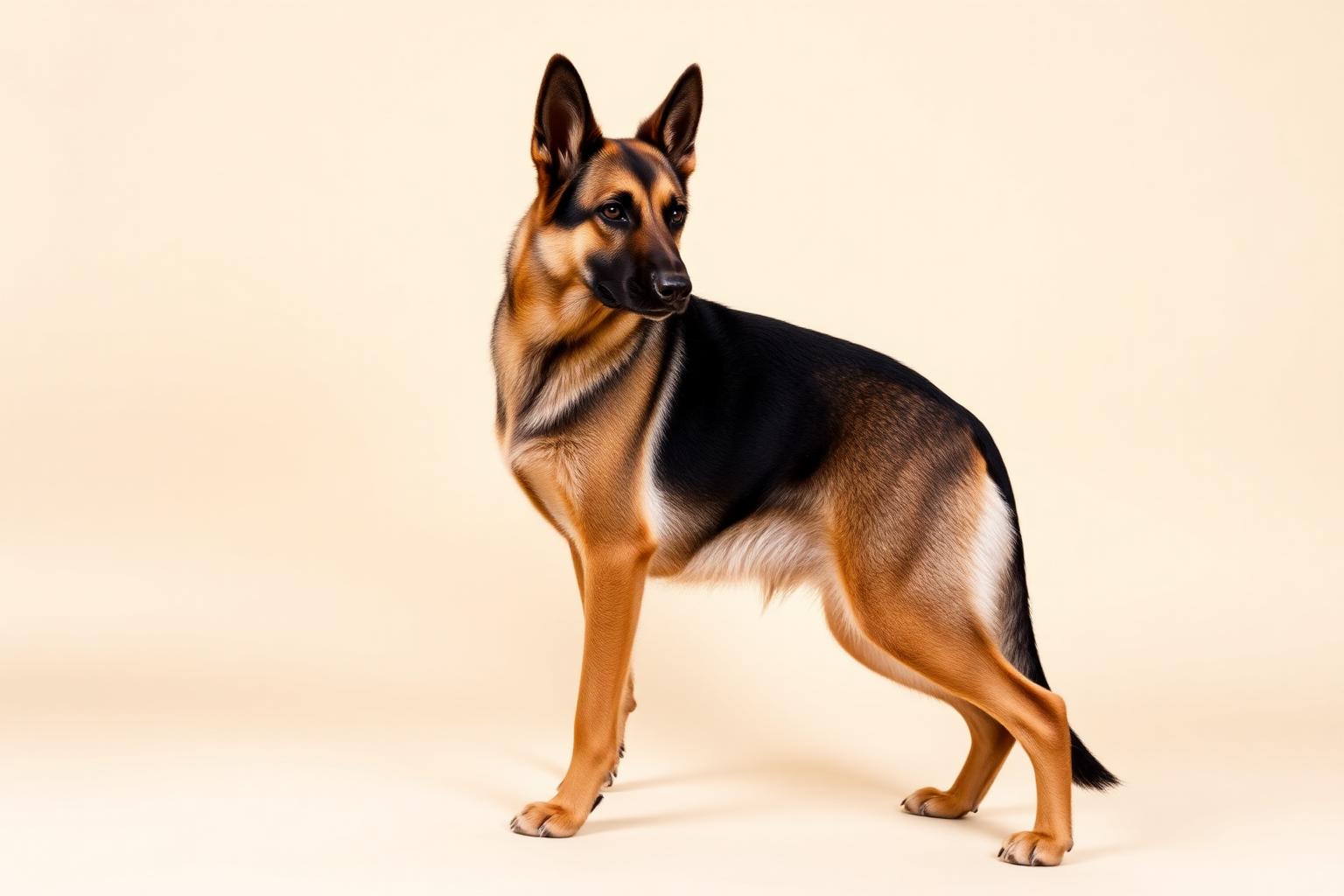
German Shepherd
6.9Intelligent and protective. Needs early socialization and constant mental work.
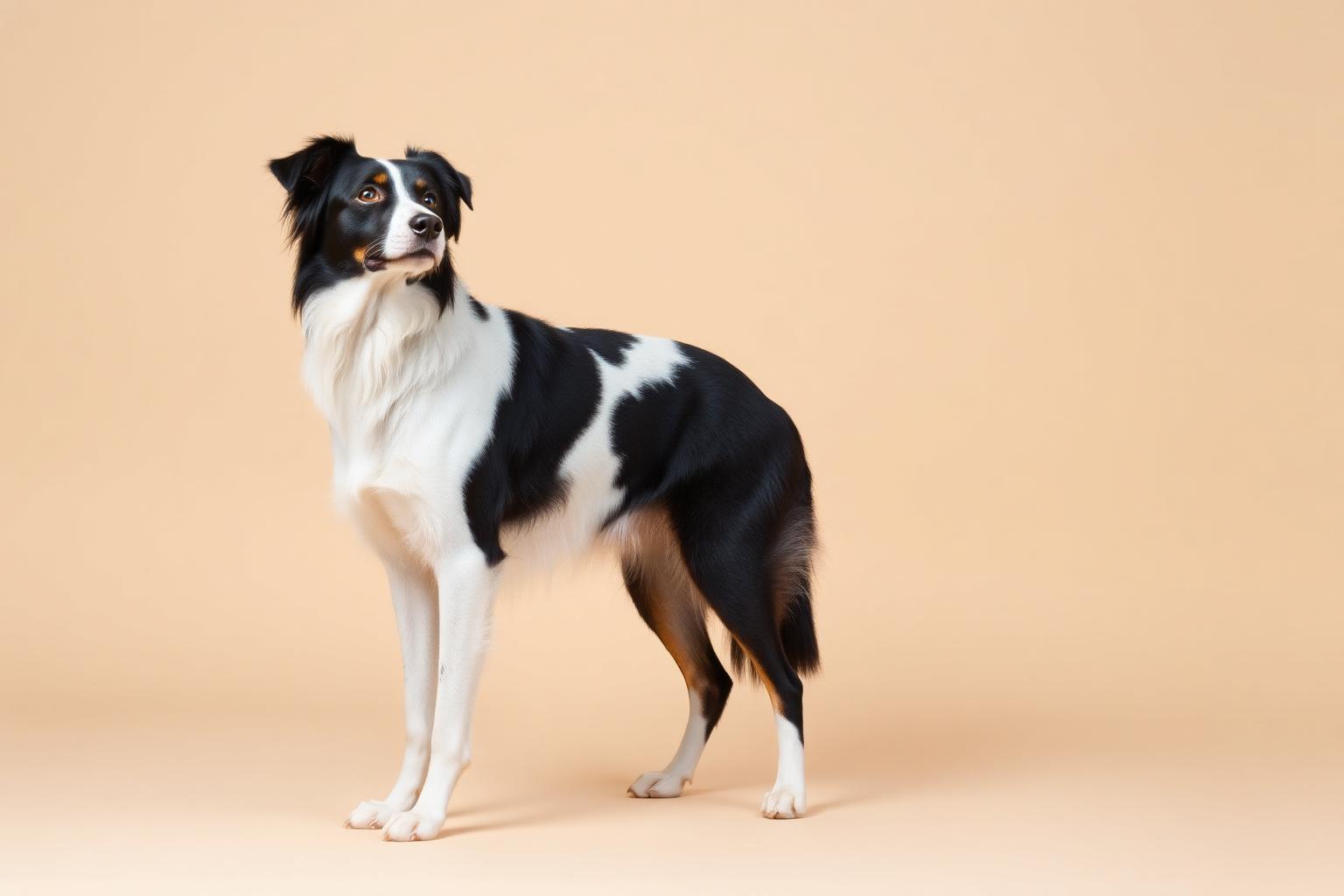
Border Collie
7.5The smartest of them all. Only for very active, experienced families. Without a job, becomes destructive and frustrated.
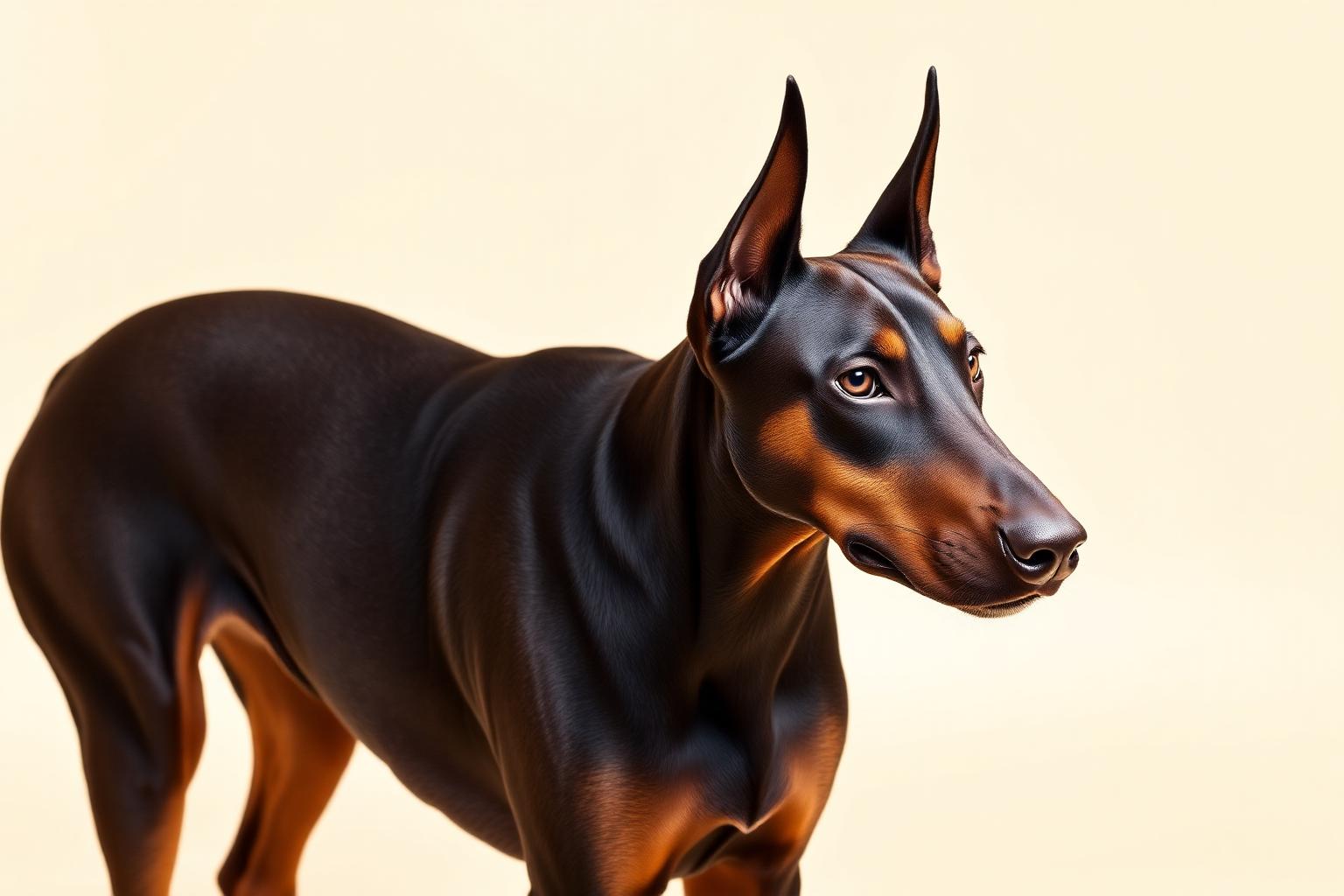
Doberman Pinscher
6.5Athletic, elegant and very loyal to family. Cold-sensitive: needs a coat in winter.