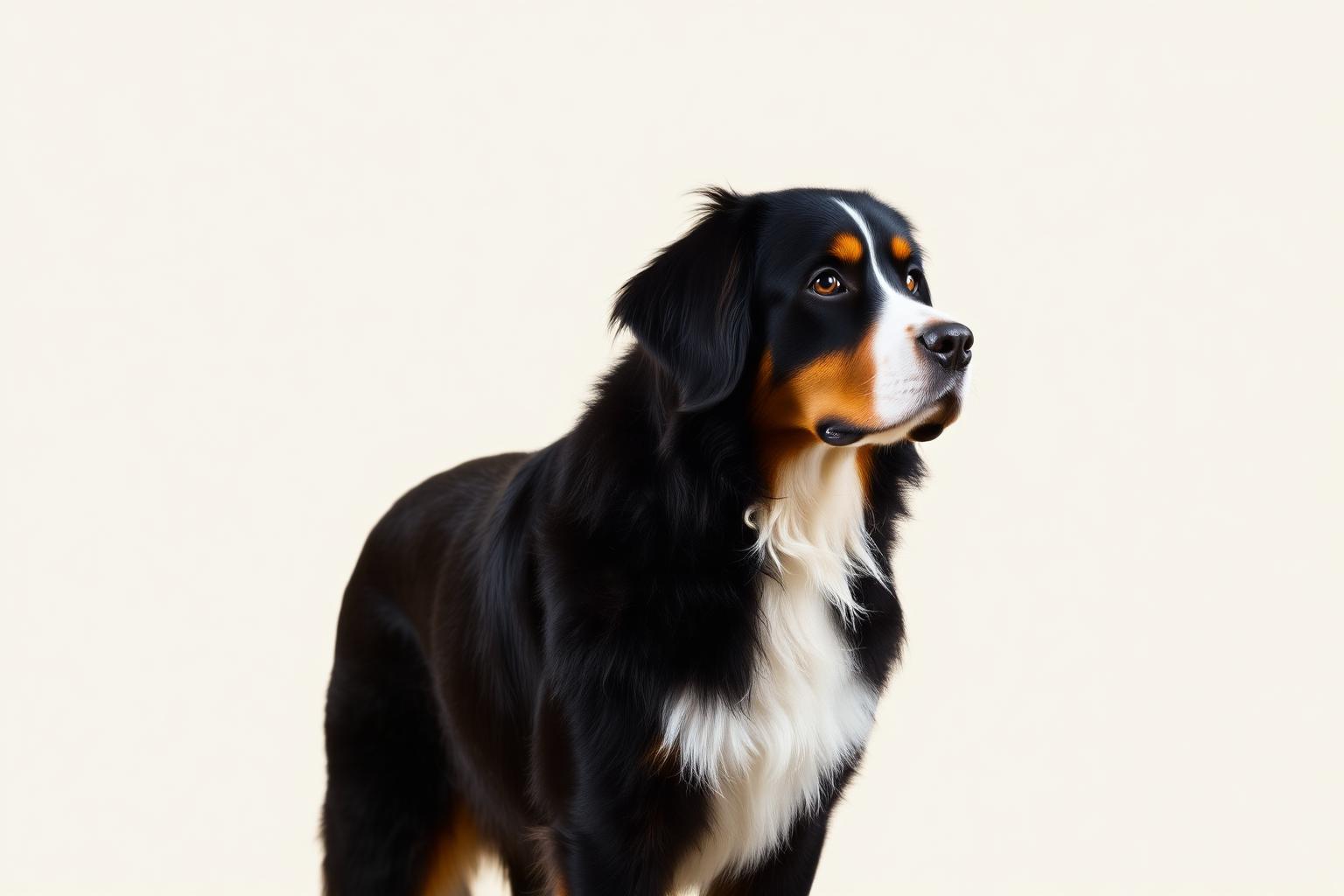
Bernese Mountain Dog
"A heart of gold in a giant tricolor tuxedo."
Overview
The Bernese Mountain Dog is the ultimate gentle giant for a deeply bonded family home. Despite being a giant size breed weighing up to 50 kg, this majestic dog is famous for its sensitivity, warmth, and intense desire to always be close to its people.
Their legendary patience makes them exceptional with small children, often acting as calm, tolerant, and watchful companions around toddlers. Because they simply live to please you, they are generally easy to train using gentle, positive reinforcement, even if they stay playfully puppy-like for years.
However, their massive frame and thick coat establish specific living requirements. They truly need a house with a garden to stretch out comfortably, making them entirely unsuited for apartment living. Families must also be aware of their very poor heat tolerance, as these dogs suffer in hot climates and heavily favor the cold.
While they are remarkably steady indoors, they still require around 60 minutes of daily exercise through slow, gentle walks to stay physically healthy. They are deeply affectionate companions that can develop separation anxiety if left completely alone for extended periods.
Prospective owners must prepare for a high monthly maintenance cost and understand that they shed profusely all year long, meaning they are absolutely not hypoallergenic. Perhaps the hardest reality of taking on this beautiful breed is their short life expectancy of 7 to 10 years, making loving them an incredibly profound but tragically brief experience.
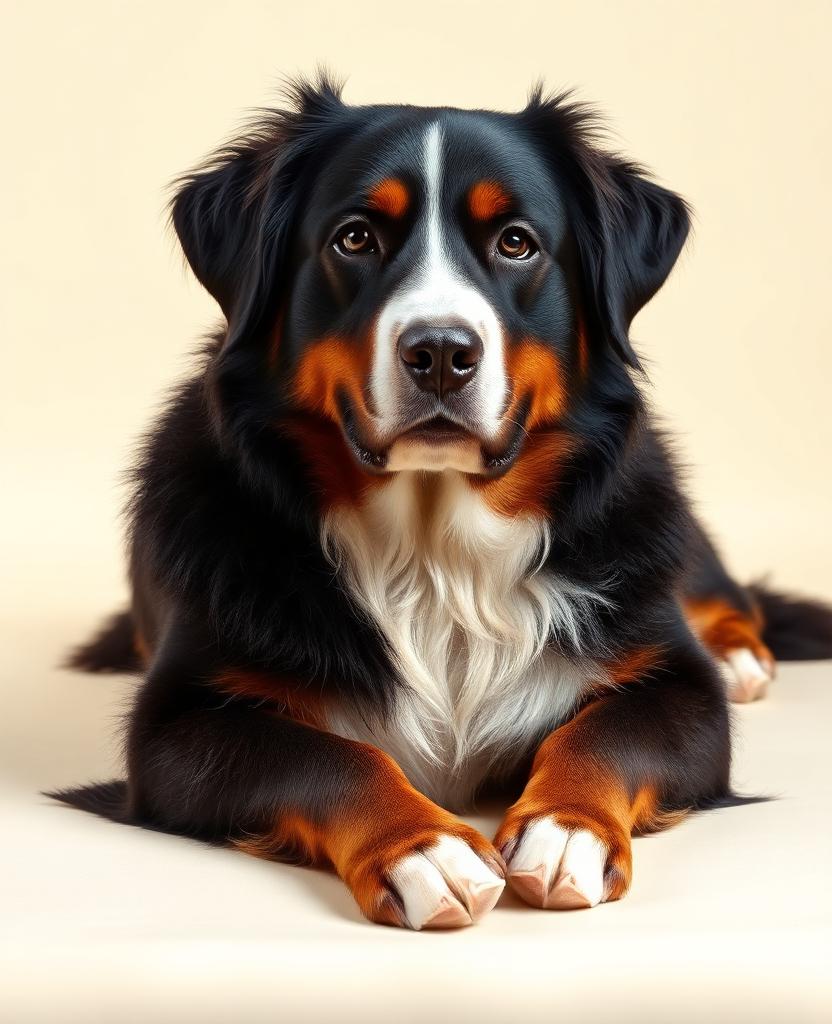
Key facts
- Size
- Giant
- Weight
- 35–50 kg
- Life expectancy
- 7–10 years
- Daily exercise
- 60 min/day
- Estimated total
- 305€/month
- Country
- Switzerland
Character & temperament
The Bernese is known for being remarkably steady and calm. They are confident dogs that don't easily get rattled by house noise or chaos. Their temperament is characterized by an 'off switch' inside the house; they are happy to lounge for hours as long as they are in the same room as their people. They are slow to mature, often acting like 45kg puppies until they are three or four years old, which adds a charming, playful silliness to their character.
When it comes to strangers, they are generally polite but slightly aloof compared to a Golden Retriever. They will bark to announce a visitor, but they lack any real aggression. Once introduced, they quickly accept guests as new friends. They are excellent judges of character and tend to mirror the energy of the person they are meeting. They are never timid or shy if socialized correctly, showing a majestic dignity that is very typical of the breed.
The bond they form with their primary owners is intense. They are 'velcro dogs' in a giant body. A Bernese doesn't just want to be in the house; they want to be touching you. If you go to the kitchen, they follow. If you sit on the sofa, they will try to put their head on your lap. This deep devotion means they can suffer from separation anxiety if left alone for long periods. They live to please and thrive on positive reinforcement and physical affection.
Their signature trait
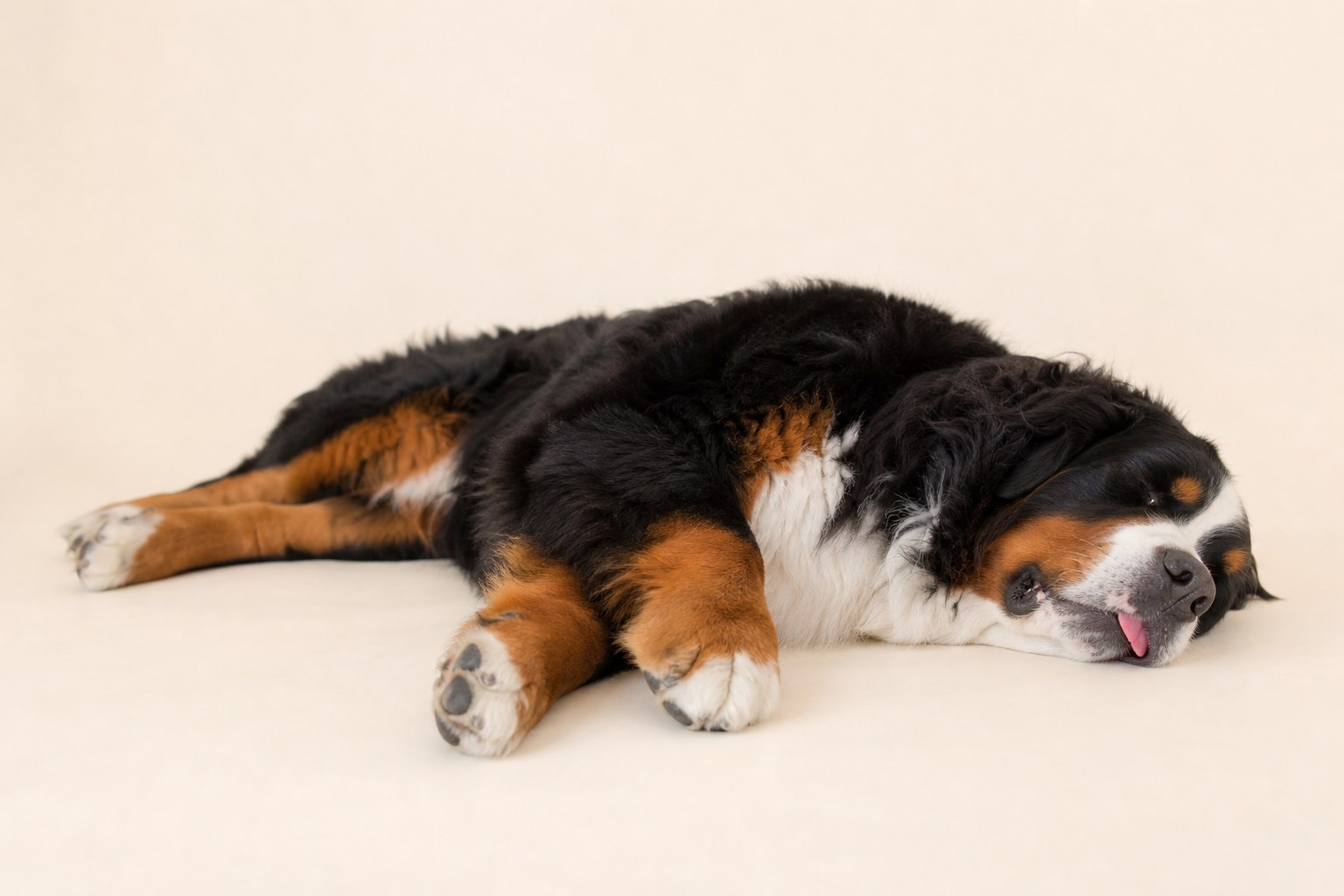
Living with children
Bernese Mountain Dogs are legendary for their affinity with children. With toddlers and babies, they are exceptionally gentle, often acting as a calm, watchful presence. They seem to understand that small humans are fragile, though their wagging tails can accidentally knock a toddler over like a bowling pin. They are very tolerant of the clumsy hugs and ears-tugging of the 3-6 age group, though parents must always intervene to ensure the dog’s boundaries are respected.
For school-aged children and teenagers, they are the perfect companions for backyard games and gentle hikes. They aren't as 'high-octane' as a Labrador, so they won't overwhelm kids with frantic energy, but they are always up for a slow-paced game of fetch. Their protective instinct is soft—they will stand between a child and a stranger, acting as a visual deterrent rather than an aggressor. They provide a sense of security and a non-judgmental ear for teenagers, making them spectacular emotional support animals within the family unit.
With other pets
Most Bernese Mountain Dogs coexist peacefully with other pets. They generally lack a high prey drive, making them safe around cats and even smaller indoor pets if introduced properly. With other dogs, they are usually non-aggressive and prefer to avoid conflict. They do best with other laid-back breeds but can be overwhelmed by very high-energy, nippy dogs. Because of their history as farm dogs, they are naturally inclined to accept other animals as part of their 'pack' to be guarded and cared for.
Health & prevention
The health profile of the Bernese Mountain Dog is the most difficult conversation for any breeder. They are plagued by a high incidence of Histiocytic Sarcoma, a very aggressive cancer that can shorten their lives significantly. Genetics play a huge role, so screening parents for cancer history and joint health (hips and elbows) is non-negotiable. Typically, a Bernese starts showing signs of aging by year 6 or 7. Regular vet check-ups every six months once they hit 5 years old are recommended to catch issues early.
Prevention of Gastric Dilatation-Volvulus (GDV or bloat) is also critical. Since they are deep-chested, owners should use elevated bowls and avoid exercise for an hour before and after meals. Maintaining a lean body weight is perhaps the most effective way to protect their joints; even 2-3 extra kilograms can cause severe pain and mobility issues. Despite these risks, their temperament is so extraordinary that many families find the '7 years of perfection' worth the eventual heartbreak.
Health risks
- •Hip dysplasia
- •Cancer
- •Short lifespan
Care
Nutrition
Feeding a Bernese requires a high-quality diet formulated for giant breeds to manage growth as puppies and joint health as adults. An adult male weighing 45kg will consume approximately 500-600 grams of premium kibble daily, often split into two or three meals to prevent bloat. It is vital to include joint supplements like glucosamine and chondroitin early on. Keep them lean; you should be able to feel their ribs easily. Obesity is the fastest way to worsen dysplasia and put unnecessary strain on their already sensitive hearts.
Grooming & hygiene
A Bernese requires significant grooming effort. You should brush them at least 3-4 times a week to manage the undercoat and prevent matting, especially behind the ears and on the legs. During shedding season, daily brushing is mandatory. Professional grooming every 8-10 weeks helps manage the bulk of the coat and keeps their paw pads tidy. Expect a 'doggy smell' if they get wet, and be prepared for drool management after they drink. Total grooming tasks take about 2-3 hours of your week at home.
Exercise & training
Exercise plan
A Bernese needs about 60 minutes of moderate activity daily. Monday to Friday: Two 30-minute walks, ideally in the cool early morning and late evening, focusing on sniffing and mental stimulation rather than running. Saturday: A longer 90-minute hike in a shaded or mountain area; they love 'working' by carrying a small canine backpack. Sunday: Gentle play in the garden and short social outings. Avoid intense exercise on asphalt during summer, as their black coats and thick fur make them overheat rapidly. Mental games are just as important to keep their intelligent minds busy without overtaxing their joints.
Training
Training a Bernese is usually a joy because they are highly motivated by praise and treats. They are sensitive, so harsh corrections will cause them to shut down or become fearful; always use positive reinforcement. Focus on leash training early, as a 50kg dog that pulls is a safety hazard. They excel in obedience and even carting competitions. Training sessions should be kept short (10-15 minutes) to keep their interest. Because they mature slowly, you’ll need to be patient with their 'puppy brain' lasting longer than in other breeds. Start socialization from day one to ensure they are confident in all environments.
Monthly cost
Monthly costs are high because of their size. This includes 15-20kg of premium giant-breed food, pet insurance (essential due to cancer risks), and professional grooming every 2 months.
Estimate for Spain, healthy adult dog. Varies by region and provider.
Pros & cons
Pros
- ✓Incredible patience and gentleness with children of all ages.
- ✓Naturally calm and well-behaved inside the home.
- ✓Easy to train due to their desire to please their owners.
- ✓Stunningly beautiful appearance that turns heads everywhere.
- ✓Lower exercise needs compared to other large working breeds.
Cons
- !Devastatingly short lifespan, often only 7 to 9 years.
- !Extremely heavy shedding and frequent drooling require constant cleaning.
- !Very low heat tolerance; they can suffer heatstroke easily in summer.
- !High maintenance costs, from premium food to expensive vet care.
- !Highly prone to aggressive cancers (histiocytic sarcoma) and joint issues.
Ideal for
- • Active families living in mountain or cold rural areas.
- • Families with children who want a gentle, giant protector.
- • Owners who work from home and can offer constant companionship.
- • People who don't mind dog hair and constant cleaning.
Not recommended for
- • People living in small, hot city apartments without AC.
- • Fast-paced families who are away from home most of the day.
- • Individuals looking for a long-lived breed (12+ years).
How it fits each scenario
Possible if large, but they prefer space and access to cool tiled floors.
Ideal, especially with a shaded yard where they can patrol and nap.
Cruel unless you have 24/7 air conditioning; they truly suffer in the heat.
Their natural habitat; they are happiest and most active in the snow.
Excellent, but their size can accidentally knock down a small child.
The absolute best; patient, protective, and gentle with children's energy.
A good choice due to their sweet nature, if the owner can afford the costs.
Valuable for managing their health issues, but their temperament is beginner-friendly.
Great for hikers, but not for marathon runners who want a jogging partner.
Not suitable; they suffer from separation anxiety and need constant human presence.
A disaster for allergy sufferers; they produce dander and shed year-round.
Avoid this breed; a single health crisis can cost thousands of euros.
Origin & history
Originating from the Swiss Alps near Berne, this breed was one of four 'Sennenhund' types used by farmers. They were versatile farmhands, capable of herding cattle, guarding farmsteads from predators, and most famously, pulling heavy carts of dairy products to market. Unlike the shorthaired Swiss mountain dogs, the Bernese developed a long, thick coat to withstand the freezing Alpine temperatures. Throughout the 19th century, they were almost lost to extinction but were revitalized in the early 1900s by enthusiasts who recognized their stable temperament. Today, they have transitioned from rugged farm workers to one of the most beloved family companions globally, though they still retain their instinct to pull and protect.
In Switzerland, they were known as the 'Cheesery Dog' because they were used to pull small carts filled with milk and cheese from Alpine farms to the valleys.
Frequently asked questions
How much does a Bernese Mountain Dog puppy cost?▾
A healthy Bernese from a reputable breeder in Spain usually costs between €1,500 and €2,500. Beware of cheap puppies, as they often come from lines with even higher risks of hip dysplasia and early cancer. Investment in a good breeder saves thousands in future vet bills.
Is the Bernese Mountain Dog hypoallergenic?▾
No, they are one of the heaviest shedders. They have a thick double coat that drops hair daily, with two massive 'blowouts' per year. If you aren't ready for daily vacuuming and hair on your clothes, this is not the dog for you.
Are they good with kids and toddlers?▾
They are incredible with children, often called 'nanny dogs' due to their patience. They naturally adjust their energy levels around little ones, but always supervise because their 45kg frame can accidentally bump into a toddler. They are deeply affectionate and protective family members.
How much exercise does a Bernese need?▾
They need about 60 minutes of walking daily, but they aren't 'high energy' like a Border Collie. They prefer steady, cool-weather walks over intense running. They are happy to relax at home as long as they've had their mental and physical stimulation.
What is their life expectancy and main health issues?▾
Sadly, health is the breed's biggest drawback. The average lifespan is 7-9 years. They are prone to aggressive cancers (histiocytic sarcoma), hip/elbow dysplasia, and gastric torsion (bloat). Choosing a health-tested breeder and maintaining a lean weight is critical for longevity.
Can they live in hot climates?▾
They handle cold and snow perfectly, but they suffer tremendously in heat. If you live in Southern Spain or very hot areas, you must have air conditioning and limit walks to the very early morning. They are not outdoor dogs in hot climates.
Do they bark a lot?▾
They are generally quiet dogs. They might bark to alert you of a stranger at the door, but they aren't nuisance barkers. Their bark is deep and loud due to their size, but they don't use it without a good reason.
Is the Bernese a good dog for a first-time owner?▾
Yes, they are excellent for first-time owners because they are eager to please and relatively easy to train. However, you must be prepared for the high maintenance costs and the emotional toll of their potentially short lifespan.
Similar family-friendly breeds
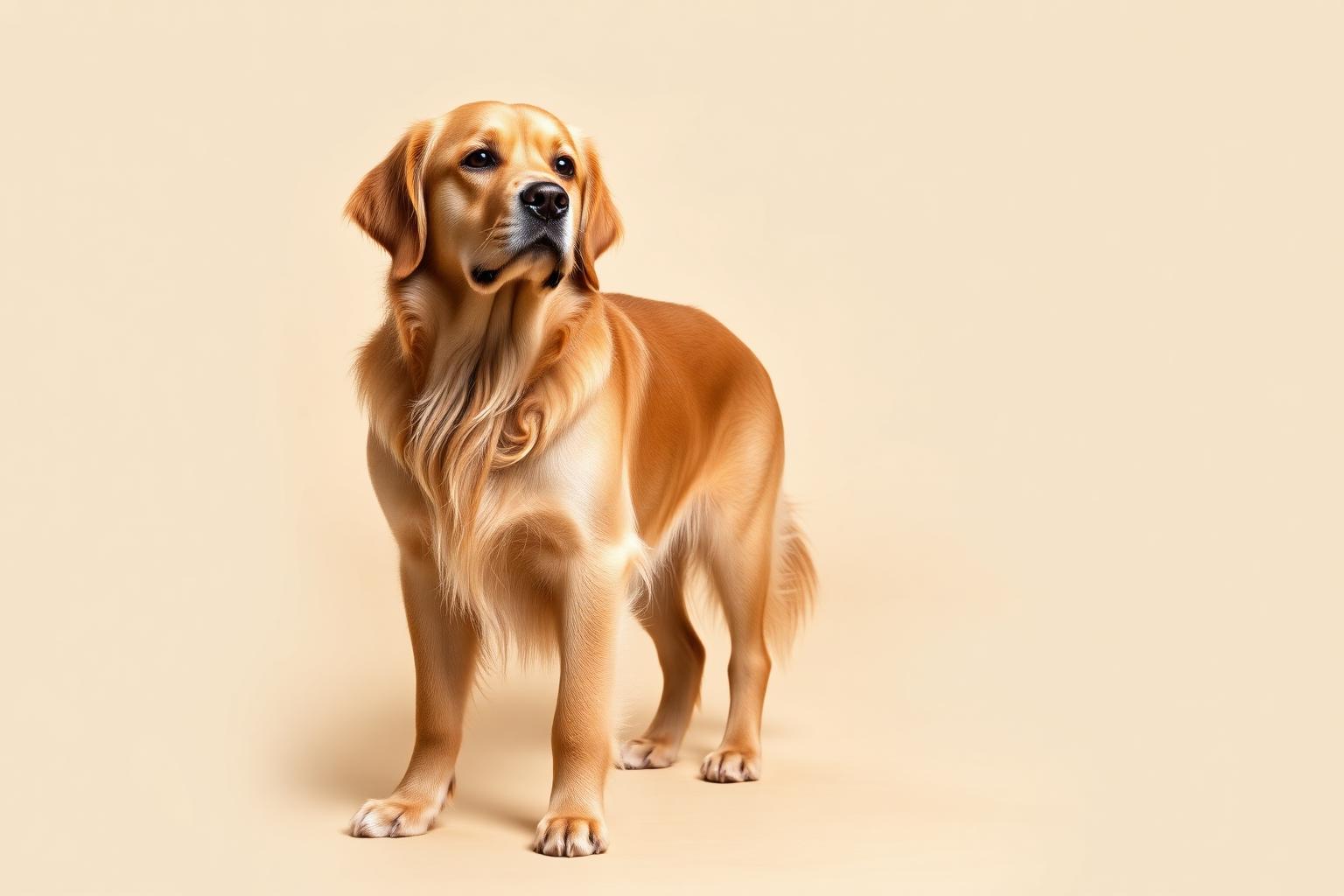
Golden Retriever
9.8The quintessential family companion: patient, sociable, and always up for play. Excellent with children and easy to train.
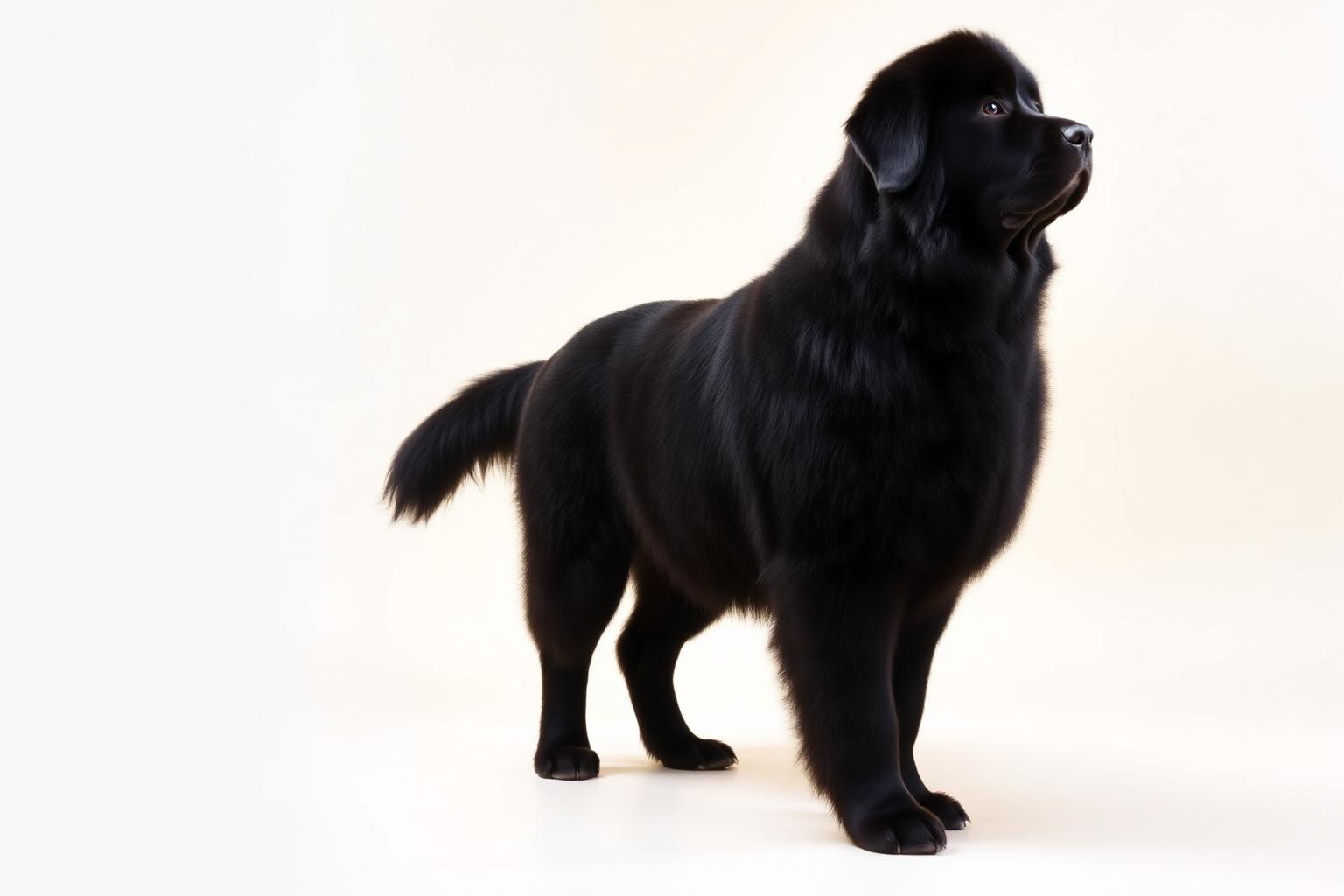
Newfoundland
8.7Gentle giant, patient and protective. Excellent with children. Needs space and hates heat.
Bernese Mountain Dog
8.5Calm, affectionate and protective. Loves mountains and cold. Sadly, has a short life expectancy.