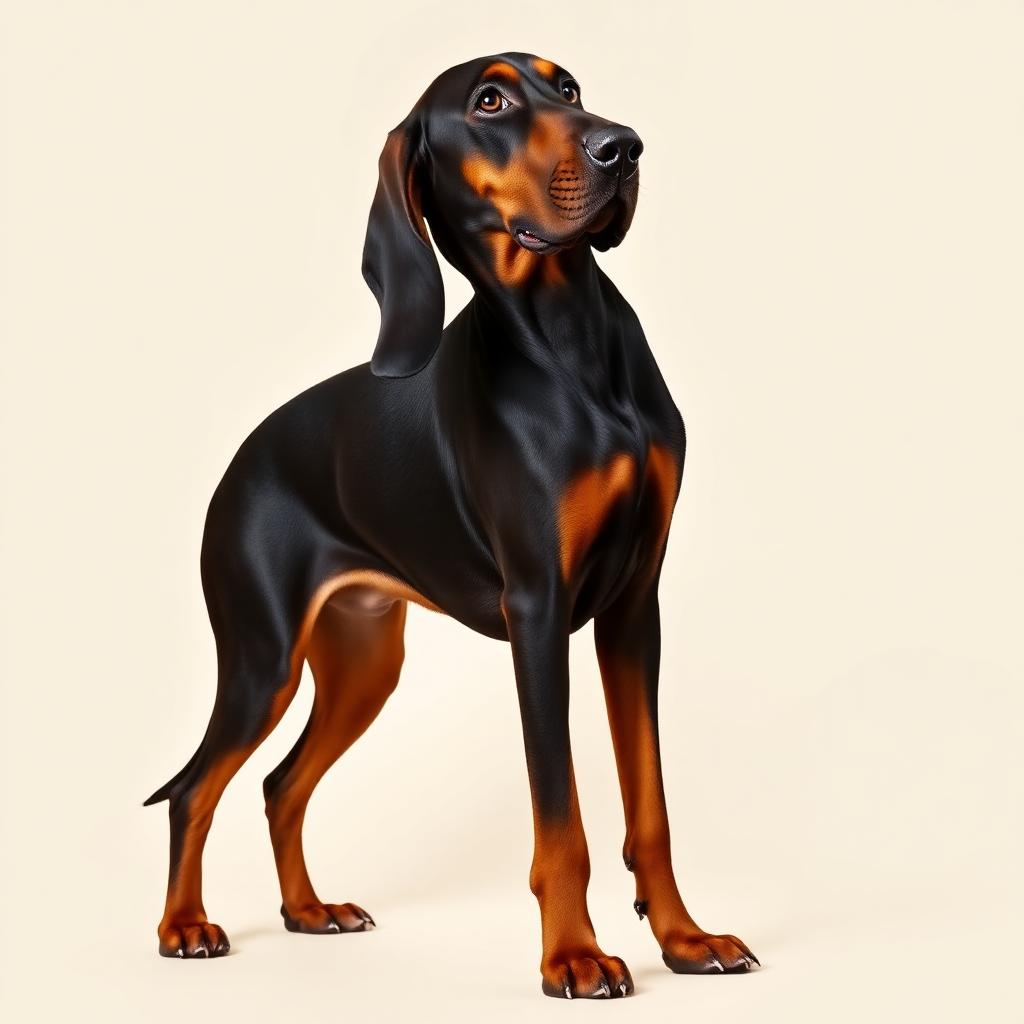
Bloodhound
"The impeccable scent hound, gentle and loyal."
Overview
The Bloodhound, also known as the St. Hubert Hound, is one of the oldest and most revered scent hound breeds in the world, renowned for its unparalleled sense of smell. Originating in Belgium and refined in England, this gentle giant boasts a robust build and unmistakable appearance with its characteristic wrinkles and long, droopy ears. Its large size makes it an imposing presence, weighing between 36 and 50 kg, yet its temperament is surprisingly sweet, patient, and affable, making it an excellent family dog.
The Bloodhound's personality is defined by its unwavering loyalty to its family, infinite patience with children, and a calm nature indoors. However, their tracking instinct is so powerful that they can be stubborn and easily distracted by a scent. Therefore, early obedience training and socialization are crucial. Positive reinforcement training is most effective, and they should never be walked off-leash in unsafe areas. They require moderate exercise, but the key to their well-being is mental stimulation through scent work and tracking activities, which allow them to utilize their innate ability.
Regarding Bloodhound health, they are prone to conditions such as hip and elbow dysplasia, gastric torsion (a critical issue requiring specific feeding practices and avoiding post-meal exercise), and ear and skin problems due to their physical characteristics. They require regular grooming, with daily cleaning of their wrinkles and weekly cleaning of their ears to prevent infections. Maintenance of a Bloodhound involves higher costs for food (for large breeds) and veterinary care. Despite these challenges, for the right owner who understands and caters to their specific exercise, training, and health care needs, the Bloodhound is an extraordinarily affectionate companion and a true canine treasure.
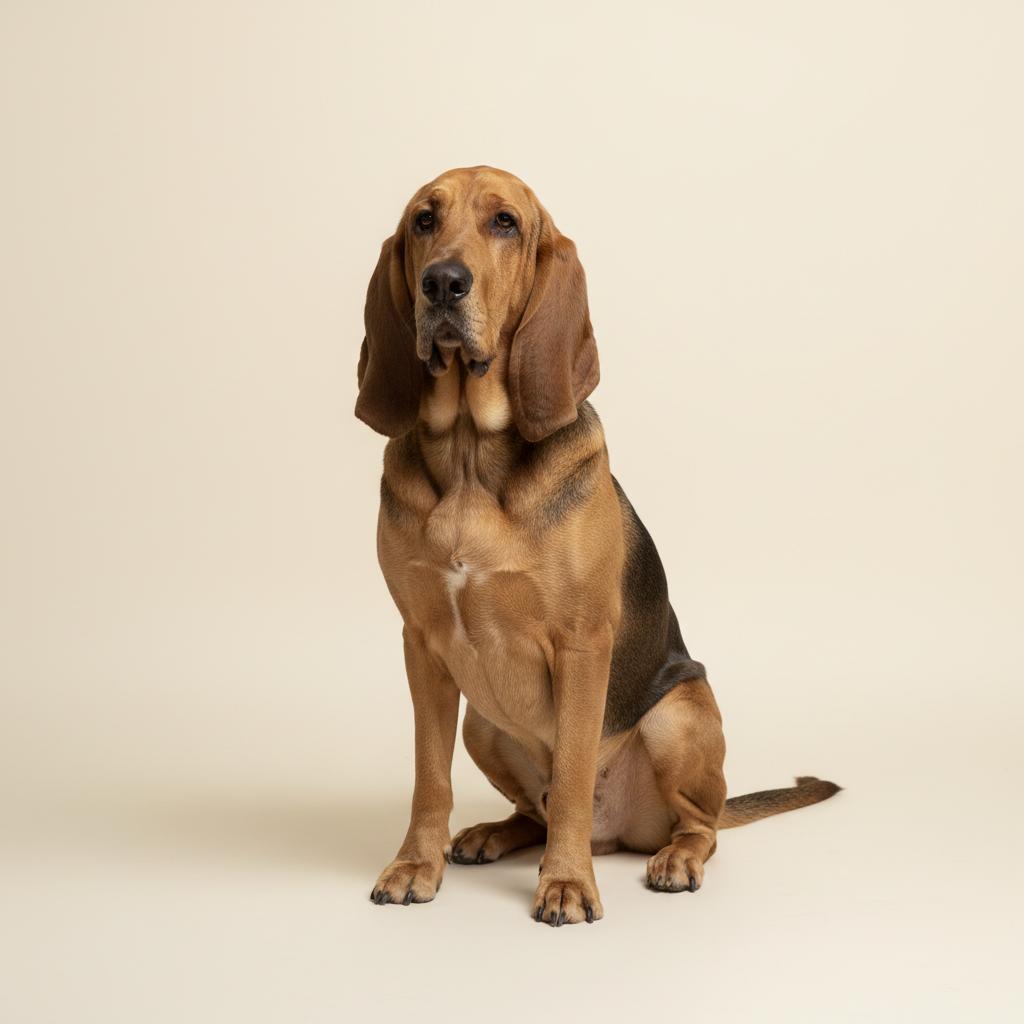
Key facts
- Size
- Large
- Weight
- 36–50 kg
- Life expectancy
- 10–12 years
- Daily exercise
- 90 min/day
- Estimated total
- 230€/month
- Country
- Bélgica y Reino Unido
Character & temperament
The Bloodhound is a noble, placid, and extremely sweet-natured dog, despite its imposing size. They are known for their calm demeanor and unwavering patience, making them exceptional companions for quiet families. One of their most distinctive traits is their independence and stubbornness, especially when they are following an intriguing scent. Once their nose is activated, it is very difficult to deter them, which is why positive reinforcement training from puppyhood is essential. They are very attached to their family, constantly seeking the company and affection of their humans. While not particularly playful in the sense of running and jumping like other breeds, they enjoy long, leisurely walks where they can use their nose to explore. They do not make good guard dogs due to their friendly temperament towards strangers, whom they tend to greet with curiosity rather than aggression. They can be a bit noisy, especially when bored or lonely, emitting a characteristic deep baying howl. It is crucial to provide them with enough mental stimulation through scent games and tracking activities to keep them happy and prevent behavioral issues. Due to their loose skin, they may sometimes appear disheveled, but their heart is as pure as their sense of smell is keen. Early socialization is important for them to get accustomed to different people and environments, although their nature is usually sociable anyway. In summary, the Bloodhound is a gentle giant with a heart of gold, whose greatest passion is tracking and greatest desire is the company of its family.
Living with children
Bloodhounds are renowned for their patience and gentleness, making them excellent companions for children. Their calm temperament and robust size allow them to tolerate the hustle and bustle of children's play well, without being easily intimidated or accidentally harmed. However, due to their large size and weight, adult supervision is always recommended, especially with very young children, to prevent accidental knock-downs during play or if the dog tries to approach for a lick. They are not dogs that seek rough play, but rather calm and affectionate interactions. They are extraordinarily tolerant and rarely show aggression if children treat them with respect. It is essential to educate children on how to interact appropriately with any dog, including the Bloodhound, teaching them not to pull their ears, tail, or bother them while eating or sleeping. Their patience may be boundless, but mutual respect is key. They appreciate having a quiet space to retreat to if they need rest. With proper early socialization, Bloodhounds integrate perfectly into family life, becoming the protective and good-natured giant for children. Their placid nature and desire for family company make them suitable for homes with children of all ages, provided clear boundaries are established and supervised, respectful interaction is encouraged.
With other pets
Bloodhounds generally get along well with other dogs, especially if they have been socialized from a young age. Their calm and non-confrontational nature makes them suitable for sharing a home with other canines. However, their tracking instinct can be a challenge with smaller pets like cats or other caged animals. If not raised with them, their strong prey drive can be activated, seeing these animals as something to follow. Introduction should be supervised and gradual. With early and careful socialization, they can learn to coexist peacefully, but always with caution. Their interaction is best with similarly sized dogs or pets they have been raised with.
Health & prevention
The Bloodhound is a large breed that, like many dogs of its size, is susceptible to certain health issues. Hip and elbow dysplasia are common concerns, making it vital to acquire puppies from breeders who health test the parents. Bloat (gastric dilatation-volvulus) is a severe and life-threatening medical emergency to which this breed is particularly predisposed. It is recommended to divide meals into several small feedings throughout the day and avoid vigorous exercise before or after eating. Their long, droopy ears are prone to ear infections if not cleaned regularly, especially in humid climates. The wrinkles on their face also require daily cleaning to prevent intertriginous dermatitis. Eye problems such as ectropion (everted eyelid) and entropion (inverted eyelid) are relatively frequent and may require surgical intervention. They are also prone to heart conditions like dilated cardiomyopathy. Bloodhounds have an average lifespan of 8 to 10 years. Regular veterinary check-ups, an appropriate diet, and moderate exercise are key to maintaining their health and well-being. Being attentive to any changes in their appetite, energy level, or behavior is crucial for early problem detection.
Health risks
- •Gastric torsion
- •Hip dysplasia
- •Ear infections
Care
Nutrition
The Bloodhound's diet must be carefully managed due to their size and predisposition to bloat. A high-quality food formulated for large or giant breeds, with a good balance of protein, fats, and carbohydrates, is recommended. It is preferable to divide the daily ration into at least two or three smaller meals, instead of one single large one, to reduce the risk of bloat. Avoid intense exercise one hour before and two hours after eating. Always control the quantity to prevent overweight, which can aggravate joint problems. Consider specific dog foods with chondroprotectors or joint supplements. Fresh, clean water should always be available. Consult with your veterinarian to adjust your Bloodhound's diet to their specific needs, taking into account their age, activity level, and health status.
Grooming & hygiene
Grooming a Bloodhound, though not long-haired, requires regular attention due to its facial features and ears. Their short, dense coat needs weekly brushing with a rubber mitt or soft-bristled brush to remove loose hair and stimulate circulation, helping maintain healthy skin. The most critical aspect of regular grooming is the care of their long, droopy ears, which are prone to infections; they should be checked and cleaned weekly with a specific ear solution. The deep wrinkles on their face and neck also require daily attention: they should be wiped with a damp cloth and thoroughly dried to prevent irritation or infections. Bathing should be occasional, only when necessary, using a mild dog-specific shampoo. Excessive bathing can dry out their skin. Nails should be trimmed regularly to prevent overgrowth and discomfort. Dental hygiene is equally important; brush their teeth several times a week or provide dental toys to prevent tartar buildup.
Exercise & training
Exercise plan
Despite their size, Bloodhounds do not require strenuous exercise. Two or three brisk daily walks, at least 30-45 minutes each, will suffice to keep them fit. What is truly crucial for this breed is mental stimulation through tracking activities. Their nose is their engine, and allowing them to use it is as important as physical exercise. Walks must be on a leash or in a very secure, fenced area, as once they detect an interesting trail, their instinct to follow it is overwhelming, and they may ignore calls. Scent activities, such as hiding treats or toys around the house or garden, are highly recommended. They can also enjoy canine tracking sports. Avoid intense exercise in warm climates and always ensure they have access to fresh water. A bored Bloodhound or one lacking stimulation can develop destructive behaviors out of frustration.
Training
Training a Bloodhound requires patience, consistency, and a positive reinforcement approach. Although intelligent, their independence and strong tracking instinct can make them seem stubborn. Early obedience training is fundamental, focusing on basic commands like 'sit', 'come', and 'stay'. Early socialization from puppyhood is crucial to ensure they develop into well-adjusted and friendly dogs. Given their inclination to follow scents, leash training is of utmost importance; a no-pull harness can be very helpful. Never let them off-leash in unfenced areas, unless in a controlled tracking environment. Training should be fun and motivating, using rewards like treats and praise. Tracking is an activity they immensely enjoy and can be an excellent training and mental enrichment tool. If not taught to channel their energy and instinct, they can become difficult to manage. A well-trained Bloodhound is a loyal and obedient companion, albeit always with that stubborn charm.
Monthly cost
Medical and food costs are high due to their size and predisposition to health issues.
Estimate for Spain, healthy adult dog. Varies by region and provider.
Pros & cons
Pros
- ✓Extremely gentle, patient, and affectionate temperament.
- ✓Excellent with children and other pets (with proper socialization).
- ✓Unmatched tracking ability, ideal for scent-based dog sports.
- ✓Loyal and devoted family dog, seeks human companionship.
- ✓Calm demeanor indoors if given sufficient exercise and mental stimulation.
Cons
- !Requires intense mental exercise (tracking) to be happy.
- !Strong tracking instinct, may ignore calls and wander off.
- !Prone to bloat, dysplasia, and skin/ear issues.
- !Requires time for grooming (ears and wrinkles) and cleaning drool.
- !Can be stubborn and challenging to train for first-time owners.
Ideal for
- • Active families willing to commit to tracking activities.
- • Homes with experience in large working breeds.
- • Families with children who understand how to interact with large dogs.
- • Individuals who enjoy long, leisurely walks.
Not recommended for
- • People seeking an intense guard or protection dog.
- • First-time owners without experience with stubborn breeds.
- • Homes unable to provide mental stimulation through scent work.
- • Families intolerant of drooling and regular grooming.
How it fits each scenario
Apartment living can be challenging for a Bloodhound due to their size and need for space, but it's possible if provided with long, daily walks and sufficient mental stimulation at home.
A house with a securely fenced garden is ideal for a Bloodhound, allowing them to stretch their legs and explore with their nose in a controlled environment. The fence must be high and secure.
Bloodhounds do not tolerate very hot climates well due to their dense coat and wrinkles. Exercise should be limited to cooler hours, and constant access to water and shade is essential.
Their dense coat provides some protection against moderate cold, but like any breed, they should not be left outdoors for prolonged periods in extreme cold climates. They require shelter.
They are extremely patient with children, but their size and weight can lead to accidental knock-downs with very young children. Supervision and controlled interaction are always recommended for everyone's safety.
Bloodhounds make wonderful companions for school-aged children. They are sturdy enough for gentle play and calm enough to be a loyal friend, but children must be taught to respect the dog.
Bloodhounds can be challenging for first-time owners due to their size, need for consistent training, and strong tracking drive. They require dedication and an understanding of their instincts.
An experienced owner of large and/or working breeds will appreciate the dedication required for a Bloodhound and can provide the training and stimulation they need.
While not the most athletic for running or jumping, an active family who enjoys long walks and is willing to integrate tracking activities will find the Bloodhound an ideal companion.
A very busy family unable to dedicate daily time to walks, training, and mental stimulation, especially scent work activities, would not be suitable for a Bloodhound.
Bloodhounds are not a hypoallergenic breed. They shed moderately, and the saliva and dander they produce can trigger allergies in sensitive individuals.
Maintaining a Bloodhound is not inexpensive. Their food needs, veterinary care (especially given their health predispositions), and training materials require a moderate to high budget.
Origin & history
Originally bred by monks at the Saint-Hubert Abbey in the Ardennes for tracking large game. These dogs, descendants of the 'Chien de Saint-Hubert', were renowned for their ability to follow a cold trail. They were later refined in England, resulting in the modern specimen we know today, celebrated for its exceptional scenting ability and its skill in tracking people based on their unique scent trail.
The Bloodhound's sense of smell is so extraordinary that its evidence in court is legally admissible in many countries as reliable proof for identification and tracking of individuals.
Frequently asked questions
Is the Bloodhound suitable for apartment living?▾
Although large dogs, Bloodhounds are relatively calm indoors and can adapt to apartment living, provided they receive sufficient daily exercise through long walks and mental stimulation. However, their size and tendency to drool and shed can be inconvenient in small spaces. It is crucial for the owner to be committed to taking them out multiple times a day to meet their exercise and scenting needs, preventing them from becoming bored and developing destructive behaviors.
How much does a Bloodhound bark or howl?▾
Bloodhounds are known for their characteristic baying howl rather than excessive barking. They will howl when tracking, when feeling lonely, bored, or frustrated. If left alone for long periods or not given enough stimulation, baying can become an issue. With proper companionship, exercise, and scent games, they are relatively quiet dogs at home, but their deep howl is something prospective owners should get used to.
Are Bloodhounds easy to train?▾
Bloodhounds are intelligent, but their strong tracking instinct and relatively independent nature can make training a challenge. They are not dogs that constantly seek to please. They require patience, consistency, and positive reinforcement training from an early age. Basic commands are important, but the main focus should be on managing their scent drive, especially leash training and socialization. They are not the best choice for first-time owners without professional help.
Does a Bloodhound need a large yard?▾
A large, secure yard is very beneficial for a Bloodhound, allowing them to roam and use their nose in their own space. However, more important than the size of the yard is that it is absolutely well-fenced; a low fence or gaps can be an irresistible invitation for them to follow a scent and escape. They are not dogs that need to run at full speed, but rather sniff and explore. If they don't have a yard, the need for intensive walks is magnified.
Are Bloodhounds good protection dogs?▾
Despite their imposing size, Bloodhounds are not naturally protection or guard dogs. They are known for their gentle and friendly temperament towards strangers. It is more likely they will greet an intruder with curiosity and a good sniff rather than aggression. They may bark to alert, but their nature is not to actively protect. If you are looking for a guard dog, this breed is not the right choice.
What is the lifespan of a Bloodhound?▾
The average lifespan of a Bloodhound is approximately 8 to 10 years. Like many large breeds, they have a shorter lifespan than smaller breeds. Factors such as genetics, diet, exercise, and regular veterinary care can influence their longevity. It's important to be prepared for potential medical costs that may arise with age due to their predispositions to certain diseases.
Does a Bloodhound drool a lot?▾
Yes, Bloodhounds are known to drool considerably. Their loose skin and large flews (dangling upper lips) contribute to this trait. It is inherent to the breed, and owners should be prepared to have towels on hand and clean regularly. Drooling is more noticeable after drinking water or when excited, and often adheres to clothes and furniture.
Are Bloodhounds suitable for people with allergies?▾
Unfortunately, Bloodhounds are not a good choice for people with allergies. Despite their short coat, they shed a moderate amount of hair and dander, in addition to producing a lot of saliva. All these factors contribute to allergens that can trigger reactions in sensitive individuals. If allergies are a concern, it is preferable to look for hypoallergenic breeds.
Similar family-friendly breeds
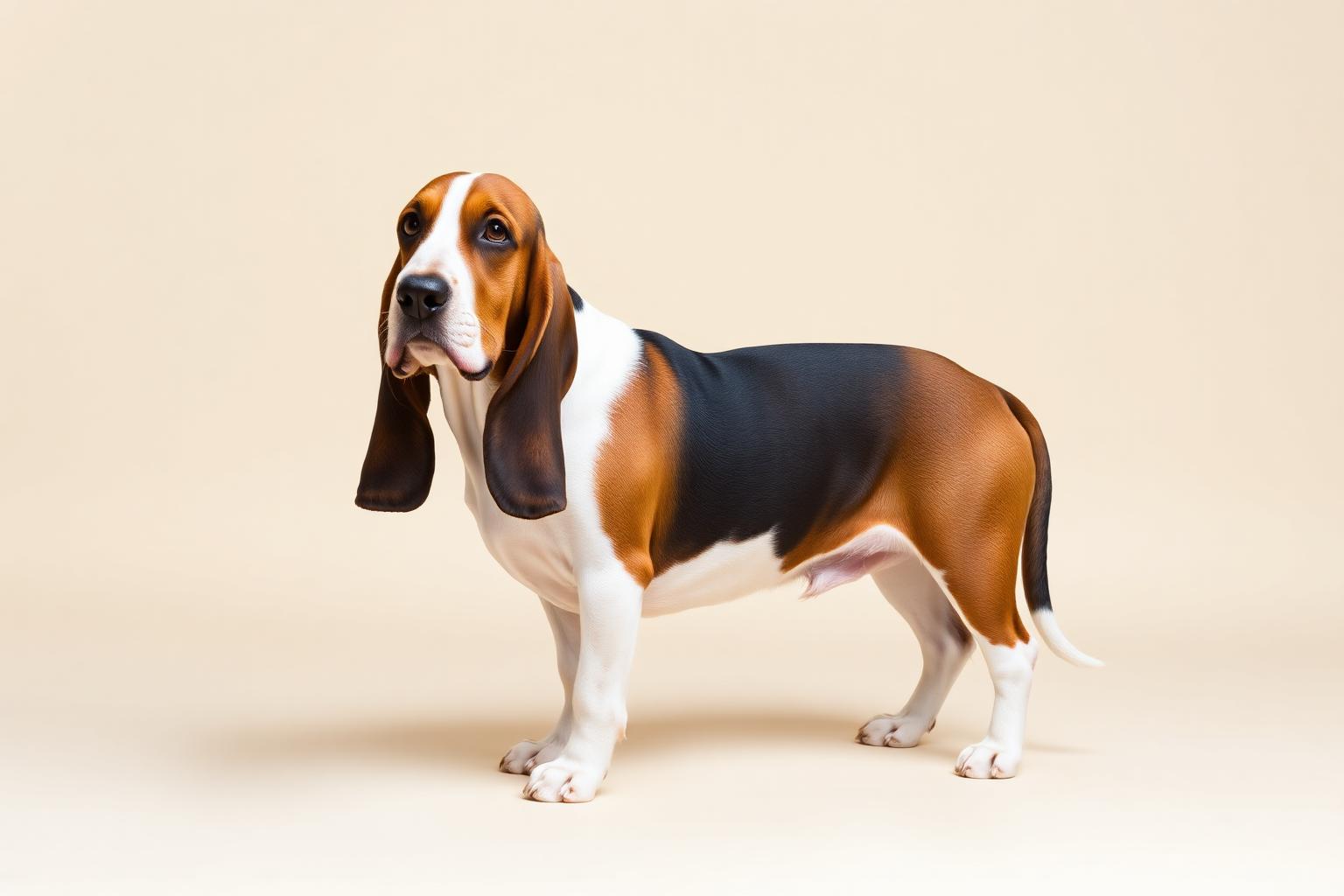
Basset Hound
7.9Calm, sweet and very patient. Tolerates apartments well. Prone to obesity: watch the diet.
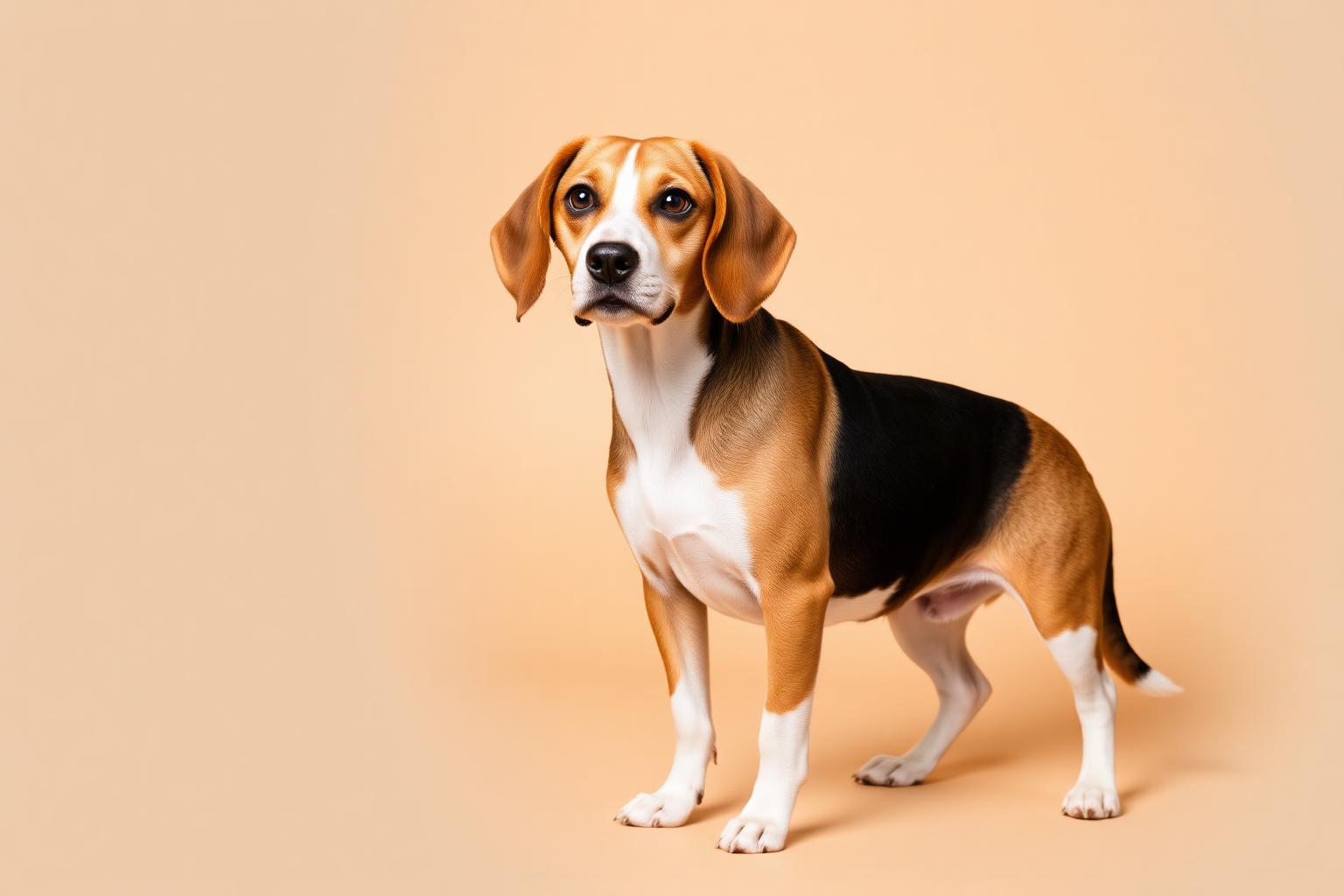
Beagle
9.0Curious, cheerful and very sociable. Needs daily exercise and company. His nose takes him far: always on leash.
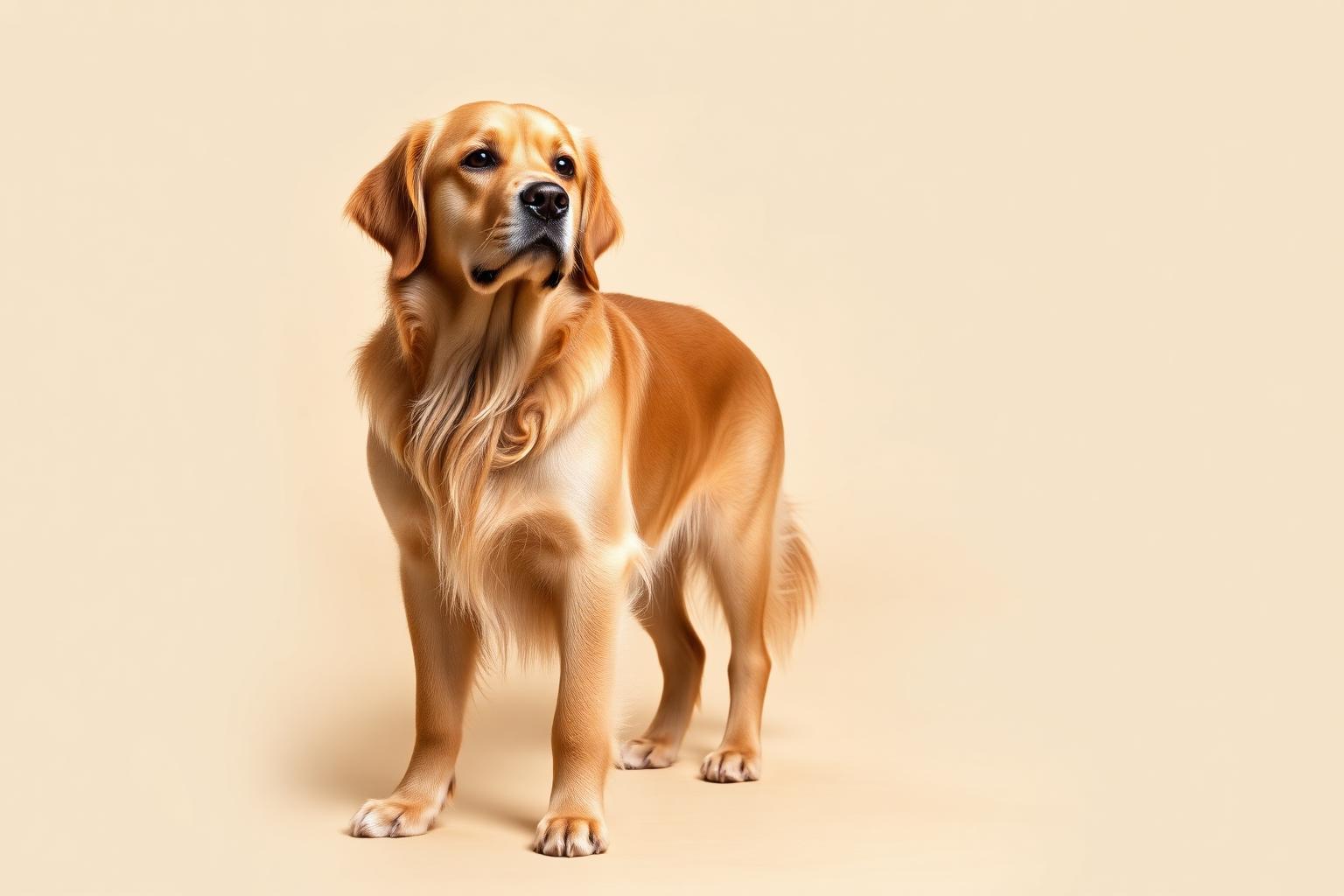
Golden Retriever
9.8The quintessential family companion: patient, sociable, and always up for play. Excellent with children and easy to train.