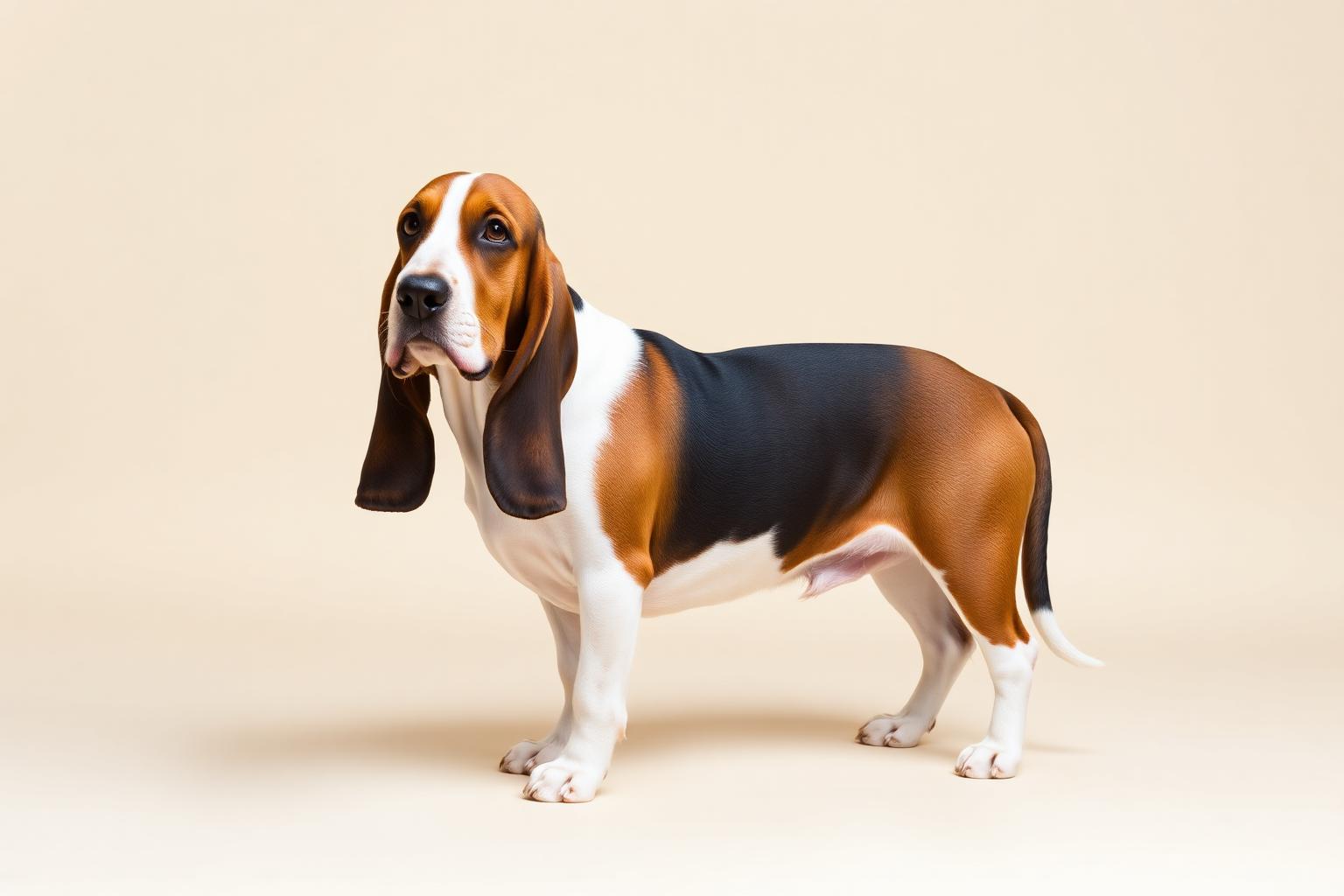
Basset Hound
"A low-speed, high-affection companion with a heart as big as its ears."
Overview
The Basset Hound is the ideal companion for families who prefer a slower pace of life, long naps, and an exceptionally gentle-natured friend. With its long ears and soulful gaze, this hound is famous for its infinite patience, making it one of the best breeds for living with small children. It is a sturdy dog that handles childhood hustle well without showing aggression, though its heavy body means parents must ensure children don't try to ride on its delicate back. It is the definition of a noble dog that prefers to avoid conflict at all costs.
Despite its lazy appearance, the Basset Hound possesses a powerful scenting instinct that defines its behavior outdoors. During walks, it can become 'deaf' to your commands if it catches an interesting trail, so it should never be off-lead in unenclosed areas. Training requires an extra dose of patience, as their stubbornness is legendary; it’s not that they don't understand, but rather they choose when it suits them to obey. Indoors, it is a social dog that gets along famously with other pets, including cats, bringing a contagious atmosphere of calm to the home.
Maintaining a Basset Hound focuses on preventing joint health issues and cleaning its skin folds. It is fundamental to strictly control their weight, as obesity is devastating for their spine. Their ears require deep weekly cleaning to prevent infections, and their tendency to drool along with the characteristic hound odor are factors the family must accept. It is a moderate-to-high cost breed due to the need for joint-specific diets and potential vet expenses related to their unique anatomy, but their unconditional affection compensates for every effort.
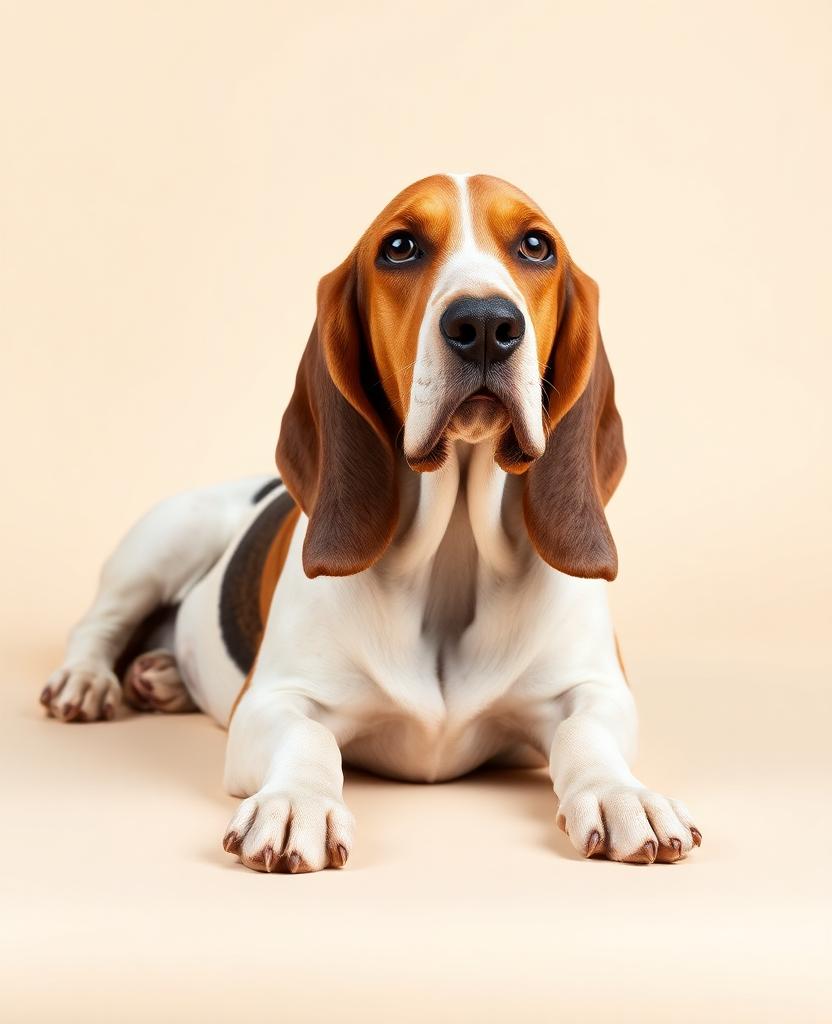
Key facts
- Size
- Medium
- Weight
- 20–34 kg
- Life expectancy
- 10–12 years
- Daily exercise
- 45 min/day
- Estimated total
- 175€/month
- Country
- France
Character & temperament
The Basset Hound is the definition of 'mellow'. Generally, they are incredibly easygoing, possessing a sweet and gentle nature that makes them excellent housemates. They aren't prone to aggression or nervousness, preferring to take life as it comes. Their legendary stubbornness is actually a form of independent thinking; as scenthounds, they were bred to make their own decisions in the field.
With strangers, the Basset is typically polite but indifferent. They aren't the type to jump on new people in excitement, nor are they usually shy. They might give a deep, welcoming bay to alert you to a visitor, but once someone enters the home, the Basset is likely to sniff their shoes and then return to their favorite napping spot. They are social animals that enjoy being where the action is, even if they aren't actively participating.
With their owners, Bassets are deeply loyal and subtly affectionate. They aren't 'velcro dogs' in the needy sense, but they find comfort in your presence. They have a funny way of using those droopy eyes to manipulate you for a snack or an extra scratch behind the ears. While they won't always come when called if there's a good scent to follow, they are profoundly attached to their human family and can suffer if left alone for long periods.
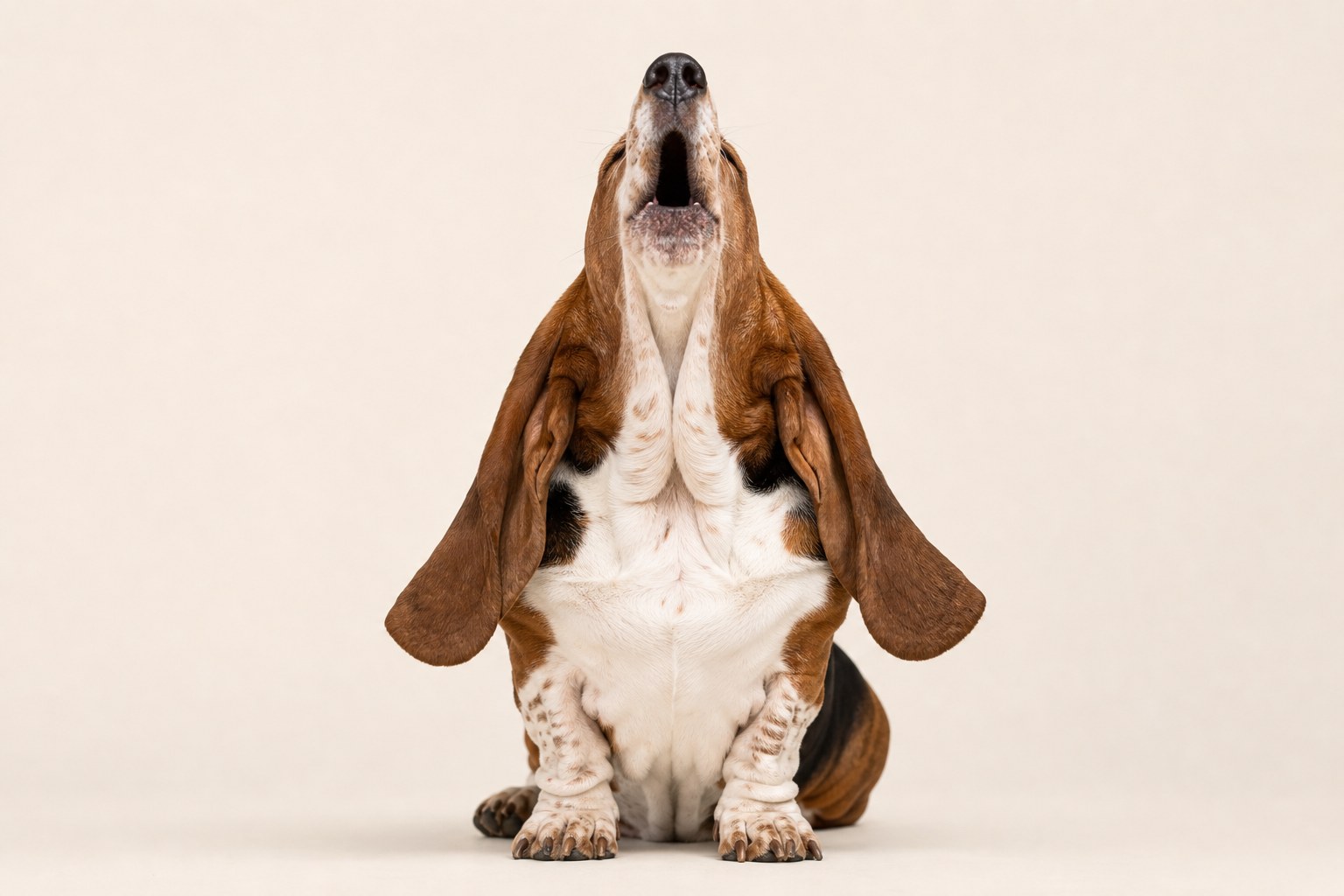
Their signature trait
Living with children
The Basset Hound is often cited as one of the best family dogs due to its incredible patience. With babies and toddlers (3-6 years), they are generally rock-solid, tolerating the clumsy petting and noise that would stress other breeds. However, their heavy bodies can accidentally knock over a small child, and their long ears are irresistible 'handles' that toddlers must be taught to respect. Parents must ensure children do not try to sit on the Basset's back, as it is their most vulnerable physical point.
For school-aged children and teenagers, the Basset becomes a steady, non-judgmental friend. They are great for kids who enjoy more relaxed activities, like walking or playing 'hide and seek' with treats. Teenagers usually appreciate the Basset’s independent and quirky personality. While they won't play high-energy games like Frisbee, they are happy to participate in any activity that involves a slow walk and plenty of affection. They are truly a 'nanny' breed that thrives on the chaotic love of a full household.
With other pets
Bassets are pack animals by nature and generally get along famously with other dogs. They rarely look for conflict and often enjoy having a canine companion to nap with. Their relationship with cats is usually very peaceful, especially if introduced early; they might occasionally try to sniff them vigorously, but they lack a high 'kill-bite' drive. Small animals like rabbits or hamsters should be supervised, as the Basset's hunting instincts might be triggered by the scent, even if they lack the speed to catch them. Overall, they are one of the most 'multi-pet friendly' breeds.
Health & prevention
The Basset Hound's unique anatomy brings specific health challenges. Their long spine makes them highly susceptible to Intervertebral Disc Disease (IVDD); keeping them lean is the best prevention, as extra weight puts immense pressure on their vertebrae. Ear health is another major concern; their 12-inch ears lack airflow, creating a breeding ground for bacteria and yeast, necessitating lifelong cleaning.
Owners should also be wary of Gastric Dilatation-Volvulus (bloat), a life-threatening condition common in deep-chested breeds. Routine vet visits should include hip and elbow evaluations, as joint dysplasia is prevalent. Despite these risks, with proper weight management and preventive care, a Basset can live a happy 10-12 years. Regular screenings and keeping them from jumping off furniture are key to a long, mobile life.
Health risks
- •Back problems
- •Ear infections
Care
Nutrition
The Basset Hound's biggest enemy is obesity. Because they are low to the ground, every extra kilo puts dangerous strain on their back and joints. An adult Basset (25-30kg) usually needs about 300-400g of high-quality dry food daily, ideally split into two meals to prevent bloat. Look for formulas rich in glucosamine and chondroitin for joint support. Avoid excessive treats—use pieces of carrot or apple instead. If you can't feel their ribs easily, it's time to reduce their intake. High-quality protein is essential to maintain their dense muscle mass without adding fat.
Grooming & hygiene
Bassets have a thick, oily coat that requires weekly brushing with a rubber mitt to manage shedding. However, the real work lies in their ears and skin folds. You must clean their ear canals weekly and wipe their facial folds daily to prevent fungal infections and odors. They also drool, so keeping a 'slobber cloth' handy is wise. Professional grooming isn't usually necessary, but frequent nail trimming is vital, as overgrown nails put extra stress on their heavy-set joints. Expect to spend about €15-20 monthly on specialized cleaning supplies.
Exercise & training
Exercise plan
The Basset needs a consistent, low-impact exercise plan. Monday to Friday: Two 20-minute walks with plenty of 'sniffing time' to satisfy their hunting instincts. Saturday: A 45-minute gentle trek in a safe, fenced wooded area. Sunday: Short strolls and 'find the treat' games at home. Avoid high jumping or stairs to protect their long spines. Their stamina is surprising, but they lack speed and heat tolerance.
Training
Training a Basset requires a Master’s degree in patience. They are intelligent but motivated almost exclusively by their nose and their stomach. Harsh methods are useless as they will simply shut down. Use 'nothing in life is free' techniques and high-value treats like chicken or cheese. Sessions should be short (10-15 mins) and fun. The hardest part is the recall—never trust a Basset off-leash in an unfenced area; once they catch a scent, they become deaf to any command. Housebreaking can also take longer than average (up to 6 months), so consistency and a regular schedule are your best allies. Prepare for 3-4 months of intensive basics before they start to 'listen'.
Monthly cost
Monthly costs include high-quality joint-support diet and specialized ear cleaners. Insurance is highly recommended due to potential spinal issues.
Estimate for Spain, healthy adult dog. Varies by region and provider.
Pros & cons
Pros
- ✓Exceptional patience and gentleness with children.
- ✓Generally very sociable with other dogs and pets.
- ✓Low to moderate energy, fits well into apartment living.
- ✓Charismatic, loyal, and funny personality.
- ✓Extremely low aggression levels compared to other breeds.
Cons
- !High tendency to drool and smell 'doggy' due to skin folds.
- !Stubborn nature makes traditional obedience training a challenge.
- !Prone to several health issues like ear infections and back problems.
- !Can be very vocal with a loud, persistent baying howl.
- !Higher risk of obesity which severely impacts their joint health.
Ideal for
- • Families with children who want a patient, calm companion.
- • Owners who enjoy slow-paced outdoor walks and scent games.
- • People living in apartments who can manage occasional loud baying.
- • Multi-pet households looking for a dog that gets along with everyone.
Not recommended for
- • Neat freaks who cannot tolerate drool, hair, and a strong dog scent.
- • Owners looking for a highly obedient or off-leash reliable dog.
- • People living in apartments with very strict noise policies.
How it fits each scenario
Adaptable to space, but their loud baying can easily annoy close neighbors.
Ideal, but the garden must be very secure as they will follow a scent for miles.
Difficult; they overheat easily due to their heavy build and skin folds.
Fairly tolerant, but their short legs and bellies get wet and cold quickly.
Gentle, but toddlers must be taught not to pull those long, sensitive ears.
Perfect match; they are generally very patient and enjoy the company of children.
Possible, provided you aren't looking for a dog that obeys every command instantly.
Great, they will appreciate the patience needed to handle their 'selective hearing'.
Good for walking, but don't expect a running partner for your morning jogs.
They tolerate some alone time, but their hygiene needs (ears/eyes) require daily attention.
Not recommended; they shed significantly and carry common dander in their oily coat.
Risky; vet bills for ears, skin, and back issues can escalate quickly.
Origin & history
The Basset Hound’s name comes from the French word 'bas', meaning 'low'. They were developed by French monks to be low-slung scent hounds that hunters could follow on foot, rather than on horseback. This allowed commoners who couldn't afford horses to participate in hunting. Their heavy bone structure and long ears were intentionally bred to keep them close to the ground and trap scent particles. While the breed's foundations are French, the Basset we know today was further refined in 18th-century England, where they became popular among the aristocracy for rabbit and hare hunting.
Basset Hounds have the second-best sense of smell in the canine world, trailing only the Bloodhound. Their long ears actually help sweep scents from the ground directly to their nose!
Frequently asked questions
How much does a Basset Hound puppy cost?▾
Expect to pay between €800 and €1,500 from a reputable breeder. Always prioritize health-tested parents over a cheap price, as spinal and ear issues can cost thousands later in vet bills.
Do they need a lot of exercise?▾
They are not high-energy, but they are 'scent-driven'. A Basset with no walks becomes obese and destructive. 45 minutes of daily walking is mandatory for their mental and physical health.
Are Basset Hounds noisy dogs?▾
Absolutely. They have an iconic, deep baying howl used to alert hunters. They might bay at the mailman, a squirrel, or just because they feel lonely or bored.
Are they easy to train?▾
They are notoriously stubborn. They don't lack intelligence; they just prioritize their nose over your commands. Heavy-handed training won't work; you need patience and lots of treats.
Is the Basset Hound good with children?▾
They are one of the best breeds for kids. Their tolerance for 'rough' love is high, though they should never be climbed on like horses due to their fragile backs.
Do they shed a lot of hair?▾
Yes, they have a short but very dense coat that sheds year-round. You will find hair on your sofas and clothes, and they also have a distinct 'houndy' scent.
What are the main health problems?▾
They are prone to Gastric Torsion (bloat), Hip Dysplasia, and chronic ear infections. Their long back makes them susceptible to Intervertebral Disc Disease (IVDD), which can cause paralysis.
Is it a hypoallergenic breed?▾
Definitely not. They shed, they drool, and their skin folds trap oils and moisture that can trigger allergies in sensitive people. They are not hypoallergenic.
Similar family-friendly breeds
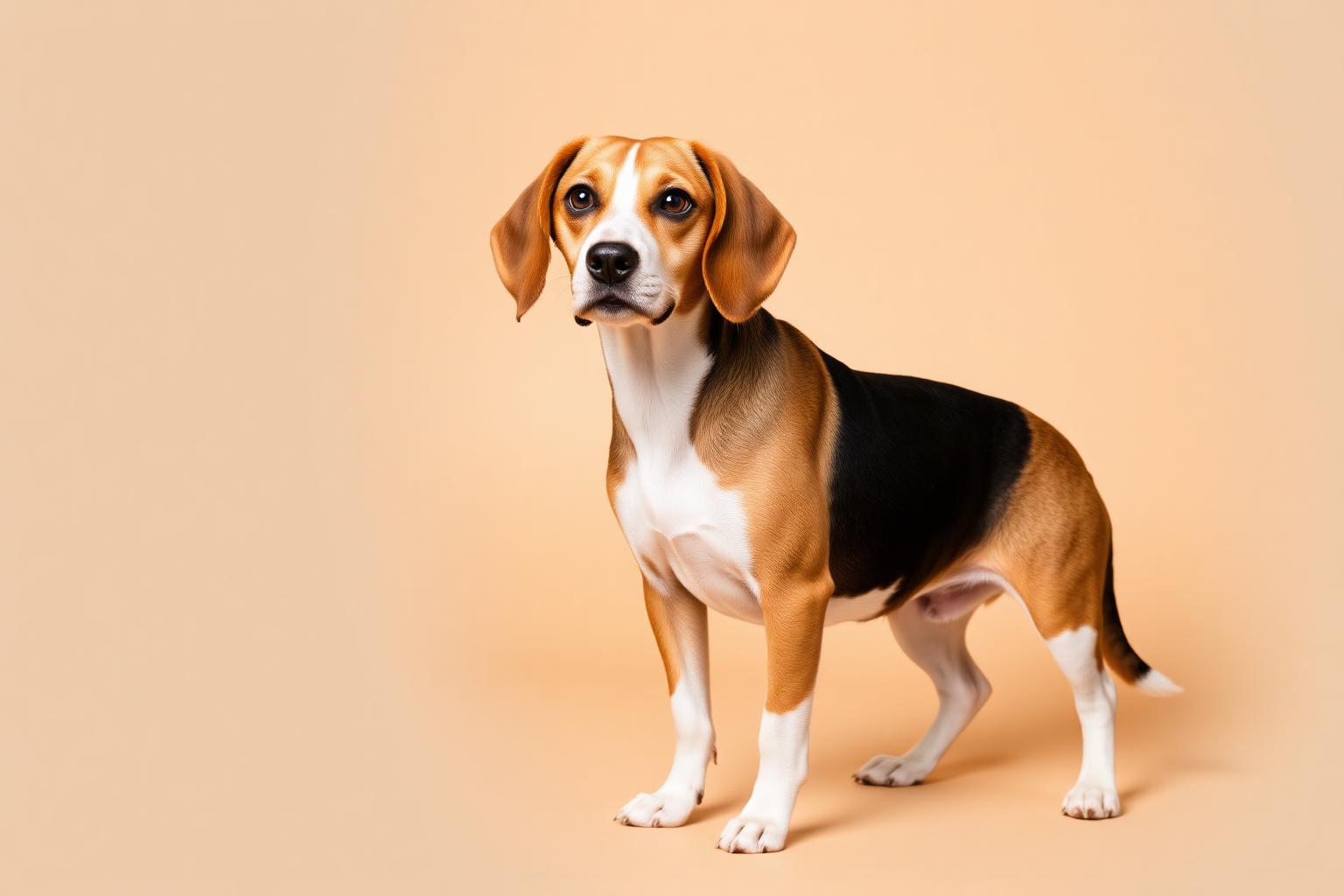
Beagle
9.0Curious, cheerful and very sociable. Needs daily exercise and company. His nose takes him far: always on leash.
Basset Hound
7.9Calm, sweet and very patient. Tolerates apartments well. Prone to obesity: watch the diet.
 Hypoallergenic
Poodle
9.5Intelligent, elegant and hypoallergenic. Available in several sizes to suit any home. Requires regular grooming.