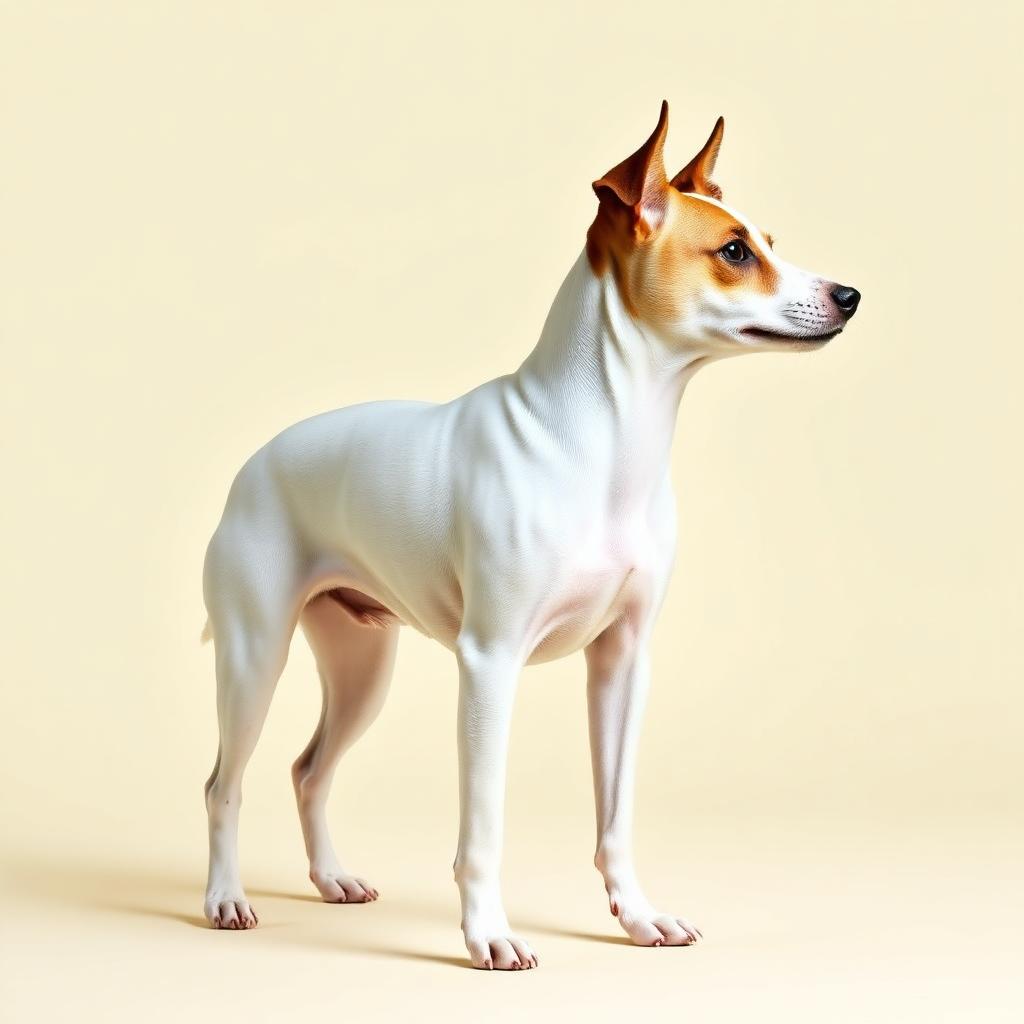
Jack Russell Terrier
"Small in size, giant in personality, with inexhaustible energy."
Overview
The Jack Russell Terrier is a small dog breed with a gigantic personality and energy level. Originating from the United Kingdom, it was developed in the 19th century for fox hunting, which explains its fearless character, keen intelligence, and inexhaustible prey drive. These attributes make the Jack Russell a fascinating but also demanding companion, ideal for experienced and active owners.
Physically, the Jack Russell is a robust and athletic dog, weighing 5 to 8 kg and standing 25 to 35 cm at the shoulder. Its healthy life expectancy ranges from 13 to 16 years. It comes in three coat types (smooth, rough, and broken), all relatively easy to maintain with regular grooming, although smooth-coated ones can shed quite a bit. In terms of temperament, they are affectionate and loyal to their family, but also stubborn and independent. They need early socialization and consistent training based on positive reinforcement to channel their energy and prevent behavioral issues such as excessive barking or destructiveness.
Health in Jack Russells is generally good, but they can be prone to certain conditions like patellar luxation, Legg-Calvé-Perthes disease, and eye problems such as lens luxation. It is crucial to choose a responsible breeder who performs genetic testing. To maintain their vitality, they require high-quality nutrition and, above all, a considerable amount of exercise. A minimum of 60-90 minutes of intense daily activity is essential for their physical and mental well-being. They are not suitable for sedentary families. With children, they can be excellent playmates if the children are respectful and taught to interact correctly. However, with other small pets, their hunting instinct can lead to conflicts. The monthly cost of owning a Jack Russell ranges from €100 to €150, covering food, vet care, grooming, and other essential accessories.
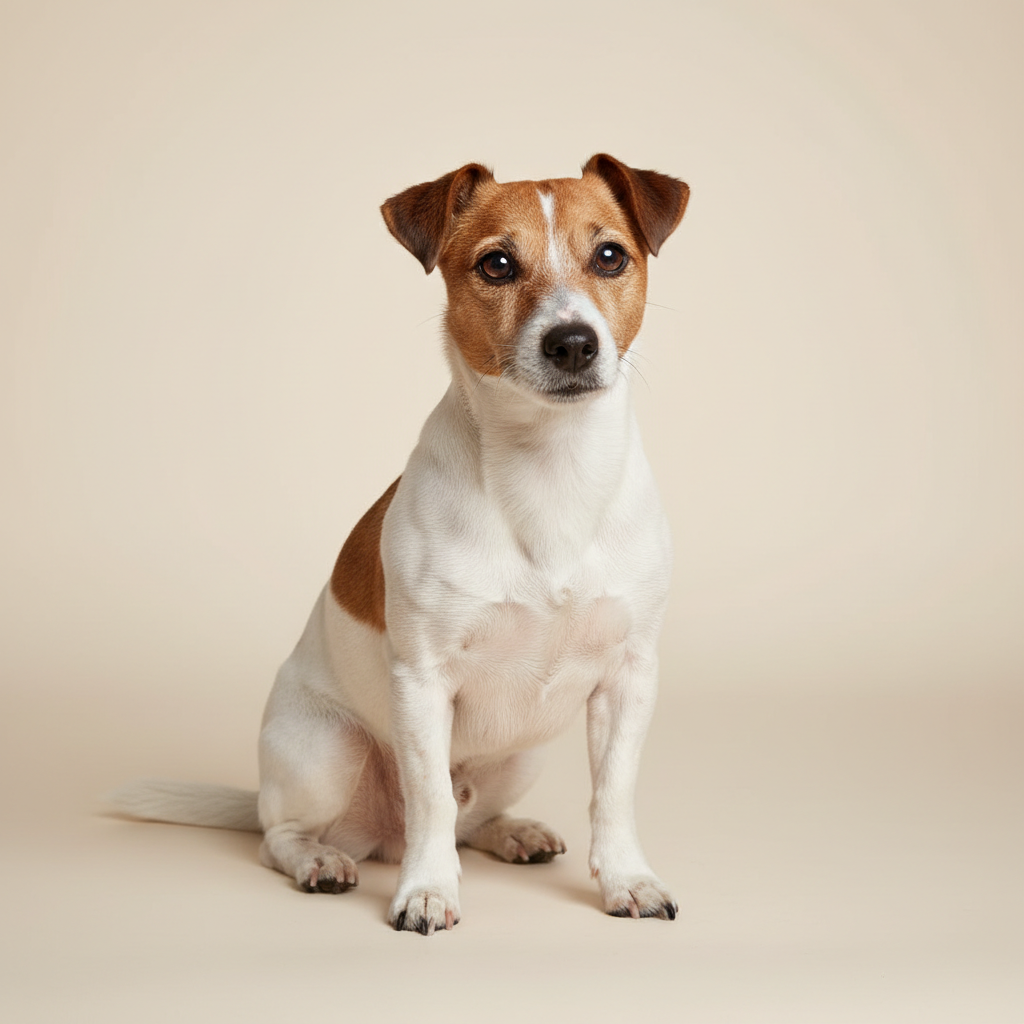
Key facts
- Size
- Small
- Weight
- 5–8 kg
- Life expectancy
- 13–16 years
- Daily exercise
- 90 min/day
- Estimated total
- 120€/month
- Country
- Reino Unido
Character & temperament
The Jack Russell Terrier is a dog with a magnetic personality: energetic, intelligent, and with an unmistakable spark. They are very lively and playful dogs, always ready for action. Their intelligence allows them to learn quickly, but it also means they can get bored easily if not provided with adequate mental stimulation. A bored Jack Russell is a Jack Russell who seeks its own fun, often resulting in excessive digging, chewing, or barking. They are fearless by nature, not easily intimidated, and often dive into situations that larger breeds might avoid. This bravery, combined with their strong prey drive, means they are always exploring and chasing small animals. They are loyal and affectionate with their families, enjoying human company and often seeking to be the center of attention. However, their character can be territorial and dominant if not properly educated and socialized from puppyhood. They need firm and consistent owners who can guide their energy and channel their intelligence positively. These are not dogs that will be content spending hours lounging on the sofa; they require daily activity, interactive games, and mental challenges to be happy and balanced. Their curious nature and high energy level make them excellent companions for active people who enjoy outdoor activities like hiking, agility, or flyball. A well-trained and exercised Jack Russell is a wonderful dog, full of joy and with a great spirit.
Living with children
Jack Russell Terriers can be excellent companions for children, but it's crucial to understand that successful coexistence largely depends on early socialization and the education of both the dog and the children. Their energetic and playful nature makes them naturally compatible with childish enthusiasm. They enjoy active games, chasing balls, and running, activities they can share with older, responsible children. However, due to their small size and resilience, some children might perceive the Jack Russell as a toy, which can lead to rough interactions. It is essential to teach children to always respect the dog, not to pull its tail or ears, and not to bother it while it's eating or sleeping. For its part, the Jack Russell must be socialized from puppyhood with children of different ages so it learns to tolerate and enjoy their company. If the interaction is unsupervised and the dog feels bothered, its terrier instinct can lead it to growl or even bite as a warning. Their patience threshold is generally high with children from their own family, but they can be more reactive with unfamiliar children or in noisy, chaotic situations. They are better suited for families with older children who understand how to interact with an active and bold dog. For very young children, adult supervision must be constant. With proper education and mutual respect, a Jack Russell can become a loyal friend, a tireless playmate, and a beloved family member, filling the home with joy and mischief.
With other pets
Living with other pets can be challenging for a Jack Russell due to their strong prey drive. They were bred to hunt small animals, so coexistence with cats, rabbits, guinea pigs, or birds is often very complicated and, in many cases, inadvisable. If a Jack Russell is raised alongside a cat from puppyhood, they may learn to tolerate each other or even form an affectionate relationship, but always under strict supervision. With other dogs, they generally get along well if they have been properly socialized from a young age. However, they can be territorial and have a dominant temperament with dogs of the same sex, especially if not neutered. Supervision is key in initial interactions with any new pet.
Health & prevention
Jack Russell Terriers are generally a healthy and robust breed, with a lifespan of 13 to 16 years. However, like any breed, they are prone to certain health conditions. Some common orthopedic concerns include patellar luxation, where the kneecap dislocates, and Legg-Calvé-Perthes disease, which affects the femoral head in young dogs, causing lameness. Regarding eye problems, they can suffer from lens luxation, a hereditary condition that can lead to blindness if not treated promptly, and cataracts. Attention should also be paid to deafness, which can be congenital, especially in specimens with a lot of white in their coat. Other less common conditions include hereditary ataxia (a neurological disorder), skin diseases such as allergies, and epilepsy. It is essential to choose a puppy from a responsible breeder who screens their breeding stock for these genetic conditions. Maintaining a healthy weight, providing adequate exercise, and regular veterinary check-ups are key to ensuring a long and healthy life for a Jack Russell.
Health risks
- •Patellar luxation
- •Deafness
- •Eye problems
Care
Nutrition
The nutrition of a Jack Russell Terrier must be high-quality, appropriate for their age, activity level, and health status. Given their high energy, they require a diet rich in protein and healthy fats to maintain muscle mass and provide the necessary vitality. Puppies need specific growth-formula food with an appropriate balance of calcium and phosphorus. For adults, it is recommended to feed them twice a day with controlled portions to prevent overweight, as they are prone to overeating if given the opportunity. Opt for premium dry kibble brands. Avoid foods with unnecessary fillers or low-quality by-products. Treats can be used for training, but in moderation, as they are prone to obesity if their diet and exercise are not controlled. Always ensure they have access to fresh, clean water.
Grooming & hygiene
Grooming for the Jack Russell Terrier is relatively straightforward but varies slightly depending on the coat type: smooth, rough (wire-haired), or broken (intermediate). All require weekly brushing to remove dead hair and maintain healthy skin. Smooth-coated ones only need brushing with a rubber glove and occasional baths. Rough and broken-coated ones benefit from 'stripping' (manual removal of dead hair) every few months to maintain coat texture and prevent matting. If stripping is not performed, the coat becomes soft and can lose its protective properties. Nails should be trimmed regularly to prevent them from growing too long and causing discomfort when walking. Dental hygiene is crucial; daily brushing or the use of specific dental products will help prevent tartar buildup and periodontal disease. Their ears should also be checked weekly for signs of infection or wax buildup.
Exercise & training
Exercise plan
The Jack Russell Terrier is a dog with an extraordinarily high energy level that requires a significant amount of daily exercise. A couple of short walks are not enough; they need at least 60-90 minutes of vigorous activity spread throughout the day. This can include long walks, runs, energetic play sessions in a safe park, or participation in canine sports like agility, flyball, or earthdog trials. They love the outdoors and enjoy exploration, so varied environment walks are ideal. A lack of adequate exercise can lead to behavioral problems such as excessive barking, destructiveness, and anxiety. In addition to physical exercise, mental stimulation is crucial; puzzle games, interactive toys, and regular training help keep their minds occupied and channel their energy positively. A tired Jack Russell is a happy and well-behaved Jack Russell.
Training
Training a Jack Russell Terrier is fundamental and should start from an early age. They are very intelligent dogs and learn quickly, but they are also known for their stubbornness and independent thinking, which can be a challenge for inexperienced owners. Positive reinforcement training, using treats and praise to motivate them, is recommended. Sessions should be short, fun, and varied to maintain their interest, as they get bored easily. Early socialization is crucial for them to become well-adjusted dogs, accustoming them to different people, places, noises, and other animals. Given their strong prey drive, teaching a solid recall command and 'stay' is vital for their safety, especially in open areas. It's also important to work on bite inhibition and bark control, as they can be very vocal dogs. Consistency and patience are key to successful training with a Jack Russell.
Monthly cost
An economical breed to feed. The expenses account for regular vaccine savings, basic pet insurance, and occasional professional grooming maintenance for hand-stripping if rough-coated.
Estimate for Spain, healthy adult dog. Varies by region and provider.
Pros & cons
Pros
- ✓Extremely energetic and fun, ideal for active families.
- ✓Intelligent and quick learners, facilitating training with the right approach.
- ✓Affectionate and loyal with their family, often very attached.
- ✓Relatively easy to groom if smooth-coated.
- ✓Small in size but with a big personality, a robust and resilient dog.
Cons
- !Require an enormous amount of daily exercise and mental stimulation.
- !Tend to bark excessively if not well-trained or bored.
- !High prey drive can be problematic with other small pets and off-leash walks.
- !Can be stubborn and challenging in training if not consistent.
- !Prone to digging and destructive behaviors if not given enough attention.
Ideal for
- • Very active individuals and families who enjoy the outdoors.
- • Owners with training experience and time to dedicate.
- • Enthusiasts of dog sports and agility activities.
- • Homes with secure, well-fenced yards to let off steam.
Not recommended for
- • Sedentary families or individuals with little inclination for daily exercise.
- • Homes with small pets like rabbits, gerbils, or cats (unless socialized from puppyhood).
- • First-time owners looking for a low-maintenance dog regarding activity.
- • Apartments without the possibility of long daily outings or access to play areas.
How it fits each scenario
They can live in an apartment if they receive sufficient daily exercise (minimum 2 hours) and mental stimulation. Lack of indoor space is not an issue if their activity needs are met outdoors.
Ideal, as long as the garden is very well fenced (they are escape artists and diggers). A large garden allows them to burn energy, but it doesn't replace walks or interaction.
They must be protected from extreme heat, as they can suffer from heatstroke during exercise. Outings should be in the early morning or late evening. They usually handle it well with precautions.
Their short coat doesn't protect them well from intense cold. They will need coats in winter and shouldn't stay long in low temperatures without activity. They are tough but sensitive to prolonged cold.
Not the most ideal combination. Their patience with small children is limited, and their energy can lead to rough play. Requires constant supervision and early education for both.
Excellent choice if children are respectful and active. They can be great playmates and activity companions, forming a strong bond. Always supervised to ensure positive interactions.
Not recommended for first-time owners, unless they are very well-informed and willing to invest time and potentially professional help in their training and energy management.
An excellent companion for experienced owners who understand the needs of a terrier. Their intelligence and energy can be a rewarding challenge for those who know how to handle this type of breed.
An active family is their perfect match. They will happily integrate into any activity: hiking, running, park games, dog sports. They never get tired and are always a source of joy.
A very busy family will not be able to meet the high demands for exercise and attention of a Jack Russell. Without proper stimulation, they will develop behavioral problems and anxiety.
They are not considered hypoallergenic. They shed, especially smooth-coated ones. People with severe allergies should consider other breeds or spend time with them to assess their reaction.
While food costs are moderate, their high energy can lead to expenses for durable toys, training classes, or doggy daycare. They are not excessively expensive, but require investment in activity.
Origin & history
The breed was developed in England by Reverend John 'Jack' Russell for fox hunting. His goal was to create a brave, swift dog small enough to go into earths and flush out the prey.
The Jack Russell Terrier was originally bred for fox hunting, and its primary task was not to kill the prey, but to corner it and force it out of its den, allowing the hunt to continue.
Frequently asked questions
Is the Jack Russell Terrier a good dog for apartment living?▾
Yes, a Jack Russell can live in an apartment, but with one crucial condition: it must receive at least 60-90 minutes of vigorous daily exercise and mental stimulation outside the home. They are not couch potatoes. If their activity needs are not met, they can become destructive, bark excessively, or develop anxiety due to boredom. Apartment owners must commit to regular long walks, games in safe parks, or engaging in dog sports.
Do Jack Russell Terriers get along well with children?▾
They can be excellent companions for children, especially if well-socialized from puppyhood and children learn to interact with them respectfully. Their energy and playful nature fit well with older, active children. However, their patience may be limited with very young children who do not respect their boundaries. Adult supervision is always essential to ensure positive and safe interactions for both.
How much exercise does a Jack Russell Terrier need daily?▾
An adult Jack Russell needs at least 60-90 minutes of vigorous exercise daily. This includes brisk walks, runs, intense play, or activities like agility or flyball. They also require mental stimulation through puzzle toys and training sessions. A lack of exercise will result in a bored and unhappy dog, prone to developing unwanted behaviors such as destructiveness or excessive barking due to frustration.
Are Jack Russell Terriers easy to train?▾
They are very intelligent and quick to learn, but they are also known for their stubbornness and independence. This means that training requires consistency, patience, and a positive reinforcement approach. Sessions should be short and fun to keep their attention. If not properly trained from a young age, they can develop bad habits that are difficult to correct, such as a strong prey drive or territoriality.
How much does it cost to keep a Jack Russell Terrier per month?▾
The monthly cost of keeping a Jack Russell can range from €100 to €150. This includes quality food (€35), preventive vet visits and savings for emergencies (€30), grooming (€15, especially if stripping is done), basic insurance (€20), and other expenses like toys or treats (€20). Costs can vary depending on the origin, health, and specific needs of each dog.
Do Jack Russell Terriers shed a lot?▾
Yes, Jack Russell Terriers shed, and smooth-coated ones are known to shed a surprisingly large amount, despite their size and hair length. Rough or 'broken' coated ones shed less, especially if regularly stripped to remove dead hair. Weekly brushing is essential for all coat types to control shedding and maintain healthy skin. They are not a hypoallergenic breed.
Can Jack Russell Terriers live with other pets, such as cats?▾
Coexistence with cats or other small pets is complicated due to their strong prey drive. If a Jack Russell is raised with a cat from puppyhood, they may learn to tolerate each other, but there will always be a risk and it will require supervision. With other dogs, they generally get along well if socialized early, although they can be dominant with same-sex dogs. Caution is key with any interspecies interaction.
Are Jack Russell Terriers good dogs for traveling?▾
Yes, many Jack Russell Terriers make excellent travel companions due to their compact size and adaptability. They enjoy exploring new places with their active owners. However, it's crucial that they are well-socialized and accustomed to travel from a young age to avoid anxiety or stress. Their energy demands frequent stops for leg stretching and exploration, as well as mental stimulation during the journey.
Similar family-friendly breeds

Border Terrier
6.9Small, rustic and friendly terrier. Great temperament for active families.

Cavalier King Charles Spaniel
9.3Affectionate, sociable and perfect for small apartments. Adapts to the household's rhythm and loves company.
 Hypoallergenic
Bichon Frise
8.8Small, cheerful and practically non-shedding. Requires frequent grooming. Ideal for apartments and allergy sufferers.