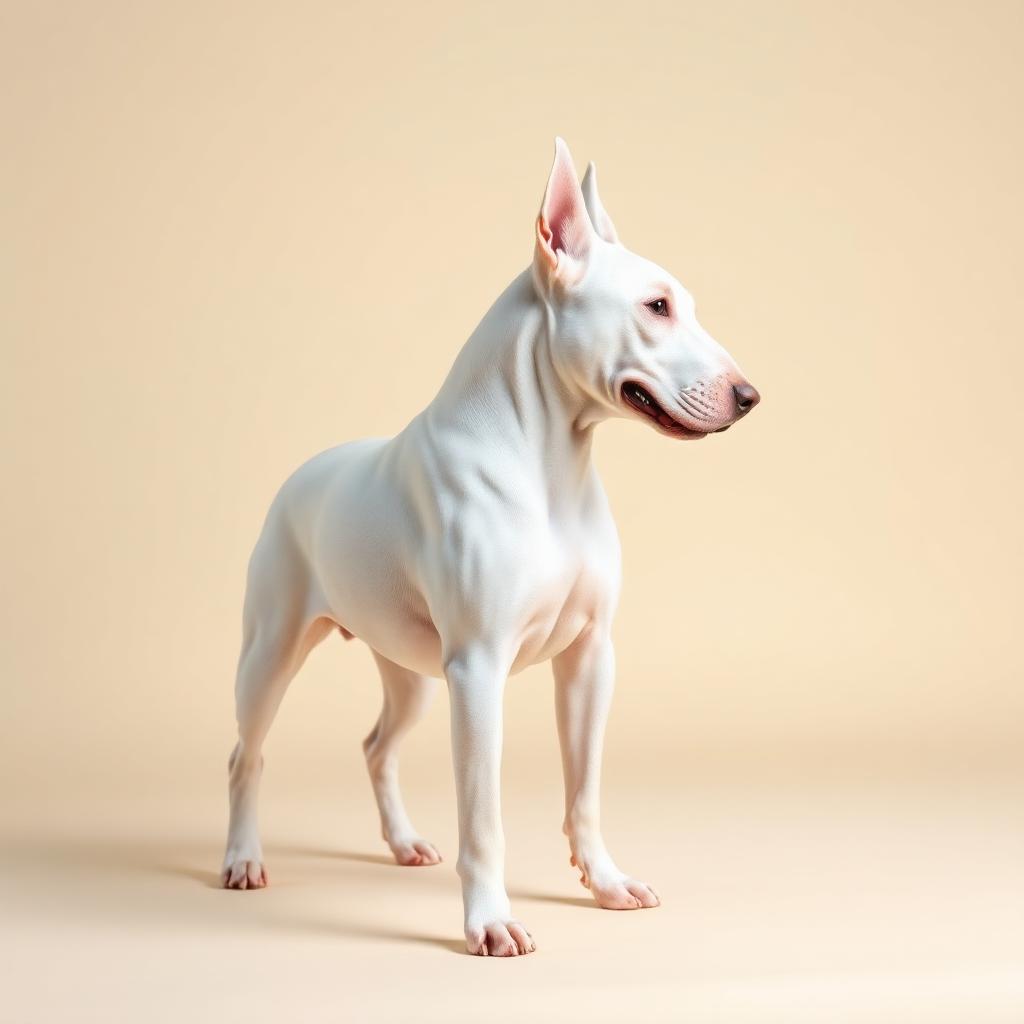
Bull Terrier
"Brave, loyal, affectionate and comical: the elegant four-legged clown."
Overview
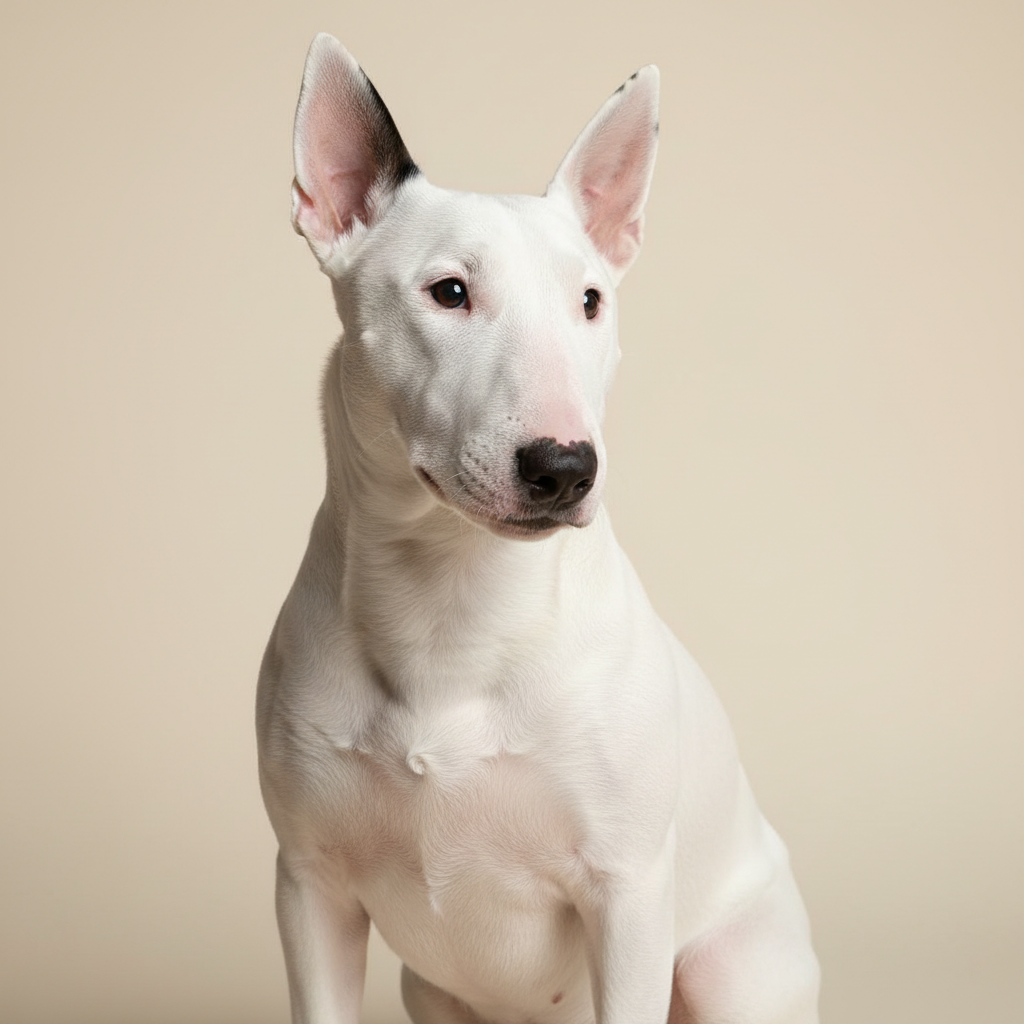
The Bull Terrier is an unmistakable dog breed, originating from the United Kingdom in the 19th Century, known for its distinctive egg-shaped head and unique personality. Classified in FCI Group 3 (Terriers), this medium-sized dog radiates strength but, above all, an immensely playful and affectionate character. They are exceptional family dogs, demonstrating unwavering loyalty and remarkable patience, especially with children, with whom they can be protective and tireless playmates. However, their brave and sometimes stubborn temperament requires an experienced owner, capable of providing firm yet positive training and very early and continuous socialization to ensure balanced behavior.
The Bull Terrier's need for exercise is considerable; they require at least one hour daily of vigorous activity, combining walks, games, and mental stimulation, to avoid boredom and potential destructive behaviors. Despite their short, low-maintenance coat, the health of the Bull Terrier is a crucial aspect to consider. They are prone to genetic conditions such as hereditary nephropathy (kidney disease), deafness (particularly white ones), and persistent skin allergies. Therefore, it is vital to choose an ethical breeder who performs health screenings on breeding dogs and to have pet insurance. Their diet should be high-quality, controlled to prevent obesity, and regular grooming, although simple, must include attention to skin and nails.
Living with a Bull Terrier means having a companion full of life, with a comical spirit and immense devotion. They are not suitable for first-time owners or sedentary families, but for those who can offer them an active environment, full of love, discipline, and attention to their health and welfare needs, the Bull Terrier becomes an unforgettable and enriching family member. Their monthly cost, including food and veterinary care, can be moderate for basic needs but significant if the breed's inherent health problems arise, which underscores the importance of an emergency fund or good insurance. This robust-looking dog hides a sensitive heart that craves constant human companionship and interaction.
Key facts
- Size
- Medium
- Weight
- 20–32 kg
- Life expectancy
- 10–14 years
- Daily exercise
- 75 min/day
- Estimated total
- 170€/month
- Country
- Reino Unido
Character & temperament
The Bull Terrier has a very peculiar and fascinating personality. They are known for their playful, energetic, and often comical nature. They tend to be extremely loyal and affectionate with their family, forming very strong bonds. Despite their robust appearance, many Bull Terriers are actually very sensitive and love being the center of attention, often acting as true 'clowns' to entertain their loved ones. They possess innate bravery and great determination, which, combined with their terrier spirit, can translate into a certain stubbornness. They are not the ideal breed for owners looking for a submissive dog, as their intelligence and strong will often require a firm but positive training approach. They can be somewhat dominant with other dogs, especially those of the same sex, if not well socialized from puppyhood. With family children, they can be extraordinarily patient and protective, though supervision is required due to their strength and enthusiasm. These are dogs that need a lot of mental and physical stimulation; otherwise, they can become bored and develop destructive behaviors. Their insatiable curiosity and desire to explore can lead them into unexpected situations. They are dogs that enjoy company and can suffer from separation anxiety if left alone for prolonged periods, manifesting in excessive barking or destructiveness. In summary, the Bull Terrier is a companion full of life, with an indomitable spirit and a heart of gold, ideal for active and experienced families who can provide the leadership, love, and stimulation they need.
Living with children
Bull Terriers can be excellent companions for children when properly socialized and educated from an early age. They exhibit remarkable patience and an innate tolerance for childish antics, often acting as playful and protective nannies. Their energetic nature and love for play make them ideal companions for active children. However, it is crucial to remember that a Bull Terrier is a strong and enthusiastic dog; therefore, adult supervision is essential, especially with small children, to prevent accidentally knocking a child over or playing too roughly due to their size and strength. Children should be taught how to interact respectfully with the dog, without pulling its ears, tail, or bothering it while it eats or sleeps. Early socialization with children in different environments will help the Bull Terrier become a well-adapted and tolerant companion. It is important to establish early on who the pack leader is, so that the dog understands its place in the family hierarchy. This prevents any attempts at dominance that, although rare, could arise. A well-trained Bull Terrier with sufficient exercise will be a loving and loyal family member who will enjoy shared activities and bravely protect its little humans. Their affectionate nature and desire for closeness mean they integrate perfectly into a home with children, as long as boundaries are set and a structured and safe environment is provided for everyone.
With other pets
The Bull Terrier's coexistence with other pets can be challenging and requires **early and consistent socialization**. Due to their history as a fighting dog and strong prey drive, they may struggle with dogs of the same sex, especially males, and with smaller animals like cats or rodents. Introducing the Bull Terrier to other pets from puppyhood, under supervision, is vital to foster acceptance. Even with good socialization, caution and supervision are recommended, never leave multiple Bull Terriers or a Bull Terrier with other small animals alone. Many Bull Terriers can learn to coexist peacefully with cats if raised together, but their terrier nature will always surface. They need an experienced owner who can establish clear boundaries.
Health & prevention
Bull Terriers, though generally robust, are predisposed to a number of hereditary and acquired health issues that owners should be aware of. One of the most significant concerns is hereditary nephropathy (polycystic kidney disease), a kidney disease that can manifest at early ages and be fatal. It is crucial for breeding dogs to be screened for this condition. They are also prone to deafness, especially white Bull Terriers, which can be unilateral or bilateral. BAER (Brainstem Auditory Evoked Response) tests are recommended for puppies. Skin allergies are very common in the breed, potentially causing intense itching, skin infections, and general discomfort. These allergies are often environmental or food-related and require dietary management and often medication. Other problems include patellar luxation, heart problems (such as subvalvular aortic stenosis), eye diseases (such as lens luxation), and hypothyroidism. Obesity is a risk if diet and exercise are not properly controlled, which can exacerbate other joint problems. It is essential to choose a responsible breeder who performs health screenings on their breeding dogs and to maintain regular veterinary check-ups to detect any problems early. A balanced diet and an active lifestyle are key to their overall well-being, but do not eliminate the risk of these genetic conditions.
Health risks
- •Deafness
- •Kidney problems
- •Patellar luxation
Care
Nutrition
Bull Terrier nutrition is crucial for maintaining their compact musculature and constant energy. They require a **high-quality, protein-rich diet** to support their muscular development and activity level. The amount of food should be adjusted to their age, weight, exercise level, and individual metabolism. Puppies need several meals a day of specific puppy food for medium breeds for optimal growth. For adults, two meals a day are recommended. Always choose a premium kibble, preferably one formulated for active breeds or specifically for allergies, given the high risk of skin reactions in the breed. It is crucial to **avoid overweight**, as Bull Terriers tend to gain weight if overfed and underexercised. Treats should be used in moderation. Always ensure they have access to fresh, clean water. Consult with your veterinarian for an individualized nutritional plan, especially if your Bull Terrier shows signs of allergies or digestive problems, which is quite common in the breed. Tailored diets can make a big difference.
Grooming & hygiene
The Bull Terrier has a **short, smooth, and gleaming coat** that is relatively easy to maintain. They shed moderately throughout the year, with seasonal peaks. A **weekly brushing with a rubber glove or a soft-bristled brush** will be sufficient to remove loose hair and keep the coat in good condition, stimulating circulation and distributing natural oils. Baths are only necessary when the dog is genuinely dirty, using a specific dog shampoo that does not irritate their skin, as they are prone to skin allergies. It is essential to **check their ears regularly** for signs of infections and clean them if necessary. **Nail clipping** should be done every 3-4 weeks to prevent them from growing too long and causing discomfort or problems when walking. It is also important to pay attention to their **dental health**, with regular brushing and/or chew toys to prevent tartar buildup. Although their grooming is simple, these routines are essential for their overall health and well-being.
Exercise & training
Exercise plan
The Bull Terrier is an **energetic and robust breed** that requires a significant amount of daily exercise to maintain physical and mental balance. They are not couch potatoes; they need **at least one hour of vigorous activity per day**, ideally divided into two or more sessions. This can include brisk walks, runs, park play, fetch, or canine sports like agility or obedience. They also greatly enjoy swimming. Their intelligence and curious nature mean they benefit immensely from activities that challenge them mentally, not just physically. A bored or under-exercised Bull Terrier can become destructive, bark excessively, or be hyperactive at home. It's important to remember they have a high prey drive, so off-leash walks should only be done in secure, fenced areas, or with impeccable recall training. Regular exercise not only contributes to their physical health but is also crucial for their emotional well-being and strengthening the bond with their family. A tired Bull Terrier is a happy and well-behaved Bull Terrier.
Training
Bull Terrier training requires **consistency, patience, and a positive, firm approach**. They are intelligent dogs, but also known for their **stubbornness and independent spirit**, making them a challenge for novice owners. **Early socialization** from puppyhood is absolutely fundamental for them to learn to interact correctly with people, other dogs, and different environments. Puppy classes are highly recommended. Positive reinforcement training, with rewards and praise, works best, as they respond poorly to harsh training methods. They have a great capacity for learning but can get bored with repetition; it is vital to keep training interesting and varied. It is crucial to establish yourself as the pack leader consistently and lovingly. Basic obedience training is indispensable to control their strength and energy, especially in public. Given their tendency for separation anxiety, independence should be gradually worked on with the puppy. With proper training, a Bull Terrier becomes a balanced and well-behaved companion, although they will always retain that touch of clownishness that makes them so special.
Monthly cost
Feeding costs sit moderately, but we highly urge securing comprehensive veterinary insurance given their well-documented risk of expensive genetic kidney failure and annoying chronic allergies.
Estimate for Spain, healthy adult dog. Varies by region and provider.
Pros & cons
Pros
- ✓Extremely loyal and affectionate with their family.
- ✓Playful, energetic, and often comical personality.
- ✓Very protective of their loved ones, especially children.
- ✓Short coat and easy to maintain.
- ✓Incredibly brave and with great determination.
Cons
- !Require extensive socialization and training from a young age.
- !Can be stubborn and challenging to train for novice owners.
- !Prone to health issues like deafness, allergies, and nephropathy.
- !Can be destructive if bored or not exercised enough.
- !May not get along with other dogs or smaller pets without extreme socialization.
Ideal for
- • Active families with dog experience looking for a loyal companion.
- • Individuals willing to invest time in training and socialization.
- • Households that can provide mental stimulation and daily exercise.
- • Owners who appreciate a unique personality and a dog full of vitality.
Not recommended for
- • First-time owners or people looking for a low-maintenance dog.
- • Households with little time or a sedentary lifestyle.
- • Families unwilling to invest in professional training or veterinary insurance.
- • Individuals who want a dog that inherently gets along with all pets.
How it fits each scenario
Possible, but requires **extensive daily exercise and mental stimulation** outside the home. A Bull Terrier in an apartment needs several vigorous outings daily and intense play to burn energy. Could develop separation anxiety.
Ideal, provided the garden is **well-fenced** and the dog is supervised. Access to a safe outdoor space is beneficial, but does not replace daily walks and quality time with the family. Will need playtime.
They tolerate hot climates, but their short coat makes them susceptible to **sunburn** and heatstroke. They need shade and constant fresh water, and intense exercise should be scheduled for the coolest parts of the day. Dress them with sunscreen for sensitive skin.
Their short coat **does not protect them well from the cold**. They need coats and limited outdoor time in freezing temperatures. Ensure their paws are protected from snow and ice. Watch out for snow in winter, so they don't eat it.
Possible with **constant supervision and solid training**, for both dog and child. Their enthusiasm can lead to accidental knock-overs. Both should be taught respectful interaction. Lots of patience and setting dog boundaries from puppyhood.
Generally very good, they are **energetic and loyal playmates**. They will benefit from the playtime and stimulation that older children can offer. Still, supervision is recommended, and children should be taught to be respectful. They are very patient.
Not the most recommended breed for first-time owners due to their **stubbornness and need for firm and consistent training**. They require a confident and experienced owner who can set boundaries and manage their energy. There are easier breeds to start with.
Excellent choice for those who understand the **terrier mindset and their need for consistent leadership**. An experienced owner will know how to channel their energy and train them with patience and positive reinforcement. Understanding canine body language will be crucial.
Perfect, as the Bull Terrier thrives on **daily exercise and participation in family activities**. They will need adventure companions who can satisfy their need for physical and mental movement and play. They are often tireless.
Not ideal. They do not tolerate solitude well and can develop **separation anxiety and destructive behaviors**. They require a lot of human interaction and quality time to be happy and balanced. They will need constant companionship.
Due to their short coat, they **release fewer allergens than other breeds**, but they are not hypoallergenic. People with severe allergies might still react. Spending time with Bull Terriers before adoption is recommended. Despite shedding less hair, the proteins in their saliva or dander, which cause allergies, remain.
Not the best choice. Veterinary costs for their propensities to **health issues (allergies, kidney, deafness)** can be high. Pet insurance is almost a necessity. Their quality food can also be expensive. They require high investment.
Origin & history
Created in the 1850s by James Hinks by crossing the Bulldog with the extinct White English Terrier and the Dalmatian. His goal was to breed a refined white 'cavalier' for dog shows, moving away from the fighting pits. Hinks aimed for a dog with the agility of the terrier and the strength of the bulldog, but with a more elegant appearance and a balanced temperament. The result was a breed with a unique head and imposing presence, which quickly gained popularity as a companion and show dog, leaving its past in blood sports behind.
Their unique, egg-shaped head is not natural; it was **intentionally created through selective breeding** to achieve a distinctive 'down-face' or 'Roman nose' profile, giving them such a particular and iconic look. They are one of the most instantly recognizable dogs!
Frequently asked questions
Is the Bull Terrier a suitable dog for first-time owners with young children?▾
The Bull Terrier can be an excellent family dog, but it is not the ideal choice for first-time owners, especially with young children without previous dog experience. They are strong, energetic, and sometimes stubborn dogs that require consistent training and intensive early socialization. With small children, their rough and impulsive play, though well-intentioned, could cause accidents. An experienced owner who understands the breed and can dedicate time to training and supervision will be crucial for harmonious and safe coexistence. Patience, clear boundaries, and educating children on how to interact are essential.
How often should I exercise my Bull Terrier to prevent destructiveness?▾
A Bull Terrier needs at least **one hour of vigorous exercise daily**, divided into several sessions. This includes brisk walks, intense play, or dog sports. In addition to physical exercise, it is crucial to provide mental stimulation through puzzle toys or training sessions. A bored or under-exercised Bull Terrier is prone to developing destructive behaviors such as chewing furniture, digging, or excessive barking. The key is to keep them active and engaged both physically and mentally to channel their energy and curiosity positively. Consistency is key.
What are the main health problems Bull Terriers are prone to?▾
Bull Terriers have several genetic predispositions. The most common problems include **hereditary nephropathy (chronic kidney disease)**, **deafness** (especially in white ones, which can be unilateral or bilateral, requiring BAER tests), and **skin allergies** (causing itching, infections, and requiring dietary management or medication). They can also suffer from patellar luxation, heart problems such as subvalvular aortic stenosis, and eye diseases. It is vital to choose a breeder with health screenings and undergo regular veterinary check-ups for early detection and management of these conditions.
Are Bull Terriers good with other pets, such as cats or other dogs?▾
Coexistence with other pets requires **early and consistent socialization**. Bull Terriers can exhibit a strong prey drive towards smaller animals and may have dominance issues with other dogs, especially those of the same sex. If raised with cats from puppyhood, they can learn to coexist. However, supervision and rigorous training are always recommended to prevent incidents. For multi-pet households, an experienced owner who sets clear boundaries and fosters positive interactions is essential. They are not naturally compatible and require a lot of work.
Is the Bull Terrier considered a 'hypoallergenic' breed?▾
No, the Bull Terrier is **not a hypoallergenic breed**. While their short coat sheds less hair than some breeds, which reduces the dispersion of allergens like dander, they still produce the proteins that cause allergic reactions. People with severe allergies may still react to a Bull Terrier. If you have allergies, it is advisable to spend time with a Bull Terrier before committing to adoption, to assess your reaction. There are breeds that are truly better for people with allergies due to their hair type.
How long can a Bull Terrier be left alone at home?▾
Bull Terriers are very people-oriented dogs and can suffer from **separation anxiety** if left alone for prolonged periods. Ideally, they should not be left alone for more than **4-5 hours a day**. If a family typically works away from home or has a very busy lifestyle, this breed may not be the most suitable. Separation anxiety can manifest as excessive barking, destructiveness, and inappropriate attention-seeking behavior. If it's unavoidable to leave them alone for a while, it's advisable to prepare the house with interactive toys and consider a dog walker. You will have to work on independence from puppyhood.
What type of training is most effective for a Bull Terrier?▾
Positive reinforcement training is by far the most effective for a Bull Terrier. They are intelligent and respond well to rewards such as treats, praise, and play but get bored easily with repetition and react poorly to harsh methods or punishment. **Consistency, patience, and a creative approach** are key to maintaining their interest. Early socialization and puppy obedience classes are fundamental. Establishing yourself as a firm but fair leader is crucial to manage their innate stubbornness, transforming it into discipline and a strong bond. You won't get results without a good routine and patience.
Are Bull Terriers suitable for traveling with the family?▾
Yes, Bull Terriers can be **excellent travel companions** if they are well-socialized and accustomed to different environments and vehicles from puppyhood. Their adventurous nature and love for human companionship make them enjoy new experiences with their family. However, their size and energy require proper planning: they will need frequent stops to stretch their legs and relieve themselves, and a safe, comfortable place in the vehicle. It's also crucial to ensure accommodations are dog-friendly. A happy Bull Terrier at home will be a happy Bull Terrier traveling, if socialization has been complete.
Similar family-friendly breeds
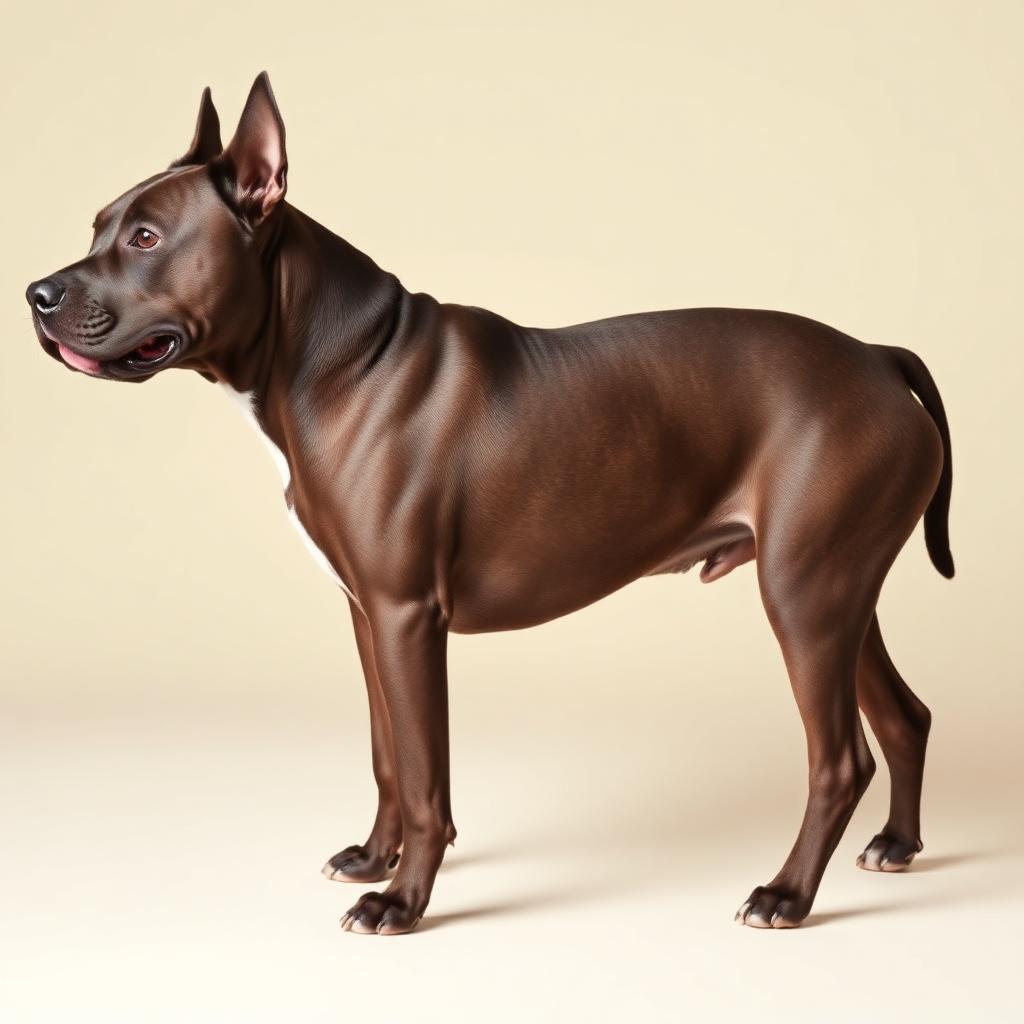
Staffordshire Bull Terrier
7.4The British 'nanny dog'. Muscular and very affectionate with kids; unfairly maligned.
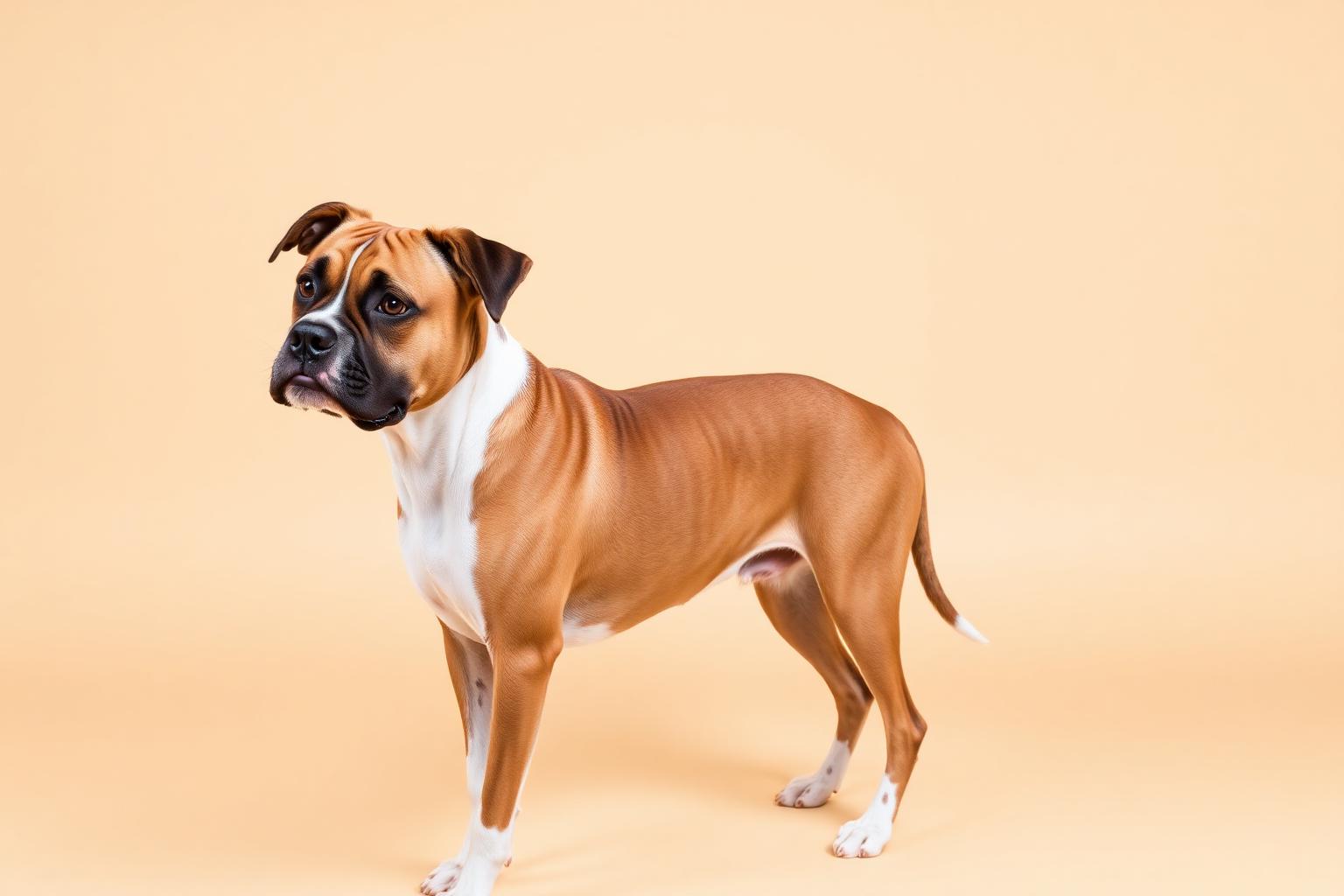
Boxer
8.9Athletic and patient with children. Known as a nanny dog. Needs intense exercise and early socialization.
 Hypoallergenic
Poodle
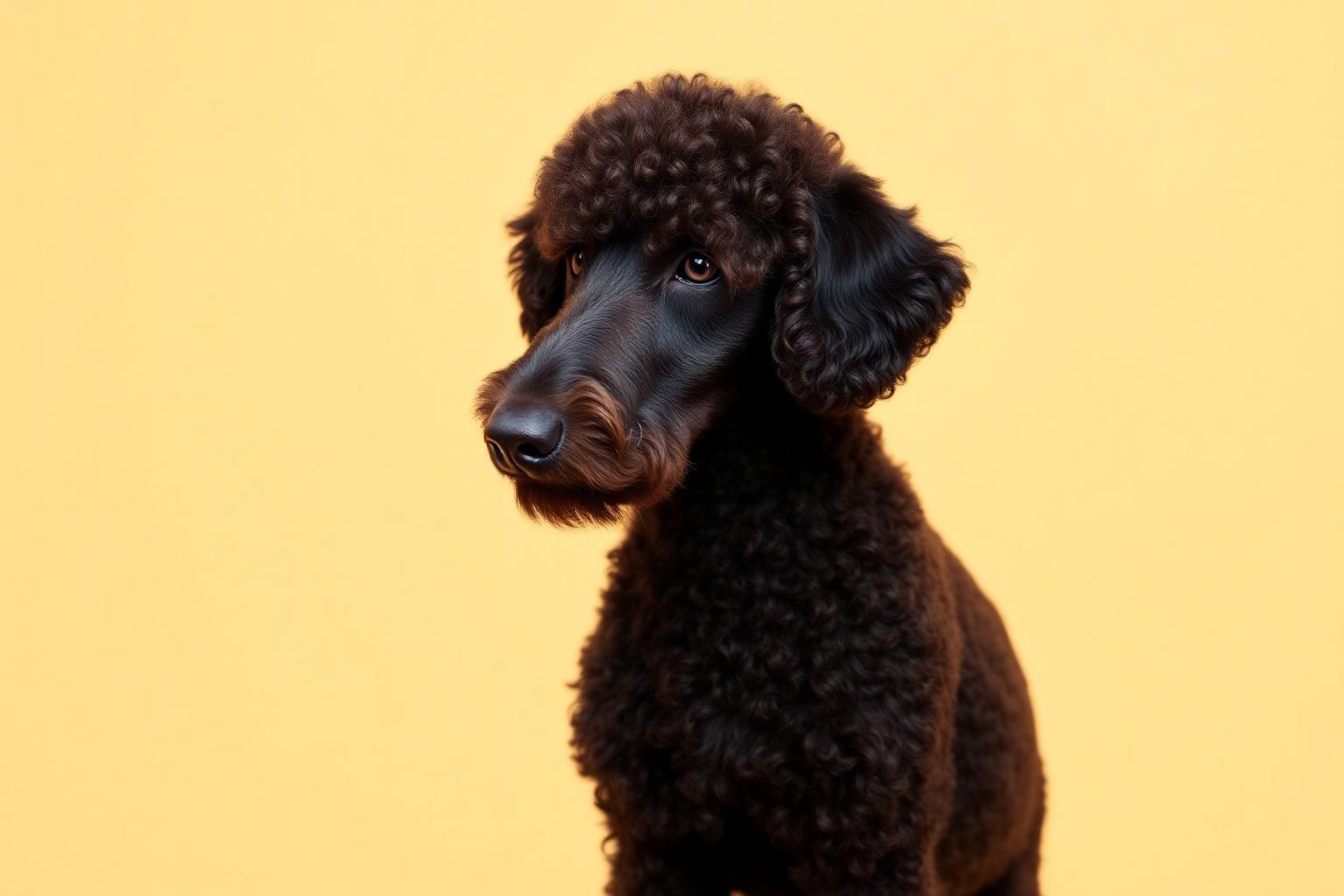
9.5Intelligent, elegant and hypoallergenic. Available in several sizes to suit any home. Requires regular grooming.