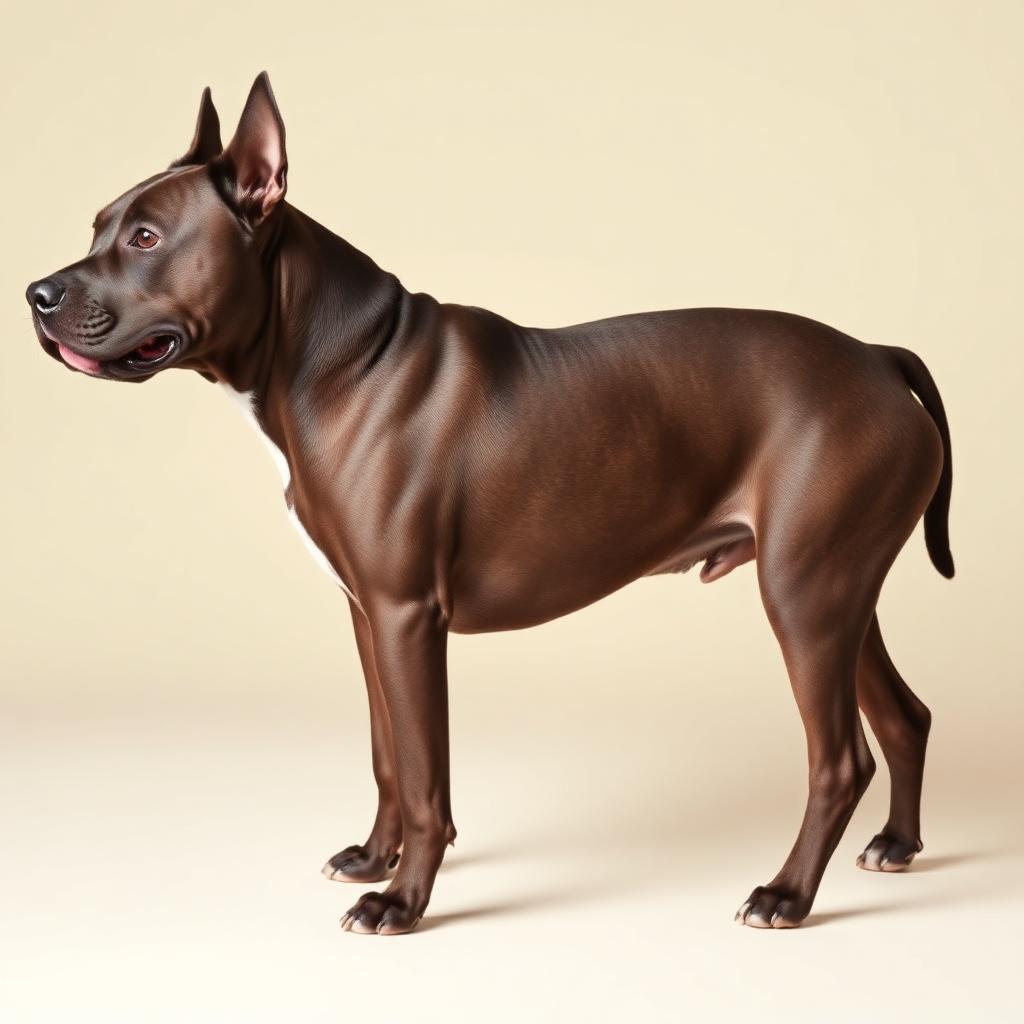
Staffordshire Bull Terrier
"The original 'Nanny Dog': loyal, courageous, and extraordinary with children."
Overview
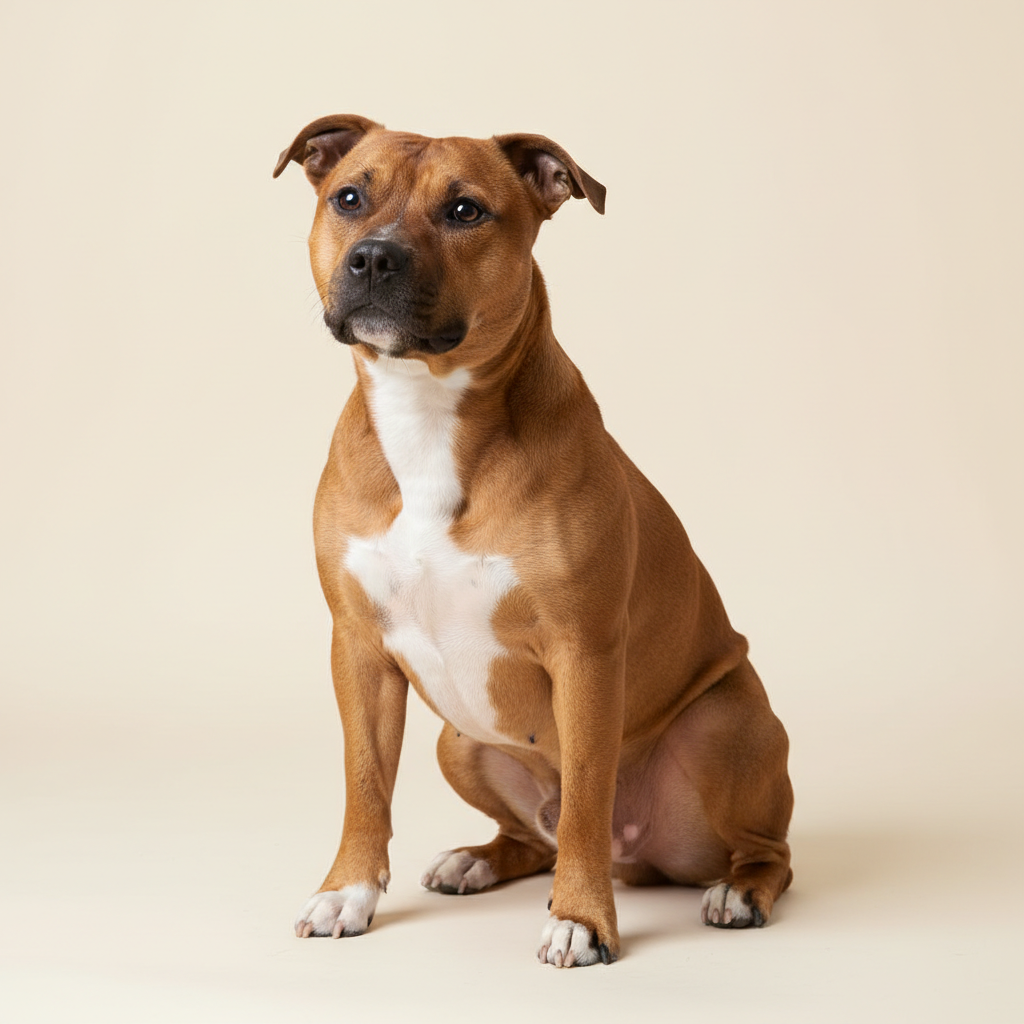
The Staffordshire Bull Terrier, or Staffy, is a compact and muscular canine breed originating from the UK, renowned for its affectionate temperament and surprising patience. Often nicknamed the "Nanny Dog," it is distinguished by its exceptional kindness and tolerance towards children, making it an extraordinary family dog. Its unwavering loyalty to its owners is one of its most cherished characteristics, constantly seeking human companionship and affection.
Regarding its sociability, Staffies are generally friendly with people, but require early and continuous socialization to ensure good coexistence with other pets and dogs, due to their terrier heritage. They are intelligent and energetic dogs, which means training must be consistent, using positive reinforcement methods from an early age. Their lively nature demands daily exercise and mental stimulation to stay balanced and prevent boredom and potential destructive behaviors. A minimum of one hour of vigorous activity, combining walks, games, and training, is fundamental for their physical and mental well-being.
As for their health, the Staffy is generally a robust breed, but it has a predisposition to certain conditions such as hip and elbow dysplasia and skin allergies, often showing as irritated skin or recurrent itching. They are also susceptible to hereditary eye conditions. Therefore, it is crucial to choose a responsible breeder who performs health tests on their specimens. Their short, easy-to-maintain coat means low grooming costs, but quality nutrition and regular veterinary visits are essential for their long-term health. Adaptable to different environments, they can live in apartments if they receive enough exercise and are not left alone for prolonged periods, as their need for companionship is high. The monthly cost of keeping a Staffy is moderate, although specific illnesses can increase veterinary expenses, making pet insurance advisable.
Key facts
- Size
- Medium
- Weight
- 11–17 kg
- Life expectancy
- 12–14 years
- Daily exercise
- 75 min/day
- Estimated total
- 155€/month
- Country
- Reino Unido
Character & temperament
The Staffordshire Bull Terrier possesses a truly unique personality, often described as a blend of bulldog courage with the agility and wit of a terrier. They are robust dogs, but above all, incredibly affectionate and people-oriented. Their most distinctive trait is their unconditional loyalty and affection towards their family, whom they consider their pack. It's no wonder they've earned the nickname "Nanny Dog" for their legendary patience and tolerance with children. They are energetic and playful dogs, always ready for a vigorous play session or a long walk. Their intelligence makes them capable of learning quickly, but they also possess a stubborn streak that requires consistent and positive training from an early age. These dogs constantly seek human interaction; they greatly enjoy cuddles, hugs, and being close to their owners. Prolonged solitude can lead to behavioral issues, such as separation anxiety or destructiveness. While not particularly barkers, they are very alert to their surroundings and can make good watchdogs, announcing the arrival of strangers. However, their friendly nature usually means they greet visitors with joy once they realize they pose no threat. They are dogs with great confidence and an unbreakable spirit, who enjoy challenges and new experiences, as long as they are accompanied by their humans.
Living with children
The Staffordshire Bull Terrier is legendary for its affinity with children, having earned the nickname "Nanny Dog" in the United Kingdom. This reputation is not unfounded; Staffies typically demonstrate remarkable patience and exceptional tolerance with the little ones in the house. Their robust nature and relatively high pain threshold make them capable of enduring children's sometimes rough play without reacting negatively. They greatly enjoy play and interaction, becoming the perfect companion for childhood antics. However, as with any breed, adult supervision is crucial when children interact with the dog, especially with very young children who have not yet learned to respect the animal's boundaries. It is essential to teach children how to interact safely and respectfully with the Staffy, and the dog to accept gentle handling. Early and positive socialization of the Staffy puppy with children at different developmental stages will help foster a strong bond and harmonious coexistence. While their patience is great, it should not be abused. A well-socialized and educated Staffy will be a loving, protective, and extraordinary member of any family with children, bringing joy and unwavering companionship. Their desire for companionship and affection makes them dedicated companions who will gently protect children without being aggressive or overly territorial in a concerning way.
With other pets
Coexistence of the **Staffordshire Bull Terrier** with other pets requires early and continuous socialization. While they are exceptionally friendly with humans, they can display a strong prey drive, especially towards small animals like cats or rodents, if they haven't been raised alongside them or taught to coexist since puppyhood. With other dogs, the situation can vary; some Staffies get along well with other canines, while others may show dominance or reactivity, especially if they are not neutered or if they feel challenged. It's crucial to introduce Staffies to other animals in a controlled and supervised manner, and always reward calm behavior. In multi-dog households, pack dynamics must be carefully managed, and obedience training is key.
Health & prevention
Although the Staffordshire Bull Terrier is generally a robust and long-lived breed, there are some specific health concerns owners should be aware of. One of the most common conditions is hip and elbow dysplasia, a malformation of the joints that can lead to arthritis and pain. Screening tests are important for responsible breeders. They are also prone to certain hereditary eye conditions, such as hereditary cataracts (HC) and progressive retinal atrophy (PRA), so genetic testing is recommended. Skin allergies are another frequent concern; these can manifest as irritation, itching, or recurrent skin infections, often caused by environmental, food, or flea allergens. Hypothyroidism, congenital heart disorders, and patellar luxation have also been observed in the breed, albeit less frequently. It is crucial to choose a puppy from a reputable breeder who performs health screenings on their breeding stock and provides guarantees. Maintaining a healthy weight and providing regular exercise is vital to prevent joint problems and maintain good overall physical condition. Regular veterinary visits, a balanced diet, and strict parasite control will significantly contribute to your Staffy's long-term health and well-being.
Health risks
- •Hip dysplasia
- •Cataracts
- •Skin allergies
Care
Nutrition
Nutrition for a **Staffordshire Bull Terrier** should be high-quality and tailored to their activity level and life stage. Given their musculature and energy, they need a diet rich in protein to maintain lean muscle mass. A premium kibble formulated for medium or active breeds is an excellent option. Some Staffies can be sensitive to certain ingredients, manifesting as skin allergies or digestive issues, which may necessitate hypoallergenic food or those with limited protein sources. Portion control is crucial, as they have a tendency to gain weight if overfed or not adequately exercised, which can exacerbate joint problems. They should always have access to fresh, clean water. Supplements, such as Omega-3 fatty acids, can benefit skin and coat health, especially in Staffies prone to allergies, but should always be administered under veterinary advice. Avoid giving them cooked bones or human food scraps, as they can be harmful.
Grooming & hygiene
Grooming for the **Staffordshire Bull Terrier** is relatively straightforward due to their short, smooth coat. Weekly brushing with a rubber mitt or soft-bristled brush is sufficient to remove dead hair, stimulate blood circulation, and keep the coat shiny. This also helps reduce shedding in the home. Staffies don't require frequent bathing; only when necessary, using a mild, dog-specific shampoo to avoid skin irritations, as some are prone to allergies. It's important to check and clean their ears regularly to prevent infections, especially if the dog enjoys swimming. Their nails should be trimmed every 3-4 weeks or when they start making noise on the floor, to prevent discomfort and paw problems. Daily dental brushing or the use of dog-specific dental products are fundamental for maintaining good oral hygiene and preventing periodontal diseases. In summary, the Staffy is a low-maintenance breed regarding grooming, but consistent care is key to their overall health.
Exercise & training
Exercise plan
The **Staffordshire Bull Terriers** are energetic dogs that require regular and quality exercise to stay physically and mentally healthy. Although not as hyperactive as some terriers, an average of **one to one and a half hours of vigorous activity per day** is ideal, divided into two or three sessions. This can include brisk walks, games of fetch, running alongside their owner, or sessions at dog parks (if socialization allows). They greatly enjoy activities that engage their minds, such as puzzle games or agility training. A lack of exercise can lead to boredom, which in turn can manifest as destructive behaviors or anxiety. They are athletic enough to excel in dog sports like agility or obedience. Make sure their exercise sessions include mental stimulation, as they are intelligent dogs who get bored easily if only allowed to run aimlessly. A tired Staffy is a happy and well-behaved Staffy.
Training
Training the **Staffordshire Bull Terrier** is rewarding, as they are intelligent dogs eager to please their family. However, their characteristic terrier **stubbornness** means that consistency, patience, and positive reinforcement methods are essential. Training should begin from puppyhood, focusing on early socialization with a variety of people, places, sounds, and, crucially, other dogs and pets in a controlled manner. Puppy obedience classes are highly recommended to establish the foundations of good behavior and strengthen the bond with the owner. They are sensitive dogs, so harsh or punitive training methods should be avoided, as they can negatively impact their confidence and temperament. Play-based and reward-based training works very well with Staffies. Due to their strong prey drive and physical power, leash training is fundamental to ensure their safety and that of other animals. They also enjoy mental challenges, so incorporating puzzle games and brain teasers into their routine can be very beneficial to keep them engaged and prevent boredom. A well-trained and socialized Staffy is a balanced and adaptable companion.
Monthly cost
Monthly food costs will undoubtedly trend higher if the dog suffers from skin allergies and requires hypoallergenic kibble. Veterinary insurance is highly advisable given potential chronic allergy treatments or costly hip surgeries.
Estimate for Spain, healthy adult dog. Varies by region and provider.
Pros & cons
Pros
- ✓Extremely affectionate and loyal to the family.
- ✓Excellent companion for children (known as 'Nanny Dog').
- ✓Relatively easy to maintain regarding coat care.
- ✓Intelligent and eager to please, easy to train with positive reinforcement.
- ✓Robust and generally healthy dog.
Cons
- !Can be stubborn, requiring consistent training.
- !Potentially problematic with other dogs or pets without proper socialization.
- !Suffers from separation anxiety if left alone for extended periods.
- !Needs regular exercise and mental stimulation to prevent boredom.
- !Predisposition to certain skin allergies and dysplasia.
Ideal for
- • Active families looking for a loyal and affectionate companion.
- • Homes with children who appreciate a patient and playful dog.
- • Experienced or first-time owners committed to training.
- • Individuals who can dedicate time to daily socialization and exercise.
Not recommended for
- • People looking for a low-maintenance dog regarding social interaction.
- • Homes where the dog will spend many hours alone.
- • Owners unwilling to invest in early socialization and training.
- • Those unable to provide daily exercise and mental stimulation.
How it fits each scenario
Yes, they can adapt well to apartment living if provided with sufficient daily exercise and stimulation. They need regular walks and playtime. They are not dogs that can be left alone in an apartment for too long.
It's ideal, a secure garden provides extra space for burning energy, but it doesn't replace walks and interaction. They need human companionship and should not be left alone in the garden for prolonged periods without supervision.
They tolerate warm climates, but their short coat doesn't protect them from extreme heat. They must have constant access to water and shade, and exercise should be scheduled during the coolest parts of the day to avoid heatstroke.
They are not the best choice for very cold climates due to their short coat. They will need coats or sweaters to protect themselves from intense cold during walks and should not be left outdoors for too long in winter.
Outstanding. Known as 'Nanny Dogs' for their patience and tolerance. Still, supervision is essential, and teaching toddlers and the dog to interact respectfully is key for a safe and loving relationship.
Excellent with older children. They enjoy active play and are loyal companions. Their resilience allows them to keep up with school-aged children, becoming a great friend for daily adventures and games.
Yes, possible for first-time owners who are willing to invest time in socialization, training, and understanding of the breed's energy and need for companionship. Consistency is key, and patience will be rewarded with a loyal companion.
Ideal for experienced owners who appreciate their unique character and know how to handle their occasional stubbornness. They will be able to make the most of their intelligence and potential in dog sports or advanced obedience.
They adapt perfectly. They enjoy long walks, runs, and play sessions. An active family can meet their need for exercise and stimulation, resulting in a happy and calm Staffy at home.
Not suitable. They require a lot of attention and do not like to be left alone for extended periods, which can lead to separation anxiety or destructive behaviors. They need a family that dedicates time and companionship to them.
They are not hypoallergenic. While their coat is short, they do shed. People with severe allergies may experience reactions. It is advisable to spend time with Staffies before adoption to assess tolerance.
Costs are not excessively high, but allergies and joint problems can increase veterinary expenses. It is important to consider pet insurance to cover unforeseen circumstances and ensure their long-term well-being.
Origin & history
Originally developed in the English region of Staffordshire for now-banned blood sports, they were surprisingly bred to be fierce competitors yet totally manageable and docile with their families. Today, that unwavering love for humans is their defining characteristic.
Despite their initial fighting dog image, the Staffy is one of the few dogs that the British Kennel Club specifically recommends for children, earning the nickname 'Nanny Dog' long before official recognition.
Frequently asked questions
Is the Staffordshire Bull Terrier truly a good dog for families with young children?▾
Yes, the Staffordshire Bull Terrier is exceptional with children, earning the nickname 'Nanny Dog' in the UK. They are known for their patience, tolerance, and protective nature towards youngsters. Their robustness allows them to withstand children's energetic play without being bothered. However, as with any breed, adult supervision is crucial to ensure both the dog and children interact safely and respectfully. Early socialization of the puppy with children and education on boundaries for both are the best guarantee of a harmonious and happy coexistence.
Does the Staffy require a lot of exercise and mental stimulation to be happy?▾
Absolutely. Staffordshire Bull Terriers are energetic and intelligent dogs that need at least 60-90 minutes of vigorous exercise daily, divided into several sessions. This includes dynamic walks, games of fetch or frisbee, and running. In addition to physical exercise, they need mental stimulation to prevent boredom, which can lead to destructive behaviors. They benefit from puzzle games, obedience training, or even dog sports like agility. A bored Staffy is an unhappy Staffy and prone to developing anxiety or destructiveness at home. Interactive play with their family is key to their well-being.
What are the most common health problems in Staffordshire Bull Terriers?▾
While generally robust dogs, Staffies are prone to some specific health conditions. The most common include hip and elbow dysplasia, which can cause arthritis, and certain hereditary eye conditions like cataracts. Skin allergies, manifesting as itching, redness, or recurrent skin infections, are also quite frequent and can be triggered by food or environmental factors. Other less common problems are hypothyroidism and certain heart diseases. It is vital to choose a responsible breeder who performs health screenings on their breeding stock to reduce the risk of these hereditary diseases. Annual veterinary check-ups and a quality diet contribute to their longevity and well-being.
Are Staffies easy to train or are they stubborn?▾
Staffordshire Bull Terriers are intelligent and have a strong desire to please their owners, making them receptive to training. However, they are also known for a certain stubbornness inherent to many terriers. This means that training must be consistent, positive, and reward-based from an early age. Force-based or punitive training methods are counterproductive and can harm their confidence and bond with you. Early socialization is equally crucial for them to develop into well-adjusted and well-mannered adults, especially in their interaction with other dogs. Investing in puppy obedience classes is an excellent investment for a well-behaved Staffy.
Can Staffordshire Bull Terriers live in an apartment?▾
Yes, a Staffordshire Bull Terrier can adapt very well to apartment living, as long as their exercise and companionship needs are rigorously met. They are not dogs that need a large garden to live, but they do require at least two or three energetic daily walks, in addition to play sessions and mental stimulation. The key is that they receive enough activity outside the home. Furthermore, they are very people-oriented dogs and do not tolerate prolonged solitude well, so a family that works many hours outside the home might not be the most suitable for a Staffy in an apartment.
How much does it cost to keep a Staffordshire Bull Terrier per month?▾
The monthly cost of a Staffordshire Bull Terrier can vary, but it is estimated at around 150-200 euros. This includes about 60-80 euros for quality food, 40-50 euros for routine vet visits (summing annual cost and dividing), about 10-15 euros for grooming care, and about 20-30 euros for toys and accessories. Pet insurance of about 25-35 euros monthly is highly recommended to cover unexpected medical events, especially given their predispositions to allergies or joint problems that can require costly treatments. Initial adoption costs, vaccinations, microchip, and sterilization are separate.
Are Staffies noisy dogs that bark a lot?▾
Generally, Staffordshire Bull Terriers are not known for being excessive barkers. They tend to bark to alert their owners to the arrival of visitors or something unusual in their environment, doing a good job as watchdogs. However, they are not usually noisy without reason. Excessive barking in a Staffy can be an indication of boredom, lack of exercise, separation anxiety, or poor socialization. With proper training and stimulation, their barking can be managed and should not be a significant problem for coexistence, even in urban environments.
What kind of family is ideal for a Staffordshire Bull Terrier?▾
The ideal family for a Staffordshire Bull Terrier is one that is active, dedicated, and willing to fully integrate the dog into family life. They seek companions who can offer them sufficient daily exercise, constant mental stimulation, and, above all, a lot of attention and affection. They are extraordinary with children, making them excellent for families with youngsters. Owners, whether first-time or experienced, must commit to positive training and early socialization. A home where the Staffy is not left alone for long periods is crucial, as they thrive on human companionship and can develop separation anxiety if they feel abandoned.
Similar family-friendly breeds
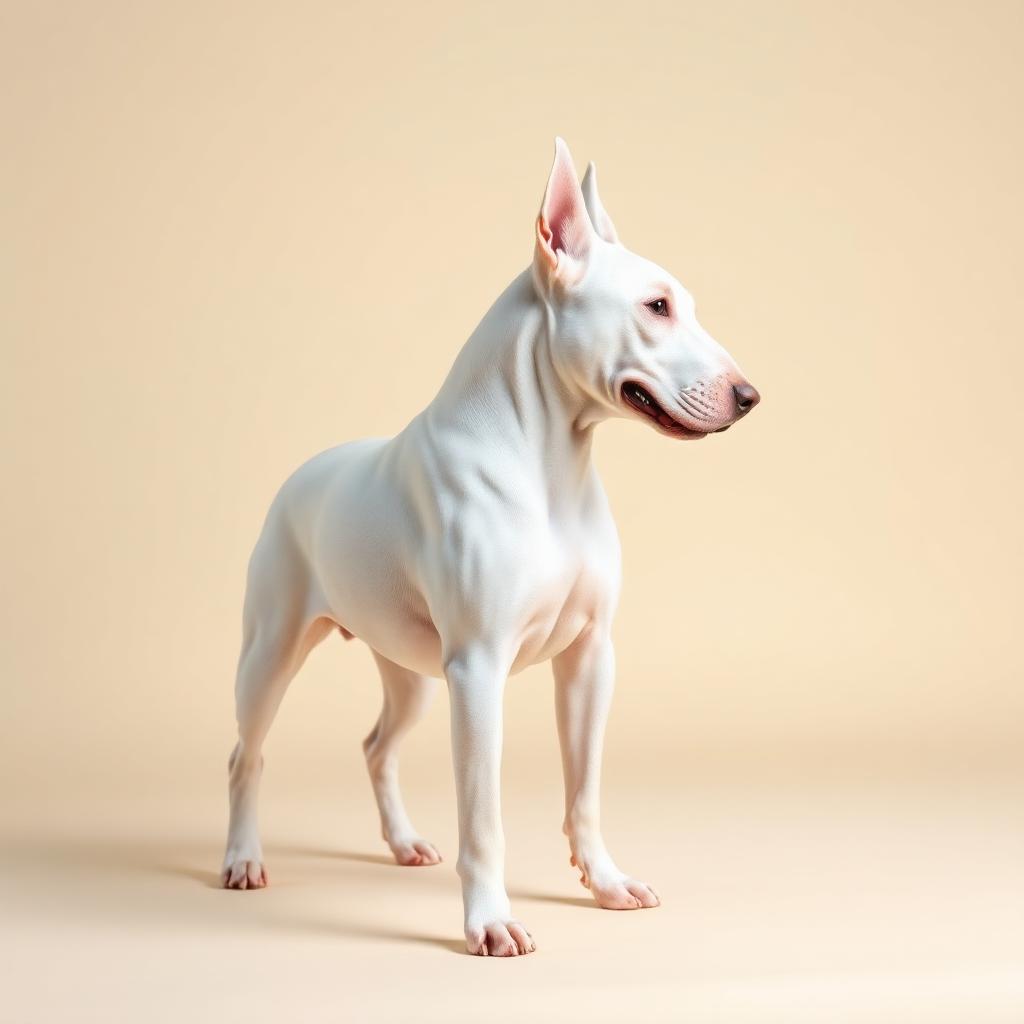
Bull Terrier
5.8Bullseye from Toy Story. Unique egg head; energetic family clown.
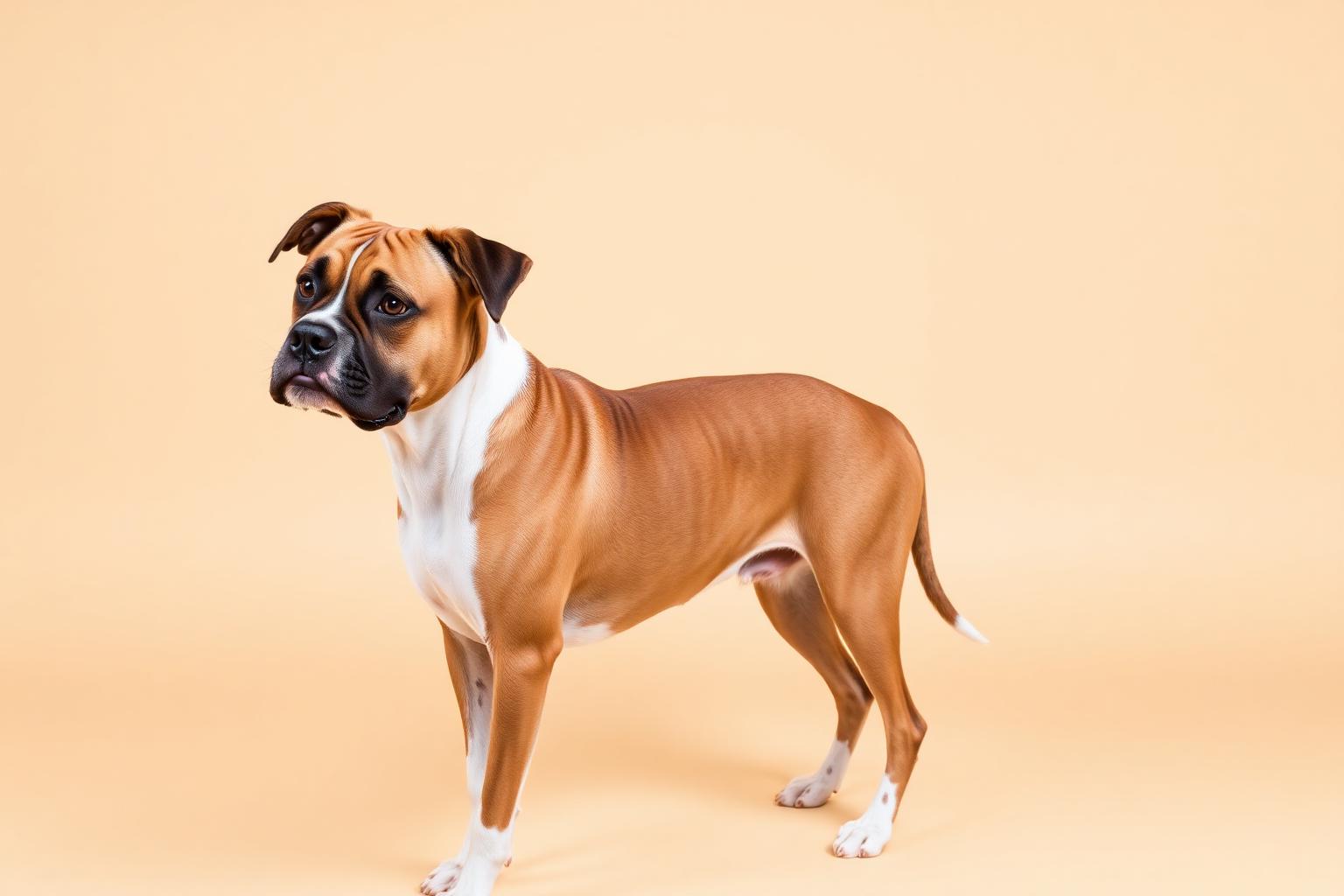
Boxer
8.9Athletic and patient with children. Known as a nanny dog. Needs intense exercise and early socialization.
 Hypoallergenic
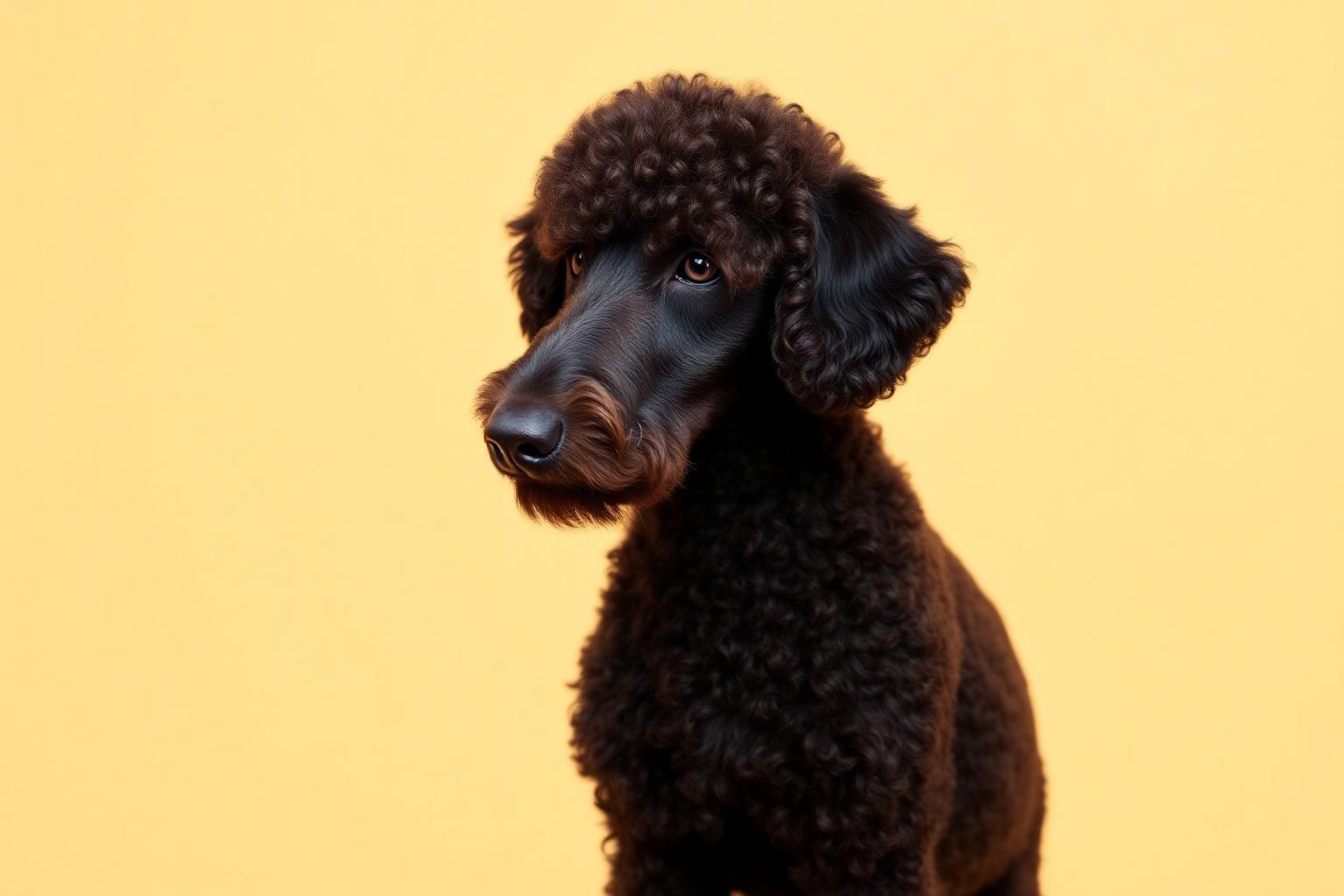
Poodle
9.5Intelligent, elegant and hypoallergenic. Available in several sizes to suit any home. Requires regular grooming.