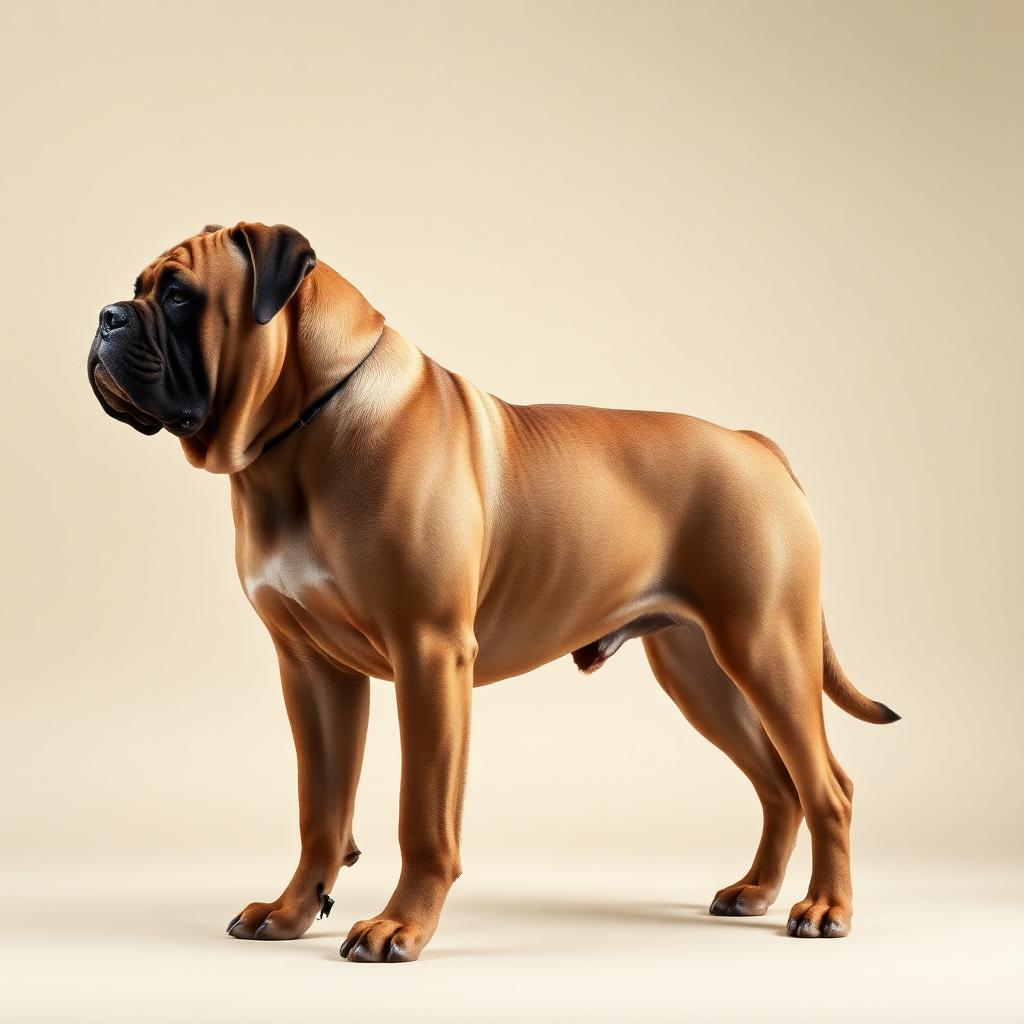
Bullmastiff
"A gentle giant, loyal protector, and devoted companion."
Overview
The Bullmastiff is a large and powerful dog breed, originating from England, known for its impressive presence and noble, loyal character. These gentle giants were bred in the 19th century to protect estates from poachers, combining the strength of the English Mastiff with the determination of the Bulldog. The result is an exceptional guardian dog, wary of strangers but unconditionally affectionate with its family.
Despite their size, the Bullmastiff has moderate exercise needs, requiring two daily walks and playtime in a secure space. They are not hyperactive dogs, which makes them adaptable to indoor living if provided with adequate space and stimulation. Their training should start early, using positive reinforcement methods and consistency, given their intelligence and occasional stubbornness. Early socialization is crucial for their protective nature to develop in a balanced way, especially if they live with children or other pets. It is important to teach children how to interact with such a large dog and always supervise their interactions.
Regarding health, like many large breeds, the Bullmastiff has a lifespan of 8 to 10 years and is prone to certain conditions such as hip and elbow dysplasia, gastric torsion, and certain forms of cancer. Proper nutrition, formulated for giant breeds, is vital for their development and well-being. The cost of owning a Bullmastiff can be high due to their food consumption and potential veterinary expenses, making it unsuitable for tight budgets. Their grooming is simple, thanks to their short coat, but requires attention to facial folds and dental care. In summary, the Bullmastiff is a superb choice for experienced owners seeking a loyal, protective, calm, and devoted companion, willing to integrate this majestic dog into the heart of their home.
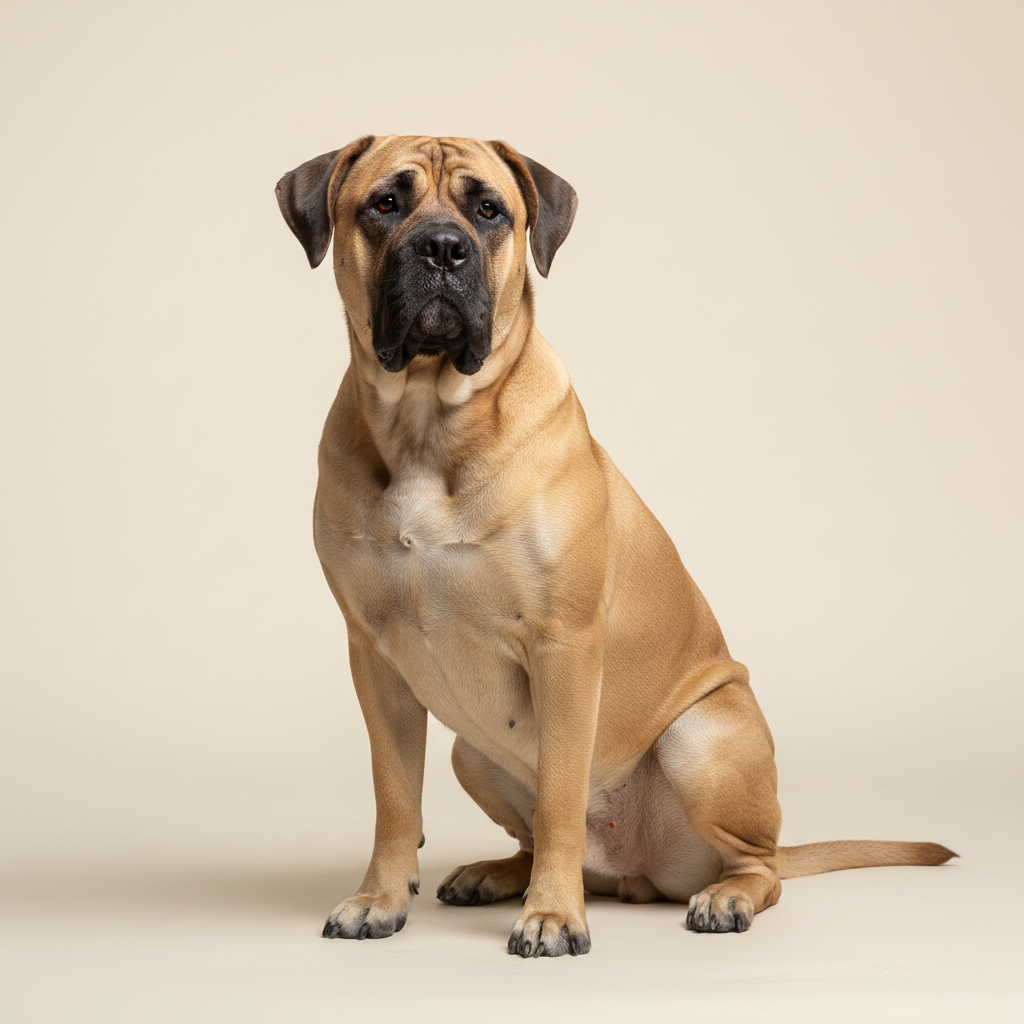
Key facts
- Size
- Giant
- Weight
- 45–60 kg
- Life expectancy
- 8–10 years
- Daily exercise
- 60 min/day
- Estimated total
- 270€/month
- Country
- Reino Unido
Character & temperament
The Bullmastiff has a fascinating personality: calm, self-assured, and deeply loyal. Although their imposing appearance may suggest otherwise, they are very affectionate and sensitive giants with their family, whom they adore and with whom they seek constant companionship. They are not dogs that demand attention noisily, preferring to be close by, observing, and participating in family life quietly. Their guarding nature is deeply ingrained; they are extremely protective and wary of strangers until their family indicates there is no danger. This characteristic, combined with their size, makes them excellent guard dogs but also demands early and extensive socialization to distinguish between a real threat and a harmless visitor. They are intelligent and responsive dogs, which facilitates training if done with consistency and positive reinforcement. However, they can also be somewhat stubborn, so patience and firm yet gentle leadership are essential. They are not particularly energetic and adapt well to a calmer lifestyle, although they need their daily walks to stay in shape. At home, they are usually quiet dogs, although their bark, when used, is deep and powerful, serving as an effective warning. Their patience is remarkable, especially with children in the family, with whom they tend to be gentle and tolerant, always under supervision. In summary, the Bullmastiff is a big-hearted dog that offers protection, affection, and unconditional companionship to families who understand and respect its nature.
Living with children
Bullmastiffs are generally excellent companions for children, exhibiting impressive patience and tolerance for a dog of their size. Their gentle and protective nature naturally extends to the younger members of the family, whom they often consider 'their puppies'. It’s not uncommon to see a Bullmastiff stoically tolerate ear or tail pulls, although this should, of course, never be encouraged. Their calm demeanor and balanced character make them less prone to excitement or impulsive reactions than more nervous breeds. However, due to their size and strength, it is crucial to always supervise interactions between Bullmastiffs and children, especially toddlers. An accidental tail wag or a playful nudge could easily knock a child over. It is essential to teach children how to interact respectfully with the dog, explaining boundaries and the proper way to approach and touch them. On the other hand, early socialization of the Bullmastiff puppy with children of different ages is indispensable so they grow accustomed to their presence, noises, and unpredictable movements. This will help reinforce their benevolent nature and prevent any misunderstandings. For families with young children, the Bullmastiff's patience is an asset, but their size demands careful management to ensure everyone's safety. With proper education for both the dog and the children, the Bullmastiff becomes a loyal friend, a gentle nanny, and a devoted protector of the little ones in the house, providing an invaluable sense of security and affection.
With other pets
Bullmastiff coexistence with other pets can be successful if socialization begins from an early age. With other dogs, especially if they have grown up together, they usually get along well. However, with dogs of the same sex, especially males, conflicts may arise if they are not well socialized or if the hierarchy is not clearly established. With smaller animals, such as cats, the situation is similar: a Bullmastiff raised from puppyhood with a cat will likely accept it as part of the family. However, if a cat or another small pet is introduced later, their prey drive, though attenuated, could surface. The key is gradual introduction, constant supervision, and positive reinforcement to foster peaceful coexistence.
Health & prevention
Like many large and giant breeds, Bullmastiffs have a relatively short lifespan, 8 to 10 years, and are prone to certain genetic and breed-specific conditions. Hip and elbow dysplasia are common concerns, so it is vital to acquire puppies from responsible breeders who screen parent dogs for health issues. They are also susceptible to various eye diseases, such as progressive retinal atrophy and entropion/ectropion. Cancer, including lymphoma and mast cell tumors, is unfortunately a leading cause of death in the breed. Gastric torsion (bloat), or gastric dilatation-volvulus, is a severe and potentially fatal medical emergency affecting deep-chested breeds; it is recommended to divide meals and avoid strenuous exercise before and after eating. Heart diseases, such as subvalvular aortic stenosis, can also occur. Due to their size, they are prone to joint and bone problems; proper nutrition during growth is essential to prevent overly rapid development that overstresses their joints. Skin allergies and skin problems may also appear. Regular veterinary check-ups and a thorough review of the parents' genetic history are crucial for keeping a Bullmastiff as healthy as possible.
Health risks
- •Hip dysplasia
- •Gastric torsion
- •Cancer
Care
Nutrition
Bullmastiff nutrition is crucial given their large size and rapid growth rate as puppies. They need a **high-quality diet, formulated for giant breeds**, rich in good quality protein for muscle development and with an adequate balance of calcium and phosphorus for healthy, controlled bone growth, thus avoiding joint problems like dysplasia. Bullmastiff puppies require specific feeding that does not promote overly rapid growth, as this can place undue stress on their developing joints. It is recommended to divide the daily ration into at least two or three meals in adults to reduce the risk of gastric torsion, a common condition in deep-chested breeds. Weight control is crucial to prevent obesity, which can aggravate joint and heart problems. Caloric needs vary depending on age, activity level, and individual metabolism, so it is advisable to consult a veterinarian to establish a personalized nutritional plan.
Grooming & hygiene
Bullmastiff grooming is relatively simple thanks to their short, dense coat. **Weekly brushing** with a soft-bristled brush or rubber glove is sufficient to remove loose hair and maintain the coat's shine. During shedding season, more frequent brushing, two or three times a week, may be necessary. Baths should only be given when necessary, using a specific dog shampoo, to avoid drying out their skin. It is important to pay attention to the **folds on their face**, if they have them, cleaning them regularly to prevent the accumulation of dirt and moisture that can lead to irritations or infections. **Dental care** is crucial; brushing their teeth several times a week with canine toothpaste is ideal to prevent tartar buildup and periodontal disease. **Nails should be trimmed** regularly to prevent them from growing too long and causing discomfort or walking problems. Finally, **ear hygiene** should be routine, checking and gently cleaning them to prevent infections, especially if the dog enjoys swimming.
Exercise & training
Exercise plan
Despite their size, the Bullmastiff is not a dog that requires extreme levels of exercise. They are dogs of **moderate energy** who enjoy calmness but need regular activity to stay physically and mentally healthy. A minimum of **two daily walks of 30 to 60 minutes** is generally sufficient. They enjoy brisk walks but are not ideal companions for long runs or high-intensity activities, especially in hot weather, due to their physical build and predisposition to heatstroke. Moderate play in a secure yard, with balls or interactive toys, is also beneficial. It is crucial to avoid excessive exercise in Bullmastiff puppies, as their joints are developing, and premature exertion can cause long-term problems. A proper balance between activity and rest is key to the health and well-being of this breed; a well-exercised Bullmastiff will be a calmer and more balanced companion at home.
Training
Bullmastiff training is fundamental and must start from puppyhood due to their size and potential strength. They are intelligent dogs with a strong desire to please their owners, making them receptive to **positive reinforcement training**. However, they can also be somewhat stubborn, so **consistency and patience** are key. Firm, yet always gentle and fair, leadership is crucial to establish rules and a bond of mutual respect. **Early and extensive socialization** is of utmost importance, exposing them to different people, dogs, places, and sounds from a very young age so they develop a balanced temperament and accept new situations calmly. Puppy socialization classes are highly recommended. Due to their protective instinct, it is vital to teach them to **control their impulses** and differentiate between a real threat and everyday situations. Basic obedience training (sit, stay, come, leash walking) must be mastered early to safely manage such a large dog. Punitive training methods should never be used, as they can damage the bond and foster undesirable behaviors or aggression. A well-trained and socialized Bullmastiff is an exemplary companion.
Monthly cost
The biggest impacts on budget are food (requiring many kilos of premium kibble each month) and veterinary insurance, as medications and surgeries for giant breeds are significantly more expensive.
Estimate for Spain, healthy adult dog. Varies by region and provider.
Pros & cons
Pros
- ✓Extremely loyal and protective of its family.
- ✓Calm and patient temperament, especially with children (with supervision).
- ✓Excellent guard dog due to its size and watchful nature.
- ✓Easy coat maintenance.
- ✓Requires moderate exercise, adapting well to indoor living.
Cons
- !Requires firm socialization and training from puppyhood to manage its size and strength.
- !Drools, especially after drinking or eating.
- !Relatively short lifespan (8-10 years) and prone to large breed health issues.
- !Can be territorial with other dogs or pets if not well socialized.
- !High costs for food and veterinary expenses.
Ideal for
- • Families looking for a loyal and affectionate guard dog.
- • Experienced owners who can handle a large and strong dog.
- • Households with a calmer lifestyle but committed to daily walks.
- • People who appreciate a dog with an imposing presence but a gentle heart.
Not recommended for
- • First-time owners or people looking for a low-maintenance dog.
- • Very active families looking for a companion for marathons or extreme sports.
- • Households where the dog will spend many hours alone, as they need companionship.
- • Tight budgets, due to their feeding needs and potential veterinary expenses.
How it fits each scenario
A Bullmastiff can adapt to an apartment if it receives sufficient daily exercise and has enough indoor space to move around without feeling confined. However, its large size can be a challenge in small spaces. It will need ample walks.
Ideal. A fenced garden is perfect for stretching its legs, though it doesn't replace walks. It will need shelter from the sun or rain, as they should not be exclusively outdoors.
Not the best choice. Their short coat doesn't protect them from heat, and they are prone to heatstroke. They need constant access to shade and water, and exercise should be avoided during the hottest hours.
They tolerate moderate cold better than extreme heat, but their short coat doesn't offer much protection. In very cold climates, they will need coats for walks and should not sleep outdoors.
Requires constant supervision due to their size and weight. Although patient, they can accidentally knock over a small child. Teaching mutual respect is key. Early socialization is crucial.
With older children who understand how to interact respectfully with a large dog, the Bullmastiff can be a wonderful companion and protector. They will benefit from obedience classes. Still, supervision is advised.
Not ideal for first-time owners. Their size, strength, and protective instinct require experience in training, socialization, and handling large breeds, as well as patient, firm leadership.
Excellent choice. An owner experienced with large dogs and capable of consistent training and thorough socialization will find a loyal and rewarding companion in the Bullmastiff.
While not suitable for high-intensity sports, an active family who enjoys long, quiet walks and moderate hiking will find a good companion in the Bullmastiff. Not for marathon runners.
Not the best option. Bullmastiffs are very attached and need family companionship. An overly busy family that cannot dedicate time to its socialization and exercise will result in an unhappy Bullmastiff.
Although their hair is short, Bullmastiffs are **not hypoallergenic**. They shed hair and dander, which can cause allergic reactions. They are not suitable for people with moderate to severe allergies.
Not a breed for low budgets. Their maintenance, especially high-quality giant breed food and potential veterinary costs, can be significantly high.
Origin & history
They were bred in England by crossing English Mastiffs (for size) and Bulldogs (for tenacity) to assist gamekeepers. Their primary purpose was to track, tackle, and pin poachers to the ground in the dark without actually biting them. This genetic combination resulted in a powerful and fast dog, capable of silently covering large distances and subduing an adult man with its strength, without the extreme aggression of an attack dog, which was crucial for their role. The 'Gamekeeper's Night Dogs', as they were known, were highly valued for their bravery and reliability.
The Bullmastiff was originally known as the 'Gamekeeper's Night Dog' for its ability to silently track and bring down poachers at night, apprehending them without biting, a unique characteristic.
Frequently asked questions
Does the Bullmastiff drool a lot?▾
Yes, like many large-faced, loose-lipped breeds, the Bullmastiff is prone to drooling, especially after drinking water, eating, or when excited. It's something owners must accept and be prepared to clean regularly. Keeping a cloth handy is a good practice to keep the environment and the dog clean. Drooling can vary between individuals, but it is a common characteristic of the breed.
Are they good with small children?▾
Bullmastiffs are known for being very patient and tolerant with children. However, their large size and strength mean that even accidental play could knock over a small child. Constant supervision and teaching children how to interact respectfully with the dog are essential. Early and thorough socialization of the Bullmastiff puppy with children is paramount to ensure a safe and happy coexistence for everyone.
How much exercise does a Bullmastiff need?▾
Despite their size, the Bullmastiff has moderate exercise needs. Two daily walks of 30-60 minutes are generally sufficient, along with some playtime in a secure space. They are not dogs for marathon running or high-intensity activities, and strenuous exercise should be avoided in puppies or on hot days. Excessive exercise, especially as a puppy, can damage their developing joints.
Is the Bullmastiff easy to train?▾
Yes, they are intelligent and eager-to-please dogs, which makes them receptive to training. However, they can also be stubborn, so consistency, patience, and the use of positive reinforcement methods are crucial. Early obedience training and extensive socialization from puppyhood are fundamental to effectively and safely manage their size and strong protective instinct.
What are the most common health problems in Bullmastiffs?▾
Bullmastiffs are prone to hip and elbow dysplasia, eye problems like entropion, gastric torsion (bloat), and certain types of cancer. They can also suffer from heart disease and skin problems. It is crucial to research breeders and inquire about parent health screenings, as well as maintain regular veterinary visits and an appropriate diet at all times to minimize risks.
How much does it cost to keep a Bullmastiff per month?▾
Keeping a Bullmastiff can cost approximately €270 per month. The bulk of this budget goes towards high-quality food for giant breeds (€120) and veterinary insurance or provisions for potential medical expenses (€50-€60), as medications and procedures for large dogs are significantly more expensive. Basic grooming expenses and other unforeseen costs are added to this. This cost is an estimate.
Does a Bullmastiff need a lot of space?▾
Although they are large dogs, they are not hyperactive and adapt surprisingly well to indoor living, even in apartments, as long as they receive their daily walks. However, a home with a garden will always be preferable so they can stretch their legs safely. The most important thing is that they have a comfortable space to relax and that their family dedicates time and companionship to them.
Are Bullmastiffs good travel dogs?▾
Due to their size, traveling with a Bullmastiff requires considerable planning. They will need a spacious vehicle and an appropriate carrier for their weight and size if traveling by plane, train, or in the trunk of some cars. Their calm temperament can make them good travel companions if they are accustomed from a young age, but the logistics of their size will always be an important factor to consider and plan for in advance.
Similar family-friendly breeds
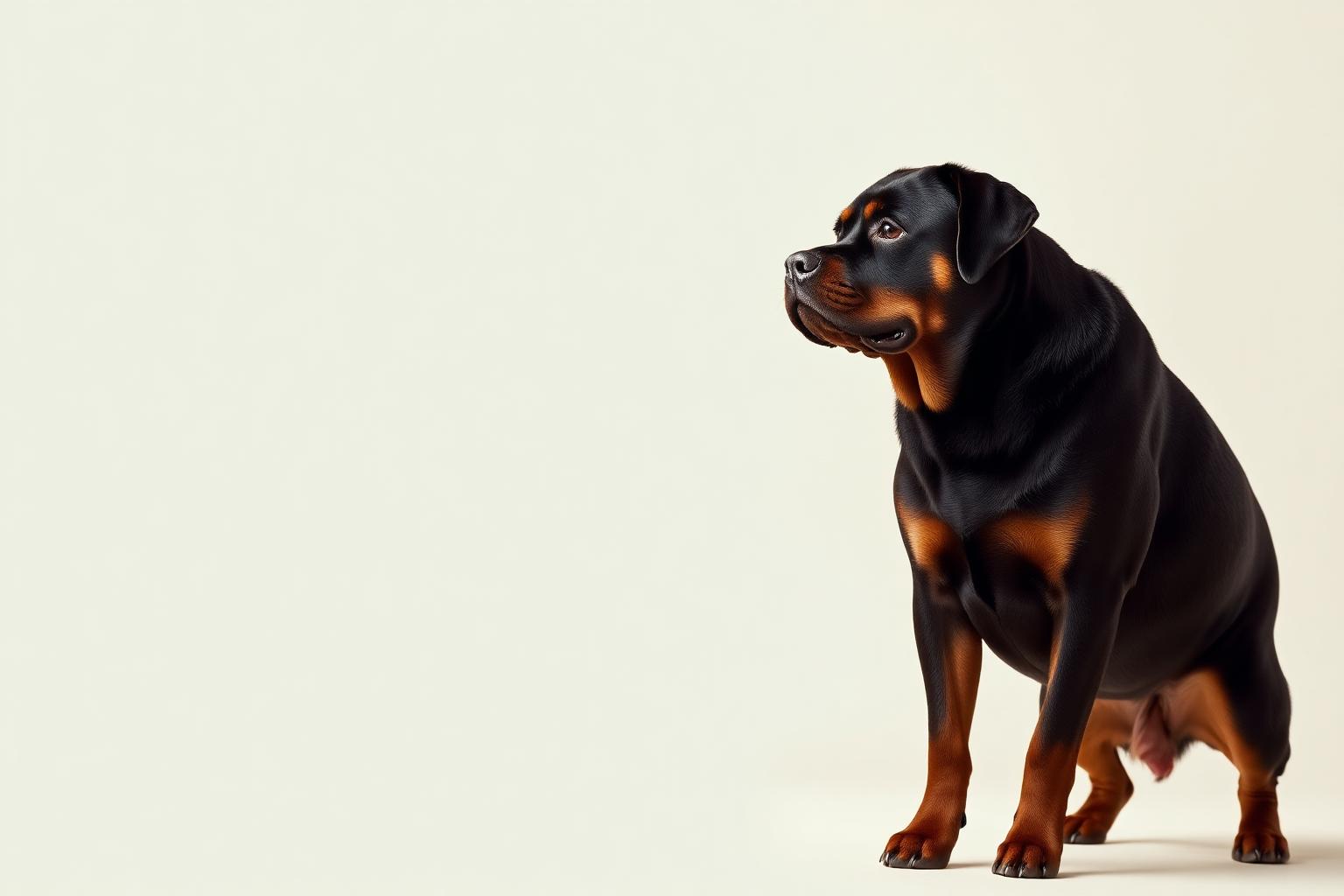
Rottweiler
6.4Strong, loyal and territorial. Restricted breed in Spain: requires licence, insurance and expert handling.
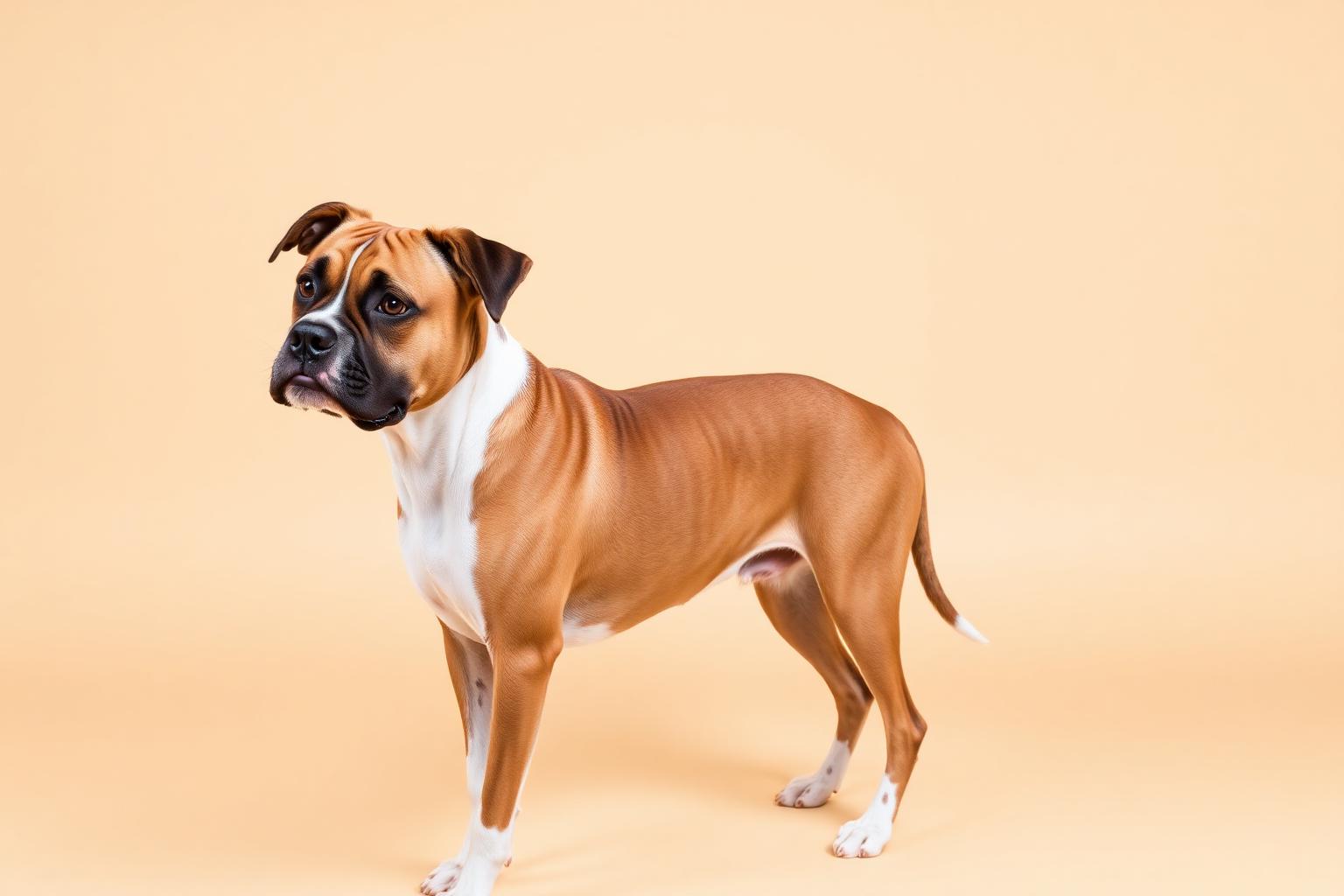
Boxer
8.9Athletic and patient with children. Known as a nanny dog. Needs intense exercise and early socialization.
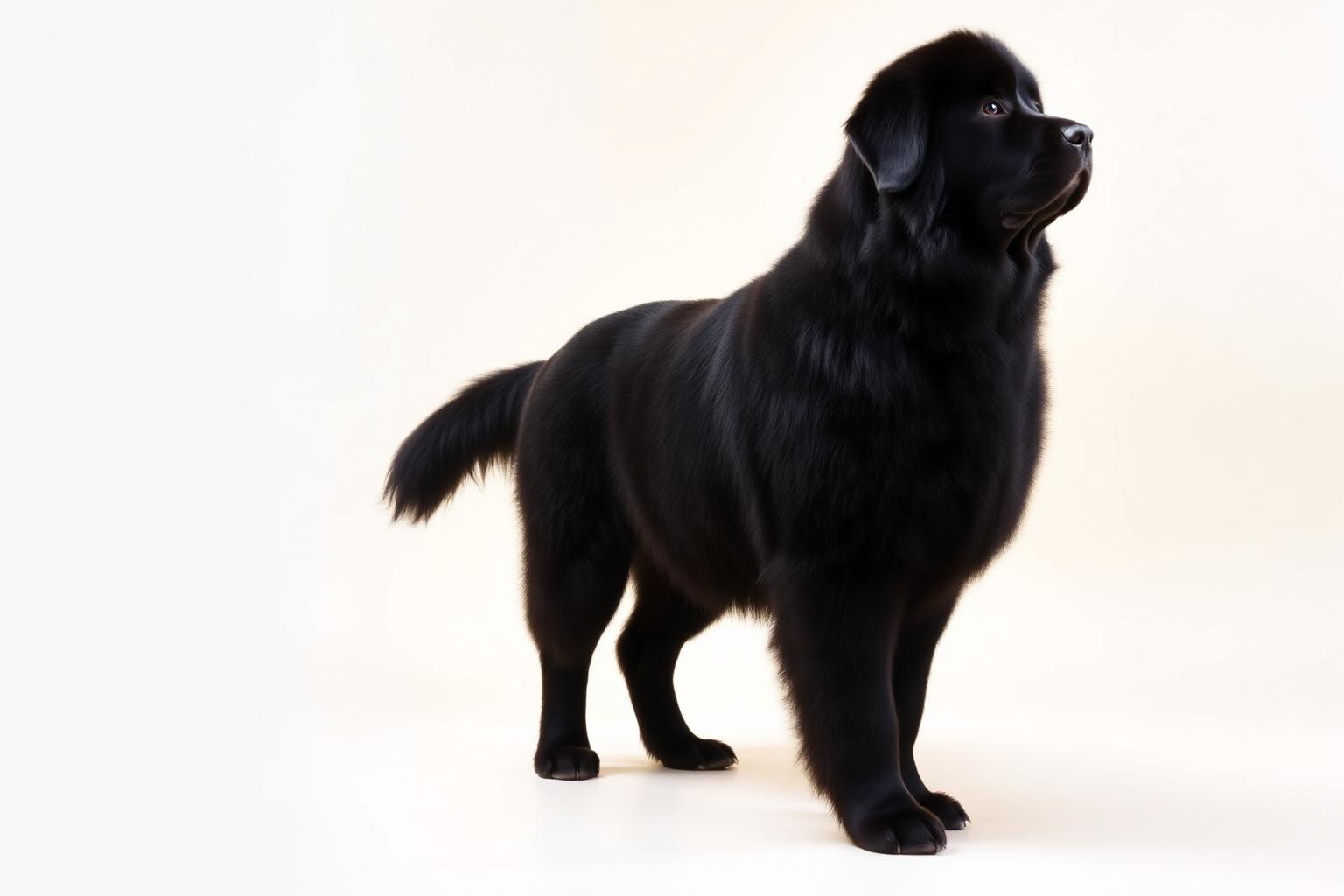
Newfoundland
8.7Gentle giant, patient and protective. Excellent with children. Needs space and hates heat.