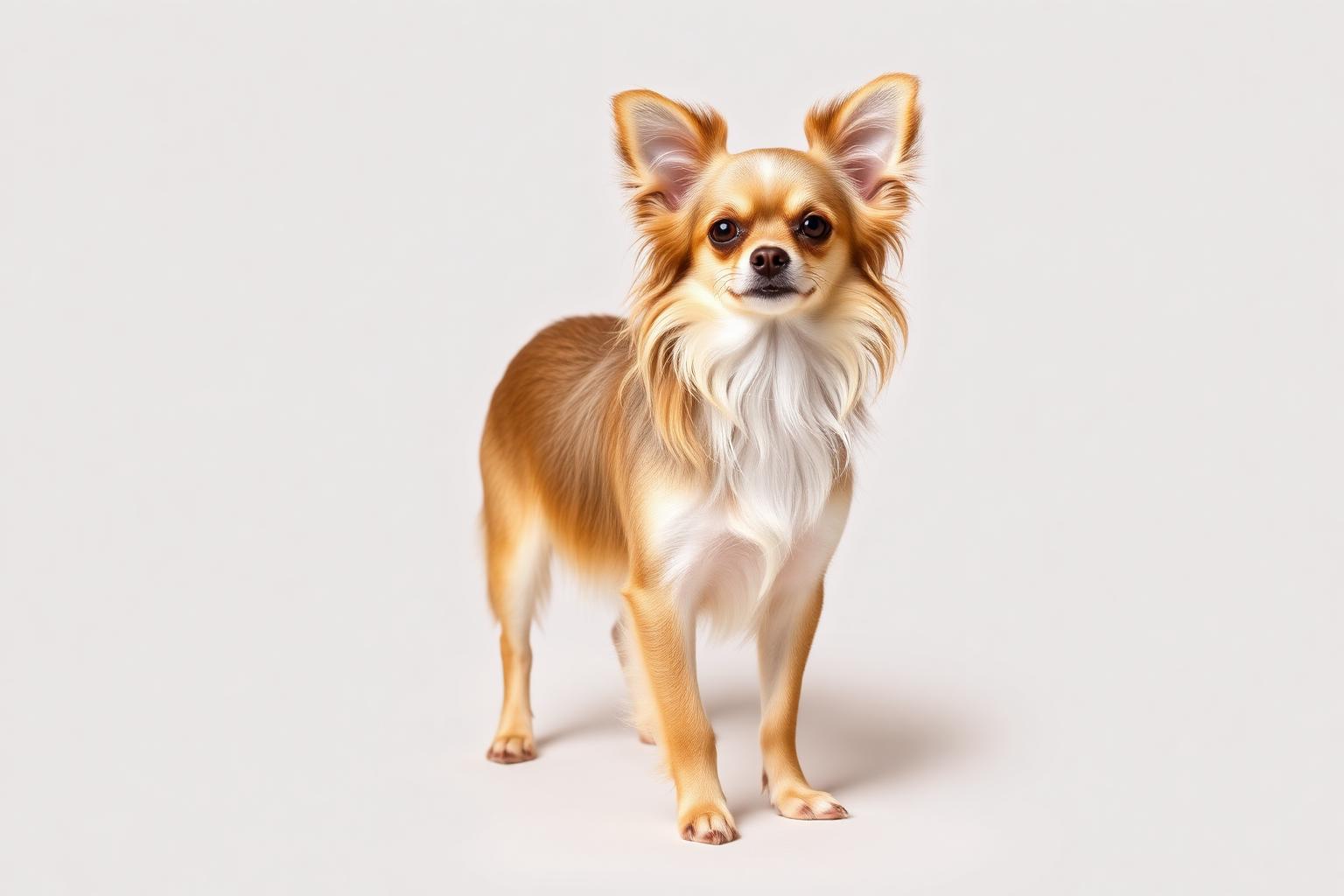
Chihuahua
"A lion's heart in a tiny body: loyal, vocal, and fragile."
Overview
The Chihuahua is the smallest dog breed in the world, making them an incredibly popular choice and perfect for apartment living. However, beneath their diminutive exterior lies a giant, confident personality that demands careful handling.
When considering this breed, age matters significantly. They are generally unsuitable for young children, as accidental falls or clumsy hugs can cause severe injuries to the fragile dog, often leading to defensive nipping. Instead, they make fantastic companions for older, respectful children who understand how to handle a tiny pet safely.
Despite being highly spirited, their exercise needs are low, easily satisfied with short daily walks. They have a very low tolerance for cold temperatures, preferring warm indoor spots and cosy blankets. Fortunately, shedding is generally low, making daily house cleaning and grooming very manageable.
This clever but stubborn breed requires consistent early socialization to prevent territorial barking or severe separation anxiety. Families should budget an estimated monthly routine cost of €110 for quality food, vet care, and winter clothing. If you provide a calm, secure environment, this fiercely loyal watchdog will be a devoted household shadow for nearly two decades.
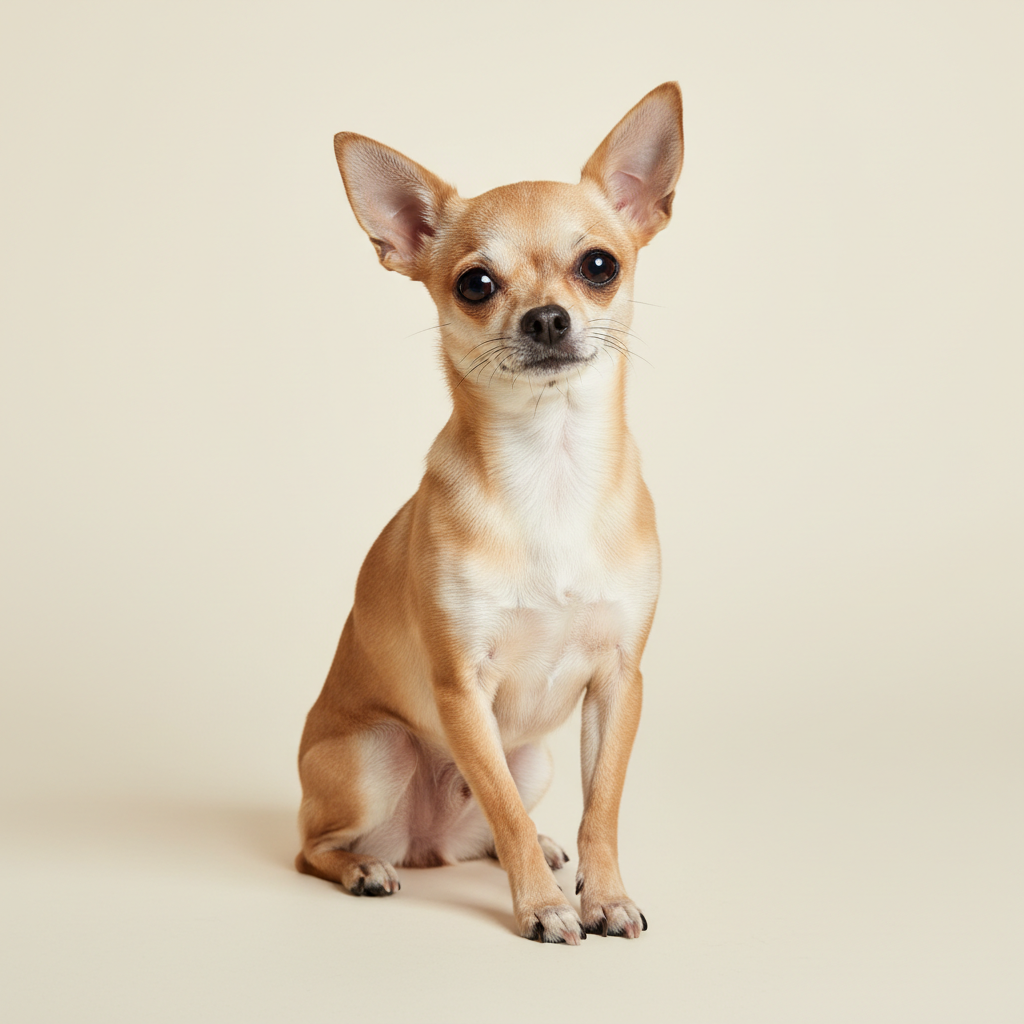
Key facts
- Size
- Small
- Weight
- 1–3 kg
- Life expectancy
- 14–17 years
- Daily exercise
- 30 min/day
- Estimated total
- 110€/month
- Country
- Mexico
Character & temperament
The Chihuahua's temperament is marked by self-confidence and alert intelligence. They do not realize how small they are, which leads to a 'brave' attitude that can sometimes border on recklessness when facing larger dogs. They are incredibly sensitive to the moods of their owners and act like emotional barometers within the home. Indoors, they are playful and enjoy burrowing into blankets, seeking out the warmest spot available.
Around strangers, Chihuahuas tend to be reserved, suspicious, and very vocal. They require early socialization to prevent this natural wariness from turning into aggression or excessive fear-based barking. They are excellent watchdogs because nothing escapes their keen hearing. However, they may take a long time to accept a new person into their 'inner circle,' often observing from a safe distance before offering their trust.
With their primary owner, the Chihuahua is the definition of a 'velcro dog.' They crave physical contact and will often choose one specific person in the household to worship. This bond is intense; they want to be on your lap, in your bed, or inside your shirt. While this loyalty is charming, it can lead to separation anxiety if they aren't taught to spend time alone. They are clever and will manipulate you with their eyes if you don't set firm boundaries.
Living with children
Chihuahuas and young children are often a poor match. For toddlers and preschoolers (under 6), the risk is primarily to the dog. A child’s clumsy fall or an over-enthusiastic hug can easily break a Chihuahua's ribs or cause a fatal head injury. Because they feel vulnerable, Chihuahuas may respond to a child's unpredictable movements with defensive nipping. It is generally safer to wait until children are older and more coordinated.
For school-aged children (6-12) and teenagers, a Chihuahua can be a wonderful companion, provided the children are taught how to handle them. They must learn never to pick the dog up by the armpits and to respect the dog's space when it's sleeping. Chihuahuas enjoy being the center of attention and can participate in gentle play or even learn tricks with older kids. However, adult supervision is always mandatory to ensure the dog isn't being stressed or physically mishandled.
With other pets
Chihuahuas generally coexist well with other pets if introduced properly. They often have a preference for other Chihuahuas and find comfort in their own 'pack.' With cats, they usually get along fine, as they are similar in size, though a bold cat might intimidate a shy Chihuahua. The main concern is living with large, high-energy dogs. Even a friendly Golden Retriever can accidentally injure a Chihuahua during a clumsy play session. If you have larger dogs, constant supervision is necessary to prevent accidents. They are not recommended for homes with large birds of prey or very large, reactive dogs.
Health & prevention
The Chihuahua is a long-lived breed but faces specific biological challenges due to its size. Patellar luxation (slipping kneecaps) is very common and can require surgery if severe. They are also prone to heart issues like mitral valve disease as they age. One unique trait is the 'molera' or soft spot on the skull, similar to a human baby, which sometimes never closes fully, making them vulnerable to head injuries. Hydrocephalus (fluid on the brain) is a risk in puppies with overly domed heads. Preventative care involves keeping their weight perfect—even half a kilo of excess weight puts massive strain on their joints and heart. Regular vet check-ups should focus on listening for heart murmurs and checking patellar stability. Hypoglycemia is a real threat in tiny individuals; missing a single meal can cause a dangerous drop in blood sugar, leading to seizures. Owners must be vigilant about dental health from day one, as periodontal disease can cause systemic infections. With proper care, these dogs frequently live well into their late teens.
Health risks
- •Hypoglycemia
- •Patellar luxation
- •Hydrocephalus
Care
Nutrition
Nutrition for a Chihuahua is about quality over quantity. Because they weigh so little, every calorie must count. Use a premium kibble specifically formulated for 'X-Small' breeds, as the kibble size must be small enough for their tiny jaws to manage. A typical adult needs between 30 and 50 grams of food per day, divided into two or three meals to maintain steady blood sugar levels. Avoid table scraps, as obesity is catastrophic for their joints. Ensure they have access to fresh water constantly, as they can dehydrate quickly in warm weather.
Grooming & hygiene
Grooming needs are minimal, especially for the smooth-coated variety, which only requires a weekly brush to remove dead hair. Long-haired Chihuahuas need brushing 2-3 times a week to prevent mats behind the ears. The critical grooming task is dental hygiene; their crowded teeth accumulate tartar rapidly, leading to gum disease and early tooth loss. Professional dental cleanings every 1-2 years are standard. Keep nails trimmed short, as they grow fast and can cause discomfort. Bathing once a month is sufficient unless they get particularly dirty. Expect a total cost of around €10-€20 per month for basic supplies.
Exercise & training
Exercise plan
A weekly plan for a Chihuahua focuses on mental stimulation and short bursts of activity. Monday to Friday: Two 15-minute walks in quiet areas to avoid overstimulation, plus 10 minutes of indoor play (fetch with a plush toy). Saturday: A 30-minute 'safari' in a secure park where they can sniff at their own pace. Sunday: Cognitive games like 'find the treat' at home to burn mental energy. Avoid high-impact jumping from sofas, which can damage their knees. Always use a harness, never a collar, to protect their delicate trachea during these outings. Even though they are tiny, they need the mental satisfaction of exploring the world outside their carry bag.
Training
Training a Chihuahua requires a gentle but firm hand. They are intelligent but can be independent and 'selective' with their hearing if there's no motivation. Positive reinforcement with tiny, high-value treats works best. The biggest challenge is housebreaking; due to their small bladders and dislike for cold or rain, they may try to hide their 'business' behind the sofa. Crate training and a strict schedule are essential. Socialization is equally important; expose them to different sounds, people, and calm dogs early to prevent 'small dog syndrome'—where they feel they must bark at everything to stay safe. Spend 10-15 minutes a day on basic obedience to keep their mind sharp.
Monthly cost
Low maintenance cost due to size. Focus budget on high-quality dental care and a specialized harness. Essential to include pet insurance for potential dental or orthopedic issues.
Estimate for Spain, healthy adult dog. Varies by region and provider.
Pros & cons
Pros
- ✓Ideal size for small apartments and city living.
- ✓Remarkable longevity; can live up to 20 years.
- ✓Extremely portable and easy to travel with.
- ✓Minimal exercise requirements compared to other breeds.
- ✓Strong, loyal bond with their primary owner.
Cons
- !Extremely fragile physical build; a fall or step can be fatal.
- !Can be excessively vocal and prone to reactive barking.
- !Prone to 'Small Dog Syndrome' if not disciplined properly.
- !Terrible tolerance for cold; requires clothing for most of the year.
- !Often difficult to housebreak due to small bladder and attitude.
Ideal for
- • Empty nesters looking for a loyal, constant companion.
- • Individuals living in small city apartments.
- • People who work from home and want a 'velcro' dog.
- • Elderly people who can provide a quiet, predictable environment.
Not recommended for
- • Families with toddlers or very boisterous young children.
- • People who are away from home for more than 5 hours a day.
- • Those looking for a quiet, low-noise pet.
How it fits each scenario
The ultimate apartment dog size-wise, but their barking can cause issues with neighbors.
A garden is fine, but they are easy prey for hawks or owls; never leave them unattended.
They handle heat well, but their tiny bodies dehydrate extremely quickly.
They hate the cold; you will need heaters, blankets, and coats even for indoor life.
Dangerous for the dog; a toddler's hug or an accidental fall can be fatal for a Chihuahua.
Acceptable if the children are taught to respect boundaries and handle the dog like glass.
A good choice if you are prepared for a dog that is harder to train than it looks.
Experienced owners excel at preventing the 'dictator' personality these dogs often develop.
They can join for short walks, but long hikes are out of the question unless you carry them.
They suffer from separation anxiety and don't do well alone for more than 4-5 hours.
Not hypoallergenic; they shed more than people expect and produce dander.
Generally affordable, but dental cleanings under anesthesia are an expensive recurring cost.
Origin & history
The exact history of the Chihuahua remains a blend of myth and archaeological evidence. It is widely believed they are descendants of the Techichi, a small, mute dog kept by the Toltec civilization in Mexico. When the Aztecs conquered the Toltecs, they likely refined the breed, viewing them as sacred and believing they could guide souls through the underworld. Modern Chihuahuas were 'discovered' by American tourists in the state of Chihuahua around 1850. They were brought to the United States and refined into the stable breed we know today, eventually becoming icons of pop culture and the ultimate companion for city dwellers.
The Chihuahua is considered the smallest dog breed in the world and is named after the Mexican state of Chihuahua, where it was discovered in the mid-19th century.
Frequently asked questions
Is it a good dog for families with toddlers?▾
Not recommended. Chihuahuas are physically fragile and can suffer broken bones from a simple fall. Toddlers often view them as toys, and a Chihuahua will bite to defend itself if handled roughly. It’s a recipe for disaster.
Do Chihuahuas bark a lot?▾
They are loud. Chihuahuas are natural watchdogs and will bark at every leaf that moves. With consistent training, you can manage the duration, but you will never have a silent Chihuahua. Consider this if you have thin apartment walls.
Are they easy to train?▾
While they are intelligent, they can be stubborn and have a short attention span. Housebreaking is the biggest challenge; their bladders are tiny, and they often prefer the carpet to the cold outdoors. Patience and positive reinforcement are mandatory.
What is their actual life expectancy?▾
Healthy Chihuahuas are remarkably long-lived, often reaching 15 to 18 years. Some even reach 20. This is a very long commitment, so ensure your lifestyle will accommodate a senior dog in two decades.
Are they hypoallergenic?▾
Not at all. They produce dander and shed, especially the smooth-coated variety. If someone in the house has asthma or dog allergies, a Chihuahua will likely trigger a reaction. Look into Poodles or Bichons instead.
Can they live with other pets?▾
Yes, but with caution. They usually get along with cats (who are often bigger than them). They do best with other Chihuahuas. Large dogs can accidentally hurt them during play, so supervision is always required.
How much does a Chihuahua puppy cost?▾
In Spain, you can find them from €800 to €1,800. Always look for ethical breeders who test for patellar luxation and heart issues. Avoid 'teacup' variants, as they are usually plagued with severe health problems.
What should I know about their diet?▾
They have a fast metabolism and tiny stomachs. They need a high-quality, calorie-dense kibble designed for 'extra small' breeds. Keep small treats handy to prevent hypoglycemia (low blood sugar), which is common in puppies and tiny adults.
Similar family-friendly breeds

Pug
7.7Small family clown. Adores children. Suffers in extreme temperatures. Sheds a lot.
 Hypoallergenic
Yorkshire Terrier
5.8Small hypoallergenic with long hair. High grooming maintenance. Vocal with strangers.

Cavalier King Charles Spaniel
9.3Affectionate, sociable and perfect for small apartments. Adapts to the household's rhythm and loves company.