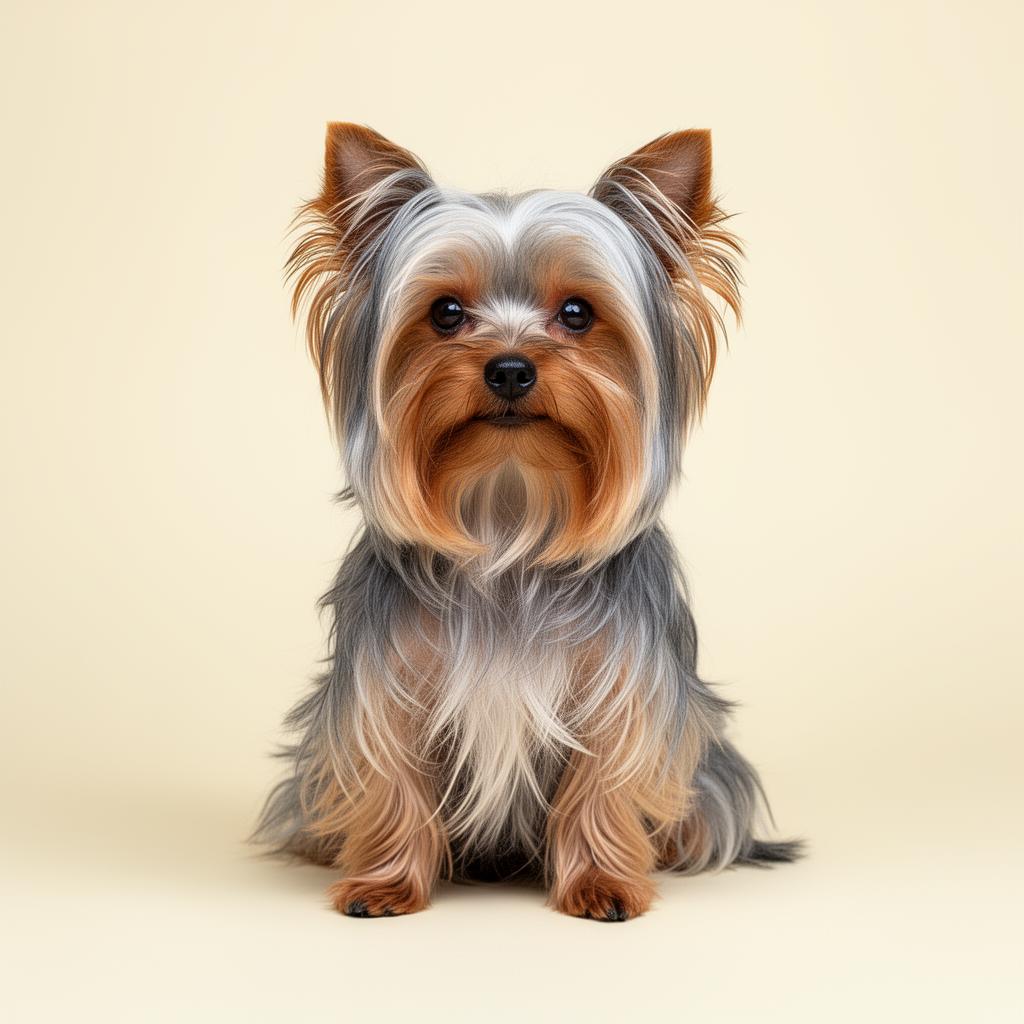
Yorkshire Terrier
"A big personality wrapped in silk; fearless, loyal, and truly hypoallergenic."
Overview
The Yorkshire Terrier is a spirited, bold companion that packs a massive personality into a tiny, silken frame. Originally bred as a working dog for hunting vermin, it has never lost its brave terrier heart, often acting as a fearless watchdog despite its size. For urban families, the Yorkie is highly practical due to its portability and its hypoallergenic coat, which doesn't shed and is a blessing for allergy sufferers and those who take pride in a clean home.
While they are incredibly affectionate shadows to their owners, the Yorkie is not a mere toy. They are intelligent and can become quite stubborn or vocal if not given consistent boundaries from a young age. This breed is fantastic for families with older children who can respect their physical boundaries; however, their bones are remarkably fine. A simple fall from a sofa or a heavy-handed hug from a toddler can result in serious injury, making constant supervision a necessity in homes with very young children.
Maintenance and costs are significant factors to consider before bringing a Yorkie home. Their continuous hair growth requires specialized grooming sessions every few weeks and daily brushing to avoid painful mats. Health-wise, they are prone to dental issues due to their small mouths and can suffer from tracheal collapse, meaning they must always be walked on a harness rather than a collar. They are a long-term commitment that brings immense joy but requires a dedicated budget for professional hygiene and dental care.
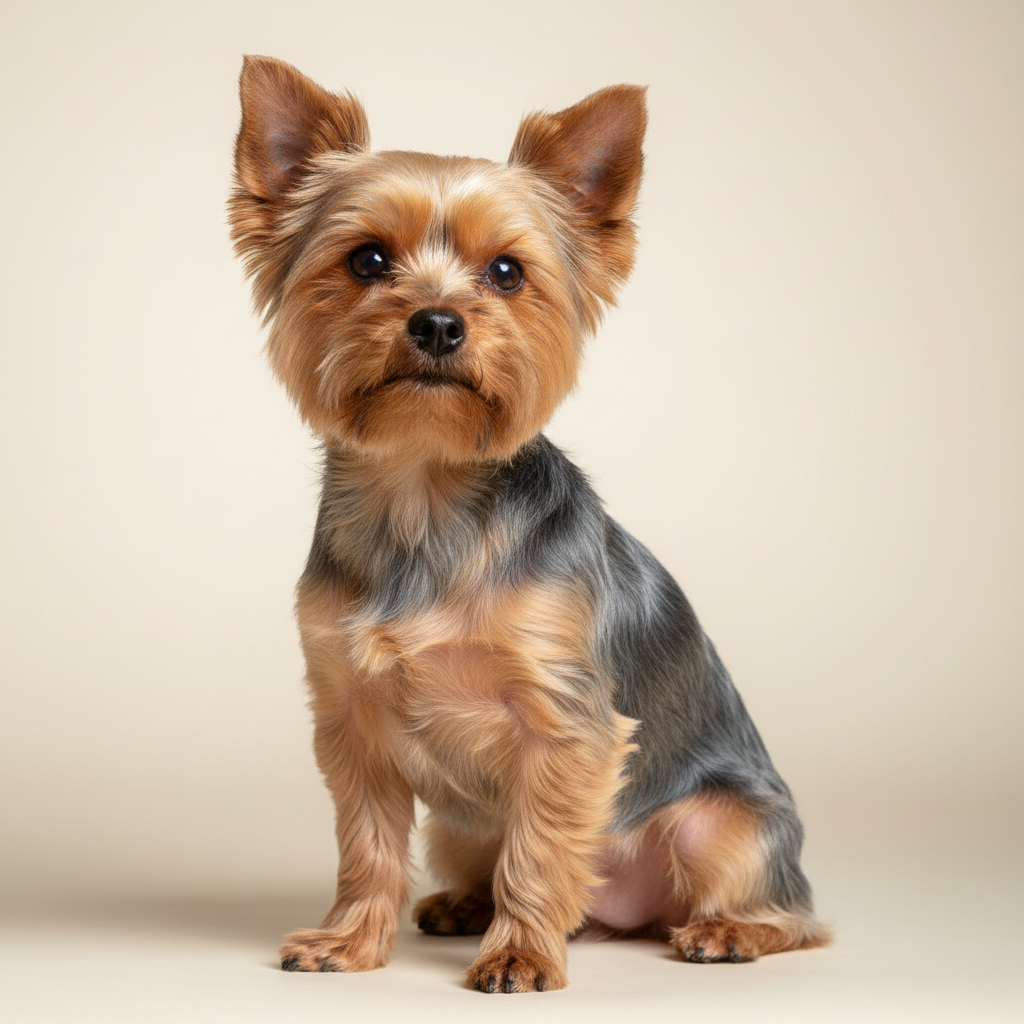
Key facts
- Size
- Small
- Weight
- 2–3 kg
- Life expectancy
- 13–16 years
- Daily exercise
- 30 min/day
- Estimated total
- 140€/month
- Country
- United Kingdom / Reino Unido
Character & temperament
The Yorkie possesses a spirited, bold, and confident temperament. They don't seem to realize they are small, often displaying a 'big dog' attitude that can lead them to challenge much larger animals. They are highly alert, making them excellent watchdogs who will signal any unusual sound. While they are independent enough to have their own opinions, they are deeply devoted to their families and crave constant interaction.
With strangers, their reaction can range from cautiously polite to quite vocal. Early socialization is crucial to prevent them from becoming overly suspicious or aggressive towards newcomers. They tend to be protective of their territory and their owners, and while they may take a while to 'warm up' to a guest, once they accept someone, they are friendly and charming. They are not naturally shy, but a lack of exposure to different environments can lead to anxiety.
To their owners, the Yorkie is a shadow. They want to be involved in every activity, from cooking to watching TV. They are extremely affectionate and thrive on physical proximity. However, this deep bond can manifest as separation anxiety if they aren't taught to spend time alone. They are sensitive to their owner's emotions and will often try to provide comfort, making them wonderful emotional support companions for those living alone or in small families.
Living with children
Yorkshire Terriers and children can be a wonderful match, provided the age group is appropriate. For primary school children (ages 7-12) and teenagers, Yorkies are fun, energetic companions who enjoy playing fetch and learning tricks. These older children have the motor skills to handle the dog gently and the maturity to understand that a Yorkie is a living being, not a stuffed animal. They will enjoy the dog's spirited nature and can participate in its daily care and grooming.
However, for toddlers and children under 6, Yorkies are often not recommended. This is primarily for the dog's safety. A Yorkie's bones are incredibly fine; a clumsy fall from a toddler, an accidental kick during play, or an over-enthusiastic hug can lead to broken ribs or worse. Furthermore, if a child startles or hurts a Yorkie, the dog's terrier instincts may lead it to nip in self-defense. If you have very young children, constant supervision is a life-or-death requirement for the dog, making it a stressful dynamic for many parents.
With other pets
Yorkies generally coexist well with other household pets if introduced properly. They often get along famously with cats, especially if they grow up together, and may even form close bonds. When it comes to other dogs, they usually prefer the company of other small breeds. Their 'Napoleonic complex' can be a problem with large dogs; a Yorkie may boss around a Great Dane, which is fine until the larger dog reacts or plays too roughly. Always monitor interactions with larger pets to prevent accidental injuries to the Yorkie.
Health & prevention
Despite their delicate appearance, Yorkies are resilient but predisposed to specific genetic issues. Tracheal collapse is common; use a harness instead of a collar to protect their throat. They frequently suffer from Patellar Luxation (kneecap displacement). Dental health is their 'Achilles heel'—their small mouths lead to overcrowding and rapid tartar buildup, often requiring professional cleanings under anesthesia. Portosystemic shunts (a liver issue) and Legg-Calvé-Perthes disease are also seen. Regular vet check-ups focusing on teeth and heart health are vital to ensure they reach their full 15-year potential. Prevention is much cheaper than emergency surgery for these little ones.
Health risks
- •Tracheal collapse
- •Dental problems
- •Patellar luxation
Care
Nutrition
Yorkies need high-quality kibble specifically formulated for 'toy' or 'extra small' breeds. Because they are prone to dental issues, dry kibble is preferred as the mechanical action of chewing helps reduce plaque. A typical adult weighing 3kg needs about 60-80 grams of food daily, ideally split into two or three meals to prevent hypoglycemia (especially in puppies). Avoid table scraps at all costs; their small livers cannot handle fatty human foods, and obesity is a major risk that leads to joint pain and heart stress.
Grooming & hygiene
The Yorkshire Terrier has no undercoat and is famous for its silky, human-like hair that grows continuously. This means zero shedding but maximum maintenance. If you want the 'show look,' daily brushing is non-negotiable. Most families opt for a 'puppy cut' short style. Monthly baths with high-quality conditioner are essential to maintain skin health. Neglected coats lead to severe matting, which can pull the skin and cause infections. Expect to spend significantly on professional grooming every 6 to 8 weeks, making it one of the most 'high-maintenance' small breeds.
Exercise & training
Exercise plan
Weekly breakdown: Daily walks of 20-30 minutes divided into two sessions. Monday/Wednesday: Indoor mental enrichment with sniff mats. Tuesday/Thursday: Outdoor socialization in quiet areas. Friday: Short fetch sessions with lightweight toys. Weekend: Light exploration in a safe garden or park. They don't need miles of running, but they do need mental stimulation to prevent anxiety and barking. Total activity should be around 3.5 hours per week of structured movement.
Training
Training a Yorkshire Terrier requires a mix of firmness and gentleness. They are smart and learn quickly, but their 'terrier stubbornness' can make housebreaking a long process (sometimes taking 6 months or more). Focus on short, 5-10 minute sessions to keep their interest. Positive reinforcement with high-value treats works wonders, as they are food-motivated but sensitive to harsh tones. Socialization is the most critical part of their training—expose them to different dogs and environments early to prevent 'Small Dog Syndrome' (aggression due to fear). Consistency among all family members is essential so they don't learn how to manipulate the rules.
Monthly cost
The primary cost is professional grooming every 6-8 weeks and specialized dental care. High-quality small-breed kibble is essential for their sensitive teeth.
Estimate for Spain, healthy adult dog. Varies by region and provider.
Pros & cons
Pros
- ✓Highly portable and adapts perfectly to small city apartments.
- ✓Hypoallergenic silky coat, ideal for owners with mild allergies.
- ✓Strong, brave personality that acts as a natural doorbell/watchdog.
- ✓Very long lifespan compared to larger breeds, reaching up to 16 years.
- ✓Intelligent and capable of learning tricks and basic obedience quickly.
Cons
- !High maintenance coat that requires daily brushing or professional clipping.
- !Prone to excessive barking and can be very vocal with visitors.
- !Fragile physical structure; high risk of injury with clumsy children.
- !Notable susceptibility to dental issues and tracheal collapse.
- !Can be stubborn and difficult to housebreak compared to larger breeds.
Ideal for
- • Families with older, respectful children over 8 years old.
- • People living in small apartments who want a low-shedding companion.
- • Seniors looking for a portable, affectionate constant companion.
- • Allergy sufferers who need a dog with human-like hair.
Not recommended for
- • Families with toddlers or very young, clumsy children.
- • People who are away from home for more than 4-5 hours daily.
- • Owners on a tight budget who cannot afford frequent grooming and dental care.
How it fits each scenario
Perfect size, but their barking can be a major issue for thin-walled buildings.
A safe, fenced garden is a plus, but watch out for gaps where they could escape.
Moderate tolerance; keep them short-clipped and avoid walks during peak heat.
Very sensitive to cold; they require sweaters and protection during winter months.
Risk of injury to the dog is too high; a toddler's fall can be fatal for a Yorkie.
Good companions for children over 7-8 who understand how to handle a fragile dog.
A good fit if you are committed to professional grooming and consistent training.
They appreciate consistency, but their small size makes them manageable for most.
They can keep up on short adventures but aren't suited for long mountain hikes.
Not recommended; they suffer from separation anxiety and need frequent human presence.
Excellent choice; their hair is similar to human hair and they lack an undercoat.
Surprisingly expensive due to grooming fees and potential dental surgeries later in life.
Origin & history
Developed in Yorkshire and Lancashire during the mid-1800s, this breed was the 'working man's dog.' Scottish weavers migrating south brought several small terriers with them, which were crossed to create a dog small enough to hunt vermin in tight spaces. Despite their humble beginnings in textile mills and coal pits, their stunning coat soon caught the eye of the upper classes. By the late Victorian era, they reached peak popularity as fashionable lapdogs. Over time, they were refined to be smaller and silkier, eventually becoming the iconic companion we know today.
During WWII, a Yorkshire Terrier named Smoky became a war hero, saving soldiers by pulling communications cable through a long, narrow pipe under an airfield.
Frequently asked questions
How much does a Yorkshire Terrier puppy cost?▾
Quality Yorkies from ethical breeders in Europe typically range from €900 to €1,800. Beware of 'Tea-cup' versions at lower prices; these often come with severe, expensive genetic defects. Always prioritize health certifications over size.
Are they really good for people with allergies?▾
Yes, they are considered hypoallergenic as they have hair instead of fur and don't shed. However, saliva and dander can still trigger reactions in very sensitive individuals, so spend time with one first.
Do they bark a lot?▾
Yorkies are naturally vocal. They will bark at doorbells, strangers, and even shadows. While you can't eliminate the instinct, consistent training from puppyhood can help manage the volume. They are excellent, if loud, watchdogs.
What is their real life expectancy?▾
With proper care and high-quality nutrition, they often live 13 to 16 years. Some even reach 18. Their longevity depends heavily on maintaining dental health and preventing obesity, which strains their small joints.
Are they safe for families with small children?▾
Not recommended for toddlers. Their bones are tiny; a child accidentally sitting on them or dropping them can cause life-threatening injuries. They are best for families with children aged 7 and up who are respectful.
How often do I need to brush their hair?▾
Ideally, every day. If you keep their coat long, daily brushing is mandatory to prevent painful mats. If you keep a "puppy cut" (short), weekly brushing is usually enough, but professional grooming every 6 weeks is still needed.
Are they easy to train?▾
They can be stubborn and have a 'big dog' attitude. Housebreaking is their biggest challenge. Positive reinforcement and patience are key; they don't respond well to harsh corrections due to their sensitive nature.
Can they live with other pets?▾
Yes, but you must be careful with larger dogs. Yorkies often don't realize how small they are and might challenge a big dog, which can lead to accidents. They generally live very well with cats.
Similar family-friendly breeds
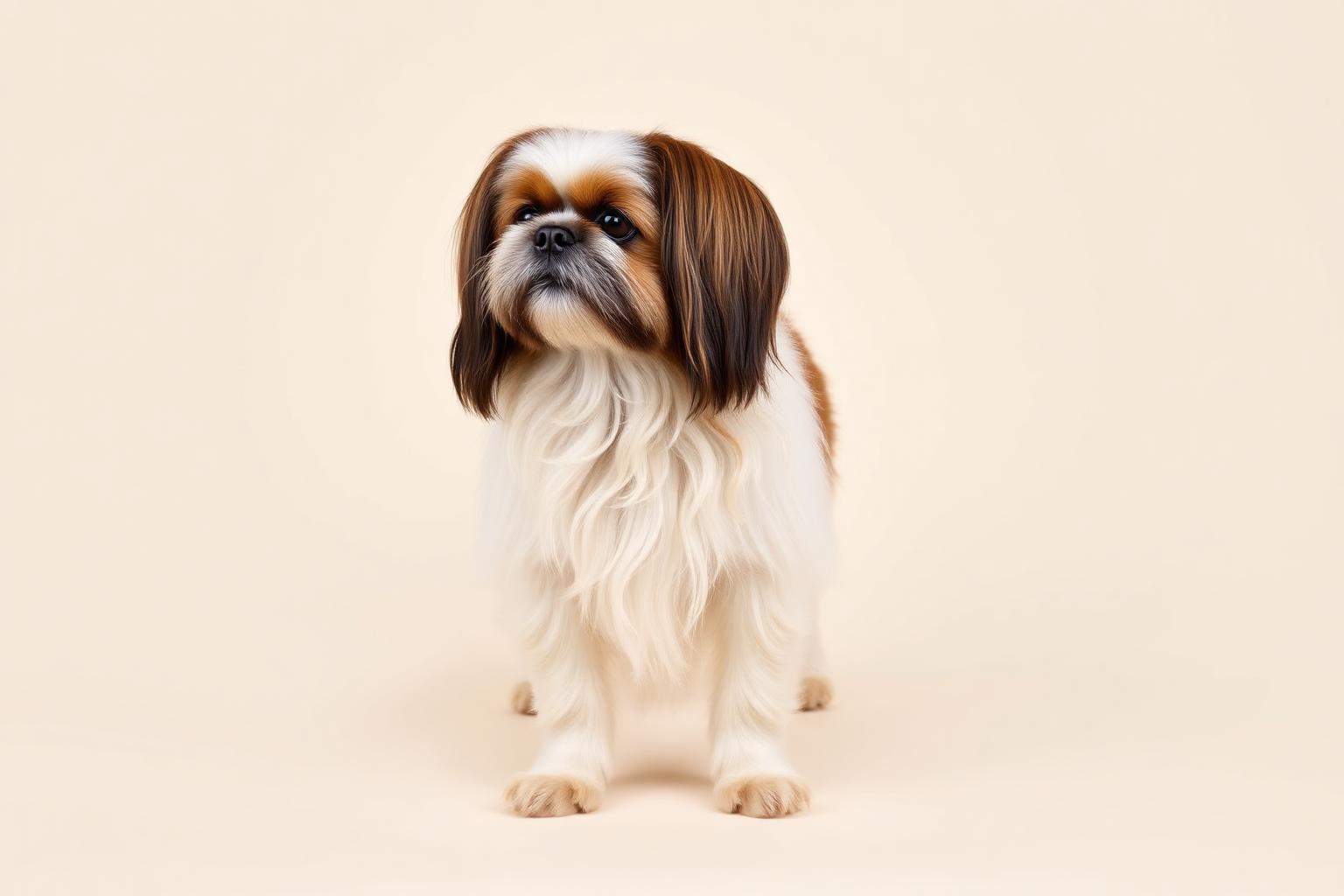 Hypoallergenic
Shih Tzu
6.5Calm apartment companion. Flat-faced: careful with heat and intense exercise.
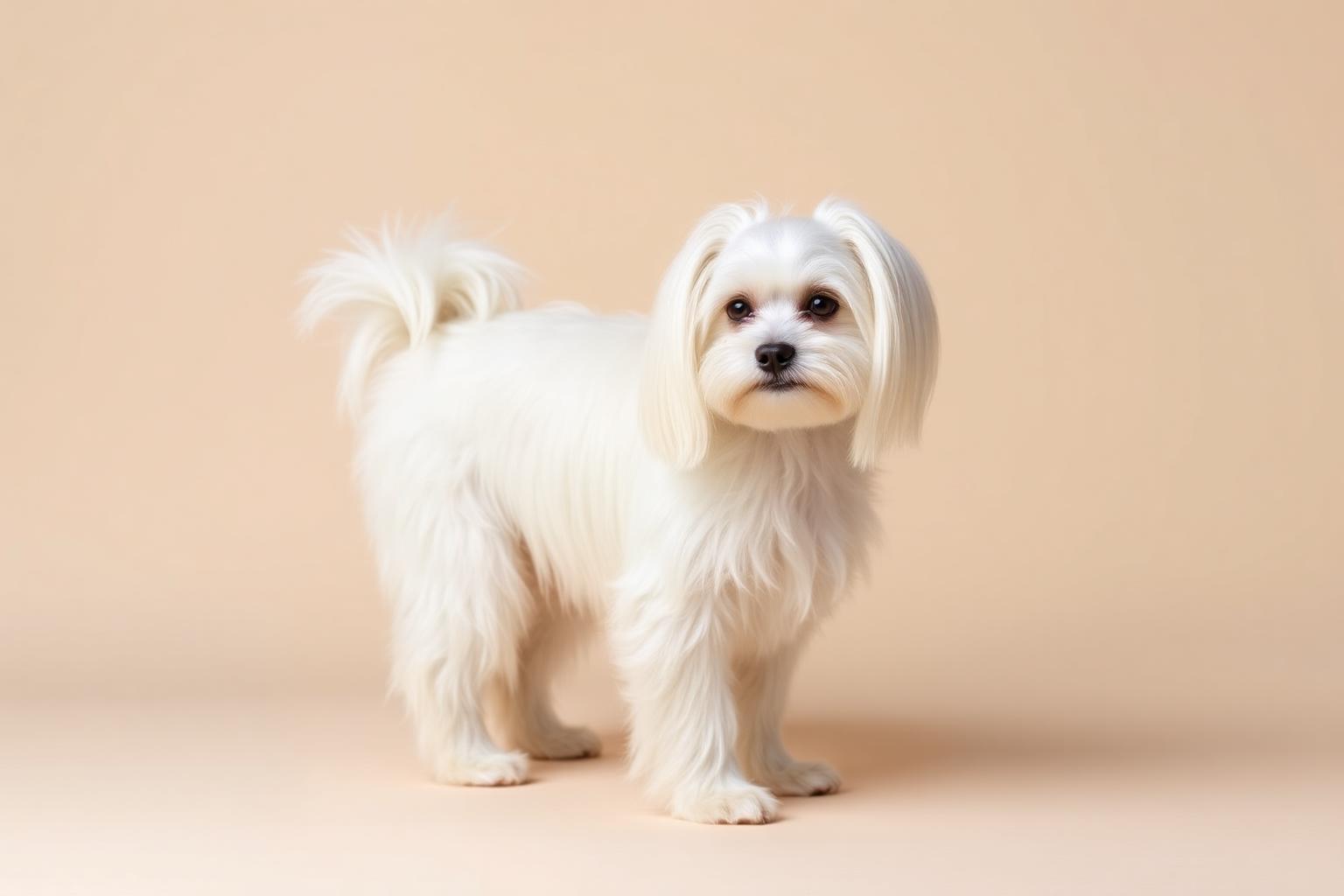 Hypoallergenic
Maltese
8.2Tiny and elegant, barely sheds. Fragile around small children. Needs frequent grooming.
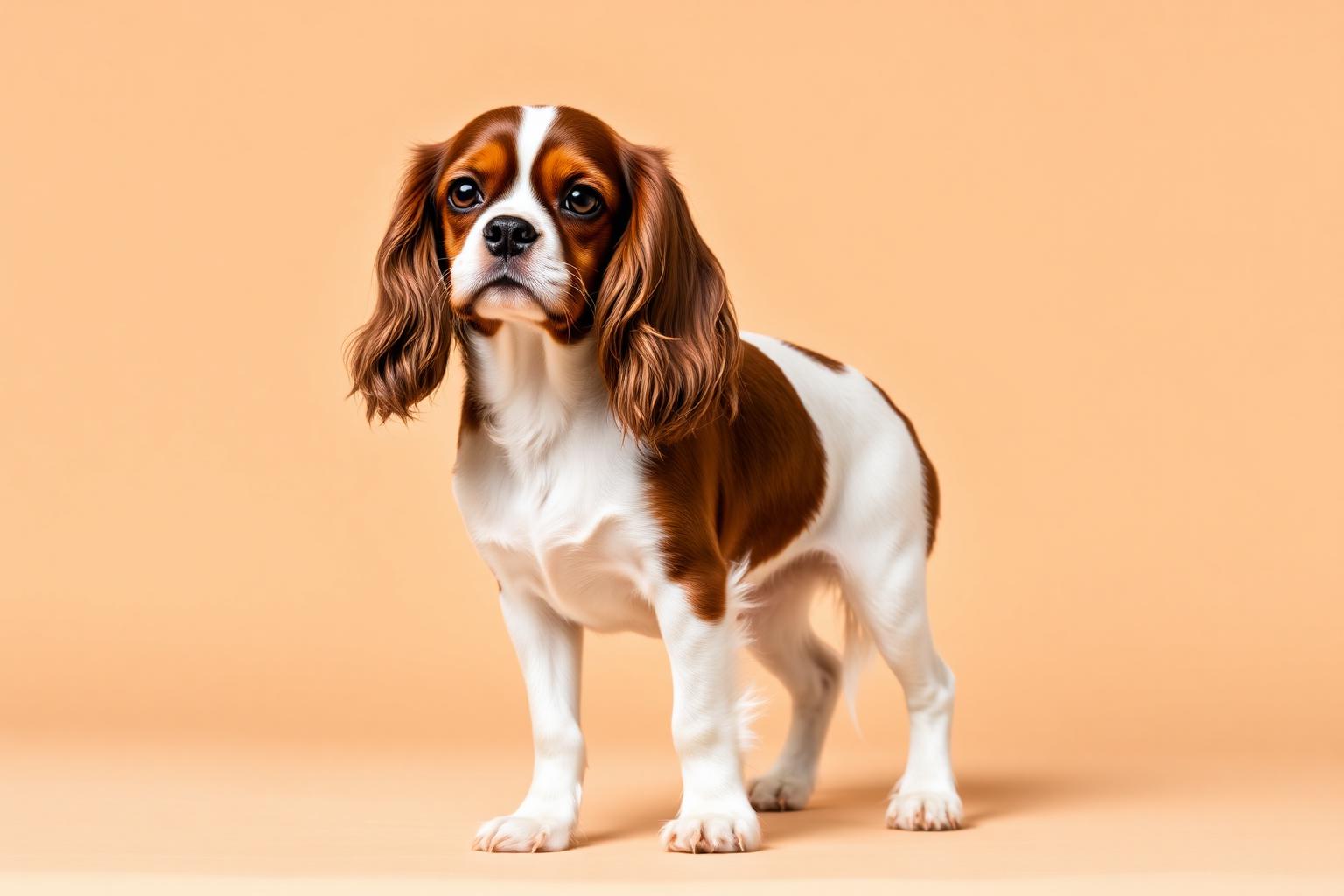
Cavalier King Charles Spaniel
9.3Affectionate, sociable and perfect for small apartments. Adapts to the household's rhythm and loves company.