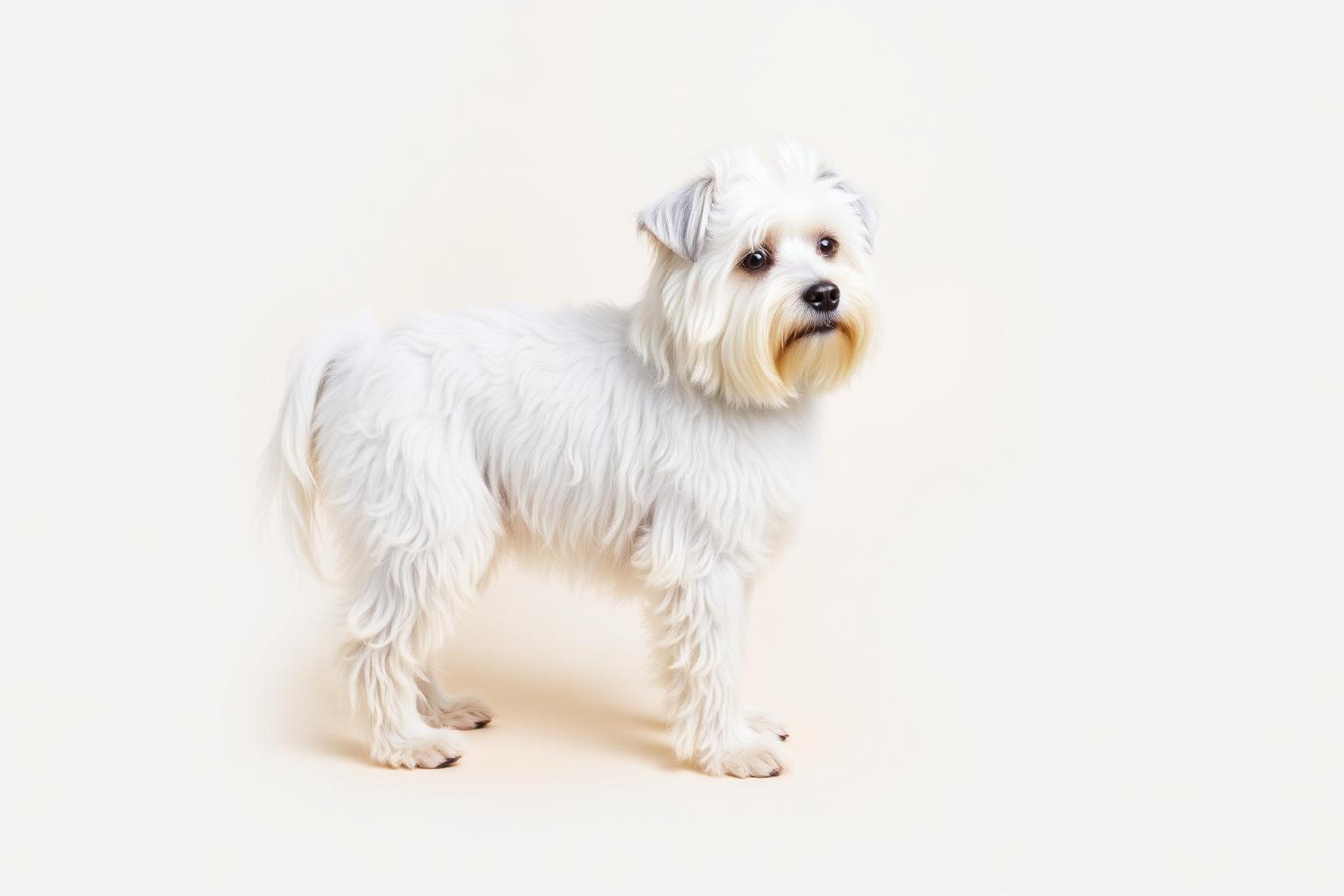
Coton de Tuléar
"A lively, charming cotton ball, the perfect companion."
Overview
The Coton de Tuléar is a small dog breed of Malagasy origin, famous for its white, cotton-like coat. Known for its joyful and affectionate temperament, this dog is the ideal companion for families and individuals seeking a loyal friend. Its compact size makes it perfect for apartment living, provided it receives its daily doses of exercise and attention. Its sociable and playful nature makes it an excellent dog for living with children, always under supervision, and generally gets along well with other pets if properly socialized from a puppy.
Regarding its health, the Coton de Tuléar is generally a robust breed with a long life expectancy. However, it is prone to certain genetic conditions such as patellar luxation and eye problems. Early and positive training is fundamental for its development, as they are intelligent dogs eager to please. Its hypoallergenic coat makes it an attractive option for people with allergies, although this implies a rigorous daily grooming regimen to prevent knots and maintain its coat in optimal condition. Professional grooming costs are an important factor to consider in the Coton's monthly budget.
The main drawback of the Coton de Tuléar is its strong need for companionship, which can lead to separation anxiety if left alone for extended periods. To avoid this, it is crucial that owners can dedicate time and attention to them, or consider options such as sitters or doggy daycares if they will be absent. Their love for human interaction makes them easily integrated family members, always bringing joy and vitality to the home. If you are looking for an affectionate, intelligent, and adaptable dog that will make you laugh with its antics, the Coton de Tuléar might be the perfect choice for you.
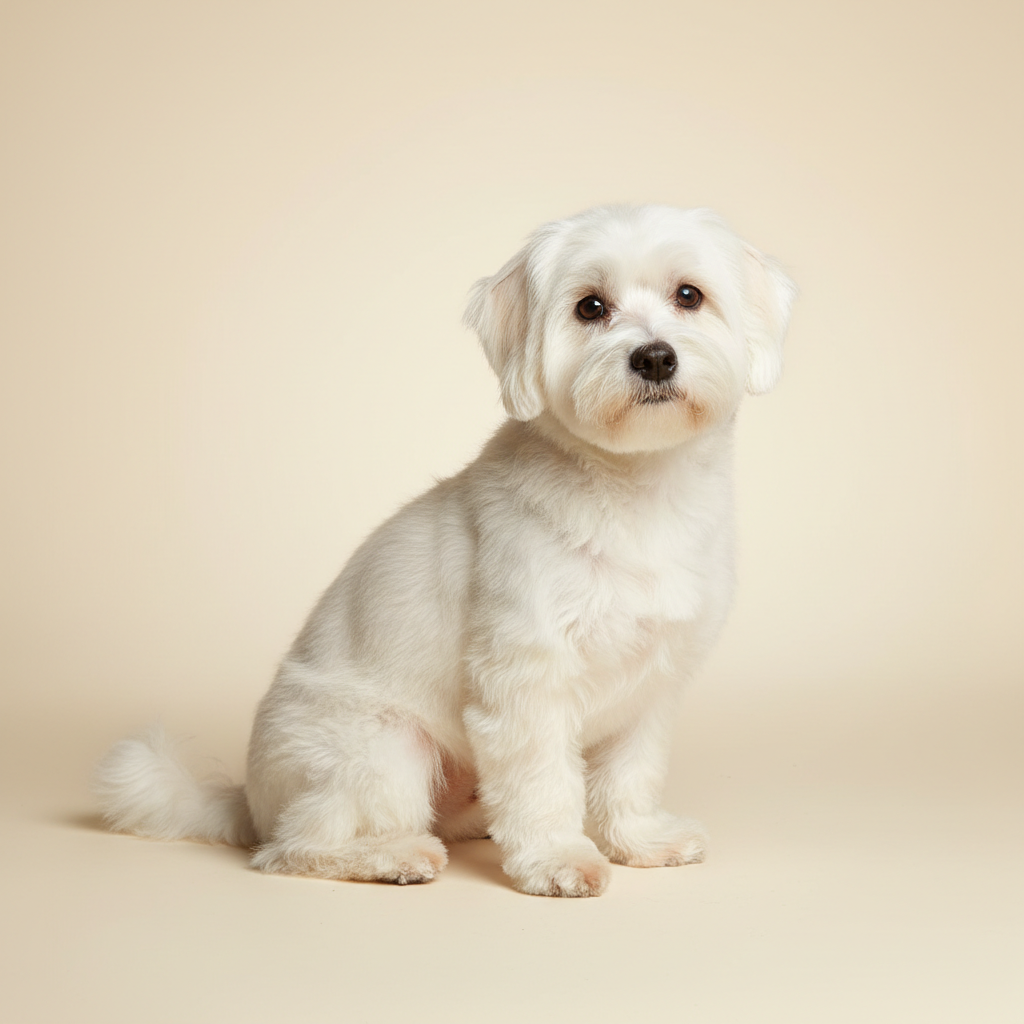
Key facts
- Size
- Small
- Weight
- 4–6 kg
- Life expectancy
- 14–16 years
- Daily exercise
- 30 min/day
- Estimated total
- 150€/month
- Country
- Madagascar
Character & temperament
The Coton de Tuléar is a dog with an overflowing personality of joy and affection, earning them the nickname "anti-stress dog." They are exceptionally loyal and devoted companions, forming a very strong bond with all members of their family. They tend to be very social and love being the center of attention, consistently showing a willingness to participate in any family activity. They are known for being intelligent and easy-to-train dogs, provided positive reinforcement methods are used. They respond very well to rewards and praise, and their desire to please their owners makes learning a fun process for both. They often exhibit playful and comical behavior, which has earned them the title of "clown dogs"; they love to make their humans laugh with their antics and peculiar movements. They can be somewhat vocal, using barks and vocalizations to express their emotions or to alert their owners to the presence of strangers. Despite their size, they have a small guardian streak that makes them good alarm dogs, though never aggressive. They are very adaptable to different environments, whether a city apartment or a house with a garden, as long as they receive enough attention and daily exercise. However, their need for companionship is high, and they can develop separation anxiety if left alone for extended periods, which could manifest in excessive barking or destructive behaviors. Constant interaction and an enriching environment are key to their emotional well-being.
Living with children
The Coton de Tuléar is generally an excellent breed for living with children, thanks to its playful, sociable, and patient nature. Their small size makes them less intimidating for young children and less prone to causing accidental mishaps during play. They greatly enjoy interaction and games, and are usually very tolerant of childish antics, as long as they are treated with respect. It is crucial, however, to teach children how to interact properly with a dog, always supervising interactions, especially with the youngest ones. Cotons can be sensitive, and rough or annoying treatment could lead them to withdraw or, in extreme cases, react. Explain to your children that the dog is not a toy and that they need their space and quiet moments. Adult supervision will prevent uncomfortable situations and foster a positive, lasting bond between the dog and children. Their innate patience and desire to please make them tireless playmates and tender confidants. Furthermore, their moderate energy aligns well with that of children, allowing them to enjoy both active and quieter activities together. For older children, the Coton can be an excellent adventure companion in the park or garden, enjoying ball games or chase. Their joyful and fun-loving nature will undoubtedly add a touch of happiness to any home with children.
With other pets
The Coton de Tuléar tends to get along very well with other dogs and pets, especially if socialized from an early age. Their amiable nature and desire for companionship make them good candidates for multi-pet households. They are not typically territorial unless provoked, and their size does not predispose them to be dominant. With cats, coexistence is usually harmonious if they are introduced correctly and allowed to adapt. Cotons are playful but not aggressive, which helps them integrate well. It is important to supervise initial interactions and ensure all animals have their own safe spaces. With smaller pets like rodents or birds, caution and supervision are always recommended.
Health & prevention
Coton de Tuléar are generally very healthy dogs with a life expectancy typically ranging from 14 to 16 years, and even longer. However, like all breeds, they are prone to certain conditions. Major health concerns include orthopedic problems such as patellar luxation (dislocation of the kneecap), which may require surgery in severe cases, and Legg-Calvé-Perthes disease, a condition affecting the head of the femur. They can also be susceptible to genetic eye diseases such as progressive retinal atrophy. Additionally, some Cotons may develop dermatological issues due to their dense coat, such as skin allergies and hot spots if the skin is not kept clean and dry. It is important to have regular veterinary check-ups, keep their vaccinations up to date, and maintain strict parasite control. A responsible breeder should perform genetic testing on parents to rule out common hereditary diseases in the breed. Prevention through a good diet, adequate exercise, and regular grooming largely contribute to maintaining the health of these charming dogs.
Health risks
- •Patellar luxation
- •Eye problems
Care
Nutrition
The nutrition of the Coton de Tuléar should be carefully adapted to their size, activity level, and life stage. Opt for a high-quality food designed for small breeds, rich in animal protein, healthy fats, and complex carbohydrates. It is crucial to avoid cheap fillers like corn or soy, which can cause digestive sensitivities. The amount of food should be adjusted to maintain a healthy weight, usually divided into two meals a day for adult dogs. Puppies will require more frequent meals. Given their propensity for dental issues, consider kibble or supplements that promote oral health. Always consult your veterinarian to establish a suitable dietary plan and if considering supplements, especially omega-3 oils to help maintain their healthy coat and skin, which are essential due to their cottony fur.
Grooming & hygiene
The Coton de Tuléar's distinctive soft, cottony coat requires considerable maintenance to prevent tangles and keep it in optimal condition. Daily or every-other-day brushing with a pin brush and a comb is essential to detect and undo knots. Regular baths every 2-4 weeks are necessary, using specific shampoos and conditioners for long-haired dogs, which help detangle and protect the coat. After bathing, careful blow-drying (on a low setting) while brushing prevents the formation of a giant mat. It is also important to pay attention to dental hygiene, brushing their teeth several times a week to prevent tartar buildup, and checking and cleaning their ears regularly to avoid infections. Occasional trimming of hair around the eyes, paw pads, and sanitary area is also essential. Many owners opt for a puppy or 'teddy bear' cut to facilitate maintenance.
Exercise & training
Exercise plan
Despite their small size, the Coton de Tuléar is an active dog that needs daily exercise to stay physically and mentally stimulated. At least 30-60 minutes of activity per day are recommended, divided into two or three walks. They greatly enjoy walks in the park where they can sniff and explore, as well as interactive games at home or in the garden. They are intelligent dogs who also benefit from mental challenges, such as fetch games, interactive toys, or obedience training. They are not high-performance dogs for demanding canine sports, but they can excel in beginner-level agility or rally obedience. Make sure walks are in a safe environment and on a leash, as their prey drive can lead them to chase small animals. Lack of exercise can lead to boredom and unwanted behaviors.
Training
The Coton de Tuléar is an intelligent and eager-to-please breed, which makes them relatively easy to train, even for first-time owners. However, their sensitivity requires a positive, reward-based training approach. Avoid punitive methods, as they can become fearful or reluctant. Early socialization is crucial; expose your puppy to a variety of people, places, sounds, and other dogs in a controlled and positive way so that they grow into a well-adjusted and confident adult. Basic obedience training (sit, stay, come, etc.) is essential and should begin as soon as they come home. It is also important to work on preventing separation anxiety from a young age, by getting them used to being alone for short periods and gradually increasing the time. Clicker training works very well with them, and they can easily learn fun tricks, which strengthens their bond with you.
Monthly cost
Estimated monthly costs for a Coton in Spain. Professional grooming is the most significant recurring expense.
Estimate for Spain, healthy adult dog. Varies by region and provider.
Pros & cons
Pros
- ✓Extremely affectionate and loyal to their family.
- ✓Relatively easy to train thanks to their intelligence.
- ✓Adapts well to apartment living or small homes.
- ✓Hypoallergenic coat, suitable for some people with allergies.
- ✓Playful and fun, makes a great companion for children.
Cons
- !Requires intensive daily grooming to prevent matting.
- !High need for companionship, prone to separation anxiety.
- !Can be barkers if their vocalization isn't managed.
- !Sensitive to rough handling or lack of attention.
- !Professional grooming costs can be high.
Ideal for
- • Families seeking an affectionate and playful companion dog.
- • Elderly people or calm couples who can offer plenty of attention.
- • First-time dog owners looking for an adaptable dog.
- • Homes with children who know how to interact respectfully.
Not recommended for
- • People with little time for daily coat grooming.
- • Families who spend many hours away from home.
- • Those looking for a guard dog or working dog.
- • Interested in high-intensity canine sports.
How it fits each scenario
The Coton de Tuléar is ideal for apartment living due to its small size and moderate exercise needs. Ensure daily walks and indoor games to keep them stimulated.
In a house with a garden, the Coton de Tuléar will enjoy extra space to play and explore, but always supervised. The garden does not replace daily walks and constant family interaction.
Their dense coat can make them suffer in hot climates. It's recommended to keep them in the shade, with fresh water, and avoid intense exercise during the hottest hours. A shorter haircut can help.
The Coton tolerates cold climates well thanks to their double coat, but they are not outdoor dogs. Protect them from extreme cold with coats if walks are long or when temperatures drop significantly.
With toddlers, supervision is key. The Coton is patient, but children must be taught to be gentle to prevent the dog from feeling uncomfortable or scared by rough handling. Set clear rules.
They make excellent companions for school-aged children. They enjoy games and interaction. Children can participate in their care and training under supervision, strengthening the bond.
The Coton is a good choice for first-time owners due to their intelligence and eagerness to please. However, their grooming and companionship needs require commitment and time, so research thoroughly.
An experienced owner will appreciate the Coton's learning ability and adaptable character. They can enjoy their potential in tricks or mini-agility, reinforcing their mental stimulation.
While not high-stamina dogs, an active family who enjoys daily walks and interactive games will find an enthusiastic companion in the Coton. Ensure variety in activities.
They are not suitable for very busy families who cannot dedicate time to them. The Coton needs a lot of human attention and can develop separation anxiety if left alone for extended periods.
This is one of the most recommended options for people with allergies, as it produces less dander than other breeds. However, no breed is 100% hypoallergenic; spend time with Cotons before deciding.
Not the best choice for tight budgets. Professional grooming costs, quality food, and potential veterinary expenses can be significant over their lifespan.
Origin & history
Descended from Bichon-type dogs brought to Madagascar on pirate and merchant ships, they were once the exclusive companions of the Merina nobility. Their exact origin remains a mystery, but it is believed that their ancestors were brought to the island by traders or pirates in the 17th century. Their name refers to the port city of Tuléar (Toliara) on Madagascar's southwest coast. For a long time, these dogs lived in isolation on the island, allowing them to develop their unique characteristics. They were so valued that Malagasy law once prohibited commoners from owning them, reserving them exclusively for the elite. In the 1970s, the breed was "rediscovered" by French and Belgian tourists, leading to their eventual recognition by major cynological organizations.
Coton de Tuléars are famous for their peculiar "cotton ball dance," an acrobatic jump they perform when excited or seeking attention.
Frequently asked questions
Does the Coton de Tuléar shed a lot?▾
No, the Coton de Tuléar is considered a low-shedding breed. Their coat resembles cotton and grows continuously, meaning dead hair tends to get trapped within the coat rather than falling out. This characteristic, combined with lower dander production, is what makes them a popular choice for people with allergies. However, precisely because of this, they require diligent daily brushing to prevent the hair from tangling and matting, a process that also helps remove trapped loose hair. Without regular grooming, their coat would quickly become matted.
Does a Coton de Tuléar need a lot of exercise?▾
While not high-energy dogs like some other breeds, Coton de Tuléars do need regular exercise to stay healthy and happy. They benefit from at least 30 to 60 minutes of daily activity, which can be split into two or three short walks and play sessions at home. They enjoy calm strolls, exploring new scents, and playing fetch. Exercise is not just physical; they also need mental stimulation through intelligence games and obedience training. Lack of activity can lead to boredom and unwanted behaviors.
Are Coton de Tuléars good with young children?▾
Yes, Coton de Tuléars are usually excellent companions for children, including young ones, thanks to their patient, playful, and amiable nature. However, it is essential to teach children to interact with them respectfully, avoiding pulling hair or rough play that could scare or harm the dog. Adult supervision is always recommended during interactions to ensure a safe and positive environment for both. With early socialization and proper education, the Coton can become a loyal and unconditional friend to a child.
How long can a Coton de Tuléar be left alone?▾
The Coton de Tuléar is a breed that dislikes solitude and craves human companionship. They are not suitable for being left alone for extended periods regularly. Ideally, they shouldn't spend more than 4-6 hours alone in a day. If left alone for longer or on a regular basis, they can develop separation anxiety, manifested in excessive barking, destructiveness, or even house-soiling problems. It is essential to provide them with distracting toys and ensure they receive enough stimulation and affection when you are present.
Is the Coton de Tuléar a good choice for people with allergies?▾
Yes, the Coton de Tuléar is often recommended for people with mild to moderate allergies. Their 'hair-like' coat, similar to human hair, grows continuously and, instead of shedding heavily, dead hair gets trapped in the coat. Additionally, they produce less dander (the main cause of dog allergies) compared to other breeds. However, no breed is 100% hypoallergenic. It is crucial to spend time with a Coton before getting one to see how the allergic person reacts and ensure there is no adverse reaction.
What health problems are common in Coton de Tuléars?▾
Despite being a robust breed, Coton de Tuléars are predisposed to certain health conditions. The most common include patellar luxation (kneecap problems), progressive retinal atrophy, von Willebrand's disease (a bleeding disorder), and Legg-Calvé-Perthes disease (a hip joint condition). They can also be susceptible to skin allergies and dental problems. It is vital to choose a responsible breeder who health tests the parents and to have regular veterinary check-ups to detect any issues early and ensure a long life for your pet.
How should I brush my Coton's coat to prevent matting?▾
Brushing your Coton should be a daily routine to prevent tangles and mats. Use a pin brush to detangle the coat and a steel comb to get down to the roots and ensure there are no hidden knots. It's important to brush in sections, lightly spraying the coat with a detangling conditioner to ease the process and minimize hair breakage. Pay special attention to areas behind the ears, armpits, and legs, where knots are more common. Proper brushing will keep their coat soft, shiny, and problem-free.
Are Coton de Tuléars easy to train?▾
Yes, Coton de Tuléars are considered a very intelligent and eager-to-please breed, which makes them relatively easy to train. They respond exceptionally well to positive reinforcement methods, such as treats, praise, and toys. Consistency and patience are key, and training sessions should be kept short and fun to maintain their attention. It is crucial to start training and socialization from puppyhood to foster appropriate behavior and prevent the development of bad habits. Their sociable nature and desire to interact with their owners make training a rewarding experience for both.
Similar family-friendly breeds
 Hypoallergenic
Bichon Frise
8.8Small, cheerful and practically non-shedding. Requires frequent grooming. Ideal for apartments and allergy sufferers.
 Hypoallergenic
Havanese
7.5Small hypoallergenic, affectionate and adaptable. Excellent for apartment families.

Cavalier King Charles Spaniel
9.3Affectionate, sociable and perfect for small apartments. Adapts to the household's rhythm and loves company.