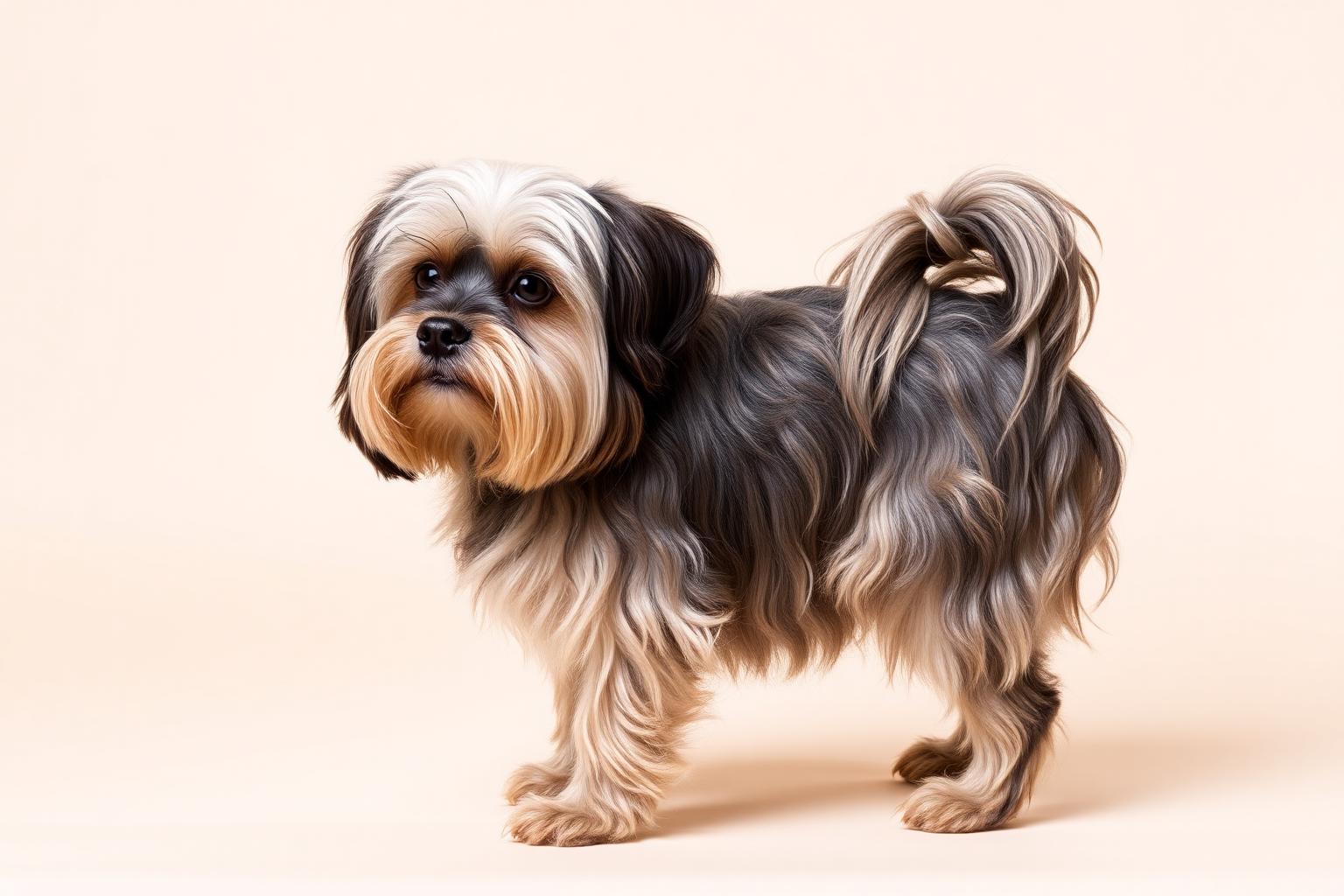
Havanese
"The Havanese: Caribbean joy, unconditional companion."
Overview
Discover the Havanese, the charming national dog of Cuba, known for its cheerful personality and silky coat. This small, toy-sized dog is the ideal companion for those seeking a loyal and playful friend. Originally from the Caribbean island, the Havanese has won the hearts of families worldwide thanks to its friendly and adaptable temperament. They are very intelligent dogs that respond well to positive training, making them an excellent choice for first-time owners willing to invest time in their education. Their eagerness to please and ability to learn tricks quickly make them excel in obedience.
The Havanese's character is exceptionally sociable. They get along well with children of all ages, provided interaction is supervised and respectful, and usually live harmoniously with other pets, including cats. Their love for human companionship means they can develop separation anxiety if left alone for extended periods, making them more suitable for homes where someone is usually present. Regarding their exercise needs, they are moderate; a couple of daily walks and play sessions will suffice, making them ideal for apartment living.
The care of the Havanese coat is perhaps the most demanding aspect. Its long, soft mantle requires daily brushing to prevent knots and mats. Many owners opt for puppy cuts for greater comfort and ease of maintenance, but grooming remains crucial for their dermatological health. Regarding Havanese health, they are generally a robust and long-lived breed, with a lifespan of 14 to 16 years. However, it is important to be aware of certain genetic predispositions such as patellar luxation and various eye diseases. A responsible breeder will perform genetic tests on the parents to ensure healthy puppies. Nutrition should be high-quality, specific for small breeds, and weight control is essential. If you are looking for a dog that brings joy, laughter, and unconditional love to your home, the Havanese could be the perfect choice.

Key facts
- Size
- Small
- Weight
- 4–6 kg
- Life expectancy
- 14–16 years
- Daily exercise
- 30 min/day
- Estimated total
- 115€/month
- Country
- Cuba
Character & temperament
The Havanese is a dog overflowing with joy and vitality, with a character often described as the family's 'clown' or 'jester'. They are extremely outgoing and social dogs, who enjoy being the center of attention and rarely show shyness or aggression. Their temperament is generally gentle, affable, and very affectionate, constantly seeking human companionship. They are known for their intelligence and ease of learning, which makes them excel in activities such as obedience training, agility, or even tricks. They respond very well to positive and reward-based training methods. They are very sensitive to their owners' moods, capable of perceiving sadness or stress and offering comfort with their presence. This sensitivity also means they do not tolerate punishment or harsh tones of voice well. They can develop separation anxiety if left alone for extended periods, as their greatest desire is to be with their people. For this reason, they are ideal for families who spend a lot of time at home or for those who can take their dog to work. Their playful instinct lasts into adulthood, and they love participating in interactive games with their owners or other dogs. Although energetic, their small size means their exercise needs are moderate and easily met with daily walks and play sessions. Despite their active nature at home, they are also dogs who love to snuggle on the sofa and enjoy a good nap on their owner's lap. In summary, the Havanese is an exceptional companion for those seeking a loyal, affectionate, fun, and intelligent dog who will fully integrate into family life.
Living with children
The Havanese is generally an excellent choice for families with children, provided both the dog and the children are educated on how to interact respectfully and safely. Their playful, patient, and tolerant nature makes them ideal companions for most children. They greatly enjoy play and interaction, and their small size makes them less intimidating for toddlers, as well as reducing the risk of accidental injuries due to clumsiness, common in larger breeds. However, it is essential to supervise all interactions, especially with very young children, who may not understand a dog's boundaries and pull its fur or bother it unintentionally. Teaching children to be gentle, to respect the dog's space when eating or sleeping, and to recognize signs that the dog needs a break is crucial for harmonious coexistence. Havanese dogs are very emotionally sensitive; shouting or rough handling can stress them and make them withdrawn or, in extreme cases, defensive. When properly socialized as puppies and positively exposed to children, they develop a strong bond with the younger family members. They can become tireless playmates in the garden or living room, and small confidantes who offer comfort. Their adaptability and desire to please ensure they easily integrate into family dynamics, always seeking their place in daily activities. For an active family with older, respectful children, the Havanese can be the perfect pet, bringing joy, laughter, and unconditional love into the home.
With other pets
The Havanese usually gets along **exceptionally well** with other household pets, including dogs of other breeds and cats, thanks to their sociable and non-territorial nature. Their compact size and affable temperament allow them to adapt easily to multi-species coexistence. Early and positive socialization is crucial, exposing them to different animals from puppyhood. With proper introduction, Havanese can form strong bonds of friendship with other dogs, enjoying play and companionship. They can even live harmoniously with cats, often accepting them as part of their domestic 'pack'. They tend to be curious rather than aggressive.
Health & prevention
The Havanese is generally a healthy and long-lived breed, with a lifespan often exceeding 14-16 years. However, like all breeds, they have a predisposition to certain health conditions that prospective owners should be aware of. The main orthopedic concerns include patellar luxation (dislocation of the kneecap) and, to a lesser extent, hip and elbow dysplasia, although these are more common in larger breeds. Eye diseases are a significant concern; they should be tested for juvenile cataracts, progressive retinal atrophy, and other hereditary ocular pathologies to ensure responsible breeding. They may also be prone to Legg-Calvé-Perthes disease, which affects the head of the femur, and chondrodysplasia (dwarfism), though more rarely. Cardiac issues such as heart murmurs are also something to monitor in regular veterinary check-ups. Due to their long coat, and although not an internal health problem, they are susceptible to dermatological issues if the hair is not properly cared for, such as matting that can pull on the skin and cause irritation or infections. Quality nutrition, moderate exercise, and regular veterinary visits for preventive check-ups are essential to keep a Havanese in optimal health.
Health risks
- •Patellar luxation
- •Cataracts
- •Deafness
Care
Nutrition
Havanese nutrition should focus on high-quality kibble formulated for small breeds, providing essential nutrients for their energy and health, and helping maintain their skin and coat in optimal condition. Portion control is vital to prevent overweight, as they are prone to gaining pounds easily, which can exacerbate existing joint problems. Dividing the daily ration into two meals helps keep their metabolism active. Given their predisposition to dental issues, including dental treats or regular brushing is important. Some Havanese may be sensitive to certain ingredients, so a hypoallergenic diet might be necessary in specific cases, always under veterinary supervision. Fresh, clean water should be available at all times.
Grooming & hygiene
The long, silky coat of the Havanese is its most distinctive feature, but it also requires **considerable maintenance**. To prevent mats and tangles, **daily or every other day thorough brushing** is essential, using a pin brush and a metal comb. Many owners opt for puppy cuts or keep the hair shorter to facilitate care. Baths should be regular, every 3-4 weeks, using gentle, dog-specific shampoos, followed by a conditioner to maintain softness. Eyes should be cleaned daily to prevent tear staining. Nails must be trimmed regularly (every 2-4 weeks), as should the hair between their paw pads. Dental hygiene is crucial, with frequent brushing, given their propensity for tartar buildup.
Exercise & training
Exercise plan
Despite their energy at home, the Havanese's exercise needs are **moderate** and easily manageable. Two daily walks of 20-30 minutes, along with active play sessions indoors or in a secure garden, are sufficient to keep them physically and mentally stimulated. They greatly enjoy interaction with their owners, so games of fetch, tug-of-war, or learning new tricks are excellent ways to burn off energy. Their small size makes them suitable for people with reduced mobility or those living in apartments without access to a large garden. However, their need for activity should not be underestimated; a bored Havanese can become destructive or develop unwanted habits.
Training
The **Havanese** is an **intelligent and eager-to-please** dog, making them relatively easy to train, even for first-time owners. They respond best to **positive reinforcement training methods, based on rewards, praise, and treats**, rather than punishment or harsh tones of voice, to which they are very sensitive. Early socialization is fundamental; exposing them to different people, places, and sounds from puppyhood will help them become well-balanced and confident adults. Socialization training is key. They are excellent candidates for learning tricks, basic and advanced obedience, and even canine sports like agility. However, they can be a bit stubborn at times, so consistency and patience are essential. Potty training may take longer than in other breeds; persistence is vital. Given their tendency towards separation anxiety, it's important to work on gradually adapting them to being alone from a young age.
Monthly cost
Monthly costs in Spain include high-quality small-breed kibble and professional grooming every 6-8 weeks.
Estimate for Spain, healthy adult dog. Varies by region and provider.
Pros & cons
Pros
- ✓Loyal and very affectionate companion, ideal for family life.
- ✓Intelligent and easy to train with positive methods.
- ✓Adaptable, suitable for apartments and various lifestyles.
- ✓Generally good with children and other pets.
- ✓Low shedding, ideal for some people with mild allergies.
Cons
- !Requires considerable coat maintenance to prevent matting.
- !Prone to separation anxiety if left alone for long periods.
- !Needs constant attention and human companionship.
- !Potty training can be challenging at first.
- !Predisposition to certain health conditions like patellar luxation and eye problems.
Ideal for
- • Families looking for an affectionate and playful companion dog.
- • Seniors or those with reduced mobility due to their low exercise requirements.
- • First-time owners willing to invest time in their care.
- • Households with respectful children and other pets.
Not recommended for
- • People who spend many hours away from home or travel frequently.
- • Families unable to dedicate time to daily coat brushing.
- • Households looking for a guard or working dog.
- • Those who prefer an independent and undemanding dog.
How it fits each scenario
The Havanese adapts wonderfully to apartment living thanks to its small size and moderate exercise needs. Its affection and low shedding make it an excellent urban companion, provided it gets its daily walks.
In houses with gardens, the Havanese will enjoy a safe space to play and explore under supervision. However, they should not live exclusively outdoors; they need to be inside the house with the family.
Although native to Cuba, their long coat requires protection in hot climates. Ensure plenty of shade, fresh water, and reduce the intensity of walks during the hottest hours. A haircut can help.
Thanks to its double coat, the Havanese tolerates cold better than other small breeds, but it's not an outdoor dog. It will need an extra coat in extreme temperatures for walks.
Supervision is essential with toddlers. Their patience is high, but it's still crucial to teach children to be gentle and to respect the dog's space to prevent incidents.
The Havanese is an ideal playmate for school-aged children. Their energy and playful nature fit perfectly with the activity of older, respectful children.
This is an excellent choice for first-time owners, provided they are committed to daily brushing and can dedicate time and attention. Their ease of training is a big plus.
An experienced owner will appreciate the Havanese's intelligence and eagerness to please, being able to explore advanced activities like agility or obedience, where they excel.
For active families, the Havanese will be an enthusiastic companion for walks and games, but not for intense endurance activities. They will enjoy participating in family activities without being exhausted.
A very busy family that cannot dedicate at least one hour daily to attention and coat care is not suitable. They suffer greatly from loneliness, and neglecting their coat is a health problem.
While not 100% hypoallergenic, their low shedding and hair structure make them better tolerated by many people with mild allergies than other breeds.
While home maintenance is feasible, regular professional grooming costs for this breed can be considerable, in addition to usual veterinary expenses. It's not ideal for very tight budgets.
Origin & history
Descended from the now-extinct Blanquito de la Habana, which came from the Bichon Tenerifes brought by Spanish settlers. It was the favorite pet of the Cuban aristocracy. During the Cuban Revolution, many were smuggled out of the country, primarily to the United States, where the breed was revitalized. It is believed that Spanish sailors and merchants brought Bichon Tenerifes to Cuba in the 17th or 18th century, where they evolved to adapt to the climate. These small dogs, known for their charm and sociable nature, quickly won the hearts of the Cuban elite.
The Havanese is said to have a 'springy gait' or 'roll', an elastic, bouncy movement that is unique to the breed and very charming to observe on their walks.
Frequently asked questions
Does the Havanese need daily brushing?▾
Yes, to prevent matting and maintain skin health, the Havanese requires daily or every-other-day brushing. Their long, silky coat tangles easily, especially behind the ears, in the armpits, and on the legs. If brushing is not regular, mats can become painful and may require a full professional shave, which can be stressful and costly. Many owners opt for shorter cuts to facilitate maintenance, but brushing is still necessary to keep the coat healthy and shiny.
Are Havanese good with small children?▾
Havanese are generally excellent with children due to their playful and tolerant nature, but always under supervision. Their small size makes them less likely to cause accidental harm. It is crucial to teach children to interact respectfully, avoiding pulling tails or ears, as Havanese are sensitive and can get scared if treated roughly. With proper socialization from puppyhood and educating children on gentle handling, they can form very strong bonds and be wonderful playmates.
What health problems are common in Havanese?▾
While generally healthy, Havanese have a predisposition to certain conditions. These include patellar luxation (knee problems) and various eye diseases such as juvenile cataracts and progressive retinal atrophy. Cardiac problems and Legg-Calvé-Perthes disease can also occur, though less commonly. It is vital to acquire a puppy from a responsible breeder who performs genetic testing on the parents to minimize risks. Regular veterinary check-ups are key for early detection and proper management of any issues.
Can Havanese live alone at home while their owners work?▾
Havanese are very attached to their families and can suffer from **separation anxiety** if left alone for extended periods. They are not the ideal breed for people who work full-time outside the home and leave them alone for 8 or more hours a day. If it is necessary to leave them alone, it should be done gradually, for short periods, and by providing interactive toys. Hiring a dog walker or a doggy daycare can be a solution to ensure they have companionship and stimulation during the workday.
Is it difficult to potty train a Havanese?▾
Potty training can be a challenge with Havanese, requiring more patience and consistency than with other breeds. They are intelligent and eager to please, but their small bladder and ability to hide for elimination can prolong the process. The key is consistency, frequent outings (every 2-3 hours for puppies), intense positive reinforcement, and thorough cleaning of accidents to eliminate odors and prevent recurrence in the same spot. Some owners resort to pad training.
Are Havanese suitable for people with allergies?▾
While no breed is 100% hypoallergenic, Havanese are considered a more suitable option for people with mild allergies. This is because they shed very little hair, and what causes allergic reactions is not the hair itself, but proteins present in the dander, saliva, and urine of the animal. With less loose hair, there is less dander dispersed in the environment. However, before adopting, it is advisable for allergic individuals to spend time with a Havanese to confirm they do not experience reactions.
How much exercise does a Havanese need daily?▾
The Havanese has moderate exercise needs. Generally, two daily walks of 20 to 30 minutes and some play sessions indoors or in a secure garden are enough to keep them happy and healthy. They greatly enjoy interaction with their owners, so activities like fetch games or learning tricks are excellent. Although active, their small size means they don't need miles and miles of walking, making them suitable for less active owners or apartment dwellers.
What is the life expectancy of a Havanese?▾
The Havanese is a breed known for its robustness and longevity. Their average life expectancy typically ranges from 14 to 16 years, and in some cases, they can live even longer with proper care. A balanced diet, regular exercise, preventive veterinary attention, and above all, plenty of love and a stable family environment, contribute significantly to these small companions enjoying a long and fulfilling life. They are dogs that maintain their playful spirit well into old age.
Similar family-friendly breeds
 Hypoallergenic
Bichon Frise
8.8Small, cheerful and practically non-shedding. Requires frequent grooming. Ideal for apartments and allergy sufferers.
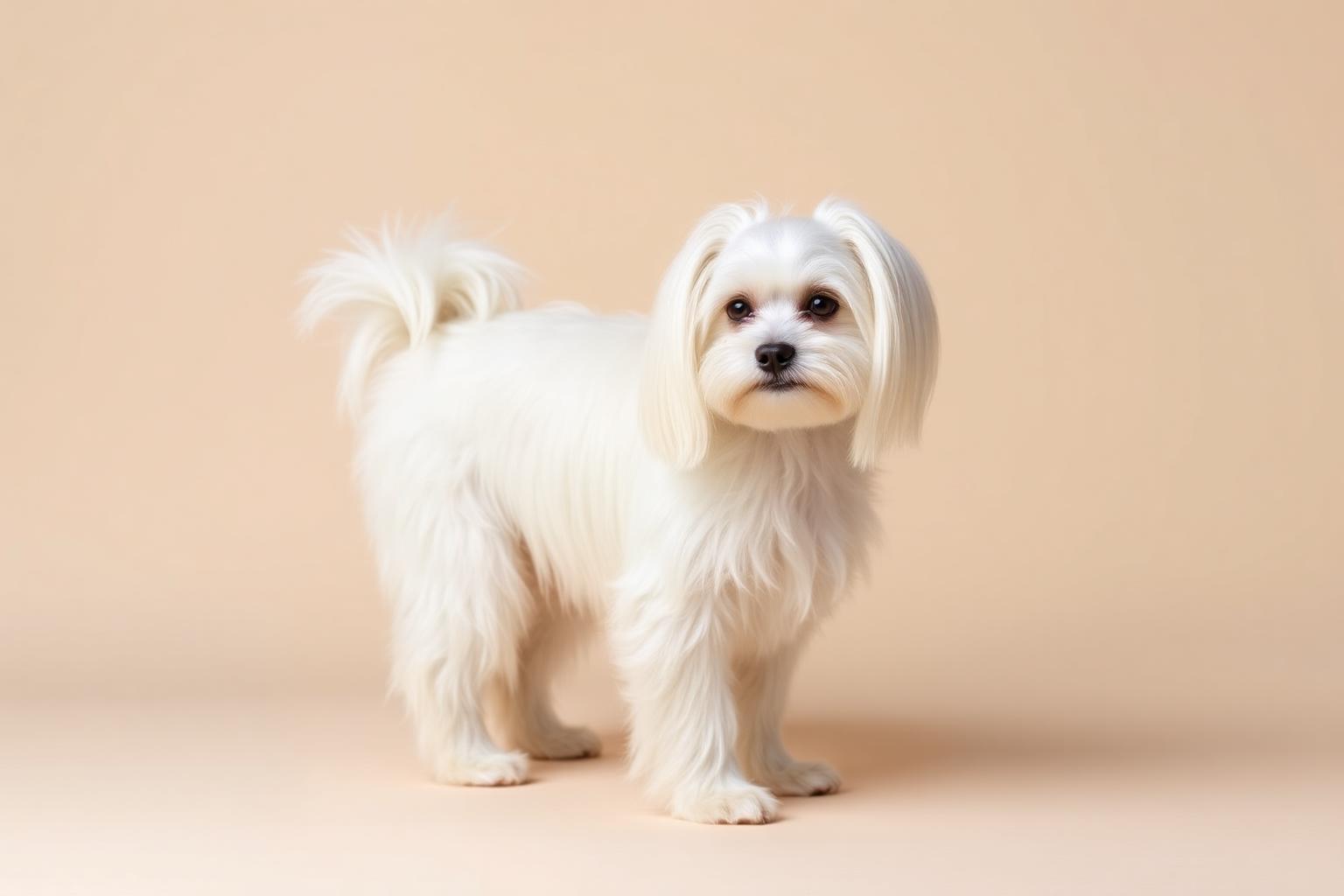 Hypoallergenic
Maltese
8.2Tiny and elegant, barely sheds. Fragile around small children. Needs frequent grooming.
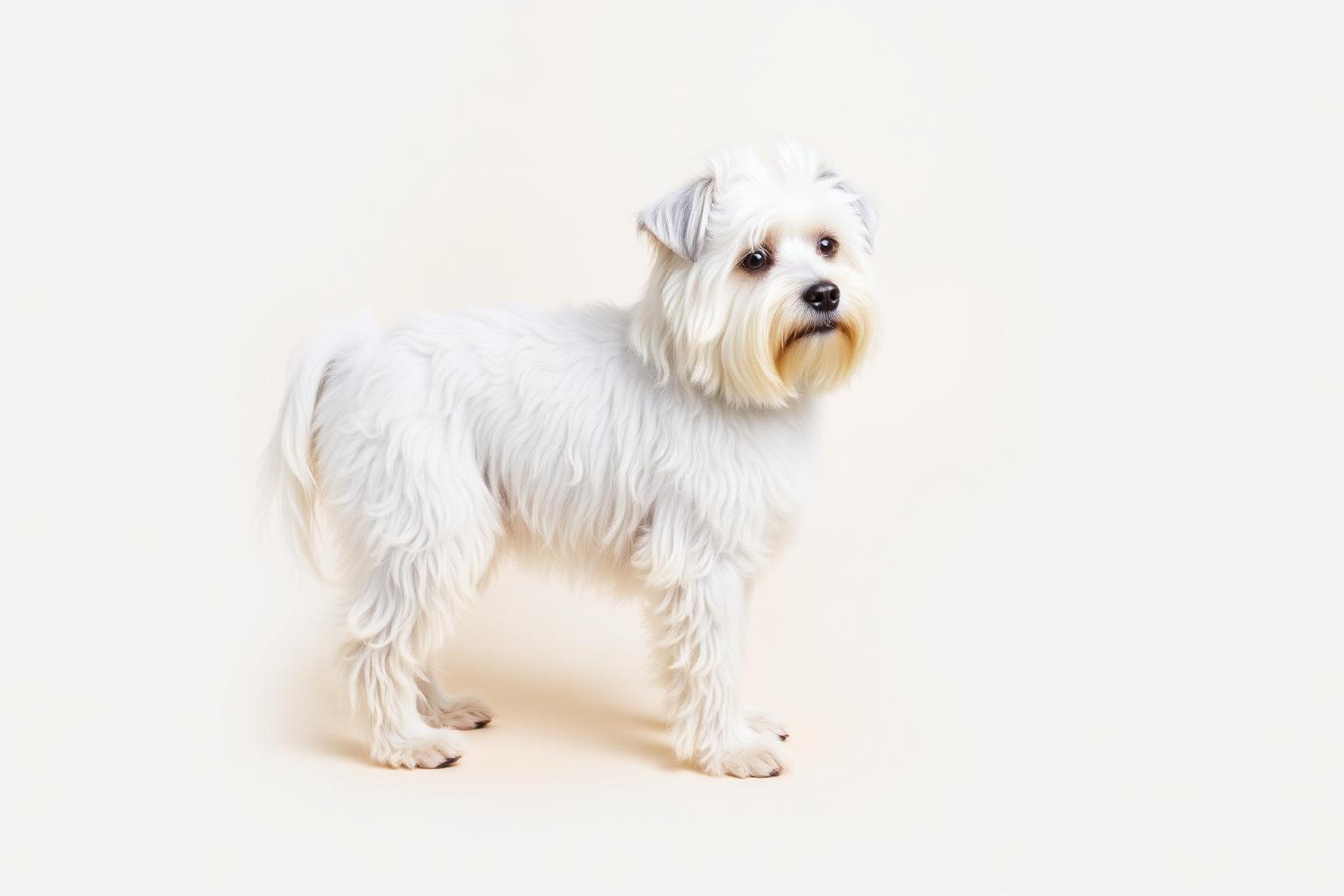 Hypoallergenic
Coton de Tuléar
7.5Hypoallergenic cotton-like coat, sweet and playful. Rare but family-ideal.