Great Dane
"A gentle giant: majesty, loyalty, and a massive heart."
Overview
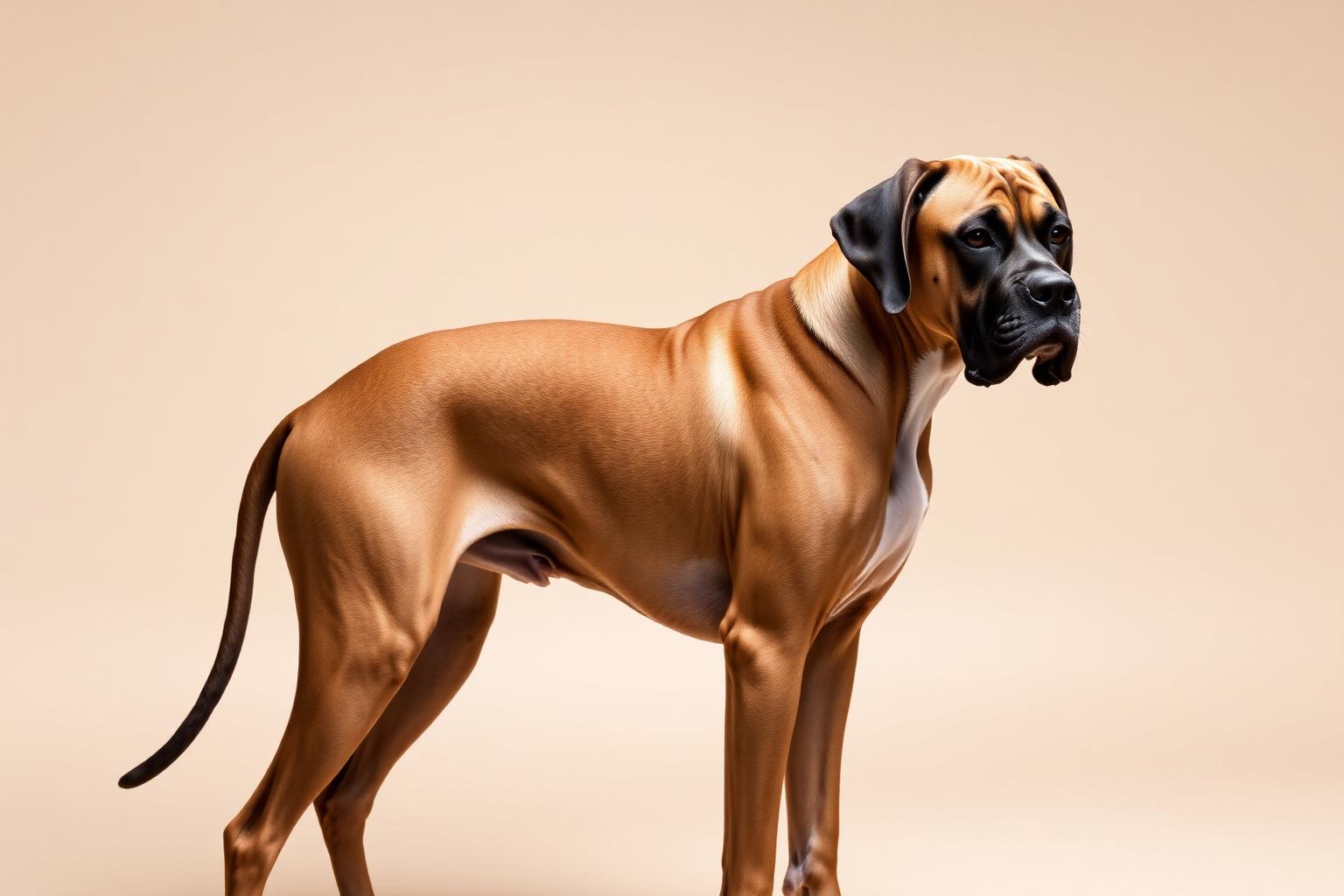
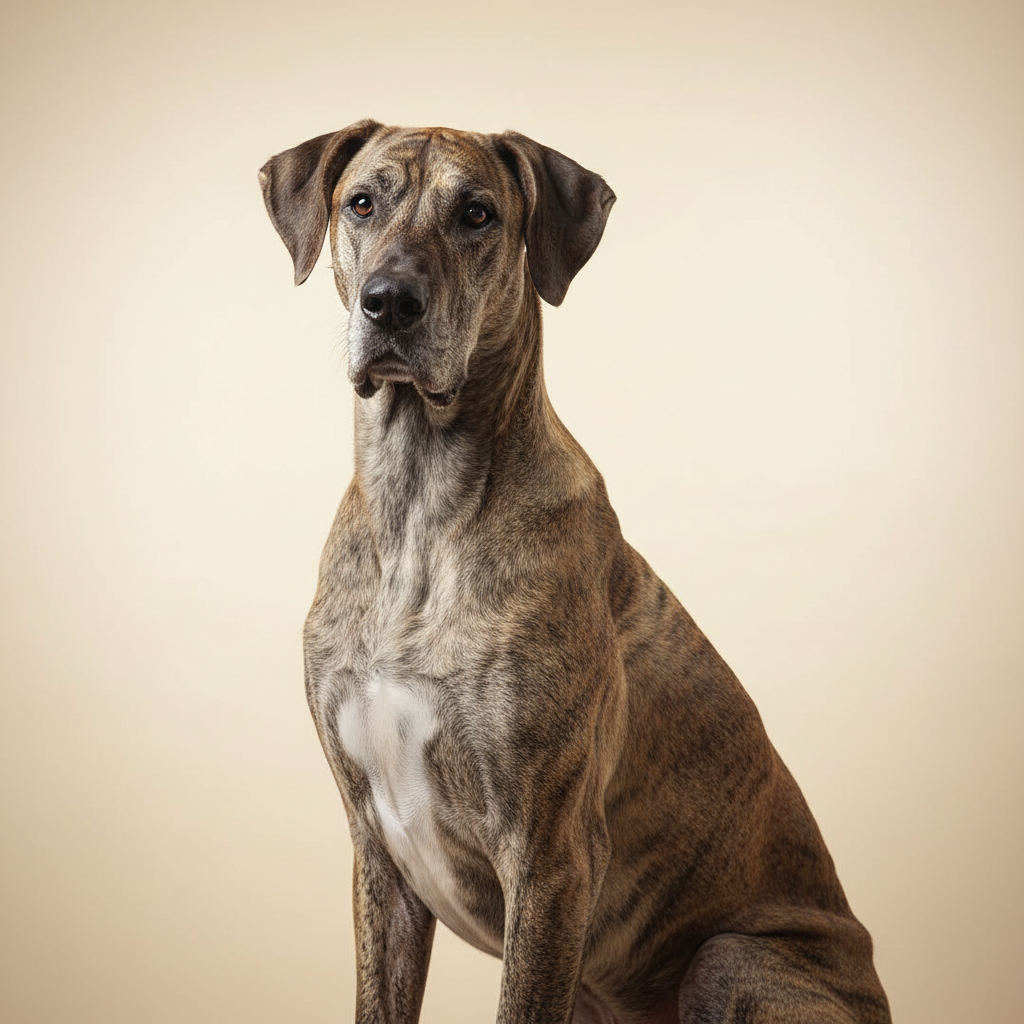
The Great Dane, known as the "Apollo of dogs," is an imposing and majestic breed, yet with a surprisingly gentle and affectionate temperament. Originating in Germany, this giant dog stands out for its unwavering loyalty to its family, its patience with children, and its calm nature at home. Although its size can be intimidating, Great Danes are sensitive dogs who crave human companionship and enjoy participating in family life. They are, without a doubt, the embodiment of the "gentle giant."
Key facts
- Size
- Giant
- Weight
- 50–90 kg
- Life expectancy
- 7–10 years
- Daily exercise
- 60 min/day
- Estimated total
- 240€/month
- Country
- Alemania
Character & temperament
The Great Dane is the embodiment of the "gentle giant." Its temperament is surprisingly sweet, protective, and affectionate, especially with its family. They are very sensitive dogs who crave human companionship and are known for their calm and patient nature. They are not aggressive dogs by nature, but their size and deep bark can be an effective deterrent to intruders. Early and consistent socialization is required to develop their balanced character and prevent timidity or fear. They are intelligent and eager to please, which facilitates their training, although they can sometimes be a bit stubborn. They get along well with other animals if raised together, and their patience with children is legendary. They are often seen wanting to be "lap dogs," despite their size, seeking their owners' laps for cuddles. Their low excitability, combined with their ability to be alert dogs, makes them excellent guardians who are not excessively barky without reason. They are dogs that need to feel part of the family and do not tolerate prolonged loneliness well, potentially developing separation anxiety. Their loving nature and willingness to be loyal and calm companions make them highly valued in suitable homes.
Living with children
The Great Dane is, by and large, an excellent companion for children, earning it the nickname "giant nanny." Their patience and gentle nature are outstanding, and they often tolerate childish antics with a surprising calm given their magnitude. They are dogs who enjoy the company of the little ones in the house, treating them with unusual care and delicacy for their size. However, due to their large size and strength, adult supervision is essential, especially with very young children. An accidental bump or tail wag, even unintentionally, could knock a child over. It's crucial to teach both dog and children to interact respectfully and safely. Children should learn not to bother the dog while it eats or sleeps and to treat it kindly. The Great Dane is instinctively protective of its human "pack," which extends to children. Their imposing presence can even act as a natural deterrent to strangers. For harmonious coexistence, early socialization of the Great Dane puppy with children is vital. Exposed to them from a young age, they will learn to manage their size and be even more considerate. They will be calm and loyal playmates, providing unconditional love and a comforting presence in the home.
With other pets
With early and proper socialization, the Great Dane can coexist peacefully with other dogs and pets, including cats. It is crucial to introduce them gradually and under supervision, especially if the Great Dane is a puppy or if the other pets are already established. Their gentle nature often extends to other animals, and they can form strong bonds. However, their prey drive can be stimulated by small, fast animals if they haven’t been properly socialized, so supervision is vital. With other dogs, their size can be an advantage, as they often understand canine social cues and tend to be tolerant. It is always advisable to ensure all animals in the household have their own safe spaces and resources.
Health & prevention
Great Danes, like many giant breeds, are prone to a number of specific health issues, contributing to their shorter life expectancy (between 6 and 8 years). Gastric dilatation-volvulus (bloat) is one of the biggest concerns and can be fatal if not treated promptly. Other common orthopedic problems include hip and elbow dysplasia, osteochondrosis, and panosteitis in growing puppies. They are also susceptible to heart diseases such as dilated cardiomyopathy, which is a common cause of death in the breed. Eye problems, such as progressive retinal atrophy, and thyroid issues (hypothyroidism) are also frequent. Some Great Danes can develop cancer, especially osteosarcoma, an aggressive type of bone cancer. It is essential to acquire puppies from responsible breeders who perform health tests on the parents (hips, elbows, heart, and eyes) and provide adequate nutrition during growth to prevent overly rapid bone development. Regular vet visits and pet insurance are crucial to manage these potential problems and ensure the best quality of life for these giants.
Health risks
- •Gastric torsion
- •Dilated cardiomyopathy
- •Hip dysplasia
Care
Nutrition
Great Dane nutrition is crucial, especially during their growth phase, to prevent skeletal problems. They require a high-quality diet, formulated for giant breeds, that controls the growth rate, as overly rapid growth increases the risk of hip and elbow dysplasia. Puppies need specific levels of calcium and phosphorus. It is recommended to divide the daily ration into several small meals (2 or 3) to reduce the risk of gastric torsion (bloat), a vital problem in the breed. Food should be rich in quality proteins and healthy fats to maintain their large muscle mass and energy. Avoiding low-quality food or excessive treats is essential to prevent overweight, which puts additional pressure on their joints. An adult's caloric needs can be very high.
Grooming & hygiene
Great Dane grooming is relatively simple due to their short, close-lying coat. Weekly brushing with a rubber glove or a soft-bristled brush is sufficient to remove loose hair and maintain the shine of their coat. During shedding seasons, the frequency can be increased. Baths should only be given when necessary, as excessive bathing can dry out their skin and coat. It is essential to pay attention to their eyes (regular cleaning), ears (checking to prevent infections), and especially their claws, which should be trimmed regularly to prevent them from growing too long and causing discomfort or problems with their gait. Some individuals will drool more than others, so having a cloth handy is a good idea. Checking their teeth and gums is also part of their hygiene routine.
Exercise & training
Exercise plan
Although the Great Dane is a large dog, its energy level is moderate. It needs daily exercise to stay healthy and prevent overweight, but it's not as strenuous as for other breeds. Two or three daily walks of at least 30-45 minutes each are recommended. Puppies, during their rapid growth phase, should have controlled exercise and avoid high-impact activities (jumping, long-distance running) to protect the development of their joints and bones. Excessive exercise at this stage can be detrimental. They enjoy quiet garden games and the company of their family. It is important to remember that, due to their size, their movement space within the home should be conscious, to avoid bumps or falls. Regular exercise also helps maintain their mental health and allows them to release energy positively.
Training
Great Dane training should start early, given their size and strength, and always be based on positive reinforcement. They are intelligent and sensitive dogs who respond well to kindness and consistency. Firm but never harsh training is essential to build a solid foundation. Puppy socialization from the first weeks is fundamental, exposing them to different people, animals, sounds, and environments to become a balanced and confident adult. Obedience training is crucial for managing a dog of this size; commands such as sit, stay, come, and leash walking are essential for their safety and that of others. Often, their desire to please makes them easy to train, although they can have a stubborn side. Patience and motivation with treats and praise are key. The importance of good training for a giant dog should never be underestimated.
Monthly cost
Costs are significantly higher than average due to weight-dependent dosages for medicine and high calorie intake.
Estimate for Spain, healthy adult dog. Varies by region and provider.
Pros & cons
Pros
- ✓Extremely loyal and affectionate with its family.
- ✓Gentle and patient with children (with supervision).
- ✓Calm and relaxed temperament indoors.
- ✓Excellent guard dog due to its size and deterrent bark.
- ✓Easy to train due to its intelligence and eagerness to please.
Cons
- !Short lifespan, like most giant breeds.
- !Prone to serious health problems like bloat.
- !Very high maintenance costs for food and vet care.
- !Requires a lot of space and can be clumsy indoors.
- !Can suffer from separation anxiety if left alone for too long.
Ideal for
- • Active families with space or a garden.
- • Owners seeking a loyal and affectionate companion.
- • People willing to invest in their specific health and nutrition.
- • Those who value a calm temperament in a large dog.
Not recommended for
- • People living in small apartments without access to large spaces.
- • First-time owners without experience with large breeds.
- • Families with a very tight budget for their upkeep.
- • Those unable to dedicate time to their socialization and training.
How it fits each scenario
A Great Dane can live in a large apartment with sufficient walks, but their size must be considered to avoid bumping into furniture and people.
Ideal. A secure, fenced garden is perfect for their play and stretching, but they always need companionship and shouldn't be left alone.
Their short coat can adapt, but they are sensitive to extreme heat; they need constant access to shade and water, and walks during cool hours.
While they tolerate cold better than heat, their short coat doesn't fully insulate them; they need warm shelter and shouldn't spend prolonged time outdoors.
Their gentleness is an advantage, but constant supervision is needed to prevent accidental knock-overs, and teach children to respect their space.
They are loyal and patient companions; they can watch over children, but always with proper training and by teaching children correct interaction.
Not the best choice for first-timers due to their size, early training needs, and potentially high vet costs. They require commitment.
An experienced owner will value their temperament and know how to manage their training, socialization, and specific breed health considerations.
They adapt well to active families who can provide daily walks. They are not dogs for extreme sports, but they enjoy company in moderate activities.
Not suitable. They are very attached dogs and suffer if left alone for prolonged periods, potentially developing separation anxiety.
Great Danes are not hypoallergenic. Although they have short hair, they shed hair and dander, which can trigger allergic reactions.
Absolutely not. Their food, veterinary (for common giant breed diseases), and insurance costs are significantly high.
Origin & history
Despite the 'Dane' in its name, the breed originated in Germany. It descends from mastiff-type dogs used for hunting boars and guarding estates. In 1876, it was declared the national dog of Germany. Its ancestors trace back to Assyrian and Roman war dogs, merged with sighthound breeds to add agility and speed. It was in the 19th century that the breed standards, as we know them today, were established, aiming to create a powerful yet elegant dog.
The Great Dane often holds the world record for the tallest dog. The Great Dane is truly a giant that has captivated humanity with its size.
Frequently asked questions
Is the Great Dane a suitable dog for apartment living?▾
Although their size is imposing, Great Danes are surprisingly adaptable to apartment living, provided they are given sufficient and regular daily walks. They are calm indoors and are not typically hyperactive. However, their large size means they will need space to move without clumsiness and a large sofa to cuddle on. A small apartment would not be ideal, but a spacious one can be perfectly suitable if the family commits to taking them out frequently and offering mental stimulation. The key is to meet their exercise and companionship needs outside the home.
What health problems are most common in Great Danes?▾
Great Danes are, unfortunately, prone to several serious health conditions. The most concerning is gastric dilatation-volvulus, or bloat, which is a life-threatening veterinary emergency. Hip and elbow dysplasia, osteochondrosis, and, like many large breeds, dilated cardiomyopathy, a severe heart disease, are also common. Cancer, especially osteosarcoma, also occurs more frequently. It is vital to choose a responsible breeder who performs health tests on the parents and to ensure a proper diet, especially during growth, to mitigate some of these risks. Pet insurance is highly recommended.
How much exercise does a Great Dane need?▾
Despite their size, Great Danes have a moderate energy level. They need at least two daily walks of 30 to 45 minutes to stay fit and mentally stimulated. They are not dogs for marathon runners, and it's important to avoid excessive or high-impact exercise during their puppy stage to protect their joint development. They enjoy playing calmly in a fenced yard but need the company of their family. The goal is a balance between activity and rest, as their size makes them more prone to fatigue and overheating. Regular exercise also helps manage their weight and prevent illnesses.
How does the Great Dane get along with children in the house?▾
The Great Dane is famous for its gentleness and patience with children, often nicknamed the "giant nanny." They tend to be protective and very tolerant of children's antics. However, due to their considerable size, adult supervision is always recommended, especially with very young children, to avoid accidental bumps or falls. It's crucial to teach both dog and children to interact respectfully and safely. Early socialization of the puppy with children is fundamental for harmonious coexistence and for the dog to learn how to move around them.
Does a Great Dane need a lot of training?▾
Yes, training is crucial for a Great Dane due to their size and strength. It should start from puppyhood and be consistent, based on positive reinforcement. They are intelligent and eager to please, which makes them receptive to obedience training. Early socialization is equally important to ensure they become well-balanced and confident adults. A well-trained Great Dane is a joy to own, while an untrained one can be difficult to manage. Patience and gentle firmness are the keys to success.
How much does it cost to keep a Great Dane monthly?▾
The monthly costs of keeping a Great Dane are significantly higher than average due to their size. The biggest expense is usually food, as they require large amounts of high-quality kibble. Veterinary expenses can also be high, especially if they develop any of the common genetic conditions in the breed. Pet insurance is highly recommended. Other costs include treats, durable toys, a large bed, and occasionally, grooming products or training sessions. In total, the cost can amount to 200-300 euros or more per month, not counting initial expenses or emergencies.
Is a Great Dane hypoallergenic?▾
No, the Great Dane is not considered a hypoallergenic breed. Although they have a short coat, they shed hair regularly and also produce dander, which is the main trigger for allergies in many people. Those with mild to moderate allergies might experience symptoms when living with a Great Dane. If allergies are a significant factor, it is crucial to spend time with dogs of the breed before making an adoption decision to see how the affected person reacts. For people with severe allergies, a Great Dane would likely not be the best choice.
Can Great Danes travel well in a car?▾
Traveling with a Great Dane in a car requires planning due to their size. You will need a large vehicle, such as an SUV or a van, to accommodate them comfortably and safely. It is essential to use a safety harness or a large, approved crate for their weight and size. It's important to get them used to the car from puppyhood with short, positive trips so they associate the journey with pleasant experiences. They can be good travel companions if accustomed, but adequate space and frequent stops to stretch their legs are essential.