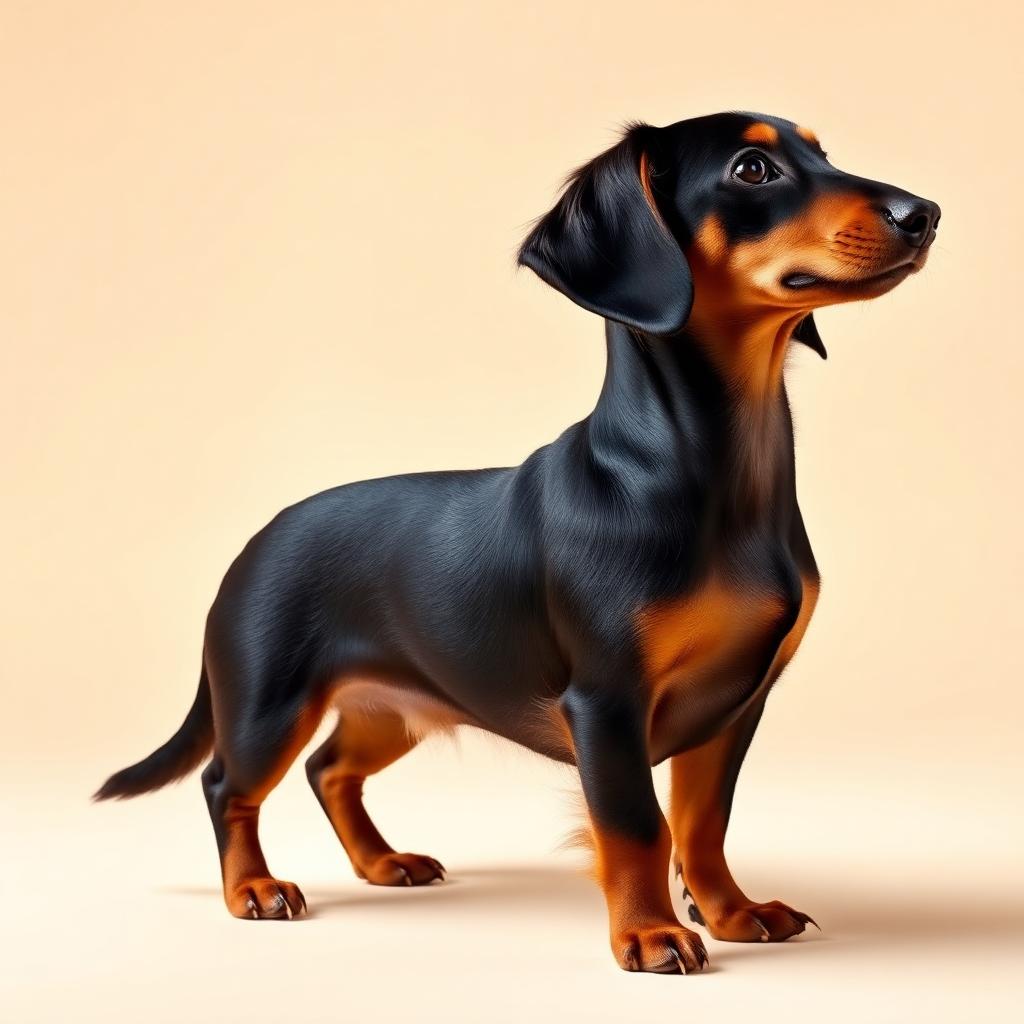
Miniature Dachshund
"Small in size, giant in personality and heart."
Overview
The Miniature Dachshund, affectionately known as the "sausage dog," is a fascinating breed that combines a compact size with a giant personality. Originally from Germany, this dog was specifically developed for hunting in burrows, hence its distinctive long body and short legs. This Dachshund in its mini variant is a loyal and affectionate companion, ideal for families looking for a dog with a strong character that adapts well to small spaces like apartments, as long as it is provided with adequate exercise and mental stimulation. Its intelligence and curiosity make it an entertaining companion, but its independence and occasional stubbornness require consistent and positive training from a puppy.
The health of the Miniature Dachshund is a fundamental aspect to consider due to its predisposition to Intervertebral Disc Disease (IVDD). It is crucial to protect its spine by avoiding jumps and handling it with care. Maintaining a healthy weight through a balanced diet and moderate exercise is vital to prevent this and other conditions. Although they are small dogs, they possess a remarkable guarding instinct, alerting with barks to any new development in the home. They are good with older, respectful children, but not always the best option for homes with babies or very young children due to their fragility. They require early socialization with people and other pets to ensure their brave character does not lead to territoriality or aggression.
In summary, the Miniature Dachshund is a breed with unmatched charm and an adventurous spirit. While it presents specific challenges in terms of health and training, its affection, loyalty, and uniqueness make it a wonderful pet for experienced owners and committed families who are willing to provide it with the special care it requires. Choosing a Miniature Dachshund means committing to protecting its fragile back and investing time in its education, but the reward is an unconditional friend full of life and humor. Carefully consider the needs of nutrition, grooming (which varies by coat type), and potential veterinary costs before welcoming one of these little giants into your home.
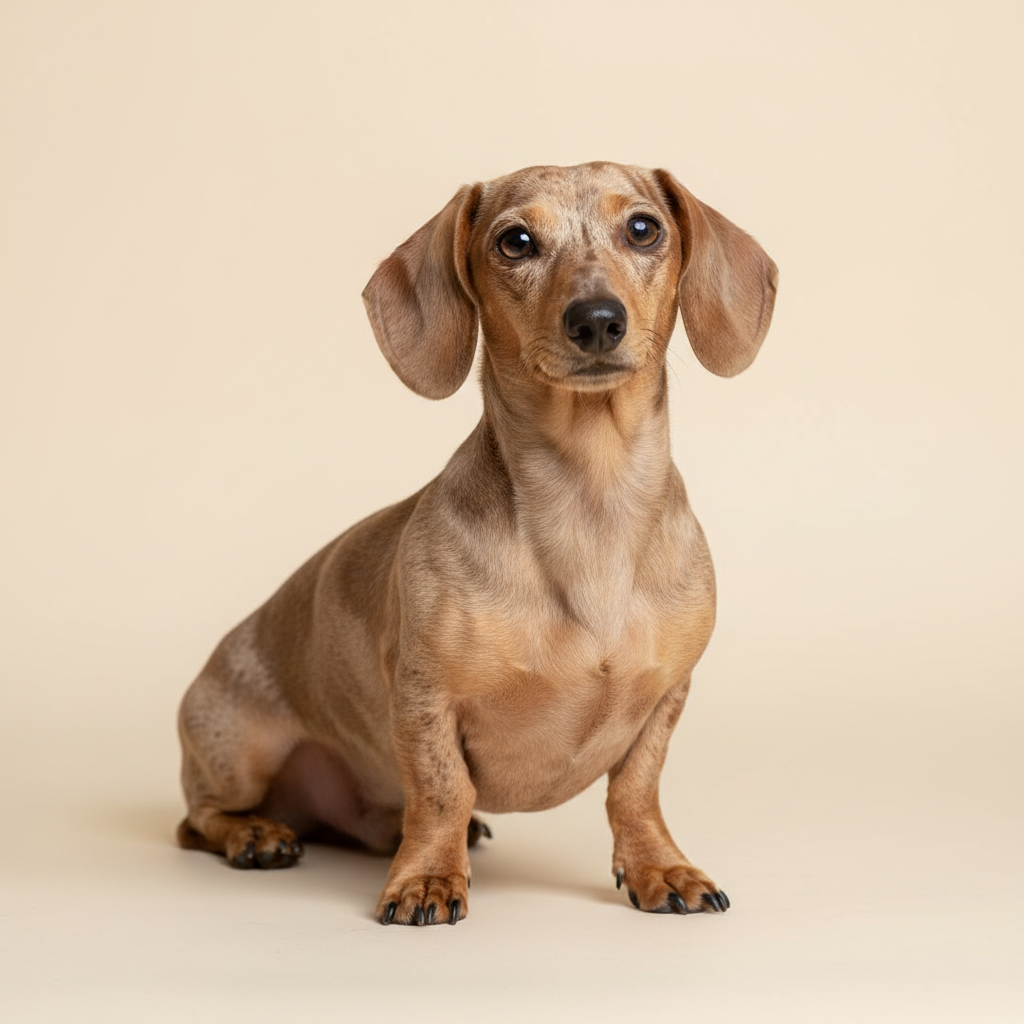
Key facts
- Size
- Small
- Weight
- 4–5 kg
- Life expectancy
- 12–16 years
- Daily exercise
- 30 min/day
- Estimated total
- 140€/month
- Country
- Alemania / Germany
Character & temperament
The Miniature Dachshund is a dog bursting with personality, often described as curious, brave, and with a great sense of humor. They are known for their strong will and independence, meaning that training must be consistent and patient. Don't be fooled by their size; they possess the brain of a large dog and an innate hunting spirit. They are very intelligent, making them quick learners if properly motivated, although sometimes their stubbornness can lead them to ignore commands if they don't see an immediate benefit. They are loyal and extremely affectionate with their family, often seeking a lap to cuddle in. Their watchful nature makes them excellent guard dogs, alerting with barks to any strange sound or person, which can sometimes be excessive if not managed well. They enjoy playing and are quite active despite their short legs, always ready for an adventure or to explore a new nook. Early socialization is crucial to reduce their tendency to be reserved with strangers and to make them more tolerant of other animals. Without proper interaction, they can become territorial or develop "small dog syndrome." Their charm lies precisely in this mix of sweetness, cunning, and a touch of mischief that makes them unforgettable.
Living with children
Living with a Miniature Dachshund and children can be very rewarding, but it requires supervision and education for both the dog and the youngsters. Due to their size and particular physical structure, they are relatively fragile dogs that need careful handling to avoid injuries, especially to their backs. Miniature Dachshunds can be wonderful playmates for older, respectful children who understand how to interact gently with a small dog. It's crucial to teach children not to lift the dog improperly (always supported under the chest and hindquarters) and not to pull their ears or tail. Due to their brave and sometimes terrier-like temperament, if they feel cornered or mistreated, they may bite. Therefore, early socialization of the puppy with children is vital. Exposing them from a young age to positive experiences with children of all ages will help them develop tolerance and a friendly attitude. However, they are not always the ideal choice for homes with very young children or babies who do not yet know how to interact safely with pets. A well-socialized Dachshund and a well-instructed child can form a strong and loving bond, sharing playtime and quiet moments together. It is important to establish clear boundaries and provide the dog with a safe space where they can retreat if they feel overwhelmed.
With other pets
The interaction of the **Miniature Dachshund** with other pets largely depends on their early socialization. Due to their strong prey drive, they may view small animals like rodents or birds as prey. However, with cats, if they have grown up together, they usually live in harmony. With other dogs, especially if they are of similar size or have been socialized since puppies, they generally get along well, although their dominant personality may lead them to try to assert themselves. It is important to supervise initial interactions.
Health & prevention
The health of the Miniature Dachshund is intrinsically linked to its characteristic long spine, making them particularly prone to Intervertebral Disc Disease (IVDD). This degenerative condition can cause pain, paralysis, and even require costly surgery. To prevent it, it is crucial to prevent them from jumping from high places, use ramps to get on and off furniture, control their weight to avoid overburdening their back, and use a harness instead of a collar for walks. In addition to IVDD, Miniature Dachshunds can be susceptible to eye problems such as glaucoma or Progressive Retinal Atrophy (PRA), patellar luxation, epilepsy, and dental problems due to their elongated snout which can make natural tooth cleaning difficult. Droopy ears also make them more prone to ear infections, requiring regular cleaning. Regular veterinary check-ups and a balanced diet are essential to detect and manage these conditions early. Despite these predispositions, a well-cared for Miniature Dachshund with a healthy lifestyle can live a long and full life, often exceeding 12-15 years.
Health risks
- •IVDD (spinal problems)
- •Patellar luxation
- •Dental problems
Care
Nutrition
The nutrition of the **Miniature Dachshund** is a fundamental pillar for their health, especially due to the need to maintain an optimal weight and protect their spine. Excess weight can seriously worsen back problems. They should be fed a high-quality kibble formulated for small breeds, with an adequate balance of proteins, fats, and carbohydrates. The amount should be adjusted to their activity level, age, and metabolism, always following the manufacturer's recommendations and, if possible, a veterinarian's advice. Dividing the daily ration into two meals helps with better digestion and hunger control. Avoiding human food scraps and excessive treats is crucial to prevent obesity. Some Dachshunds may have digestive sensitivities, so a consistent diet without sudden changes is beneficial. Constant access to fresh, clean water is essential.
Grooming & hygiene
Grooming for the **Miniature Dachshund** varies according to their coat type: smooth, wirehaired, or longhaired. Smooth-coated ones are the easiest to maintain, requiring weekly brushing to remove dead hair and maintain shine. Wirehaired ones need more frequent brushing, several times a week, plus occasional stripping (manual removal of dead hair) every few months to maintain coat texture. Longhaired ones require the most care, with daily brushing to prevent tangles and mats, especially in the feathering on their legs, ears, and tail. For all types, bathing should only be done when necessary, using a dog-specific shampoo. It is essential to check and clean their ears regularly to prevent infections, trim their nails every 3-4 weeks, and pay attention to dental hygiene, brushing their teeth several times a week to prevent tartar buildup and periodontal disease.
Exercise & training
Exercise plan
Despite their short legs, the **Miniature Dachshund** is an active dog that requires regular exercise to stay healthy and happy. They need at least two daily walks of 20-30 minutes, where they can explore and exercise. Due to their long body, it is crucial to avoid activities involving excessive jumping or sudden movements that could damage their spine. They are not suited for long-distance running but enjoy brisk walks. In addition to walks, interactive games at home or in a secure garden are excellent for stimulating their mind and body. They love to sniff and explore, making them good companions for "treasure hunts" with toys or treats. A bored Dachshund can develop destructive behaviors or excessive barking, so providing them with enough physical and mental activity is key to their well-being.
Training
Training the **Miniature Dachshund** can be challenging due to their remarkable intelligence combined with strong independence and sometimes a stubborn streak. However, they are very capable of learning if the right approach is used. Training should start at a young age and be consistent, using positive reinforcement methods such as treats and praise, as they respond poorly to harsh correction. They are sensitive and can hold grudges. Patience is key. Focus on basic commands like "sit," "stay," and especially a good "come" and "leave it," which are vital for their safety given their tracking instinct. Early socialization is fundamental for them to adapt to different people, animals, and environments. House-training can take longer than expected, so be persistent. Dachshunds are good at dog sports like agility (with modifications to protect their back) and tracking, which can be an excellent outlet for their mental and physical energy.
Monthly cost
Medical insurance is highly recommended and essential due to the high odds and extreme costs of spinal surgeries (IVDD). Grooming costs vary if they have a wirehaired or longhaired coat.
Estimate for Spain, healthy adult dog. Varies by region and provider.
Pros & cons
Pros
- ✓Loyal and very affectionate companions with their family.
- ✓Intelligent and with a charming, funny personality.
- ✓Adapt well to apartment living if they get enough exercise.
- ✓Excellent watchdogs, alerting to any stranger.
- ✓Variety of coats and sizes to suit preferences.
Cons
- !Prone to serious back problems (IVDD), with high veterinary costs.
- !Can be stubborn and challenging to train for beginners.
- !Tendency to bark excessively if their watchful nature is not managed.
- !Strong hunting instinct; may chase small pets or run away.
- !Require careful handling due to their delicate spinal structure.
Ideal for
- • Families looking for a small dog with a big personality.
- • Experienced owners who appreciate positive reinforcement training.
- • People who can dedicate time to their socialization and daily exercise.
- • Homes where an alert and affectionate dog is valued.
Not recommended for
- • Families with very young children who cannot interact carefully.
- • Individuals looking for a low-maintenance dog regarding training.
- • Homes with stairs or high surfaces without ramps to prevent injuries.
- • Owners who prefer a quiet dog that barks infrequently.
How it fits each scenario
The Miniature Dachshund adapts well to apartment living, provided they receive their daily walks and mental stimulation. They are compact and don't need large spaces. Providing ramps for beds/sofas is vital.
In a house with a garden, a Miniature Dachshund will enjoy exploring and sniffing, but the garden must be very well fenced, as they have a strong digging and escape instinct. Supervision is always necessary.
In hot climates, the Miniature Dachshund must be protected from overheating. Avoiding walks during the hottest parts of the day and ensuring constant access to fresh water is crucial, especially for smooth-coated ones.
In cold climates, smooth-coated Miniature Dachshunds may need extra coats during walks, given their low-to-the-ground body and lack of a thick insulating layer. Wirehaired/longhaired ones are more resilient.
Not ideal for homes with toddlers without constant supervision. Their back is very vulnerable, and rough handling can cause serious injury. Requires education for both the child and the dog.
Can be an excellent companion for school-aged children who understand how to interact with a small, fragile dog. Encourages mutual respect and children's participation in their care and training.
A Miniature Dachshund can be challenging for first-time owners due to their stubborn tendencies and specific health needs. They require commitment to training and IVDD prevention.
Experienced owners will appreciate the intelligence and character of the Miniature Dachshund, being able to handle their independence and dedicate the necessary time to training and health problem prevention.
For an active family, the Miniature Dachshund can participate in moderate walks and games, but they are not companions for big adventures. They enjoy companionship and exploring together in safe environments.
A very busy family may struggle with a Miniature Dachshund, as they require attention, consistent training, and regular exercise to prevent behavioral and health issues.
The Miniature Dachshund is not hypoallergenic. All varieties shed hair to varying degrees, with smooth-coated ones shedding the most. They are not a good option for people with severe dog allergies.
Due to the high risk of health problems, especially IVDD, and associated potential veterinary costs, a Miniature Dachshund is not ideal for a very tight budget. Insurance is almost mandatory.
Origin & history
Their development began in Germany to create a dog capable of fitting into the narrow burrows of rabbits and small badgers. Unlike the standard size, the miniature was selectively bred to hunt smaller prey without losing its original hunting instinct.
The Miniature Dachshund owes its name and shape to its original purpose: hunting badgers ('Dachs' is badger in German). Their elongated body and short legs allowed them to enter burrows with ease.
Frequently asked questions
Can Miniature Dachshunds live in small apartments?▾
Yes, Miniature Dachshunds are highly adaptable to apartment living due to their compact size. However, it's crucial that they receive their daily walks for exercise and mental stimulation. Make sure to provide them with ramps to get on and off furniture to protect their back. With enough activity and companionship, an apartment can be a perfectly happy home for them, provided they are not left alone for excessively long periods, as they can suffer from separation anxiety and bark.
Are Miniature Dachshunds good with children?▾
They can be, but with caution. They are small dogs with delicate backs, so children need to be taught to interact with them gently and respectfully. They are not the best option for very young children who do not yet understand how to handle a pet. Early socialization of the Dachshund with children is essential, and supervision is always recommended to ensure safe and positive interaction for both parties.
How much exercise does a Miniature Dachshund need?▾
A Miniature Dachshund needs at least two daily walks of 20-30 minutes each. Although they have short legs, they are active and enjoy exploring. It's important that walks are not overly strenuous or involve jumping. They also enjoy interactive games at home. Regular exercise is vital to maintain a healthy weight, which is crucial for preventing spinal problems, their biggest genetic weakness.
What are the monthly costs for a Miniature Dachshund?▾
The estimated monthly cost for a Miniature Dachshund is around 140 euros. This includes quality food (30€), preventive vet visits (35€), grooming (15€, variable by coat type), health insurance (40€, highly recommended due to IVDD), and other expenses (20€, such as toys or treats). It's important to remember that unexpected health expenses, especially related to their spine, can arise and be very high.
Is it difficult to train a Miniature Dachshund?▾
It can be. Miniature Dachshunds are very intelligent but also very independent and often stubborn. They require consistent, patient, and positive reinforcement training from an early age. They do not respond well to coercive methods. Obedience training is key to channeling their energy and intelligence, and early socialization is fundamental to shaping balanced and friendly behavior.
Do Miniature Dachshunds tend to bark a lot?▾
Yes, Miniature Dachshunds have a natural tendency to bark a lot. They are alert and make excellent watchdogs, which means they will bark at any sound, strange person, or even to get attention. Early training to control barking and proper socialization can help mitigate this behavior, but it's something prospective owners should be aware of.
Can Miniature Dachshunds cause allergies?▾
Yes, Miniature Dachshunds are not hypoallergenic dogs. All three coat varieties (smooth, wirehaired, and longhaired) shed hair and dander, which are the main allergy triggers. If you suffer from dog allergies, this breed is likely not the most suitable for you. It's advisable to spend time with a Dachshund before adopting one if there are concerns about allergies.
Are Miniature Dachshunds good travel companions?▾
Generally, yes. Their compact size makes them easy to transport in appropriate carriers for plane or car. Their affectionate nature means they usually enjoy family companionship anywhere. However, their curiosity and stubbornness may require patience during travels. It is crucial to secure them properly in the car for their safety and the protection of their spine.
Similar family-friendly breeds
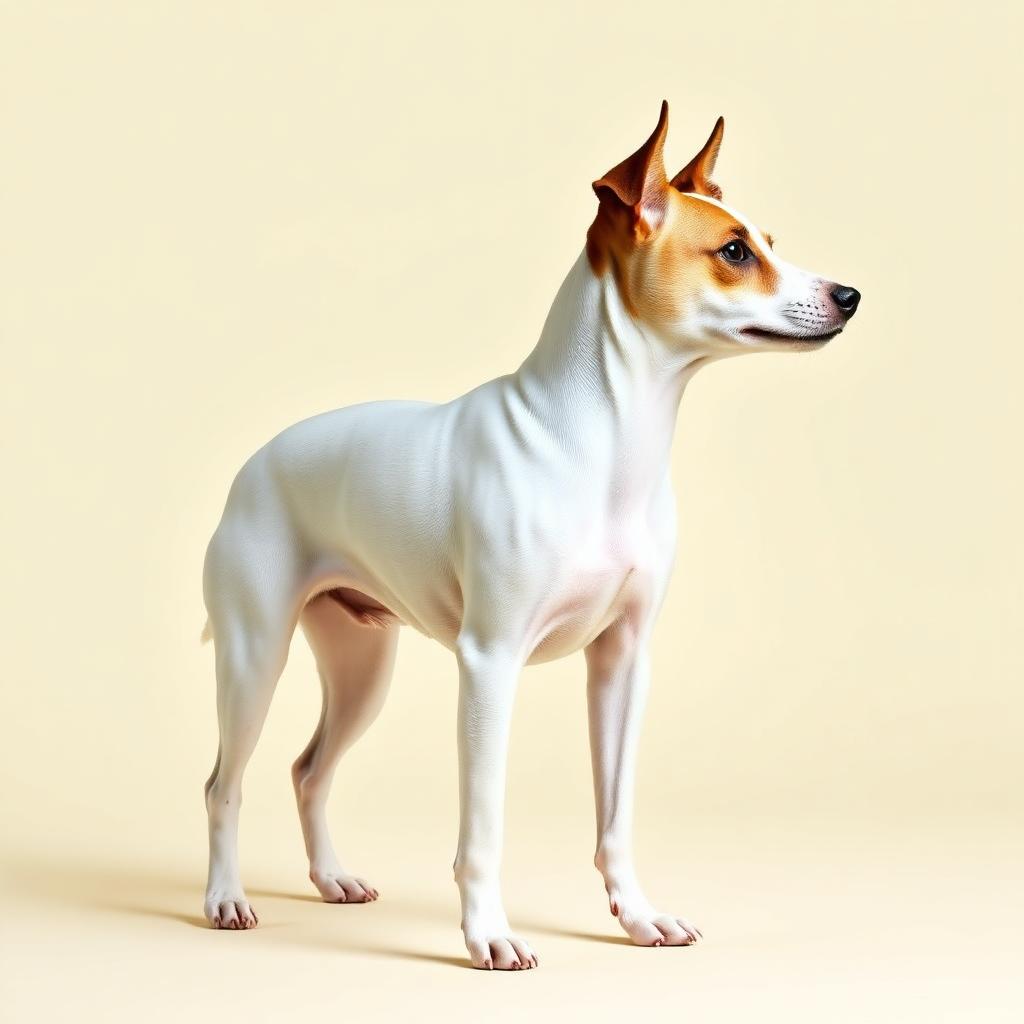
Jack Russell Terrier
5.9Milo from The Mask and Eddie from Frasier. Tiny rocket: needs serious exercise.
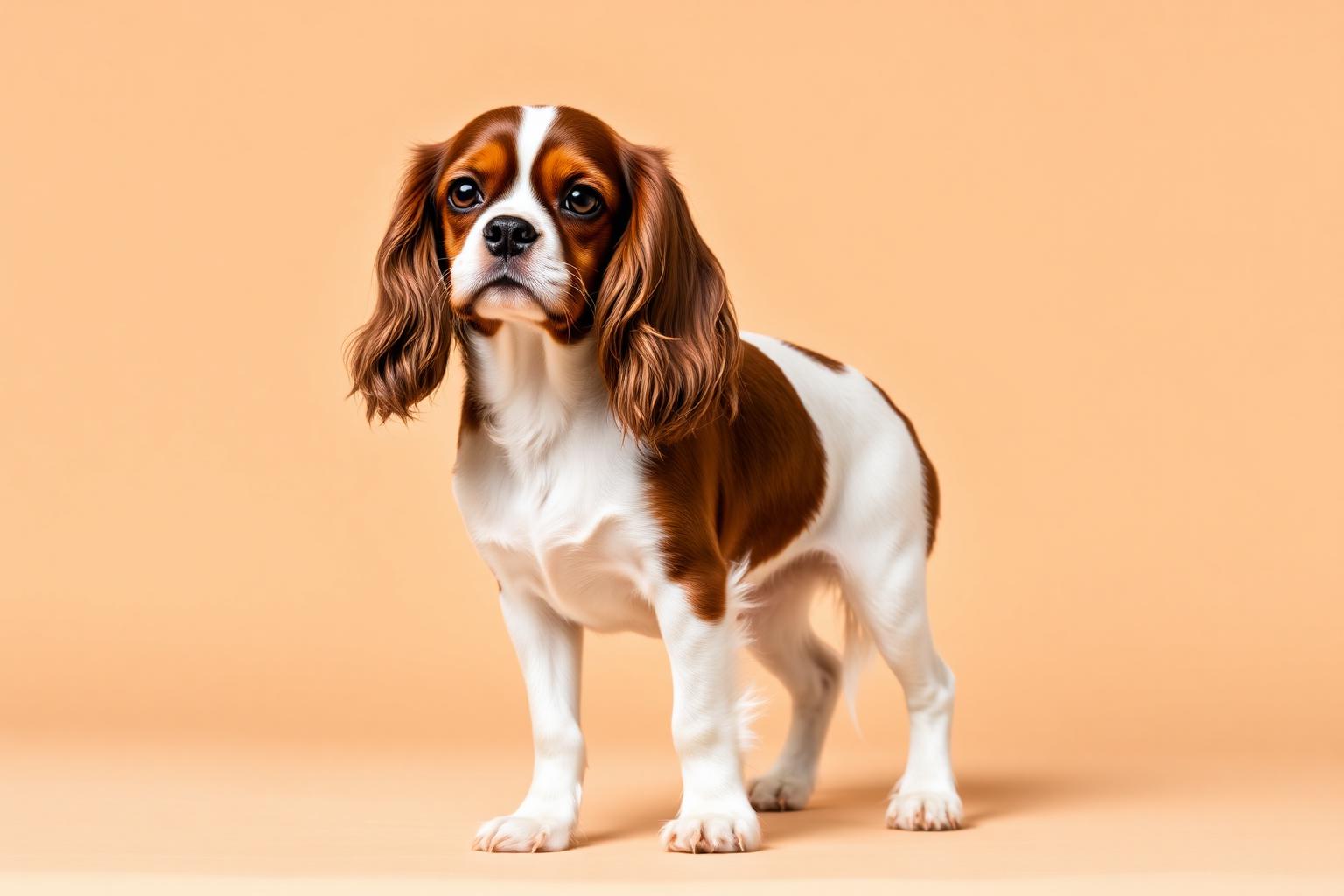
Cavalier King Charles Spaniel
9.3Affectionate, sociable and perfect for small apartments. Adapts to the household's rhythm and loves company.
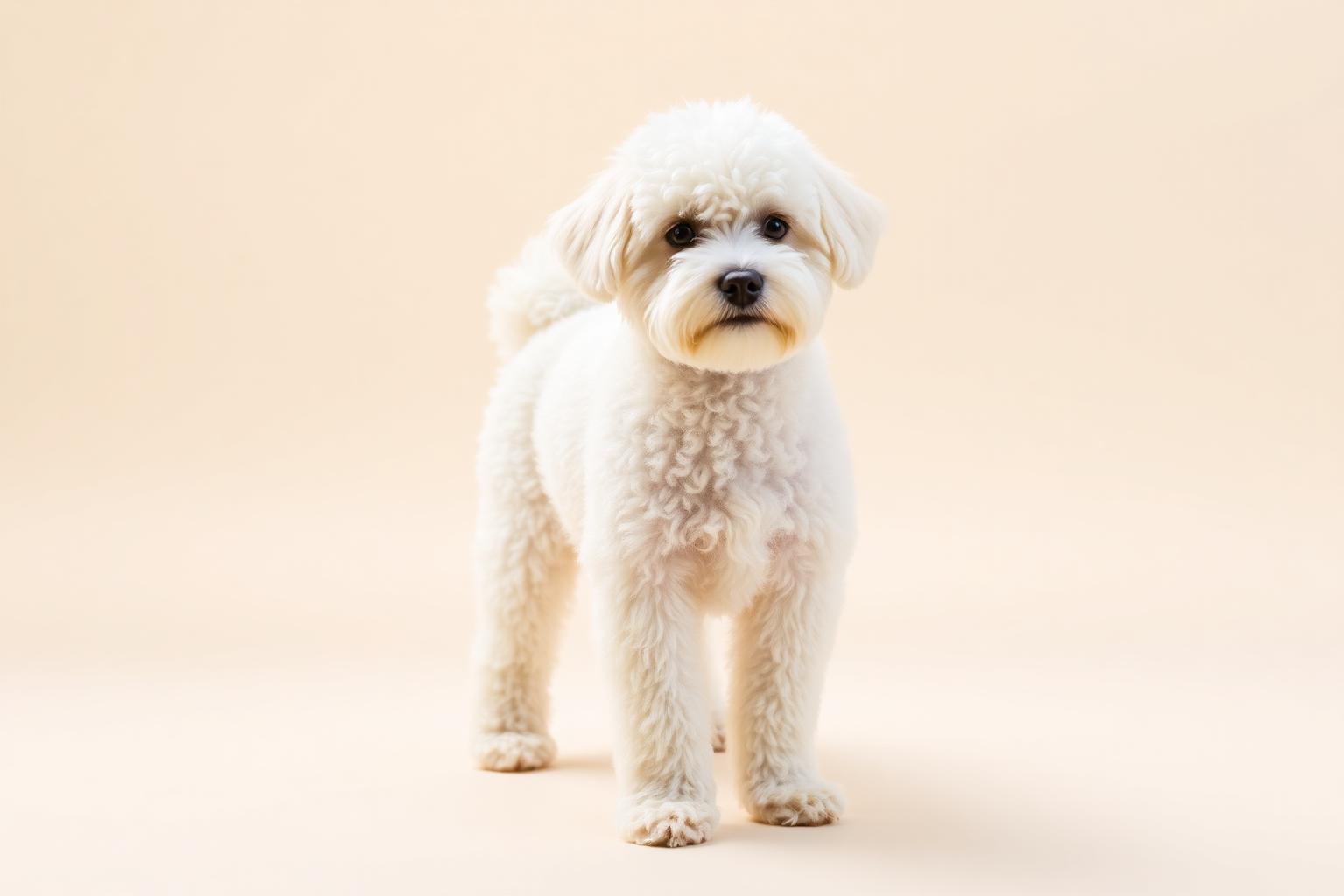 Hypoallergenic
Bichon Frise
8.8Small, cheerful and practically non-shedding. Requires frequent grooming. Ideal for apartments and allergy sufferers.