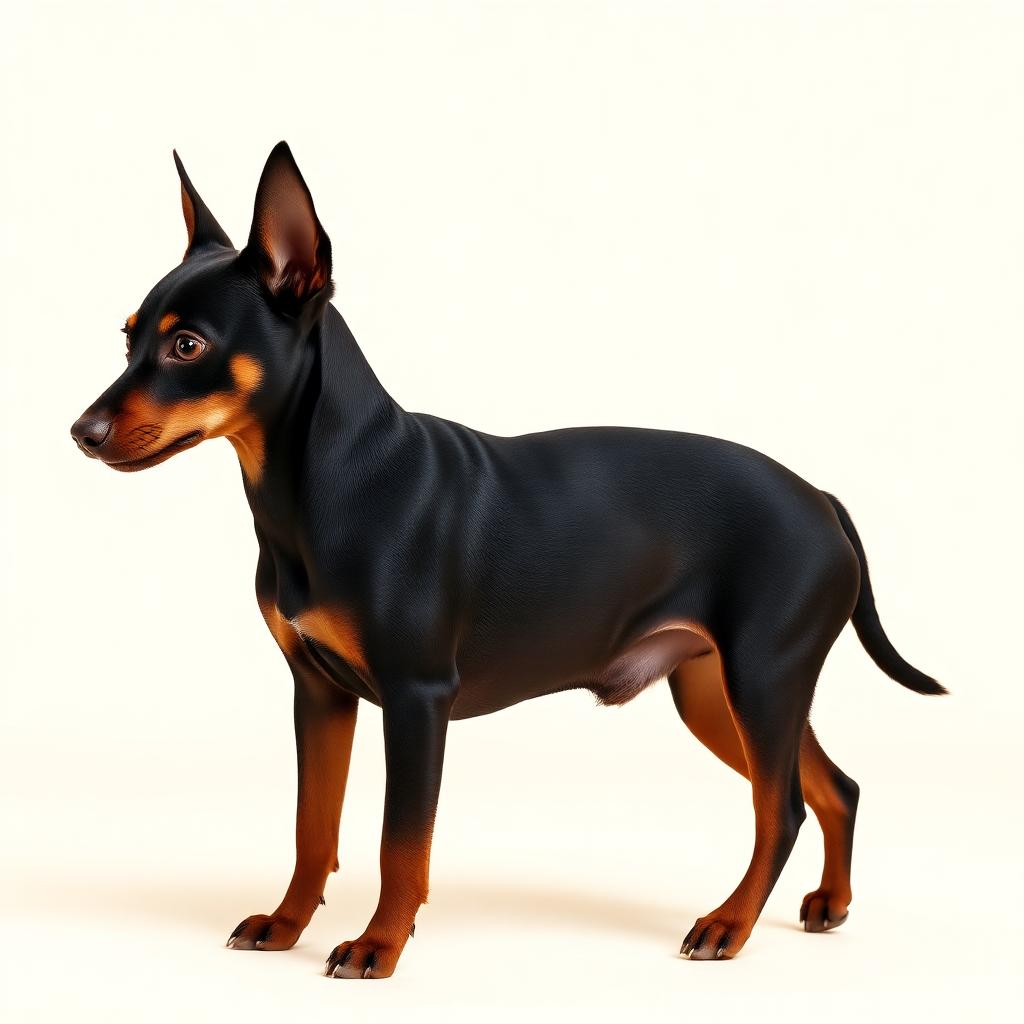
Miniature Pinscher
"Small in size, giant in personality and energy."
Overview
The Miniature Pinscher, also affectionately known as the 'Min Pin', is a canine breed that, despite its small size, exhibits a grand personality and inexhaustible energy. Originating from Germany, this intrepid dog has traditionally been valued for its ability to hunt rodents, a characteristic reflected in its current vivacity and agility. They are intelligent and loyal dogs, forming strong bonds with their families, becoming exceptional guardians who alert to any novelty with their characteristic bark.
Regarding their temperament, the Miniature Pinscher is a confident, bold, and often stubborn companion. This combination requires early socialization and consistent, positive training to correctly shape their strong will. They are not dogs for first-time owners who are not willing to invest time and effort in their education. Their adaptability to apartment living is high, provided they are given the necessary daily exercise, which includes at least two vigorous walks and play sessions. Their general health is good, with a lifespan of 12 to 15 years, although they can be prone to conditions such as patellar luxation and eye problems, making the choice of a responsible breeder and regular veterinary check-ups essential. Their short coat makes them easy to care for in terms of grooming, but sensitive to cold, requiring warm clothing in winter.
Living with children requires caution; they are more suitable for families with older, respectful children who know how to interact with small dogs. Their prey drive can be a challenge with other small pets. In summary, the Miniature Pinscher is a vibrant and rewarding dog for those who appreciate its unique spirit and are prepared to offer the necessary commitment in training, exercise, and affection. Their monthly cost of maintenance is moderate, making them a viable option for various families looking for an active companion with a great personality.
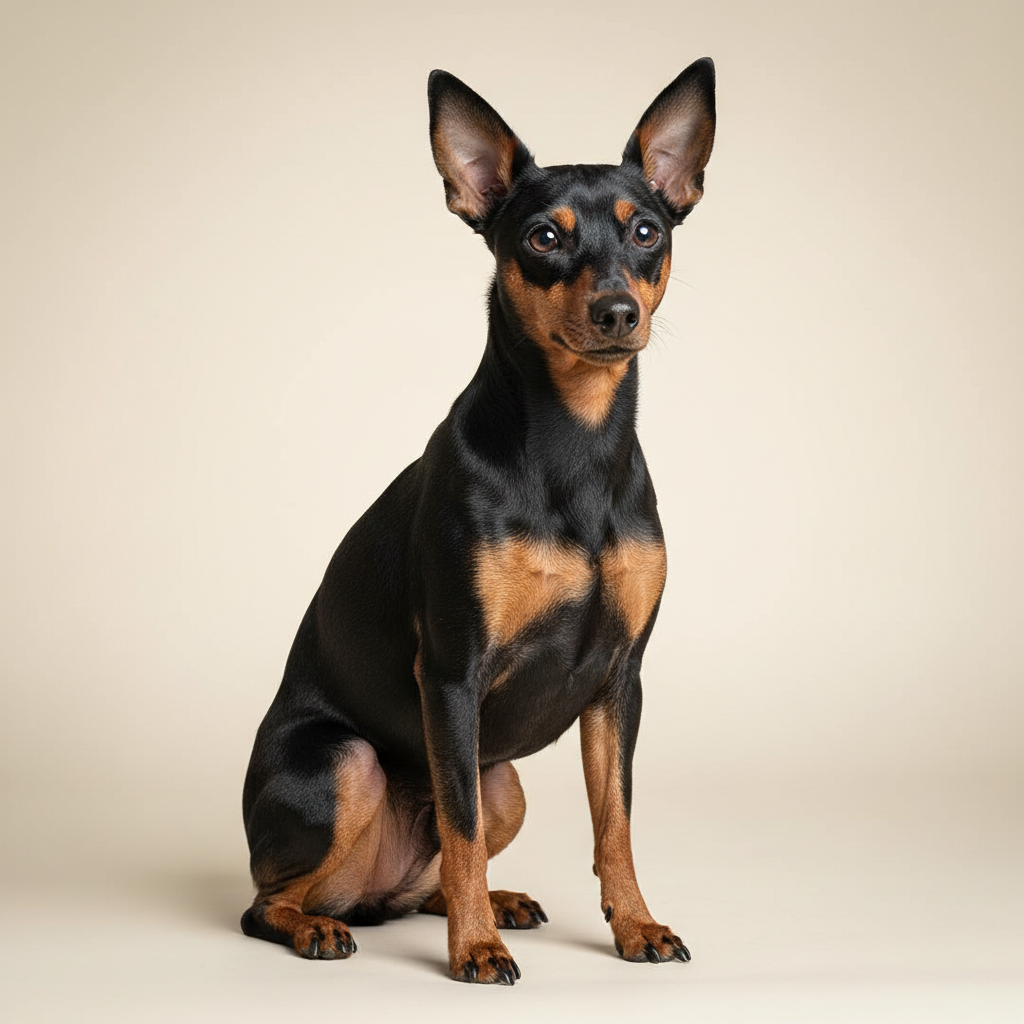
Key facts
- Size
- Small
- Weight
- 4–6 kg
- Life expectancy
- 12–16 years
- Daily exercise
- 60 min/day
- Estimated total
- 80€/month
- Country
- Alemania
Character & temperament
The Miniature Pinscher is a dog with an overflowing personality that defies its small size. They are known for their lively spirit, bravery, and confidence, often believing themselves to be much larger than they actually are. This boldness makes them excellent watchdogs, alerting their owners with sharp barks to any intruder or novelty, though they can sometimes be a bit noisy. They are incredibly loyal and devoted to their families, forming very close bonds with their humans. However, this devotion can translate into a tendency towards possessiveness or jealousy if they are not properly socialized as puppies. They are intelligent and curious dogs who enjoy interaction and games but can also show a stubborn streak that requires patience and consistency in training. They love to be the center of attention and participate in all family activities. Despite their energy, they also appreciate calm moments and cuddles on their owners' laps. It is crucial to understand that the Min Pin is not a passive lapdog; they need mental and physical stimulation to avoid boredom, which can lead to destructive behaviors. Their energetic character and need for firm but loving leadership make the Miniature Pinscher a fascinating companion for those who understand and appreciate their unique temperament.
Living with children
The cohabitation of Miniature Pinschers with children can be very successful if managed appropriately, but it requires supervision and education. They are energetic and playful dogs who can enjoy the company of respectful children. However, due to their small size and sometimes dominant nature, they are not the best choice for homes with very young children or toddlers who don't yet know how to interact properly with a dog. A Miniature Pinscher will not tolerate tail or ear pulling and might react by nipping if feeling threatened or cornered. With older, well-behaved children who understand how to treat a small dog gently and with respect, the Min Pin can be a loyal and fun companion. It is crucial to teach children not to treat the dog as a toy and to allow it to have its own resting space. Early socialization of the puppy with children, along with consistent training, is vital for them to learn to interact positively. To ensure harmonious coexistence, adult supervision is always necessary, especially during playtime, to prevent incidents and ensure both the dog and the children feel safe and comfortable. A well-socialized and educated Miniature Pinscher can be a valuable and affectionate member of a family with children, bringing joy and vitality to the home.
With other pets
The coexistence of Miniature Pinschers with other pets can be challenging due to their strong prey drive and dominant nature. With dogs of similar or larger size, early socialization is key. If raised together from puppies, they can learn to coexist, but their strong personality can lead to friction, especially with other dogs of the same sex. As for cats or other small pets (rodents, birds), their hunting instinct can be very pronounced, and extreme caution is recommended or to avoid them altogether, unless the dog has been intensively socialized from a very young age and under constant supervision. An unsocialized Min Pin may view a cat as prey, which can be dangerous. Gradual and supervised introduction of new pets is essential, always prioritizing the safety of all animals involved.
Health & prevention
The Miniature Pinscher is generally a robust and healthy breed, with an average lifespan of 12 to 15 years. However, like all breeds, they are prone to certain health conditions that prospective owners should be aware of. One of the most common concerns is orthopedic problems, such as patellar luxation, a condition where the kneecap slips out of place, and Legg-Calvé-Perthes disease, which affects the head of the femur and can cause lameness. Progressive retinal atrophy is another genetic eye problem that can lead to blindness. They may also suffer from hypothyroidism and, more rarely, von Willebrand's disease, a clotting disorder. Given their short coat, they are sensitive to cold and need protection in winter. It is crucial to acquire puppies from responsible breeders who screen parent dogs for health issues to minimize the risk of hereditary diseases. Regular veterinary check-ups, a balanced diet, and adequate exercise are essential for their well-being and for detecting any health problems early.
Health risks
- •Patellar luxation
- •Legg-Calvé-Perthes
Care
Nutrition
Miniature Pinscher nutrition is crucial for maintaining their energy and overall health. Due to their small size and high metabolism, they require a high-quality diet, rich in protein and healthy fats. It is essential to choose kibble specifically formulated for small breeds, as these often have appropriately sized kibbles and an optimal nutrient concentration. Dividing their daily ration into two meals can help maintain stable energy levels and prevent overeating. Given their propensity for patellar luxation, a food that includes chondroprotectors such as glucosamine and chondroitin sulfate can be beneficial for joint health. It is vital to control quantities to prevent overweight, which can exacerbate joint and general health problems. They should always have access to fresh, clean water. Treats should be given in moderation and be part of the daily caloric calculation. Consulting with a veterinarian for a nutritional plan tailored to each dog's age, activity level, and health status is always recommended.
Grooming & hygiene
Miniature Pinscher grooming is relatively simple thanks to their short, smooth coat. They don't require frequent baths; once a month or when dirty is sufficient, using a dog-specific shampoo. Weekly brushing with a rubber glove or a soft-bristled brush is recommended to remove loose hair and maintain the shine of their coat, as well as to stimulate blood circulation. This regular brushing minimizes shedding. It's important to check and clean their ears regularly to prevent infections, especially if the dog tends to develop wax. Nail trimming should be done every 3-4 weeks, or as often as necessary, to prevent them from growing too long and causing discomfort when walking. Paying attention to their dental hygiene is crucial: brushing teeth several times a week or using specific dental products helps prevent tartar buildup and periodontal diseases. Despite their low maintenance, they need warm clothing in cold climates due to their thin coat, to protect them from low temperatures.
Exercise & training
Exercise plan
Despite their small size, the Miniature Pinscher is an energetic breed that requires regular exercise to stay physically and mentally stimulated. They need at least two daily walks of 20-30 minutes each, preferably with opportunities to explore and sniff in a safe environment. In addition to walks, they greatly enjoy play sessions in the garden or at home, such as chasing balls or interactive toys. They are athletic and surprisingly agile dogs, so activities like canine agility or small-scale flyball can be excellent ways to channel their energy and intelligence. It's important to remember that their small size doesn't mean they can spend all day on the couch; lack of exercise can lead to boredom, anxiety, and destructive behaviors. However, due to their short coat, they are not suitable for extremely cold or hot climates without adequate protection. A good balance between physical and mental exercise, adapted to their age and health status, is key for a happy and balanced Min Pin.
Training
Miniature Pinscher training is fundamental from an early age due to their intelligence and tendency towards stubbornness. They are capable of learning quickly, but their strong will requires a consistent, positive, and reward-based approach. Early socialization is crucial to expose them to a variety of people, places, sounds, and other dogs, which will help them develop a balanced temperament and reduce their reserved character with strangers. Basic obedience training, such as sitting, staying, coming when called, and leash walking without pulling, is essential. Given their propensity to bark, teaching them a 'quiet' command can be very useful. Potty training is also important and can take time with this breed. Avoid coercive training methods or punishments, as these can damage the bond with their owner and make the dog more anxious or rebellious. Patience, consistency, and positive reinforcement are key to molding a Miniature Pinscher into a well-behaved and happy companion.
Monthly cost
Their average monthly cost is low; primary expenses go towards high-quality food, routine vet care, and proper winter apparel to keep them warm.
Estimate for Spain, healthy adult dog. Varies by region and provider.
Pros & cons
Pros
- ✓Excellent watchdog, alert to any novelty.
- ✓Very loyal and protective of its family.
- ✓Requires little coat maintenance.
- ✓Intelligent and easy to train with the right method.
- ✓Full of energy and a fun playmate.
Cons
- !Can be noisy with excessive barking.
- !Prone to stubbornness and dominance if not well trained.
- !Sensitive to cold, needs protection in winter.
- !Strong prey drive towards small animals.
- !Needs early socialization to avoid reservations with strangers.
Ideal for
- • Active families who enjoy games and walks.
- • People with experience in dog training.
- • Homes that can offer early and constant socialization.
- • Owners looking for a dog with a lot of personality.
Not recommended for
- • First-time owners without time for training.
- • Homes with very young children or babies.
- • People looking for a calm and passive dog.
- • Families with other small pets such as rodents or birds.
How it fits each scenario
The Miniature Pinscher adapts well to apartment life if it receives enough daily exercise. Its activity needs can be met with walks and indoor games.
A fenced garden is ideal for the Min Pin to run and play, but it should never be left alone without supervision due to its exploratory tendency and size.
In hot climates, caution should be exercised, and intense exercise avoided during the hottest hours. Their short coat makes them susceptible to sunburn.
It is sensitive to cold due to its short coat. It will need coats or sweaters in winter or in areas with low temperatures for protection.
Not an ideal choice for homes with very young children. Requires constant supervision and education for both dog and child to avoid incidents.
With older, respectful children, a well-socialized Miniature Pinscher can be a playful and loyal companion, enjoying activities together.
Due to their stubborn and energetic nature, they can be challenging for first-time owners. Canine experience and patience for their training are recommended.
An experienced owner will appreciate the intelligence and character of the Miniature Pinscher, knowing how to channel its energy and train its dominant personality positively.
Perfect for active families who enjoy daily walks, games, and perhaps dog sports. They need a lot of physical and mental stimulation to be happy.
Not ideal for very busy families who cannot dedicate time to the daily exercise, training, and socialization that this breed demands.
Although they shed little hair, they are not hypoallergenic. People with severe allergies may still react, so spending time with them before adopting is recommended.
Their basic needs are relatively economical, but the costs of quality food, vet, and possible winter coats should be considered. Accessible for average budgets.
Origin & history
With roots in the old German Pinschers, the breed was developed to hunt rats and protect rural homes. Its official standard was written at the end of the 19th century, cementing its characteristic elegant appearance and miniature size.
The Miniature Pinscher is nicknamed the 'King of Toys' due to its regal attitude and dominant personality, despite its small size and being so active.
Frequently asked questions
Is the Miniature Pinscher a good dog for apartment living?▾
Yes, the Miniature Pinscher can adapt perfectly to apartment living, provided their daily exercise needs are met. They don't need a large garden to be happy, but they do require at least two vigorous walks a day and play sessions at home to burn off their energy. Their compact size is an advantage in small spaces, but their propensity to bark can be an issue if not properly trained from puppies, so work on controlling barking is necessary.
How much exercise does a Miniature Pinscher need?▾
Despite their size, the Miniature Pinscher is a very energetic and athletic dog. They need at least 45-60 minutes of daily exercise, divided into two or three walks, some of them with opportunities to run around and explore freely in a safe place. In addition, they greatly enjoy interactive games and mental challenges. Lack of exercise can lead to behavioral problems such as excessive barking, destructiveness, or anxiety. They are suitable for dog sports like small-scale agility.
Are Miniature Pinschers easy to train?▾
Miniature Pinschers are very intelligent, meaning they can learn quickly, but they are also known for their stubbornness. This makes them dogs that require a patient, consistent trainer with a positive reinforcement approach. They do not respond well to harsh methods or punishments. The key is to start training and socialization from puppies, using rewards and games. With the right approach, they can excel in obedience, but without it, they can become bossy and difficult to manage.
What health problems are common in Miniature Pinschers?▾
While generally healthy, Miniature Pinschers can be prone to certain conditions. The most common include patellar luxation, a knee dislocation, and Legg-Calvé-Perthes disease, which affects the femoral head and causes lameness. They can also suffer from eye diseases like progressive retinal atrophy, and thyroid problems like hypothyroidism. It's crucial to choose a responsible breeder who screens their breeding dogs for these genetic conditions and to schedule regular veterinary check-ups.
Do Miniature Pinschers get along with cats?▾
The coexistence between a Miniature Pinscher and cats can be complicated due to the Min Pin's strong prey drive. If raised together from puppies and properly socialized, they can learn to tolerate each other and even live peacefully. However, it's not always a guarantee, and it's essential to supervise their interactions, especially at first. If the Min Pin is already an adult and has never lived with cats, the introduction will be more difficult and might not be advisable, as their hunting instinct could view the cat as prey.
How much does it cost to keep a Miniature Pinscher per month in Spain?▾
The monthly cost of keeping a Miniature Pinscher in Spain is relatively moderate, averaging around 80 euros. This budget includes high-quality food (approx. 25€), routine vet visits and deworming (approx. 20€), minimal grooming expenses (approx. 5€), civil liability or optional health insurance (approx. 15€), and other various expenses such as toys or treats (approx. 15€). It is important to remember that unexpected health expenses may arise, which are not included in this average.
Are Miniature Pinschers good dogs for families with children?▾
They can be good dogs for families with children, but with significant reservations. They are energetic and playful dogs, but their small size and sometimes impatient temperament make them less suitable for homes with babies or very young children who don't understand how to interact respectfully with a dog. With older, well-behaved children who know how to treat them gently, and with early socialization of the dog, they can be loyal and fun companions. Adult supervision is always recommended.
How to handle excessive barking in a Miniature Pinscher?▾
Barking is a common characteristic in Miniature Pinschers due to their alert and watchdog nature. To manage excessive barking, it's crucial to identify the cause (boredom, anxiety, fear, territoriality). Provide sufficient exercise and mental stimulation, socialize the dog from a puppy, and train a 'quiet' command with positive reinforcement. Avoid rewarding barking with attention and ensure their basic needs are met. If the problem persists, consider the help of a professional trainer.
Similar family-friendly breeds
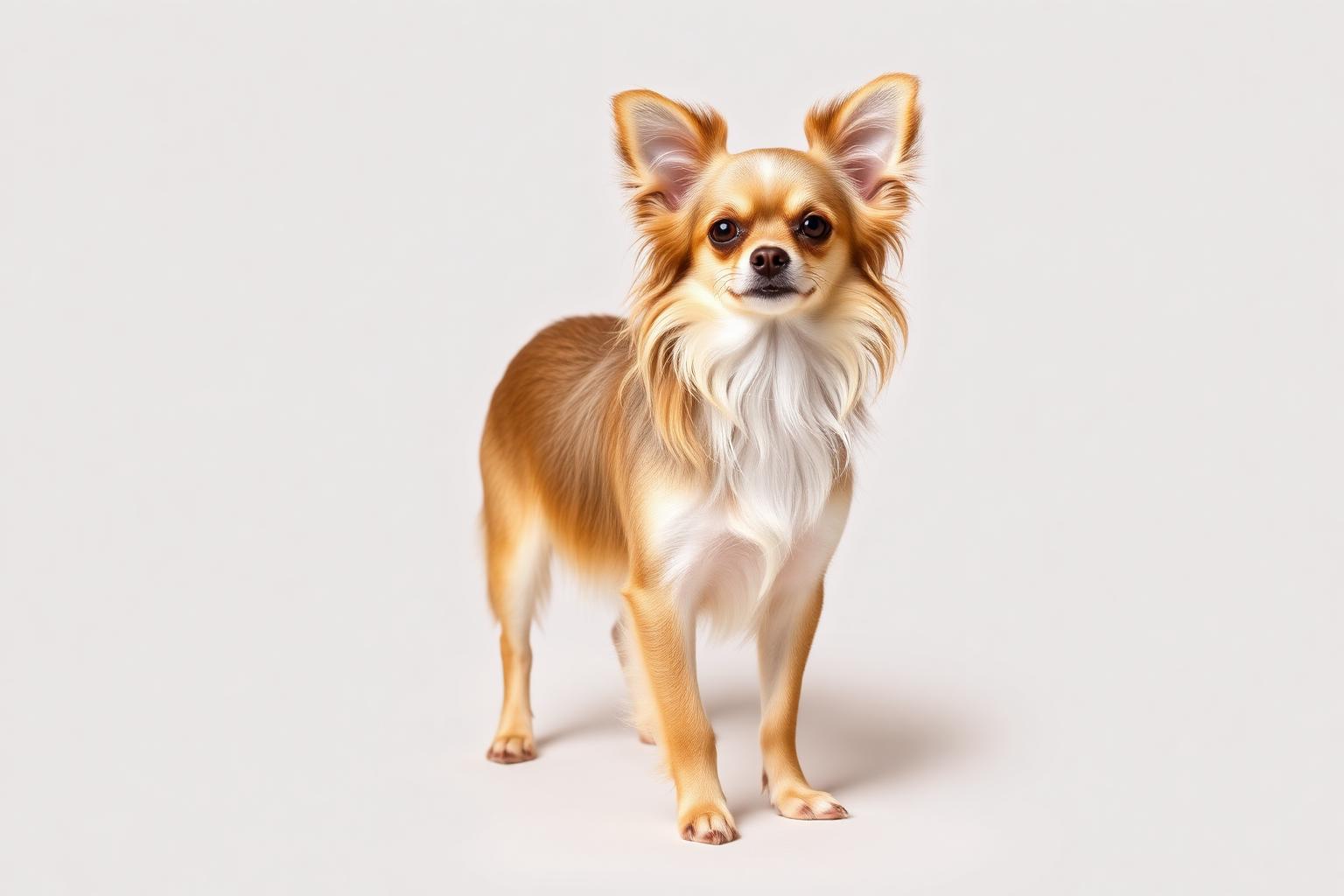
Chihuahua
5.0Tiny, vocal and very bonded to one person. Fragile; not recommended with small children.
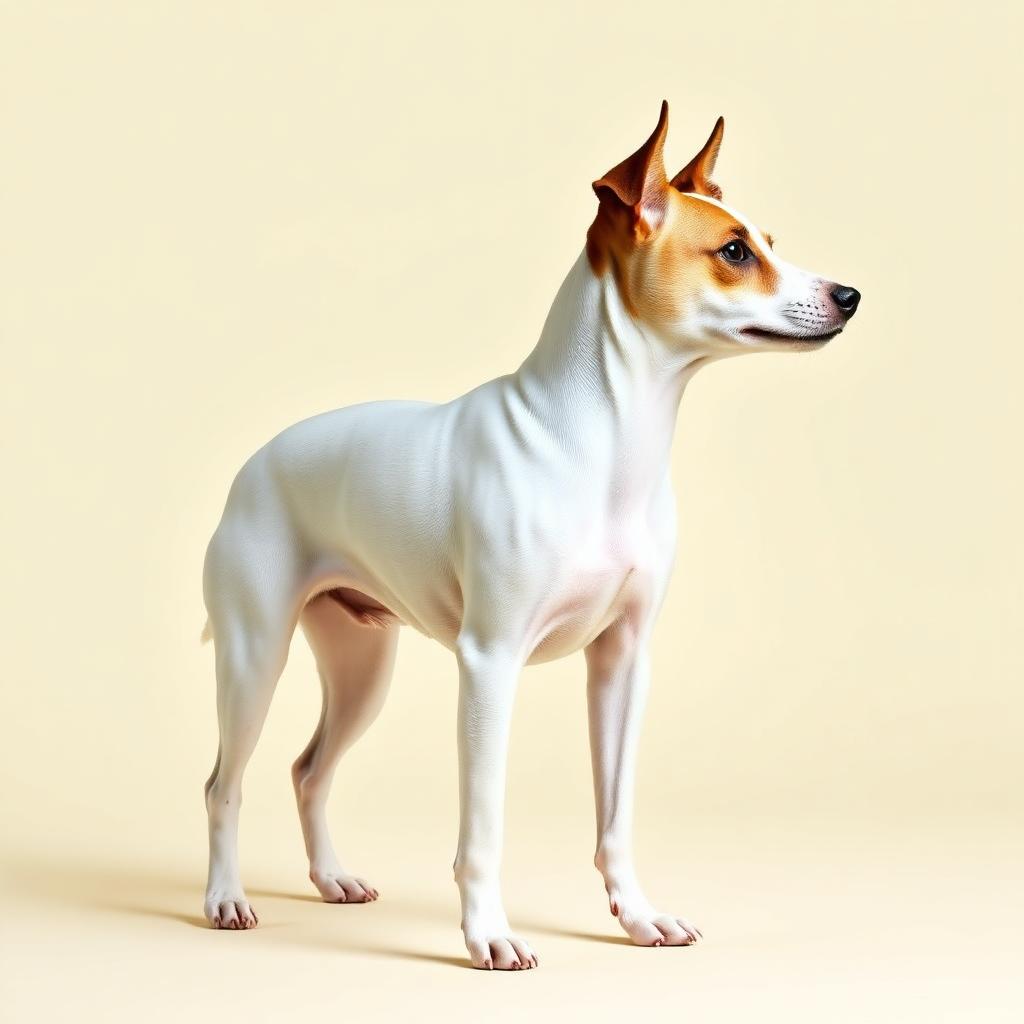
Jack Russell Terrier
5.9Milo from The Mask and Eddie from Frasier. Tiny rocket: needs serious exercise.
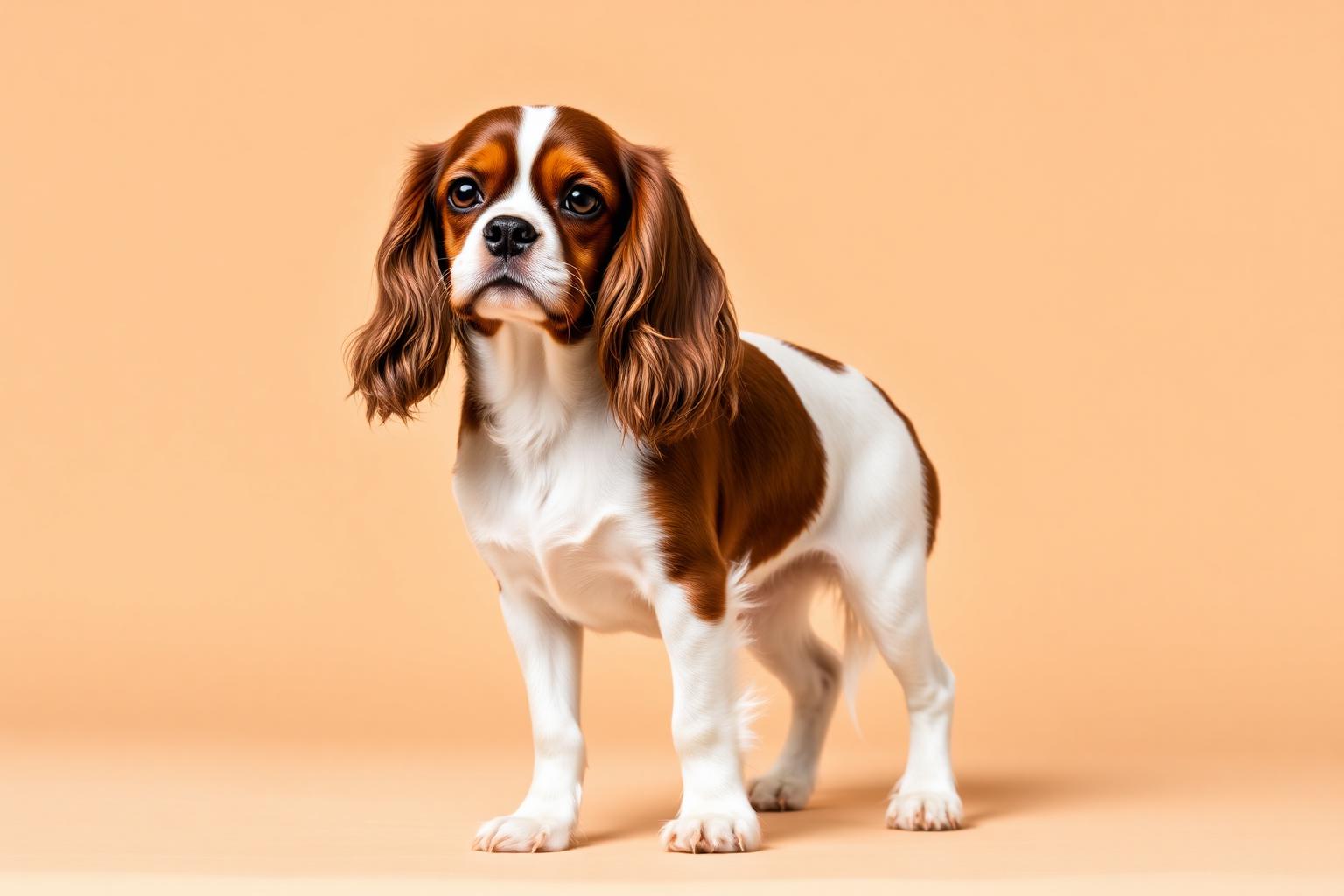
Cavalier King Charles Spaniel
9.3Affectionate, sociable and perfect for small apartments. Adapts to the household's rhythm and loves company.