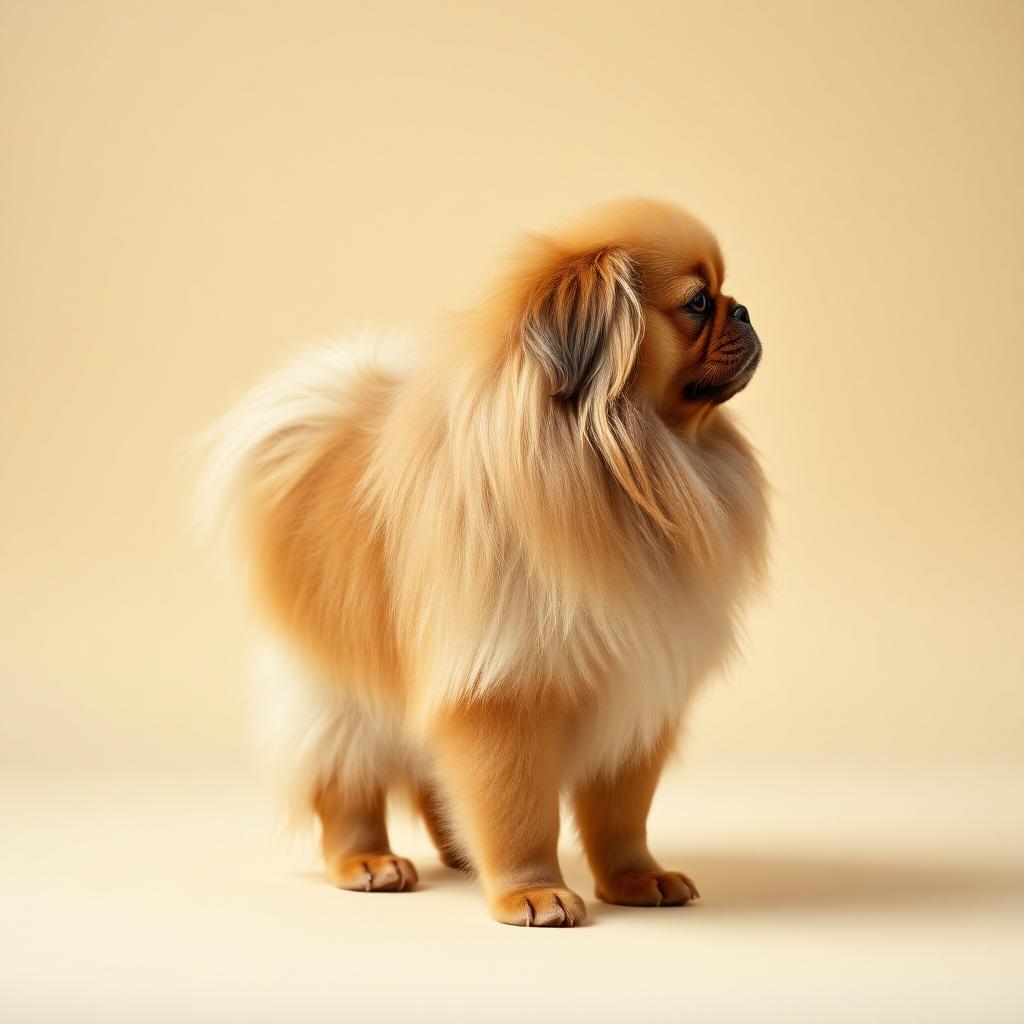
Pekingese
"Ancient majesty in miniature: a loyal and dignified companion."
Overview
The Pekingese is a small dog breed with a unique history and character. Originating from ancient China, where they were royal dogs, these small canines stood out for their loyalty and distinctive appearance. Their small size makes them ideal companions for apartment living, requiring little physical exercise. However, their profuse coat demands meticulous daily grooming to prevent tangles and skin problems, as well as at least a monthly visit to a professional dog groomer.
In terms of character, the Pekingese is dignified, brave, and independent. They are extremely affectionate with their family, but can be reserved with strangers. Their training requires patience and positive reinforcement techniques, as they can be stubborn. Regarding living with children, they are not the most recommended option for families with very young or active children, due to their delicate structure and limited patience; however, they can get along well with older, respectful children. Early socialization is key to developing their balanced temperament. These dogs possess a great lion heart, being excellent watchdogs who will alert their owners to anything new with a surprisingly powerful bark.
Pekingese health is a crucial point. Being a brachycephalic breed (short-snouted), they are prone to respiratory problems, especially in warm climates, so it is vital to protect them from excessive heat. They also show a predisposition to eye problems and patellar luxation. Weight control is fundamental to prevent complications in their joints. Monthly maintenance costs can be higher than other small breeds due to their grooming needs and potential veterinary visits. Understanding and addressing these specific needs will ensure a happy and healthy life for this beloved "lion in miniature".
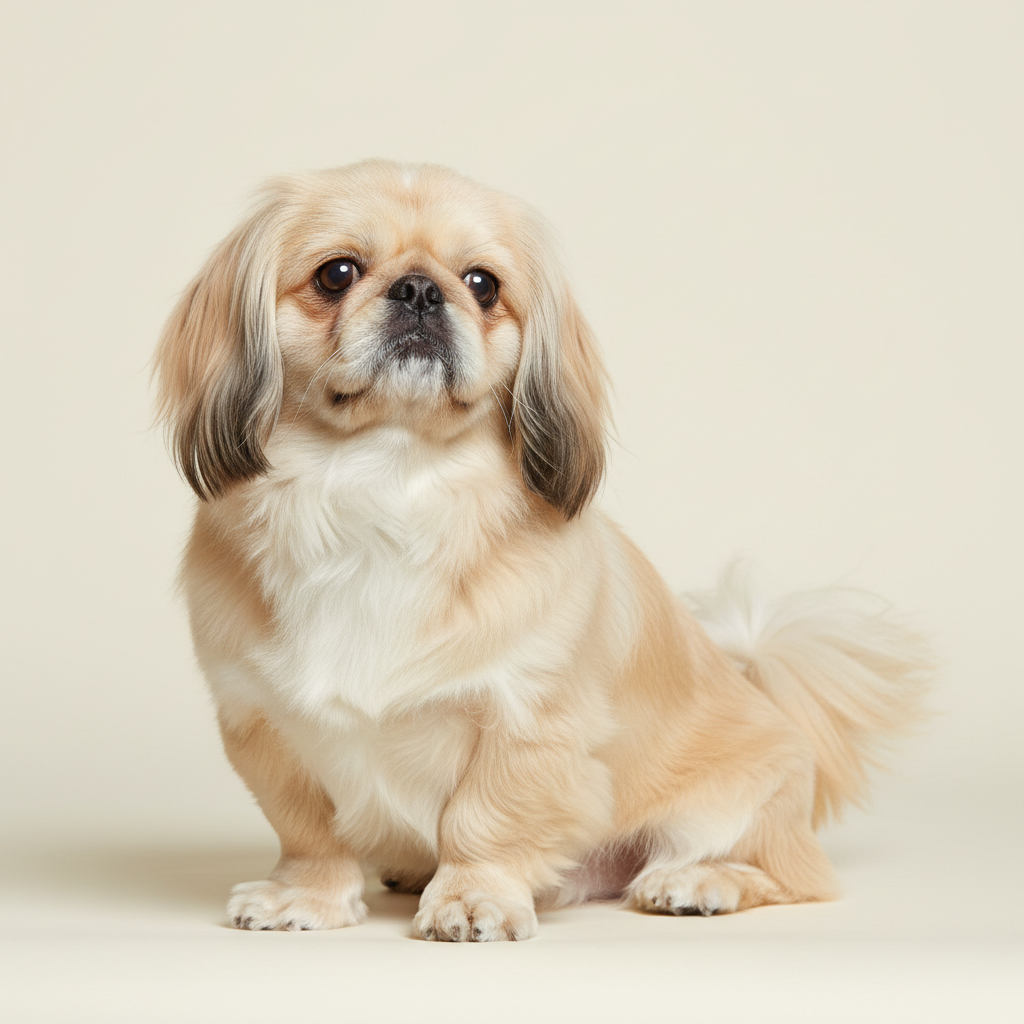
Key facts
- Size
- Small
- Weight
- 3–6 kg
- Life expectancy
- 12–15 years
- Daily exercise
- 30 min/day
- Estimated total
- 160€/month
- Country
- China
Character & temperament
The Pekingese is a companion dog with an unmistakable personality, a blend of dignity, courage, and a touch of independence. Despite its small size, it has the heart of a lion and will not hesitate to defend its home and family if it feels threatened, barking furiously to alert. They are extremely loyal and affectionate with their inner circle, forming strong bonds with their owners. They enjoy being the center of attention and the "king" of the house, but they are not overly demanding; once they have received their share of cuddles, they are content to rest near their humans. With strangers, the Pekingese is usually reserved and distant, calmly observing before deciding whether to allow an approach. This characteristic, combined with its innate dignity, can be misinterpreted as haughtiness, but it is simply its way of being selective. They are not dogs for those seeking an effusive companion with everyone. Their intelligence is undeniable, although they can sometimes be stubborn, a trait that adds to their distinctive charm. They need an owner who understands their nature and respects their individuality, providing them with a calm and secure environment where they can thrive. A well-socialized Pekingese from puppyhood will grow into an equitable companion, who, while not the most active, will reward its family with unparalleled devotion and moments of deep tenderness.
Living with children
Living with a Pekingese and children requires constant supervision and mutual education, for both the dog and the children. Due to their small size and delicate bone structure, Pekingese can be easily injured by rough play or accidental falls. They are not dogs that tolerate being treated like toys well, and their patience can be limited if they feel invaded or bothered. While a well-socialized Pekingese can live peacefully with children, it is crucial to teach the little ones to respect the dog's space, how to approach it calmly, and not to bother it while eating or sleeping. It is also important for children to learn not to constantly pick them up, as many Pekingese prefer to have all four paws on the ground. Older children, who understand how to interact respectfully with a small dog, usually have a better relationship with this breed. However, for families with babies or very active small children, the Pekingese might not be the ideal choice, as their self-preservation instinct could lead them to bite if they feel cornered or scared. A successful integration will largely depend on the family's preparation and ensuring the dog always has a safe retreat where it can withdraw when it needs peace and quiet, away from the children's hustle and bustle.
With other pets
The **Pekingese** can coexist with other pets, especially if socialized from puppyhood. With other dogs, their attitude can vary; some are quite tolerant, while others may show dominance or jealousy over their owners' attention. Their small size doesn't prevent them from feeling like the "boss" of the pack. With cats, if raised together, they usually get along well. However, due to their original hunting instinct, it's advisable to supervise interactions with smaller animals such as rodents or birds.
Health & prevention
The health of the Pekingese is a crucial aspect to consider, as it is a breed with certain genetic predispositions largely due to its brachycephalic conformation and small structure. Respiratory problems are common due to their short muzzle, which can cause Brachycephalic Syndrome, making breathing difficult and leading to snoring. Excessive exercise and extreme heat should be avoided. Eye problems are another frequent concern, including corneal ulcers, entropion (eyelid rolled inward), and distichiasis (extra eyelashes). Given their skeletal patellar luxation, hip or elbow dysplasia is highly prevalent. They can also suffer from intervertebral disc disease, so their jumps and sudden movements must be carefully managed. Overweight is a great enemy of their joints and respiratory system, so a controlled diet is essential. Regular veterinary check-ups are indispensable to detect and manage these conditions in time, ensuring a good quality of life for this little emperor.
Health risks
- •Brachycephalic syndrome
- •Eye problems
- •Spinal problems
Care
Nutrition
The nutrition of the **Pekingese** must be carefully managed to maintain its ideal weight and prevent health problems. Given its small size and tendency to be overweight, it is essential to offer them high-quality food designed for small breeds, with an adequate caloric content. It is advisable to divide their daily ration into two meals to facilitate digestion and better control their intake. Avoid giving them human food scraps and excessive treats, as they can contribute to weight gain and nutritional imbalances. Consult your veterinarian to establish the exact amount of food according to their age, activity level, and health status. A well-nourished **Pekingese** will have a shiny coat, adequate energy, and a strong immune system. Vitamin supplements should only be administered under veterinary recommendation.
Grooming & hygiene
The opulent coat of the **Pekingese** is one of its most distinctive features, but it also requires a significant commitment to grooming. Its long, dense double coat needs **daily brushing** to prevent the formation of knots and mats, which can cause skin irritation and be difficult to remove. It is recommended to use a pin brush and a wide-toothed comb, paying special attention to the areas behind the ears, legs, and under the tail. It is also crucial to regularly clean the facial folds to prevent infections from moisture and dirt. Bathing should be done every 3-4 weeks or as needed, using a mild shampoo specific for dogs. A professional groomer can be very helpful for hygienic trims and to keep the coat in optimal condition, especially during shedding seasons. Nails should be trimmed regularly, and ears should be checked and cleaned to prevent buildup.
Exercise & training
Exercise plan
Despite its robust appearance, the **Pekingese** is a low-energy dog that does not require large amounts of exercise. A couple of short walks a day (about 15-20 minutes each) are sufficient to keep it fit and happy. Due to its short muzzle, they are very sensitive to heat and excessive exercise, which can lead to breathing difficulties. Therefore, it is vital to avoid the hottest parts of the day and opt for quiet walks. They enjoy playing at home with toys and the company of their family. It is important to remember that moderate exercise helps prevent obesity, which is detrimental to their health. In addition to walks, soft indoor play sessions are excellent for stimulating their mind and keeping them active without physically overexerting them. Do not expect it to be a companion for long hikes or running.
Training
The **Pekingese** is an intelligent dog, but it also has a reputation for being stubborn and quite independent, which can present a challenge in training. The key is patience, consistency, and the use of **positive reinforcement**. Training methods based on punishment or harshness will not only be ineffective but can also make them shut down. **Short, fun sessions** are the most effective to maintain their attention. Early socialization is crucial for them to get used to different people, sounds, and environments, helping to mitigate their tendency to be reserved with strangers. Potty training can take longer than with other breeds, and they may need a stricter regimen. Teaching basic commands like "come," "sit," and "stay" not only facilitates coexistence but also strengthens the bond. Remember that, although small, they are dogs with a big ego and need to feel like they are collaborating, not being forced.
Monthly cost
The high monthly costs reflect the frequent veterinary check-ups required for respiratory and eye problems, in addition to needing regular professional grooming.
Estimate for Spain, healthy adult dog. Varies by region and provider.
Pros & cons
Pros
- ✓Extremely loyal and affectionate with its family.
- ✓Requires little exercise, ideal for apartment living.
- ✓Dignified and independent character, with great personality.
- ✓Perfect companion dog, enjoys calmness at home.
- ✓Its size facilitates transport and living in small spaces.
Cons
- !Requires intensive daily grooming due to its dense coat.
- !Sensitive to heat and prone to respiratory problems (brachycephaly).
- !Can be stubborn and difficult to train for first-time owners.
- !Tends to be aloof with strangers and may not be ideal with small children.
- !Predisposition to health issues such as eye conditions and patellar luxation.
Ideal for
- • Families or individuals looking for a loyal and characterful companion.
- • Owners who enjoy daily grooming and can dedicate time to it.
- • Homes that can offer a calm and supervised environment.
- • Elderly people or those with a sedentary lifestyle.
Not recommended for
- • Families with unsupervised or very active small children.
- • People looking for a very active dog or for canine sports.
- • Owners who cannot commit to daily grooming.
- • Those who prefer a dog that is effusive with everyone.
How it fits each scenario
An excellent choice for apartment living, as they require very little exercise and enjoy indoor comfort. Make sure to have air conditioning in warm climates.
They appreciate a small fenced garden to explore under supervision, but they don't need a large space. Be careful with heat outdoors and ensure it always has access to shade and water.
Not suitable for extreme hot climates. Their dense coat and short muzzle make breathing and temperature regulation difficult. They will need air conditioning and walks during cooler hours.
Their double coat provides good protection in cold climates, but they are not outdoor dogs. They will enjoy walks with appropriate clothing if it's very cold and will be comfortable in warm indoors.
Not recommended for homes with toddlers or babies due to their delicacy and low tolerance for rough play. They might bite if they feel threatened or overwhelmed.
They can live well with older, respectful children who understand how to interact with a small dog. Adult supervision and education about respecting the dog's space are essential.
Can be challenging for first-time owners due to their stubbornness in training and specific grooming and health needs. Requires patience and dedication.
Ideal for experienced owners who understand the nature of toy and brachycephalic breeds, and are willing to provide the care and patience they need.
Not a suitable breed for active families looking for a companion for running or long walks. They prefer a quieter lifestyle and gentle play sessions.
Requires commitment to daily grooming and reasonable companionship time, although it won't demand excessive exercise. A busy family will need to organize time well for its care.
They are not considered hypoallergenic. They shed quite a bit of hair and dander, which can trigger allergic reactions. Not the best choice for people with severe allergies.
Not the most economical option due to regular grooming costs and potential veterinary bills related to their respiratory and eye problems.
Origin & history
Originating in ancient China, it was considered a sacred animal and the exclusive companion of the Buddhist emperors of the imperial family. It was zealously guarded in palaces until 1860, when British troops took a few specimens back to Europe as spoils of war following the Second Opium War.
According to Chinese legend, the Pekingese is the result of the love between a lion and a small monkey, hence its brave heart and dignified gait.
Frequently asked questions
Is the Pekingese noisy? Does it bark a lot?▾
The Pekingese has a reputation for being a dog that barks to alert to the presence of strangers or unusual noises. They can be quite protective of their home. However, they are not usually excessive barkers without reason. With proper training and early socialization, this behavior can be managed so it doesn't become a problem. They bark to communicate, not out of boredom if they are well cared for and mentally stimulated.
How do you manage heat with a Pekingese?▾
Due to their short muzzle (brachycephaly) and dense coat, Pekingese are extremely sensitive to heat and can easily suffer from heatstroke. It is essential to avoid walks during the hottest parts of the day, always provide them with access to fresh water and shade, and keep them in air-conditioned or fan-cooled environments in summer. Never leave them alone in a car, even with the windows down. Watch for signs of respiratory distress, such as excessive panting or bluish tongue, and go to the vet if you notice them.
Is it difficult to potty train a Pekingese?▾
Potty training a Pekingese can be a challenge and often requires more patience and consistency than with other breeds. They are known for their stubbornness and can sometimes be difficult to motivate. It is essential to establish a strict routine, take them out frequently, especially after eating and sleeping, and profusely reward successes. Avoid punishment, as this can make them hide to relieve themselves and further complicate the process. The use of puppy pads can be helpful at first.
Does the Pekingese get along with cats?▾
Yes, the Pekingese can get surprisingly well along with cats, especially if they grow up together. Their dignified and sometimes somewhat distant nature allows them to establish mutual respect. The key is a gradual and supervised introduction, allowing both animals to get used to each other's presence. If the Pekingese is first in the home, it's easier for it to accept a new cat than vice versa, but with patience, most Pekingese can live harmoniously with feline companions.
What is the life expectancy of a Pekingese and what precautions should I take?▾
The average life expectancy of a Pekingese is 12 to 14 years. To ensure a long and healthy life, it is crucial to pay attention to their specific health problems: maintain a healthy weight to avoid pressure on their joints and respiratory system, have regular veterinary check-ups, especially for their eyes and airways, and protect them from excessive heat. A balanced diet, regular grooming, and moderate exercise are also fundamental. Early detection of any problem is key to effective treatment.
Does a Pekingese need a professional groomer?▾
Yes, although daily brushing is essential at home, a Pekingese greatly benefits from regular visits to a professional groomer. A groomer can perform hygienic trims around their eyes, paws, and perineal area, which are crucial for their hygiene and health. They can also properly de-shed their double coat during shedding seasons and safely manage persistent knots. This professional care helps maintain their coat in optimal condition, preventing skin problems and severe mats that can be painful for the dog.
Are Pekingese good watchdogs?▾
Pekingese are excellent watchdogs, despite their small size. They are very observant and have acute hearing, meaning they will quickly detect any unusual sound or movement. They will bark to alert their family to the presence of strangers or any unusual event. Although they are not physical protection dogs, their alarm bark is surprisingly potent and effective at deterring potential intruders or simply announcing the arrival of visitors.
Can Pekingese travel by air?▾
Air travel can be risky for Pekingese due to their brachycephalic conformation. Stress, extreme temperatures, and altitude can exacerbate their respiratory problems, even if traveling in the cabin. Many airlines have strict restrictions or even prohibit the transport of brachycephalic breeds. If travel is absolutely necessary, consult your veterinarian for a risk assessment and choose airlines that allow them to travel in the cabin, provided they meet the allowed size and weight. Avoid cargo hold at all costs.
Similar family-friendly breeds
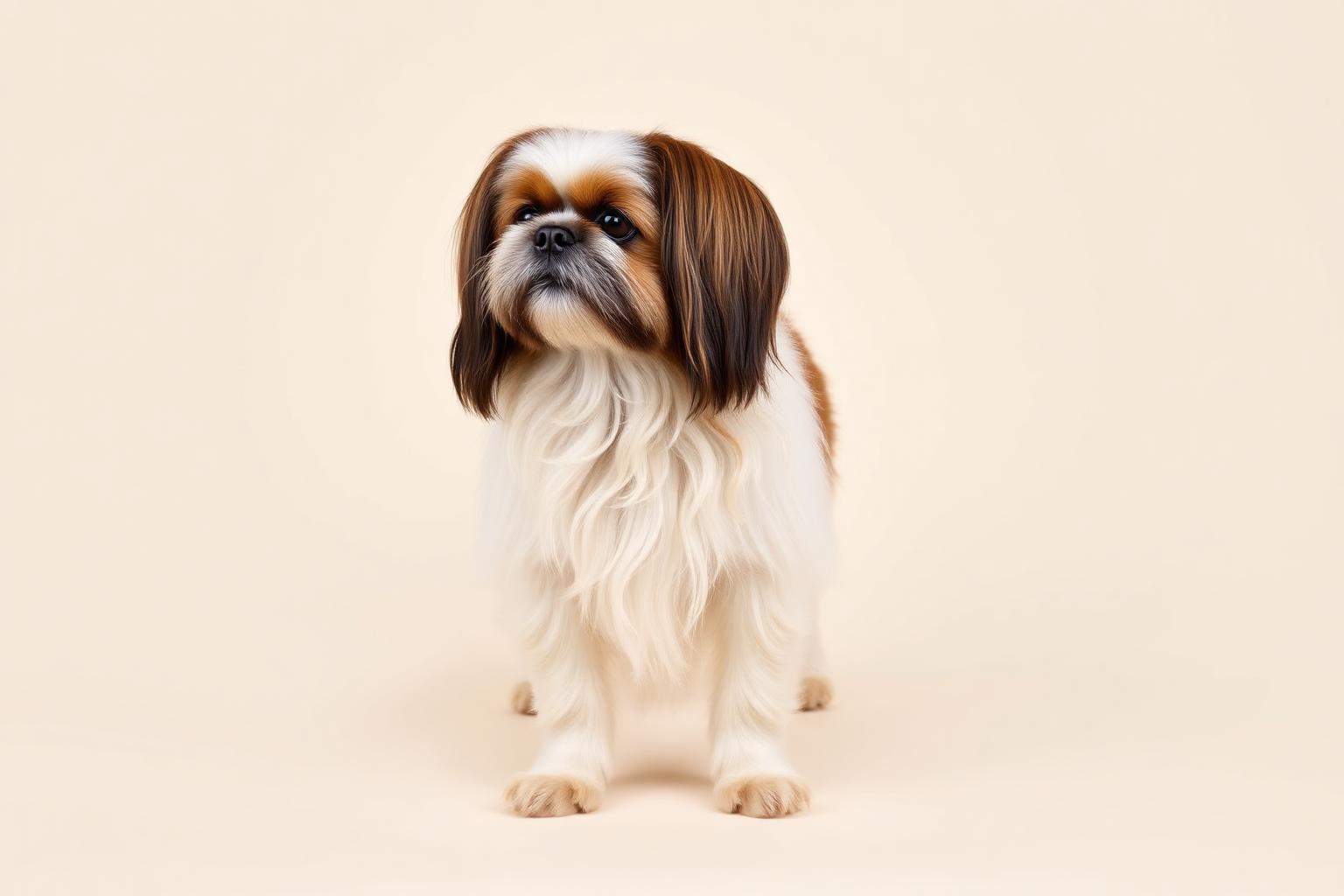 Hypoallergenic
Shih Tzu
6.5Calm apartment companion. Flat-faced: careful with heat and intense exercise.
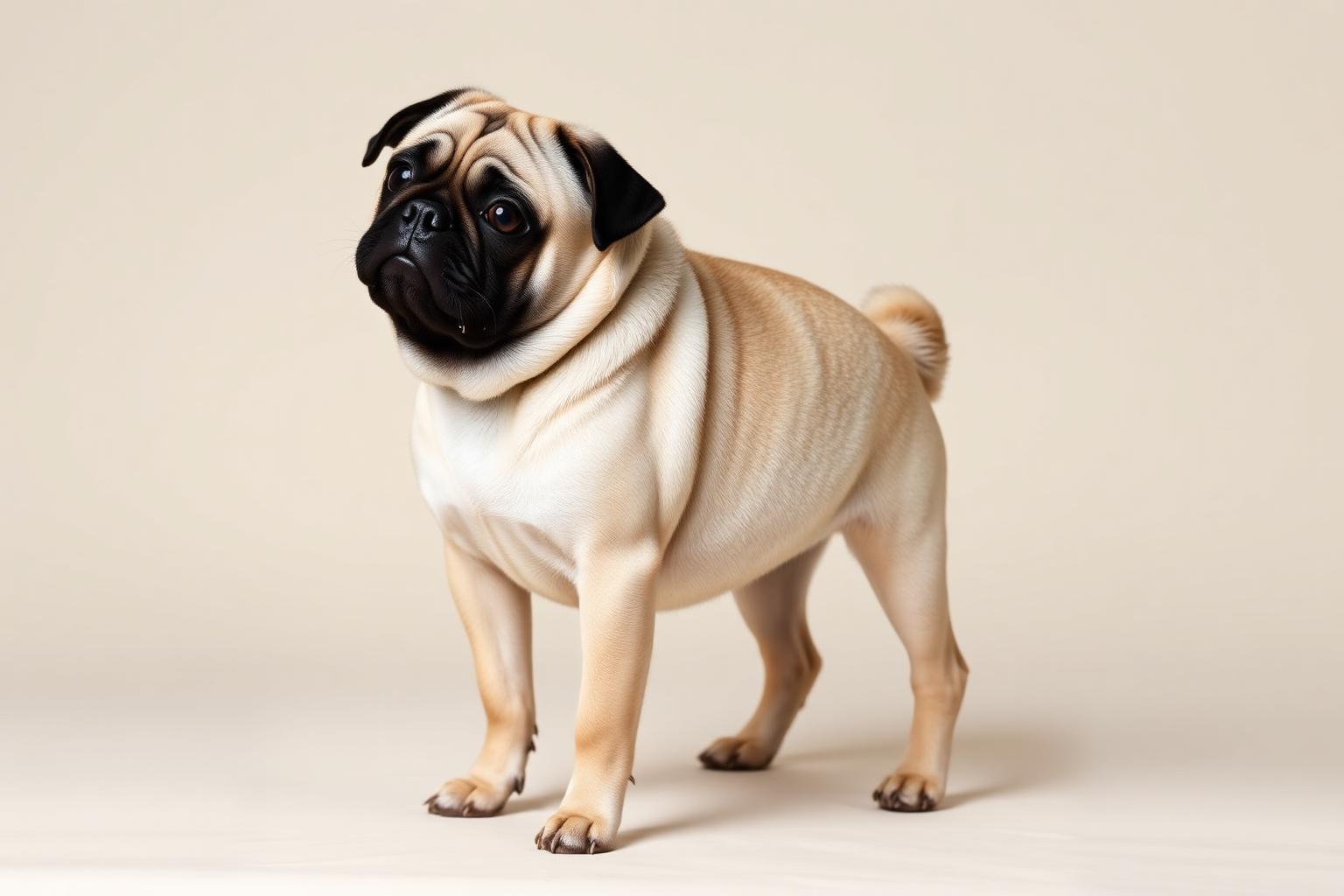
Pug
7.7Small family clown. Adores children. Suffers in extreme temperatures. Sheds a lot.
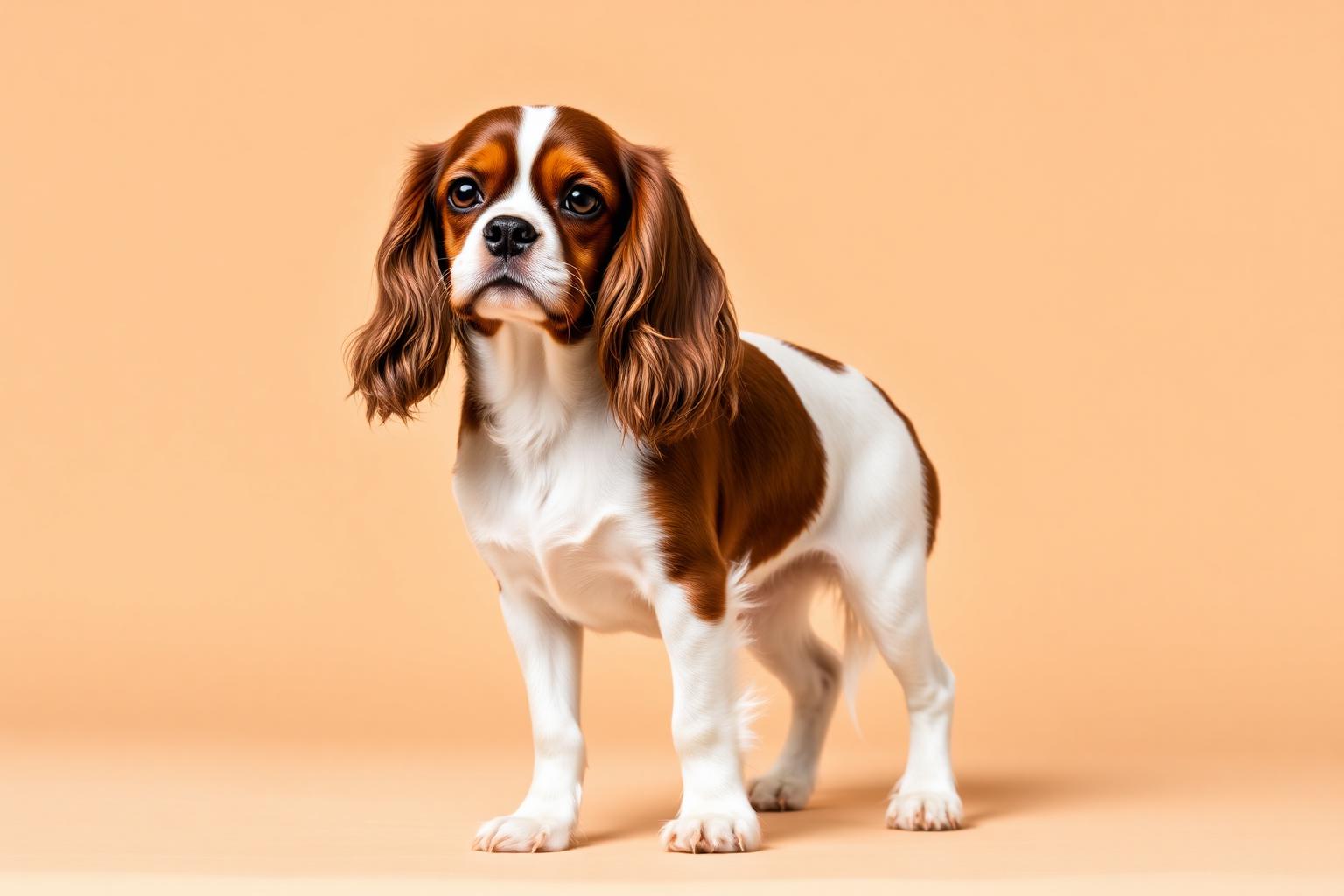
Cavalier King Charles Spaniel
9.3Affectionate, sociable and perfect for small apartments. Adapts to the household's rhythm and loves company.