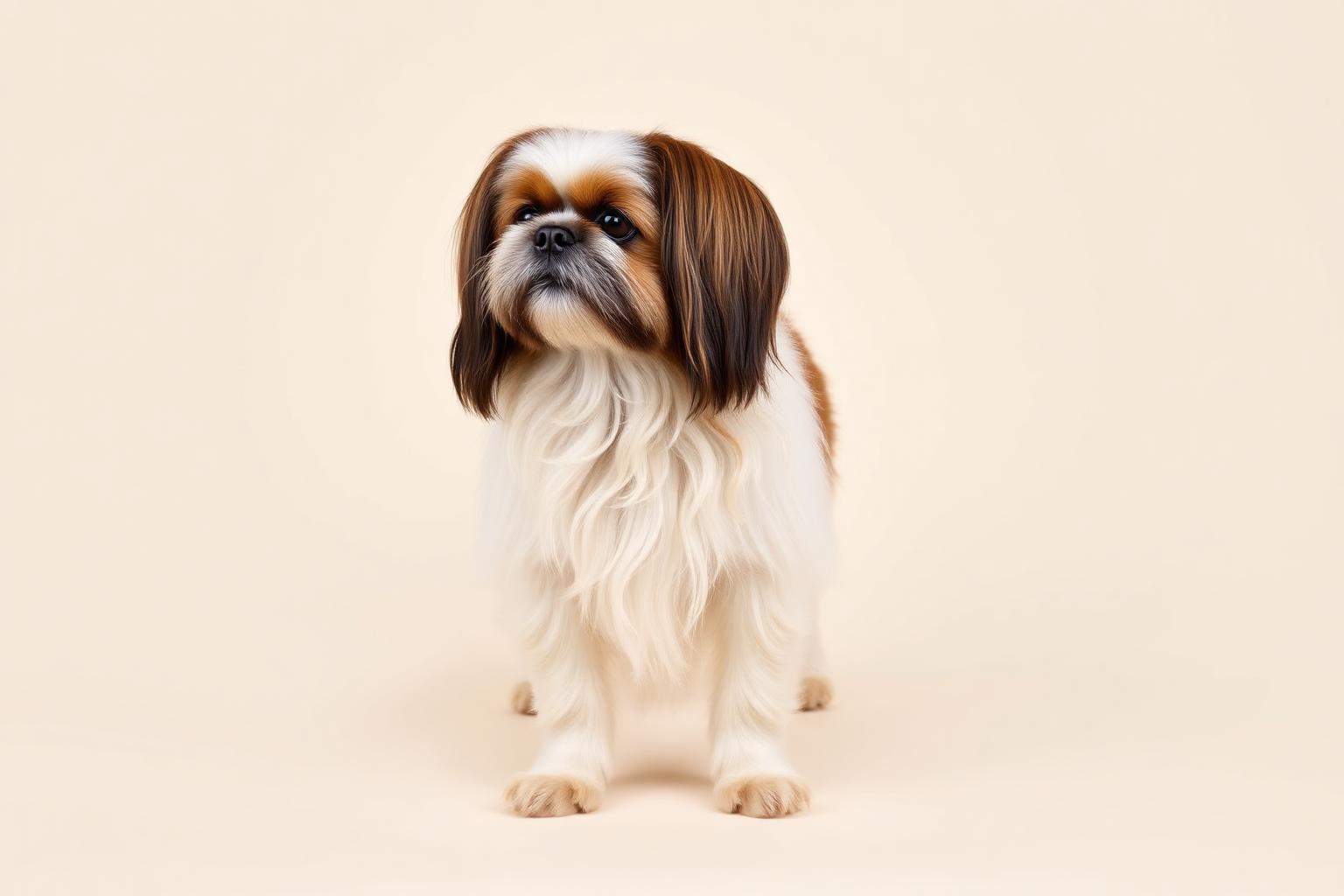
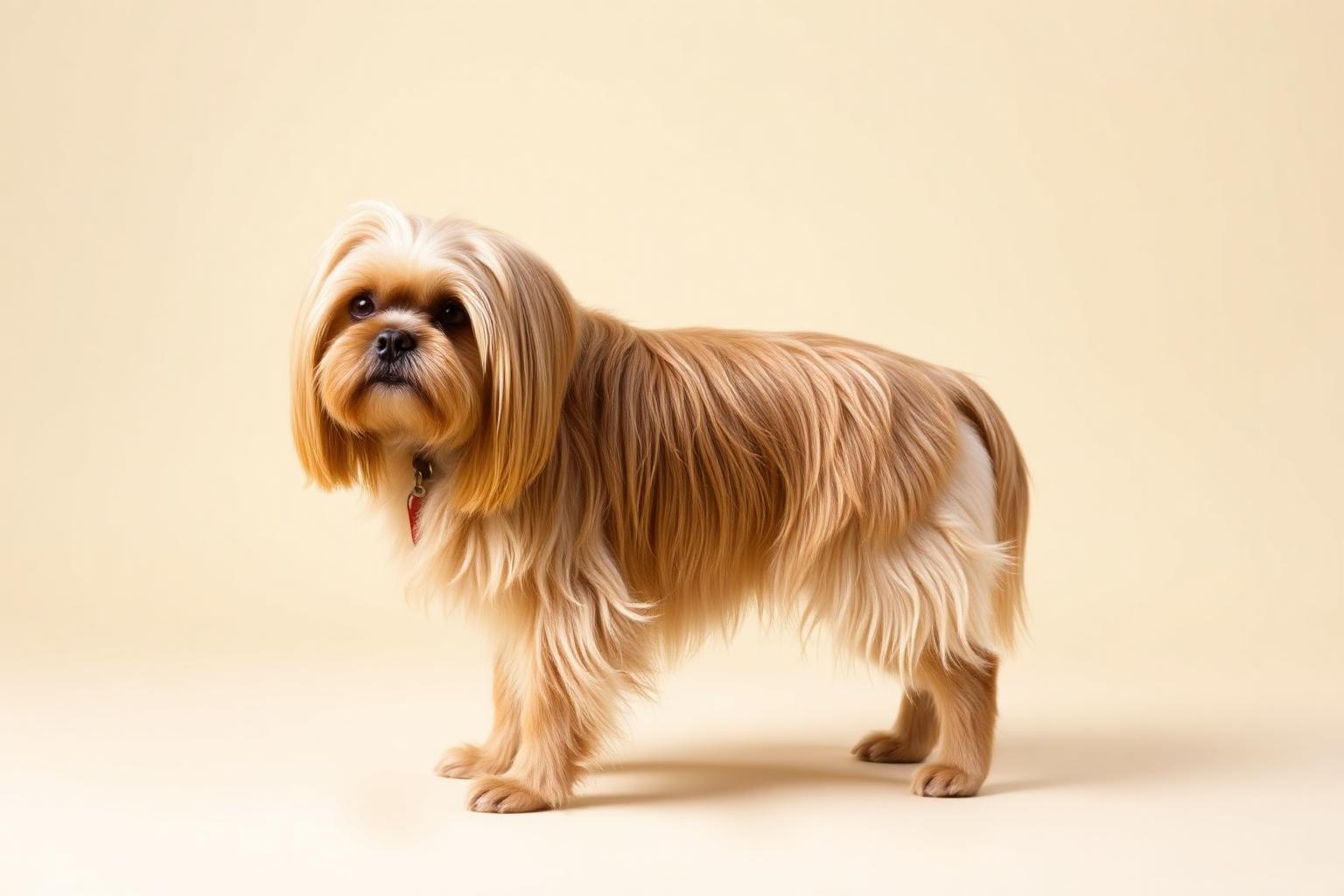
Shih Tzu
"The royal lap-warmer: calm, sturdy, and full of aristocratic charm."
Overview
The Shih Tzu is the quintessential companion dog, originally bred for the royal laps of Chinese emperors. Unlike many small breeds that can be high-strung, these dogs are remarkably calm and sturdy, making them an excellent choice for families. Their robust build allows them to handle the occasionally clumsy affection of children better than more fragile toy breeds. However, they are known for an affectionately stubborn streak; they don't always see commands as mandatory, but their infectious charm usually makes up for their slow response to training.
In the home, the Shih Tzu acts as a peaceful shadow, happy to follow you from room to room before settling for a long nap. They are not known for being 'yappy' and generally treat strangers as potential new best friends. This social nature extends to other pets, as they lack a strong prey drive and often become inseparable nap-buddies with the family cat. Their main requirement is your presence; while not overly demanding, they crave human companionship and do not thrive if left alone for most of the day in a silent house.
Prospective owners must be realistic about the grooming commitment and health needs of this brachycephalic (flat-faced) breed. Their luxurious coat requires daily facial cleaning and professional grooming every two months to prevent painful matting. Furthermore, their prominent eyes are vulnerable to injury, and their flat faces make them highly sensitive to heatstroke. It is a medium-high budget breed due to these maintenance needs, but for a family living in an apartment seeking a loyal, low-energy friend, the Shih Tzu is a premier, life-enhancing choice.
Key facts
- Size
- Small
- Weight
- 4–7 kg
- Life expectancy
- 10–16 years
- Daily exercise
- 30 min/day
- Estimated total
- 165€/month
- Country
- Tibet / China
Character & temperament
The Shih Tzu is the personification of warmth and friendliness. Unlike many toy breeds that are wary of strangers, a well-socialized Shih Tzu tends to treat everyone as a potential new best friend. They aren't aggressive or overly protective; they are lovers, not fighters. At home, they are remarkably chill, preferring to lounge near your feet or on the sofa rather than pacing the house.
With their owners, they develop a deep, almost shadow-like bond. They don't demand constant attention like some 'velcro dogs,' but they definitely prefer to be in the same room as you. They are sensitive to your moods and will often offer a quiet nuzzle if they sense you are sad. However, don't mistake their sweetness for weakness; they have a proud, slightly arrogant streak that comes from their royal roots.
When meeting strangers or visiting new places, they are typically confident and outgoing. They aren't usually 'yappy' or nervous, provided they haven't been over-coddled. They carry themselves with their tail curled over their back and a sense of dignity. While they won't guard your house, they will certainly announce a guest with a few polite barks before immediately demanding belly rubs from the newcomer.
Living with children
Shih Tzus are excellent family dogs, but boundaries are essential. For school-aged children (6-12) and adolescents, they are fantastic companions—playful enough to engage in games but calm enough to relax during homework time. They are sturdier than many other toy breeds, meaning they won't break if a child accidentally bumps into them, but they still require respectful handling. Children must be taught that the Shih Tzu is a dog, not a living stuffed animal.
With toddlers (3-6) and babies, supervision is mandatory. While the Shih Tzu is rarely aggressive, they are small and can be easily injured by an overexcited toddler falling on them or pulling their hair. Because their eyes are prominent, a wandering toddler finger can cause a serious veterinary emergency (ulcers). If you have very young children, ensure the dog has a 'safe zone' like a crate or a separate room where they can retreat when the chaos of a toddler becomes too much to handle.
With other pets
The Shih Tzu generally excels in multi-pet households. They lack a strong prey drive, so they usually coexist peacefully with cats and even smaller pets like rabbits, often becoming nap-buddies with the family cat. When it comes to other dogs, they are friendly but can be oblivious to their small size, sometimes trying to play with much larger dogs. Care should be taken at dog parks to ensure a large dog doesn't accidentally hurt them during play. In a domestic setting, they are among the most social and least competitive breeds you can find.
Health & prevention
The Shih Tzu is a brachycephalic (flat-faced) breed, which presents unique health challenges. Their elongated soft palate and narrow nostrils can make breathing difficult, especially during exercise or in high temperatures. As a vet, I often see respiratory distress that could have been avoided with weight control and temperature management. Eye issues are also extremely common; their shallow sockets mean the eyes are prone to ulcers, proptosis (displacement), and progressive retinal atrophy. Regular vet checks should focus on ensuring their airways are clear and their eyes remain hydrated and injury-free.
Beyond the head, the Shih Tzu’s long back makes them susceptible to Intervertebral Disc Disease (IVDD). Jumping off high sofas should be discouraged with the use of pet ramps. They are also prone to dental problems because their small mouths crowd their teeth, leading to early periodontal disease. Regular professional dental cleanings and home brushing are essential. Despite these concerns, with proactive care, many Shih Tzus live well into their mid-teens, remaining vibrant and affectionate companions throughout their senior years.
Health risks
- •Brachycephalic syndrome
- •Eye problems
- •Ear infections
Care
Nutrition
A Shih Tzu requires about 1/2 to 1 cup of high-quality dry food per day, split into two meals. Because they are prone to obesity, which worsens their breathing and joint issues, you must be strict with treats. Look for kibble specifically designed for small breeds with a 'brachycephalic' shape—these biscuits are easier for their flat faces to pick up and chew. Adding a little water or wet food can help with hydration, which is vital for their kidney health, but stay away from table scraps that lead to picky eating.
Grooming & hygiene
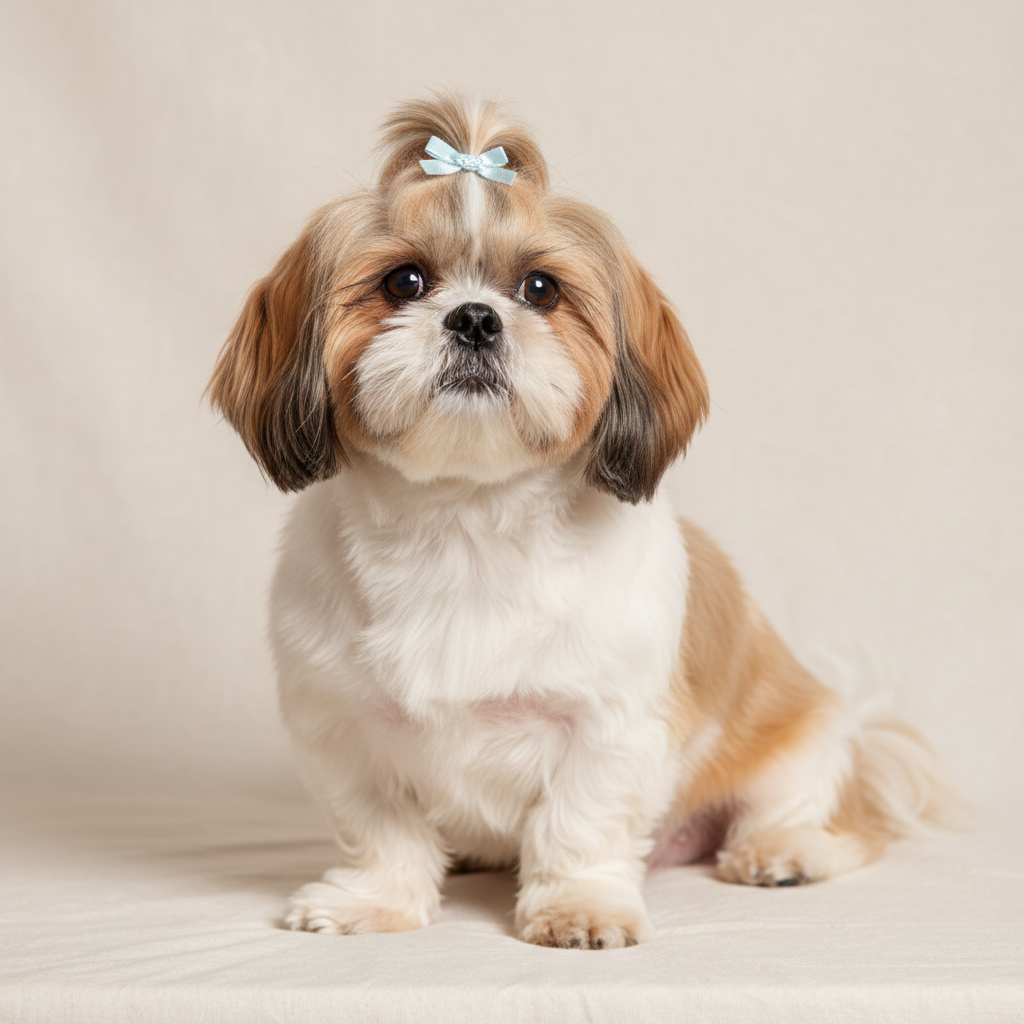
Grooming a Shih Tzu is a commitment, not an option. Their hair grows continuously and will mat into painful clumps within days if neglected. For a family pet, I usually recommend a 'puppy cut'—short all over—to keep them comfortable and clean. You'll need daily brushing of the face to remove tear stains and food debris, and professional grooming every two months. Don't forget the ears; their hairy ear canals trap moisture and wax, making them prone to infections if not plucked and cleaned regularly by a pro.
Exercise & training
Exercise plan
The Shih Tzu doesn't need miles of hiking, but daily mental and physical stimulation is vital. Monday to Friday: Two 15-minute walks in the cool of the morning and evening, plus 10 minutes of indoor play. Avoid the midday sun at all costs. Saturday: A 30-minute slow 'sniffari' in a shaded park to stimulate their senses. Sunday: Focus on social interaction or indoor trick training for 20 minutes. If the temperature rises above 25°C (77°F), replace outdoor walks with air-conditioned indoor play to prevent heatstroke. Their goal is gentle movement, not cardio; keep it relaxed and focus on quality sniffing over distance covered.
Training
Training a Shih Tzu requires more patience than with a Labrador. They are smart but independent, and they possess a 'what's in it for me?' attitude. Harsh corrections will cause them to shut down completely; positive reinforcement with high-value treats is the only way forward. Potty training is the biggest hurdle; due to their small size and stubbornness, it can take 6-8 months for them to be 100% reliable. Keep training sessions short (5-10 minutes) and fun. Socialization is also key—expose them to different sounds and people early to ensure that their natural confidence doesn't turn into shyness or 'small dog syndrome' later in life.
Monthly cost
Costs focus on premium small-breed kibble and mandatory grooming sessions. The Shih Tzu is a 'high-maintenance' budget dog due to professional hair care needs and potential eye vet visits.
Estimate for Spain, healthy adult dog. Varies by region and provider.
Pros & cons
Pros
- ✓Ideal for apartment living and smaller homes.
- ✓Very low shedding and generally allergy-friendly.
- ✓Robust and sturdy temperament for a small dog.
- ✓Low exercise requirements fit busy or indoor lifestyles.
- ✓Affectionate and peaceful with strangers and other pets.
Cons
- !High grooming maintenance requires professional appointments every 6-8 weeks.
- !Highly sensitive to heat and humidity due to their flat faces.
- !Stubborn nature can make potty training a lengthy process.
- !Prone to dental issues and requires frequent teeth cleaning.
- !Eye vulnerability requires constant monitoring and protection from injury.
Ideal for
- • Apartment dwellers looking for a calm roommate.
- • Families with children who want a sturdy small dog.
- • Seniors wanting a low-energy, affectionate companion.
- • Allergy sufferers who need a low-dander pet.
Not recommended for
- • People who spend 10+ hours away from home daily.
- • Families living in extremely hot, non-AC environments.
- • Owners looking for a highly obedient or athletic dog.
How it fits each scenario
Perfect urban residents; they are quiet and adapt beautifully to small spaces.
They enjoy a small yard but must never be left outside alone.
Dangerous territory; they need 24/7 air conditioning in hot summers.
They handle cold okay with a coat, but hate wet and rainy weather.
Safe but fragile; toddlers must be supervised to prevent accidental injury to the dog.
Great companions; they love being part of the children's daily 'court.'
Highly recommended due to their gentle nature and manageable size.
Easy to handle, though their stubborn streak might test your patience.
Not your hiking buddy; they will quickly overheat or tire on long trails.
Manageable if you are home for lunch, but they crave human companionship.
Excellent choice as they have hair instead of fur and shed very little.
Unexpectedly expensive due to the non-negotiable professional grooming costs.
Origin & history
The Shih Tzu's history is steeped in royal luxury. Originating in Tibet, they were likely developed by monks and sent as gifts to Chinese emperors. In the Forbidden City, they were pampered by the Ming Dynasty as 'holy' dogs. They were bred to resemble lions, as depicted in daily Buddhist art. The breed almost went extinct during the Chinese Revolution, but fortunately, seven males and seven females were saved and brought to the West. Every Shih Tzu alive today can be traced back to those fourteen survivors, making their global popularity a true comeback story.
Tracing back to ancient China, these dogs were so valued that Empress Dowager Cixi oversaw a world-renowned breeding program just for them.
Frequently asked questions
Is the Shih Tzu good for people with allergies?▾
Yes, they are considered hypoallergenic because they have hair, not fur, and don't shed much dander. However, you must keep their hair clean to avoid bringing outdoor allergens inside.
Why do they struggle so much with heat?▾
Because of their flat faces, they can't cool down efficiently. Never exercise them in heat, and use a harness instead of a collar to protect their windpipe.
How much does a Shih Tzu puppy cost?▾
Expect to pay between 800€ and 1,500€ from a reputable breeder in Spain. Maintenance will add about 150€ monthly including insurance and grooming.
Are they difficult to potty train?▾
They are known for being slow to housebreak. Their small bladders and independent streak mean consistency and positive reinforcement are mandatory for months.
Do Shih Tzus bark a lot?▾
They are generally quiet dogs. They might bark at the doorbell, but they aren't 'yappy' like some other small breeds, making them great for apartments.
What is their average life expectancy?▾
They live 10-16 years. To reach the upper end, keep them at a healthy weight and pay close attention to dental hygiene and eye care.
How often do they need grooming?▾
Ideally, every 6-8 weeks for a professional trim. At home, you need to brush them daily or every other day to prevent painful mats.
Is it a good dog for a first-time family?▾
Yes, they are among the best small breeds for families. They are sturdy for their size and have a very affectionate, non-aggressive temperament.
Similar family-friendly breeds
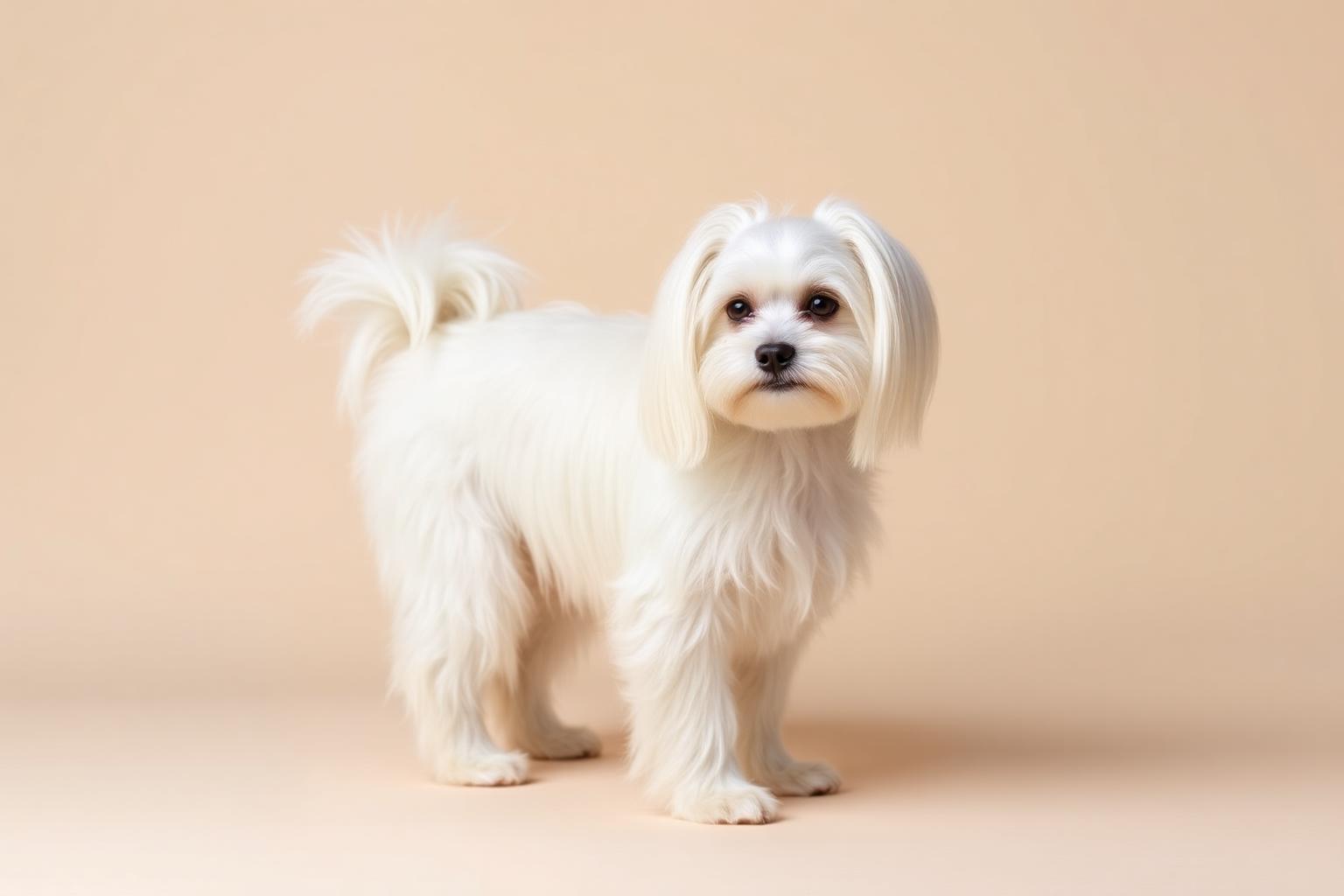 Hypoallergenic
Maltese
8.2Tiny and elegant, barely sheds. Fragile around small children. Needs frequent grooming.
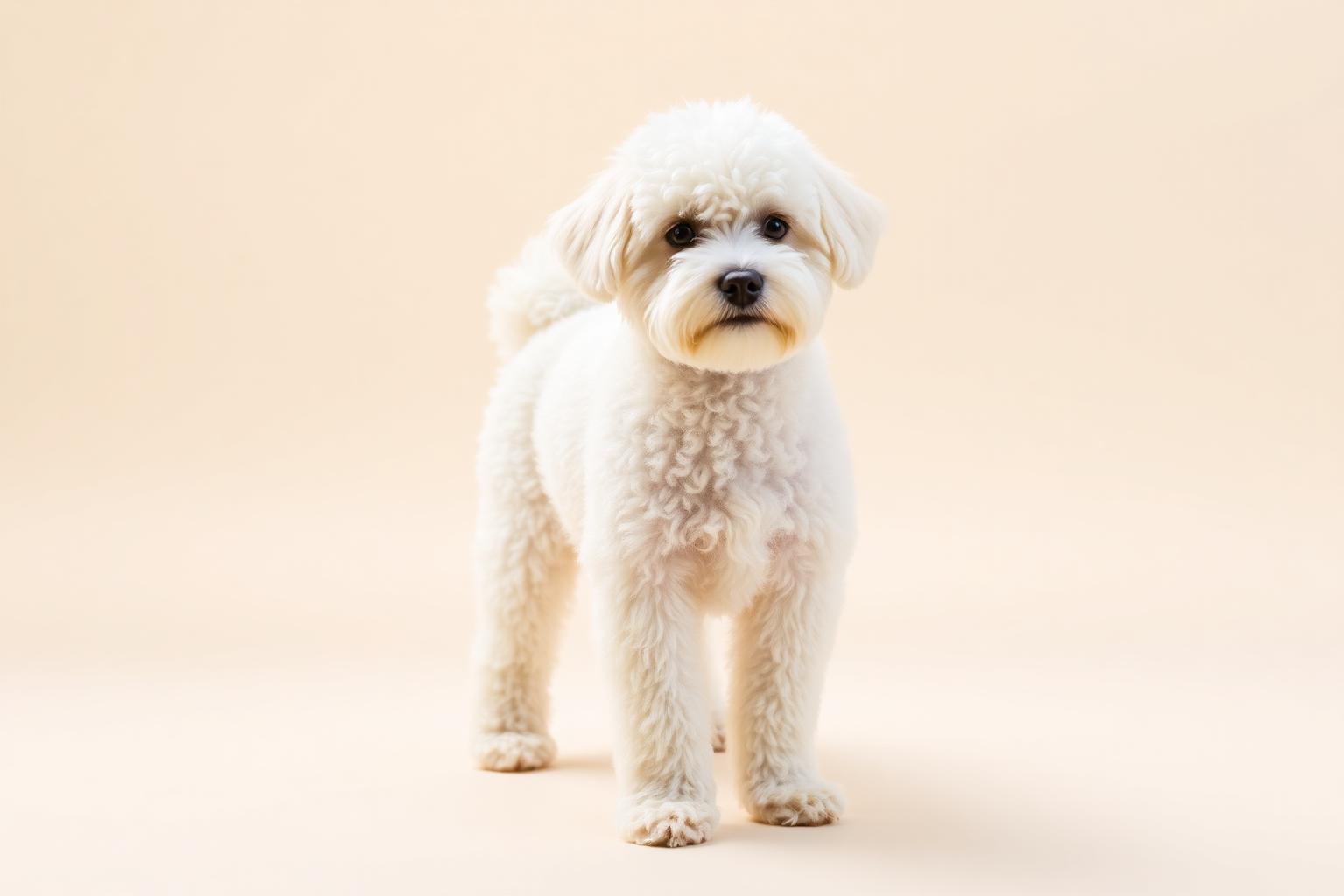 Hypoallergenic
Bichon Frise
8.8Small, cheerful and practically non-shedding. Requires frequent grooming. Ideal for apartments and allergy sufferers.
 Hypoallergenic
Lhasa Apso
5.7Independent and watchful. Tibetan origin: tolerates cold, not heat.