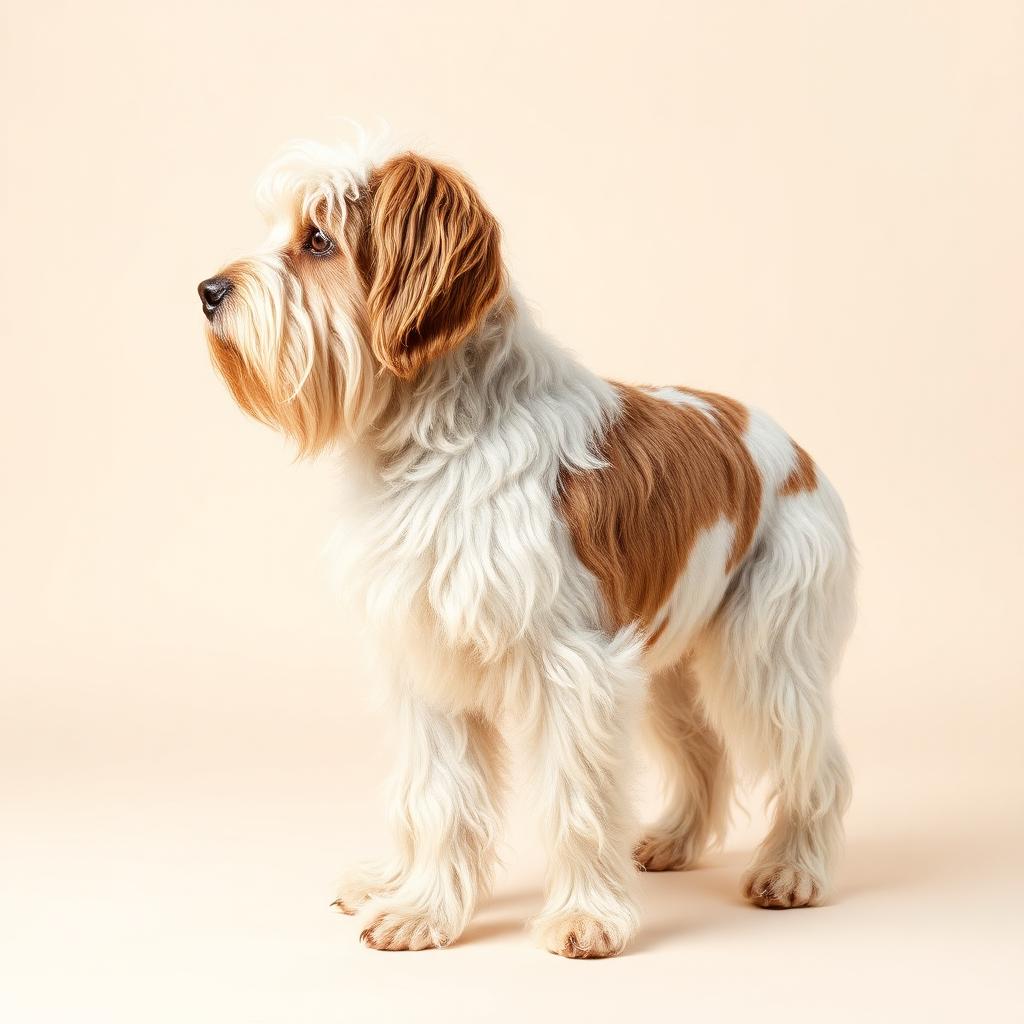
Petit Basset Griffon Vendéen
"Small French hound, big personality, and a love for adventure."
Overview
The Petit Basset Griffon Vendéen, often abbreviated as PBGV, is a medium-small sized dog breed originally from France, famous for its lively personality and distinctive coat. With a life expectancy of 12 to 14 years, these dogs are known for their 'joie de vivre' and enthusiasm for life. They make excellent companion dogs for active families who can meet their high exercise needs and mental stimulation. Their friendly nature and sociability make them suitable for homes with children and other dogs, provided there is adequate supervision and early socialization. Their strong hound instinct means their nose is always on the hunt for scents, which requires consistent training and secure leash walks to prevent them from getting lost. It is essential for owners to understand that the PBGV is not a dog for a sedentary lifestyle; they thrive on activity and exploration.
Regarding health, the Petit Basset Griffon Vendéen is generally robust, but there are hereditary concerns such as eye conditions (glaucoma, PRA) and, to a lesser extent, hip dysplasia. They are also prone to ear infections due to their long, floppy ears, and obesity if their diet is not controlled or if they don't get enough exercise. The coat care of the PBGV is unique; its wiry coat requires manual 'stripping' several times a year to maintain its texture and protective properties, in addition to regular brushing. This aspect of grooming can be a time commitment or an additional cost if a professional is hired.
Training a PBGV requires patience and positive reinforcement techniques, as they are intelligent but also independent. Their tendency to bark and howl can be a point to consider, especially in urban environments. For an owner willing to invest time in daily exercise, training, and specialized coat care, the Petit Basset Griffon Vendéen rewards with unconditional loyalty, contagious joy, and an adventurous companion. They are the embodiment of tenacity and a cheerful spirit, making them a wonderful addition to the right home.
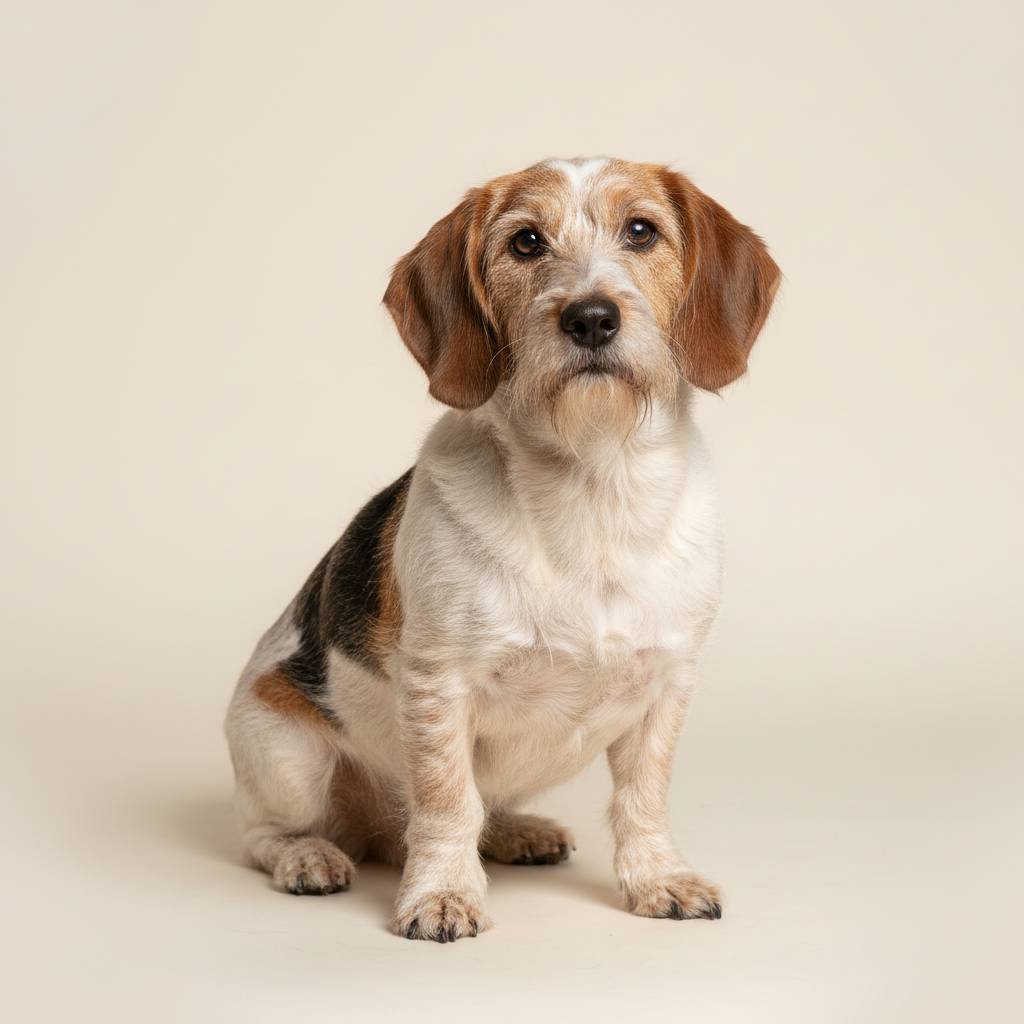
Key facts
- Size
- Small
- Weight
- 11–18 kg
- Life expectancy
- 12–14 years
- Daily exercise
- 75 min/day
- Estimated total
- 135€/month
- Country
- Francia
Character & temperament
The Petit Basset Griffon Vendéen has an overflowing personality, often described as a mix of joy, curiosity, and inexhaustible energy. They are naturally outgoing hounds who thoroughly enjoy social interaction, whether with their human family or with other dogs. Their temperament is generally balanced, though they are full of spirit and a spark that makes them mischievous and fun. Curiosity is one of their most marked characteristics; they are always sniffing, exploring, and looking for the next adventure. This tendency to follow tracks and scents is inherent to their hound nature and can make them easily distracted in outdoor environments, implying the need for constant supervision. They are intelligent and adaptable dogs, making them receptive to positive reinforcement training. However, their independence and their own mind may require patience and consistency from the owner. They love to participate in family activities and cannot stand to be ignored or left alone for long periods. They can develop separation anxiety if not accustomed from puppyhood to spending time alone or if not provided with enough stimulation. They will often resort to excessive barking or destructive behaviors if they get bored or feel lonely. Despite their size, they are robust and athletic dogs that need to release their energy daily. A happy PBGV is a dog that has had the opportunity to run, play, and use its nose. They are known for their sweetness and affection towards their family, often showing a loving and playful side. Their bark can be surprisingly loud for their size, making them good watchdogs to alert to the presence of strangers, although they are not attack dogs. In summary, the PBGV is a loyal and enthusiastic companion, with a lively character that will fill any active home with life.
Living with children
Petit Basset Griffon Vendéens are generally excellent companions for children, thanks to their playful, energetic nature and tolerance. Their medium-small size makes them less intimidating for young children, and their sturdiness allows them to withstand energetic play without being overly fragile. They love company and often find ideal playmates and mischief-makers in children. However, as with any breed, supervising interactions between dogs and children is crucial to ensure the safety of both. Children should be taught to interact respectfully with the dog, avoiding pulling ears or tails and harassment. Early socialization of the PBGV puppy with children will help it get used to their energy and unexpected sounds. Their high energy means they can jump enthusiastically, especially as puppies, which could accidentally knock over a small child. Therefore, it's important to teach them manners, such as not jumping, from an early age. It's also vital to remember that despite their good temperament, PBGVs have a strong hunting and sniffing instinct. This means that if a child runs and plays loudly, the dog might get excited and join the game with enthusiasm, which could lead to an accidental bump. Supervised and structured play sessions are the best way to ensure a positive relationship. Furthermore, they should always have a safe 'retreat' where they can withdraw if they need a quiet moment away from the children's hustle and bustle. Overall, a well-socialized and trained PBGV, alongside respectful children, can form a wonderful bond, filling the home with laughter and adventure.
With other pets
PBGVs, bred as pack dogs, generally get along very well with other dogs. They enjoy canine companionship and can live harmoniously with other dogs if properly socialized from a young age. However, their strong prey drive can be a challenge with smaller pets such as cats, rabbits, or hamsters. While some PBGVs might learn to coexist peacefully with cats if raised together from puppies and closely supervised, there is always the risk of the hunting instinct being triggered. Gradual and cautious introductions are essential. With even smaller pets, such as rodents or birds, coexistence is not recommended and could be dangerous for the smaller pets. With proper socialization and controlled introductions, they can be a delightful addition to a multi-dog household.
Health & prevention
The Petit Basset Griffon Vendéen is generally a robust and healthy breed, with a life expectancy of 12 to 14 years. However, like all breeds, they are prone to certain health conditions. Among the most common concerns are hereditary eye conditions, such as glaucoma and progressive retinal atrophy (PRA), which can lead to blindness. It is crucial for responsible breeders to conduct eye screenings on parent dogs. Another condition to be aware of is hip and elbow dysplasia, although less common in short-legged breeds like the PBGV, it is still a possibility. Skin problems, such as skin allergies or infections due to their dense, wiry coat, can also occur, especially if they are not provided with proper grooming. Epilepsy is another potential concern in the breed, and owners should be vigilant for any signs of seizures. Given their active nature and appetite, they are also prone to obesity if their diet is not controlled and they do not receive enough exercise. Intervertebral Disc Disease (IVDD) is a minor but possible concern due to their short-legged and elongated back structure, though not as pronounced as in other basset breeds. Ear infections are common due to their long, floppy ears, which create a warm, moist environment for bacterial growth, so regular cleaning is essential. Owners are advised to seek a breeder who offers health guarantees and performs genetic testing on their dogs to minimize the risk of these hereditary conditions. Regular veterinary visits for preventive check-ups are essential to keep a PBGV healthy and happy.
Health risks
- •Ear infections
- •Eye problems
Care
Nutrition
Nutrition for a Petit Basset Griffon Vendéen should be balanced and high-quality to maintain their energy and overall health. Due to their active nature, they need a diet rich in animal-based protein, healthy fats, and complex carbohydrates. It is essential to choose a food formulated for active medium or small breeds, adapted to their age (puppy, adult, senior). The amount of food should be adjusted to their individual activity level to prevent overweight, as they are prone to gaining weight if overfed or not exercised enough. Dividing the daily ration into two meals can help regulate their digestion and metabolism. A bowl of fresh, clean water should always be available. Treats should be used in moderation, mainly for training. Consulting with a veterinarian to establish a suitable feeding plan is always the best option, especially if the dog has specific dietary needs or pre-existing health conditions. A good quality premium dry kibble is usually sufficient.
Grooming & hygiene
The distinctive wiry coat of the Petit Basset Griffon Vendéen requires regular, albeit not overly demanding, care. Its harsh, dense double coat does not require intense daily brushing like other breeds, but it does need the process of 'stripping' (manual removal of dead hair) several times a year to maintain its texture and protective function. This prevents matting and stimulates new coat growth. Some owners choose to learn to do it themselves, while others prefer a professional groomer, which adds an extra cost. Between stripping sessions, weekly brushing with a stiff-bristle brush will help remove dirt and loose hair. Baths should not be too frequent, only when necessary, to avoid stripping the natural oils from their coat. Their long, floppy ears are prone to infections, so they should be cleaned regularly and checked for signs of irritation. Nails should be trimmed every few weeks, and teeth should be brushed several times a week to prevent dental diseases. Care for their beard and eyebrows is also important to prevent staining or the accumulation of food debris.
Exercise & training
Exercise plan
The Petit Basset Griffon Vendéen is an energetic breed that requires a significant amount of daily exercise to stay physically and mentally balanced. They are not dogs for a sedentary life. They need at least one to one and a half hours of vigorous activity every day, preferably divided into several sessions. This can include long leash walks, running in a safe, fenced area, or interactive games. Due to their strong hound instinct, their nose will always be glued to the ground, exploring, so walks should be dynamic and varied. It is crucial that they are never allowed off-leash in unfenced areas, as their instinct to follow a scent can lead them to ignore calls and get lost. In addition to physical exercise, mental stimulation is crucial. Scent games, interactive food toys, and obedience classes or canine sports like agility are excellent for keeping their minds occupied and preventing boredom, which often leads to destructive behaviors. A bored or under-exercised PBGV can become an excessive barker or compulsive chewer.
Training
The Petit Basset Griffon Vendéen is intelligent and eager to please, but also possesses a notorious independence and a strong hound instinct, which can present training challenges. The key is to start training and socialization from a very early age, always using positive reinforcement methods. They respond best to rewards, praise, and play rather than harsh or corrective methods. Patience and consistency are fundamental. Puppy obedience classes are highly recommended to establish foundations and expose them to different people, dogs, and environments. Recall training is especially important, but even with the best training, their tracking instinct can override any command if they detect an interesting scent. Therefore, they should never be walked off-leash in unsafe or unfenced areas. They are good problem solvers, which can be fun in training, but they can also use that intelligence to get into trouble. Mental stimulation through puzzle toys and continuous trick training will help keep their minds occupied and prevent boredom. Their social nature also means they will enjoy training as a way to interact with their owners. Structured and fun training will forge a strong bond and a well-behaved companion.
Monthly cost
Grooming costs (hand-stripping) will be higher than usual and occur periodically every few months if you rely on a professional.
Estimate for Spain, healthy adult dog. Varies by region and provider.
Pros & cons
Pros
- ✓Extremely friendly and sociable with family and other dogs.
- ✓Full of energy and 'joie de vivre', ideal for active families.
- ✓Their manageable size makes them suitable for many environments.
- ✓Generally robust and healthy if from responsible breeders.
- ✓Intelligent and quick learners with the right training approach.
Cons
- !Strong prey drive and tendency to follow scents, difficult to let off-leash.
- !Requires a lot of daily exercise and mental stimulation to prevent boredom.
- !Can be noisy, with a tendency to bark and howl.
- !Coat maintenance with 'stripping' can be costly or require learning.
- !Their independent nature can make training challenging for first-time owners.
Ideal for
- • Active families with time for exercise and games.
- • People who enjoy outdoor activities and hiking.
- • Homes that appreciate a dog with great personality and character.
- • Owners with experience training independent dogs.
Not recommended for
- • Sedentary people or those with little time for daily exercise.
- • Those looking for a quiet dog; they can be vocal.
- • Homes with cats or other small pets without constant supervision.
- • First-time owners unwilling to invest in training.
How it fits each scenario
Living in an apartment is possible, but it requires a strong commitment to daily outdoor exercise to meet their activity needs.
A securely fenced yard is ideal for them to burn energy and explore, but always under supervision due to their escape instinct.
They can adapt to hot climates, but need constant access to shade and fresh water, and exercise should be limited during the hottest hours.
Their harsh coat provides good protection against cold, making them suitable for cooler climates, enjoying winter walks.
They can be good companions, but always under supervision. Their energy can lead them to play a bit roughly with very young children.
They are excellent companions for school-aged children who enjoy playing and exploring, as they share their enthusiasm for adventure.
They are not the easiest choice for first-time owners due to their independence and need for consistent training, but it is possible with dedication.
An experienced owner will appreciate their wit and know how to handle their hunting instinct and training with patience and firmness.
They are the perfect companion for an active family that enjoys walks, hiking, and outdoor games, matching their energy.
A very busy family might struggle to meet their exercise and companionship needs, which could lead to frustration in the dog.
They are not considered hypoallergenic. Although they shed less, their wiry coat can still produce dander that triggers allergies.
Their monthly cost is moderate, but you must consider periodic grooming expenses (professional stripping) and potential vet costs.
Origin & history
Originating from the tough Vendée region in western France, it descends from larger hounds that were selectively bred down in size to track small game. Their thick coat and short stature allowed them to penetrate the dense underbrush without getting scratched, making them excellent dogs for hunting rabbits and hares. In the early 20th century, definitive standards were established, clearly differentiating them from their larger cousins, the Grand Basset Griffon Vendéen. Their history is one of adaptation and specialization in a rural environment.
PBGVs are known for a characteristic sound they make when excited or tracking, a unique 'singing' or 'screaming' often called 'the cry of the Vendée'.
Frequently asked questions
Is the Petit Basset Griffon Vendéen suitable for apartment living?▾
Yes, a PBGV can adapt to apartment living as long as its exercise needs are fully met. It requires at least one and a half hours of vigorous daily physical activity, including long walks and time to play and explore. If not exercised enough, it may develop destructive behaviors or excessive barking due to boredom and pent-up energy. A nearby park or access to green areas for its sniffing adventures is crucial.
How does the PBGV get along with young children and other dogs?▾
Generally, the PBGV is very good with children, as it is playful, energetic, and robust enough to handle children's play. Supervision is always recommended, teaching children to respect the dog. With other dogs, they usually get along excellently, as they are pack hounds and enjoy canine company. Early socialization is key to ensuring harmonious and positive coexistence in all aspects.
How much exercise does a Petit Basset Griffon Vendéen need?▾
This breed requires at least 60 to 90 minutes of vigorous exercise and mental stimulation daily. This can include long walks, running, fetch games, and scent work activities. Without enough exercise, they can become bored, destructive, or develop behavioral issues. They are excellent companions for hiking and excursions thanks to their stamina and passion for exploring. Always on a leash in unfenced areas due to their strong prey drive.
Is the PBGV difficult to train due to its independence?▾
Due to their strong hound instinct and independent nature, training can be challenging, especially recall. They are not dogs that will blindly work to please. They require consistent, patient, and positive reinforcement training from an early age. They are intelligent and can learn quickly, but their nose often takes priority. Obedience classes with a reward-based approach will be very helpful in establishing a solid foundation.
What is the coat care for the Petit Basset Griffon Vendéen?▾
The wiry coat of the PBGV is relatively easy to maintain but requires 'stripping' (manual removal of dead hair) several times a year to preserve its texture and protective properties. This can be done at home with the right technique or by a professional groomer. In between strippings, weekly brushing with a slicker brush or stiff-bristle brush is sufficient to remove loose hair and dirt. Baths should only be given when strictly necessary to avoid damaging the coat's natural oils. It is also important to check and clean their ears regularly.
Are PBGVs prone to specific health problems?▾
They are generally healthy dogs, but can be prone to certain conditions such as eye conditions (glaucoma, PRA), ear infections due to their floppy ears, and occasionally hip dysplasia or epilepsy. Also, their voracious appetite can lead to obesity if their diet is not controlled. It is essential to acquire puppies from responsible breeders who perform health screenings on their breeding stock to minimize these risks and ensure a long and healthy life.
What is the monthly cost of owning a Petit Basset Griffon Vendéen?▾
The average monthly cost of a PBGV in Spain can be around 135 euros. This includes quality food (€45), basic veterinary and preventive care (€25), regular grooming (€20, although professional stripping is extra and periodic), insurance (€30), and other expenses such as toys or treats (€15). Costs may vary depending on food brand, the dog's individual health, and insurance coverage.
Are Petit Basset Griffon Vendéens a good choice for people with allergies?▾
They are not considered a hypoallergenic breed. Although they shed less hair than other breeds due to their wiry coat, they still produce dander and allergens. People with severe allergies will likely experience allergic reactions to a PBGV. If allergies are mild, it is recommended to spend time with the breed before making a decision to see if there is any reaction. Regular coat care, such as stripping, can help reduce loose allergens, but does not eliminate them entirely.
Similar family-friendly breeds
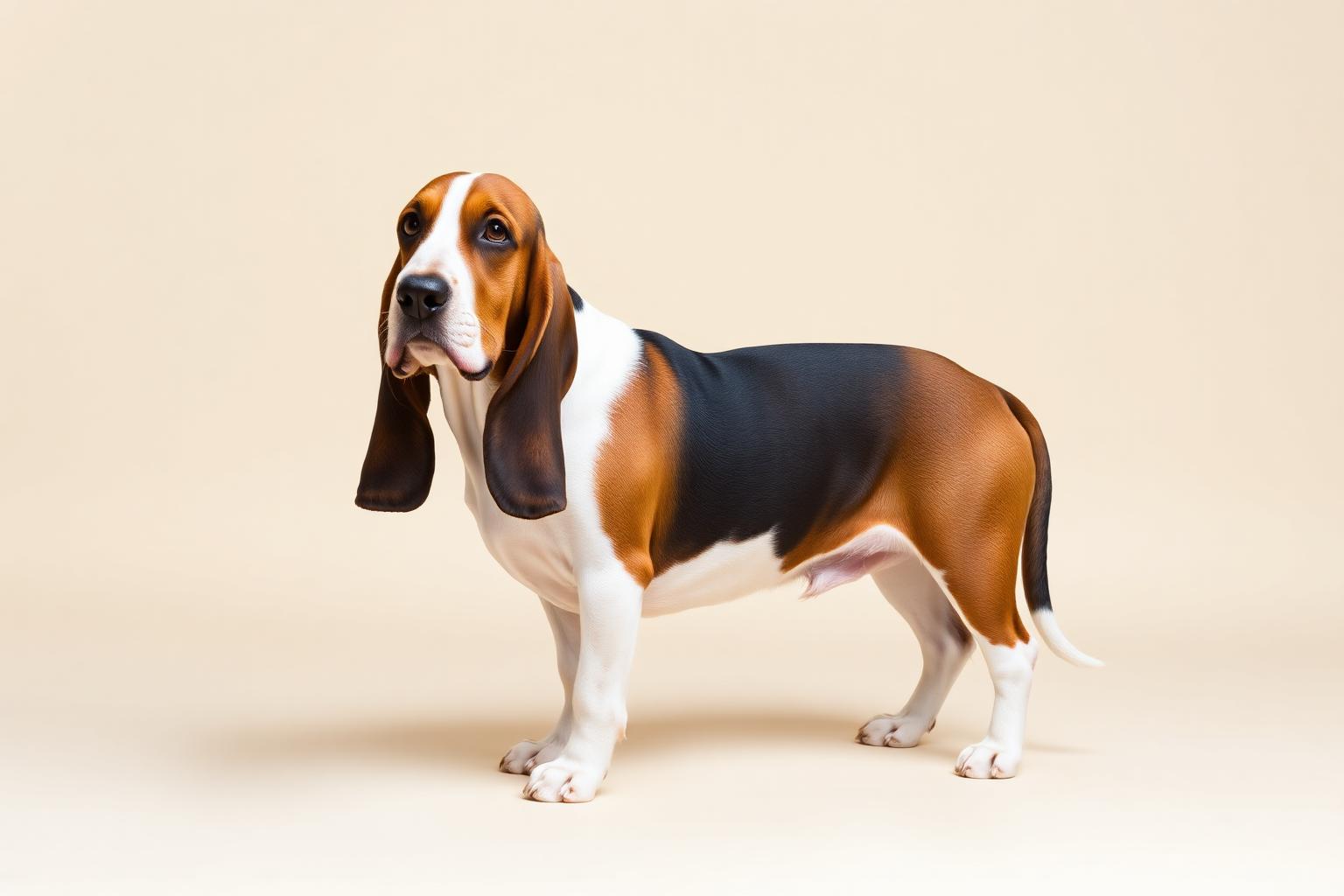
Basset Hound
7.9Calm, sweet and very patient. Tolerates apartments well. Prone to obesity: watch the diet.
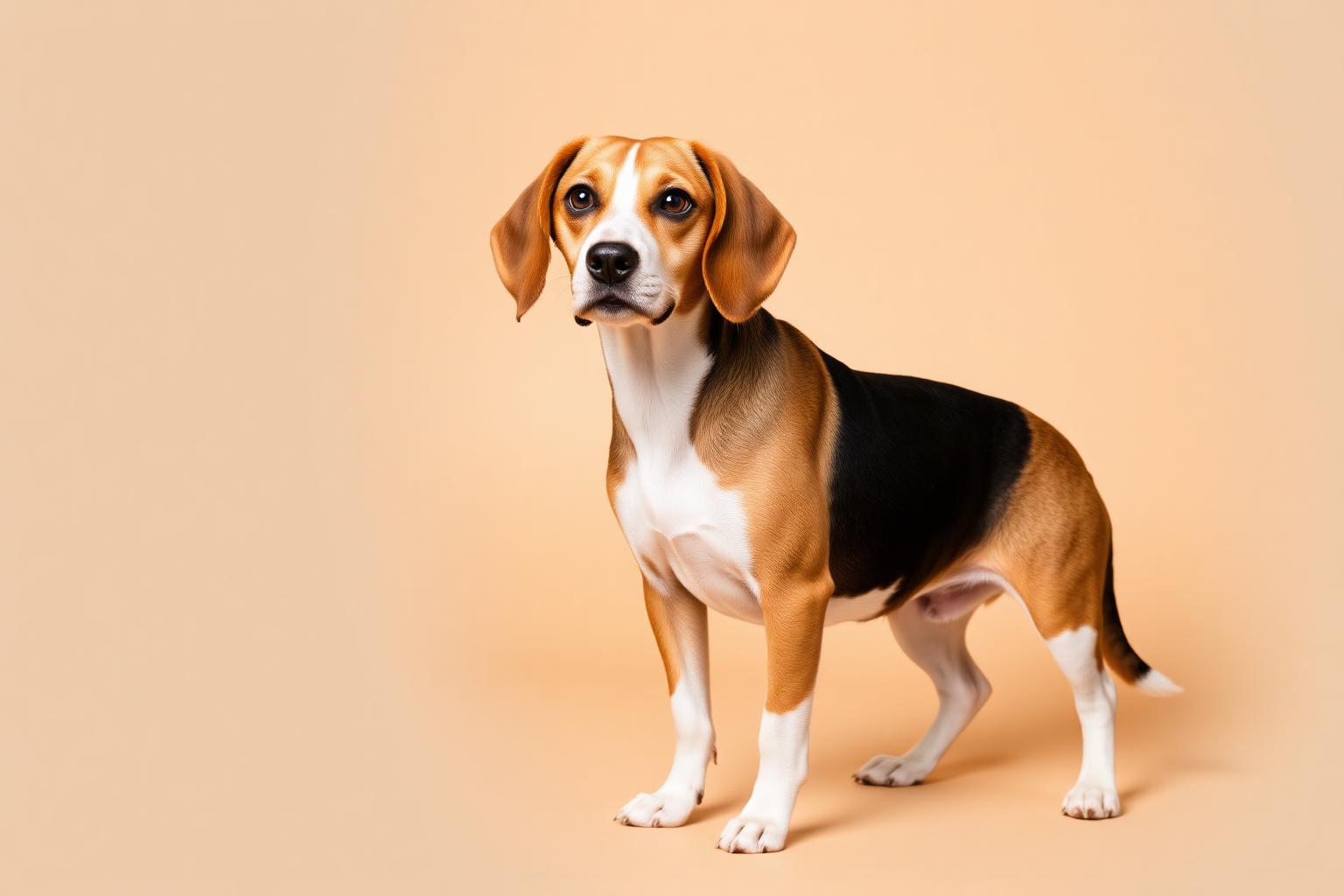
Beagle
9.0Curious, cheerful and very sociable. Needs daily exercise and company. His nose takes him far: always on leash.

Cavalier King Charles Spaniel
9.3Affectionate, sociable and perfect for small apartments. Adapts to the household's rhythm and loves company.