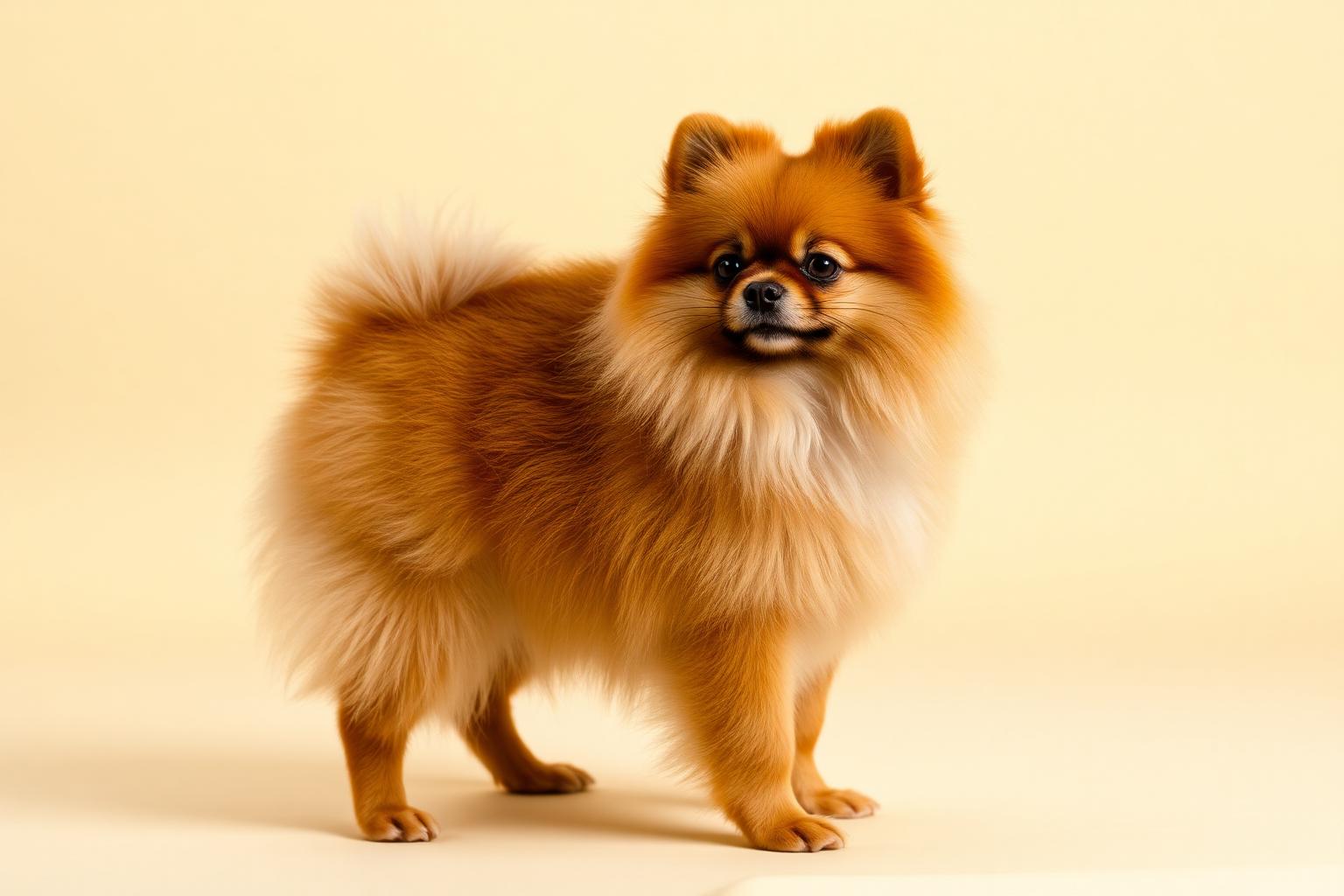
Pomeranian
"Tiny dog with huge personality and captivating charm."
Overview
The Pomeranian is one of the most popular and recognizable small dog breeds, famous for its lavish coat and lively personality. Often affectionately called "Pom" or "Pomeranian Spitz," this toy dog is descended from Arctic sled dogs, which explains its impressive double coat, ideal for cold weather, but requiring daily brushing to prevent tangles and maintain its splendor.
Regarding their temperament, the Pomeranian is an intelligent, curious, and brave dog, often unaware of its tiny size (typically weighing between 1.5 and 3.5 kg). Its overflowing personality makes them excellent companions, very loyal and affectionate with their family. However, their alert nature makes them prone to excessive barking if not properly trained from puppyhood, which is vital for a harmonious home environment. Early socialization is crucial for them to develop into well-adjusted dogs and avoid "small dog syndrome," which can arise if clear boundaries are not set.
Coexistence with children must be supervised, as the fragility of the Pomeranian makes them vulnerable to injuries from rough handling. They are better suited for families with older children who understand how to interact with a small dog. Their exercise needs are moderate, with two short daily walks and playtime at home being sufficient. Pomeranian health requires attention, as they are prone to patellar luxation, tracheal collapse, and dental problems. A quality diet and regular vet visits are essential. If you are looking for a small companion with a big heart and are willing to dedicate time to their care and training, the Pomeranian can be the perfect dog for your apartment or house home.
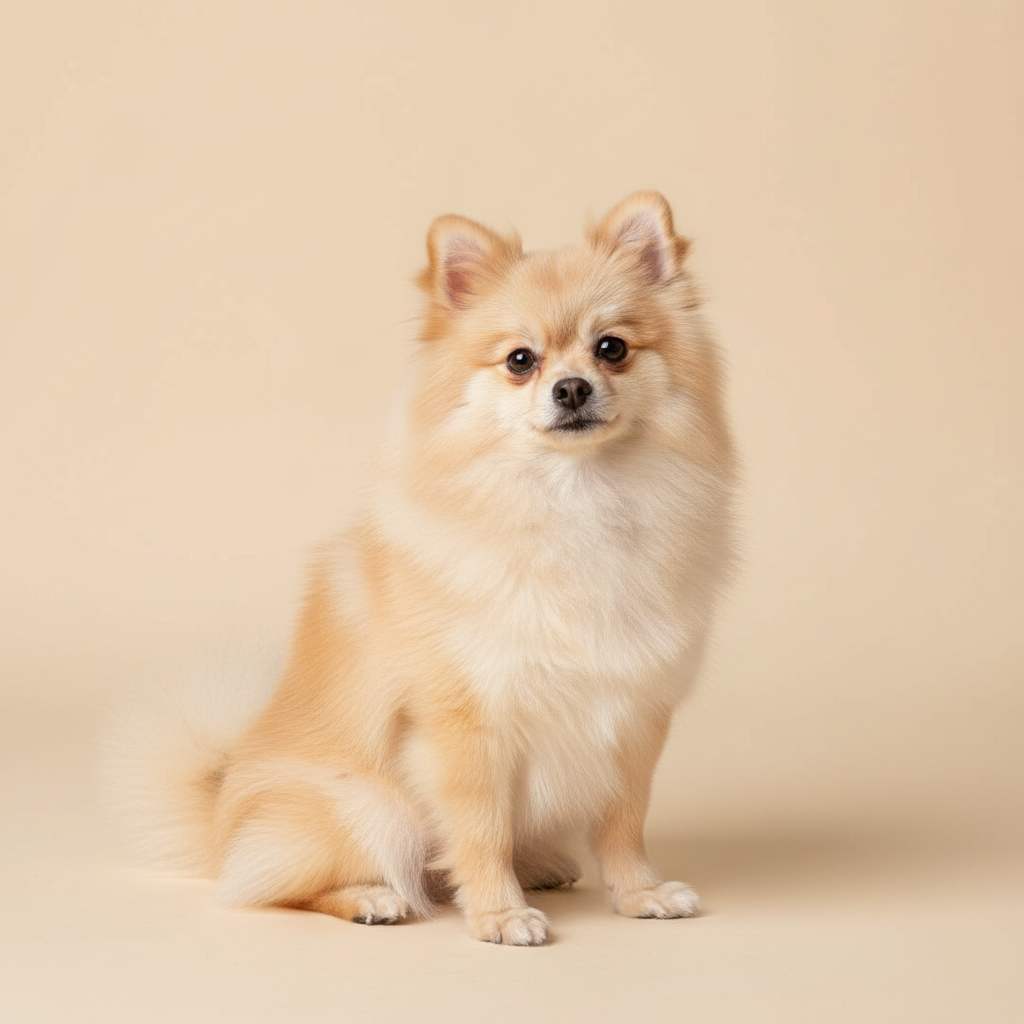
Key facts
- Size
- Small
- Weight
- 2–4 kg
- Life expectancy
- 12–16 years
- Daily exercise
- 30 min/day
- Estimated total
- 110€/month
- Country
- Alemania/Polonia
Character & temperament
The Pomeranian is much more than a pretty face; they are dogs with an overflowing personality and a lively spirit that often forgets their tiny size. They are incredibly intelligent, making them easy to train for those who understand their motivated spirit. Despite their plush toy appearance, they are surprisingly brave and self-assured, not hesitating to stand up to much larger dogs or protect their home with determined barks. This bravery, however, must be managed to prevent them from getting into trouble or becoming excessively territorial. They are very loyal and affectionate with their families, enjoying human company and being the center of attention. They love to cuddle on their owners' laps and follow them around the house. Their natural curiosity and sharp minds mean they need constant stimulation; a bored Pomeranian can become destructive or develop excessive barking habits. They are playful and full of energy, enjoying short but frequent walks and interactive play sessions. Early socialization is crucial for them to become well-adjusted adult dogs, capable of interacting positively with strangers and other pets. Without proper socialization, they can become reserved or even fearful, manifesting this insecurity through barking or fear aggression. Their dominant nature in a small body requires a firm and consistent owner who establishes clear boundaries with love and patience. They make excellent alarm dogs due to their constant state of vigilance, but this also means they can be prone to barking if not taught to moderate themselves. In summary, the Pomeranian is a fun, loving, and characterful companion, ideal for those seeking a small dog with a big personality and who are willing to meet their needs for stimulation and socialization.
Living with children
The coexistence between a Pomeranian and children can be rewarding, but it requires careful supervision and mutual education. Due to their tiny size and delicate bone structure, Pomeranians are susceptible to injuries if not handled correctly. For this reason, they are not the most suitable choice for homes with very young children or toddlers who have not yet learned to interact with pets gently. An overly strong hug or an accidental fall can cause significant harm. In homes with older, well-behaved children who understand the importance of gentleness and respect towards a small pet, a Pomeranian can be a charming companion. Children should be taught not to treat the dog like a toy, not to pick it up without supervision, and to recognize signs that the dog needs space. The Pomeranian, for its part, is a playful and energetic dog that can enjoy the company of children who know how to play appropriately. However, their sometimes dominant nature and tendency to bark can emerge if they feel cornered or annoyed. Early socialization of the Pomeranian with children of various ages is vital to help them get accustomed to their presence and noises. It is essential to establish clear rules for both parties: for the dog, teach boundaries and impulse control; for the children, instill respect and responsibility for how to interact with such a small and fragile living being. Supervising interactions is always recommended to ensure that experiences are positive for both and to foster a healthy and safe bond. With proper attention, a Pomeranian can be a delightful and fun family member for children who understand their needs and fragility.
With other pets
Pomeranians can live harmoniously with other animals if properly socialized from a young age. However, their bravery and tiny size can lead them to challenge larger dogs, requiring supervision to prevent accidents. With cats, their relationship will largely depend on both personalities; if raised together, they are usually good friends. It's important to remember their prey drive with smaller animals like hamsters or birds, so interactions should be extremely controlled or avoided entirely. The key is gradual and always supervised introduction.
Health & prevention
Pomeranians are generally robust dogs, with a life expectancy of 12 to 16 years, but like many small breeds, they are prone to certain health conditions. One of the most common concerns is patellar luxation, where the kneecap slips out of place, which can cause lameness and pain. Tracheal collapse is another significant condition where the cartilaginous rings of the trachea weaken, leading to coughing and difficulty breathing, especially with excitement or exercise. Heart diseases, such as patent ductus arteriosus or valvular disease, can also occur and require regular veterinary monitoring. Additionally, they can suffer from dental problems; their small mouths are prone to plaque buildup and periodontal disease, so regular dental care is crucial. Alopecia X, also known as 'black skin disease,' is an inherited condition that causes hair loss and skin darkening, though it is more of an aesthetic issue than a health one. Other concerns include eye problems such as cataracts and distichiasis. It is essential to choose a responsible breeder who performs genetic testing on their breeding dogs to minimize the risk of these diseases. Regular veterinary visits, a balanced diet, and appropriate weight management are essential to keep a Pomeranian healthy and happy. Given their delicate constitution, special care must be taken to avoid falls or blows that could cause bone fractures.
Health risks
- •Tracheal collapse
- •Alopecia X
- •Patellar luxation
Care
Nutrition
Pomeranian nutrition is crucial due to their small size and active metabolism. They need high-quality food specifically designed for small breeds, providing them with the necessary nutrients in each tiny portion. Kibble should be an appropriate size to prevent choking and encourage chewing. Due to their propensity for dental problems, some foods are formulated to help reduce tartar. It is vital to control quantities to prevent obesity, as even a few extra grams can place a significant burden on their delicate joints. Consider two or three small meals a day instead of one large one to maintain their energy levels consistently and avoid digestive issues. They should always have access to fresh, clean water.
Grooming & hygiene
The Pomeranian's impressive double coat is its most distinctive feature and requires regular and meticulous maintenance. Daily brushing is essential to prevent mats and tangles, especially in the dense undercoat, and to remove loose hair. Use a pin brush and a metal comb, paying special attention to the areas behind the ears, armpits, and tail. Bathing every 3-4 weeks or as needed is recommended, using a dog-specific shampoo and conditioner. Thorough blow-drying is crucial to prevent skin problems. In addition to coat care, it's important to trim their nails every 2-4 weeks and clean their teeth daily to prevent periodontal disease. Some owners opt for professional grooming every 6-8 weeks to keep the coat controlled and aesthetically pleasing, though it should never be completely shaved, as their double coat insulates them from both cold and heat.
Exercise & training
Exercise plan
Despite their small size, Pomeranians are energetic dogs that need regular exercise to stay healthy and balanced. However, given their tiny bodies, their exercise needs are moderate and easily met. Two short walks a day, about 15-20 minutes each, are sufficient for most Poms. These walks not only provide physical activity but also offer mental stimulation through outside sights and smells. In addition to walks, they love playing at home or in a secure garden. Interactive games like fetch or 'tug-of-war' are excellent for burning energy and strengthening the bond. It is crucial to avoid strenuous or prolonged exercise, especially in warm climates, as they can easily overheat. Pomeranians enjoy activity, but always within their physical limits, so listening to your dog and observing their signs of fatigue is essential to prevent exhaustion or injury.
Training
The Pomeranian, though small, is an intelligent and eager-to-please dog, making them quite trainable with the right methods. Start training and socialization from puppyhood to ensure a well-adjusted dog. They are sensitive to voice tones, so positive reinforcement training, with rewards and praise, works best. They have a short attention span, so keep sessions brief, fun, and varied. A common challenge is excessive barking, which must be addressed with consistency and patience, teaching them the "quiet" command. They are also prone to small dog syndrome, where unacceptable behavior is allowed due to their size; it's vital to treat them like big dogs, with clear boundaries. House training may take a bit longer. Early exposure to different people, places, and sounds will help prevent shyness or territorial aggression.
Monthly cost
Low food consumption, but professional grooming every 6-8 weeks is essential to avoid matting.
Estimate for Spain, healthy adult dog. Varies by region and provider.
Pros & cons
Pros
- ✓Loyal and affectionate companions who love company.
- ✓Adapt well to apartment living and small spaces.
- ✓Intelligent and relatively easy to train with positive reinforcement.
- ✓Excellent watchdogs, alerting to strangers or noises.
- ✓Their size makes them easy to transport and travel with.
Cons
- !Require frequent and professional grooming for their double coat.
- !Can be prone to excessive barking if not trained.
- !Delicate and susceptible to injuries from falls or rough handling.
- !May develop 'small dog syndrome' if boundaries are not set.
- !Suffer in hot weather due to their dense coat.
Ideal for
- • Owners looking for an energetic and pampered companion.
- • Families with older, respectful children.
- • Single individuals or couples who can dedicate time to grooming and training.
- • Small homes or urban apartments.
Not recommended for
- • Homes with very young children or toddlers due to their fragility.
- • Families who cannot commit to daily and regular grooming.
- • Owners who do not tolerate barking or are unwilling to train it.
- • Extremely hot climates without a controlled environment.
How it fits each scenario
Excellent for apartments, as their small size and moderate exercise needs adapt perfectly to urban living. Ensure short and regular walks.
Enjoys a house with a secure (well-fenced) garden, but is not a dog to live exclusively outdoors. Needs constant supervision and indoor time with the family.
Suffers in hot climates due to their dense coat. Requires air conditioning, walks during cool hours, and plenty of water to prevent heatstroke.
Their double coat provides good protection against cold, but in extreme temperatures, they will still need shelter and perhaps a sweater for walks.
Not recommended for homes with infants or toddlers due to their fragility and the risk of accidental injury from rough handling.
Very good option with school-aged children who can understand how to interact gently and respectfully with a small dog. Always with initial supervision.
Can be suitable for first-time owners if they are willing to invest time in training, socialization, and, crucially, regular coat grooming.
An experienced owner will appreciate the Pom's character and know how to manage their tendency for 'small dog syndrome' and their need for mental stimulation.
Ideal for an active family that enjoys short walks and interactive games, but is not looking for a companion for strenuous physical activities.
Not the best option. Although small, they require time for daily grooming, training, and to prevent separation anxiety if left alone for long periods.
Not a hypoallergenic breed. They shed quite a bit, especially during shedding seasons, and their dense coat can be an issue for people with allergies.
Not a low-budget dog. The costs of regular professional grooming and potential veterinary care for genetic health issues are considerable.
Origin & history
Descended from large, powerful Spitz-type sled dogs from the Arctic, the Pomeranian was bred down to size in the Pomerania region (now part of Poland and Germany). Queen Victoria is credited with popularizing the small version of the breed in the late 1800s.
Queen Victoria of England was so smitten with a Pomeranian during her vacation in Florence that she returned with one, boosting the breeding of smaller specimens and their popularity in the 19th century.
Frequently asked questions
Is the Pomeranian a good dog for first-time owners?▾
Yes, the Pomeranian can be an excellent choice for first-time owners, provided they are willing to research and commit to their specific needs. They are intelligent and trainable, but coat care and early socialization are paramount. A new owner must be prepared to be consistent in training and understand that their small size doesn't mean fewer responsibilities, but perhaps different ones, such as protection against accidental injuries.
How much does a Pomeranian bark?▾
Pomeranians are known to be vocal dogs, especially when excited, scared, or to alert to the presence of strangers. Their vigilant nature makes them excellent alert dogs, but this instinct can become excessive if not managed properly from puppyhood. Consistent positive reinforcement training and teaching the "quiet" command is crucial to control this behavior and prevent it from becoming a nuisance.
Can Pomeranians live in hot climates?▾
Pomeranians do not adapt well to hot climates due to their dense double coat. They are prone to overheating and heatstroke. In hot environments, it is crucial to keep them indoors with air conditioning, take them for walks only during the coolest parts of the day (early morning or dusk), and ensure they always have access to plenty of fresh water. They should never be left alone in a car on a hot day.
Are Pomeranians good travel companions?▾
Yes, their small size makes them excellent travel companions. They are easy to transport in airline-approved carriers or in the car. However, their alert personality may mean they get stressed by changes in environment. The key is to socialize them with different places and noises from puppyhood and ensure they feel safe and comfortable in their carrier during travel.
Do Pomeranians get along with other dogs or pets?▾
Pomeranians can get along well with other dogs and cats if properly socialized from an early age. However, their bravery and bold temperament can lead them to disregard their size and challenge larger dogs, requiring supervision. With other small pets, such as rodents or birds, their prey drive may be activated, so interactions should be limited and supervised with extreme caution.
Are Pomeranians suitable for people with allergies?▾
No, Pomeranians are not a hypoallergenic breed. They shed a considerable amount of hair, especially during seasonal shedding, and their double coat can trap dander and allergens. People with severe dog dander allergies will likely experience symptoms if they live with a Pomeranian. It is recommended that allergic individuals spend time with the breed before deciding to adopt one.
What health problems are common in Pomeranians?▾
Pomeranians are prone to several conditions, including patellar luxation, tracheal collapse (which can cause coughing and respiratory distress), dental problems due to their small mouth, and alopecia X or black skin disease. They can also suffer from heart disease and eye problems. It is vital to purchase from a responsible breeder who performs genetic testing and to carry out regular veterinary check-ups for early detection.
How much exercise does a Pomeranian need?▾
Despite their energy, a Pomeranian's exercise needs are moderate and easily met. Two short walks a day of 15-20 minutes are generally sufficient. They enjoy playtime indoors or in a secure garden. It's important to avoid excessive exercise, especially in warm climates, and to adapt the duration and intensity of exercise to each dog's age and individual health, monitoring for any signs of fatigue.
Similar family-friendly breeds
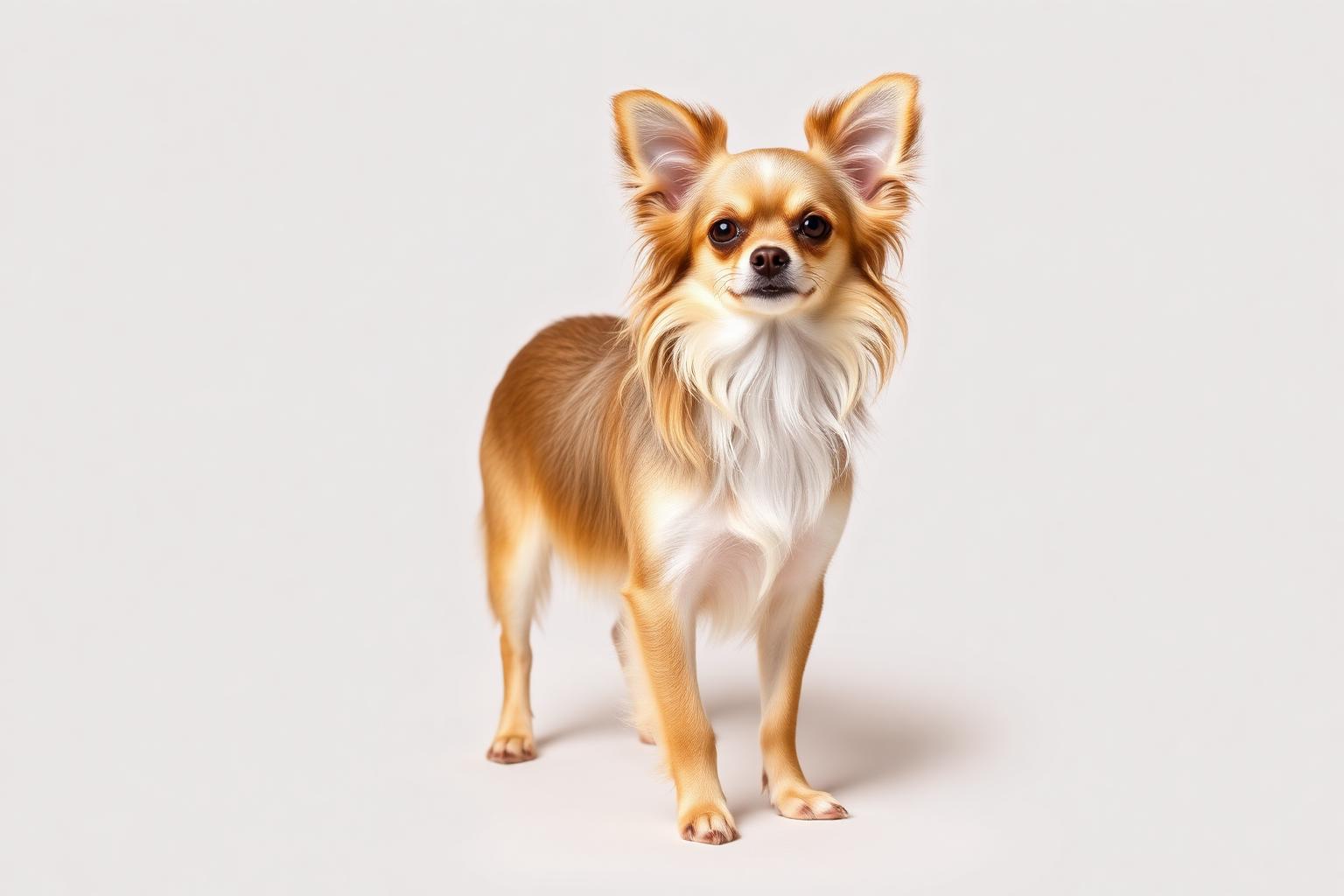
Chihuahua
5.0Tiny, vocal and very bonded to one person. Fragile; not recommended with small children.
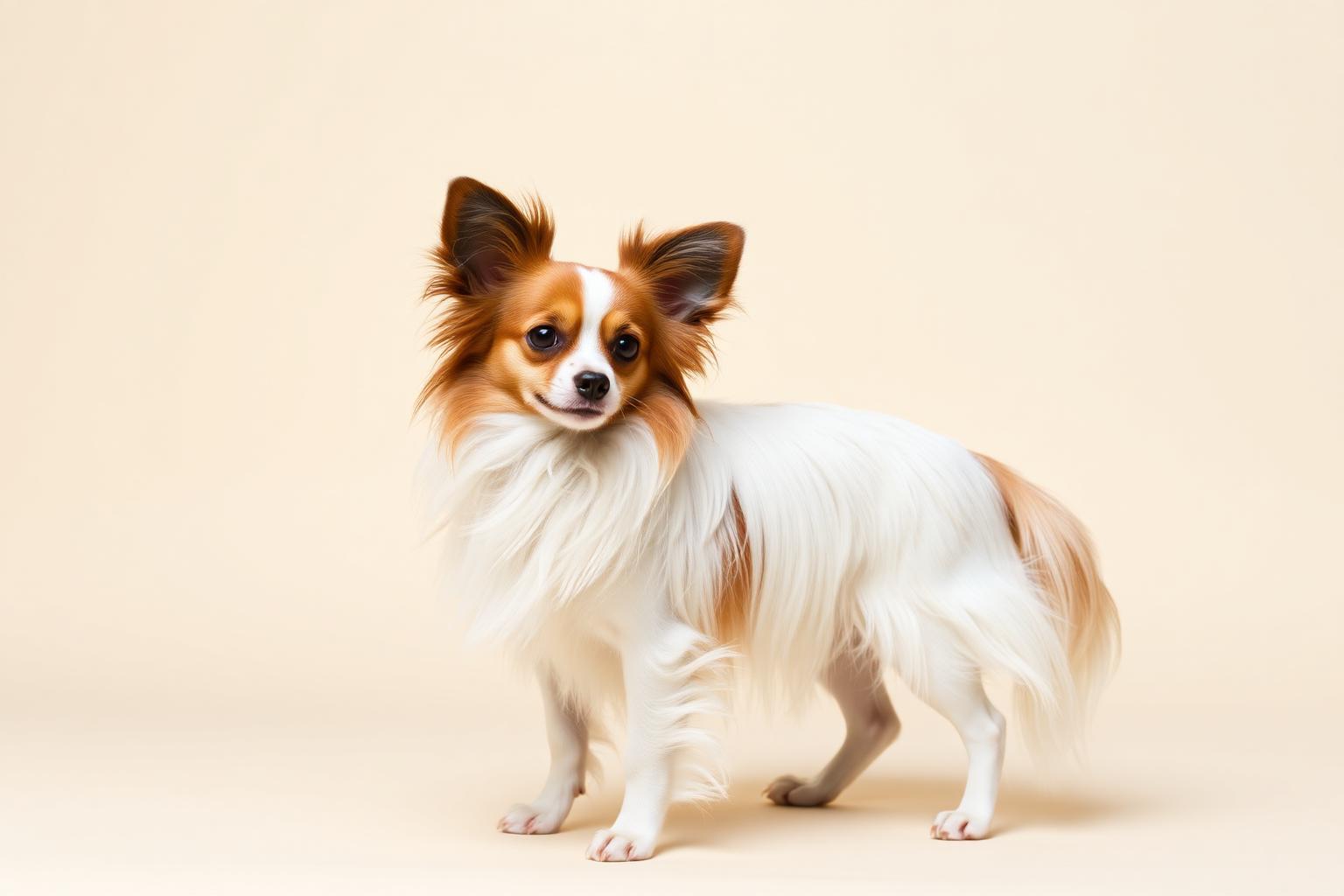
Papillon
6.1Butterfly ears. One of the smartest toys; shines at agility.
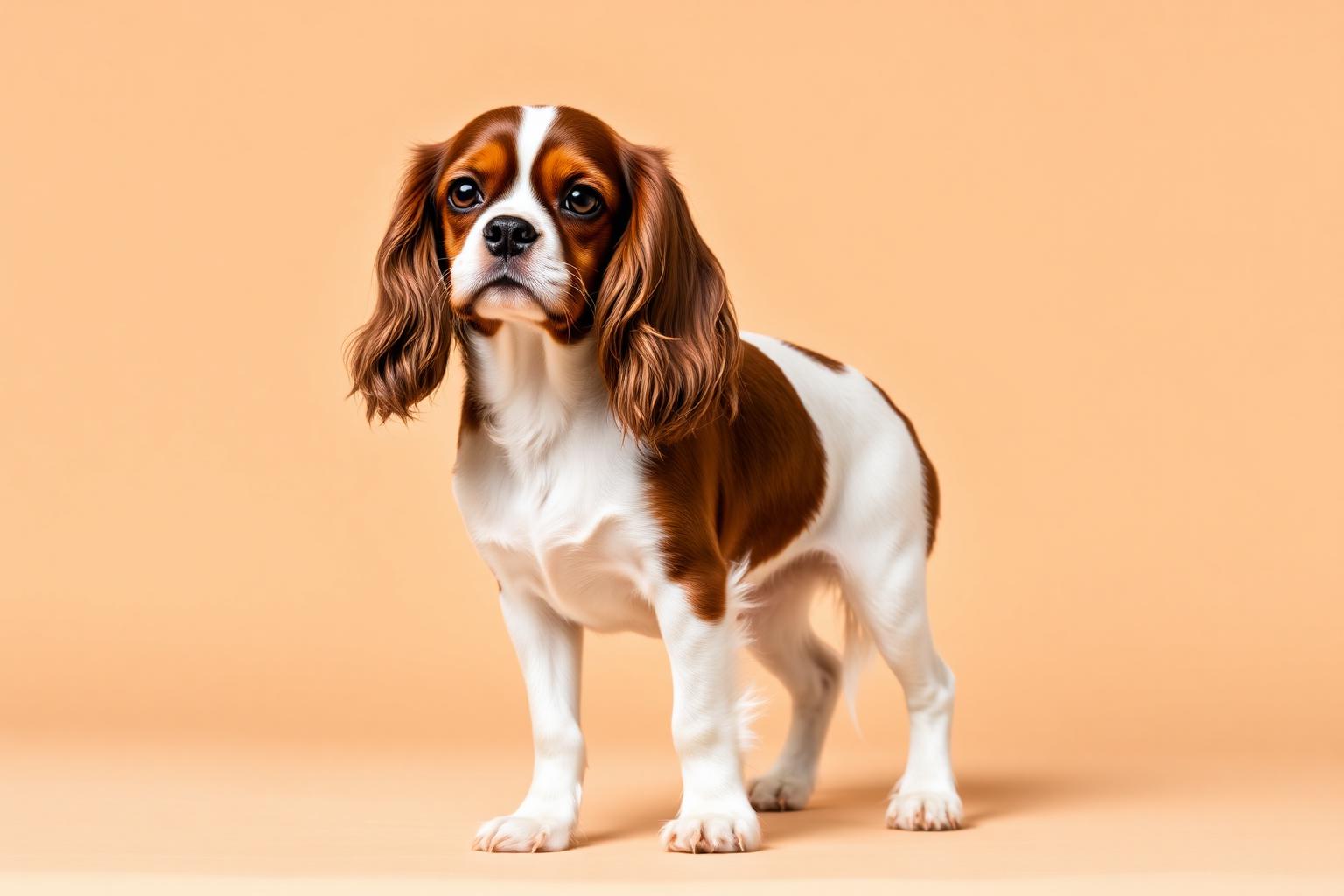
Cavalier King Charles Spaniel
9.3Affectionate, sociable and perfect for small apartments. Adapts to the household's rhythm and loves company.