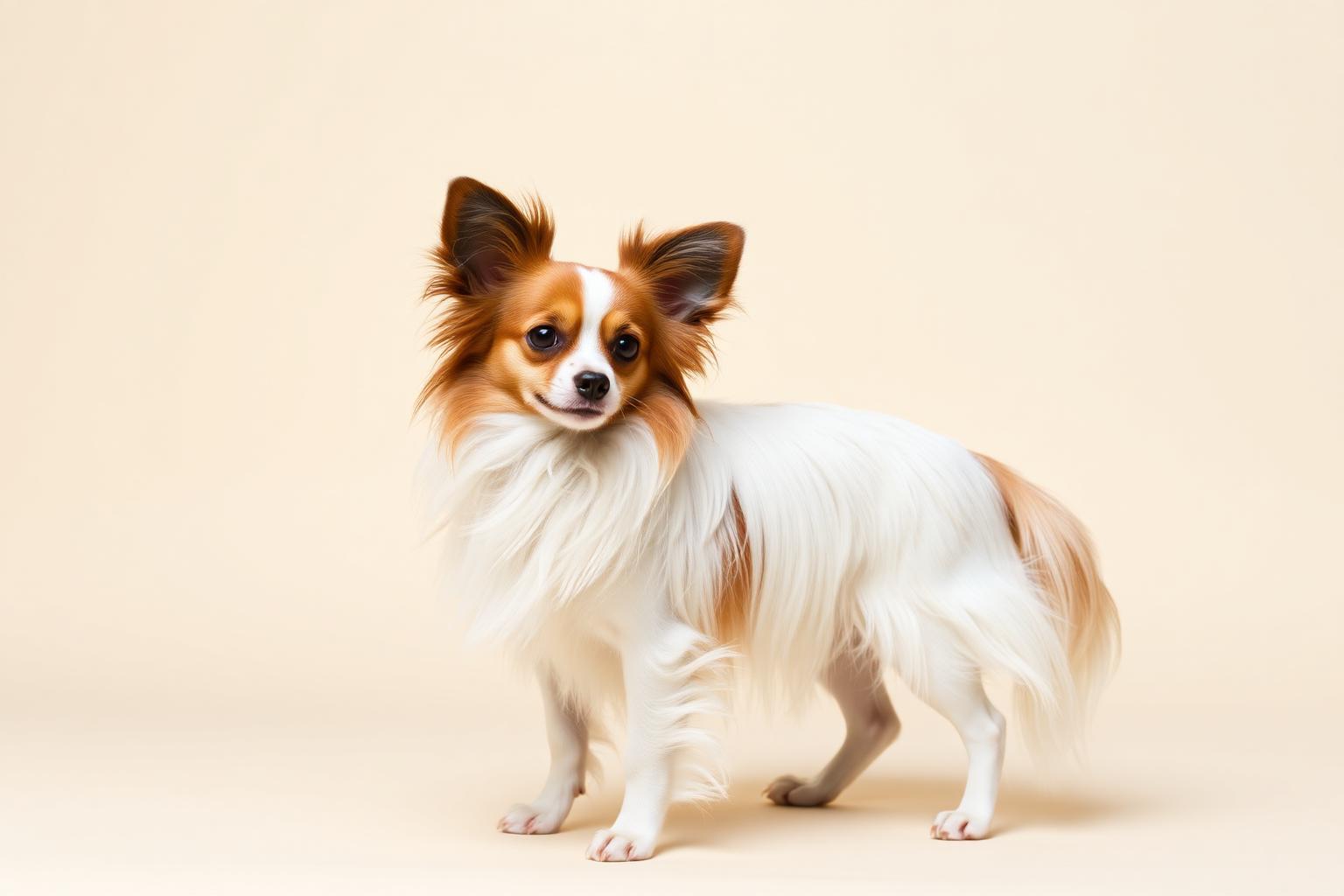
Papillon
"Elegant, intelligent, and lively: a butterfly in your home."
Overview
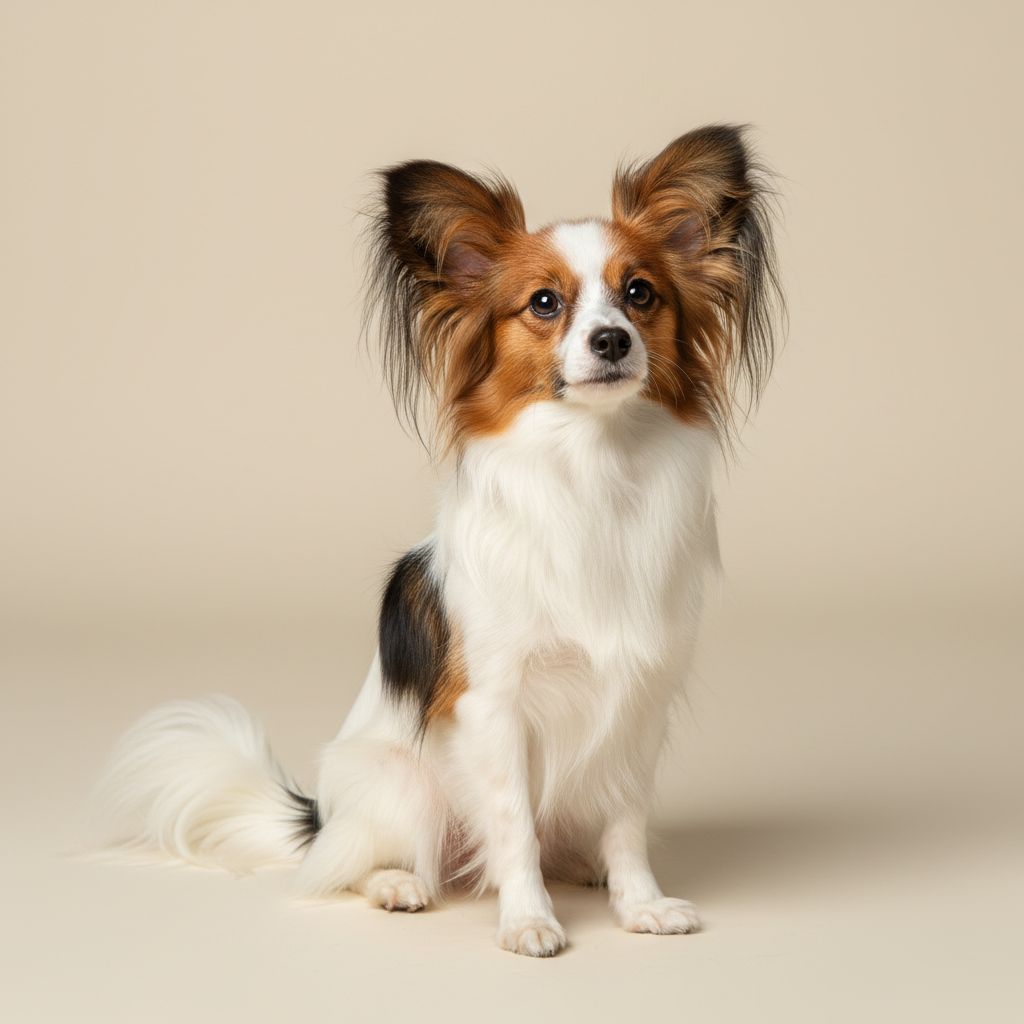
El Papillón, o Spaniel Enano Continental, es una raza de perro pequeña originaria de Francia y Bélgica, conocida por su inteligencia, elegancia y vivacidad. Famoso por sus distintivas orejas de mariposa, este perro de compañía es mucho más que una cara bonita; es un atleta en miniatura con una sorprendente energía y destreza. Su tamaño compacto lo hace ideal para la vida en apartamentos y para viajar, adaptándose fácilmente a diversos entornos siempre que reciba la estimulación mental y física adecuada. Son perros muy inteligentes y con gran facilidad para el adiestramiento, destacando en disciplinas como el *agility* y la obediencia, lo que los convierte en una opción excelente incluso para propietarios primerizos dispuestos a invertir tiempo en su educación. Su carácter afectuoso y leal los hace excelentes compañeros de familia, formando fuertes lazos con sus dueños. Se llevan bien con niños si se les socializa adecuadamente y se enseña a los pequeños a interactuar con respeto, aunque su delicadeza exige supervisión constante con infantes. También conviven pacíficamente con otras mascotas si se les introduce correctamente.
En cuanto a su salud, el Papillón es generalmente una raza longeva, pero puede ser propenso a ciertas afecciones como la luxación de rótula, problemas oculares hereditarios y problemas dentales, que requieren atención veterinaria regular y una dieta de calidad. Su mantenimiento del pelaje, a pesar de ser largo, es relativamente sencillo con un cepillado regular (2-3 veces por semana), lo que ayuda a controlar la caída de pelo moderada. El ejercicio diario es crucial; necesitan al menos una o dos caminatas de 20-30 minutos y sesiones de juego activas para mantenerse equilibrados y evitar el aburrimiento. Una nutrición adecuada con pienso de calidad alta es fundamental para su bienestar general y para prevenir problemas dentales. Aunque emiten ladridos de alerta, un adiestramiento consistente basado en el refuerzo positivo puede moderar este comportamiento.
El Papillón es una elección fantástica para aquellos que buscan un perro pequeño pero activo, un compañero inteligente y cariñoso que disfrute participando en todas las aventuras familiares. No es una raza para aquellos que buscan un perro independiente o de bajo mantenimiento, ya que demanda atención humana y estimulación mental constante. Sus costes mensuales son moderados, con un especial énfasis en la prevención de problemas dentales. En resumen, el Papillón es un perro lleno de gracia, inteligencia y alegría, capaz de enriquecer la vida de cualquier familia activa y comprometida.
Key facts
- Size
- Small
- Weight
- 2–5 kg
- Life expectancy
- 13–16 years
- Daily exercise
- 45 min/day
- Estimated total
- 100€/month
- Country
- Francia/Bélgica
Character & temperament
The Papillon is renowned for its exceptional intelligence, making it an easily trainable and highly receptive dog. They are incredibly curious and always eager to learn new things, excelling in dog sports such as *agility*, obedience, and *rally obedience*. Don't underestimate their size; they possess surprising energy for their small stature, enjoying walks and active play sessions. Despite their energy, they also appreciate calm moments and cuddles with their humans, being very affectionate and loyal dogs. They adapt easily to different environments and lifestyles, provided they receive the attention and mental stimulation they require. They are sensitive and emotionally intelligent dogs, capable of detecting their owners' moods and offering comfort. Their sociable nature allows them to get along well with strangers after overcoming slight initial caution, and they rarely show aggression. However, their alert instinct is notable; they tend to be good "watchdogs" and will bark to announce the presence of strangers or unusual noises, which requires proper training to moderate this behavior if it becomes excessive. They need to feel part of the family and enjoy participating in their owners' daily activities. A bored or ignored Papillon can develop destructive habits or excessive barking, so interaction and engagement are key to their emotional well-being.
Living with children
The Papillon can be a wonderful companion for children, especially if properly socialized as a puppy and if children have learned to interact with it respectfully. Their small size makes them vulnerable to accidental bumps or falls, so it is crucial for children, especially younger ones, to be supervised and taught to handle the dog gently. Papillons are quite sturdy for their size, but they are not toys. They are playful and energetic dogs who enjoy participating in gentle games with children, such as fetching or simple tricks. Their intelligence and eagerness to please make them receptive to training, which facilitates establishing clear boundaries and harmonious coexistence. It is important for children to understand that the dog needs its space and should not be disturbed while eating or sleeping. Parental supervision is essential to ensure that both the dog and the children feel safe and comfortable in their interaction. For families with older, school-aged children, the Papillon can be an excellent playmate and an enthusiastic participant in outdoor activities. The key to successful coexistence lies in mutual education: teaching children how to interact responsibly with the dog and training the Papillon to trust and feel secure in the family environment. With proper preparation, the Papillon will become a loving and fun family member for children.
With other pets
The **Papillon** generally gets along well with other dogs and cats, especially if properly socialized from a young age. Their friendly nature and size facilitate integration into multi-pet households. However, due to their prey drive, they may chase small animals like hamsters or birds if not properly trained to ignore them. Introduction to other pets should be done gradually and under supervision to ensure peaceful coexistence. With patience and early socialization, the Papillon can be a harmonious companion for most domestic animals, enjoying the company of other dogs, even larger breeds, provided they are calm and respectful in temperament.
Health & prevention
Papillons are generally a robust and long-lived breed, with a life expectancy often exceeding 12-15 years. However, like all breeds, they are prone to certain genetic conditions that owners should be aware of. One of the most common is patellar luxation, an orthopedic condition where the kneecap slips out of place, causing lameness. Hereditary eye diseases, such as progressive retinal atrophy (PRA) and cataracts, can also affect the breed, which is why responsible breeders perform genetic testing. Epilepsy is another concern, manifesting with varying degrees of seizure episodes. Given the delicacy of their skull in a small puppy, an open fontanelle (a soft spot on the head) is common at birth, and must close completely to avoid injury. They can also be prone to dental problems, such as tartar buildup and early tooth loss, so regular oral hygiene is essential. Finally, hypoglycemia (low blood sugar) can be a risk in very small puppies or adults who do not eat regularly. Breeders should perform health screenings on the parents, and high-quality food is key to minimizing some of these risks.
Health risks
- •Patellar luxation
- •Dental problems
Care
Nutrition
Due to their size and energy level, **Papillons** require a high-quality, balanced diet specifically formulated for small breeds. This provides them with essential nutrients to maintain their energy, a shiny coat, and optimal health. It's vital to pay special attention to their dental health; feeding dry kibble of appropriate size can help prevent tartar buildup and periodontal disease, common in small breeds. Dividing the daily ration into two meals is recommended to keep their metabolism stable and prevent hypoglycemia, especially in puppies. Portion control is crucial to avoid overweight, which can exacerbate joint problems. Always ensure they have access to fresh, clean water. Consult your veterinarian to choose the most suitable kibble and the optimal amount based on your Papillon's age, weight, and activity level.
Grooming & hygiene
Despite their sophisticated appearance, the **Papillon's** coat is surprisingly easy to care for. Their long, silky hair, without a dense undercoat, doesn't tangle as easily as that of other breeds with similar hair. Brushing 2-3 times a week with a soft-bristled brush or metal comb will help prevent knots, remove loose hair, and maintain its shine. Pay special attention to the areas behind the ears, legs, and tail, where hair tends to tangle more. Baths are only necessary when the dog is dirty, using a gentle, dog-specific shampoo. It is essential to dry the hair thoroughly to avoid skin irritations. In addition to coat care, maintaining good dental hygiene is crucial, brushing their teeth several times a week to prevent periodontal diseases. Nails should be trimmed regularly, and ears should be checked and cleaned periodically to prevent infections. Although Papillons shed some hair, it's not excessive and is manageable with regular brushing.
Exercise & training
Exercise plan
Papillons are energetic and athletic dogs for their size, which means regular exercise is essential for their physical and mental well-being. They are not dogs that will be content spending the day on the couch; they enjoy daily walks, play sessions in the garden, or in safe parks. One or two 20-30 minute walks per day, combined with active play at home, are usually sufficient. Their agility and speed make them excellent candidates for canine *agility*, as well as *flyball* and *rally obedience*. These activities not only burn energy but also provide valuable mental stimulation. If they don't receive enough exercise, they can become bored and develop unwanted behaviors. However, it's important to remember that their small size makes them vulnerable to outdoor hazards, so they should always be supervised or on a leash in unfenced areas, and protected from extreme weather conditions. For rainy or cold days, interactive games and food puzzles indoors can be excellent alternatives to keep them mentally and physically active.
Training
The **Papillon's intelligence** and eagerness to please generally make training a rewarding experience. They respond exceptionally well to positive reinforcement, using treats, praise, and toys. Force-based training or punishment can make them withdraw and be counterproductive. It's essential to start socialization and basic obedience training from an early age to ensure they grow into well-balanced and well-behaved dogs. They are quick to learn commands and tricks and often enjoy obedience classes, where they can showcase their skills and socialize with other dogs. Given their tendency to bark to alert, it's important to train the "quiet" command from puppyhood to prevent barking from becoming a nuisance. Potty training may require consistency, but with patience, most Papillons learn quickly. Their ability to excel in dog sports demonstrates their potential for advanced learning. Training should always be fun and varied to maintain their interest and prevent boredom. A good foundation of basic obedience is key to a happy Papillon and a happy owner.
Monthly cost
A healthy, long-living breed with low food consumption but requires high-quality kibble for dental health.
Estimate for Spain, healthy adult dog. Varies by region and provider.
Pros & cons
Pros
- ✓Extremely intelligent and easy to train.
- ✓Affectionate and loyal to its family.
- ✓Adaptable size for apartments and travel.
- ✓Elegant and with a relatively easy-to-maintain coat.
- ✓Playful and energetic, enjoys activities and dog sports.
Cons
- !Can be noisy if barking control is not trained.
- !Requires constant mental stimulation to avoid boredom.
- !Delicate due to its size; vulnerable to accidental bumps and falls.
- !Needs regular brushing to prevent tangles in its long coat.
- !Prone to some health issues such as patellar luxation and dental problems.
Ideal for
- • Active families looking for a small and dynamic dog.
- • Seniors who enjoy walks and loyal companionship.
- • First-time owners willing to invest in positive training.
- • Dog sport enthusiasts and agility activities.
Not recommended for
- • Households with very young children without constant supervision (risk of injury).
- • People looking for a low-maintenance dog or who prefer a more independent breed.
- • Owners who cannot provide regular mental and physical stimulation.
- • Families intolerant of occasional barking or the need for active socialization.
How it fits each scenario
The **Papillon** adapts very well to apartment living due to its size. However, its energy requires daily walks and active play at home to prevent boredom and destructive behaviors.
In a house with a garden, the **Papillon** will enjoy the extra space to run and play, but always under supervision. The garden does not replace walks or the family interaction it values so much.
Papillons can live in hot climates, but their coat, although not dense, requires caution. Avoid peak heat hours, provide shade and fresh water, and consider a hygienic clip in summer.
In cold climates, the **Papillon** may need a coat or sweater during walks, especially smaller or less-coated individuals. Protect their paws from snow and ice, which can cause irritation.
Coexistence with toddlers requires constant supervision. **Papillons** are delicate and can be easily injured by rough play. Teach children to interact gently and patiently.
For school-aged children, the **Papillon** can be an ideal playmate. Their energy aligns well with that of children, provided they are taught to respect the dog's space and boundaries.
Yes, the **Papillon** is an excellent choice for first-time owners. They are intelligent and eager to please, which makes training easy. They only require commitment to socialization and mental stimulation.
An experienced owner will enjoy the **Papillon's** intelligence and can get the most out of it in dog sports and advanced training. Its sensitive nature will appreciate a firm but kind hand.
The **Papillon** is perfect for active families who enjoy walks, light hiking, or dog sports. They will enthusiastically adapt to adventures, as long as their size and stamina are considered.
While adaptable, the **Papillon** is not ideal for overly busy families. It needs daily interaction, play, and mental stimulation to prevent boredom and separation anxiety.
No, the **Papillon** is not a hypoallergenic breed. Although it sheds little, it produces dander and secretions that can trigger allergies in sensitive people. It is not a good choice for severe allergy sufferers.
The **Papillon** does not have exorbitant food costs, but it does require regular veterinary care, good nutrition, and occasionally treatments for specific health issues. It is not an option for a very tight budget.
Origin & history
Descending from the Continental Toy Spaniel, the breed evolved in France and Belgium. It was a staple in royal courts, famously painted by Masters like Titian and Velázquez. The name 'Papillon' refers to the butterfly-like upright ears, while the drop-eared variety is known as 'Phalène' (moth).
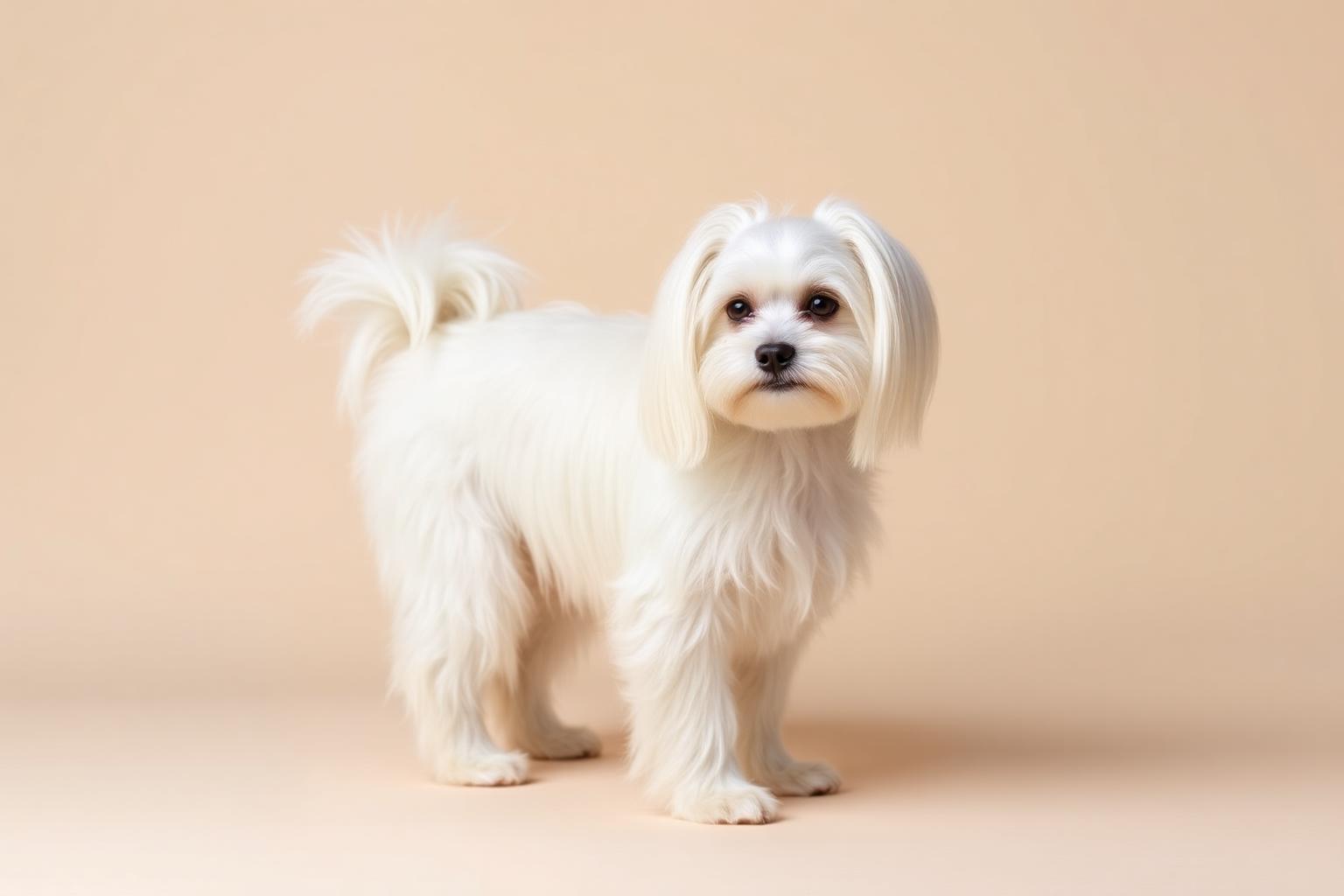
The **Papillon** gets its name, meaning "butterfly" in French, from the shape of its fringed, upright ears, which resemble the open wings of a butterfly. A distinctive characteristic of the breed.
Frequently asked questions
Is the Papillon a good watchdog, given its alert barking?▾
The Papillon is an excellent alert or sentinel dog. Its small size does not make it a deterrent guard dog, but its keen hearing and tendency to bark at anything new or any unknown intruder means it will quickly warn you of anything out of the ordinary. It will quickly learn to distinguish regular visitors from strangers. However, it is vital to train barking control from an early age to prevent it from becoming excessive and annoying, especially in urban environments or apartments.
Can Papillons tolerate being left alone at home during the day?▾
Papillons are very attached to their family and can develop separation anxiety if left alone for very long periods. While most will tolerate a few hours of solitude, they are not dogs to be left alone all day, every day. If you work full-time, consider hiring a dog walker or doggy daycare. Providing interactive toys and mental enrichment when alone can help, but human interaction is crucial for their emotional well-being. A bored or anxious Papillon may bark, chew, or have accidents indoors.
Are Papillons good for seniors?▾
Yes, Papillons can make wonderful companions for seniors. They are small enough to be manageable yet energetic enough to keep their owners active with regular walks. Their affectionate and loyal nature, combined with their intelligence, makes them ideal companion pets. They enjoy interaction and being the center of attention. However, their energy requires owners to be able to offer daily walks and some playtime, making them more suitable for active seniors looking for a lively companion.
How difficult is it to train a Papillon?▾
Training a Papillon is actually quite easy and rewarding due to their high intelligence and inherent desire to please their owners. They are quick learners and enjoy mental challenges. They respond exceptionally well to positive reinforcement, such as treats and praise. Consistency and starting early with socialization and basic obedience are key. With a gentle and fun approach, a Papillon can excel in tricks, advanced obedience, and even dog sports like *agility*.
Is the Papillon a suitable breed for travel?▾
Absolutely. The Papillon's compact size makes it an excellent travel companion. It easily adapts to a travel crate and can comfortably fit under the seat in an airplane cabin (always checking airline regulations). Its adaptable and sociable nature, if well-socialized, helps it tolerate new environments and hustle. They are happy to follow their humans anywhere, making them ideal for those who enjoy adventures and want to take their dog with them.
What kind of mental stimulation does a Papillon need?▾
Papillons are incredibly intelligent and require daily mental stimulation to prevent boredom. This can include short obedience or trick training sessions, interactive toys like food puzzles, or participation in dog sports such as *agility* or *rally obedience*. They also enjoy scent games or tracking. Without enough stimulation, they can become destructive or bark excessively. Keeping their mind active is as important as physical exercise for their overall well-being.
Do Papillons shed a lot?▾
Although they have a long, silky coat, Papillons do not shed an excessive amount of hair. They shed moderately throughout the year, with seasonal peaks in spring and autumn. Regular brushing (2-3 times a week) is sufficient to control shedding, remove dead hair, and prevent tangles, keeping their coat healthy and shiny. Furthermore, their coat does not have a dense undercoat, which makes it more manageable compared to other long-haired breeds.
Are Papillons prone to gaining weight?▾
Like many small breeds, Papillons can be prone to becoming overweight if their diet is not properly managed and they don't get enough exercise. A few extra kibbles or too many treats can have a significant impact on their small bodies. Overweight not only reduces their agility and energy level but can also worsen health problems such as patellar luxation and diabetes. It is crucial to follow veterinary recommended feeding guidelines and ensure they get daily physical activity.
Similar family-friendly breeds
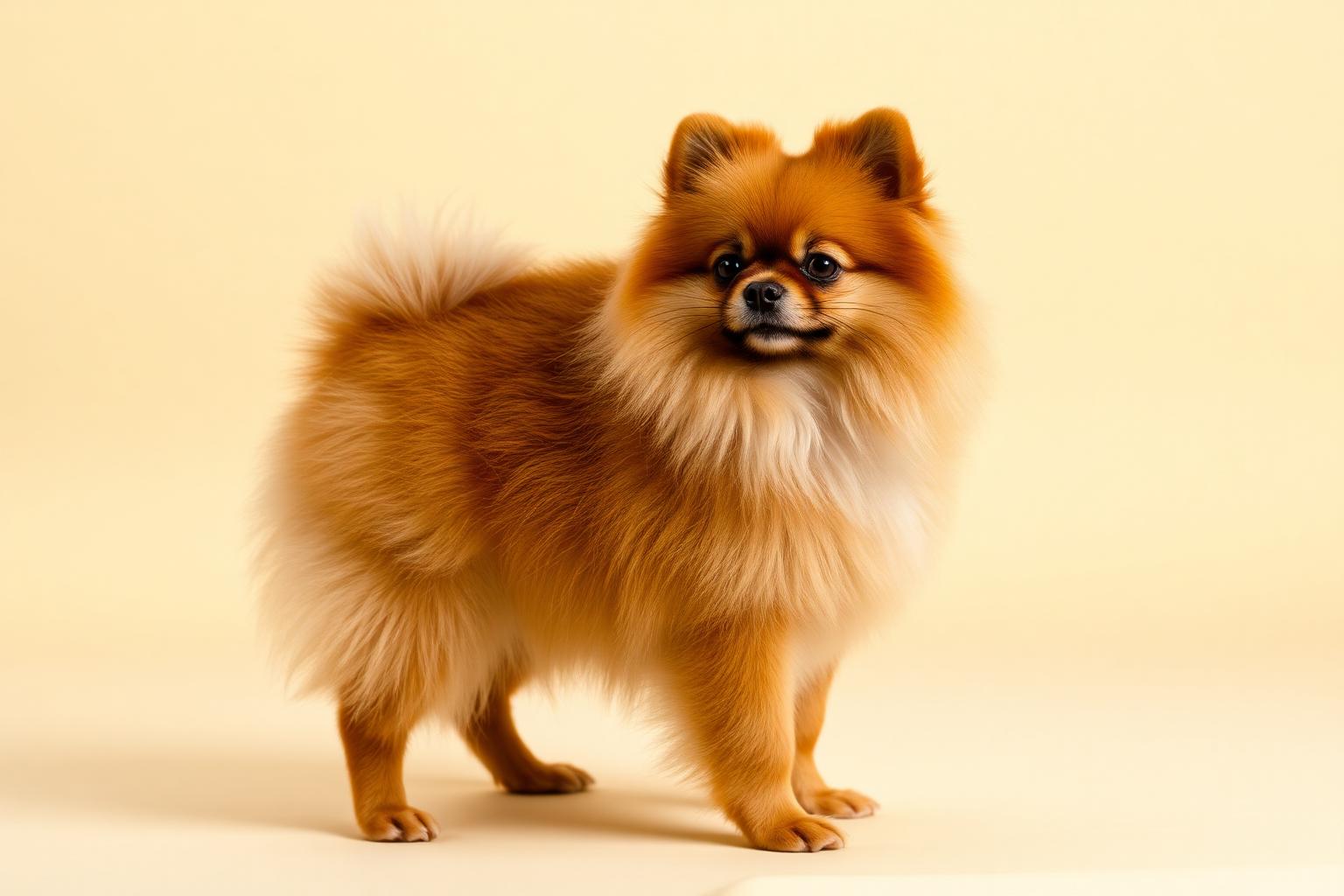
Pomeranian
5.6Charismatic fluffball. Sheds a lot and barks at everything. Fragile with small kids.
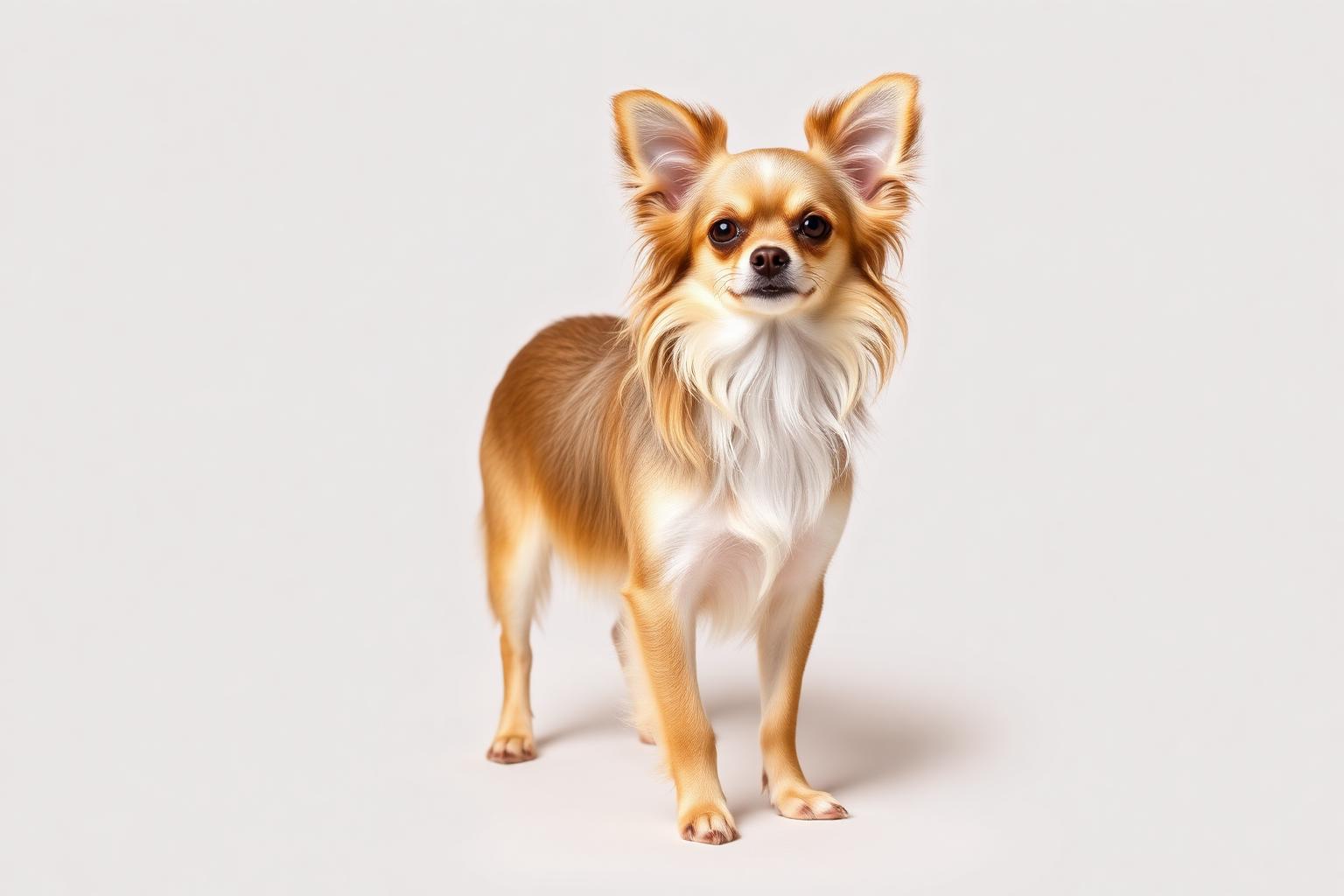
Chihuahua
5.0Tiny, vocal and very bonded to one person. Fragile; not recommended with small children.
 Hypoallergenic
Maltese
8.2Tiny and elegant, barely sheds. Fragile around small children. Needs frequent grooming.