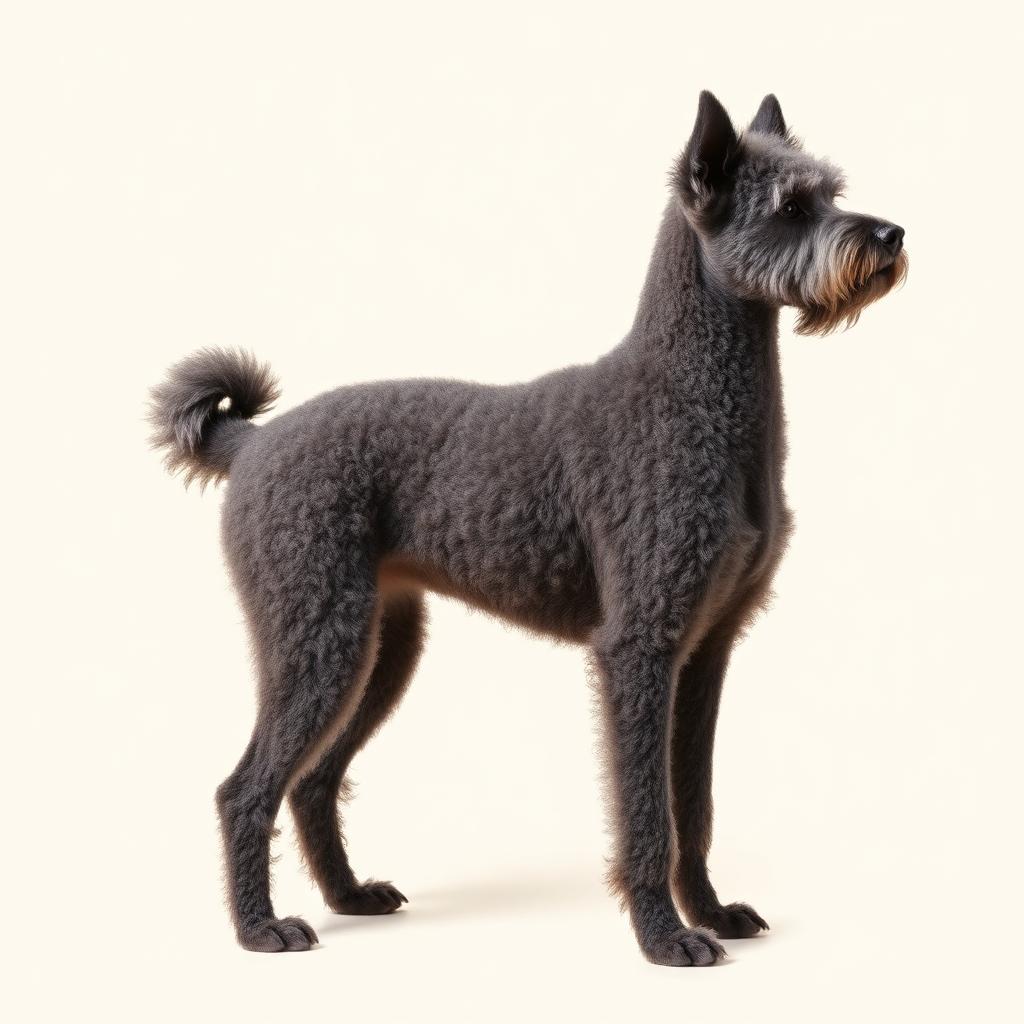
Pumi
"A lively, intelligent, and versatile Hungarian herding dog with unique charm."
Overview
The Pumi, a medium-sized Hungarian herding dog known for its energy, intelligence, and distinctive appearance, is a fascinating breed for active families looking for a loyal and versatile companion. Originating from Hungary, this dog was bred for herding, which gives it a formidable work ethic and an inherent need for constant physical and mental stimulation. Its lively and alert temperament makes it an excellent watchdog, although its tendency to bark requires early socialization and consistent training to properly channel its vocal nature.
Weighing typically 8 to 15 kg and standing 38 to 47 cm tall, the Pumi is agile and compact, ideal for a variety of canine sports such as agility, obedience, or flyball, where it can excel and burn off its abundant energy. Regarding coexistence with children, it can be a playful companion for older, active children who know how to respect its boundaries, although supervision is recommended with younger ones due to its herding instinct. Its curly coat sheds very little, making it an option to consider for people with allergies, but it requires weekly brushing and trimming every few months to prevent tangles.
As for its health, the Pumi is generally a robust breed, with a life expectancy of 12 to 14 years. However, it can be prone to conditions such as hip and elbow dysplasia or patellar luxation, so it is crucial to choose a responsible breeder who performs genetic testing. High-quality nutrition adapted to its activity level and regular exercise are fundamental to keeping it in optimal condition. Although the monthly cost can amount to 150 EUR, including food, vet, and grooming, its loyalty, intelligence, and ability to enrich the life of an active family make it a valuable investment. A Pumi is much more than a pet; it is an active and affectionate member who demands participation and, in return, offers unconditional devotion and years of joy.
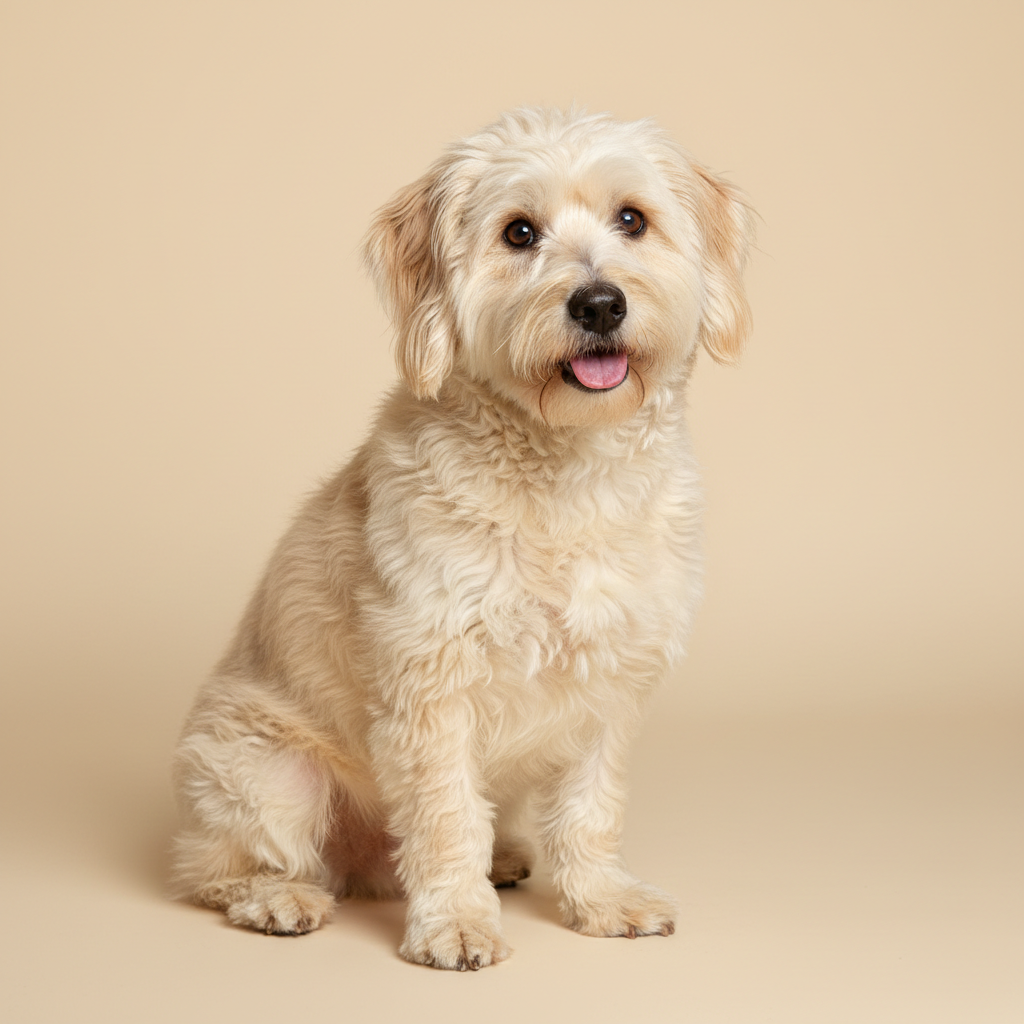
Key facts
- Size
- Medium
- Weight
- 8–15 kg
- Life expectancy
- 12–14 years
- Daily exercise
- 90 min/day
- Estimated total
- 150€/month
- Country
- Hungría / Hungary
Character & temperament
The Pumi is a dog of lively and energetic temperament, with notable intelligence and a great capacity for work. They are very curious and alert canines, always paying attention to their surroundings, which makes them excellent watchdogs, although their tendency to bark can be excessive if not properly channeled. Their energy is almost inexhaustible, demanding active owners who can provide abundant physical and mental exercise. Without an adequate outlet for their energy, they can become destructive or develop undesirable behaviors. They are affectionate and loyal with their family, but may be reserved or even a bit distrustful with strangers at first, needing time to adapt and accept new people. They are brave and determined dogs, qualities inherited from their past as herding dogs, capable of confronting the most stubborn livestock. This firmness of character requires a consistent yet gentle hand in their training. The Pumi enjoys human company and can suffer from separation anxiety if left alone for prolonged periods. They need to feel part of the family and participate in their daily activities. Their mental agility makes them easy to train for a variety of tasks and canine sports, but it also means they can get bored easily if sessions are not varied and interesting. They constantly seek challenges and to work their minds. Their vocal nature is a distinctive characteristic of the breed; they use a variety of vocalizations to communicate, from sharp barks to alert to satisfied grunts. This trait must be managed from an early age to prevent it from becoming a problem.
Living with children
Pumis, with their energy and playfulness, can be excellent companions for older, active children who know how to interact respectfully with a dog. Their enthusiasm and tendency to "herd" may manifest as gentle nips on heels or nudging, so it is crucial to teach both the dog and the children about play boundaries. For younger children, especially toddlers and infants, interaction should always be supervised. The Pumi's intensity could overwhelm a small child, or the dog might not tolerate rough and unintended handling by youngsters. However, with early socialization from puppyhood and good training, a Pumi can learn to be gentle. It's crucial to establish clear rules for both: teach children to respect the dog's space and not to bother it when eating or sleeping, and teach the Pumi to be patient and not to overreact. The Pumi thrives in a home where children participate in its physical activities, such as throwing the ball or practicing canine sports, as this helps burn off its energy and fosters a positive bond. They are dogs that enjoy interaction, challenges, and games, so a family with children who can involve them in their fun is ideal. Constant supervision and education are the keys to ensuring a harmonious and safe coexistence, transforming the Pumi into a loyal and playful friend for the little ones in the house, as long as their needs and character are respected.
With other pets
The Pumi can live with other pets if properly socialized from a young age. Its strong herding instinct may lead it to try to "herd" cats or other small animals, which these may not appreciate. However, if raised with them, it can develop a bond of friendship. With other dogs, they generally get along well, especially if they have had positive experiences as a puppy. It is important to introduce them gradually and supervise initial interactions.
Health & prevention
The Pumi is generally a robust and healthy breed, with a life expectancy typically ranging from 12 to 14 years. Like many purebreds, they are predisposed to certain genetic conditions, although these are not exceedingly common. The main health concerns in the Pumi breed include hip and elbow dysplasia, which are orthopedic conditions that can cause pain and arthritis. Responsible breeders usually screen their breeding dogs for these conditions. Another concern is patellar luxation, where the kneecap slips out of place, a condition more common in small and medium breeds. Legg-Calvé-Perthes disease, a condition affecting the femoral head causing lameness, has also been reported. Eye diseases, such as progressive retinal atrophy, are less common but should be monitored. Degenerative myelopathy is also a concern, though rare, and is a progressive neurological disease. Owners should ensure they get a puppy from a breeder who performs health tests on their parent dogs to minimize the risk of these diseases. It is essential to keep the Pumi on a balanced diet and an appropriate exercise regimen to control its weight and keep its joints healthy, which is crucial for preventing or mitigating the impact of orthopedic conditions. Regular veterinary check-ups, including annual examinations and vaccinations, are essential for early detection and management of any health issues.
Health risks
- •Hip dysplasia
- •Patellar luxation
Care
Nutrition
Pumi nutrition must be high-quality and adapted to their considerable activity level. Food formulated for medium-sized, very active dogs will provide the necessary energy. It is recommended to divide the daily ration into two meals for better digestion. Portion control is essential to prevent overweight, which could exacerbate joint problems. During their puppy stage, food with an appropriate calcium and phosphorus balance is vital for optimal bone development. Consult your veterinarian for a specific nutritional plan, especially if the dog has allergies or sensitivities. Fresh, clean water should always be available.
Grooming & hygiene
The Pumi's distinctive curly coat requires regular care, but it's not as demanding as it might seem. Their coat consists of harsh and soft hair, which tends to form cords if not properly brushed. Weekly brushing with a pin brush is recommended to prevent tangles and matting, which also helps remove dead hair. It's important to use a metal comb to untangle any knots that may form. Every 2-4 months, the Pumi needs to be trimmed or hand-stripped to maintain the health and appearance of its coat, preferably by a professional or by the owner if they have learned the technique. Shaving the coat is not recommended, as this can alter its texture and protective ability. Baths should be occasional, only when necessary, using a dog-specific shampoo. Pay attention also to dental hygiene (frequent brushing), ear cleaning, and regular nail trimming.
Exercise & training
Exercise plan
The Pumi is an incredibly energetic dog and needs a significant amount of daily exercise to stay happy and balanced. At least **one and a half to two hours of intense physical activity** are essential, spread throughout several outings. This is not limited to simple leash walks; they need to run, play, explore, and participate in activities that stimulate their mind and body. Pumis enjoy canine sports such as **agility, flyball, herding, or disc dog**, where they can channel their drive and intelligence. They also make excellent companions for running, hiking, or long walks. If they live in an apartment, this need for exercise is even more crucial and must be compensated with multiple outings. A bored Pumi or one with pent-up energy can develop destructive behaviors, excessive barking, or anxiety. Interactive play, food puzzles, and training also contribute to satisfying their need for mental stimulation.
Training
The Pumi is a very intelligent dog and eager to please, which makes it receptive to training. However, its **intelligence and natural stubbornness** require an experienced and patient handler, using **positive reinforcement** methods. Sessions should be short, varied, and fun to maintain their interest, as they can get bored with monotony. **Early socialization** from puppyhood is absolutely crucial for a Pumi; exposing it to various people, places, sounds, and dogs will help mold a balanced temperament and reduce its possible distrust towards strangers. Given their vocal nature and herding instinct (which can lead to nipping heels), it is important to address these behaviors with consistent training from the beginning. Obedience training is fundamental to establishing clear boundaries and effective communication. Furthermore, given their high energy level, training in canine sports like agility or advanced obedience not only helps keep them physically active but also provides them with the mental stimulation they so greatly need. A well-trained and socialized Pumi is a wonderful companion.
Monthly cost
Should the owner properly learn scissor care and curly coat grooming techniques themselves, the monthly grooming cost could be drastically eliminated.
Estimate for Spain, healthy adult dog. Varies by region and provider.
Pros & cons
Pros
- ✓Extremely intelligent and easy to train for experienced owners.
- ✓Loyal and affectionate companion with its family.
- ✓Excellent in dog sports like agility or obedience.
- ✓Manageable size for different spaces if exercised properly.
- ✓Coat that sheds minimally, good for some allergies.
Cons
- !Very high need for daily physical and mental exercise.
- !Can be noisy and bark excessively if not properly trained.
- !Requires intense early socialization to prevent distrust of strangers.
- !May try to 'herd' people or small pets.
- !Not a breed for first-time or sedentary owners.
Ideal for
- • Active families who enjoy outdoor activities.
- • Owners with experience in canine training.
- • People interested in dog sports like agility or herding.
- • Homes looking for an alert and vocal watchdog.
Not recommended for
- • Sedentary owners or those with limited time availability.
- • Homes with very young children without continuous supervision.
- • People looking for a calm and quiet dog.
- • First-time owners without access to a good trainer.
How it fits each scenario
A Pumi can live in an apartment if it receives at least 2 hours of intense exercise and mental stimulation daily; otherwise, it can become destructive and noisy. Not suitable for sedentary owners.
Ideal, provided the garden isn't the sole method of exercise. It needs walks, structured play, and daily mental activity. Beware of excessive barking due to boredom or alertness.
The Pumi can adapt to hot climates, but its curly coat requires sun protection and plenty of water. Avoid intense exercise during the hottest parts of the day to prevent overheating.
Its double coat provides good protection against cold, making it suitable for cold climates. However, it should not live exclusively outdoors and needs adequate shelter in extreme conditions.
Not ideal without constant supervision, as its herding instinct can manifest as nudging or nipping at heels. Requires extensive socialization and specific training with toddlers.
Works very well with older, active children who can participate in its games and training, fostering a strong bond. Always supervised and teaching mutual respect.
Not the best choice for first-time owners due to its high energy, need for mental stimulation, and potential barking. Requires experience and consistency in training.
It's a perfect match for experienced, active owners who value an intelligent and hardworking dog. They will enjoy its versatility in sports and its unwavering loyalty.
A Pumi will fit perfectly into an active family that enjoys hiking, running, or dog sports. It needs to actively participate in family life and exercise daily.
Not recommended, as a Pumi needs significant attention, exercise, and mental stimulation. Leaving it alone for too long will result in frustration and potential behavioral issues.
While no dog is 100% hypoallergenic, the Pumi's coat sheds very little hair and dander. It can be a viable option for people with mild allergies, but prior contact is recommended.
Not the cheapest option. Grooming costs (if not done at home), quality food, and potential vet expenses due to genetic predispositions can be considerable.
Origin & history
The Pumi was created by crossing the ancestral Hungarian Puli with French and German herding dogs and terriers with erect ears. It was developed primarily to actively herd and drive stubborn livestock, breeding for a tenacious, brave, and vocal character.
The Pumi has the particularity of having a tail that forms a strong curl over its back, a distinctive trait of the breed that adds to its charm and agility.
Frequently asked questions
Is the Pumi a good watchdog and barker?▾
Sí, el Pumi es un excelente perro guardián. Posee un instinto protector natural y es muy alerta a los ruidos y a la presencia de extraños, lo que lo lleva a ladrar para advertir. Su naturaleza vocal es una característica distintiva de la raza, usando una variedad de sonidos. Si bien esto es útil para la alerta, puede convertirse en un problema si no se entrena adecuadamente para controlar el ladrido en exceso. La socialización y el entrenamiento temprano son clave para gestionar este comportamiento y asegurar que ladre cuando sea apropiado, no de forma compulsiva por cada estímulo.
How much exercise does a Pumi need daily?▾
Un Pumi necesita al menos entre 90 minutos y 2 horas de ejercicio intenso y estimulación mental diariamente. Esto incluye no solo paseos, sino también sesiones de juego activo, carreras, deportes caninos como agility o frisbee, y actividades que desafíen su inteligencia, como juegos de olfato o rompecabezas de comida. Un Pumi aburrido o con energía acumulada es propenso a desarrollar comportamientos destructivos, ladridos excesivos o ansiedad. Es una raza ideal para personas muy activas.
Can Pumis live with cats or other small animals?▾
Los Pumi tienen un fuerte instinto de pastoreo, lo que puede llevarles a intentar 'pastorear' a gatos o animales más pequeños mediante empujones o mordiscos suaves en los talones. Sin embargo, si se crían con ellos desde cachorros y se socializan adecuadamente, pueden aprender a coexistir pacíficamente e incluso desarrollar vínculos de amistad. La supervisión inicial es crucial y el entrenamiento de control de impulsos es importante para una convivencia armoniosa.
What health problems are common in Pumis?▾
Aunque generalmente son perros sanos, los Pumi pueden ser propensos a ciertas condiciones genéticas como la displasia de cadera y codo, la luxación rotuliana y, en menor medida, la enfermedad de Legg-Calvé-Perthes. También se realizan pruebas para mielopatía degenerativa y ciertas enfermedades oculares. Es vital elegir un criador responsable que realice pruebas de salud a los padres para minimizar estos riesgos. Las revisiones veterinarias regulares y una buena nutrición son claves para mantener su salud.
Is the Pumi hypoallergenic?▾
Ningún perro es verdaderamente 100% hipoalergénico, pero el Pumi se considera una raza **"hipoalergénica"** en un grado considerable. Su pelaje de textura rizada minimiza la caída de pelo y, por lo tanto, la liberación de caspa, que es el principal alérgeno. Esto los convierte en una buena opción para personas con alergias leves a moderadas. Sin embargo, es recomendable que los posibles dueños con alergias pasen tiempo con un Pumi antes de la adopción para comprobar su reacción individual.
How much does it cost to keep a Pumi per month?▾
El costo mensual de mantener un Pumi puede rondar los 150 euros, aunque esto varía según la calidad del alimento, la frecuencia de la peluquería profesional y el seguro. La alimentación de alta calidad para su energía es crucial (45€), las visitas veterinarias preventivas (25€), el cuidado del pelaje puede ser de 35€ si no lo haces tú mismo, el seguro médico (30€) y otros gastos como juguetes o golosinas (15€). Aprender a asearlo tú mismo puede reducir significativamente el gasto de peluquería.
Is the Pumi adaptable to travel or living in an RV?▾
Sí, el Pumi, gracias a su tamaño manejable y su naturaleza adaptable, puede adaptarse bien a viajar o vivir en una casa rodante, siempre y cuando sus necesidades de ejercicio y estimulación mental se satisfagan consistentemente. Requiere dueños que estén dispuestos a incluirlo en todas las actividades y asegurar que tenga suficientes oportunidades para correr y explorar. Requieren socialización temprana y estar cómodos con diferentes entornos y personas para ser un buen compañero de viaje.
Is the Pumi a good therapy dog?▾
Con el entrenamiento y la socialización adecuados, el Pumi puede ser un excelente perro de terapia. Su inteligencia, conexión con las personas y naturaleza alegre pueden ser muy beneficiosas. Sin embargo, su alta energía y su tendencia a ladrar requieren que el perro tenga un autocontrol excepcional y un adiestramiento impecable para ser efectivo en este rol. No es un perro de terapia 'natural' en el sentido de ser inherentemente tranquilo, pero su capacidad de aprendizaje es alta.
Similar family-friendly breeds
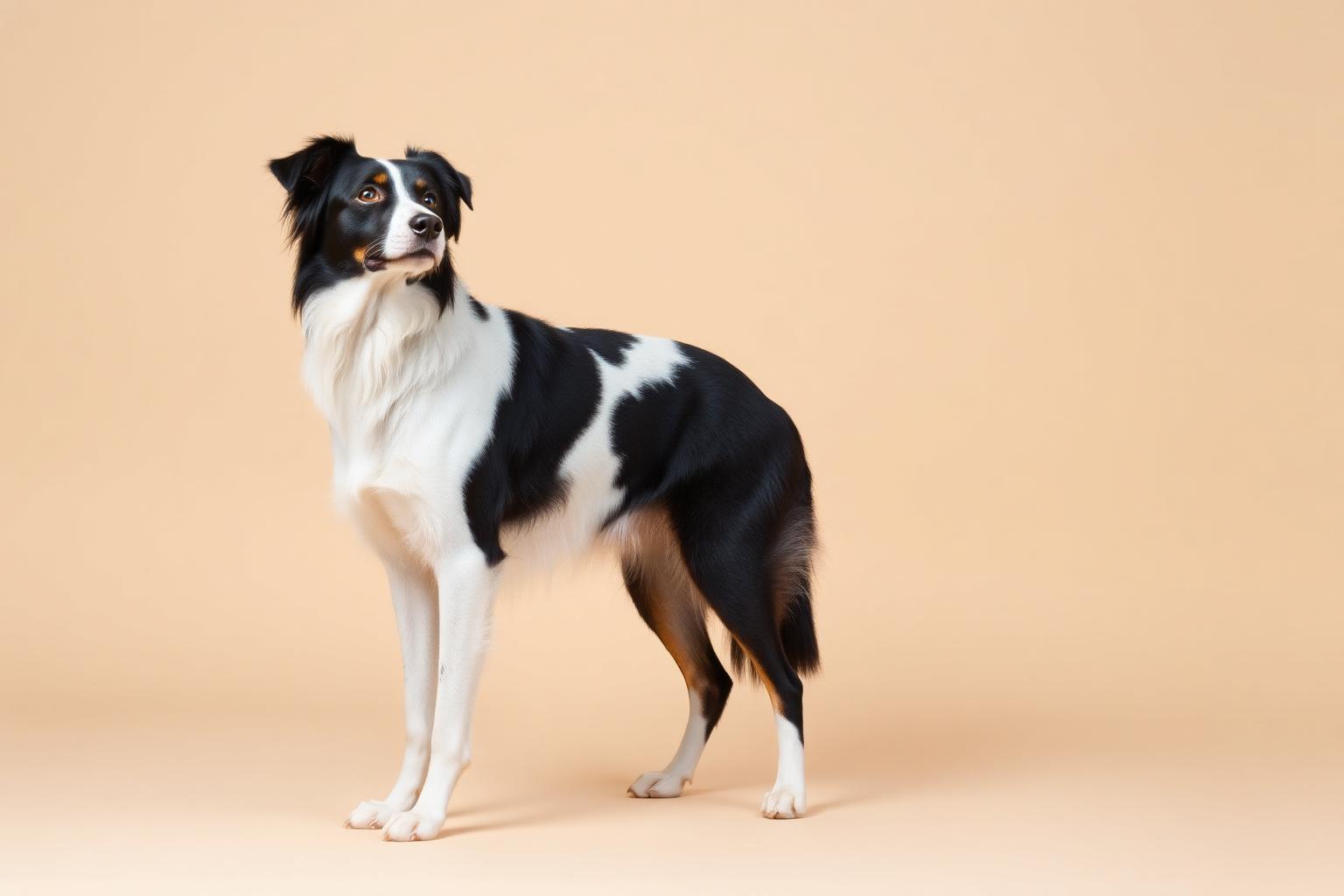
Border Collie
7.5The smartest of them all. Only for very active, experienced families. Without a job, becomes destructive and frustrated.
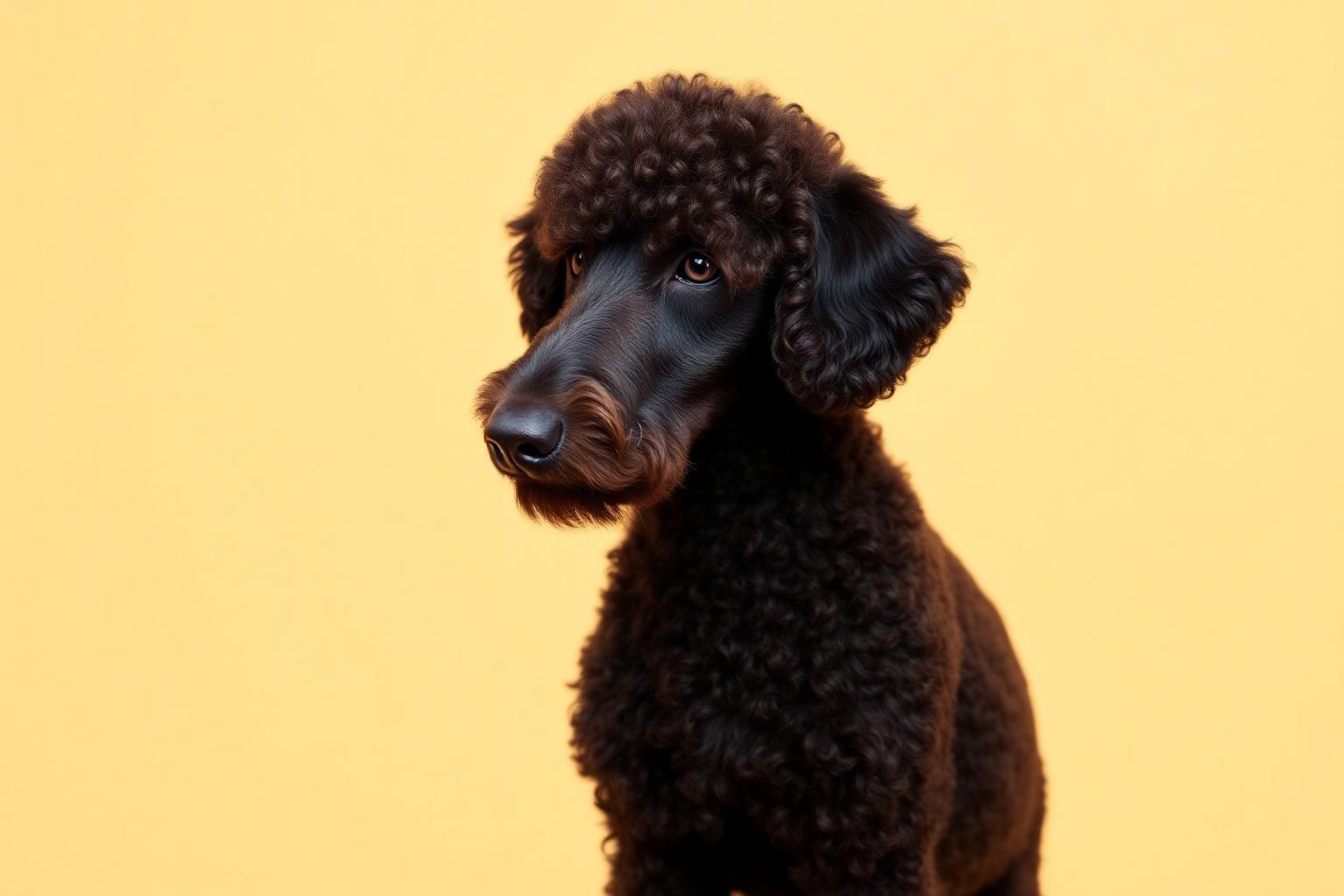 Hypoallergenic
Poodle
9.5Intelligent, elegant and hypoallergenic. Available in several sizes to suit any home. Requires regular grooming.

Beagle
9.0Curious, cheerful and very sociable. Needs daily exercise and company. His nose takes him far: always on leash.