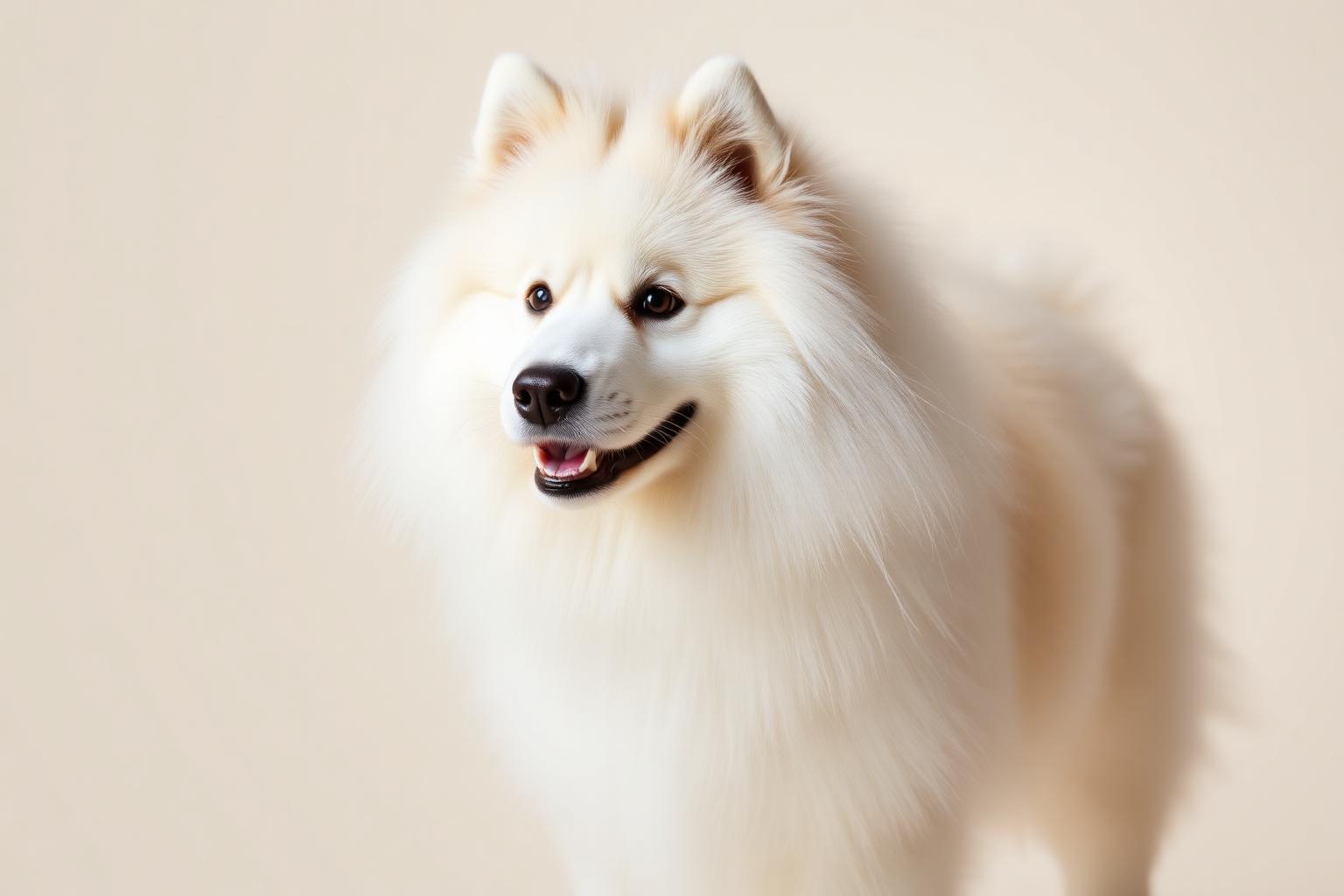
Samoyed
"An oversized white cloud of affection with a legendary, permanent smile."
Overview
The Samoyed is a breathtaking "snow dog" known globally for its iconic smile, which actually serves the functional purpose of preventing drool from freezing on its face. Beyond its beauty, this breed is defined by an intense social drive; they were bred to sleep inside tents with the Samoyede people, making them exceptionally family-oriented. A Samoyed does not just live in your house—it participates in your life, often "talking" back with a unique range of vocalizations and howls to express its joy or boredom. They are brilliant but can be world-class stubborn if they feel a command is beneath their dignity.
For families with active children, the Samoyed is a spectacular companion that matches their energy level perfectly. They are sturdy enough for rougher play, though their "zoomies" can be a bit overwhelming for very small toddlers. This breed is the ultimate failure as a guard dog, as they are more likely to greet an intruder with a lick than a bark. Their primary challenge is their high exercise requirement, needing at least 90 minutes of activity daily. Without mental stimulation and physical outlets, they can become prolific diggers, re-landscaping your garden in a single afternoon.
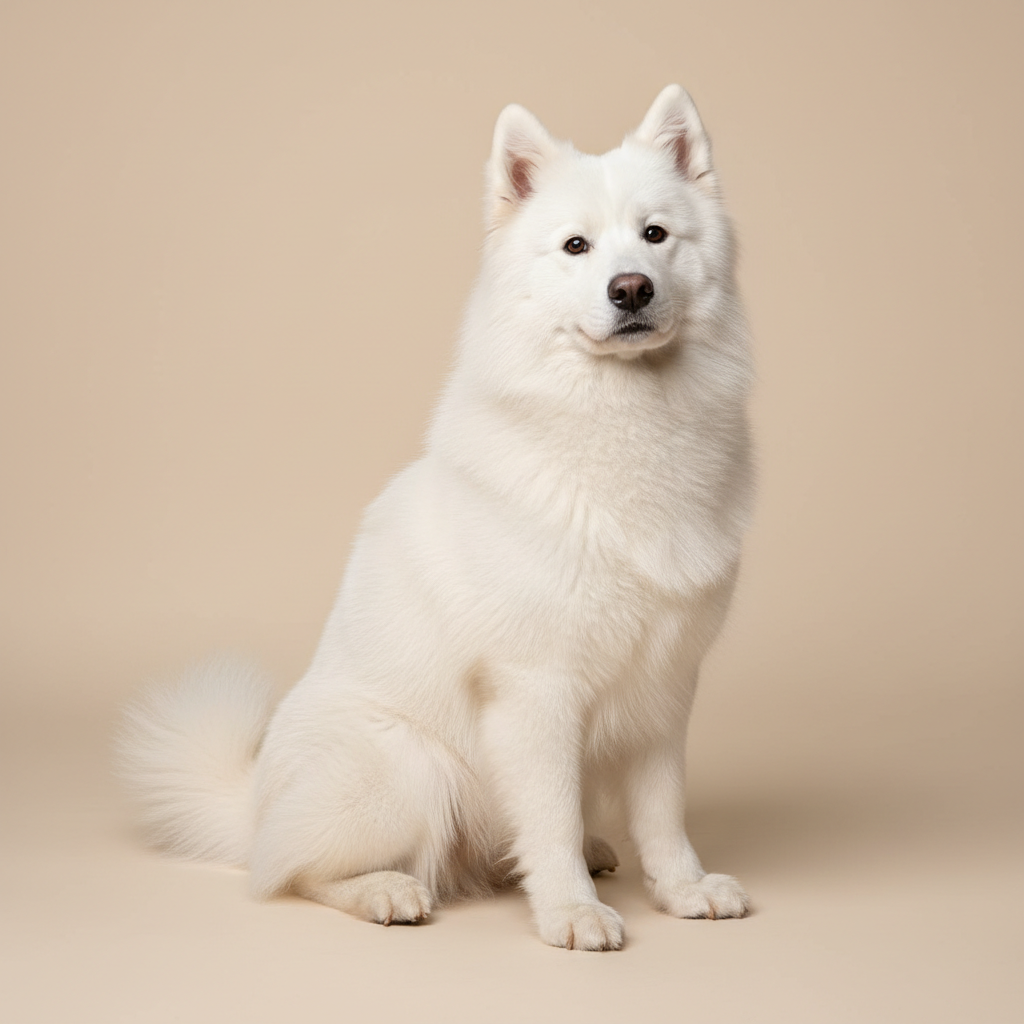
The magnificent white coat of a Samoyed is beautiful but requires a commitment similar to a part-time job. Expect to spend hours weekly on de-shedding sessions, especially during their seasonal "blowouts" when white fluff will cover every surface of your home. Health-wise, they are robust but prone to hereditary kidney issues and diabetes, making a high-quality, controlled diet essential. They suffer immensely in hot climates; air conditioning is non-negotiable in summer. If you delight in grooming as a bonding activity and want a happy, vocal shadow, the Samoyed is a cloud of pure joy.
Key facts
- Size
- Large
- Weight
- 16–30 kg
- Life expectancy
- 12–14 years
- Daily exercise
- 90 min/day
- Estimated total
- 225€/month
- Country
- Russia (Siberia) / United Kingdom
Character & temperament
The Samoyed's temperament is defined by a gentle, mischievous intelligence. They are known as the 'smiling sled dog' because of their upturned mouth, but that smile also reflects their inner joy. They are deeply devoted to their primary owners, often following them from room to room. However, they aren't 'one-man' dogs; they usually extend their affection to the whole family. They have a mind of their own and can be stubborn, especially if they find a task boring or repetitive.
Towards strangers, a Samoyed is typically a failure as a guard dog. They are much more likely to greet an intruder with an enthusiastic 'Sammy smile' and a wagging tail than to protect the silver. They might bark to alert you that someone is at the door, but it is a bark of excitement, not aggression. Their social nature means they thrive in environments where there is constant human interaction; they do not do well in isolation or being confined to a backyard.
With their owners, they are communicative and expressive. They 'talk' using a unique range of vocalizations—woo-woos, chirps, and howls—to tell you they are hungry, bored, or just happy to see you. They have a soft mouth and are very sensitive to their owner's emotions. If you are sad, your Samoyed will likely be there to press its cold nose against you. They require a leader who is patient and consistent but never harsh, as they can become withdrawn if scolded too severely.
Living with children
The Samoyed is arguably one of the best breeds for families with children. For toddlers, they are incredibly patient and soft; however, their sheer size and 'zoomies' mean they can accidentally knock a small child down like a bowling pin. Constant supervision is necessary to ensure the toddler doesn't pull on that tempting white fur. For children aged 6-12, the Samoyed is a dream playmate. They are sturdy enough to handle rough play and will join in on any backyard adventure with boundless enthusiasm.
Teenagers will find a loyal 'confidant' in a Samoyed. They are great listeners and provide high emotional support. One caveat: children must be taught that while the Samoyed looks like a stuffed toy, it is an animal with needs. The breed's high exercise requirements provide a great opportunity for older kids to learn responsibility through long walks. Overall, they thrive in the noise and chaos of a big family, usually positioning themselves in the center of the action. They are remarkably gentle with their mouths, a trait developed from centuries of being 'nannies' in Siberian tents.
With other pets
They are generally excellent with other dogs, as they have a strong pack instinct. They enjoy playmates and do well in multi-dog households. With cats, they usually coexist peacefully if raised together, though they may occasionally try to 'herd' them or engage in a chase. Their prey drive is moderate—lower than a Husky's but higher than a Golden Retriever's—so use caution with small pets like hamsters or rabbits. Most Samoyeds will consider the family cat a part of the pack, but a neighbor's cat might still be fair game for a backyard chase.
Health & prevention
In my experience, the Samoyed is a robust breed, but it carries genetic risks that every parent must know. The most serious is Samoyed Hereditary Glomerulopathy, a kidney disease that affects males more severely. Hip dysplasia is also common, so demand certificates from parents. They are prone to Diabetes Mellitus, so keeping them lean is vital. Eye issues like Progressive Retinal Atrophy (PRA) should be screened. Regular blood work starting at age 5 is recommended to monitor kidney function. With proper prevention, they are long-lived for their size, reaching up to 14 years. Expect 2-3 vet visits yearly for standard checks.
Health risks
- •Hip dysplasia
- •Glomerulonephropathy
- •Diabetes
Care
Nutrition
A Samoyed's skin and coat health are directly tied to their diet. They need high-quality kibble rich in Omega-3 and Omega-6 fatty acids to keep that white fur glowing and prevent dry skin. For an adult weighing 25kg, expect to feed about 350-400g of premium food daily, divided into two meals. Be very careful with calorie intake, as this breed gains weight easily under all that fluff, and obesity drastically increases the risk of diabetes and joint issues. Avoid low-quality fillers that can cause 'tear staining' or coat dullness.
Grooming & hygiene
Grooming a Samoyed is a part-time job. You must brush them at least 3 times a week (daily during shedding season) using a slicker brush and an undercoat rake to reach the skin. Never shave a Samoyed, as their coat protects them from heat as well as cold; shaving can lead to permanent coat damage and heatstroke. Professional grooming every two months is highly recommended to blow out the dead undercoat with high-velocity dryers. Expect your house to be permanently 'snowed in' with white fluff.
Exercise & training
Exercise plan
Monday-Friday: 45-minute brisk walk in the early morning + 30-minute interactive play (tug or fetch) in the evening. Saturday: 2-hour hike in a shaded or cool forest area. Sunday: 60-minute social play at a dog park or with 'doggy friends', plus mental stimulation games (snuffle mats) at home. Total of at least 90 minutes of active movement daily, always avoiding the peak sun hours. Mental stimulation is as important as physical walks to prevent destructive digging.
Training
Training a Samoyed requires creativity and patience. They are intelligent but get bored with repetitive drills. Positive reinforcement with high-value treats is mandatory; punishment will only make them shut down. Start socializing early to curb their 'primitive' instinct to be vocal towards everything that moves. Recall (coming when called) is their weakest point due to their history of free-ranging in the Arctic, so never trust them off-leash in unfenced areas. Aim for short 10–15 minute sessions twice daily. Persistence is key, as they will test your boundaries to see if you really mean what you say.
Monthly cost
Monthly costs include premium high-protein food, professional grooming every 6-8 weeks (standardized monthly), health insurance, and basic vet preventive care. Professional grooming is a non-negotiable expense for this breed's coat health.
Estimate for Spain, healthy adult dog. Varies by region and provider.
Pros & cons
Pros
- ✓Exceptionally gentle and patient temperament with people of all ages.
- ✓Natural 'clean' smell; their coat doesn't have the typical doggy odor.
- ✓Beautiful, striking appearance that draws positive attention everywhere.
- ✓Sturdy and athletic enough for long outdoor adventures in winter.
- ✓Very social and usually peaceful with other dogs and pets.
Cons
- !Incredible amount of shedding that will cover your entire house and clothes.
- !High sensitivity to heat; requires air conditioning in warm climates.
- !Can be very vocal with a high-pitched 'Sammy alert' bark or howl.
- !High grooming costs and time commitment (at least 3-4 hours a week).
- !Strong independent streak can make off-leash recall unreliable.
Ideal for
- • Active families living in cold or temperate mountain climates.
- • Homeowners with a large, securely fenced yard to run in.
- • People who work from home and enjoy having a 'velcro' shadow.
- • Owners who find grooming a relaxing, therapeutic bonding activity.
Not recommended for
- • Allergy sufferers or 'clean freaks' who hate dog hair on furniture.
- • People living in tropical or very hot regions without air conditioning.
- • Owners who are away from home for more than 4-5 hours daily.
How it fits each scenario
Possible if you have high-powered AC and provide massive amounts of outdoor time.
Great, but they are world-class escape artists and prolific diggers.
Cruel without constant air conditioning; they cannot live outdoors in the heat.
This is their natural habitat; they will be at their healthiest and happiest.
Very gentle, but their size and 'zoomies' can accidentally knock over a toddler.
Wonderful companions for active children who enjoy playing outdoors.
Challenging due to grooming demands and independent 'primitive' personality.
Ideal, as they can manage the Samoyed's stubbornness and grooming needs.
Perfect for hikers and joggers, provided you live in a cool climate.
Not recommended; they are prone to separation anxiety and need companionship.
A nightmare for allergy sufferers due to heavy dander and constant shedding.
Very expensive due to grooming, high-quality food, and potential vet costs.
Origin & history
The Samoyed takes its name from the Samoyede people of northwestern Siberia. For centuries, these semi-nomadic tribes relied on these dogs for herding reindeer, pulling sleds, and—crucially—acting as living heaters for their children during freezing Arctic nights. Unlike many explorers' dogs of the era, the Samoyede people treated their dogs as family members rather than mere tools. It wasn't until the late 19th and early 20th centuries that the breed reached Europe via Arctic expeditions. The modern breed we see today was largely refined in the UK, where Queen Alexandra became a passionate fan. This history explains their incredible affinity for humans and their need to be 'part of the pack' indoors.
Roald Amundsen, the famous explorer, used Samoyeds on his pioneering expedition to the South Pole.
Frequently asked questions
Is the Samoyed hypoallergenic?▾
Absolutely not. They have a thick double coat and shed year-round, with two massive 'blow outs' a year. They produce a lot of dander.
How much does a Samoyed puppy cost in Spain?▾
Expect to pay between €1,200 and €2,500 from a reputable breeder who performs DNA and hip testing. Cheap puppies often have serious health issues.
Do Samoyedos bark a lot?▾
They are vocal. They don't just bark; they 'talk', howl, and have a piercing alert bark. They aren't great for sound-sensitive neighbors.
Is it a good dog for first-time owners?▾
They are gentle and patient, but very bouncy. For a first-time owner, the grooming and exercise needs are often more than they bargained for.
Why do they always look like they are smiling?▾
Samoyeds have a 'Sammy smile' that is actually a functional trait to prevent drooling, which would freeze in Arctic temperatures.
Can they live in hot places like Seville or Miami?▾
If the temperature is over 25°C (77°F), they struggle significantly. They need AC, cold surfaces to lie on, and restricted activity during the day.
Are they good with other dogs?▾
Yes, they are pack-oriented and generally get along very well with other dogs, though they can be annoying to older, low-energy pets.
What are their main health problems?▾
The biggest issues are hip dysplasia and specific kidney problems. With good care, they typically live 12 to 14 years.
Similar family-friendly breeds
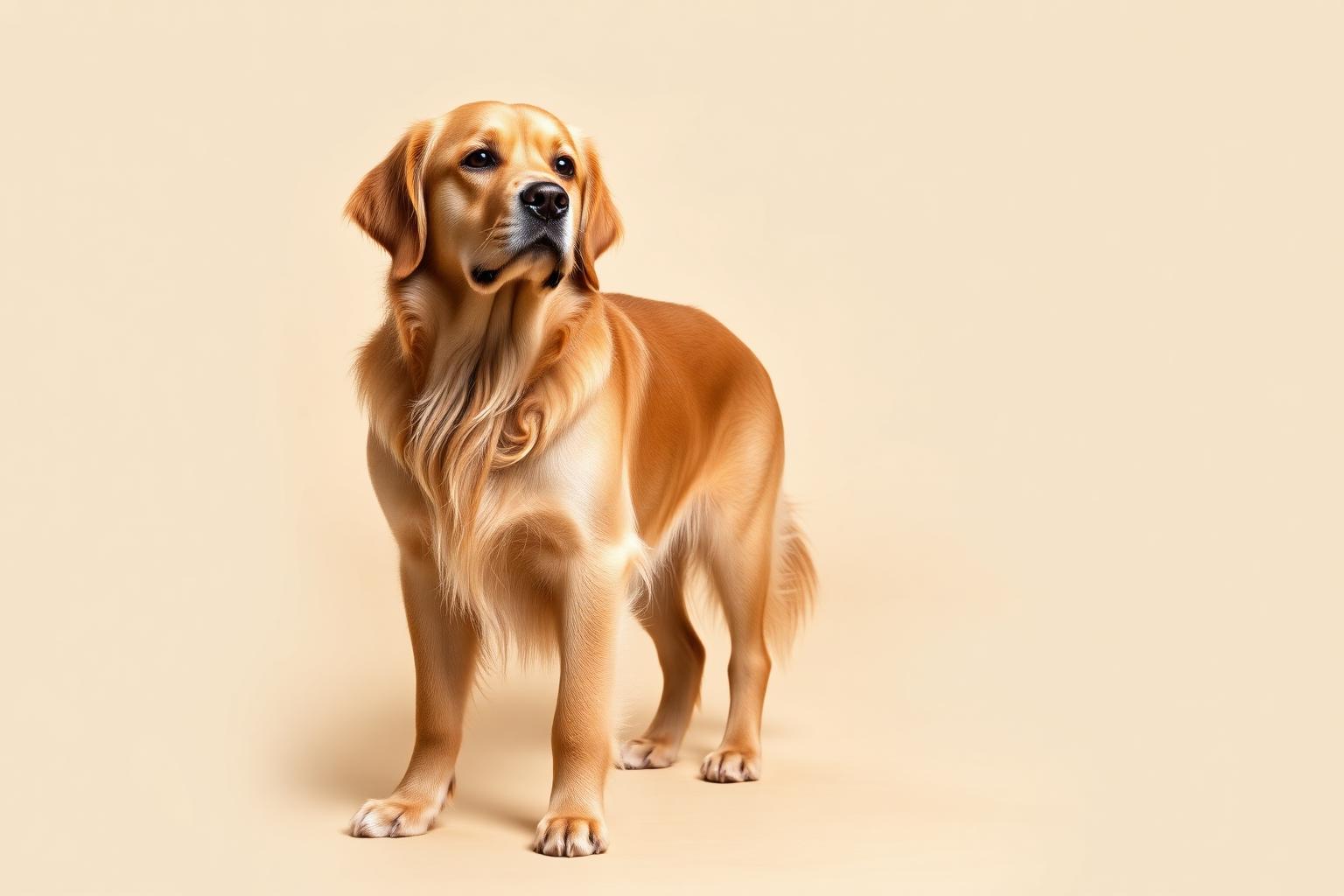
Golden Retriever
9.8The quintessential family companion: patient, sociable, and always up for play. Excellent with children and easy to train.
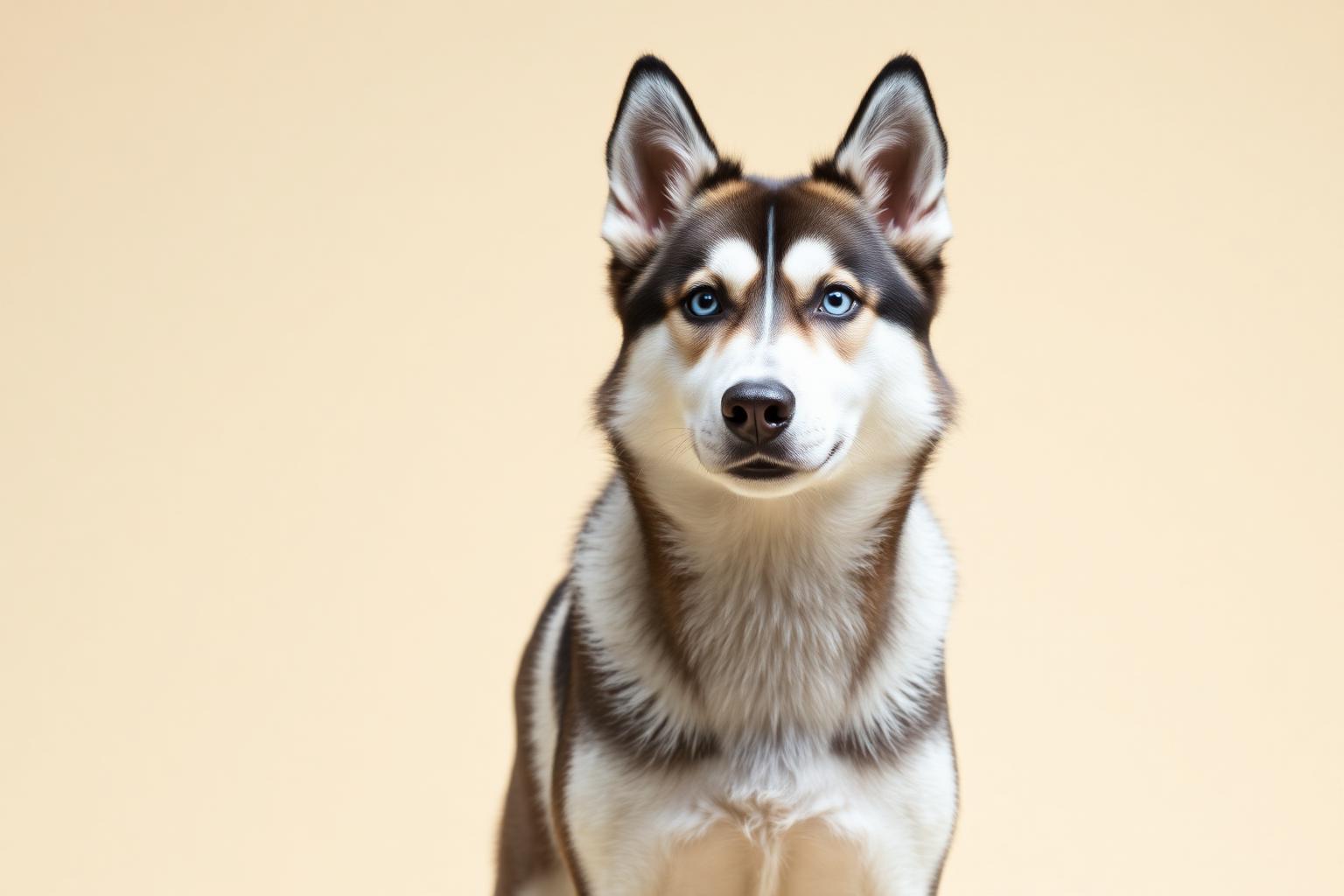
Siberian Husky
5.8Cold-resistant and a pro escape artist. Bad fit for Mediterranean climate or small flats.
 Hypoallergenic
Bichon Frise
8.8Small, cheerful and practically non-shedding. Requires frequent grooming. Ideal for apartments and allergy sufferers.