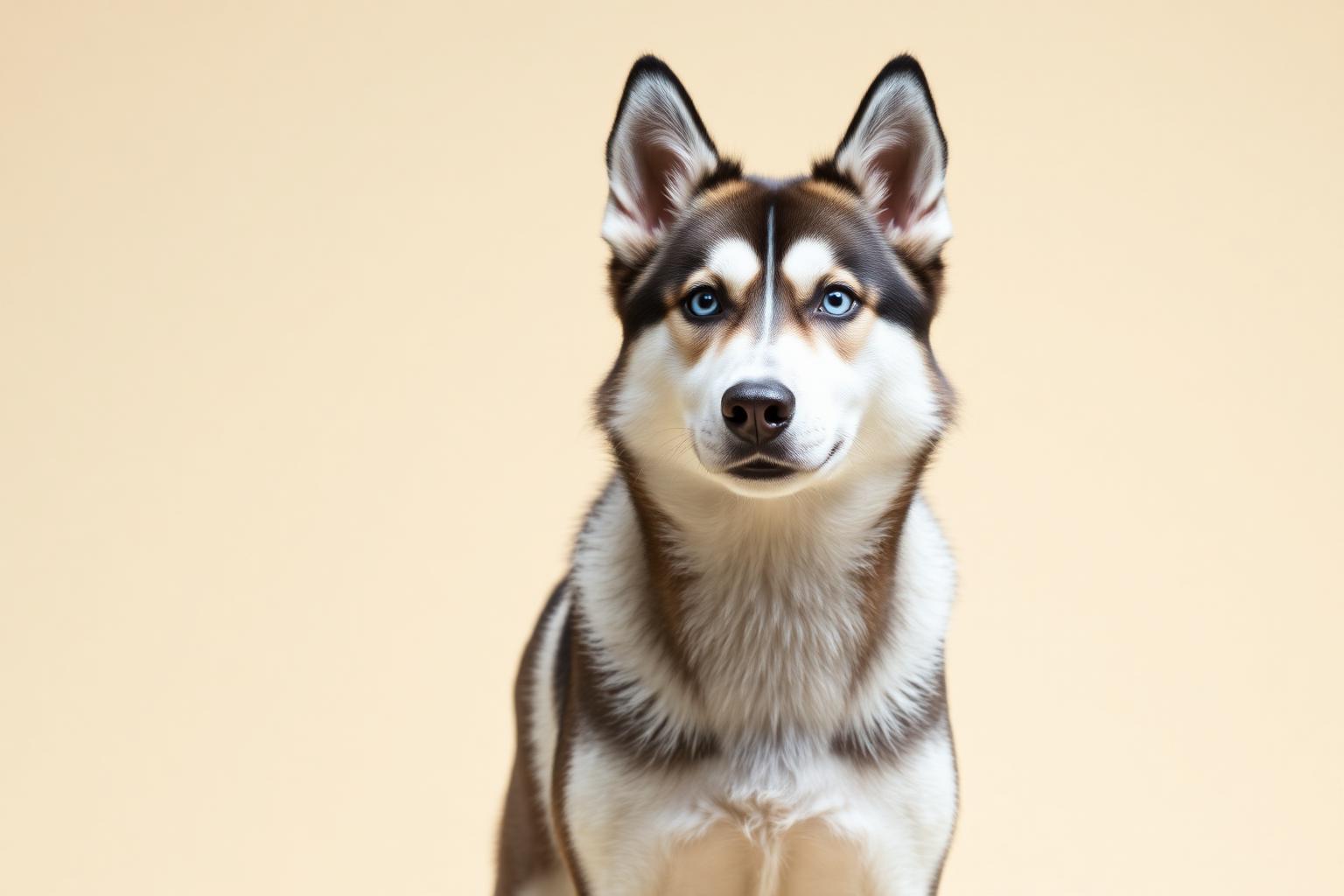
Siberian Husky
"An Arctic athlete for active families with room to run."
Overview
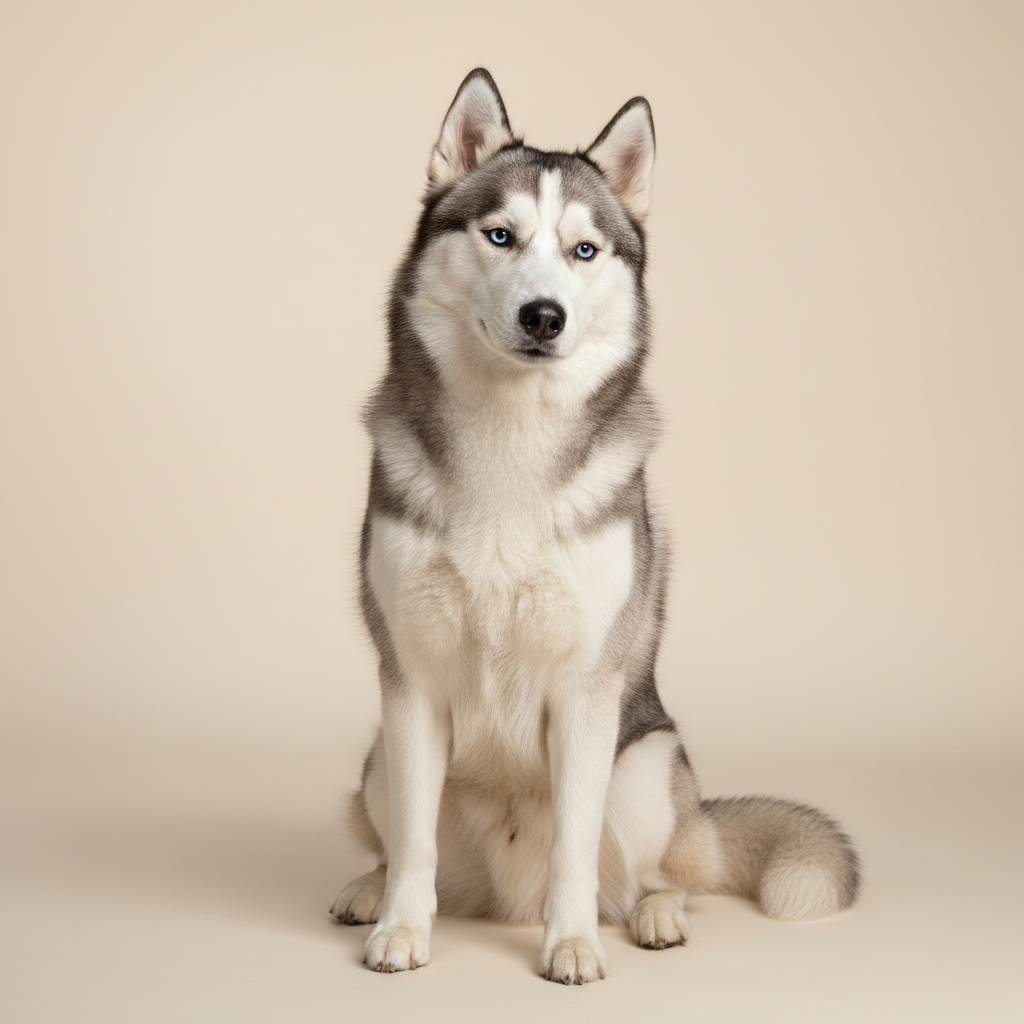
The Siberian Husky is a visually striking, medium-to-large dog originally bred as a tireless Arctic sled puller. Because of their thick double coat, they thrive in cold weather but have high heat sensitivity, making them best suited for cooler climates. As a heavy shedding breed, parents must be prepared for constant vacuuming, especially during their twice-yearly coat blowouts.
This is a high-performance athlete rather than a couch potato. They require a house with a secure garden, as their legendary escape-artist skills make them completely unsuitable for flats. Without at least two hours of vigorous daily exercise, a bored Husky will quickly resort to loud howling and destructive chewing.
While highly intelligent, they possess an independent streak that makes training a significant challenge for beginners. They view you as a pack partner rather than a master to obey. Families should also budget carefully, as their robust diet and maintenance bring the average monthly cost to around 200 euros.
Despite these challenges, they are deeply affectionate pack animals. They are fantastic, sturdy companions for older kids who match their endless energy. However, their sudden hyperactive bursts mean they need close supervision around toddlers to avoid accidental knock-overs. Lacking any guarding instincts, they will warmly welcome guests, making them terrible watchdogs but truly loving family members.
Key facts
- Size
- Large
- Weight
- 16–27 kg
- Life expectancy
- 12–15 years
- Daily exercise
- 120 min/day
- Estimated total
- 200€/month
- Country
- Siberia (Russia) / USA
Character & temperament
The Husky's temperament is a blend of independent spirit and pack-oriented loyalty. They are not "one-person" dogs; they tend to love everyone they meet, which makes them exceptionally poor guard dogs but fantastic social partners. They possess a wilder instinct than many other breeds, often behaving with a cat-like dignity—they will come to you when they want affection, not necessarily when you demand it. Their energy is infectious, always appearing ready for the next adventure.
With strangers, the Siberian Husky is usually outgoing and welcoming. They lack the suspicion seen in shepherds or guard breeds. A guest entering your house is likely to be greeted with a wagging tail and perhaps a vocal "woo-woo" howl of greeting. This lack of aggression toward humans is a hallmark of the breed, as they were historical companions that lived in close quarters with nomadic families. However, this also means they can be easily stolen or wander off with anyone who offers a leash.
For their owners, the Husky is a devoted but non-servile companion. They don't look at you as a "master" but as a leader of the pack. They are highly intelligent and observe everything, often learning how to open doors or latches by watching humans. Because they are a pack-oriented breed, they suffer greatly from separation anxiety. A lonely Husky is a loud and destructive Husky. They need to be part of the daily action and feel that they have a clear role within the family structure.
Living with children
Siberian Huskies are legendary for their patience with children. In their ancestral history, they often shared sleeping quarters with Chukchi children to provide warmth. For school-aged children (6-12) and teenagers, they are spectacular companions, always ready for backyard soccer or trail running. Their playful nature aligns perfectly with the high energy of older kids, and they are rarely sensitive to the noise or chaos of a busy household.
However, caution is needed with toddlers and infants. While not aggressive, a Husky's "zoomies" (sudden bursts of energy) can make them a furry bowling ball, easily knocking over a small child. Because they are large, powerful dogs that express excitement by jumping or pawing, they require strict supervision around little ones. It is also important to teach children not to pull on their ears or tails, as even the most patient Husky has its limits. They are best suited for families where children are sturdy enough to handle a bit of rough-and-tumble play.
With other pets
Living with other dogs is usually a joy for a Husky, as they are highly social pack animals. They do best with dogs of similar size and energy levels, like Labradors or other Northern breeds. However, their relationship with cats and small pets is often problematic. Huskies have an extremely high prey drive. Many will view a running cat, rabbit, or small dog as "fair game." While some can be raised with cats if introduced as puppies, a Husky should never be left unsupervised with small animals. Outside the home, they will chase anything that moves.
Health & prevention
Generally, the Siberian Husky is a remarkably healthy and resilient breed, but they are genetically predisposed to specific ocular conditions. Juvenile cataracts, corneal dystrophy, and progressive retinal atrophy (PRA) can lead to vision loss if not monitored. As a medium-to-large breed, hip dysplasia is also a concern, though less frequent than in Labradors; ensuring parents are OFA or PennHIP certified is mandatory for any ethical buyer.
Another critical risk in Spain is heatstroke. Due to their Arctic origins, their cooling mechanisms are inefficient in high humidity or temperatures above 25°C. Beyond physical ailments, we must watch for "Zinc-responsive dermatosis," a condition where they cannot absorb zinc properly, leading to crusty skin around the eyes and mouth. Regular vet check-ups every six months and maintaining a very lean body mass will ensure they hit their 15-year potential.
Health risks
- •Heat stroke
- •Cataracts
- •Hip dysplasia
Care
Nutrition
A Husky's metabolism is incredibly efficient, a legacy of their sled-pulling days where they survived on minimal calories. In a modern home, this means they can easily become overweight if overfed. A high-protein, moderate-fat diet is ideal to support their lean muscle mass. For an adult weighing 22kg, focus on 250-300g of premium dry food daily, split into two meals. Be careful with treats; they don't need much. Many individual Huskies also benefit from a grain-free diet or raw feeding (BARF) if they have sensitive stomachs, which is common in the breed.
Grooming & hygiene
Grooming a Husky is more about managing shedding than styling. They have a thick double coat that requires brushing at least twice a week normally, and daily during the "blow" seasons in spring and autumn. Never shave a Husky; their coat insulates them from both cold and heat, and shaving can lead to skin cancer or permanent coat damage. They are naturally clean and lack the typical "doggy odor," so baths are only needed 3-4 times a year. Proper undercoat rakes and slicker brushes are essential household tools.
Exercise & training
Exercise plan
Mental and physical exertion are non-negotiable. Plan for a 60-minute vigorous morning run or hike, followed by 30 minutes of training or scent work, and a 30-minute evening walk. Weekend plan: Saturdays for long-distance hiking (15km+) and Sundays for social play with other large dogs or organized mushing/bikejoring sessions. Without this 2-hour daily routine, your Husky will likely destroy your furniture.
Training
Training a Husky is a test of patience. They are intelligent enough to understand every command, but independent enough to weigh whether following it is worth the effort. Traditional "do it because I said so" methods will fail miserably. Positive reinforcement, high-value treats (like liver or cheese), and making training feel like a game or a "job" work best. You must focus heavily on "recall" (coming when called) from puppyhood, though you should never trust a Husky off-leash in an open area. Consistency is key; if you let them on the sofa once, they will assume the rule is gone forever. Daily 15-minute sessions are better than weekly long ones.
Monthly cost
Monthly costs based on a high-quality protein diet for working dogs, essential grooming tools for thick double coats, and standard health insurance for medium-large breeds. Extra budget for secure fencing is recommended.
Estimate for Spain, healthy adult dog. Varies by region and provider.
Pros & cons
Pros
- ✓Extremely friendly with people and other large dogs.
- ✓Very clean, naturally odorless, and self-grooming like cats.
- ✓Strikingly beautiful and iconic appearance.
- ✓Incredible stamina for outdoorsy and athletic families.
- ✓Quiet in terms of barking; they prefer musical howling.
Cons
- !Prone to escaping through digging, jumping, or bolting through open doors.
- !Extremely high shedding twice a year with a massive "coat blow."
- !Low biddability and will often ignore commands if they don't see the point.
- !Potentially dangerous high prey drive toward cats and small pets.
- !Very vocal with howling and "talking" that can disturb entire neighborhoods.
Ideal for
- • Endurance runners and mountain hikers.
- • Families in cold/mountainous geographic regions.
- • Owners with large, escape-proof fenced yards.
- • People who love an independent, non-clinging dog.
Not recommended for
- • Sedentary apartment dwellers.
- • Obsessive cleaners sensitive to fur and dog hair.
- • Residents of extremely hot, tropical climates.
How it fits each scenario
Generally not recommended unless you are an extreme athlete who spends 4+ hours outside daily.
Great, provided your fence is 2 meters deep and "Husky-proof" against jumping.
Cruel in Mediterranean summers; they suffer immensely and require 24/7 air conditioning.
Their natural habitat; they are happiest when temperatures drop below zero.
Risky; their exuberant strength can easily knock over a small child during play.
Fantastic playmates for energetic children who understand how to respect large animals.
Avoid; their independence and stubbornness often overwhelm beginners, leading to rehoming.
Highly recommended; you will need all your knowledge of pack dynamics and patience.
Perfect match; they will happily keep up with your most demanding mountain hikes and runs.
Bad fit; a lonely Husky is a destructive, howling Husky that will ruin your house.
A nightmare for allergy sufferers due to the constant shedding of dander and thick fur.
Not for you; they require high-quality food, grooming tools, and secure infrastructure.
Origin & history
The Siberian Husky's history is rooted in the harsh Arctic tundra with the semi-nomadic Chukchi people. For centuries, they were bred as endurance sled dogs, capable of traveling hundreds of miles in sub-zero temperatures. They were also family companions, sleeping inside the tents to keep the children warm. The breed gained global fame in the early 20th century during the Alaskan Gold Rush and the famous 1925 "Serum Run" to Nome. While they are a Russian breed by origin, the modern breed standards were largely developed in the United States, where they were recognized as elite working athletes and loyal companions.
In 1925, a team of Huskies saved the town of Nome, Alaska, by transporting life-saving diphtheria serum across 674 miles in record time during a blizzard.
Frequently asked questions
How much does a Siberian Husky puppy cost in Spain?▾
Expect to pay between €800 and €1,500 from a reputable breeder. Never buy from pet shops or "puppy mills," as Huskies are prone to severe genetic eye and hip issues that require responsible screening of the parents.
Will a Husky protect my home and family?▾
Huskies are not protective dogs. They are notoriously friendly with strangers and would likely offer an intruder a guided tour of your home in exchange for a head pat. They are terrible as "guard dogs."
Can a Husky live well in a hot climate?▾
Absolutely not. Their thick double coat is designed for Arctic winters. In places like Andalusia or the coast, they can only exercise at sunrise or sunset and must spend the day in air-conditioned spaces.
Are they easy to train for a first-time owner?▾
No. They are highly independent and often possess an "optional" listening style. If they find a scent or a squirrel more interesting than your command, they will ignore you. Recall is notoriously difficult with this breed.
Is it true they are escape artists?▾
Huskies are famous walkers. If they spot an open door or a weak spot in the fence, they will run for miles. They should never be off-leash in unfenced areas because their prey drive is too high.
Do they bark a lot?▾
They don't bark much, but they "talk" a lot. They howl, moan, and make "woo-woo" noises when happy, bored, or protesting. This can be a major issue for neighbors in apartment buildings.
What is the typical lifespan of a Siberian Husky?▾
With proper nutrition and exercise, a Husky typically lives 12 to 15 years. They are remarkably hardy dogs, but maintaining their lean weight is crucial to avoiding joint issues in their senior years.
How much hair will I find around the house?▾
Huskies shed year-round, but twice a year they "blow" their coat, losing massive clumps of undercoat. During these weeks, you will need to brush them daily and vacuum your home at least twice a day.
Similar family-friendly breeds
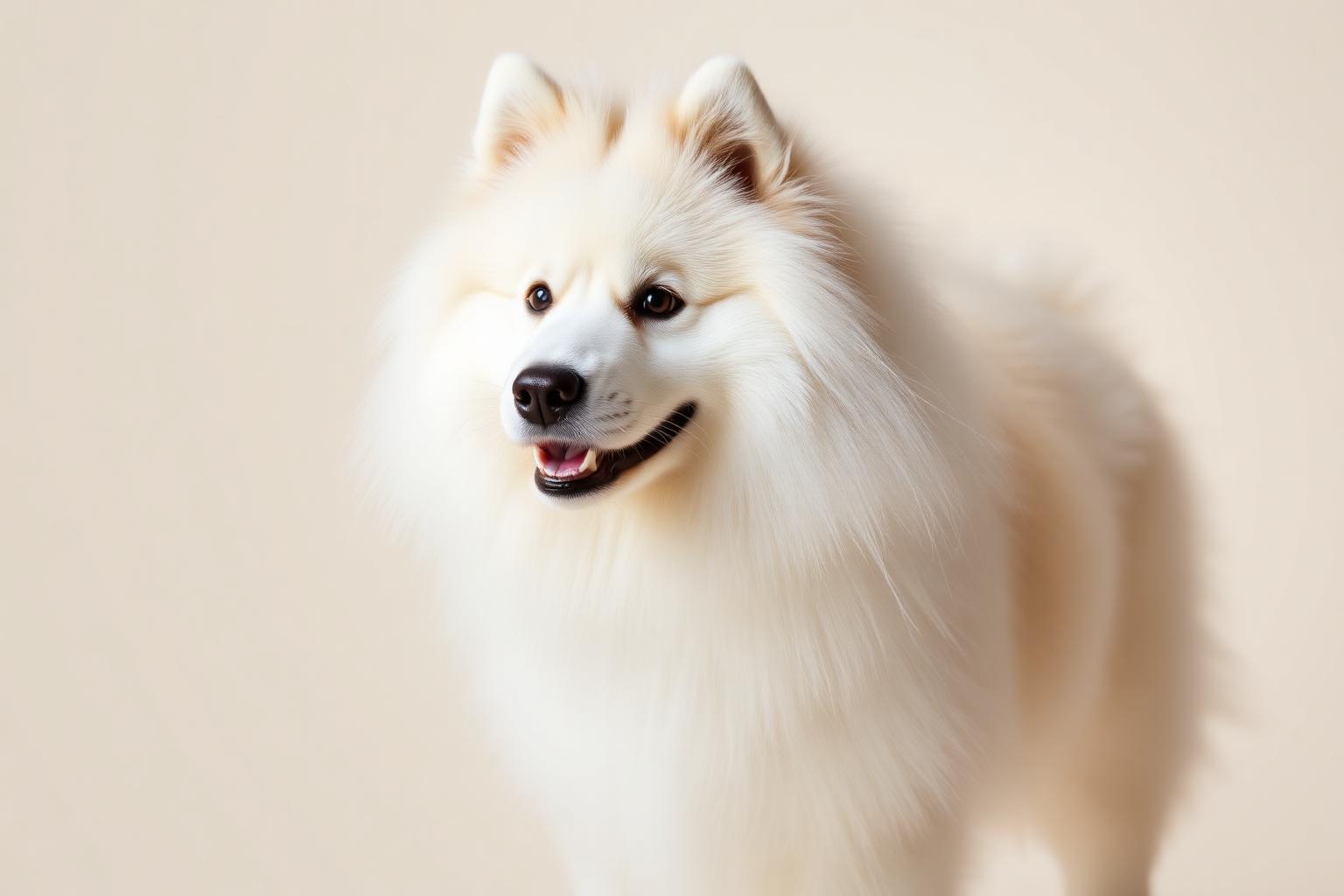
Samoyed
7.2Smiling and fluffy. Cold-lover; suffers badly in Mediterranean summers. Sheds in clumps.
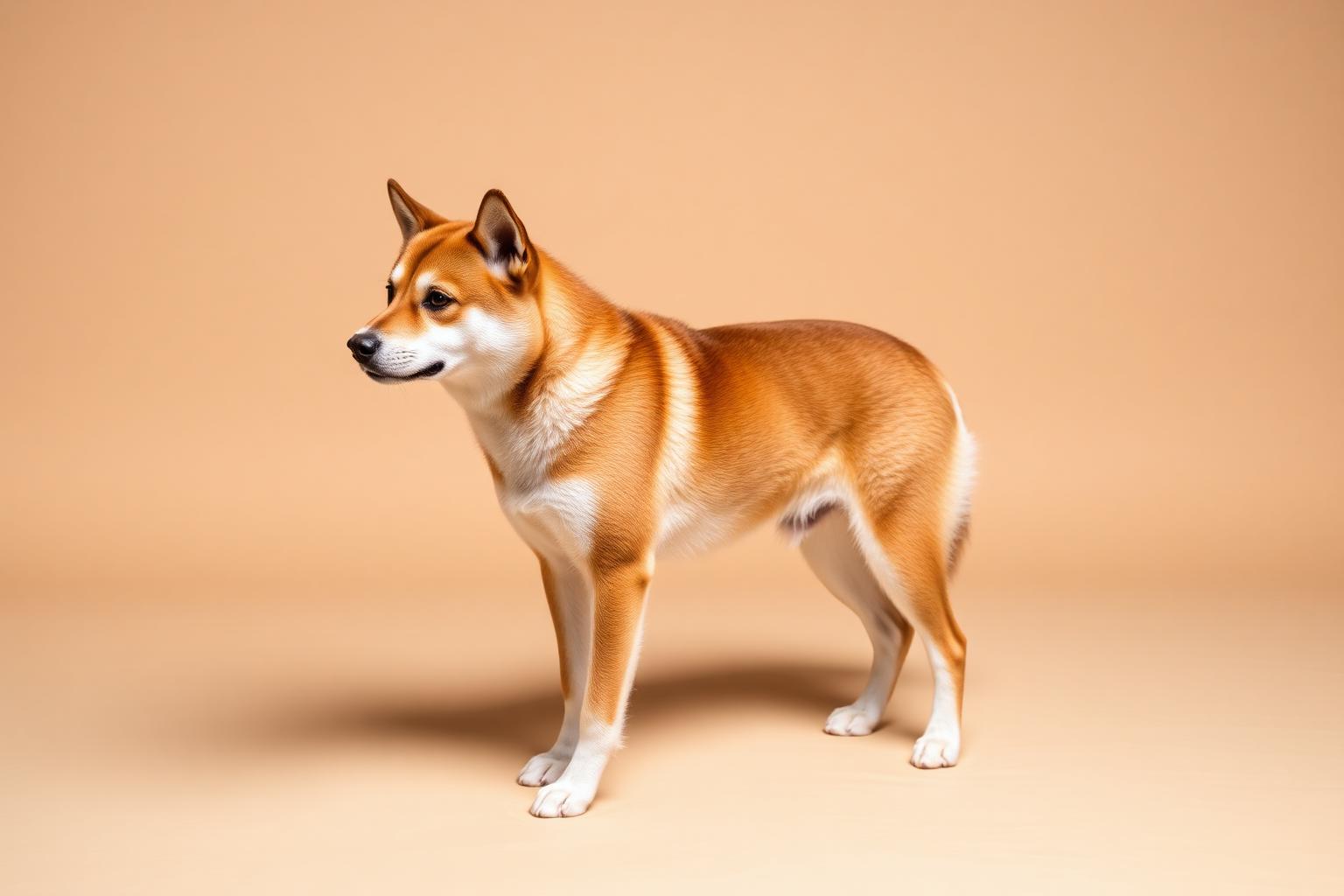
Akita Inu
5.8Loyal and reserved, dominant with other dogs. Experienced, firm owners only.
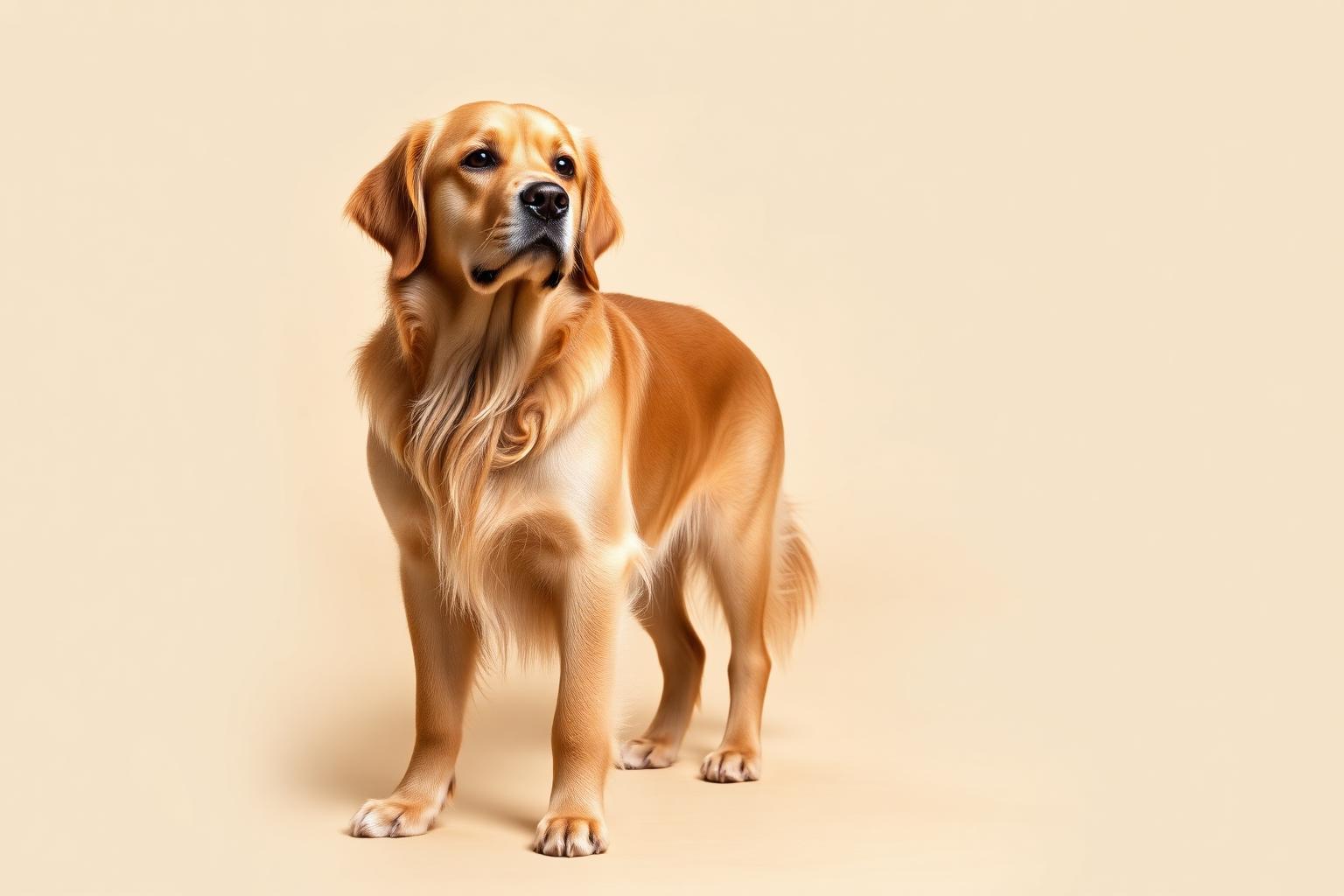
Golden Retriever
9.8The quintessential family companion: patient, sociable, and always up for play. Excellent with children and easy to train.