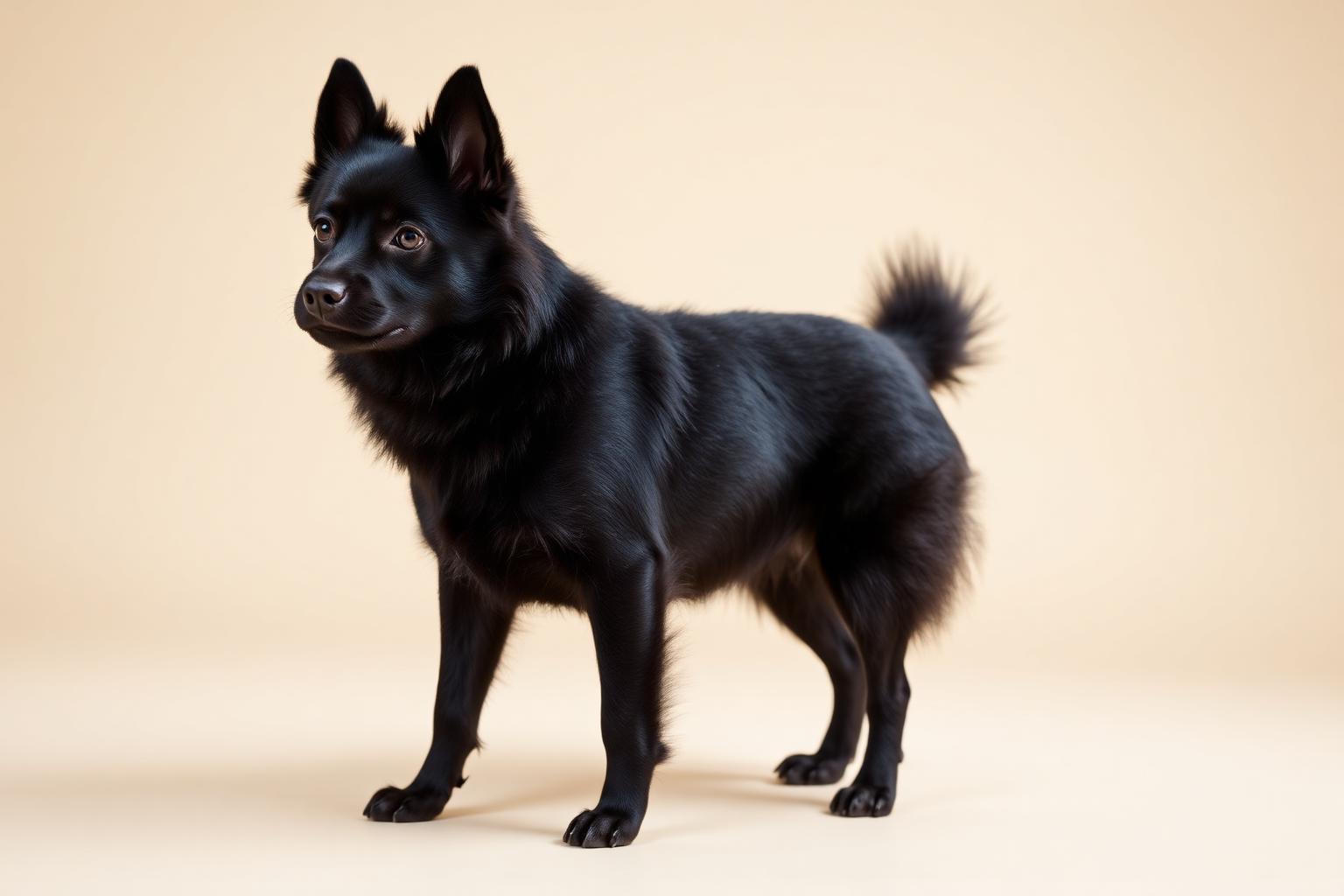
Schipperke
"The little Belgian shepherd, alert and full of life."
Overview
The Schipperke, that little black "shepherd" of Belgian origin, is much more than a companion dog; it's a fearless guardian and a truly lively companion. If you're looking for a small dog with a giant personality, the Schipperke might be your perfect match. Known for its alert, intelligent, and sometimes stubborn temperament, this breed requires owners committed to early training and socialization. Its small to medium size makes it adaptable to various environments, from urban apartments to houses with gardens, provided its daily exercise needs are met. It's not a passive lap dog; the Schipperke needs constant physical and mental stimulation to prevent boredom and undesirable behaviors like excessive barking.
Regarding its health, the Schipperke is generally a robust breed with a life expectancy of 12 to 15 years. However, it's important to be aware of potential genetic issues such as Mucopolysaccharidosis Type IIIB (MPS IIIB), patellar luxation, and eye conditions. Choosing a responsible breeder who conducts health screenings is crucial for ensuring a healthy puppy. Its distinctive double black coat requires relatively straightforward grooming and maintenance, with regular brushing to manage shedding, which can be intense twice a year. For families with children, the Schipperke can be a loyal and playful companion, but it's vital to teach children respectful interaction and supervise early interactions, given its herding instinct and need for clear boundaries. They are excellent watchdogs, always detecting any novelty in their surroundings with their keen hearing and displaying surprising courage against potential threats.
The cost of owning a Schipperke is moderate, with monthly expenses including quality food, veterinary visits, and grooming products. While not hypoallergenic, their coat care is manageable. If your family is looking for an active, intelligent, protective dog with a big heart, and you are ready to invest time in its education and exercise, the Schipperke will reward you with unwavering loyalty and contagious joy. Consider a Schipperke if you have dog experience, enjoy outdoor activities, and appreciate a lively and distinctive canine personality. This breed is undoubtedly a unique and fascinating family member that will bring much fun and security to your home.
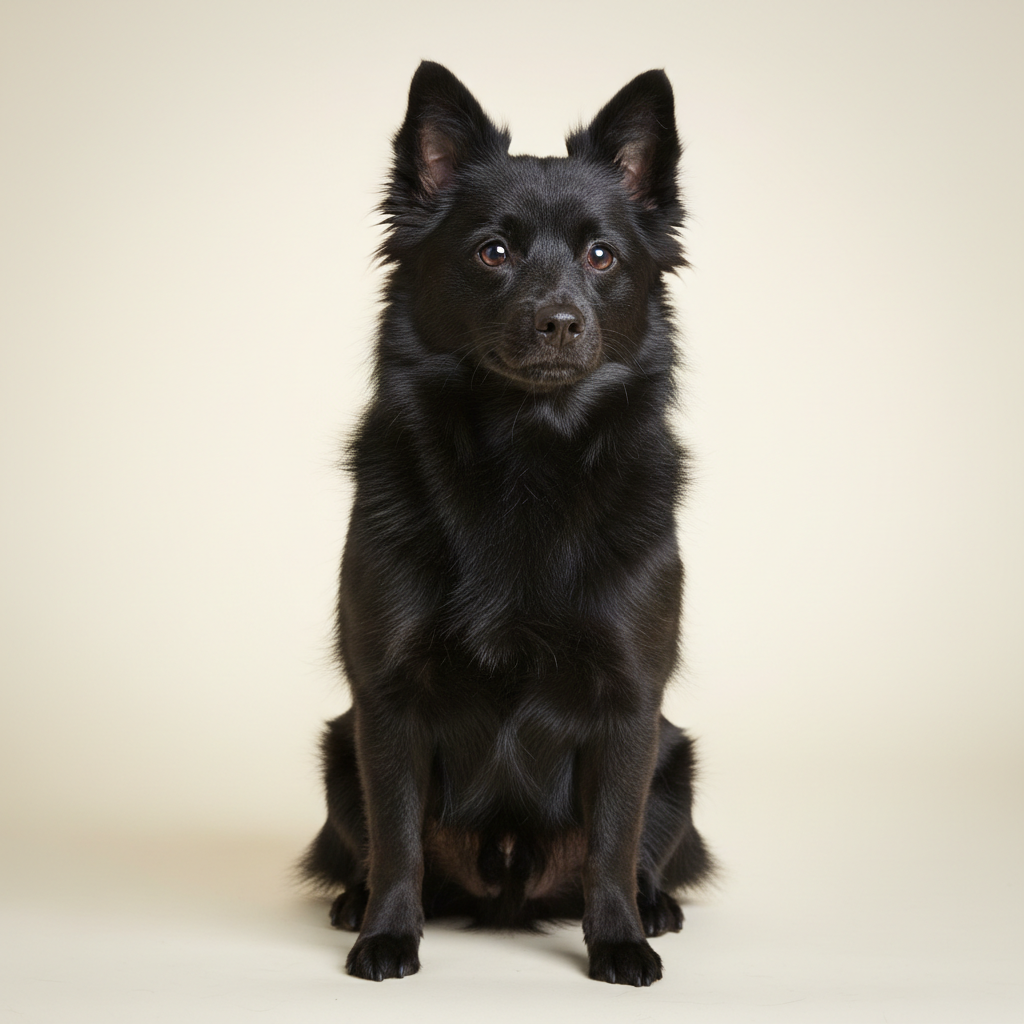
Key facts
- Size
- Small
- Weight
- 3–9 kg
- Life expectancy
- 13–16 years
- Daily exercise
- 60 min/day
- Estimated total
- 105€/month
- Country
- Bélgica
Character & temperament
The Schipperke possesses a very distinct and strong personality, often described as a 'big dog in a small body.' They are incredibly alert, curious, and intelligent, making them excellent watchdogs, ready to sound the alarm at any intruder or novelty. Their vigilance is innate and constant. They are very active and energetic dogs who enjoy learning and participating in activities. Although small, they are not passive lap dogs; they need a good dose of mental and physical stimulation to prevent boredom, which can lead to destructive behaviors. They are fiercely loyal and devoted to their family, forming deep bonds with their owners. They often choose a favorite person, although they are affectionate with all household members. Their independence, however, can manifest as a degree of stubbornness, so early socialization and consistent training are crucial. They are brave, even audacious, and will not hesitate to confront much larger dogs if they feel threatened or are protecting their family. Their rodent-hunting instinct remains strong, so caution is needed with small animals. They require owners who understand and can channel their energy and sharp mind, offering them challenges and constant companionship. They are not the ideal breed for someone seeking a quiet, undemanding dog; the Schipperke is a lively companion who will always keep you on your toes and entertained.
Living with children
Schipperkes can be excellent companions for children, provided they are properly socialized from puppyhood and both the dog and children are educated. Their energetic and playful nature can be a great asset, as they love to participate in interactive games. However, their herding instinct and tendency towards dominance can manifest if clear boundaries are not established. They might try to 'herd' younger children by gently nipping at their heels or clothing, which could be misinterpreted as aggression. Therefore, supervision of interactions is crucial, especially with very young children. It is vital to teach children to respect the dog's space and to interact gently, without pulling its fur or bothering it while eating or sleeping. Schipperkes are not tolerant of rough handling or harsh teasing from children and will react if they feel harassed or threatened. For families with older, respectful children who understand how to interact with an energetic and intelligent dog, the Schipperke can be a loyal, protective companion and an inexhaustible source of fun and joy. Their intelligence allows them to quickly learn rules and routines, which facilitates coexistence in an active family home. The key lies in mutual education and ensuring the dog's exercise and stimulation needs are met.
With other pets
Schipperkes can coexist with other pets, especially if raised together from a young age. However, their strong prey drive, inherited from their role as rodent hunters, means that small animals like hamsters, rabbits, or birds may be perceived as prey. It is crucial to supervise any interactions and, preferably, keep these pets separate. With other dogs, early socialization is key. They are self-assured dogs and may attempt to dominate other canines if not taught appropriate interaction. They can be somewhat selective with their canine companions and sometimes challenging, especially with dogs of the same sex. With cats, if raised together, they usually develop a good relationship; otherwise, their chase instinct may be activated.
Health & prevention
The Schipperke is generally a robust and healthy breed, with a life expectancy of 12 to 15 years. However, like all breeds, they are prone to certain genetic conditions. One of the most well-known is Mucopolysaccharidosis Type IIIB (MPS IIIB), a neurodegenerative genetic disorder affecting metabolism. Genetic tests have been developed to detect carriers, allowing responsible breeders to avoid matings that could produce affected puppies. Other conditions that can occasionally be seen include epilepsy, patellar luxation, and eye problems such as cataracts or progressive retinal atrophy. They may also be prone to hypothyroidism. A balanced diet, regular exercise, and periodic veterinary visits for check-ups and vaccinations are essential to keep a Schipperke in optimal health. It is important to choose a reputable breeder who performs health screenings on their breeding stock to minimize the risk of hereditary diseases. Given their energy, it's also important to care for their joints with appropriate weight management and avoid excessive impact, especially in old age.
Health risks
- •MPS IIIB
- •Patellar luxation
Care
Nutrition
Schipperke nutrition must be tailored to their size, activity level, and life stage. As energetic dogs, they require high-quality food, rich in protein and healthy fats, to provide them with the necessary energy. It is essential to choose a good quality kibble, formulated for small to medium breeds, and to portion it according to the manufacturer's guidelines and the dog's individual needs to avoid overweight, which can be detrimental to their joints. Rations should be divided into two meals a day for better digestion. During the puppy stage, they need specific food that supports their rapid growth. As they age, their diet may need to be adjusted to maintain a healthy weight and address any specific needs, such as senior dog food. They should always have access to fresh, clean water. Occasionally, healthy treats can be offered in moderation, avoiding human foods that may be toxic.
Grooming & hygiene
The Schipperke's coat is one of its most distinctive features: dense, double, and deep black. While it might appear high-maintenance, it's actually quite straightforward. Regular brushing, 2 to 3 times a week, is sufficient to remove loose hair, prevent tangles, and keep the coat healthy and shiny. During shedding seasons (usually twice a year, in spring and autumn), brushing should be more frequent, even daily, to manage the significant amount of hair they shed. Schipperkes don't require frequent baths; every few months or when truly dirty is sufficient, using a dog-specific shampoo. It's important to dry them completely to prevent skin issues. Besides coat care, it's crucial to keep their nails trimmed (monthly or as needed), check and clean their ears regularly to prevent infections, and brush their teeth several times a week for good dental hygiene.
Exercise & training
Exercise plan
Despite their small size, the Schipperke is an energetic dog that requires a moderate amount of daily exercise to stay happy and balanced. They need at least 30-60 minutes of physical activity per day, which can be divided into several sessions. A couple of vigorous daily walks, complemented by playtime in the garden or a fenced park, are ideal. They enjoy activities that stimulate both their body and mind, such as fetching, puzzle games, or even canine sports like agility or obedience. They make excellent companions for hikes and walks thanks to their stamina and curiosity. They are not dogs to spend the day on the couch; if not given enough exercise, they can become bored and develop undesirable behaviors like excessive barking or destructiveness. A well-exercised Schipperke is a happy and calm dog at home.
Training
Schipperke training requires patience, consistency, and a positive reinforcement approach. They are very intelligent dogs and learn quickly, but they are also known for their stubbornness and independent streak. Early socialization is crucial; exposing puppies to a variety of people, places, sounds, and other dogs will help them develop a balanced, sociable temperament. Obedience training should start from day one, using rewards, praise, and play to maintain their interest. Avoid punishment-based training methods, as these can make them withdrawn or, conversely, more defiant. Their sharp intelligence means they will quickly become bored if training is repetitive, so keep sessions short, fun, and varied. Consistency is key: all family members must follow the same rules and expectations. Due to their strong prey drive and curiosity, it is essential to work on a reliable recall and not trust them off-leash in unfenced or busy areas. With proper training, the Schipperke can excel in canine sports and be a very well-behaved companion.
Monthly cost
Costs are estimates for a healthy adult in Spain. Vet costs include annual vaccines and flea/tick prevention.
Estimate for Spain, healthy adult dog. Varies by region and provider.
Pros & cons
Pros
- ✓Extremely loyal and protective of its family.
- ✓Intelligent and learns quickly with proper training.
- ✓Excellent watchdog, always alert.
- ✓Compact size, adaptable to different housing types (with exercise).
- ✓Requires relatively straightforward grooming.
Cons
- !Can be stubborn and independent, requires consistency in training.
- !Strong prey drive, caution with small pets.
- !Tends to bark, especially if bored or not socialized.
- !Needs daily mental and physical stimulation to prevent destructiveness.
- !Can be challenging with other dogs of the same sex.
Ideal for
- • Active families with dog experience.
- • Individuals seeking an alert watchdog.
- • Owners willing to commit to training and socialization.
- • Households who appreciate a dog with a strong personality.
Not recommended for
- • Individuals seeking a quiet, low-maintenance companion dog.
- • Households with small pets (rodents, birds) without safety measures.
- • First-time owners without time or interest in training.
- • People intolerant of barking.
How it fits each scenario
Yes, the Schipperke can live comfortably in an apartment if it receives sufficient daily exercise and mental stimulation. Its compact size is an advantage, but its energy requires regular, active outings.
Perfect for a house with a garden, provided it is well-fenced. The garden will offer additional space to play and explore, but it does not replace walks or family interaction.
Its dense black coat makes it less suitable for very hot climates. It should be protected from direct sun and exercised during the coolest parts of the day, with access to shade and constant water.
Ideal for cold climates. Its double coat provides excellent insulation, allowing it to enjoy outdoor activities even in low temperatures.
Not the best combination without constant supervision. Their herding instinct and lively personality may not be suitable for the unpredictability of very young children, potentially reacting if bothered.
They can be excellent companions for school-aged children and older who have learned to interact respectfully with dogs. Their energy and eagerness to play fit well with children's dynamism.
Not the easiest option for first-time owners due to their intelligence, stubbornness, and training needs. It requires a firm commitment to education and socialization.
An excellent choice for experienced owners looking for an intelligent, loyal, and active dog, willing to invest time in its training and stimulation needs.
Fits perfectly with active families who enjoy walks, games, and outdoor activities. The Schipperke thrives on participation in family life and regular exercise.
Not ideal for overly busy families. They need daily attention, exercise, and mental stimulation, and a family unable to provide this will lead to a bored and misbehaving dog.
Not a hypoallergenic breed. It sheds, especially during seasonal molting, which can trigger allergic reactions in sensitive individuals.
While not the most expensive breed to maintain, its needs for professional training or daycare (if the family is absent) can increase costs. It's not the cheapest option.
Origin & history
Originally descended from a black sheepdog known as the Leauvenaar, the Schipperke was refined in the Flemish regions of Belgium. It became the traditional guardian of canal boats and a popular companion among shoemakers and tailors for its rat-catching skills. Its origins trace back to the 17th or 18th century, distinguished by its effectiveness as a pest exterminator on boats and in workshops. The name 'Schipperke' literally means 'little captain' or 'little boatman' in Flemish, a nod to its historical role.
The Schipperke was one of the first breeds to have a breed club established in Belgium, in 1888, and quickly gained royal popularity, becoming a favorite of Queen Marie Henriette.
Frequently asked questions
Is the Schipperke a good watchdog for my family?▾
Absolutamente. El Schipperke es un perro guardián excepcional, a pesar de su tamaño. Son increíblemente alertas y tienen una naturaleza territorial. Ladrarán ante cualquier sonido, intruso o novedad, avisando a su familia de la presencia de extraños. Su vigilancia innata los convierte en un sistema de alarma eficiente y una excelente disuasión, protegiendo su hogar con una valentía sorprendente que no se esperaría de un perro tan pequeño. Su sentido del oído y su curiosidad hacen que no se les escape nada.
How much does a Schipperke bark?▾
Los Schipperkes tienen una reputación de ser ladradores. Ladran para avisar de la presencia de extraños, cuando están aburridos, para llamar la atención o simplemente para expresar su emoción. Es un rasgo que se puede mitigar con un adiestramiento consistente desde cachorro, enseñándoles cuándo es apropiado ladrar y cuándo deben cesar. Proporcionarles suficiente estimulación mental y física también es clave para reducir el ladrido excesivo causado por el aburrimiento.
Can Schipperkes travel well?▾
Sí, muchos Schipperkes son excelentes compañeros de viaje. Su tamaño compacto los hace fáciles de transportar y, si están bien socializados, suelen adaptarse bien a nuevos entornos. Sin embargo, su curiosidad y naturaleza alerta pueden hacer que se inquieten en vehículos si no están acostumbrados. Es importante habituarlos al coche o a su transportín desde una edad temprana y asegurarse de que estén cómodos y seguros durante el trayecto.
Is a Schipperke difficult to train?▾
El adiestramiento de un Schipperke puede presentar desafíos debido a su inteligencia y su tendencia a la terquedad. Aprenden rápido, pero también pueden aburrirse con facilidad o decidir que no quieren obedecer. La clave es la consistencia, el refuerzo positivo, las sesiones cortas y divertidas, y la paciencia. Un dueño con experiencia en perros que entienda la mente canina tendrá más éxito. No son aptos para dueños que esperen obediencia automática sin esfuerzo.
Do Schipperkes get along well with other dogs?▾
La socialización temprana es fundamental. Si se exponen a otros perros de forma positiva y controlada desde cachorros, pueden convivir pacíficamente. Sin embargo, su confianza y su deseo de liderazgo pueden hacer que intenten dominar a otros perros, especialmente a los del mismo sexo. Pueden ser algo selectivos con sus amigos caninos, por lo que las introducciones deben ser graduales y supervisadas. En general, se adaptan mejor a compañeros tranquilos o a perros que acepten su enérgico carácter.
Do Schipperkes need a lot of space?▾
Aunque son pequeños y pueden vivir en apartamentos, los Schipperkes necesitan espacio para moverse y, más importante aún, una cantidad significativa de ejercicio y estimulación mental diaria. No requieren un gran jardín para ser felices, pero sí necesitan paseos vigorosos y oportunidades para correr y jugar. Un hogar activo con dueños comprometidos con su ejercicio, sean en interior o exterior, es más importante que el tamaño de la vivienda.
What kind of family is ideal for a Schipperke?▾
El Schipperke es ideal para familias activas, con experiencia en la crianza de perros, que busquen un compañero leal y enérgico. Se benefician de dueños que disfruten del adiestramiento y que puedan brindarles mucha atención, ejercicio y estimulación mental. Funciona bien con niños mayores y respetuosos que saben cómo interactuar con un perro con carácter. Una familia que valore un perro guardián y un compañero divertido y vivaz será perfecta.
Are Schipperkes suitable for people with allergies?▾
No, los Schipperkes no son considerados una raza hipoalergénica. Aunque sueltan pelo de forma moderada durante la mayor parte del año, tienen dos mudas importantes al año donde la cantidad de pelo desprendido aumenta considerablemente. Las personas con alergias a la caspa de perro probablemente experimentarán síntomas si conviven con un Schipperke. No son una opción recomendable para quienes sufren de alergias caninas.
Similar family-friendly breeds
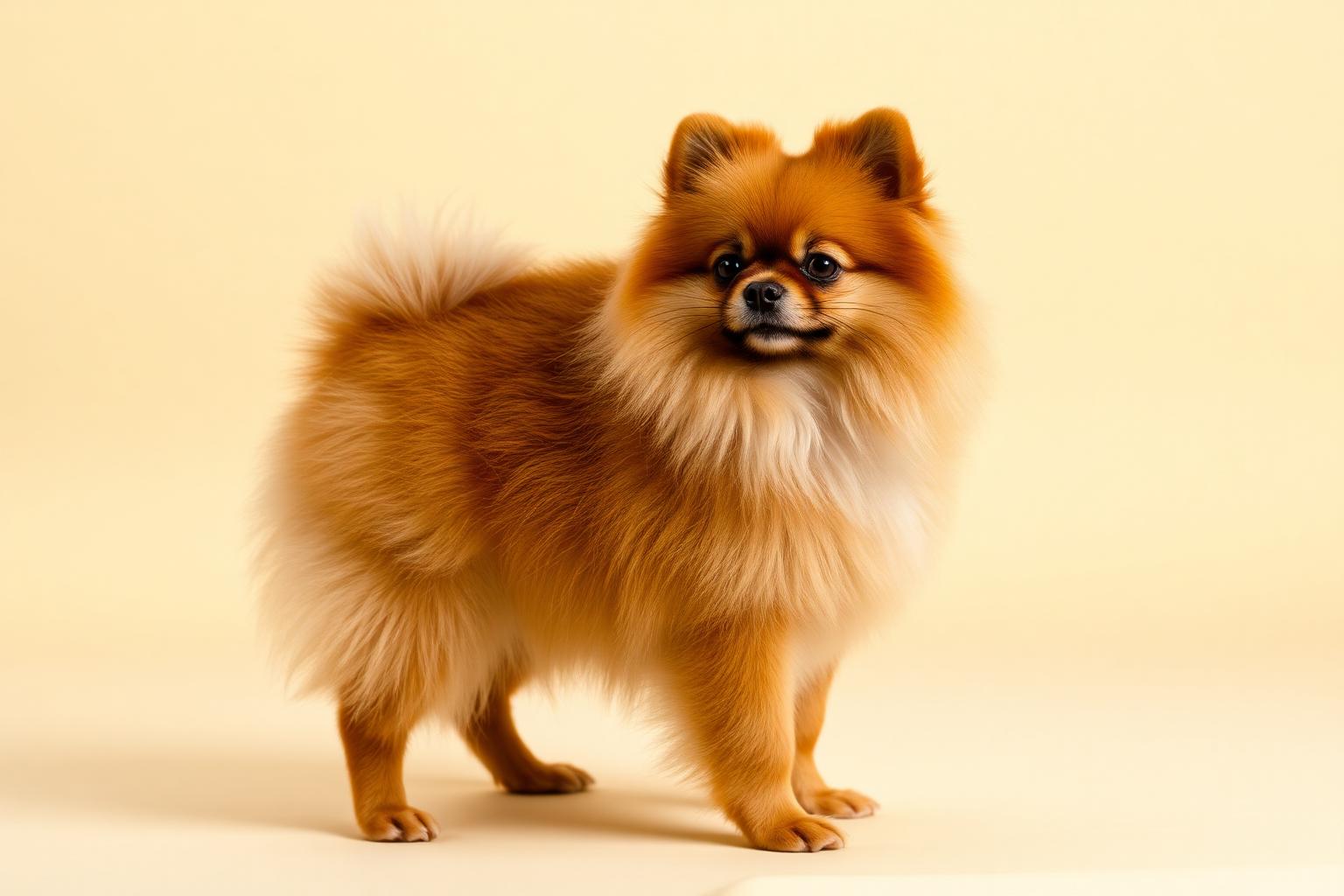
Pomeranian
5.6Charismatic fluffball. Sheds a lot and barks at everything. Fragile with small kids.
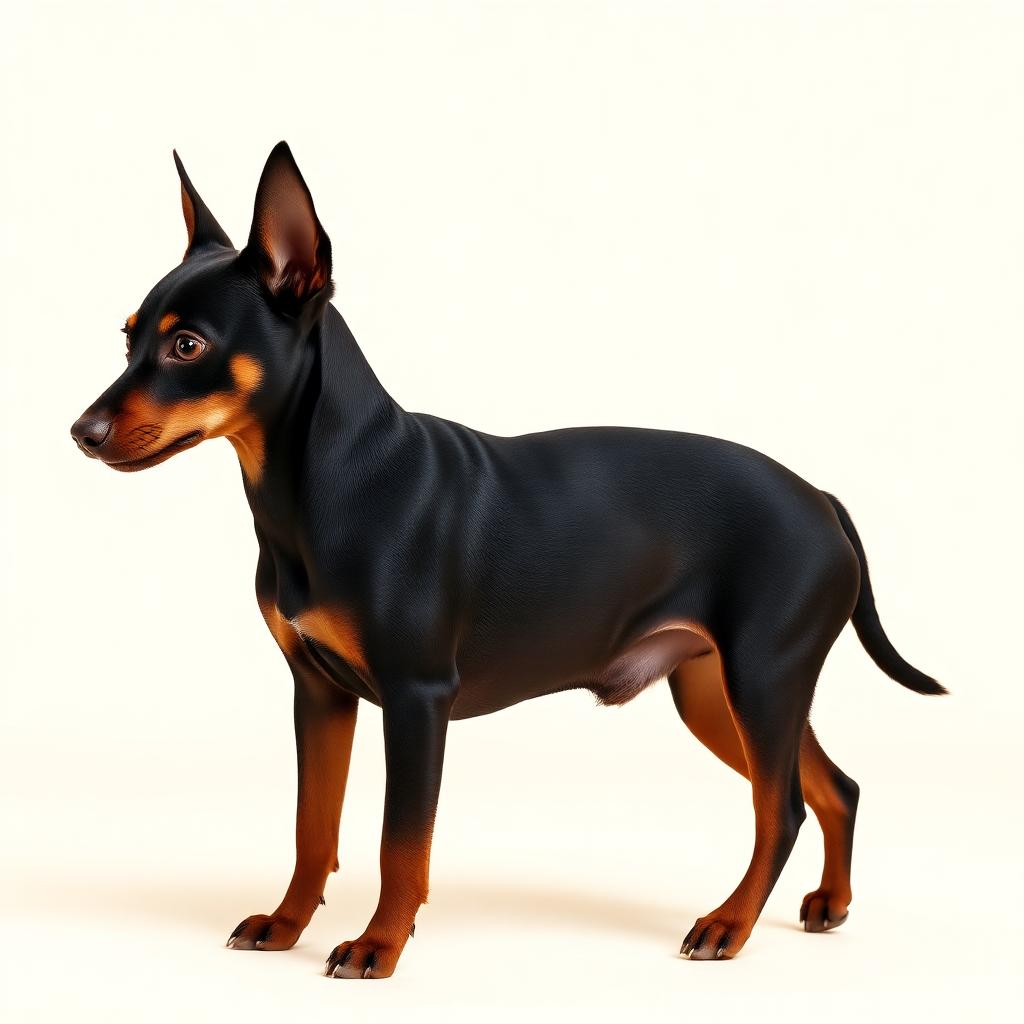
Miniature Pinscher
5.7Tiny Doberman lookalike with huge energy. Big personality in a mini body.

Cavalier King Charles Spaniel
9.3Affectionate, sociable and perfect for small apartments. Adapts to the household's rhythm and loves company.