
Maltese
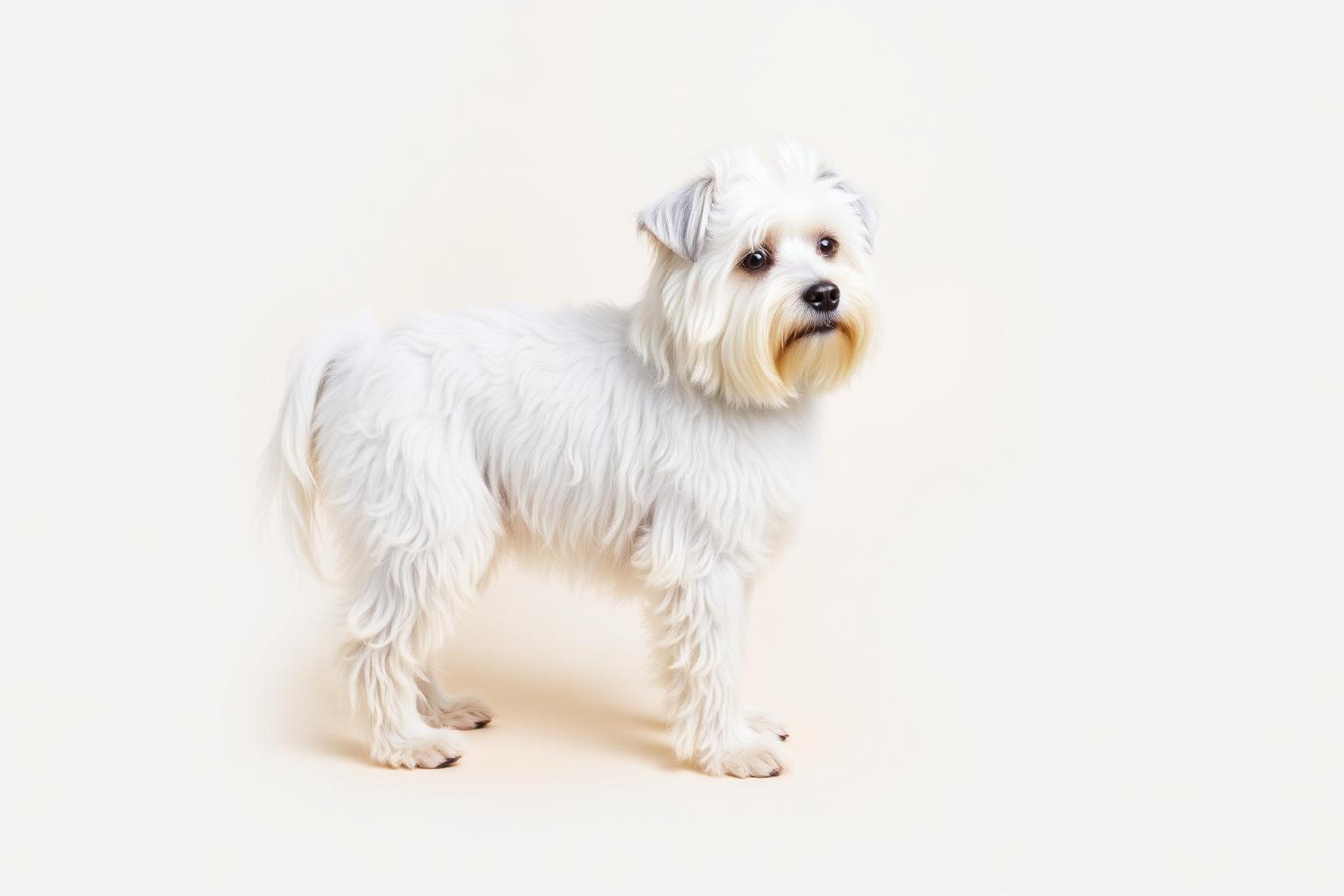
"A cloud of white silk: portable, hypoallergenic, and purely devoted."
Overview
The Maltese is an elegant, highly devoted companion that fits perfectly into family life, especially if you live in a smaller space. As a quintessential small dog breed, weighing just 3 to 4 kg, they adapt beautifully to apartment living while maintaining a lively and affectionate spirit. One of their biggest appeals for families is their silky coat; they are a hypoallergenic dog with extremely low shedding, making them a fantastic choice for households dealing with allergies.
Despite their delicate, cloud-like appearance, these little dogs are surprisingly robust and active. They do not need a massive garden and only require around 30 minutes of daily exercise, which can easily be met with a brisk walk in the park or a fun game of fetch indoors. They have moderate energy levels and tolerate warm weather reasonably well, though their lack of a thick undercoat means they might need a cozy sweater when winter temperatures drop.
When it comes to family dynamics, this breed thrives on human connection but requires careful consideration regarding kids. Because of their tiny, fragile bones, they are not suitable for babies and toddlers. An accidental fall or rough play from a young child can cause severe injuries. However, for families with older, respectful children who understand how to gently handle a small pet, they are wonderful, playful companions and great confidants.
Because they form incredibly strong bonds, these dogs demand consistent attention and are prone to separation anxiety if left alone for long hours. They also act as keen little watchdogs, meaning early socialization and patient training are absolutely necessary to prevent excessive barking at every hallway noise. Families should also budget around 140 euros a month for their care, keeping in mind that their striking coats require regular grooming to prevent tangles and keep them healthy over their long 12 to 15-year lifespan.

Key facts
- Size
- Small
- Weight
- 3–4 kg
- Life expectancy
- 12–15 years
- Daily exercise
- 30 min/day
- Estimated total
- 140€/month
- Country
- Malta / Italy
Character & temperament
The Maltese is characteristically gentle, affectionate, and very intelligent. They are known as "eternal puppies" because they maintain their playful spirit and curiosity well into their senior years. While they enjoy a good cuddle on the lap, they are also surprisingly alert and lively. They tend to follow their owners from room to room, acting as little white shadows, and they truly thrive on human interaction.
When it comes to strangers, the Maltese can be a bit reserved or vocal at first, but they usually warm up quickly if properly socialized. They aren't aggressive by nature, but they do have a "big dog in a small body" attitude and won't hesitate to bark at someone approaching their home. Early exposure to different people and environments is crucial to prevent them from becoming overly timid or excessively wary of outsiders.
With their primary owners, the bond is exceptionally strong. A Maltese lives for your approval and affection. They are highly sensitive to their owner's moods and will often try to "comfort" you if they sense you are sad. This deep attachment makes them wonderful companions for those living alone, but it also means they are prone to separation anxiety. They are most happy when they are the center of your world and included in all family activities.
Their signature trait

Living with children
The relationship between a Maltese and children is a matter of size and safety. For older children (6-12 years) and teenagers, they are fantastic companions. These kids have the motor skills to be gentle and the maturity to respect the dog's boundaries. A Maltese will happily participate in supervised play and loves the extra attention that school-aged children provide. They can be great "secret keepers" and study buddies for responsible kids.
However, for babies and toddlers under 5, the Maltese is often not the right fit. This isn't due to temperament—most Maltese are very sweet—but because of their physical fragility. A toddler's unintentional grab, a fall onto the dog, or an accidental kick can result in broken bones or internal injuries for such a small animal. Furthermore, if a Maltese feels cornered or hurt, it may nipped in self-defense. For families with very young children, waiting until the kids are older is always the safer, more responsible choice.
With other pets
Maltese transition well into multi-pet households, provided the other animals are not aggressive or overly large and boisterous. They usually get along excellently with cats, often becoming nap buddies. When it comes to other dogs, they are best paired with breeds of similar size. A large, playful dog like a Labrador could accidentally injure a Maltese during play. They don't typically have a high prey drive, so they can coexist with smaller pets like rabbits or hamsters if supervised, though their curious nature might lead them to pester smaller animals.
Health & prevention
The Maltese is generally a robust little dog, but its size brings specific vulnerabilities. The most common orthopedic issue is Patellar Luxation, where the kneecap slips out of place; keeping them at a healthy weight is vital to mitigate this. They are also prone to White Dog Shaker Syndrome, a condition involving tremors that usually responds well to medication. Dental health is perhaps the biggest daily concern; their tiny mouths often lead to overcrowded teeth, causing rapid tartar buildup and gum disease if not professionally cleaned and brushed at home.
As they age, some Maltese may develop heart murmurs (mitral valve disease) or liver shunts (a congenital issue with blood flow). Regular annual check-ups should include a thorough cardiac listen and blood panels. Fortunately, with proper care, many Maltese live active lives well into their mid-teens. Always ask breeders for health clearances of the parents, specifically regarding knees and eyes, to ensure you are starting with a genetically sound puppy. Avoid 'teacup' versions, as they are often bred from the runts and suffer from much higher rates of hypoglycemia and organ failure.
Health risks
- •Patellar luxation
- •Dental problems
Care
Nutrition
A Maltese weighs only 3-4 kg, so every calorie counts. They should eat high-quality small-breed kibble, approximately 50-75 grams per day, divided into two meals. Because they are prone to dental issues, dry kibble is generally better than wet food to help scrape away plaque. Be very careful with treats; one "human cookie" for a Maltese is like a whole cake for a human. Obesity puts dangerous pressure on their tiny joints and can worsen luxating patellas. Always ensure they have access to fresh water as they can be prone to kidney stones.
Grooming & hygiene
Grooming is the biggest commitment with a Maltese. Their silk-like hair lacks an undercoat but mats incredibly easily. If you want the traditional "show look," daily brushing is mandatory. Most pet owners opt for a "puppy cut" every 6 to 8 weeks to keep things manageable. Tear staining (brown/red streaks under the eyes) is common and requires daily cleaning with a damp cloth or specialized products. Regular baths every 2 weeks are necessary to keep the white coat pristine, and dental hygiene—brushing their teeth—is non-negotiable to prevent early tooth loss.
Exercise & training
Exercise plan
Maltese dogs don't need miles of hiking, but they crave mental stimulation. Monday-Friday: Two 15-minute walks focused on sniffing and socialization, plus 10 minutes of indoor play (fetch or hide-and-seek). Saturday: A longer 30-minute stroll in a safe, quiet park to explore new environments. Sunday: Gentle social interaction with known friendly dogs. Their exercise is more about quality engagement than physical exhaustion. Over-exercising puppies can damage developing joints, so keep sessions short and sweet.
Training
Training a Maltese requires a gentle hand and plenty of positive reinforcement. They are intelligent and eager to please, but they can be sensitive to harsh tones, which may cause them to shut down. One of the biggest challenges is housebreaking; due to their small bladders, it takes longer for them to learn compared to larger breeds. Using a consistent schedule and rewarding outdoor successes with tiny, healthy treats is the best approach. Socialization is equally important; introduce them to various sights, sounds, and people early on to curb excessive barking. They excel at learning tricks and even basic agility, as they love being the star of the show and receiving your undivided attention.
Monthly cost
Monthly costs are dominated by grooming needs. High-quality small-breed kibble is essential for dental health. Costs exclude initial vaccinations or unexpected surgeries.
Estimate for Spain, healthy adult dog. Varies by region and provider.
Pros & cons
Pros
- ✓Virtually no shedding, making them ideal for clean homes and allergy sufferers.
- ✓Highly adaptable to small city apartments and urban living.
- ✓Long lifespan with many reaching 15 years or more.
- ✓Extreme loyalty and affection towards their human family.
- ✓Portable size makes them easy to travel with and take on errands.
Cons
- !Extremely high maintenance coat requiring daily brushing or professional clipping.
- !Prone to separation anxiety and can become excessively vocal if left alone.
- !Physically fragile; a jump from a sofa or a rough child can cause serious injury.
- !Difficult to housebreak, often requiring more patience than larger breeds.
- !Genetic predisposition to dental disease and luxating patella.
Ideal for
- • Apartment dwellers looking for a low-shedding companion.
- • Retirees who want a devoted lap dog and have time for grooming.
- • Families with older, gentle children (over 7 years old).
- • Allergy sufferers who need a dog that doesn't trigger symptoms.
Not recommended for
- • Families with toddlers or very boisterous young children.
- • People who work long hours away from home.
- • Owners on a tight budget who cannot afford frequent grooming.
How it fits each scenario
Ideal for apartments, though their tendency to bark at hallway noises needs training.
They enjoy a yard but are so small they can escape through tiny gaps or be targeted by hawks.
They tolerate heat fairly well but are prone to sunburn on their pink skin if kept in a short clip.
They feel the cold intensely and require sweaters and coats during winter months.
Risky; a toddler's clumsy fall or tight squeeze can easily break a Maltese's bones.
Perfect companions for gentle children over age 7 who understand how to handle a small animal.
A great first dog due to their size and charm, provided you commit to grooming and training.
An experienced owner will find them easy, but must avoid over-pampering to prevent 'Small Dog Syndrome'.
They can keep up on short walks but will need to be carried in a backpack for long hikes.
Not a good fit; they suffer deeply from loneliness and can become destructive if left alone.
Excellent for allergy sufferers as they don't have an undercoat and barely shed.
Deceptively expensive; the professional grooming bills every 6 weeks are non-negotiable.
Origin & history
The origin of the Maltese is steeped in antiquity, with roots tracing back at least 2,000 years to the central Mediterranean. Despite the name, their exact link to the island of Malta is debated, as they were also known in Rome and Greece. Historically, they were kept as "comforter" dogs, believed to have medicinal powers to heal the sick by lying on their chests. They were a favorite of the Roman aristocracy and later became a status symbol in the French and British courts. Throughout the centuries, their look has remained remarkably consistent, always prized for their pure white coat and affectionate nature. They were first recognized by the AKC in 1888, solidifying their status as one of the world's most enduring companion breeds.
The Maltese is one of the oldest toy breeds; even the ancient Greeks built tombs for their beloved Maltese dogs and depicted them on pottery.
Frequently asked questions
How much does a Maltese puppy cost?▾
Prices range from €1,200 to €2,000 in Spain for a puppy from a reputable breeder. Never buy from pet shops or "puppy mills," as health and temperament issues are common in poorly bred Maltese.
Is the Maltese truly allergy-friendly?▾
Yes, they are considered hypoallergenic because they have hair rather than fur and don't shed. However, saliva or dander can still trigger reactions in extremely sensitive individuals. Always meet the dog first.
What is their life expectancy?▾
Expect 12 to 15 years. Some well-cared-for individuals reach 17. Their longevity is high, but quality of life depends on maintaining dental health and a lean weight to protect their joints.
Do they bark a lot?▾
Maltese are alert and will bark at the door or strange noises. While they aren't "yappy" by nature, without training and socialization, they can become reactive indoor barkers.
Are they easy to housebreak?▾
They can be stubborn with potty training. Their tiny bladders mean they need frequent outings. Consistency and rewarding outdoor successes are key, as punishment will only make them hide their "accidents."
Are they good with babies and toddlers?▾
Not recommended for children under 6 or 7. Not because the dog is aggressive, but because the breed is physically fragile. A simple drop or a heavy-handed pat can cause permanent injury.
How much grooming do they really need?▾
They need daily brushing if kept in a long coat. Most families choose a "puppy cut" (short) every 6-8 weeks, which is much more manageable but still requires regular professional attention.
Is the Maltese easy to train?▾
They are intelligent but can be manipulative. They respond best to positive reinforcement. Short, fun sessions of 5 minutes several times a day work better than long, boring training hours.
Similar family-friendly breeds
 Hypoallergenic
Bichon Frise
8.8Small, cheerful and practically non-shedding. Requires frequent grooming. Ideal for apartments and allergy sufferers.
 Hypoallergenic
Havanese
7.5Small hypoallergenic, affectionate and adaptable. Excellent for apartment families.
 Hypoallergenic
Coton de Tuléar
7.5Hypoallergenic cotton-like coat, sweet and playful. Rare but family-ideal.