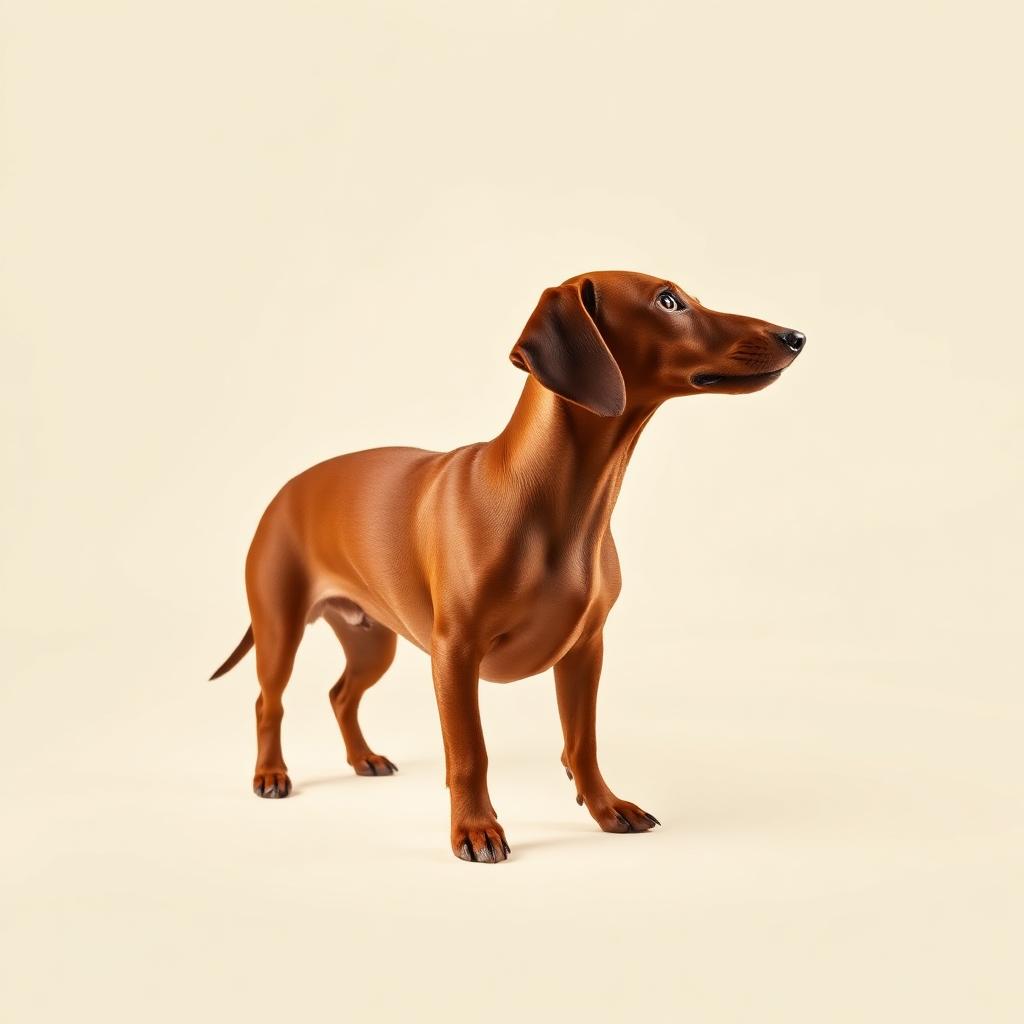
Standard Dachshund
"Big personality in a compact, elongated body."
Overview
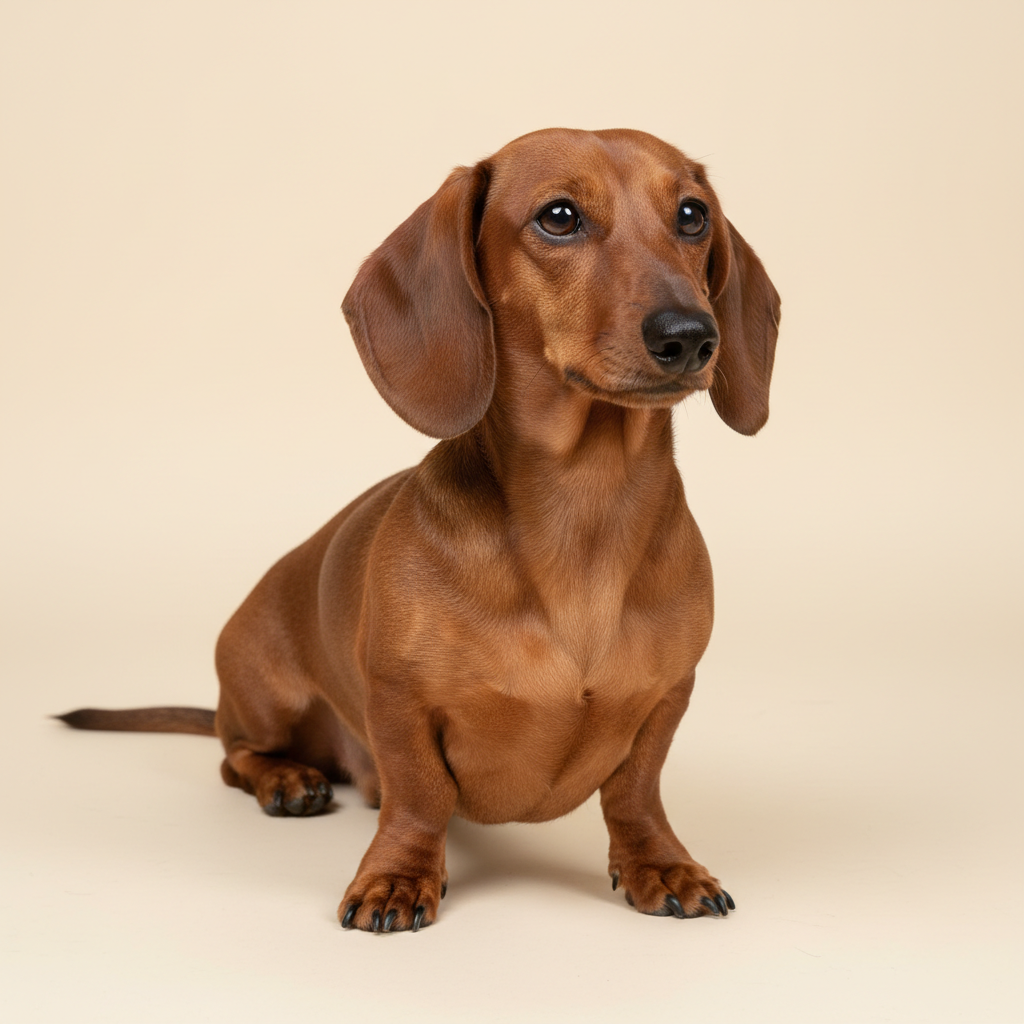
Discover everything about the Standard Dachshund, a small but giant personality dog breed. Originating from Germany as a badger hunting dog, the Dachshund is famous for its elongated body and short legs, a perfect adaptation for its original job. There are three coat varieties: smooth, long-haired, and wire-haired, each with its own grooming needs. These dogs are known for their bravery, loyalty, and insatiable curiosity, making them very fun and affectionate domestic companions. However, they are also notoriously stubborn, requiring consistent training and patience from an early age. Their strong prey drive must be managed, especially if they live with other small pets.
Regarding the health of the Standard Dachshund, the main concern is Intervertebral Disc Disease (IVDD) due to their spinal structure. It is crucial to protect their back by avoiding jumping from heights, excessive stair climbing, and maintaining an ideal body weight. Comprehensive pet insurance is highly recommended to cover potential veterinary costs for this condition. They require moderate daily exercise, consisting of 20-30 minute walks and playtime. Although they can adapt to apartment living, their tendency to bark can be a challenge for neighbors, and it is important to invest in their socialization for harmonious coexistence. Learn how this unique breed can fit into your family and what you can expect from this small but bold canine companion.
Key facts
- Size
- Small
- Weight
- 9–14 kg
- Life expectancy
- 12–16 years
- Daily exercise
- 45 min/day
- Estimated total
- 140€/month
- Country
- Alemania / Germany
Character & temperament
The Standard Dachshund is a dog with a large and complex personality despite its physical size. They are known for their bravery and perseverance, traits inherited from their badger-hunting days. This quality often translates into an adorable stubbornness that requires patience and consistency in training. They are incredibly loyal and affectionate with their family, often choosing one particular person for their most intense devotion, although they interact well with all household members. Their intelligence is sharp, making them capable of learning quickly, but their independent nature means they will sometimes prefer to do things their own way. They enjoy human company and can become destructive if they feel lonely or bored. They often have a strong prey drive, meaning small animals like squirrels or mice can trigger their chase impulse. They are alert and good watchdogs, with a surprisingly powerful bark to warn of strangers or anything out of the ordinary. Their innate curiosity and love for exploration require a safe and stimulating environment. While they can be playful and fun, they also enjoy long naps curled up with their humans. It is crucial to socialize them from puppyhood to mitigate any tendency towards distrust of strangers or aggression towards other dogs. With proper education and a committed family, a Standard Dachshund can be a charming, lively companion and an inexhaustible source of fun and love, provided its intrepid spirit is understood and respected.
Living with children
The Standard Dachshund's coexistence with children can be very good, provided clear boundaries are established and interactions are supervised. They are playful and energetic dogs that can thoroughly enjoy children's company, but their size and delicate constitution (especially their back) make it essential to teach children to handle them gently. Dachshunds are not the most tolerant breed of rough handling or being treated like a toy, and they may react if they feel uncomfortable or cornered. Therefore, it is vital to educate both the dog and the children about mutual respect. From an early age, the Dachshund should be exposed to children in a positive, controlled environment to foster a harmonious relationship. It is also important for children to understand that the Dachshund may seek moments of peace and that their space should be respected. They are not dogs that easily tolerate ear or tail pulling. If treated with care and respect, they can be fantastic playmates and loyal guardians for children. Their alert nature makes them good family "watchdogs." However, it is not recommended to leave them unsupervised with very young children, who might not fully understand the fragility of their spine. With good socialization and education, the Standard Dachshund can be an exceptional and affectionate family member for homes with children.
With other pets
The Standard Dachshund's relationship with other pets can vary. With other dogs, they generally get along well, especially if socialized from a puppy. However, their **strong prey drive** can be a challenge with cats or other small pets. Some may learn to coexist peacefully if raised together, but others will always view smaller animals as prey. Supervision is essential, and sometimes, avoiding coexistence with rodents or birds is necessary. Their bravery can lead them to confront larger dogs, so interactions must be controlled.
Health & prevention
The Standard Dachshund is generally a robust breed, but its most distinctive feature, its long back, is also its Achilles' heel. Intervertebral Disc Disease (IVDD) is the most significant health concern, affecting a considerable percentage. This condition can range from mild pain to paralysis and requires immediate veterinary attention, often surgery. To prevent it, it is crucial to avoid them jumping from high furniture, going up and down stairs excessively, and to control their weight to avoid adding stress to the spine. Other conditions to be aware of include joint problems like patellar luxation, although less common than in other breeds. They can also be prone to certain eye diseases, such as glaucoma or progressive retinal atrophy, and epilepsy. Dental diseases are also common, so good oral hygiene is important. A balanced diet, regular exercise, and periodic veterinary visits are essential to detect and manage any health problems in time. A responsible breeder who performs health tests on the parents should always be chosen.
Health risks
- •IVDD (spinal problems)
- •Obesity
- •Epilepsy
Care
Nutrition
The nutrition of the Standard Dachshund must be carefully managed to maintain its ideal weight and protect its back. High-quality food, specifically for small or medium breeds, with a good balance of protein, fats, and carbohydrates, is essential. Due to their predisposition to obesity, which aggravates back problems, portions must be controlled and adjusted to their activity level. Avoiding excessive treats and table scraps is crucial. Joint health supplements, such as glucosamine and chondroitin, can be considered under veterinary supervision. Dividing the daily ration into two meals can aid digestion and reduce the risk of gastric torsion, although it is less common in small breeds. Constant access to fresh, clean water is essential.
Grooming & hygiene
Grooming for the Standard Dachshund varies depending on the coat type. **Smooth-haired** Dachshunds require little maintenance: weekly brushing to remove dead hair and maintain shine, and occasional baths. **Long-haired** Dachshunds need more frequent brushing, 2-3 times a week, to prevent knots and tangles, especially on the feathering of the legs and tail; occasional trimming may also be necessary. **Wire-haired** Dachshunds need weekly brushing with a slicker brush and "stripping" (manual removal of dead hair) every few months to maintain coat texture, which may require a professional groomer. For all varieties, it is important to regularly check and clean the ears to prevent infections, trim nails every 3-4 weeks, and maintain good dental hygiene with daily or regular brushing.
Exercise & training
Exercise plan
Despite their short legs, the Standard Dachshund is a dog with a moderate energy level that needs daily exercise. Two daily walks of 20-30 minutes, with some opportunities to sniff and explore, are generally sufficient to keep them happy and fit. They love to investigate, so fenced parks or a secure garden are ideal for letting off steam. It is crucial to **avoid excessive jumping** from heights (sofas, beds) and constant use of stairs due to their predisposition to back problems. Interactive games at home and toys that stimulate their minds are also very important to channel their intelligence and prevent boredom. Their stamina as hunting dogs means they can enjoy longer excursions, as long as it is done in moderation and on flat terrain.
Training
Training the Standard Dachshund requires **patience, consistency, and a positive approach**. They are intelligent dogs, but also known for their stubbornness, a trait inherited from their hunting instinct. Reward-based training works wonderfully, as they respond well to food and praise. **Early socialization** is fundamental for them to get used to different people, sounds, and other pets, mitigating their natural distrust of strangers. Basic obedience training (sit, stay, come) is important, and it is recommended to start it from puppies. Potty training can take time, as they are prone to scent marking. Due to their strong prey drive, leash training is vital; they should never walk off-leash in unsafe areas. Consider puppy obedience classes or a professional trainer if you encounter challenges, especially with stubbornness or excessive barking.
Monthly cost
Budgets can vary. Having broad pet insurance covering chronic back issues or spinal surgeries (IVDD) is highly recommended and can prevent a sudden terrible accident from becoming a drastic, irremediable financial blow.
Estimate for Spain, healthy adult dog. Varies by region and provider.
Pros & cons
Pros
- ✓Extremely loyal and affectionate with their family.
- ✓Brave, curious, and full of life personality.
- ✓Adaptable to different types of housing (apartments included).
- ✓Excellent alarm dogs due to their vigilance and barking.
- ✓Relatively easy to maintain in terms of exercise and feeding (if weight is controlled).
Cons
- !Significant predisposition to back problems (IVDD).
- !Can be stubborn and challenging to train.
- !Strong prey drive towards small animals.
- !Tendency to excessive barking if not well socialized and trained.
- !Require careful handling to protect their spine.
Ideal for
- • Active families who enjoy moderate walks.
- • Owners with experience in dog training.
- • Homes looking for a loyal companion with personality.
- • People willing to invest in preventive health care.
Not recommended for
- • Families who cannot dedicate time to consistent training.
- • Physically limited individuals unable to lift the dog or prevent jumping.
- • Homes with unsupervised small non-canine pets (rodents, birds).
- • People looking for a quiet, non-barking dog.
How it fits each scenario
Standard Dachshunds adapt well to apartments if they get enough daily exercise, but it's crucial to prevent them from frequently using stairs to protect their back. A harness and ramps are helpful.
A fenced garden is ideal for Dachshunds to explore and burn energy, but their digging instinct requires supervision. Ensure there are no holes where they can escape or be exposed to dangers.
Smooth-haired Dachshunds adapt better, but all Dachshunds must be protected from excessive heat and direct sun, especially in the afternoon, to avoid heatstroke. Always provide shade and water.
Long-haired or wire-haired Dachshunds tolerate cold better. For smooth-haired ones, a coat in winter is essential given their closeness to the ground and lack of significant protective fat layer. Avoid prolonged exposure.
Not recommended unsupervised with very young children due to their fragile backs and potential reaction to rough handling. Teach children to be gentle and respectful.
They get along well with older children if taught to interact gently, offering companionship and play. Always supervise initially and establish clear rules of respect for both.
They can be challenging for first-time owners due to their stubbornness and specific health needs. They require commitment to training and back problem prevention. Professional guidance is recommended.
An experienced owner will appreciate their unique character and be better equipped to handle their stubbornness and health needs. With education and affection, they are rewarding companions.
Active families who enjoy moderate walks and games at home will be a good match for the Dachshund. Make sure to adapt activities to protect their back, avoiding high-impact jumps and runs.
A very busy family may struggle to meet their companionship and training needs, which can lead to behavioral issues and separation anxiety. They require attention and stimulation.
They are not considered hypoallergenic. They shed hair, although the amount varies by coat type. If there are allergies, it is recommended to spend time with a Dachshund before adoption.
Veterinary costs associated with back problems can be very high, making them not the best option for tight budgets, unless you have good pet insurance.
Origin & history
Bred in Germany for over 300 years, the Dachshund was developed to be a relentless hunter. Its name, meaning "badger dog" in German, reflects its original purpose: to track, corner, and flush badgers from their burrows. Its long, low body was especially adapted for moving through narrow tunnels, while its brave and tenacious nature allowed it to confront fierce prey. It is believed to descend from European hounds and terriers, selected for their persistence and unique morphology. The different coat varieties were developed to protect them in various climates and hunting terrains.
The Standard Dachshund was Pablo Picasso's first pet, who adored it so much that he dedicated several artworks to it, immortalizing its elongated figure in the art world.
Frequently asked questions
How can I protect my Standard Dachshund's back?▾
Protecting your Dachshund's back is crucial to prevent Intervertebral Disc Disease (IVDD). Prevent them from jumping off high furniture like sofas or beds by using pet ramps or stairs. Limit stair use, and if possible, carry them. Keep your Dachshund at a healthy weight, as obesity increases stress on the spine. Use a harness instead of a collar when walking to distribute pressure and avoid sudden jerks on the neck and back. Encourage moderate exercise on flat surfaces and consult your vet regularly for preventive check-ups and advice on spinal health.
Are Standard Dachshunds good with young children?▾
Standard Dachshunds' interaction with young children should always be supervised. While they can be very affectionate and playful with children they know and trust, their body structure makes them vulnerable to injury if handled roughly or accidentally dropped. It's essential to teach children to interact with respect and gentleness, avoiding ear or tail pulling, and respecting the dog's resting times. With early socialization and education for both, they can be excellent companions, but caution is key for both the dog's and child's safety.
How much exercise does a Standard Dachshund need?▾
Despite their short legs, the Standard Dachshund needs moderate daily exercise to stay fit and mentally stimulated. Generally, two daily walks of 20 to 30 minutes each are sufficient, complemented by playtime at home or in a secure garden. They love to sniff and explore, so varied walks are beneficial. It's vital to avoid high-impact exercise, such as jumping or intense running, which can harm their spine. Mental play with interactive toys is also important to satisfy their innate intelligence and curiosity, preventing boredom and destructive behaviors.
Are Standard Dachshunds difficult to train?▾
Standard Dachshunds are **intelligent** but also known for their **stubbornness**, a trait derived from their history as independent hunters. This can make training a challenge. They require patience, consistency, and a positive, reward-based approach. They respond very well to food and praise. Early socialization is crucial for developing balanced behavior. It's important to establish leadership from the beginning and maintain a clear structure. With proper and consistent training, they can learn a wide variety of commands and tricks, but they will never completely lose their independent spirit.
Do Standard Dachshunds really bark a lot?▾
Standard Dachshunds are known for their loud voices and tendency to bark, which makes them excellent alarm dogs. Their barking can be a problem if not managed properly from puppyhood. They tend to bark at strangers, other dogs, unexpected noises, or when they feel bored or lonely. It's important to teach them the "quiet" command and reward them for good behavior. Providing them with enough mental and physical stimulation can help reduce excessive barking, as they often bark out of boredom or anxiety.
Can Standard Dachshunds live in an apartment?▾
Yes, Standard Dachshunds can live very happily in apartments, as long as they receive adequate daily exercise and mental stimulation. They are compact-sized dogs, and their need for space is not as great as that of larger breeds. However, there are important considerations: their aforementioned predisposition to back problems is aggravated by constant stair use. If you live in an apartment with many flights of stairs, it is essential to carry your Dachshund or install ramps. Additionally, their tendency to bark can be an issue for neighbors if not well-trained.
How are Standard Dachshunds with other pets?▾
The Standard Dachshund's coexistence with other pets largely depends on their early socialization and the dog's individual personality. With other dogs, they generally get along well if raised together or if introduced properly. However, their powerful hunting instinct can make coexistence with small non-canine pets, such as cats, rodents, or birds, complicated or even dangerous without constant supervision and very specific training. Many Dachshunds never lose their prey drive, so it's essential to assess the situation cautiously and be prepared to manage these interactions, or consider that a Dachshund might be better as a solo pet.
What are the main differences between the Standard Dachshund coat varieties?▾
The three coat varieties of the Standard Dachshund (smooth, long-haired, and wire-haired) have the same temperament and build characteristics, but differ in their maintenance and some peculiarities. The **Smooth Dachshund** is the easiest to care for, with short, shiny, dense hair that only requires occasional brushing. The **Long-haired Dachshund** has a silky coat, with feathering on the ears, legs, and tail, which needs more frequent brushing to prevent tangles. The **Wire-haired Dachshund** has a rough, dense coat with a distinctive beard and bushy eyebrows, which requires regular brushing and periodic 'stripping' to maintain its texture and remove dead hair. The long-haired and wire-haired varieties may be somewhat more tolerant of cold than the smooth-haired.
Similar family-friendly breeds
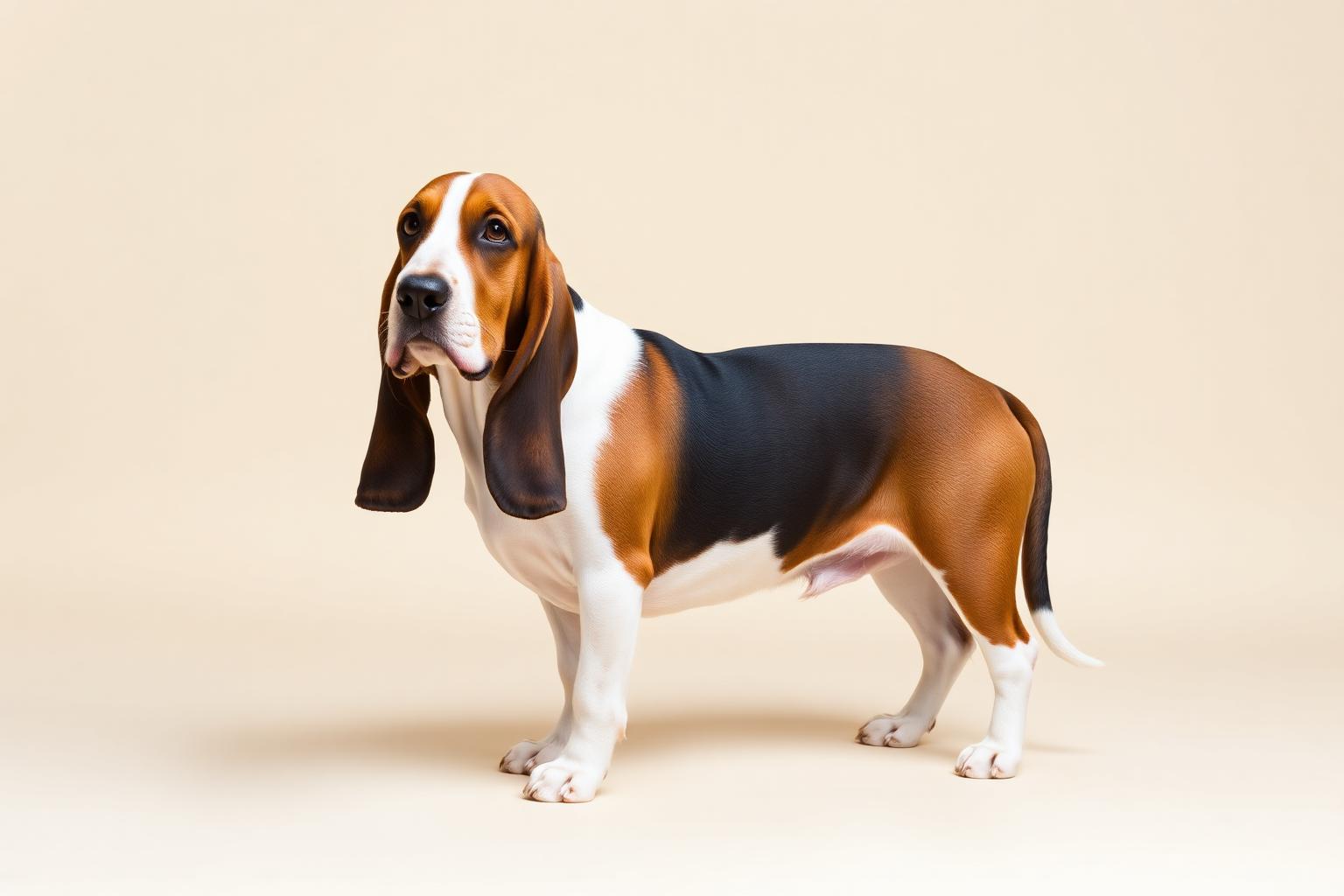
Basset Hound
7.9Calm, sweet and very patient. Tolerates apartments well. Prone to obesity: watch the diet.

Miniature Dachshund
5.7Pocket version of the dachshund. Affectionate and vocal; very fragile back.

Cavalier King Charles Spaniel
9.3Affectionate, sociable and perfect for small apartments. Adapts to the household's rhythm and loves company.