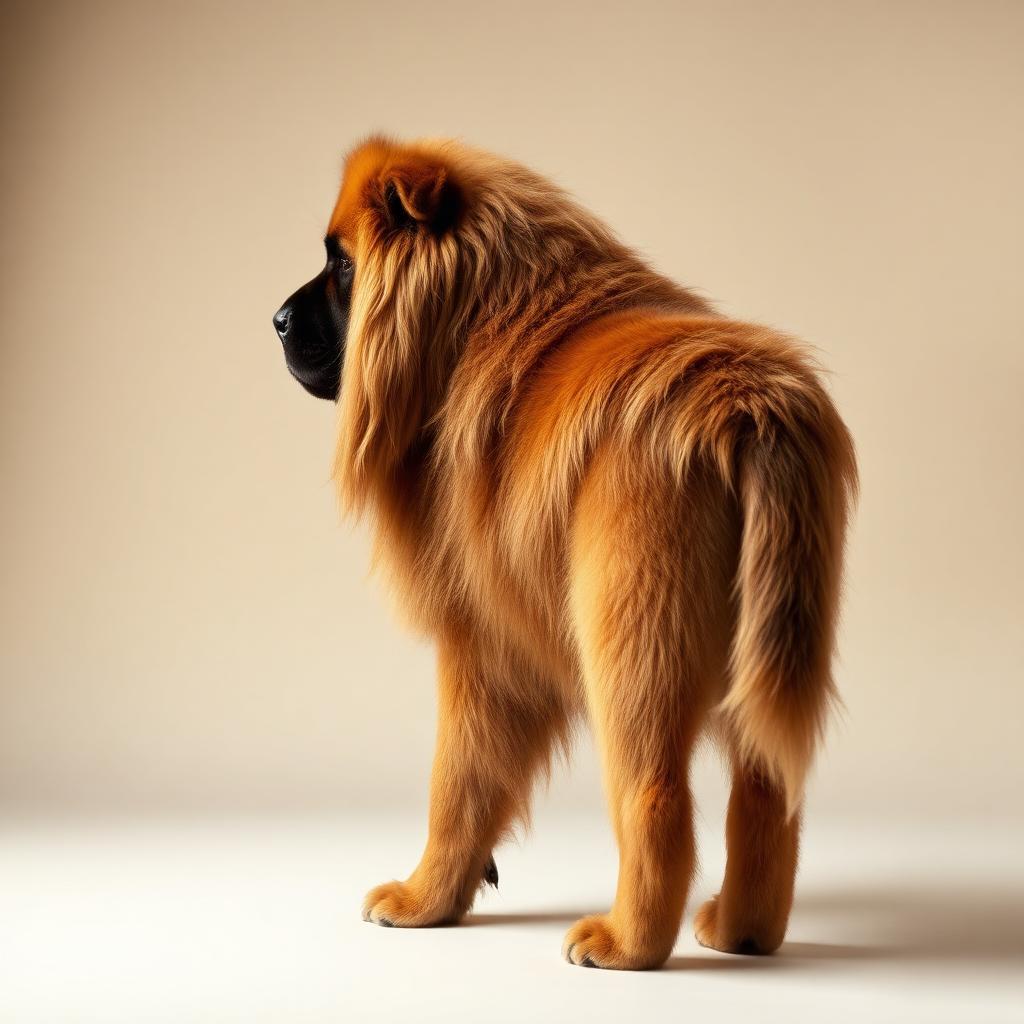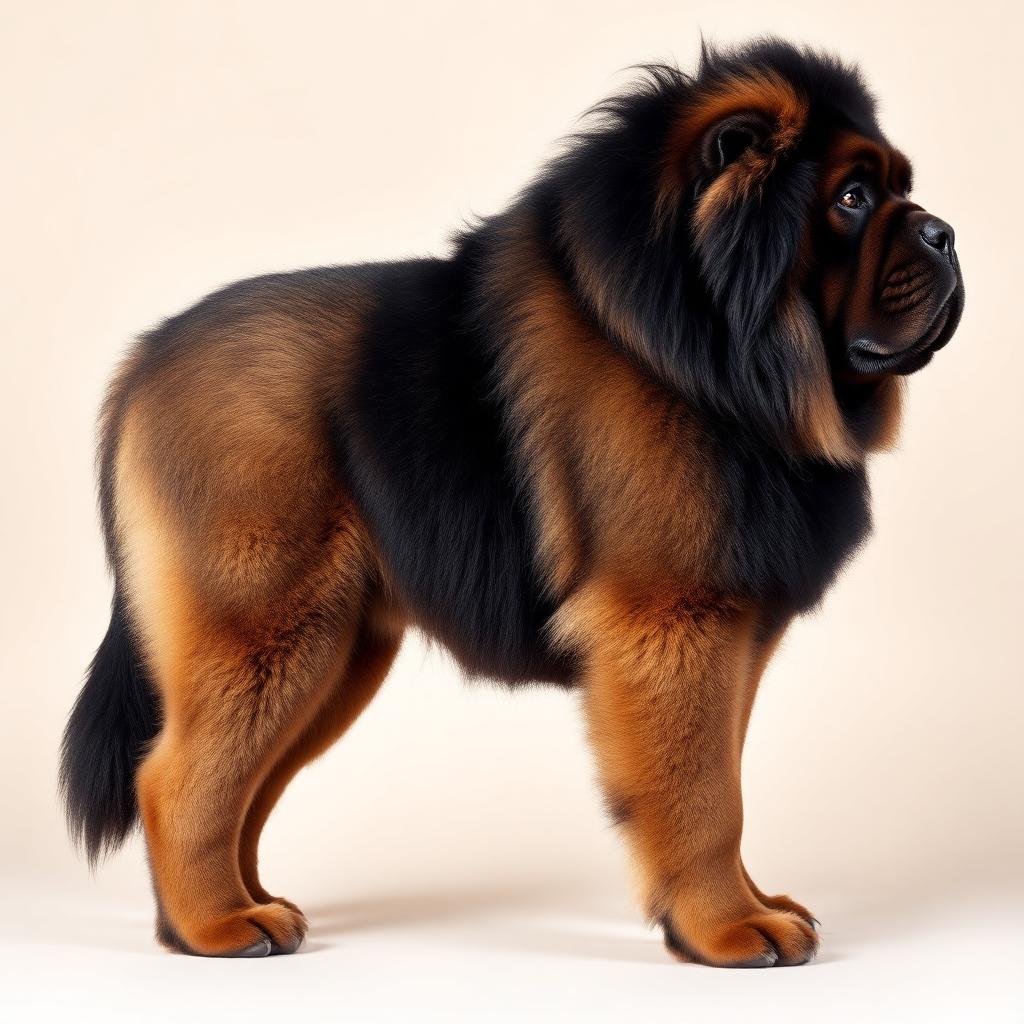
Tibetan Mastiff
"Ancient, majestic guardian: a loyal protector with an ancestral aura."
Overview
The Tibetan Mastiff is an ancient canine breed, prized for its unwavering loyalty and exceptional protective instinct. This gentle giant, whose original name is "Do-Khyi," has for centuries been the guardian of herds, properties, and temples in the Himalaya. Its imposing size and dense coat prepare it for the harshest climates, although they do not make it suitable for warm climates. <br><br>Regarding its temperament, the Tibetan Mastiff is a noble and independent dog. It requires an owner with experience in large and dominant breeds, capable of establishing firm and consistent leadership. Early and continuous socialization is more than a recommendation: it is a vital necessity for this dog to develop a balanced and confident temperament. Its relationship with children in the family can be very affectionate if raised and socialized properly, showing great patience, but always under supervision due to its sheer size. With other animals, it can coexist if raised with them from puppyhood, but its strong territorial instinct requires caution.<br><br>The exercise needs of the Tibetan Mastiff are moderate; two daily walks and access to a secure yard are sufficient, as it is not a dog for intense sports. In terms of health, it is prone to hip and elbow dysplasia, hypothyroidism, and certain eye conditions, highlighting the importance of choosing responsible breeders who perform health screenings on the parents. Its maintenance involves regular brushing for its abundant coat and high costs for food and veterinary services, given its considerable size. Before opting for this majestic breed, it is crucial to understand its guardian nature and be prepared for a long-term commitment to its training, socialization, and specific care.
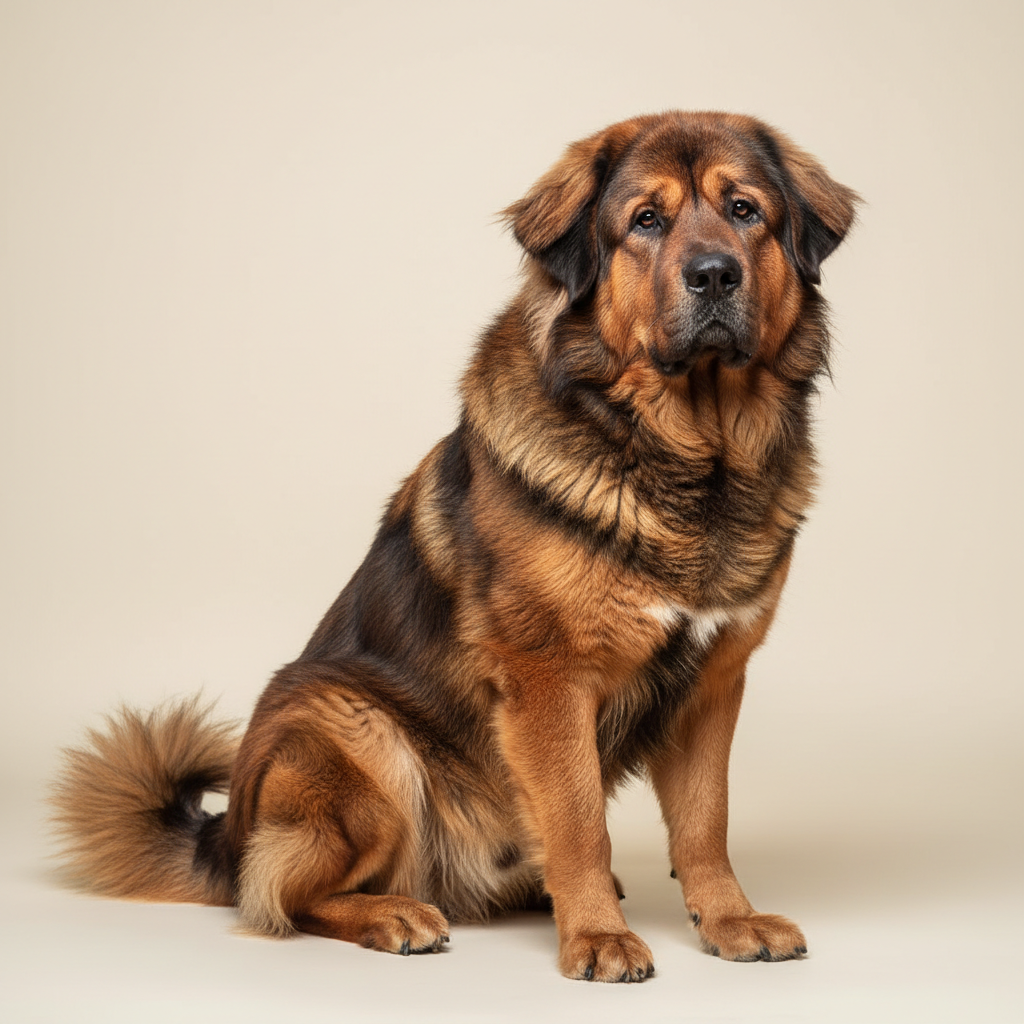
Key facts
- Size
- Giant
- Weight
- 35–75 kg
- Life expectancy
- 10–14 years
- Daily exercise
- 60 min/day
- Estimated total
- 275€/month
- Country
- Tíbet (China)
Character & temperament
The Tibetan Mastiff is a strong-willed, noble, and independent dog with unwavering loyalty towards its family. Its protective instinct is innate and highly developed, making it an excellent guardian dog; it will naturally be wary of strangers and can be reserved or even aloof with them. However, with its human pack, it is surprisingly affectionate and good-natured, enjoying their company and showing remarkable patience. It is not an overly active dog indoors once its exercise needs are met, and it prefers large spaces where it can survey its "territory." <br><br>Its intelligence is very high, but so is its determination, which can be mistaken for stubbornness. It responds best to positive reinforcement and training that understands its nature and respects its decision-making. Early and continuous socialization is crucial for it to develop a balanced temperament and to calmly accept new situations and people. It's important to remember that this dog doesn't constantly seek to please; rather, it is a companion who will make decisions for itself if not guided properly. Its bark is powerful and deep, used primarily to alert or deter; it is not excessive unless it perceives a real threat. This gentle giant needs an experienced owner with natural authority and time to dedicate to its education and socialization to flourish as the loyal and balanced companion it can be.
Living with children
The coexistence of a Tibetan Mastiff with children requires special attention and a high degree of supervision, although it can generally be very good if certain conditions are met. Due to their protective and patient nature, Tibetan Mastiffs can form a very strong bond with the children in their family, considering them part of their "pack." They tend to be tolerant and gentle with youngsters, often allowing children to do things they wouldn't tolerate from an adult. However, it is essential to teach children to always respect the dog, not to bother it when it's sleeping or eating, and not to treat it like a toy. <br><br>Given their size and strength, even innocent play could result in an accident if the dog is not aware of its stature, especially with very young children who do not yet understand boundaries. Early socialization is crucial: exposing the puppy to children of different ages from an early age, under supervision, will help it feel comfortable and secure in their presence. For families with infants or very active children, it is imperative to establish clear rules for both the dog and the children, and never leave them alone unsupervised. It can be a wonderful companion for older children who understand how to interact with a large, strong dog, offering protection and loyal friendship. Nevertheless, if there is no previous experience with large guardian dogs, the family dynamic must be thoroughly evaluated before introducing a Tibetan Mastiff.
With other pets
A Tibetan Mastiff's relationship with other pets largely depends on early and consistent socialization. If raised with other animals from puppyhood, such as cats or other dogs, it can accept them as part of its family. However, they often have a strong prey drive and territoriality, especially towards unfamiliar same-sex dogs or small animals. At home, if socialized, they will tolerate living together, but outside, caution is vital. Their large size and strength can make controlling encounters with other dogs challenging. Constant supervision is recommended, and never assume they will automatically accept any new animal.
Health & prevention
Like many large breeds, the Tibetan Mastiff can be prone to certain health conditions. Hip and elbow dysplasia are significant concerns, so it is crucial to acquire puppies from responsible breeders who perform health screenings on the parents. They may also suffer from osteochondritis dissecans (OCD), a cartilage disorder. <br><br>Other health issues include hypothyroidism, affecting the thyroid gland, and various eye conditions such as progressive retinal atrophy (PRA) or entropion/ectropion (inward or outward-rolling eyelids). Dilated cardiomyopathy is a less common but serious heart disease that can affect the breed. Furthermore, their large size and rapid growth rate make them susceptible to nutrition and exercise-related problems during their development. <br><br>Regular veterinary check-ups, a high-quality diet tailored for giant breeds, and weight management are essential to mitigate risks. Despite this, many Tibetan Mastiffs live long and healthy lives, with an average lifespan of 10 to 14 years, if they receive proper care and come from healthy genetic lines. Vigilance for any signs of discomfort or behavioral changes is key for early intervention.
Health risks
- •Hip dysplasia
- •Hypothyroidism
- •Neurological issues
Care
Nutrition
The nutrition of the Tibetan Mastiff is a fundamental pillar for its health, especially during its growth stage. As a giant breed, they require a diet specifically formulated for **large or giant breeds**, which supports slow and steady growth to prevent bone problems like dysplasia. Puppies should receive high-quality kibble, rich in protein (approximately 25-28%) and with an adequate balance of calcium and phosphorus. <br><br>Once adult, the protein content can be adjusted to 20-24%. It is crucial to avoid overfeeding, as excess weight puts additional strain on their joints. Rations should be divided into at least two meals daily to reduce the risk of gastric torsion, a serious condition. Supplements, such as glucosamine and chondroitin, can be beneficial for joint health, but always under veterinary supervision. The quality of the kibble matters, and it should preferably include natural ingredients and little to no filler.
Grooming & hygiene
The Tibetan Mastiff possesses a dense double coat, which protected it from the extreme cold of the Himalayas. This coat requires **regular and thorough brushing**, at least 2-3 times a week, to prevent tangles, remove dead hair, and maintain healthy skin. During seasonal shedding periods (especially in spring and autumn), brushing should be daily and exhaustive, as they shed a considerable amount of hair. Bathing is not necessary as frequently, only when truly dirty, using specific shampoos for dogs with a double coat. <br><br>In addition to brushing, **ear care** (weekly checks to prevent infections), **nail clipping** (every 2-4 weeks to prevent overgrowth causing pain or walking problems), and **dental cleaning** to prevent periodontal diseases are vital. Some owners opt for professional grooming every few months to ensure optimal maintenance of their dense coat, especially in hard-to-reach areas or during intense shedding periods.
Exercise & training
Exercise plan
Although the Tibetan Mastiff is a large dog, it is not hyperactive. It needs **moderate but consistent exercise** to stay healthy and balanced. They are not dogs that require long-distance running or intense agility sports. Two daily walks of 30 to 45 minutes at a steady pace, preferably in a quiet and semi-rural environment, are generally sufficient to meet their physical needs. <br><br>A large, secure yard where they can roam and guard is highly beneficial, but it does not replace walks. In addition to physical exercise, it is crucial to provide **mental stimulation** through interactive games or short training sessions. A bored or under-exercised Mastiff can become destructive or develop unwanted behaviors. Care should be taken with intense exercise in puppies to protect their developing joints.
Training
Tibetan Mastiff training must begin at a very young age and be **firm, consistent, and patient**, always based on positive reinforcement. Due to their intelligence and independent nature, they will not always seek to please, which can be mistaken for stubbornness. An owner experienced in handling guardian dogs and large breeds will be essential. <br><br>**Early socialization** is even more important than for other breeds: exposing the puppy to different people, places, sounds, and animals in a controlled and positive way is vital for it to develop a balanced and secure temperament. Puppy classes are highly recommended. Basic obedience training is indispensable; commands like sit, stay, come, and leash walking must be mastered to control a dog of its size and strength. Training methods based on punishment or force should never be used, as this could damage the bond and encourage aggression. A well-socialized and educated Tibetan Mastiff is a noble and loyal companion, but its training is a lifelong commitment.
Monthly cost
Their massive physiological caliber vastly inflates baseline medical fees (medications or sedatives). Proper aesthetic grooming is strictly indispensable for their skin welfare.
Estimate for Spain, healthy adult dog. Varies by region and provider.
Pros & cons
Pros
- ✓Excellent guardian dog, protective of its family and property.
- ✓Loyal, devoted, and affectionate with its immediate family.
- ✓Imposing presence acts as a natural deterrent.
- ✓Does not require strenuous exercise despite its size.
- ✓Relatively clean and low-odor if well-maintained.
Cons
- !Independent and sometimes stubborn temperament, requires experienced owner.
- !Needs extensive early and ongoing socialization.
- !Strong territorial instinct and wariness towards strangers.
- !High maintenance costs (food, vet, etc.).
- !Heavy shedding, especially in spring/autumn.
Ideal for
- • Families with experience with large or guardian dog breeds.
- • Homes with large, securely fenced properties.
- • Individuals seeking a loyal protector and a majestic companion.
- • Those who value consistent training and socialization.
Not recommended for
- • First-time owners or those without experience with dominant breeds.
- • Small homes or urban apartments without access to large spaces.
- • People looking for a dog that always seeks to please and is easily malleable.
- • Families with a very active lifestyle requiring a dog that runs non-stop.
How it fits each scenario
Not an ideal choice for an apartment; the Tibetan Mastiff needs ample space to feel comfortable and fulfill its guardian role.
A home with a **large, exceptionally fenced yard** is almost a must for this breed, allowing it to patrol and exercise naturally.
Due to its thick double coat, warm climates are not its friend. It will need constant access to shade, fresh water, and air conditioning in summer.
Perfectly suited for cold weather; its coat is designed for it. It will enjoy cold and snowy climates, but needs adequate shelter.
Constant supervision is crucial. Though patient, their size can cause accidents. Better with children who understand how to interact with dogs.
With older, respectful children, the Tibetan Mastiff can be a loyal protector and a patient companion, forming strong bonds.
Absolutely not recommended for first-time owners. Its independent nature and need for strong leadership require canine experience.
An experienced, consistent owner with knowledge of guardian breeds is ideal for handling the unique and strong character of the Tibetan Mastiff.
They can adapt to an active family that enjoys long walks, but they are not companions for intense jogging or high-energy sports.
A very busy family will not be able to provide the socialization, training, and companionship this dog needs for balanced development.
They are not hypoallergenic. They shed a lot of hair, especially during shedding season. Not a good option for people with allergies.
Its high needs for quality food, vet care, and potential professional training make it unfeasible for tight budgets.
Origin & history
Isolated for centuries on the Tibetan plateau, they were naturally shaped by the harsh climate and their duty to ward off fierce predators. It is widely believed that they carry the root lineage of the vast majority of all modern mastiff-type breeds.
It's rumored that the famous traveler Marco Polo encountered Tibetan Mastiffs as large as donkeys and with voices that made the mountains tremble. An exaggeration that highlights their imposing reputation!
Frequently asked questions
Is the Tibetan Mastiff a suitable pet for apartment living?▾
Generally, the Tibetan Mastiff is not suitable for apartment living. Although not hyperactive indoors, its immense size, strong territorial instinct, and need to be able to survey its surroundings make a small space stressful for it. It requires a home with a large and very secure yard, where it can roam and fulfill its natural role as a guardian. Living in an apartment without access to adequate outdoor space could lead to behavioral problems and negatively affect its physical and mental well-being.
How much does a Tibetan Mastiff bark, and is it a good guard dog?▾
The Tibetan Mastiff is an excellent guard dog and naturally protective. It will bark to alert to the presence of strangers or anything it considers a threat to its territory or family. Its bark is powerful and resonant, designed to deter. They typically do not bark without reason, but when they do, it is purposeful and loud. Their guardian instinct is innate; they need to be well-socialized to differentiate between a real threat and a normal situation, but their vigilant nature will always be present.
Can Tibetan Mastiffs adapt to warm climates?▾
Due to their dense double coat, which is designed to protect them from the extreme cold of the Himalayas, Tibetan Mastiffs do not adapt well to warm or humid climates. They are prone to overheating and heatstroke. In warm climates, they require constant access to a cool, shaded area, plenty of fresh water, and preferably access to air conditioning during summer months. Exercise should be limited to the coolest parts of the day, such as dawn or dusk.
Is the Tibetan Mastiff a good choice for first-time owners?▾
Definitely not. The Tibetan Mastiff is a breed with a strong, independent character and a will of its own that requires very specific handling. They need an owner with experience in large dog breeds and with a dominant temperament, who can establish firm and fair leadership from the outset. A first-time owner might struggle to manage their guardian nature, occasional stubbornness, and the intensity of their necessary socialization, which could lead to difficult-to-correct behavioral problems.
Do Tibetan Mastiffs require a lot of exercise?▾
Despite their size, the Tibetan Mastiff is not a high-energy breed. They require moderate but consistent exercise to stay fit and mentally stimulated. Two daily walks of 30-45 minutes at a leisurely pace are usually sufficient, in addition to having access to a secure yard where they can roam. Excessive or high-impact exercise, especially during growth, can be detrimental to their joints. The quality of the walk and mental stimulation are more important than an extreme amount of physical exercise.
Are Tibetan Mastiffs hypoallergenic?▾
No, the Tibetan Mastiff is not a hypoallergenic breed. They have a dense double coat and experience abundant seasonal shedding, especially in spring and autumn. They shed a considerable amount of hair and dander, which can trigger allergic reactions in sensitive individuals. If allergies are a significant factor, this breed is not the right choice, as they will require frequent and thorough brushing to control shedding, but not eliminate it completely.
How do Tibetan Mastiffs get along with other pets?▾
Living with other pets is possible but requires very early and careful socialization. If raised with other dogs or cats from puppyhood, they can accept them as part of their 'pack.' However, their strong territorial and prey instincts can make them intolerant of unfamiliar animals, especially same-sex dogs. Supervision is key, and it's essential to introduce them to other pets in a controlled and gradual manner to ensure a good relationship. We must not underestimate their physical power.
What is the lifespan of a Tibetan Mastiff and what are its main health problems?▾
The lifespan of a Tibetan Mastiff typically ranges from 10 to 14 years, which is respectable for a giant breed. Primary health concerns include a predisposition to hip and elbow dysplasia, hypothyroidism, and certain eye conditions such as entropion or progressive retinal atrophy. They can also suffer from osteochondritis dissecans (OCD) and, to a lesser extent, dilated cardiomyopathy. It is crucial to obtain puppies from responsible breeders who conduct health screenings on the parents and to ensure proper nutrition during their growth.