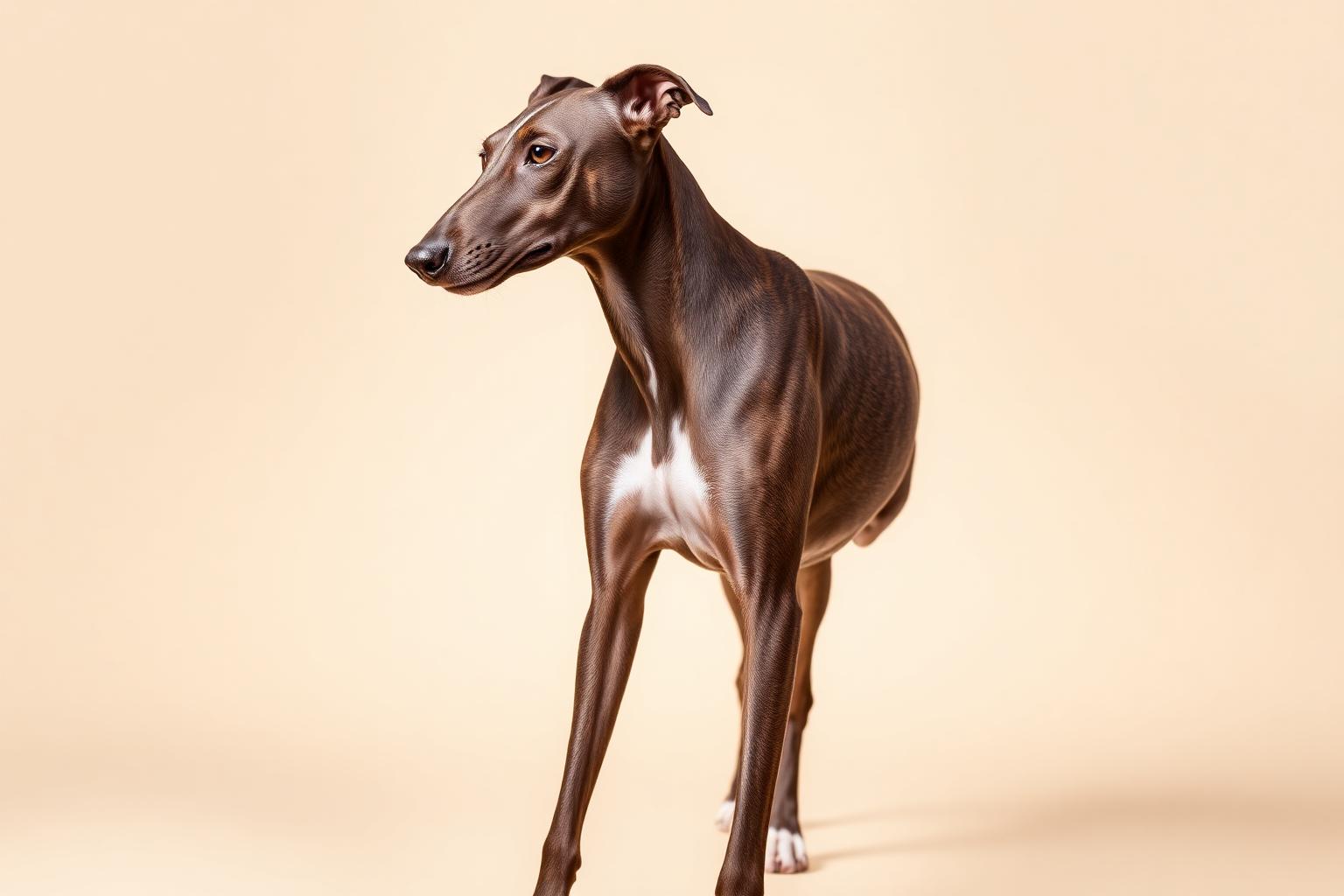
Whippet
"Graceful, affectionate, and swift: the ideal modern family companion."
Overview
The Whippet is a medium-sized dog breed known for its elegant build and surprising speed. Originating from Victorian England, this "miniature Greyhound" stands out for its dual personality: a fast athlete outdoors and a calm, affectionate couch companion at home. They are incredibly adaptable dogs, ideal for apartments and homes with gardens (provided it's fenced), as long as they receive their daily dose of vigorous exercise, which includes the opportunity to run freely in a safe space.
Regarding their temperament, the Whippet is gentle, affectionate, and loyal to its family. They are excellent with children if taught to interact respectfully, although their thin skin makes them somewhat delicate. They get along well with other dogs, but their strong prey drive requires caution with small pets. Their maintenance is low, with a short coat that barely requires brushing and minimal shedding, making them an option for those with mild allergies. They are a healthy breed with a life expectancy of 12 to 15 years, although they are sensitive to cold and need coats in winter. Their training is rewarding with positive methods, as they are intelligent and eager to please. Their monthly cost is moderate, but investment in quality coats is essential.
Choosing a Whippet means welcoming an intelligent, affectionate, and elegant companion who brings calm and joy to the home, always ready to share the sofa after a good run. Ideal for active families looking for a calm and sociable dog.

Key facts
- Size
- Medium
- Weight
- 11–19 kg
- Life expectancy
- 12–15 years
- Daily exercise
- 60 min/day
- Estimated total
- 115€/month
- Country
- Reino Unido
Character & temperament
The Whippet's temperament is one of its most prominent and attractive features. They are incredibly calm and docile dogs indoors, often described as "couch potatoes." They love to curl up in warm places and enjoy long naps, displaying a tranquility that sharply contrasts with their explosive outdoor speed. They are affectionate and very attached to their families, enjoying human companionship and often seeking physical closeness. They are not dogs that enjoy prolonged solitude and can develop separation anxiety if left alone for many hours regularly. With strangers, they tend to be reserved initially, observing before approaching, but rarely show aggression. Once they accept a person, they are friendly and polite. They are intelligent and responsive, making them relatively easy to train with positive reinforcement. They have a sensitive nature, so they respond better to kindness and patience than to harsh methods. The Whippet is not known for excessive barking, which makes them good neighbors in urban environments. Their prey drive, inherited from their hunting ancestors, is strong; therefore, on walks, it is crucial that they are on a leash or in completely fenced areas where they can run safely without the risk of chasing small animals. Despite their burst of energy, they are relatively low-maintenance dogs in terms of needing constant attention, as long as they are provided with their daily dose of exercise and affection. They are adaptable to various lifestyles and homes, as long as their fundamental needs for companionship and controlled exercise are understood and met. Their gentle character and elegance make them a joy to have at home.
Living with children
Whippets are typically excellent dogs with children, displaying a patience and gentle nature that makes them ideal companions. They are often calm and tolerant of children's energy, especially if properly socialized from a young age. However, due to their slender build and thin skin, it is crucial to teach younger children to interact with them respectfully and gently. They are not dogs that tolerate ear or tail pulling, or rough play that could cause them pain or frighten them. Supervising interactions between children and the Whippet is crucial, especially when children are very young, to ensure both learn to respect each other. The Whippet's innate calmness usually makes them less prone to overexcitement with noisy children's play, and they often seek a quiet place to retreat if overwhelmed. On the other hand, they enjoy the company of older children who understand how to interact with them, and can be excellent playmates in the garden (when safe and fenced) or for cuddling on the sofa. It's important to remember that, despite their patience, every dog has a limit, and educating both the dog and the children on warning signs and boundaries is vital for harmonious coexistence. With proper socialization and education, a Whippet can be a beloved and safe member of a family with children, bringing joy and affection into their lives.
With other pets
Whippets generally get along well with other dogs, especially if they have grown up together or have been properly socialized. Their sociable nature allows them to coexist peacefully. However, their **strong prey drive** can be a challenge with smaller pets such as cats, rabbits, or hamsters. While some Whippets can live with cats if raised together from puppyhood and interactions are supervised, there is always the risk of the instinct kicking in. It is crucial to take extreme precautions with any pet that runs or moves quickly. With early socialization and training, coexistence can be successful, but always with constant vigilance.
Health & prevention
The Whippet is generally a very healthy and robust breed, known for its longevity, with a life expectancy of 12 to 15 years. However, like all breeds, they have a predisposition to certain conditions, even if not common. One of the best-known is sensitivity to certain anesthetics, due to their low body fat percentage. It is crucial to inform the veterinarian about this characteristic before any procedure. They may be prone to dental problems, so good oral hygiene is essential. Some may develop eye problems like progressive retinal atrophy, though less common than in other breeds. Cardiac pathologies, such as mitral valve disease, have been observed in some individuals. They can also suffer from hypothyroidism. Due to their thin skin, they are susceptible to cuts, scrapes, and bruises. Their sensitive temperament can lead to separation anxiety if left alone for prolonged periods. Maintaining a healthy weight and providing a balanced diet is essential to prevent joint problems and maintain their vitality. Responsible breeders' evaluations include genetic testing to detect possible hereditary diseases, ensuring healthier puppies. Their skeletal bone structure is strong, but their skin is delicate and may require attention in case of superficial wounds. Overall, with basic care, proper nutrition, exercise, and regular veterinary check-ups, a Whippet can enjoy a long and full life.
Health risks
- •Anaesthesia sensitivity
- •Heart problems
Care
Nutrition
Whippet nutrition requires a high-quality diet, formulated for medium-sized breeds with burst-level energy. Given their athletic build and low fat percentage, it's crucial to provide food rich in lean proteins to maintain their musculature and energy. A good quality dry kibble or a balanced BARF diet, tailored to their specific needs, is recommended. For adult dogs, two meals a day are usually sufficient. Portion control is important to prevent overweight, as even though they are active, Whippets can gain weight if overfed. Due to their natural thinness, it's not always easy to judge their body condition; their ribs should be palpable without being excessively visible. Avoid foods with cheap fillers or common allergens like corn or wheat in large quantities. Some Whippets may have sensitive stomachs, so diet changes should be gradual. Access to fresh, clean water at all times is essential.
Grooming & hygiene
The Whippet is a **low-maintenance breed** regarding grooming, making them a popular choice for people with busy schedules or those who prefer not to dedicate much time to this task. Their short, fine coat requires weekly brushing with a rubber mitt or a soft-bristle brush to remove loose hair and stimulate circulation, maintaining the coat's natural shine. They don't shed much, but regular brushing helps minimize it further. Baths are only necessary when they are truly dirty, as excessive bathing can dry out their skin. Use a mild dog-specific shampoo. Ear cleaning should be done regularly with a gentle ear cleaner to prevent infections. Nail trimming is essential and should be done every 2-4 weeks, or when heard clicking on hard surfaces, to prevent overgrowth and paw problems. Dental hygiene is crucial; daily or regular brushing with dog-specific toothpaste will help prevent plaque buildup and periodontal diseases. Their lack of body fat makes them sensitive to cold, so they will need coats in winter.
Exercise & training
Exercise plan
Whippets need a moderate amount of daily exercise to stay physically and mentally healthy, despite their apparent calmness at home. They usually have **short bursts of explosive energy** followed by long periods of rest. Ideally, they should be given at least 30-60 minutes of vigorous exercise daily, divided into one or two sessions. This can include a couple of brisk on-leash walks and at least one daily opportunity to run freely in a safe, fenced area. Their chase instinct is very strong, so it is vital that they are never let off-leash in areas with traffic or small animals, as they may ignore calls if they spot prey. They greatly enjoy games of chasing a ball or a lure. Agility and canicross are sports they can enjoy and excel in. In addition to physical exercise, they also need mental stimulation through interactive games and training sessions. A well-exercised Whippet will be a calm and happy companion at home.
Training
Whippet training is generally a rewarding process due to their **intelligence and desire to please**, though their sensitivity requires a positive and gentle approach. They respond exceptionally well to positive reinforcement, such as treats, praise, and toys. Force-based or intimidation training methods can make them withdraw and become nervous. **Early socialization** is crucial, exposing them in a controlled manner to different people, places, sounds, and other dogs and animals from puppyhood to develop a balanced and confident personality. Basic obedience training is fundamental, paying special attention to a reliable recall ("come") due to their strong prey drive. However, even with good recall, a Whippet should never be off-leash in unfenced areas. Leash training is important, as they sometimes pull if they spot something interesting. They are intelligent dogs that enjoy mental challenges, so obedience classes, agility, or lure coursing can be excellent for keeping them stimulated and strengthening the bond with their owner. Given their sensitivity and attachment, training to prevent separation anxiety may also be beneficial.
Monthly cost
Monthly costs are moderate, but investing in high-quality winter coats is an essential initial expense in Spain.
Estimate for Spain, healthy adult dog. Varies by region and provider.
Pros & cons
Pros
- ✓Extremely affectionate and devoted to their families.
- ✓Minimal grooming needs due to their short coat.
- ✓Calm and clean indoors, ideal for indoor living.
- ✓Relatively healthy with a good life expectancy.
- ✓Fast and agile, enjoy running in secure spaces.
Cons
- !Sensitive to cold, requiring coats in chilly weather.
- !Strong prey drive necessitates caution with small pets and off-leash walks.
- !Can suffer from separation anxiety if left alone for extended periods.
- !Thin and delicate skin, susceptible to cuts and scrapes.
- !Can be lazy during training if not properly motivated.
Ideal for
- • Active families who enjoy walks and outdoor activities.
- • Individuals who can offer constant companionship and avoid long periods of solitude.
- • Experienced owners who understand the nature and needs of a sighthound.
- • Households seeking an elegant, calm, and low-maintenance dog at home.
Not recommended for
- • Individuals seeking a guard dog or who are away from home for extended periods.
- • Households with very active small pets like ferrets or hamsters without supervision.
- • Families unwilling to allow the dog on sofas or beds.
- • Owners uninterested in providing controlled daily exercise.
How it fits each scenario
The **Whippet** is ideal for apartments due to its calm nature and love for the couch. They require daily outdoor walks and an opportunity to run in a safe, fenced space.
In a house with a garden, the Whippet will appreciate the space to stretch its legs, but the garden must be **completely fenced and secure** to prevent its chase instinct.
In hot climates, the **Whippet** adapts well, but it's crucial to protect their skin from direct sun and ensure they always have access to shade and fresh water to avoid heatstroke.
Whippets are very **sensitive to cold** due to their short coat and low body fat. They will need coats or jumpers in winter and on cold or rainy days for protection.
With toddlers, the Whippet can be gentle, but their thin skin makes them vulnerable. It's essential to teach children to be **gentle and always supervise** interactions.
Whippets make **excellent companions** for school-aged children who understand how to interact respectfully. They enjoy controlled games and resting together.
A **Whippet** can be suitable for first-time owners if they are willing to research the breed, commit to positive training, and meet its exercise and companionship needs.
Experienced owners will appreciate the **Whippet's** calm nature and elegance. They will know how to manage its prey drive and provide appropriate socialization and training.
For an active family, the **Whippet** is ideal. It will enjoy brisk walks and, crucially, opportunities to run at full speed in safe, fenced environments.
A very busy family that cannot dedicate time to walks and constant companionship is not ideal for a **Whippet**, as they need daily quality attention and exercise.
Due to their short coat and minimal shedding, the **Whippet** can be an option for people with mild allergies, though no dog is completely hypoallergenic.
Monthly costs for a **Whippet** are moderate, but significant initial expenses like coats must be considered, and unexpected vet costs can arise as with any breed.
Origin & history
The Whippet was developed in Victorian England, primarily in the North and Lancashire region, in the mid-19th century. It resulted from crosses between Greyhounds, Italian Greyhounds, and various terrier breeds, such as the Manchester Terrier and Fox Terrier. Initially, these dogs were very popular among the working class, especially miners, who used them for rabbit hunting and for the popular "rag racing," where dogs chased a rag waved by their owners. This activity earned them the nickname "the poor man's racehorse."
Despite their image as sprinters, Whippets are famous for being the 'kings of naps' at home! They can comfortably sleep for hours, often in funny positions and snuggled up with any pillow or blanket they find.
Frequently asked questions
Is the Whippet suitable for apartment living?▾
Yes, the Whippet is surprisingly well-suited for apartment living. They are calm and clean indoors, often preferring to lounge on the sofa. However, this does not mean they don't need exercise. It's crucial to provide them with at least 30-60 minutes of vigorous activity daily, ideally an opportunity to run freely in a fenced dog park or a safe area, in addition to daily leashed walks. With their dose of exercise, they become exemplary apartment companions.
How often does a Whippet need to run freely?▾
Ideally, a Whippet should have the opportunity to run freely at full speed in a safe, fenced space at least once a day. Their sighthound nature endows them with amazing speed, and they need to expend that energy. A secure dog park or a fenced field is perfect. It's crucial to remember their strong prey drive, so they should never be let off-leash in areas with traffic or small animals outside a secure boundary.
Are Whippets good with young children?▾
Whippets can be very good with children, showing patience and gentleness. However, due to their slender build and thin skin, they are somewhat delicate. It is vital to teach very young children to interact with them respectfully and gently, avoiding pulling or rough play. Adult supervision is always recommended to ensure harmonious and safe coexistence for both, teaching the dog to retreat if uncomfortable and the child to respect that space.
What kind of coat does a Whippet need in winter?▾
Due to their short coat and lack of body fat, Whippets are very sensitive to cold. They need warm and waterproof coats for the winter months, as well as for cold, windy, or rainy days in other seasons. Look for coats that cover the chest and belly well, are comfortable, and allow freedom of movement. Investing in 2-3 good quality coats, including a waterproof one and a very warm one, is essential for their well-being in cold climates.
Are Whippets big barkers?▾
No, Whippets are not generally known for being excessive barkers. They tend to be quite quiet in the home. They bark occasionally to alert to someone's arrival or if they are very excited or frustrated, but they are not typically a breed that barks without reason. This makes them good companions for those living in apartments or with close neighbors, as they are less likely to cause noise disturbances.
Can Whippets live with cats and other small pets?▾
Due to their strong prey drive, a Whippet's coexistence with cats or small pets (such as rabbits, ferrets, or hamsters) can be challenging. Some Whippets raised with cats from puppyhood may coexist peacefully, but strict supervision is always necessary. With fast-moving pets or those not properly introduced, the risk of chasing or injury is high. It is crucial to thoroughly evaluate the dog's individual temperament and not assume automatic compatibility.
Are Whippets good for people with allergies?▾
While no dog is 100% hypoallergenic, Whippets are considered a low-allergen breed. Their coat is short, they shed very little, and they don't produce much dander compared to other breeds. This makes them a more tolerable option for people with mild to moderate allergies. However, it is always recommended to spend time with Whippets before adoption to check for personal allergic reactions.
How easy is it to train a Whippet?▾
Whippets are intelligent and eager to please, which generally makes them easy to train using positive reinforcement methods. They respond very well to rewards and praise. However, they are also sensitive and can become shy or stubborn if harsh training methods are used. The key is consistency, patience, and a positive approach. Early socialization is fundamental, and they can excel in dog sports like agility or lure coursing, which also helps with mental training.
Similar family-friendly breeds
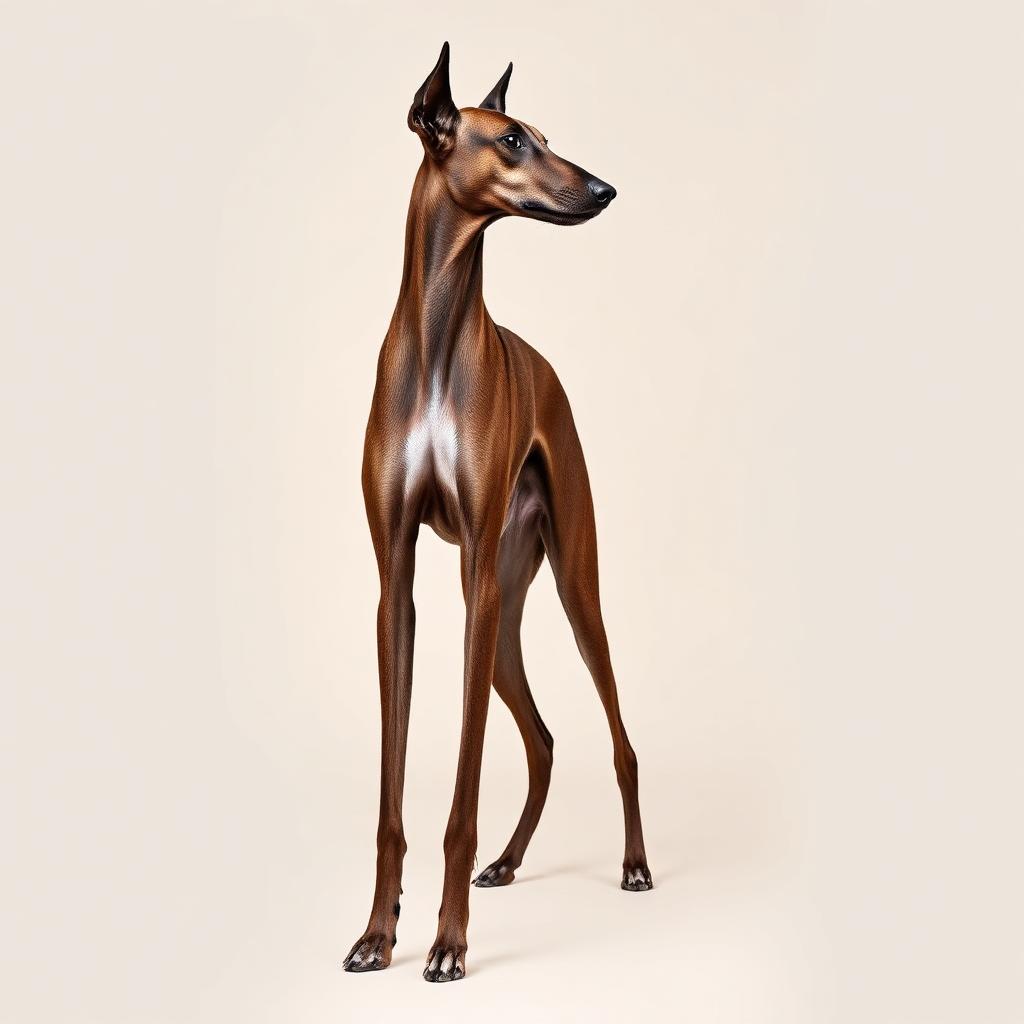
Spanish Greyhound
7.5Spanish sprinter, calm at home. Thousands awaiting adoption; excellent with older kids.
 Hypoallergenic
Poodle
9.5Intelligent, elegant and hypoallergenic. Available in several sizes to suit any home. Requires regular grooming.

Beagle
9.0Curious, cheerful and very sociable. Needs daily exercise and company. His nose takes him far: always on leash.